Brown Bar Stools With Backs
Looking to add a touch of elegance and functionality to your kitchen or bar area? Brown bar stools with backs are sure to impress. With their stylish designs and comfortable seating, these bar stools are perfect for both casual meals and entertaining guests. Whether you're looking for a classic wooden finish or a modern upholstered look, we have a wide range of options to suit your style and preferences. Here are some great options available.
Sort
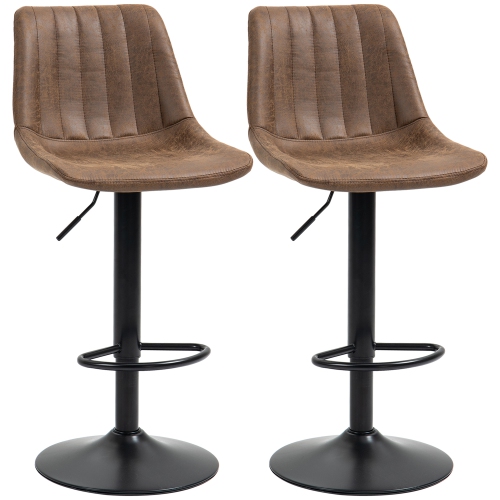
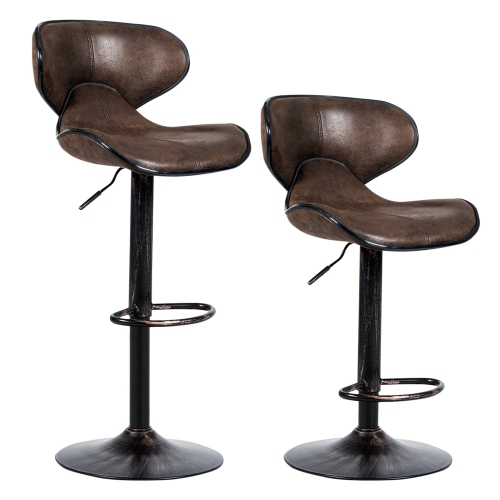

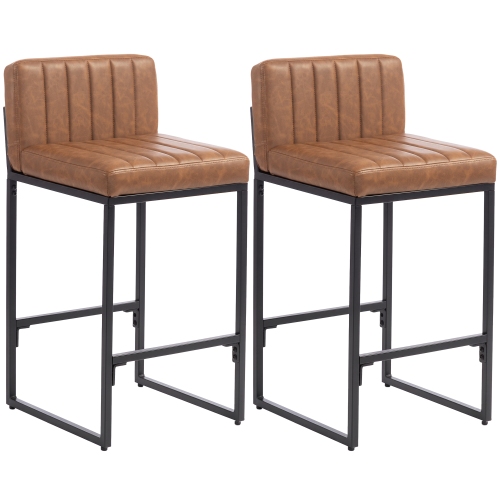


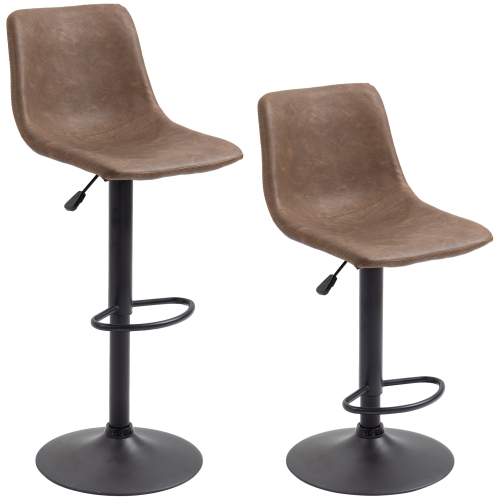
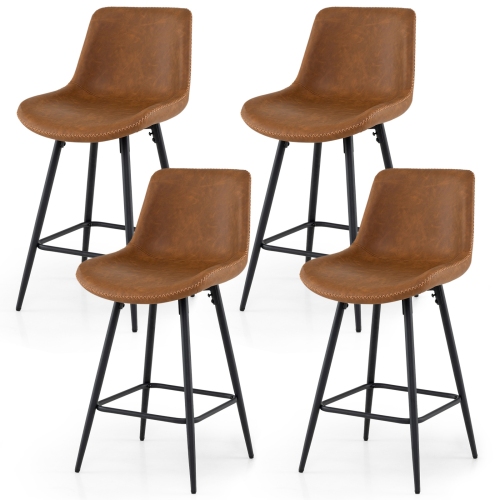

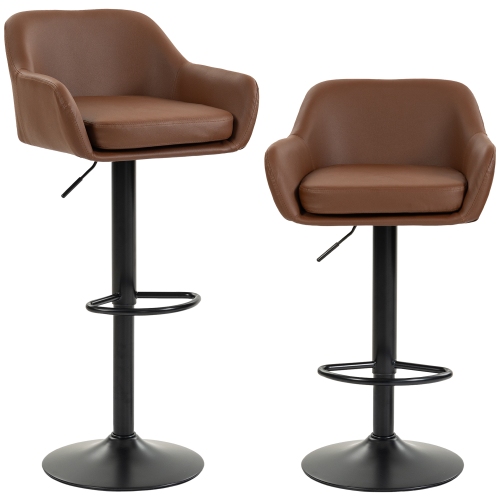

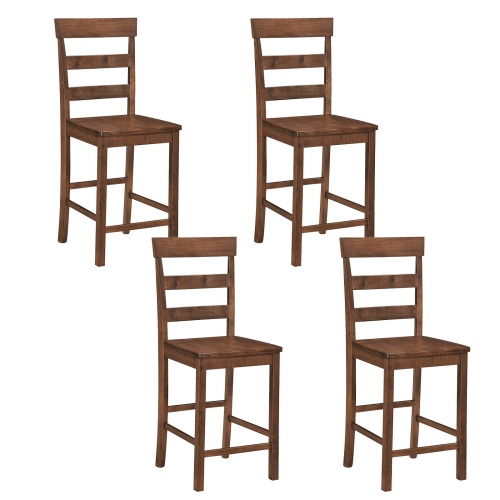
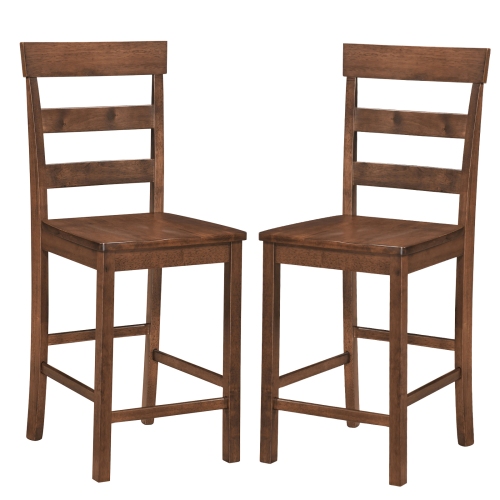

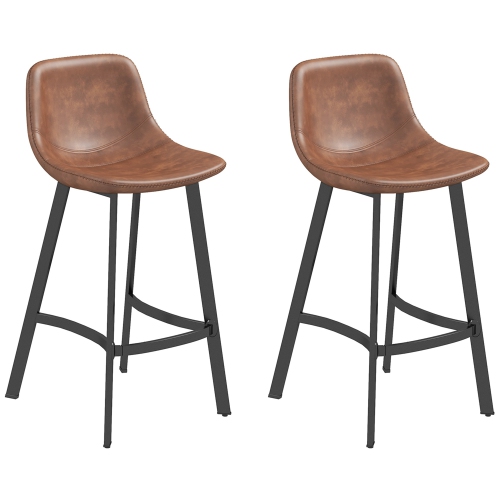

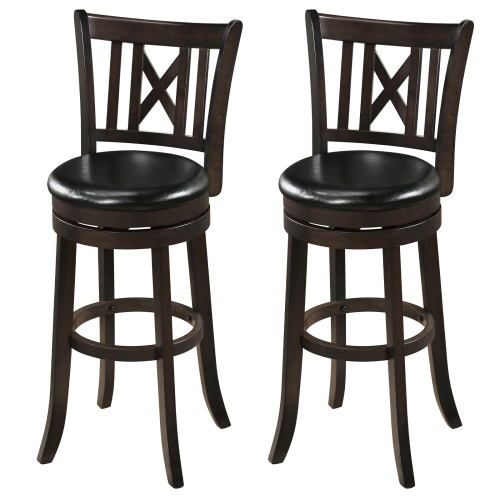
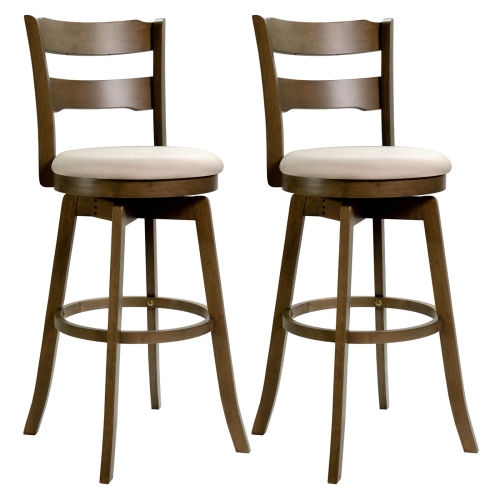
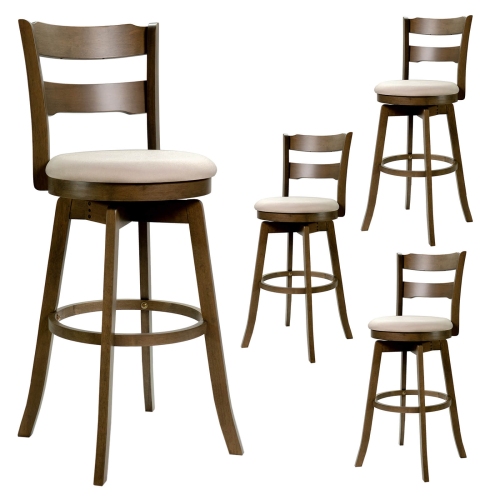

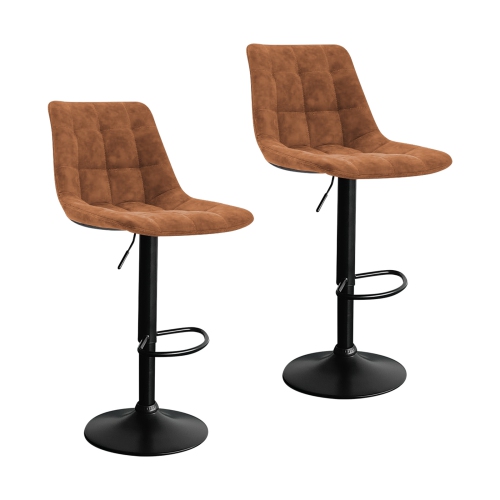
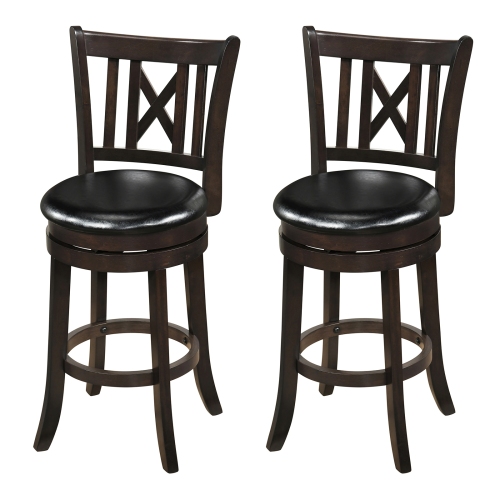
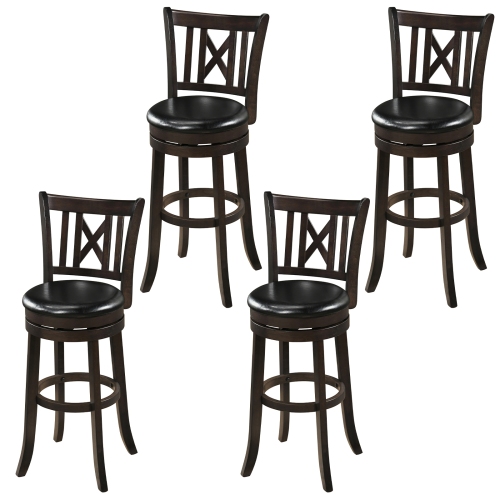

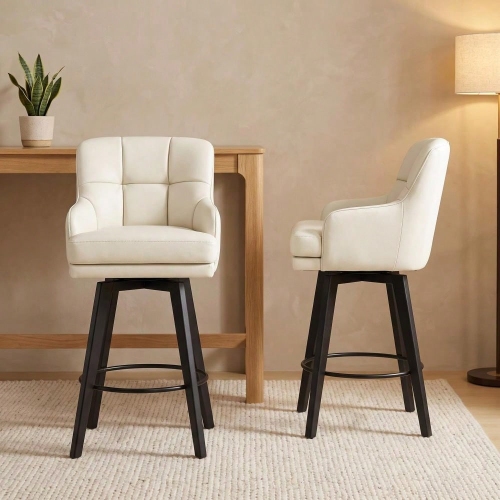
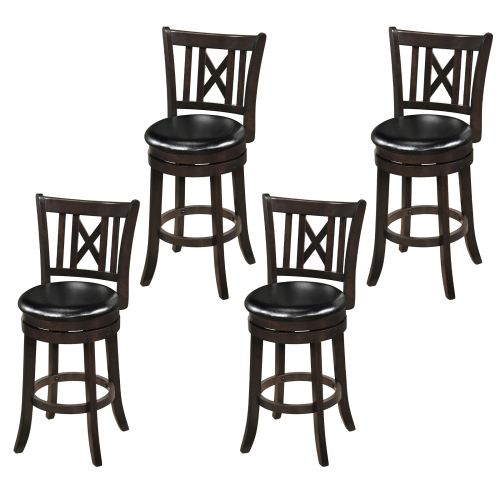
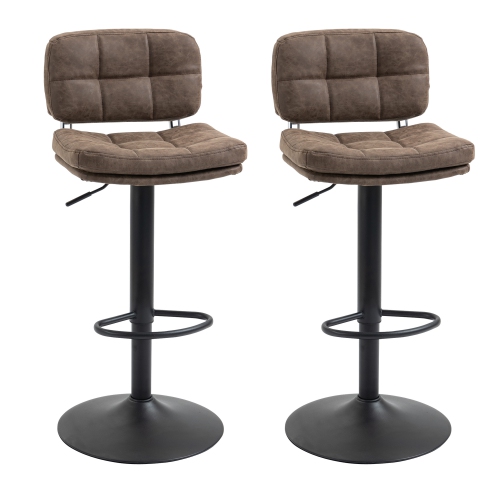
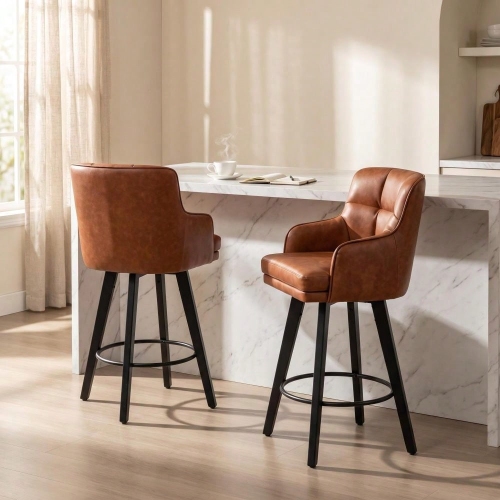
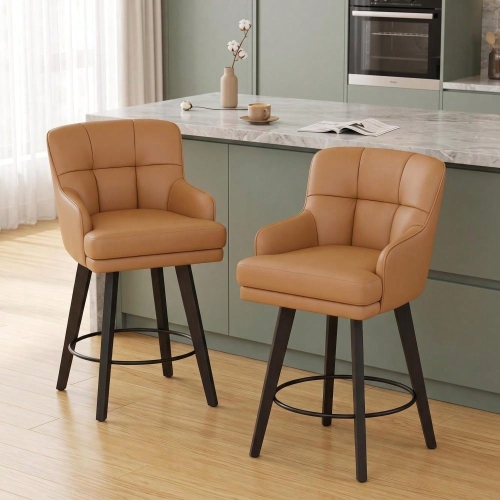
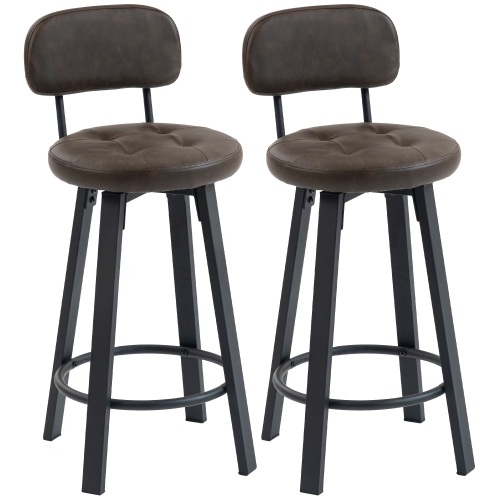
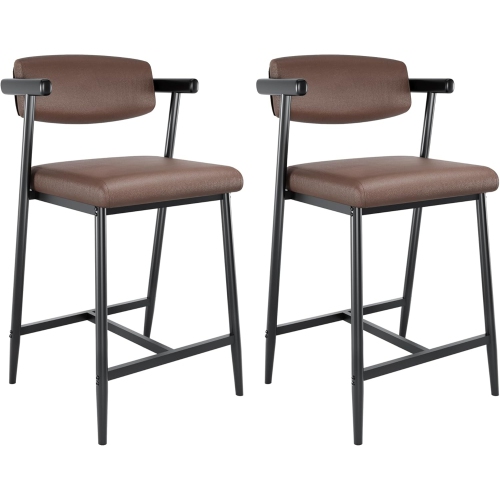
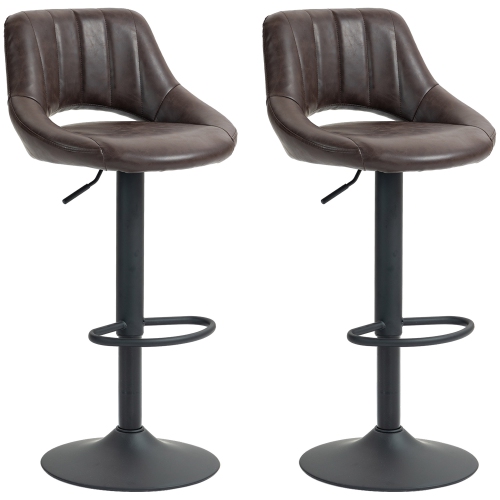


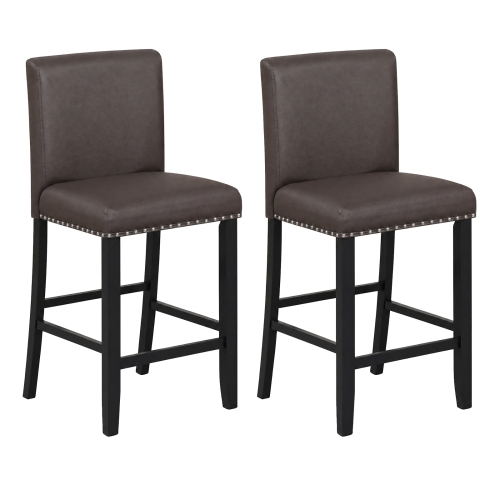


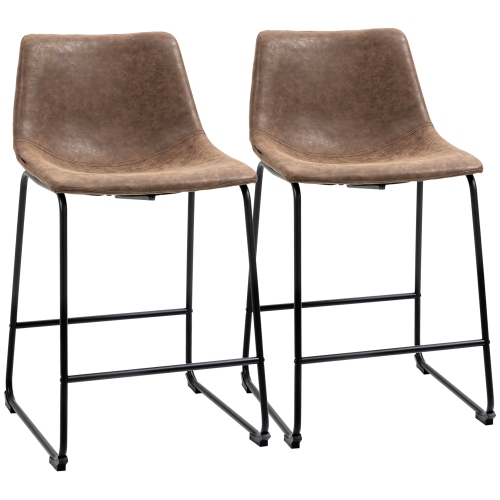
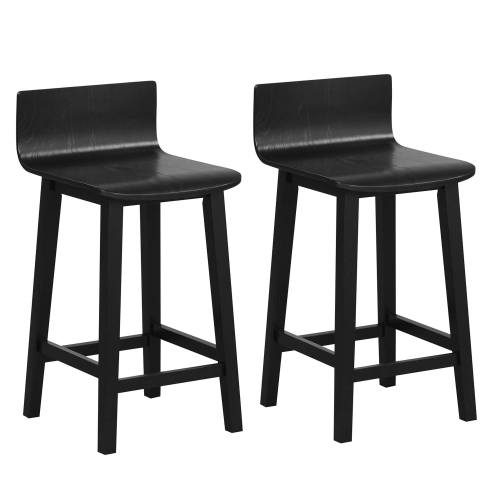

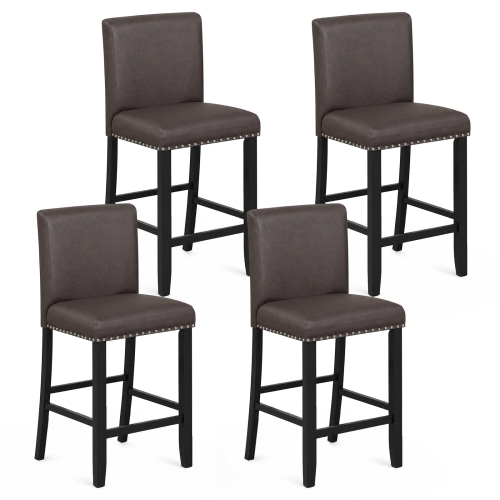
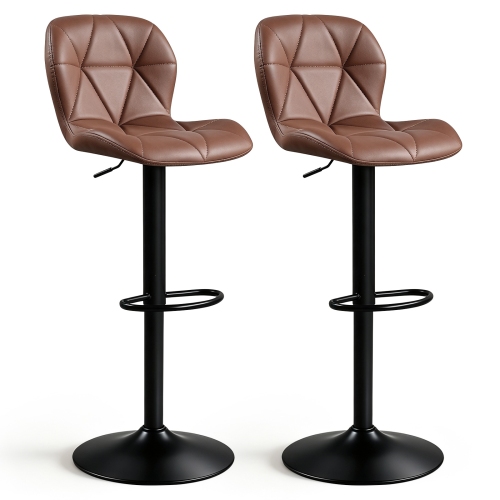

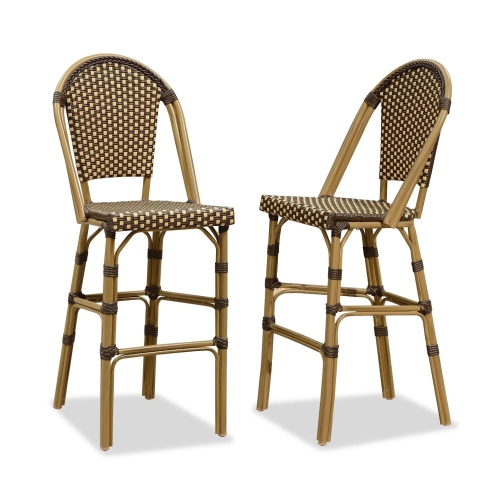
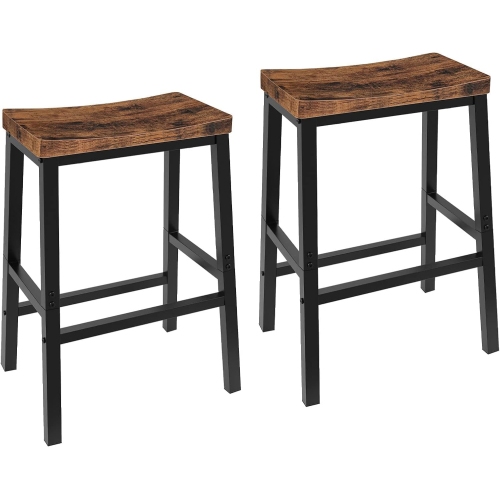
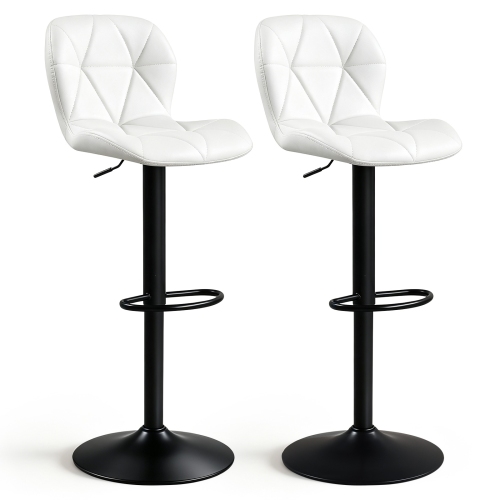
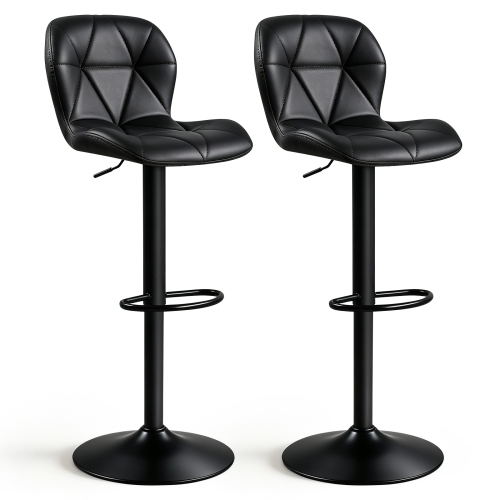
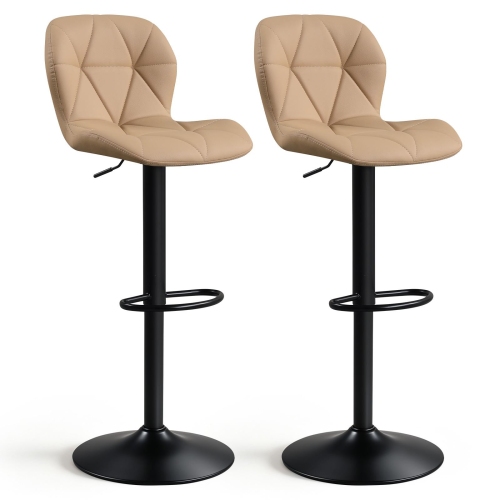

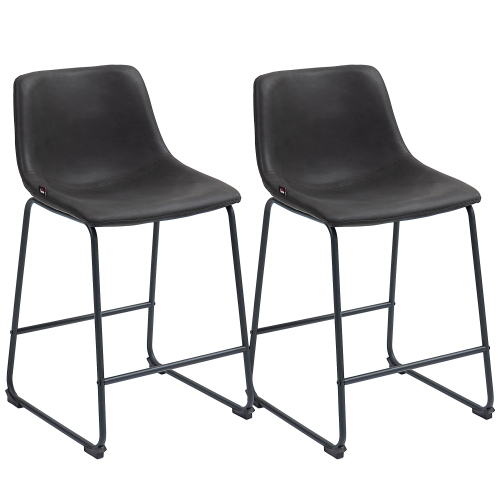
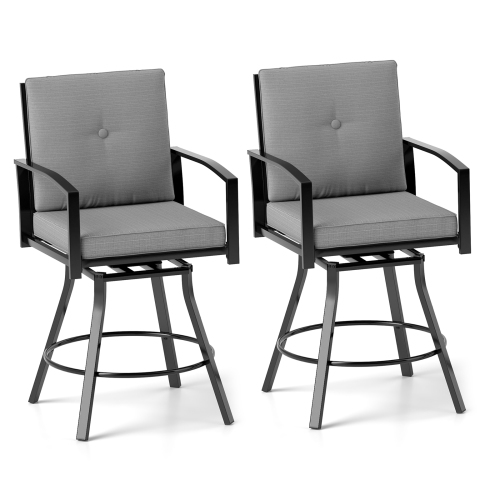


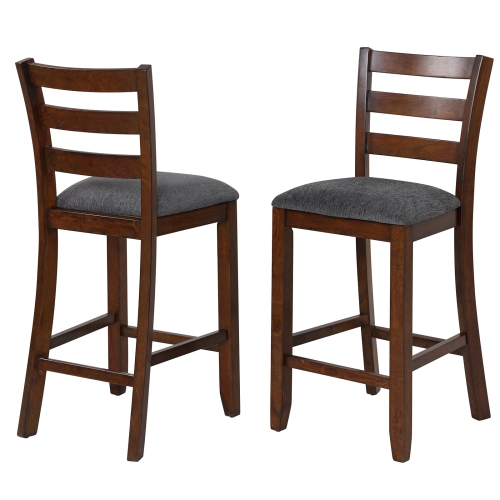
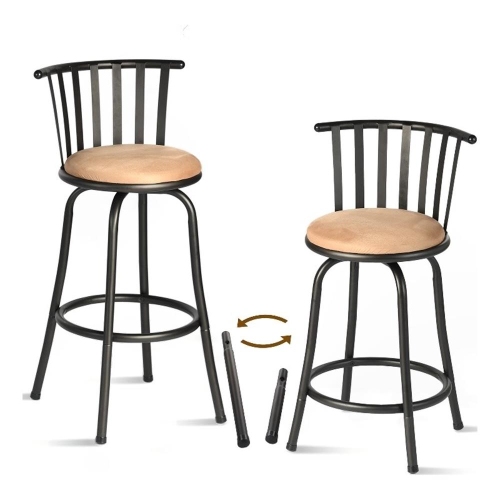
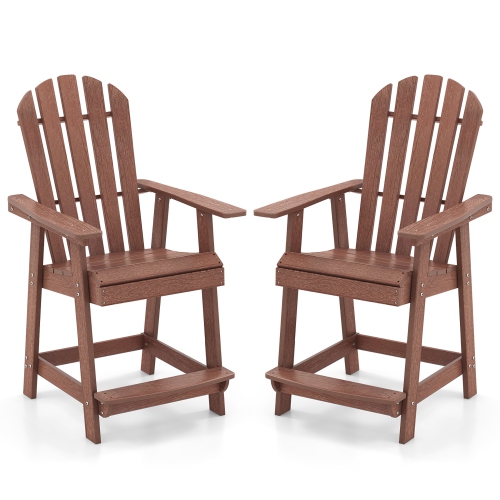
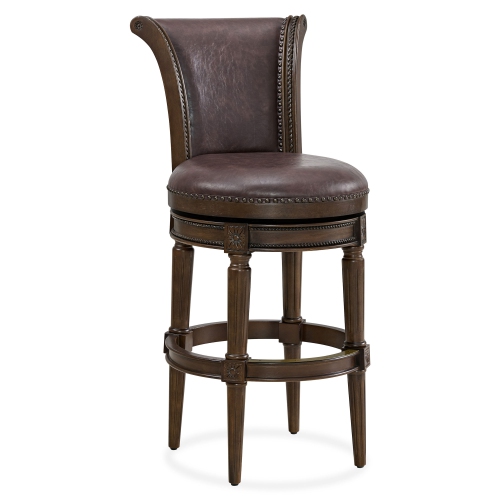

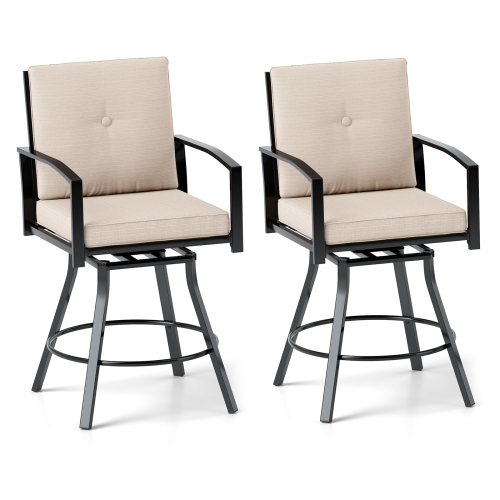
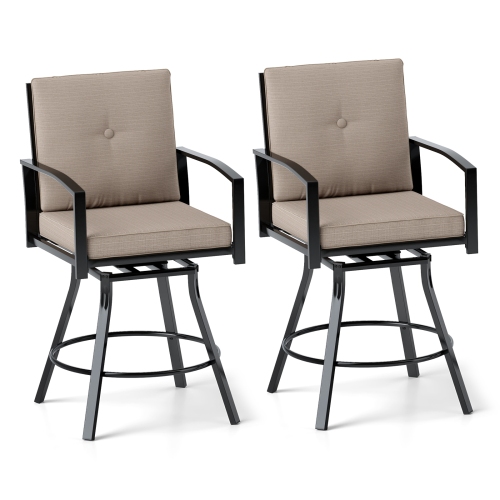
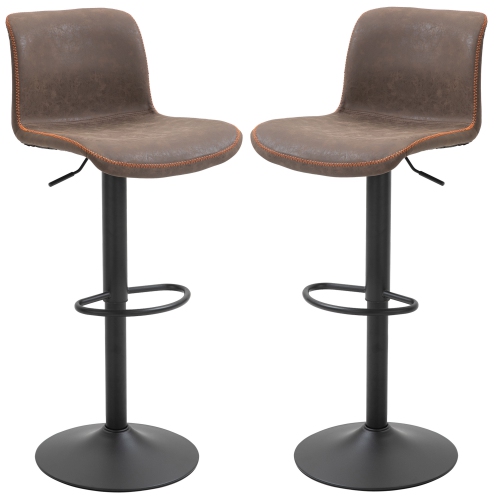
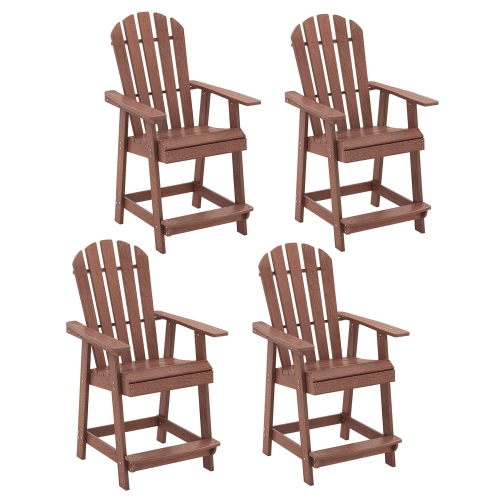
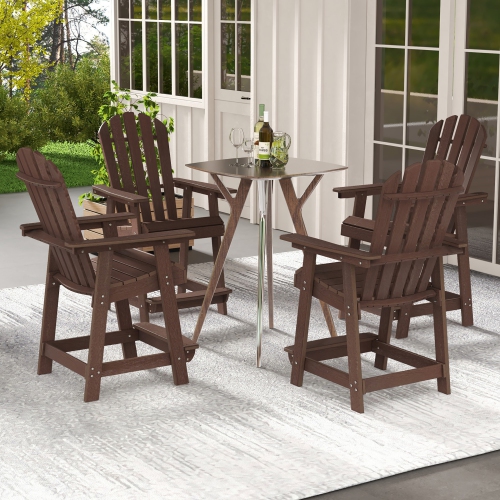

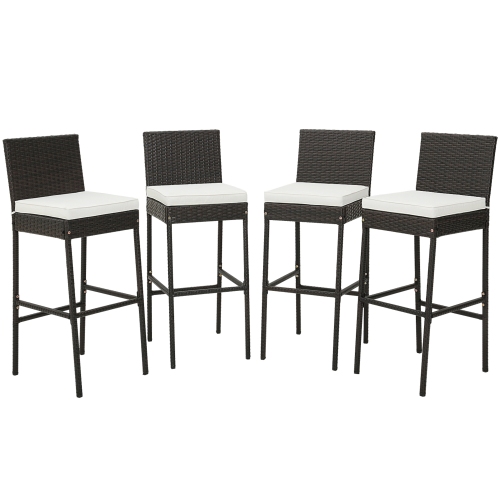
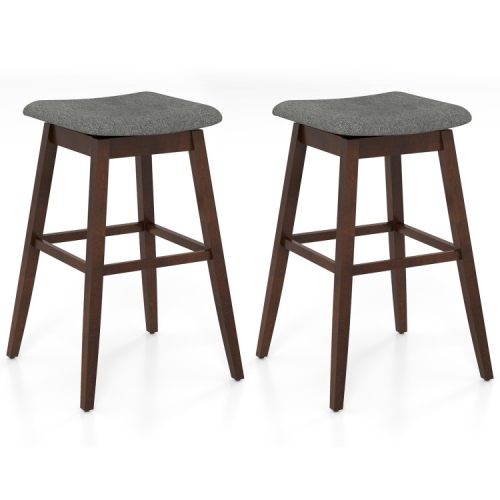
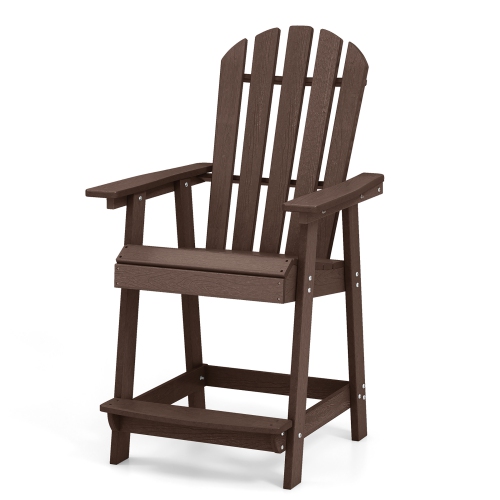
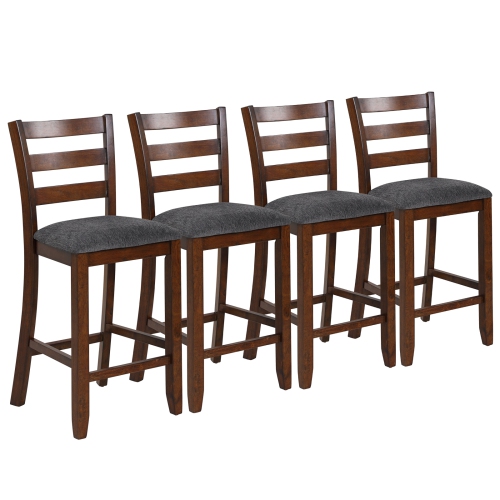
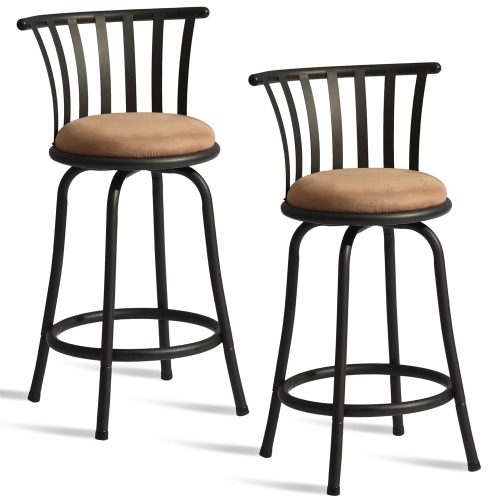
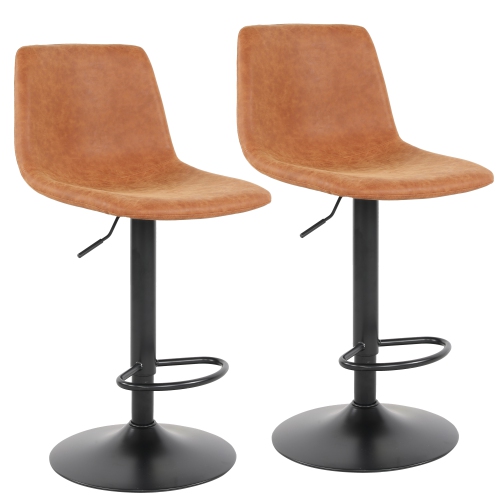


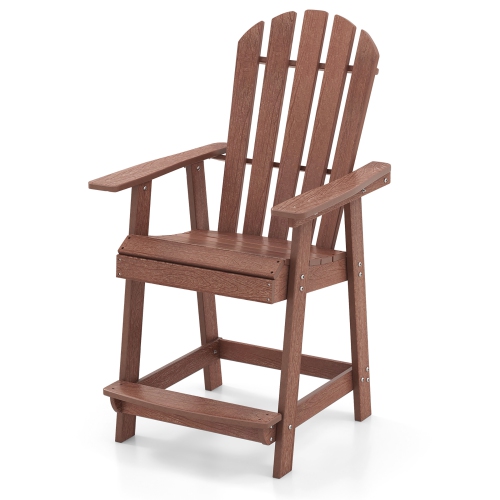
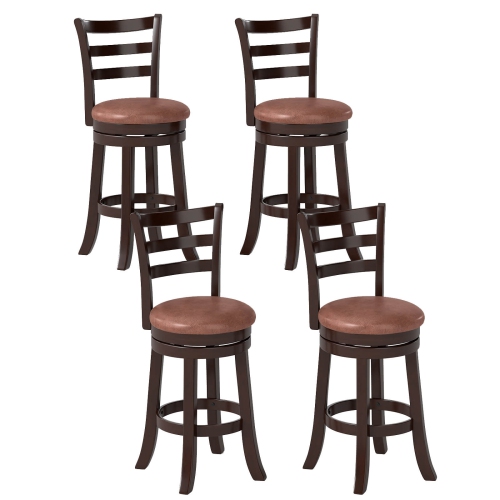


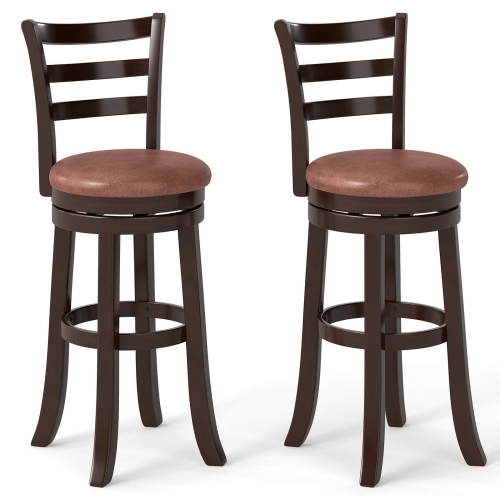


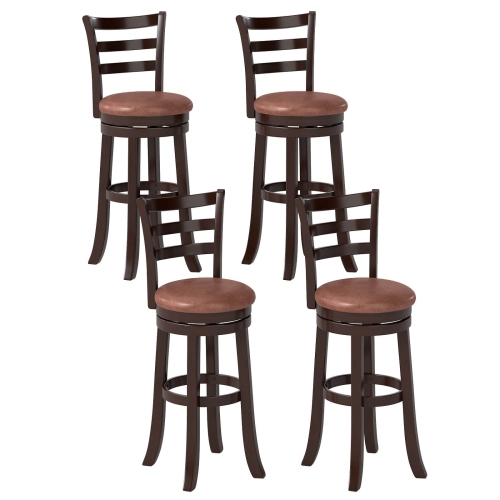


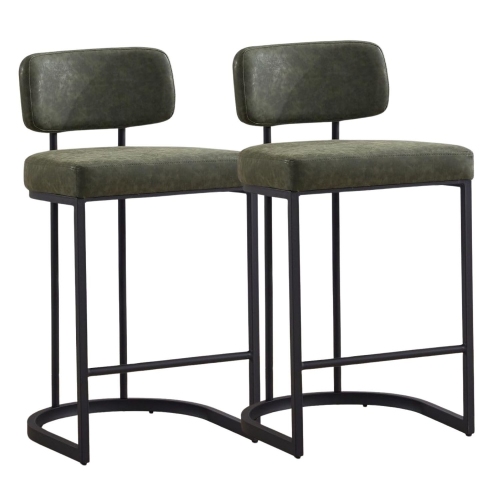
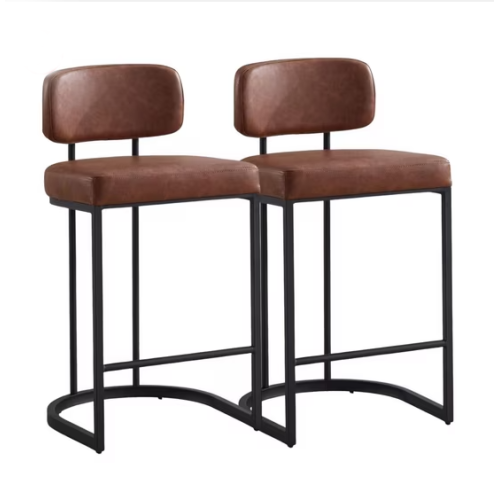
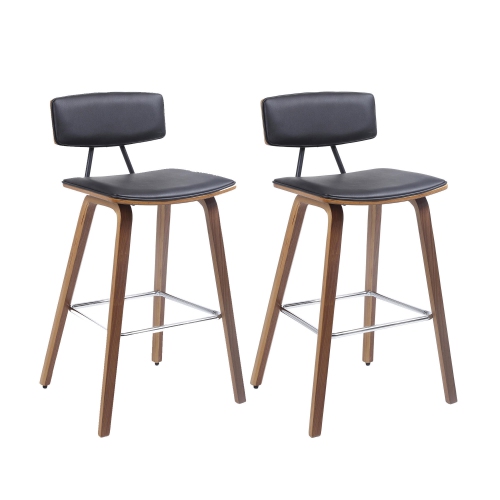
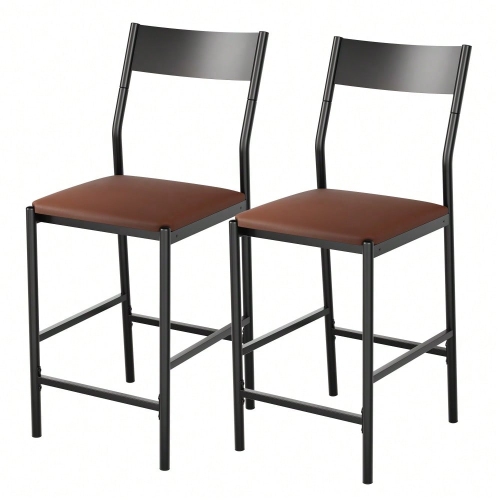
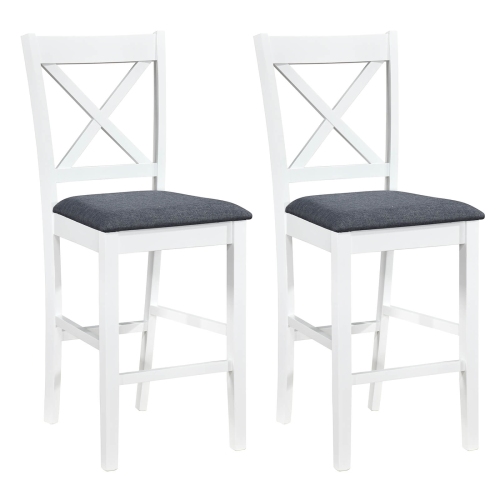

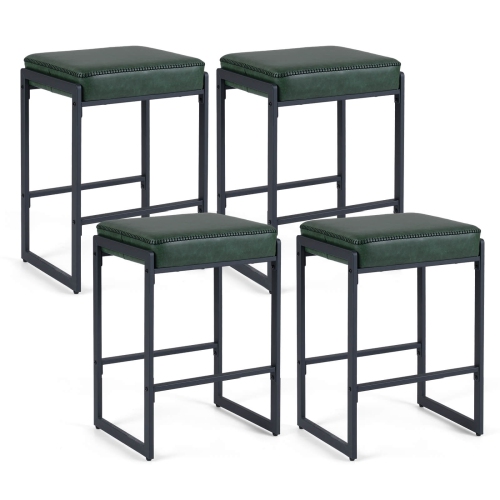
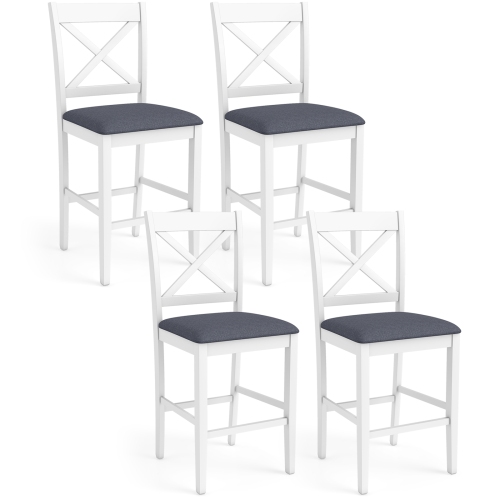
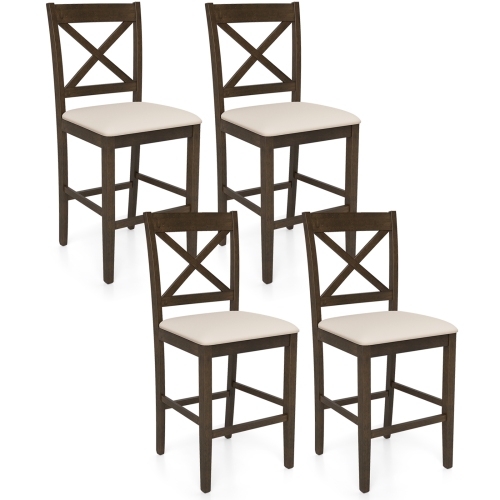
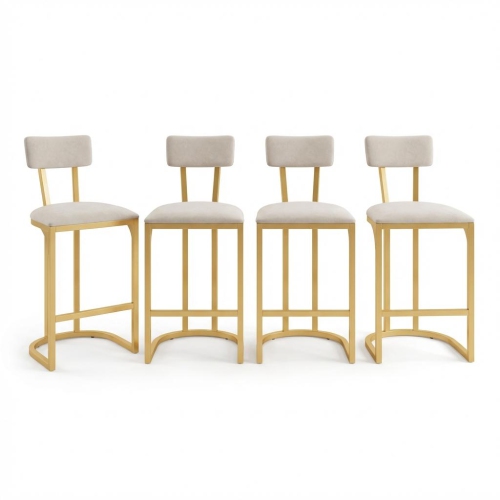

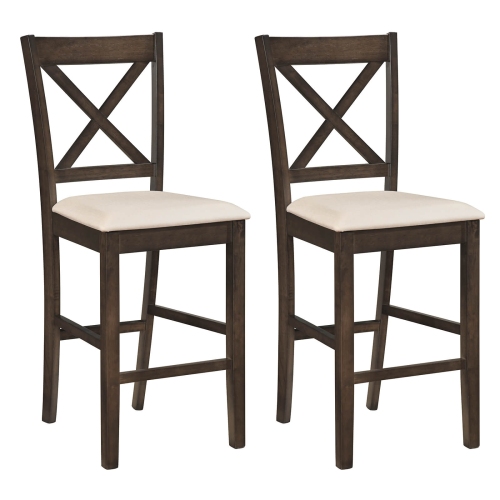

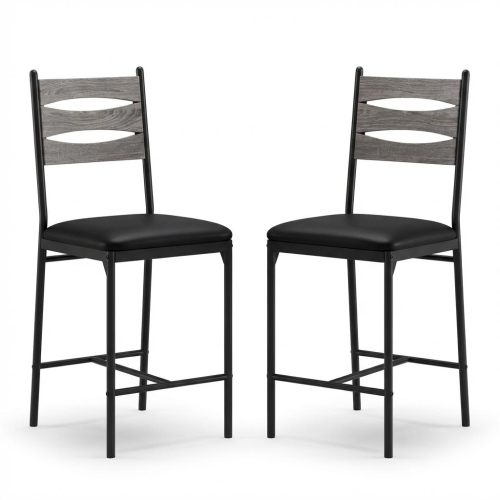

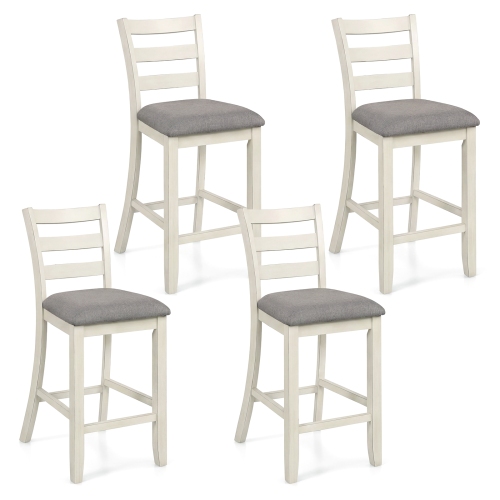


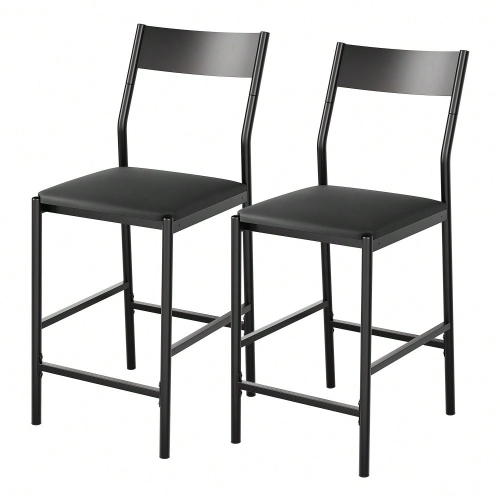

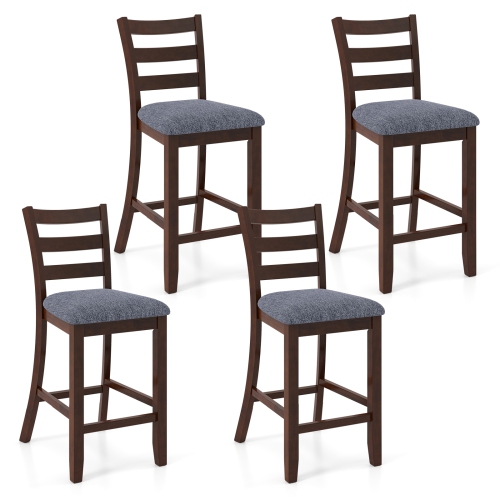


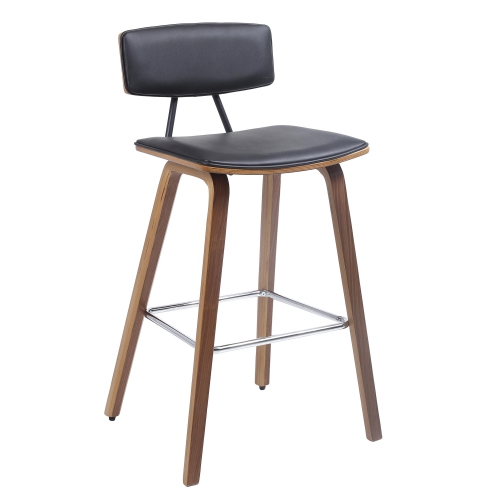
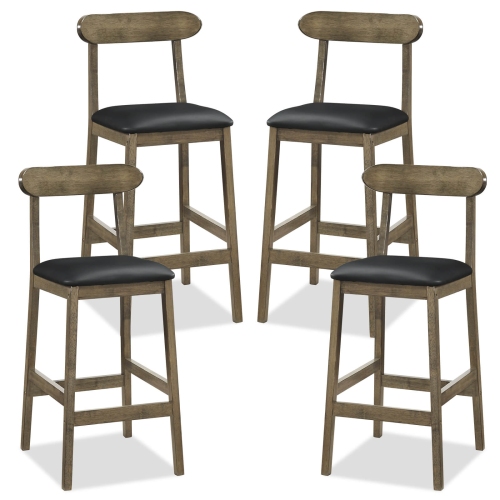
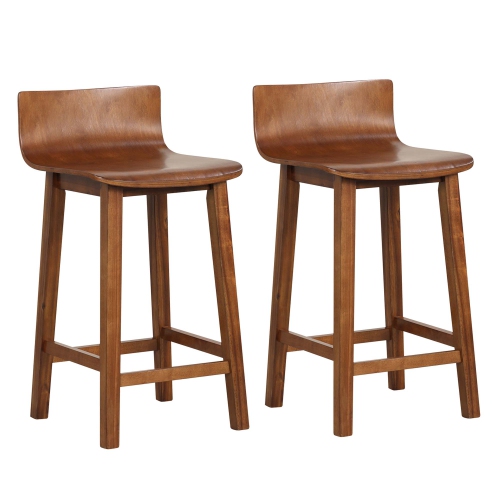


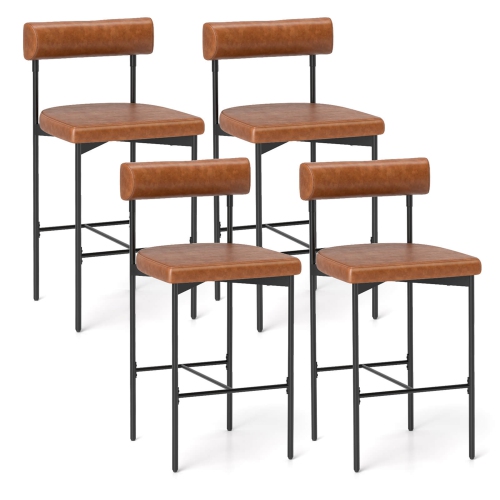
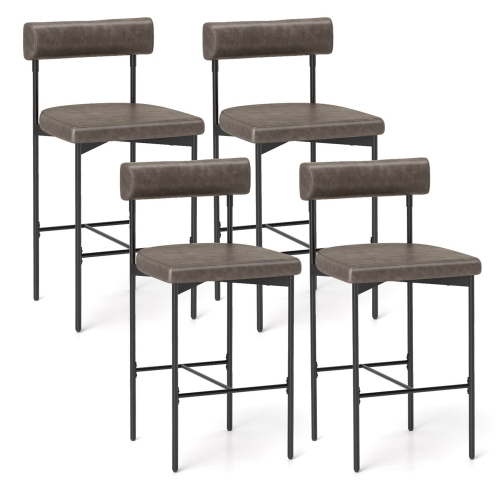

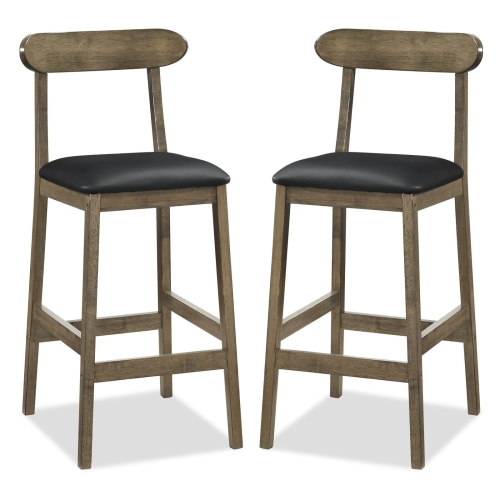
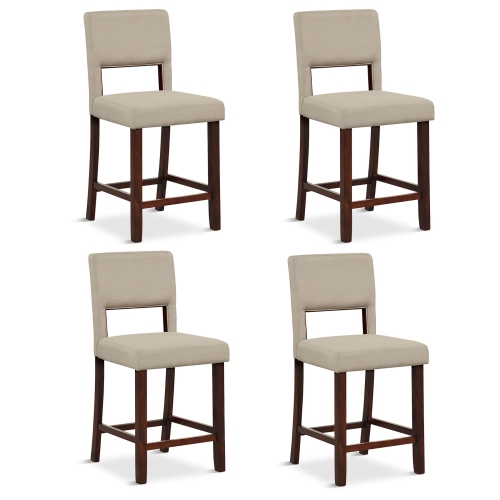
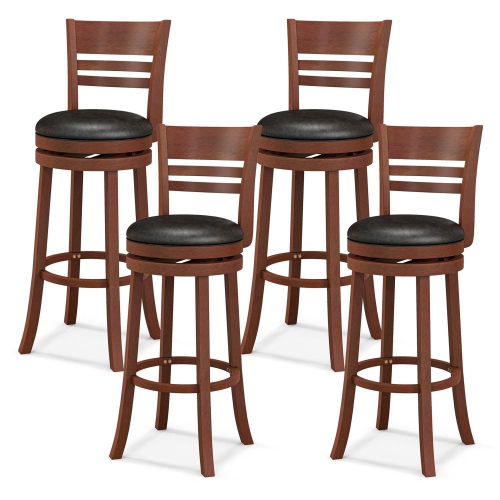

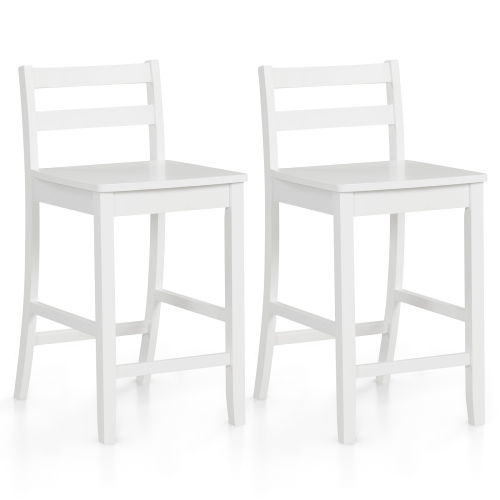

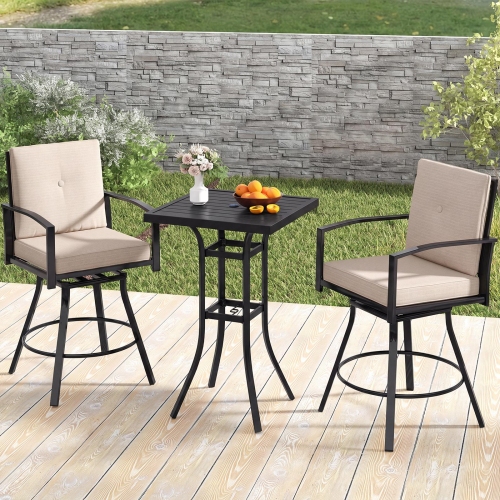

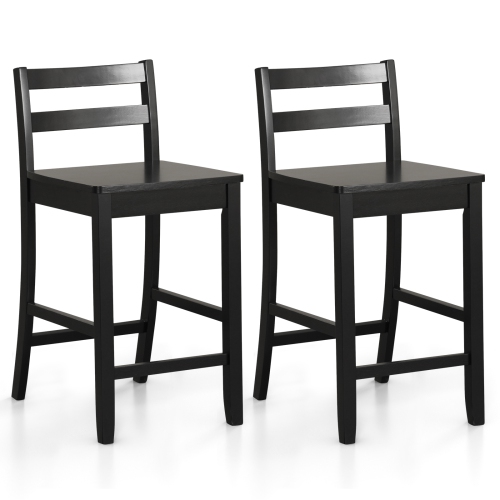


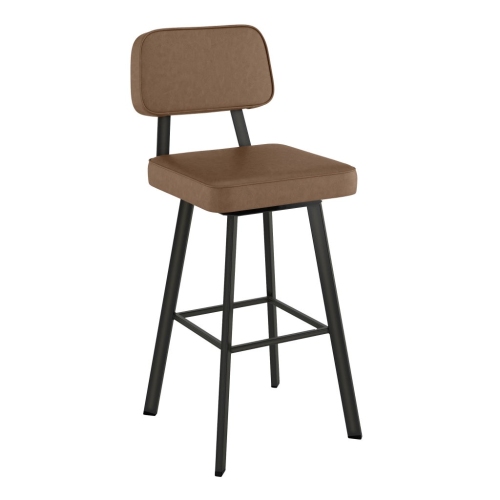


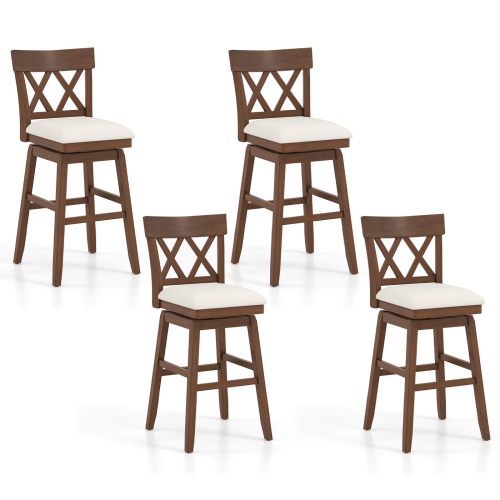


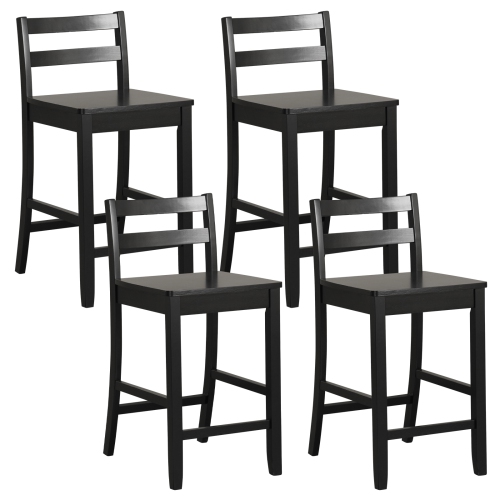
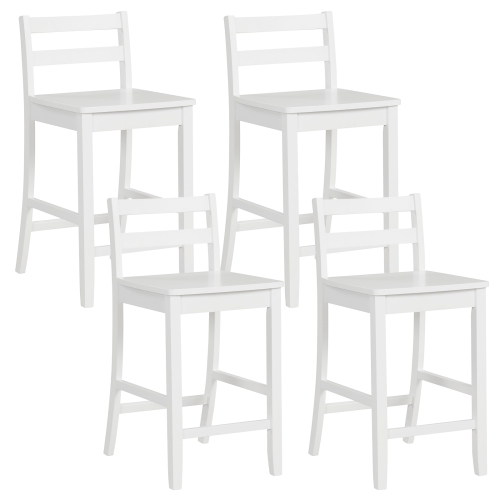


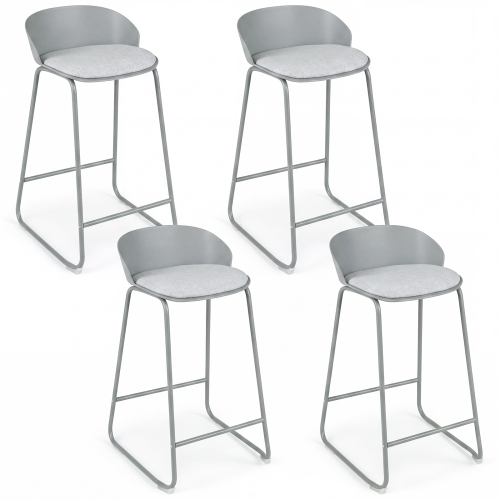
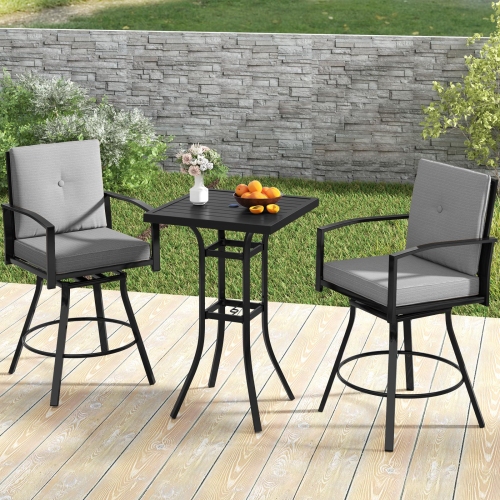
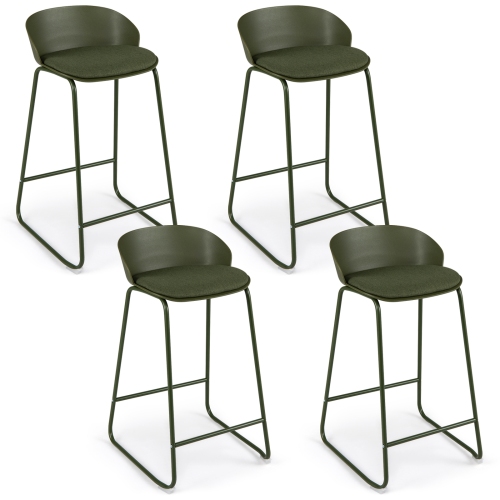

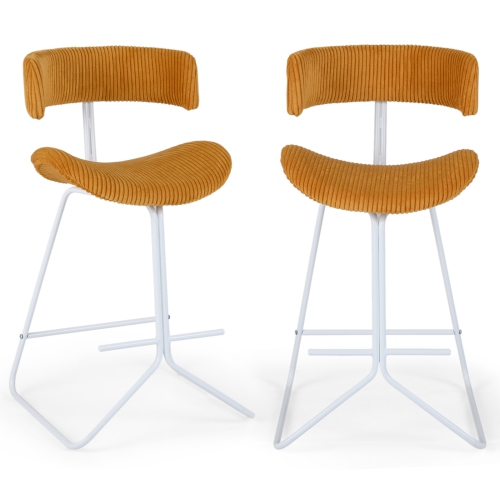
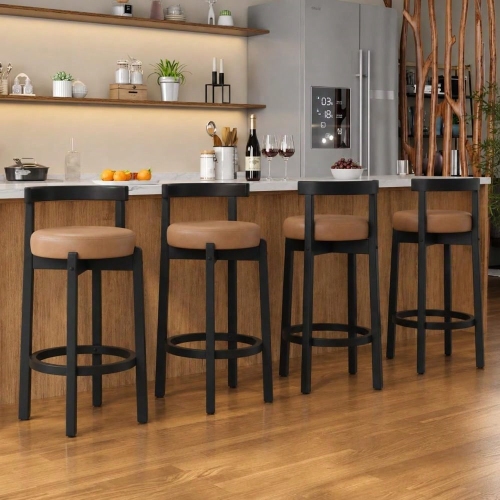

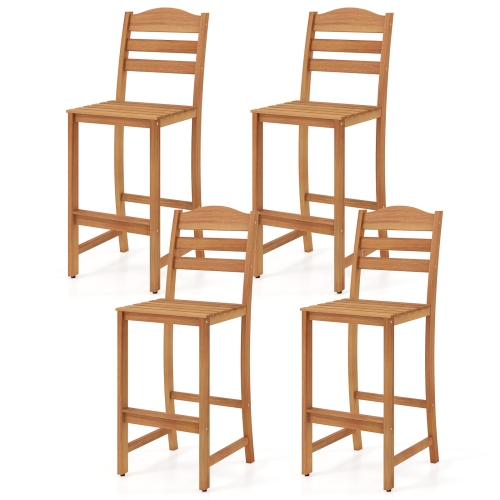
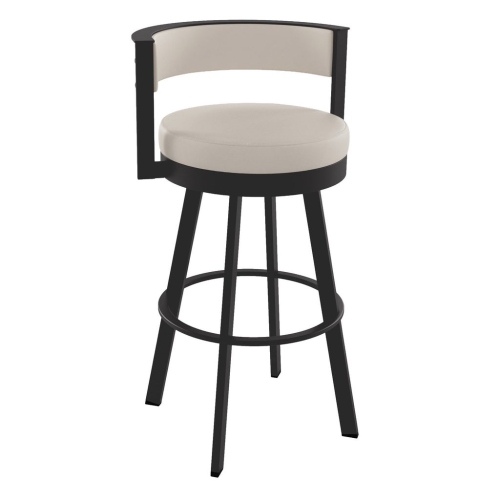
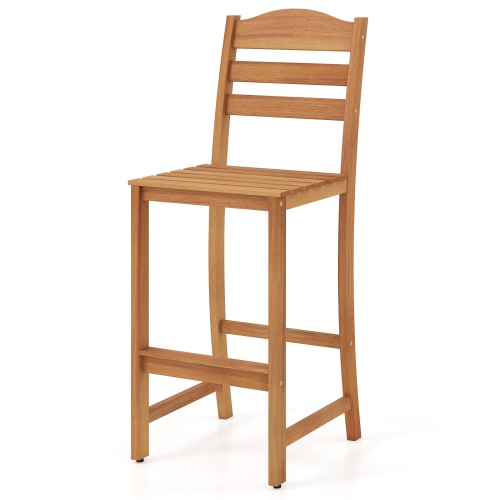
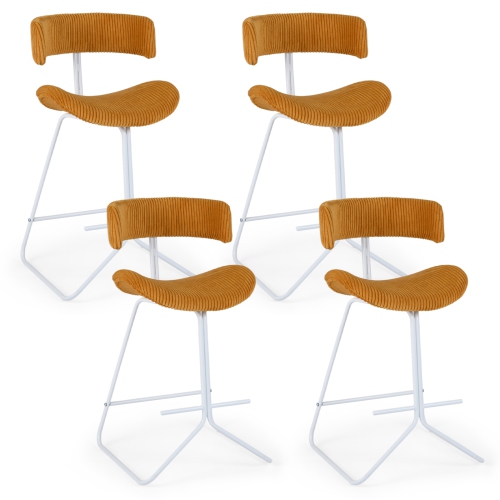
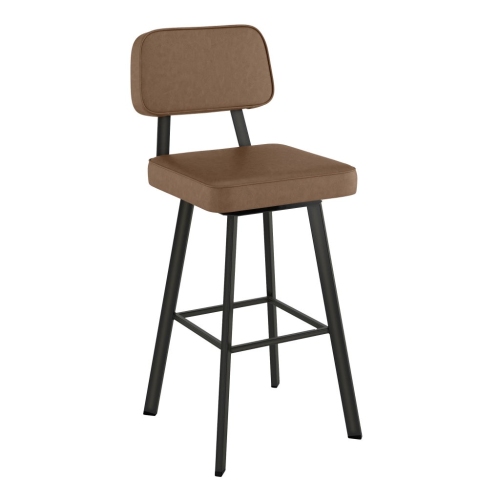

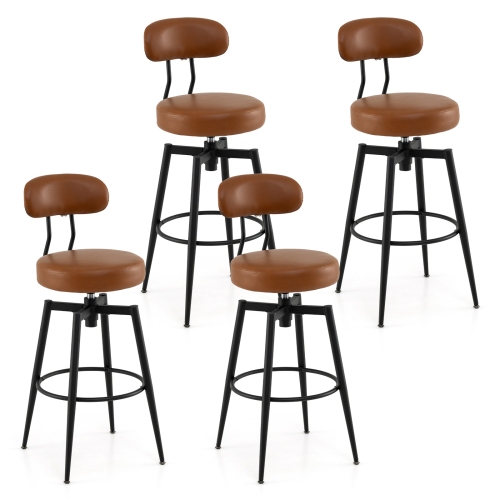
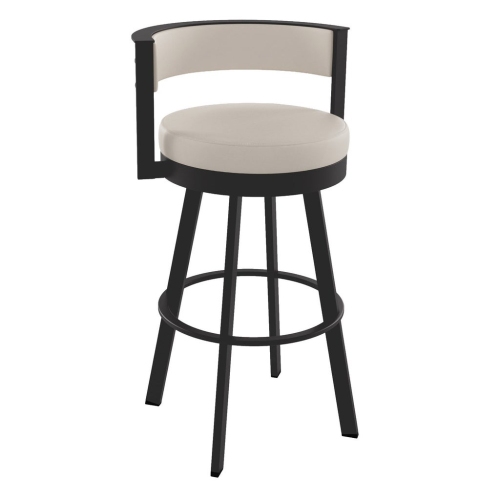

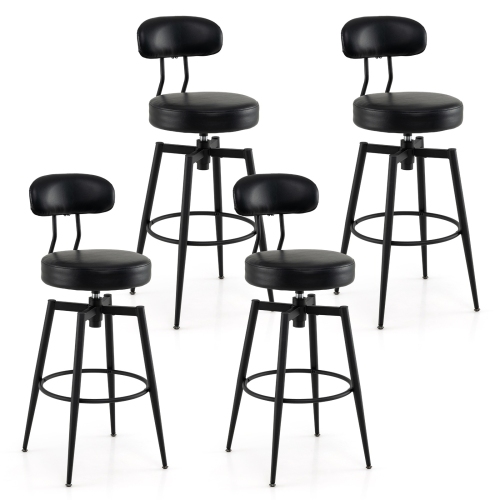

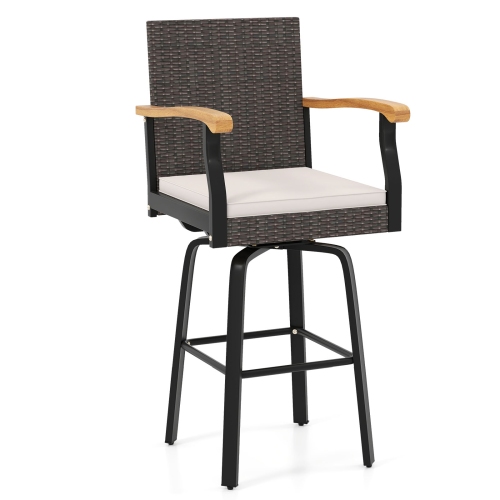

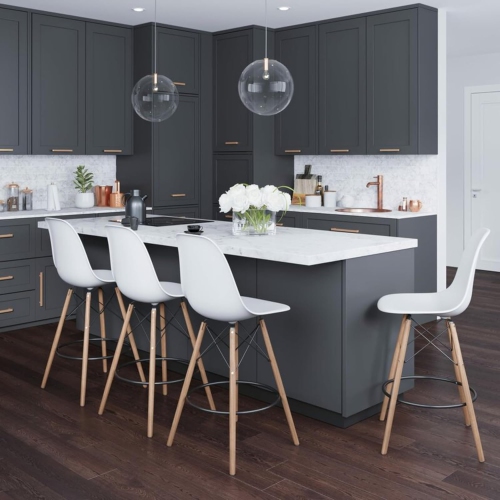


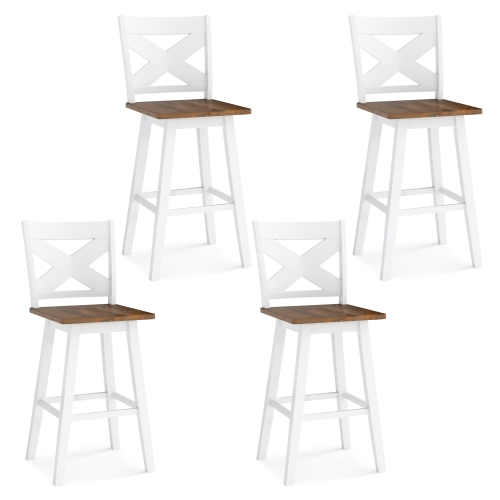

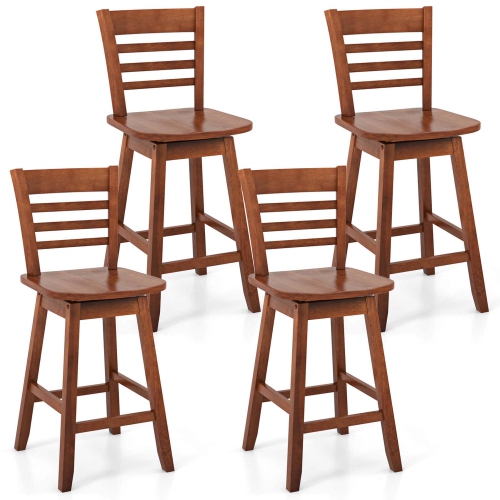


Warm brown tones meet comfort at the counter
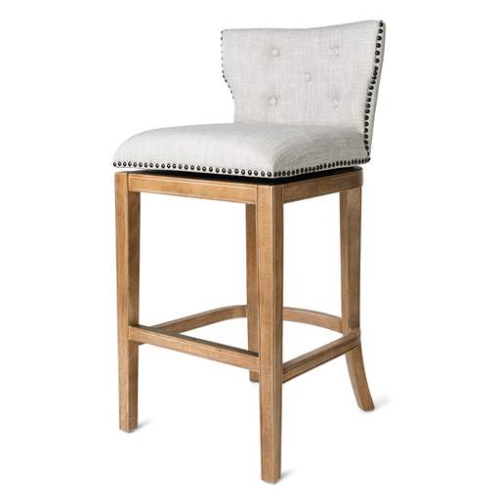
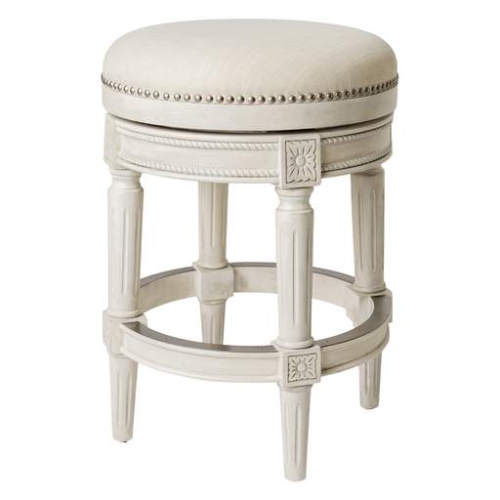
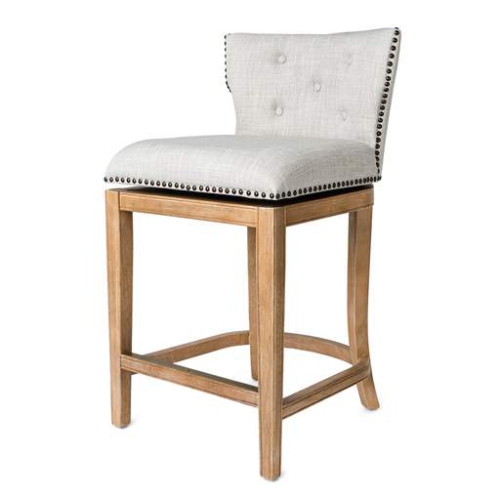
Brown bar stools with backs bring warm colour and supportive seating to kitchen islands, breakfast counters, and home bars. A backrest gives the seat a more chair-like feel than a backless stool, creating a comfortable place to settle over breakfast, share an evening meal, or chat while someone prepares dinner. Brown spans a broad range of shades, from light caramel and warm cognac to walnut and deep chocolate, so the effect can be airy, rich, or somewhere in between. Lighter brown upholstery can soften the contrast between white cabinetry and dark hardware, while deeper tones sit naturally alongside wood flooring, stone counters, and black metal accents. The colour does not have to match every wood surface in the room; similar warm or cool undertones often create a more cohesive result than an exact shade match. Within the wider range of Brown Bar Stools, designs with backs offer distinct silhouettes suited to different spaces. Low, curved backs keep sightlines relatively open across a kitchen, while taller backs make the seating area feel more defined and provide a larger surface to lean against. Open slat backs show more of the room behind them, whereas fully upholstered backs add a softer, more substantial presence. Mid-century modern styles often pair tapered legs with curved seats; rustic designs emphasize visible wood grain; industrial styles combine brown seating with exposed metal frames. Minimalist versions keep the shape simple, allowing the material and colour to carry the look. These differences matter in an open-plan home, where stools remain visible from the dining or living area even when nobody is sitting on them. Brown seating can bridge those spaces without making every furnishing look identical. For households that use the island throughout the day, from a quick coffee to helping with homework, a backed stool can make a hardworking part of the kitchen feel more inviting.
Fit begins with seat height rather than the overall height of the stool. Counter-height stools commonly have seats about 24 to 26 inches from the floor and suit many counters around 36 inches high. Bar-height stools commonly have seats about 28 to 30 inches high and suit many bar surfaces around 40 to 42 inches high. These are typical ranges, not a substitute for measuring the actual surface and checking the stated seat height. Allowing roughly 10 to 12 inches between the seat and the underside of the counter usually leaves comfortable room for legs, although thick cushions, support rails, and individual proportions can affect the fit. A counter apron or shallow overhang may reduce usable knee space even when the height appears suitable. Width is just as important: a generous upholstered seat with arms needs more space than a narrow armless frame. Around 26 to 30 inches of counter length per person is a useful starting point, with wider designs needing additional room so elbows and backrests do not collide. Swivel stools also need clearance to turn without striking cabinetry or neighbouring seats. A swivel mechanism makes it easier to turn towards a conversation or leave the counter without dragging the stool across the floor, but the movement range varies by design. Adjustable-height stools can help accommodate different users or surfaces, provided their stated height range suits the intended location. Footrests give feet somewhere to land instead of leaving legs dangling, which can make a noticeable difference during longer meals. Seat depth, backrest angle, and cushioning also affect how the stool feels in use. Someone who prefers an upright dining position may favour a firmer seat and a more vertical back, while a gently curved back can feel more relaxed. Arms provide another resting point, but their height may prevent the stool from sliding beneath the counter. In a compact kitchen, checking the space behind an occupied stool helps preserve a clear route to the fridge, sink, or doorway.
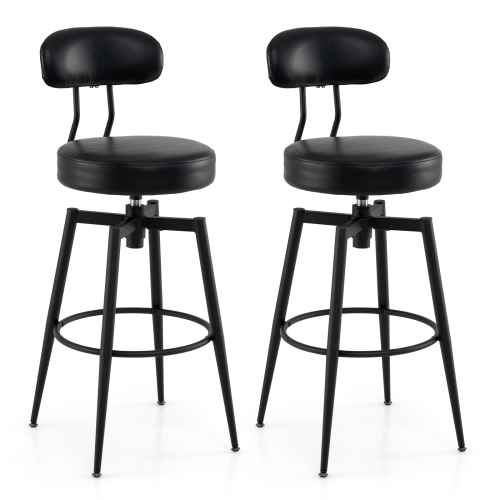
Materials influence both the appearance of brown bar stools with backs and the attention they need over time. Wood brings natural grain and variation, with stained finishes ranging from golden brown to darker walnut tones. Solid wood frames can feel sturdy, but joint construction, bracing, and the quality of the finish matter as much as the material name. Metal frames create slimmer outlines and often pair well with brown padded seats; their floor contact points deserve attention, especially on hardwood or tile. Suitable protective glides can help limit marks, while level feet reduce rocking on slightly uneven flooring. Genuine leather has natural surface variation and may develop a patina with use, though its care requirements depend on the finish. Faux leather, including polyurethane upholstery, offers a similar visual warmth and is often practical for wiping away everyday spills. It is not maintenance-free: abrasive cleaners, prolonged direct sunlight, and repeated friction can affect the surface. Brown woven fabric provides a softer texture and may feel pleasant against bare legs, but crumbs and spills can need more attention around seams and tufting. Tightly woven upholstery and straightforward seat shapes can simplify everyday upkeep, particularly where the kitchen counter doubles as the main eating area. Care is generally easiest when spills are addressed promptly and cleaning follows the manufacturer's directions. A soft cloth may be appropriate for routine wiping on some finishes, while fabric may call for gentle vacuuming or a specified spot-cleaning method. Avoid soaking wood, upholstery seams, or mechanical parts. For stools assembled at home, secure hardware and periodic checks help maintain stability; the stated weight capacity and intended use should always suit the household. A backrest is a comfort feature, not a restraint for a young child, and elevated seating requires suitable supervision. Indoor stools should also remain indoors unless expressly rated for outdoor use. With the right proportions and finish, brown backed stools suit everything from a small condo breakfast ledge to a spacious island used for shared meals. Their appeal lies in that balance of warmth and utility: seating that looks at home in the room and supports the routines that happen around the counter.
Top selling and popular products
-
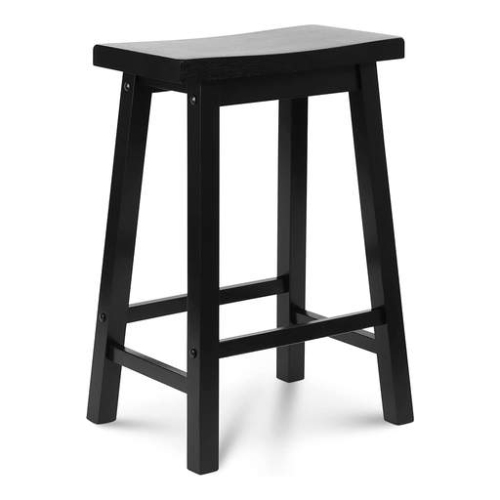 Your price for this item is $93.99
-
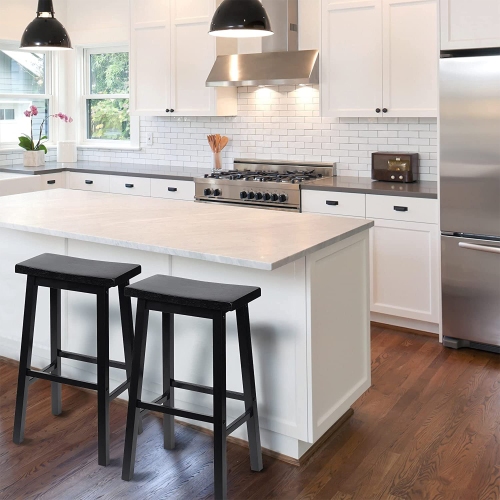 Your price for this item is $563.99
-
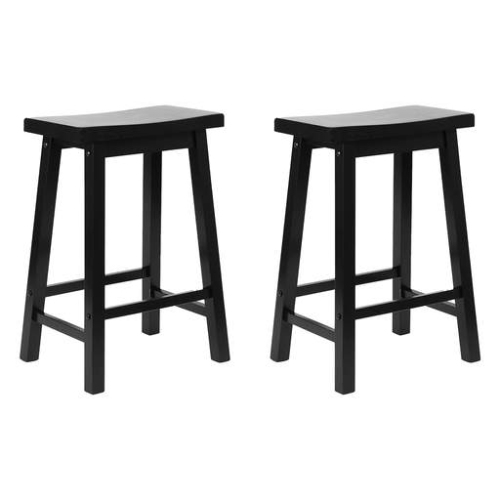 Your price for this item is $224.99
-
 Your price for this item is $202.99
-
 Your price for this item is $508.99
-
 Your price for this item is $359.99
-
 Your price for this item is $559.99
-
 Your price for this item is $298.99
Discover more categories related to Brown Bar Stools With Backs

Top Collections:
Pokemon Centers, Best Black Friday Deals This Year, Best Black Friday Deals On Electronics, Kindle Devices, Best Budget Office Chairs, Best Black Friday Deals On Apple Products, Best Cameras for Sports Photography, Pokémon 30th Celebration Cards, Dyson Airwrap, Canon G7X Cameras
Some products may be subject to Environmental Handling Fees
(EHF) depending on your province.
Learn more about EHFs.