Metal Bar Stools
A metal bar stool is a piece of furniture that's been around for a while. It's a piece of furniture that you sit on while drinking, and can be used in any room of the house. Whether you're looking for something that's classic or modern, there are plenty of options to choose from.
Sort



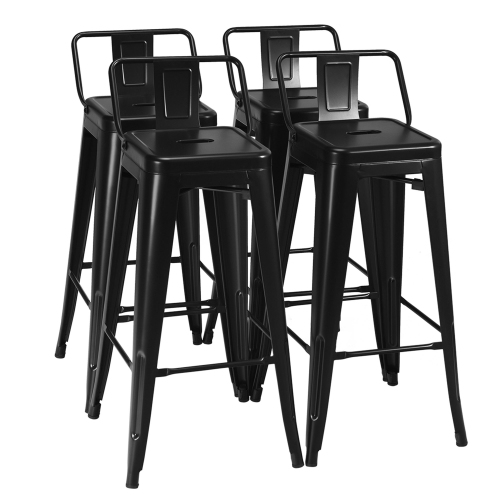

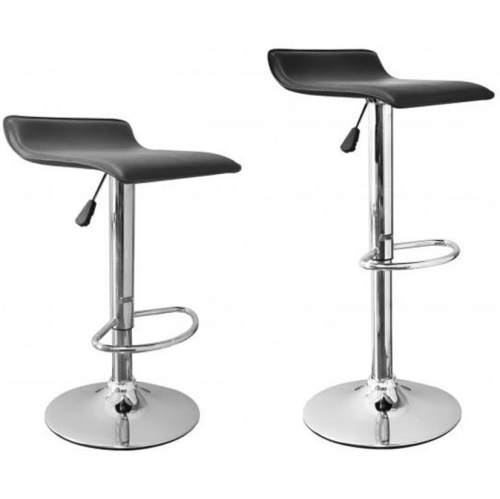


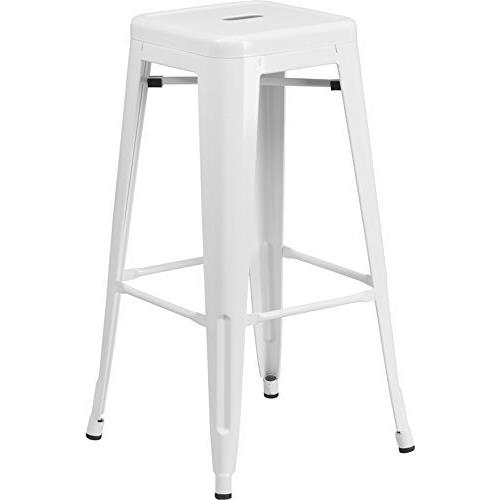

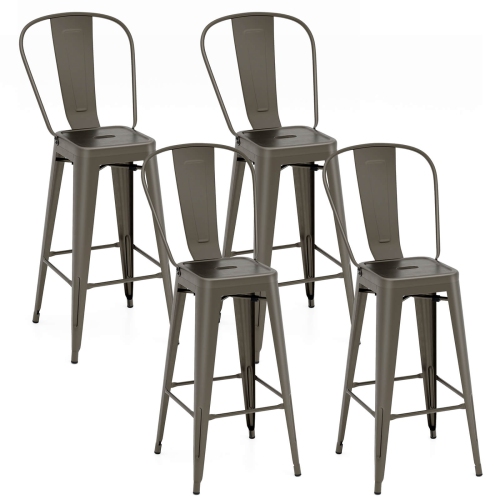



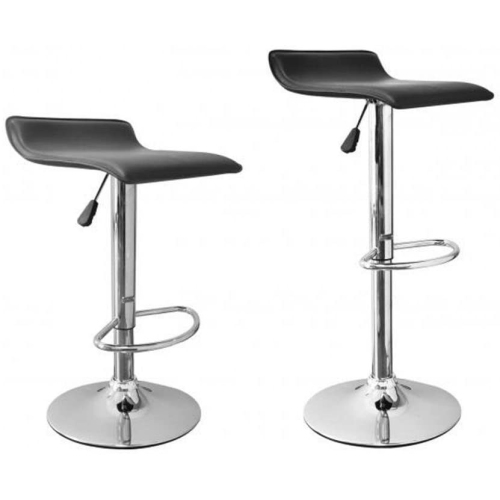

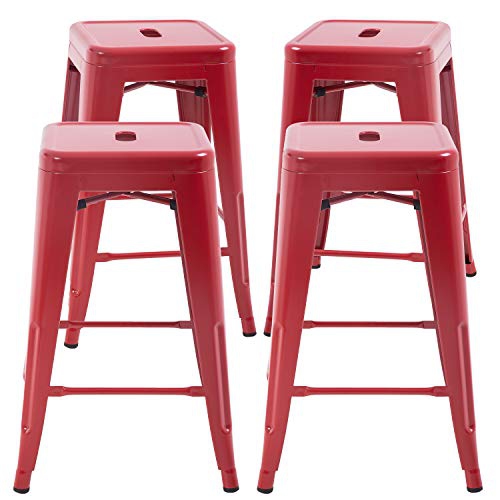


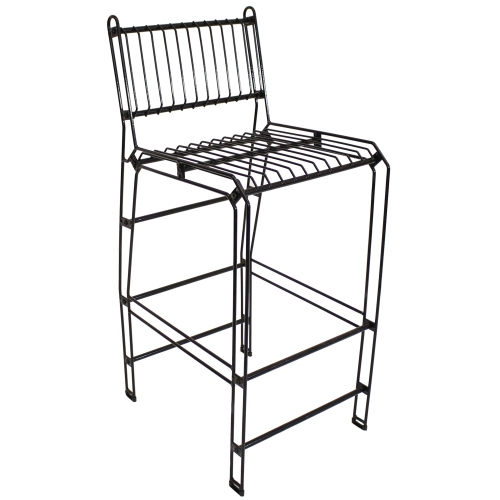

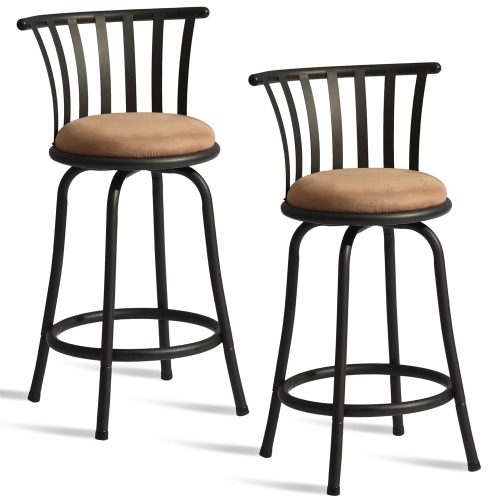












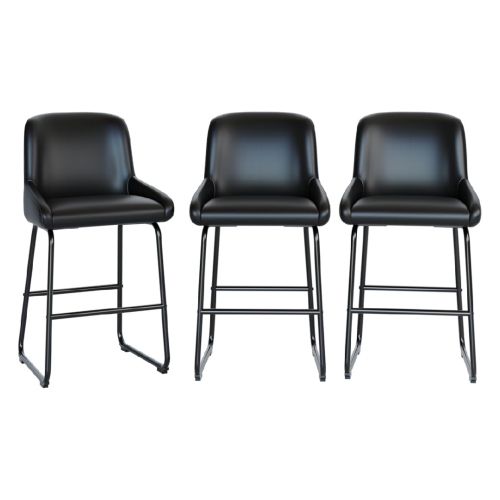

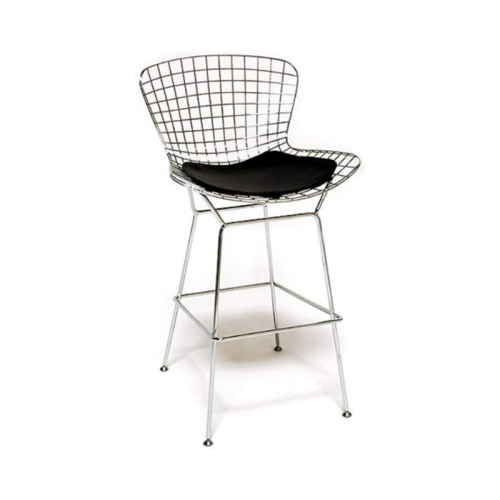
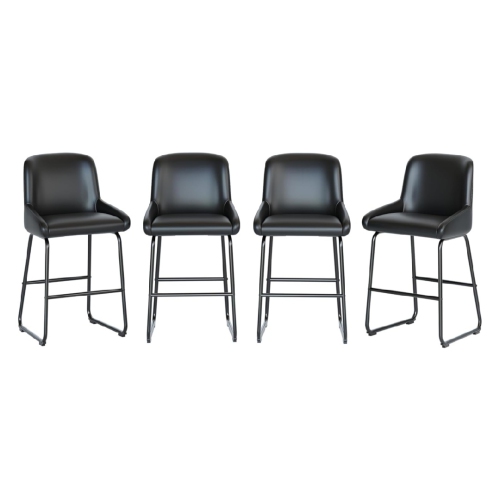


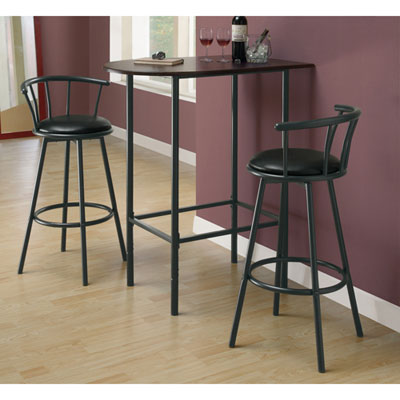








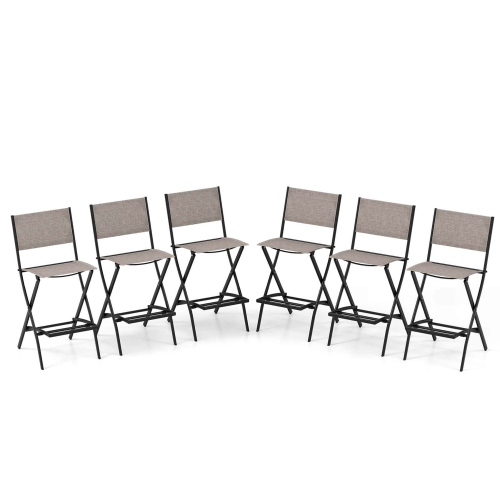
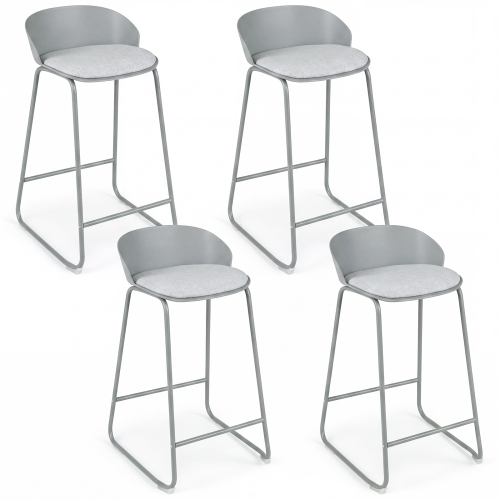


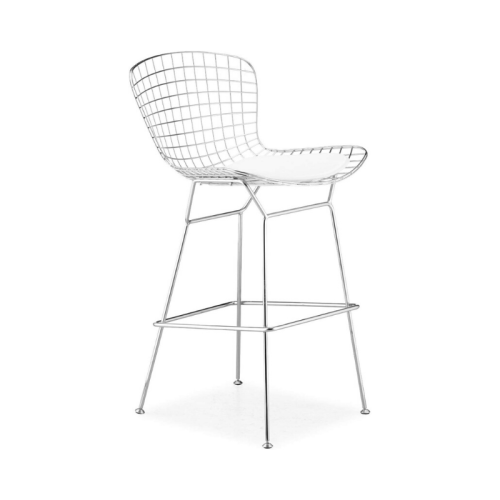
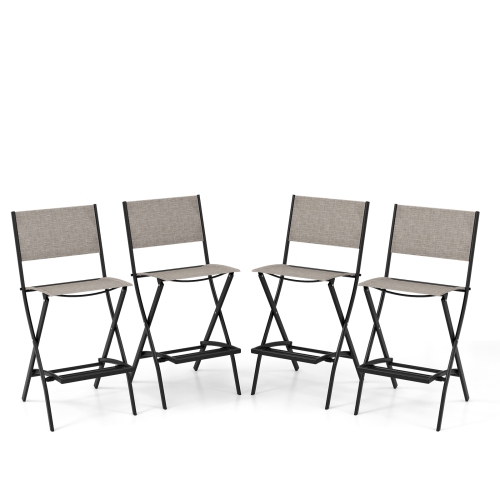






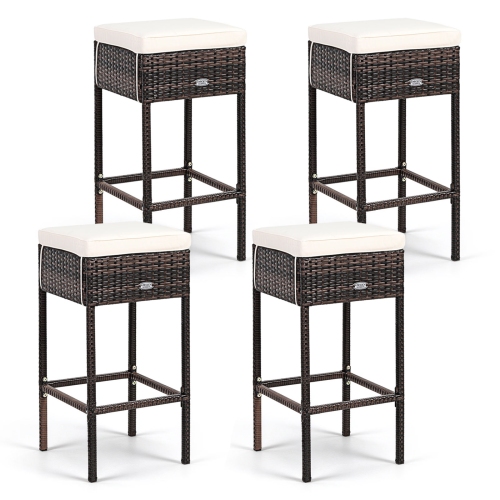
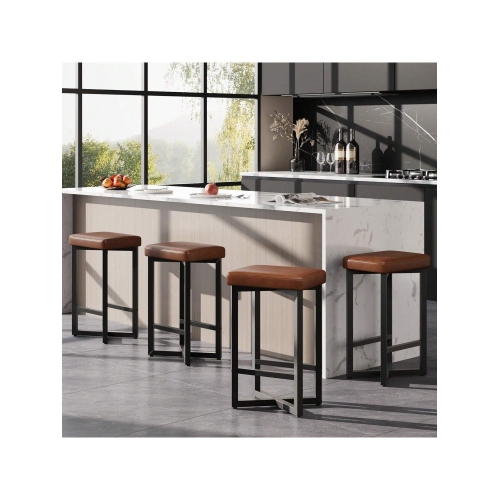


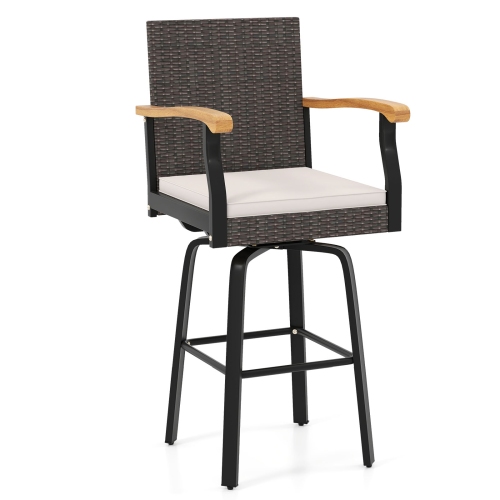
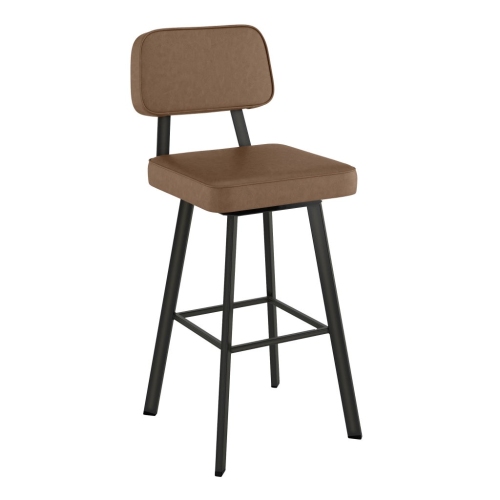

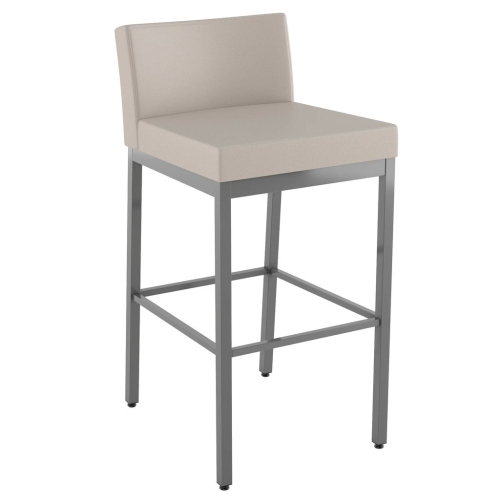
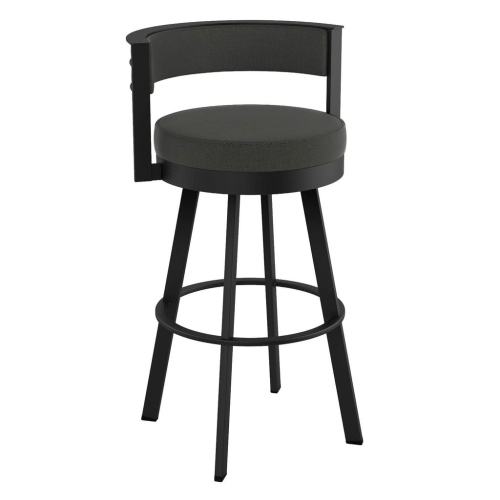
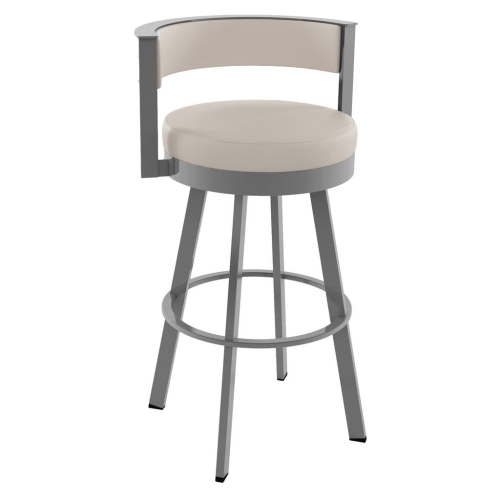
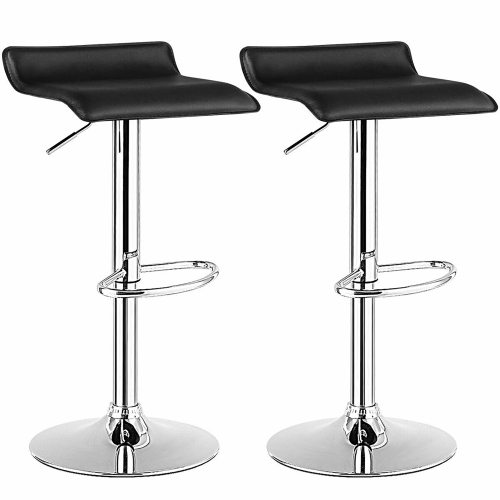















The right seat height is only the beginning
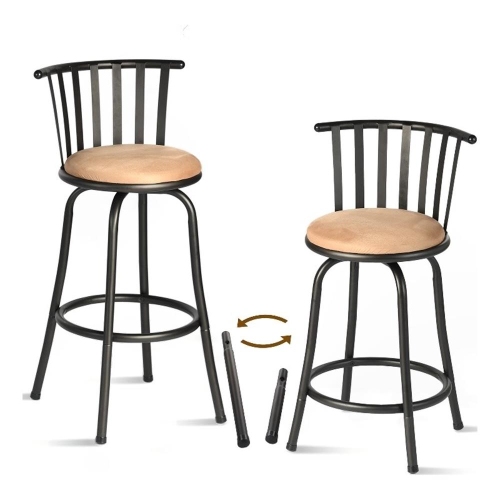
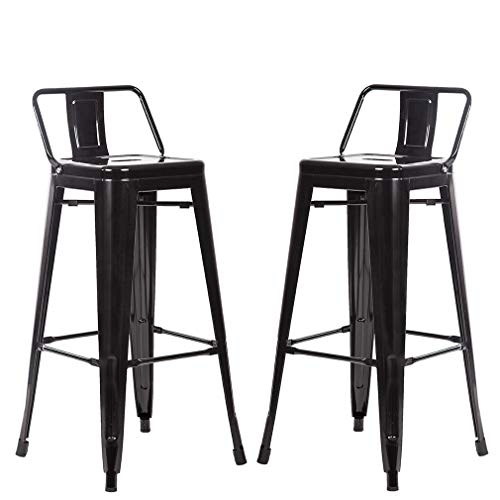
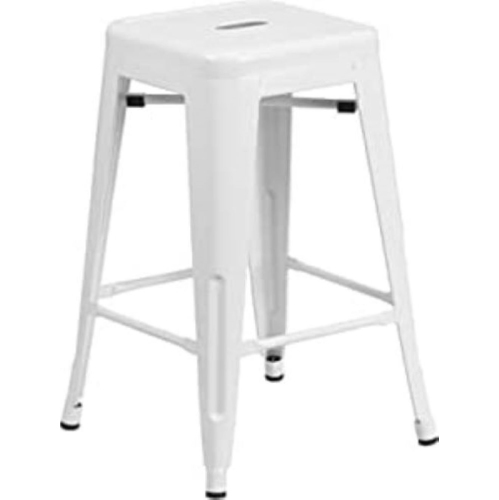
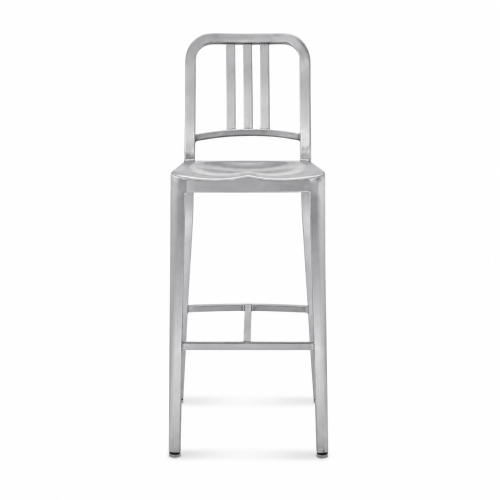
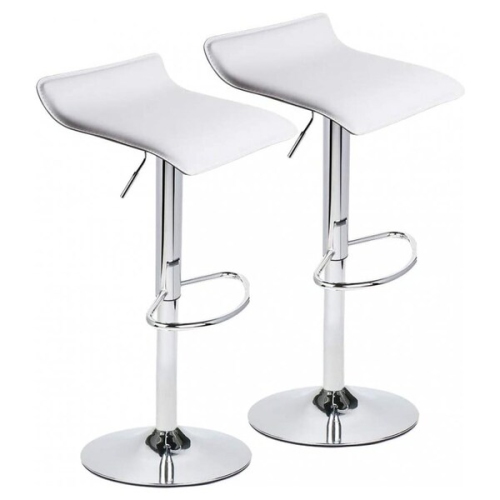
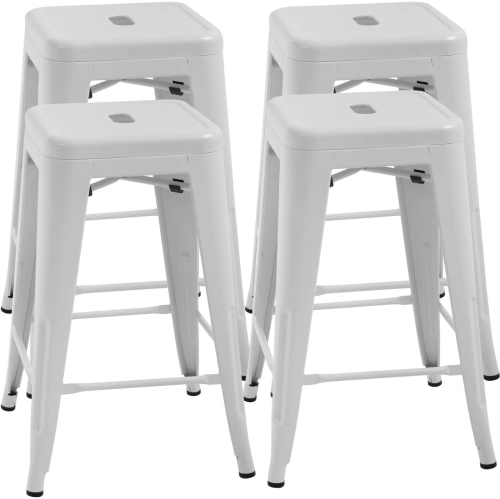
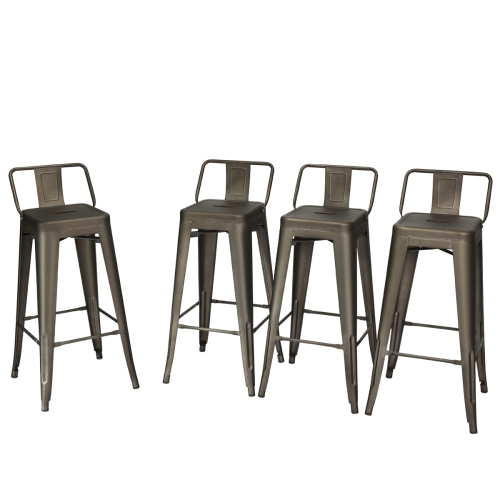
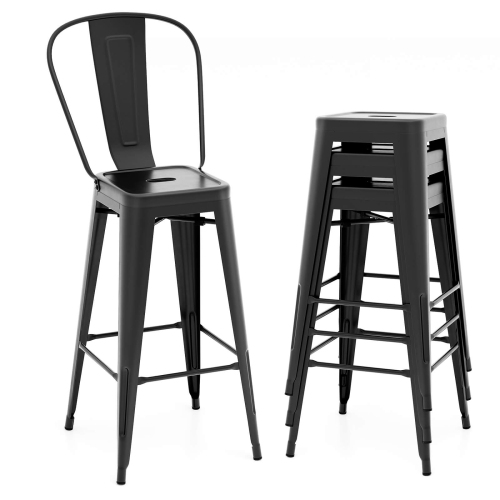
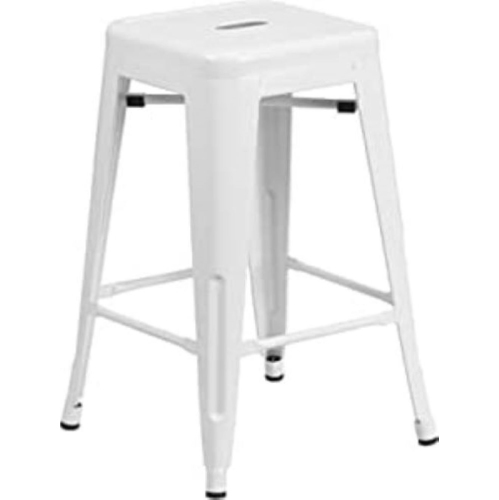
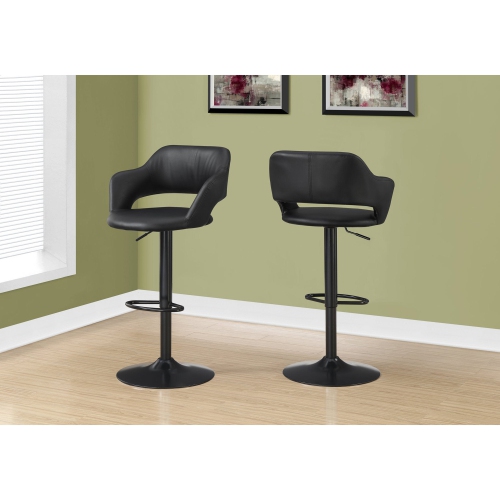
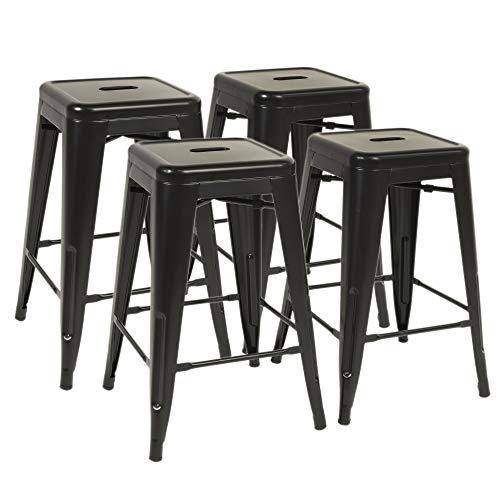
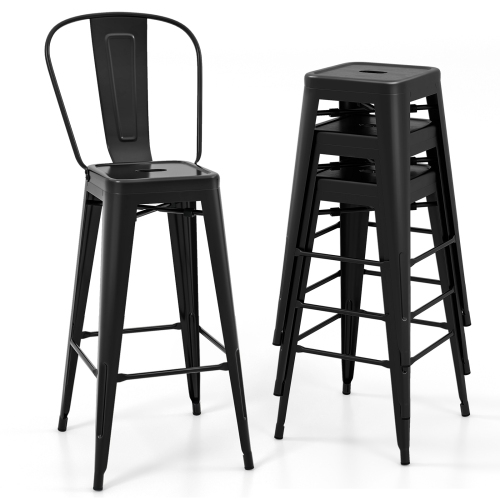
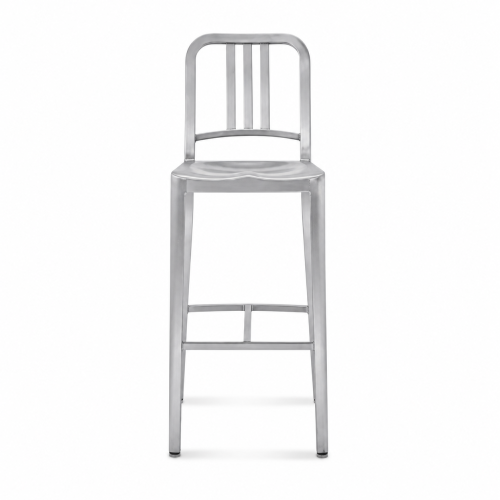
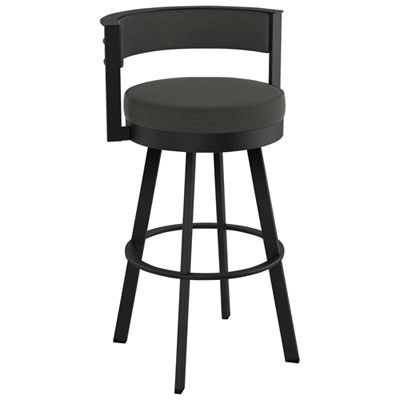
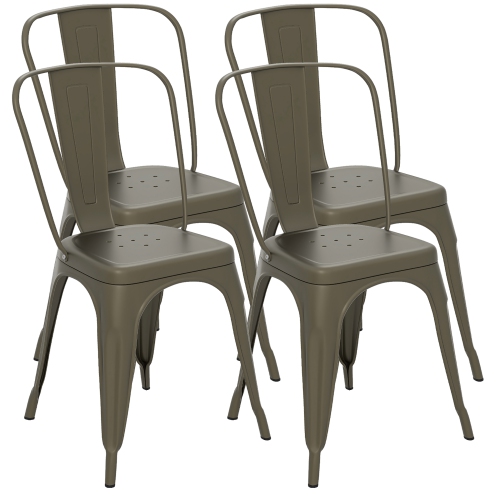
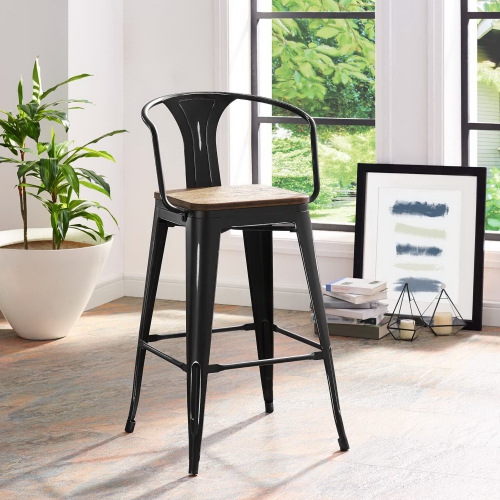
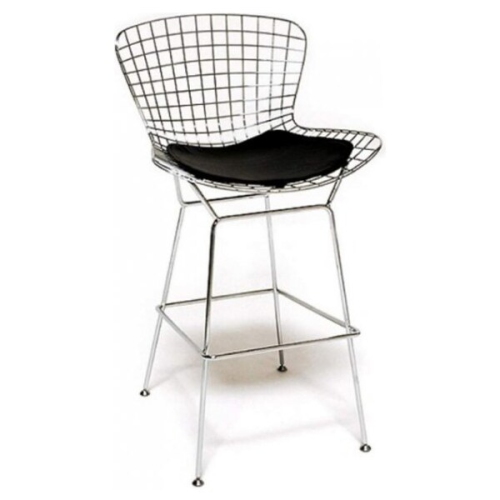
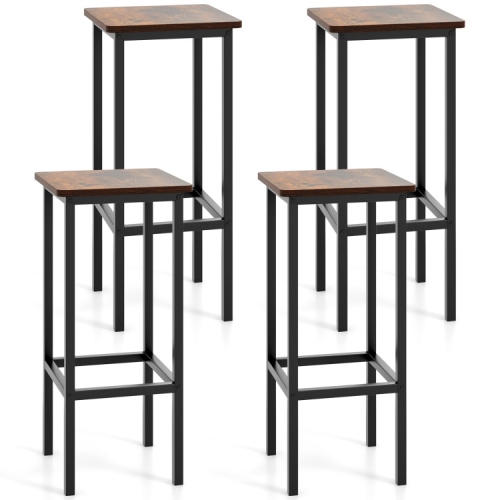
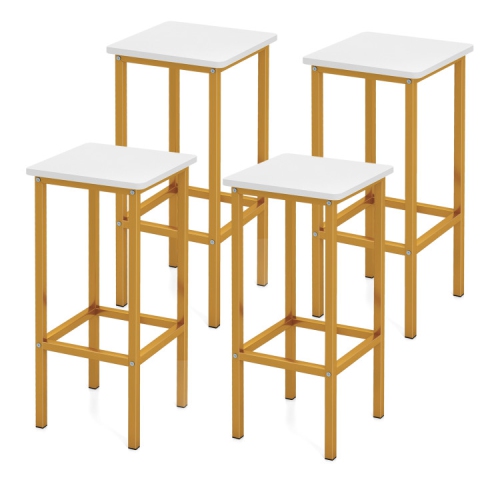
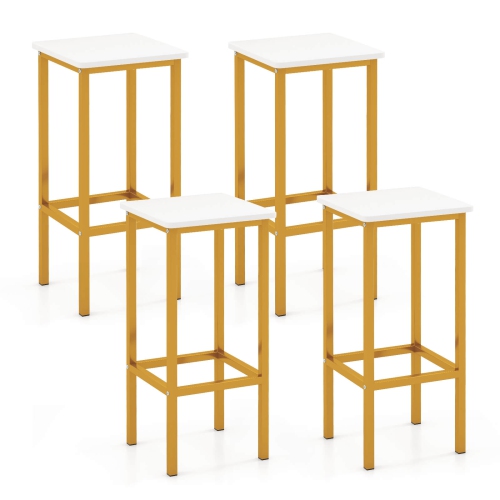
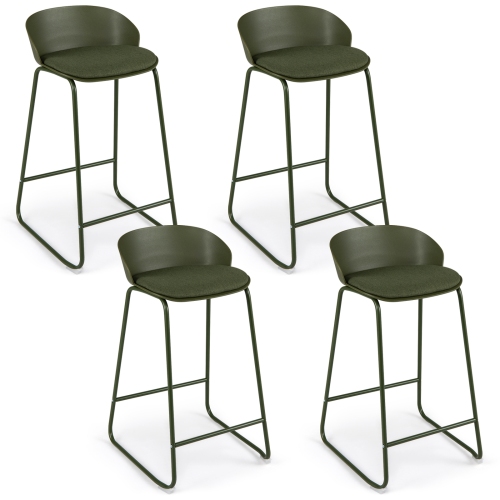
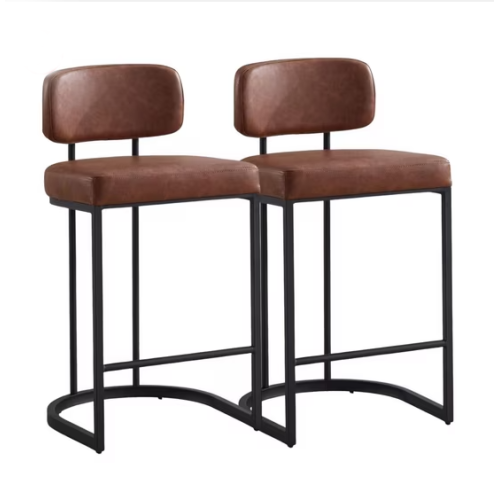
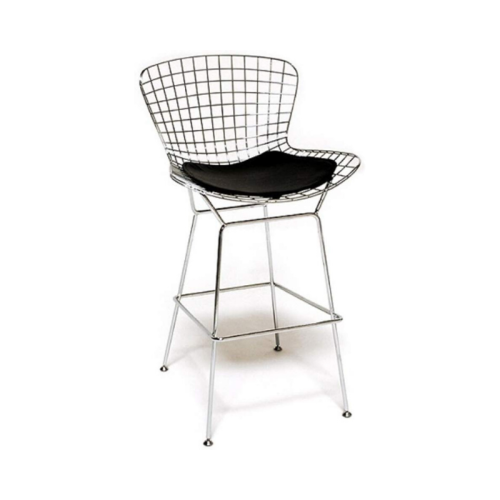
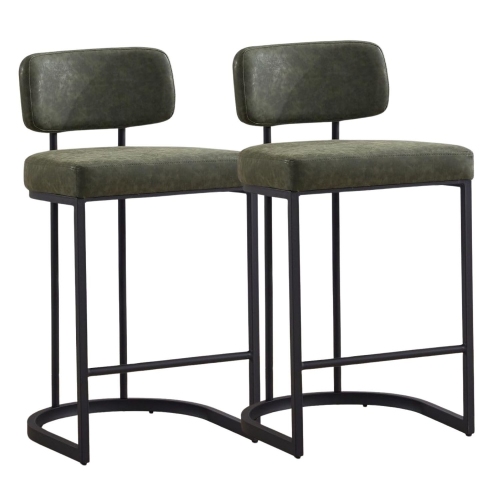
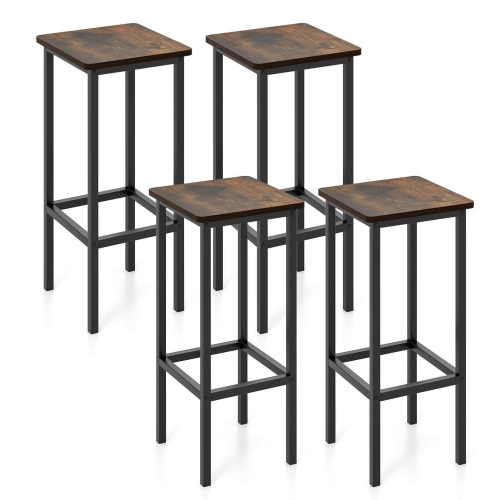
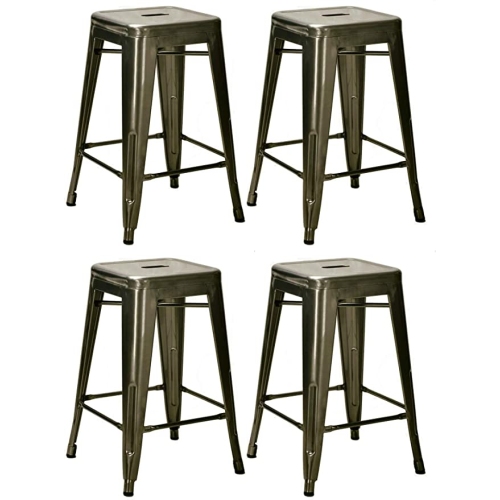
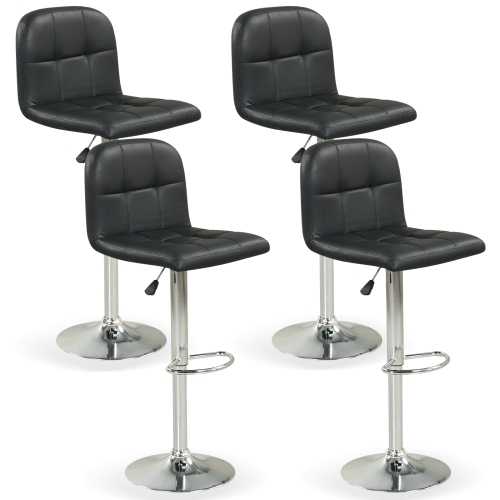
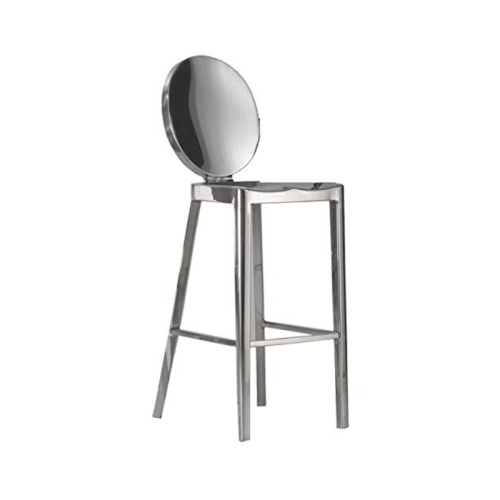
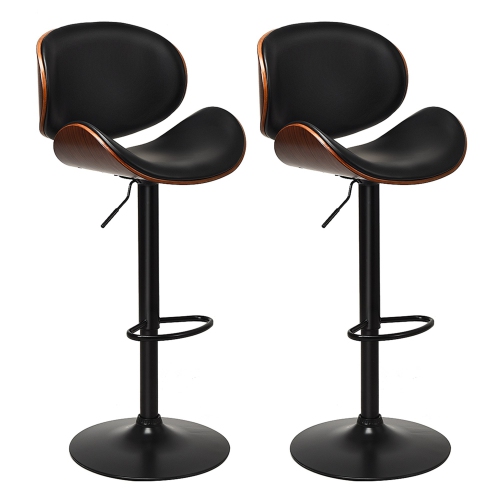
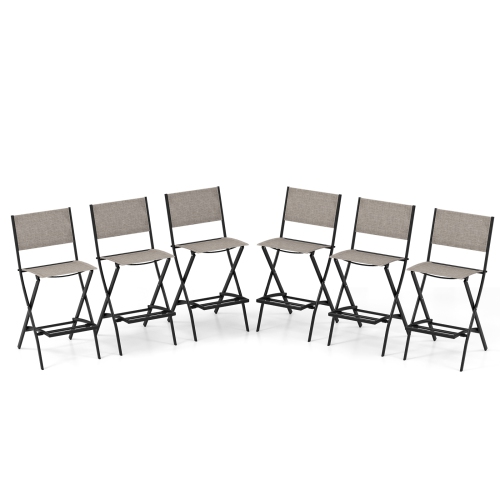
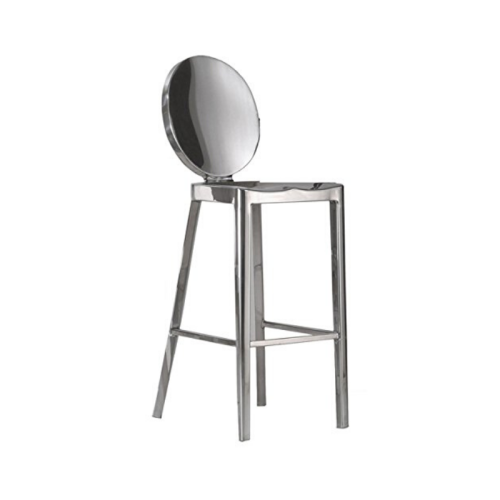
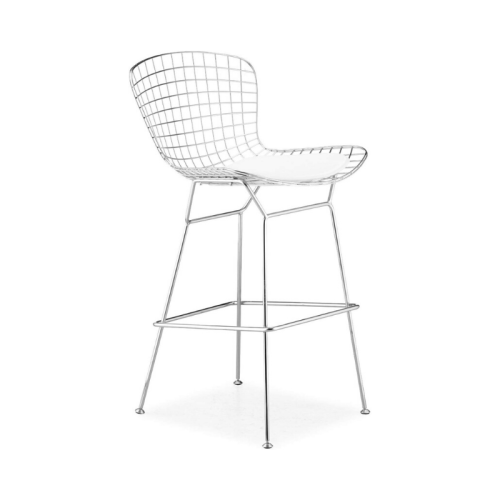
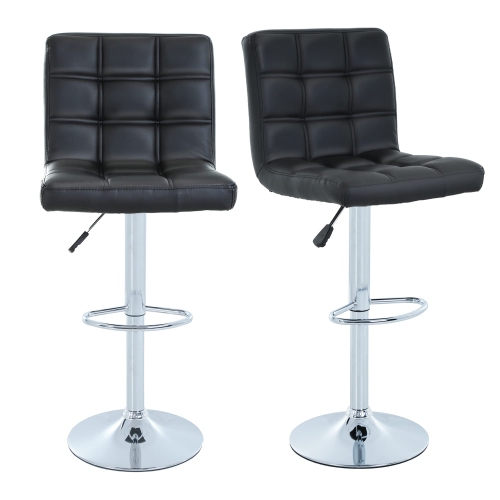
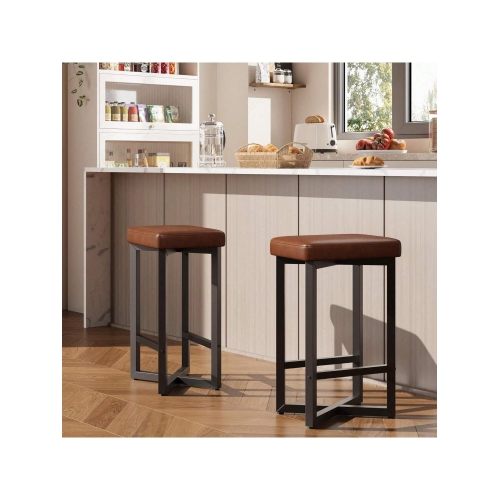
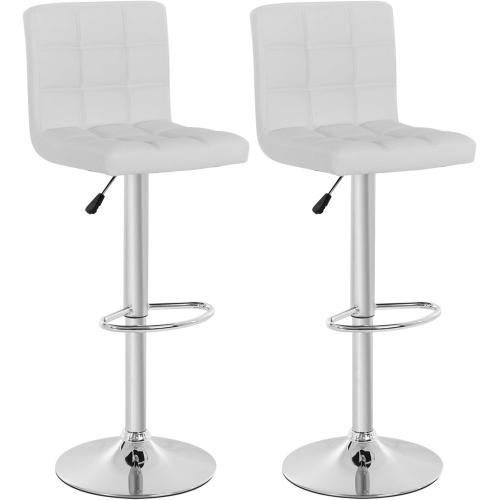
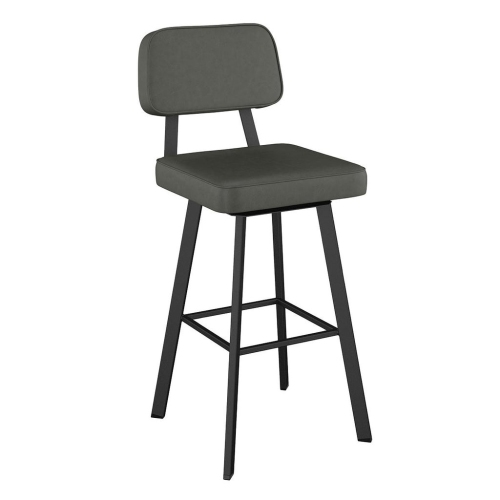
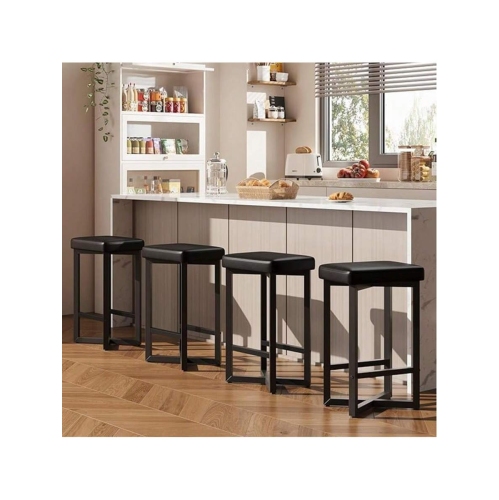
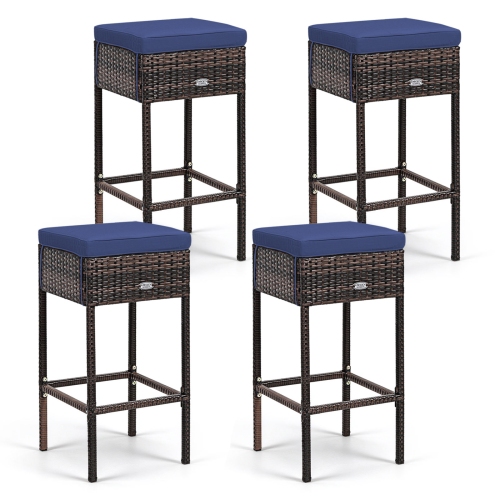
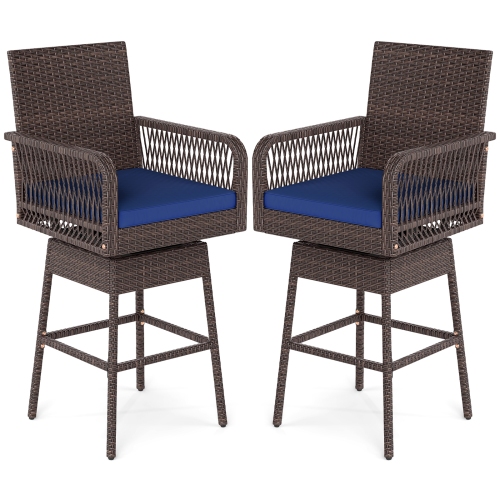
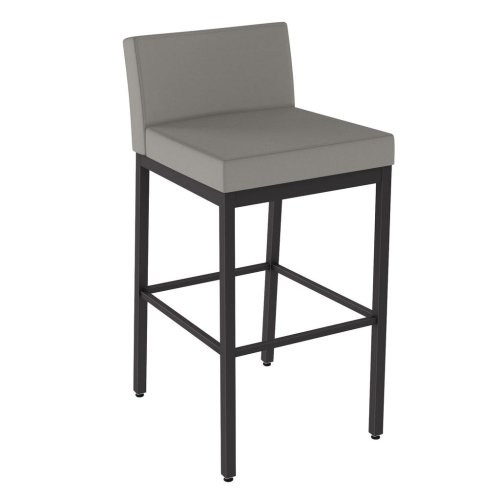
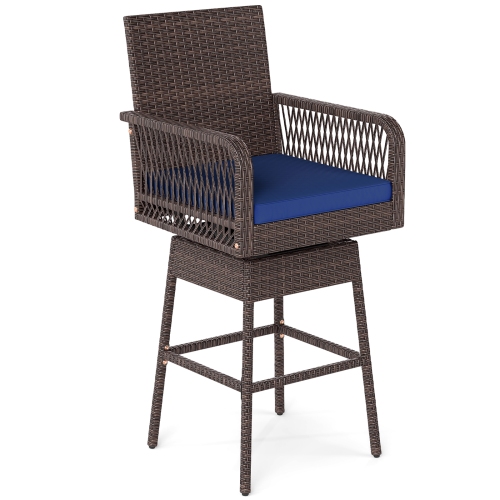
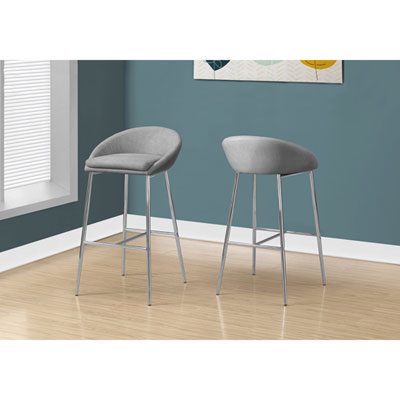
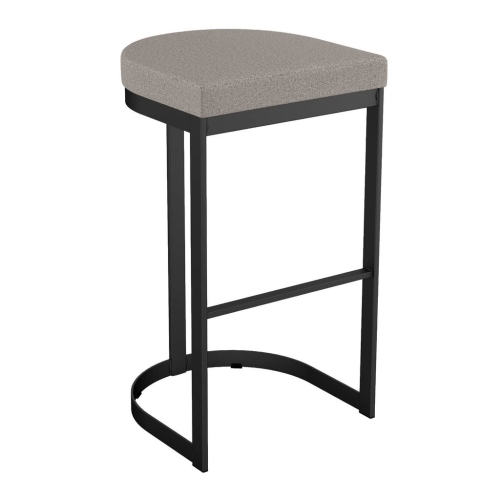
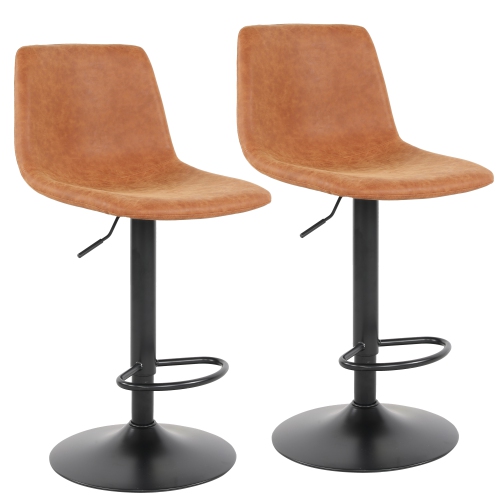
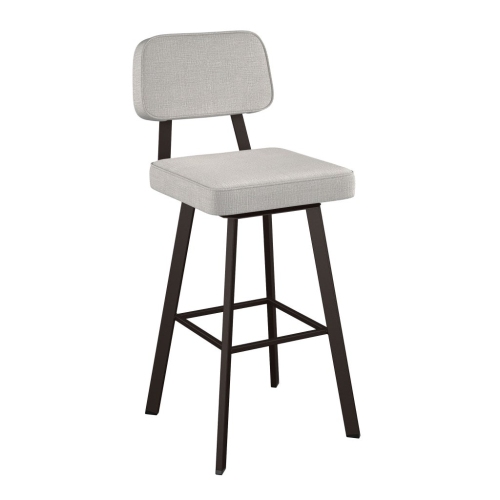
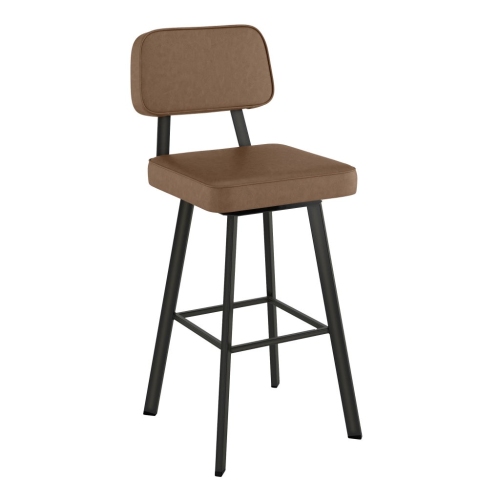
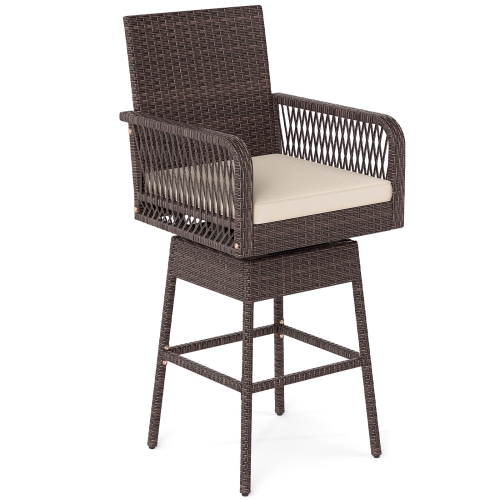
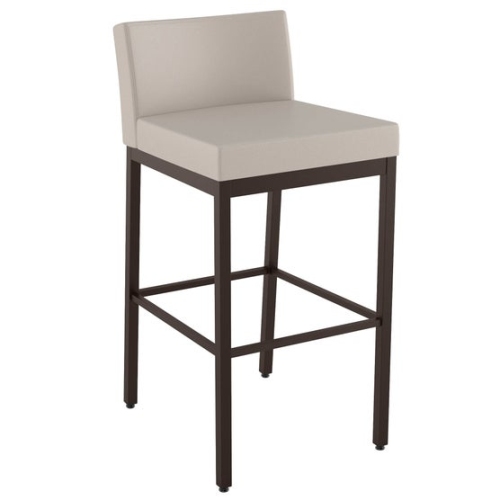
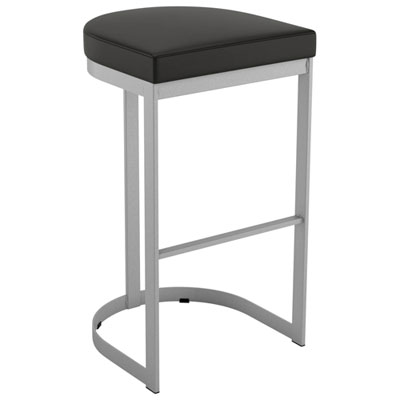
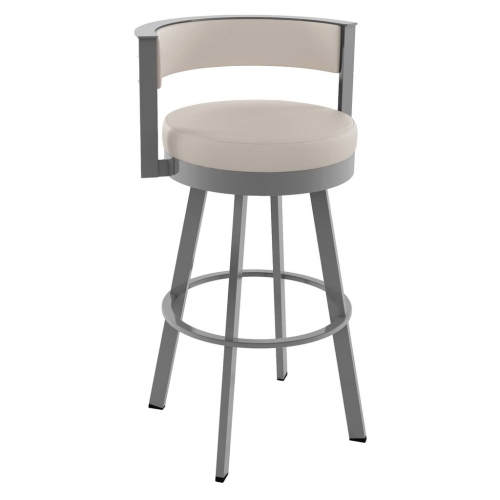
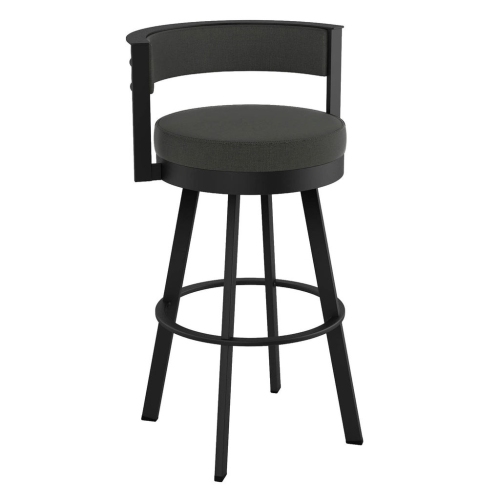
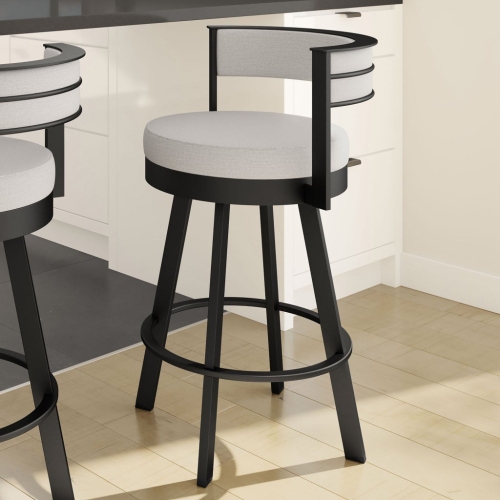
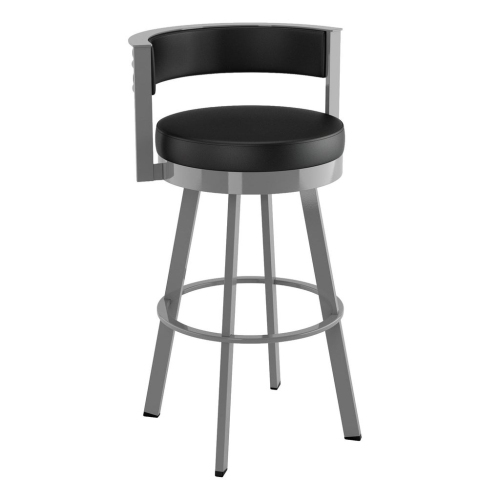
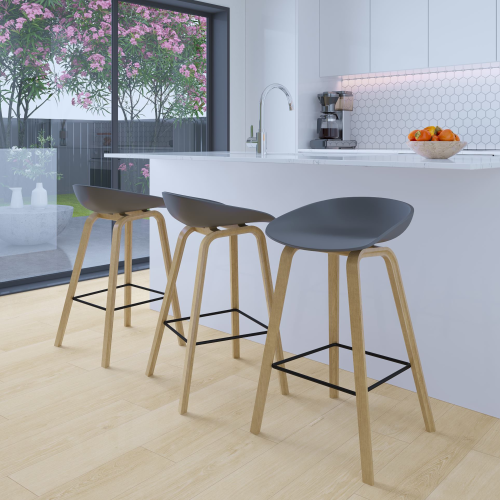
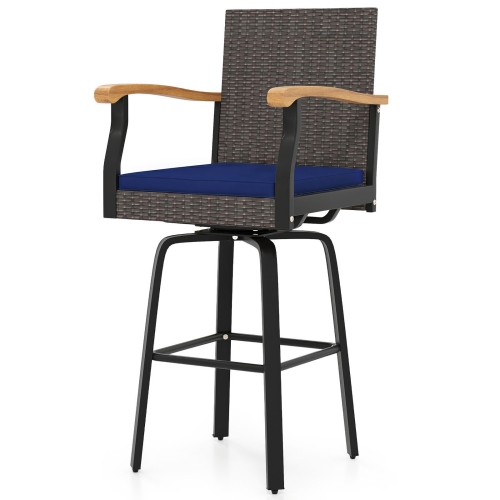
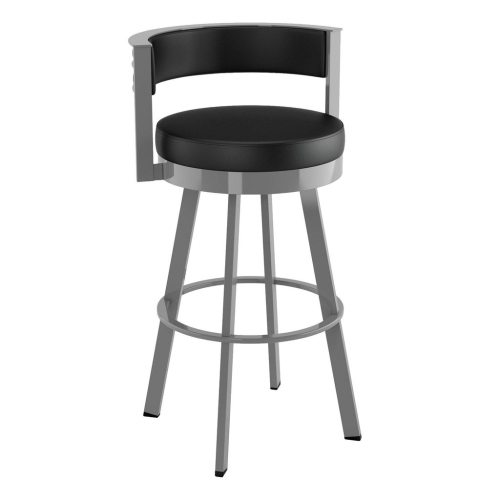
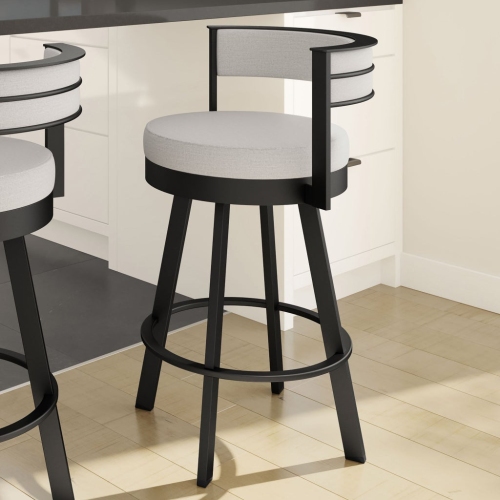
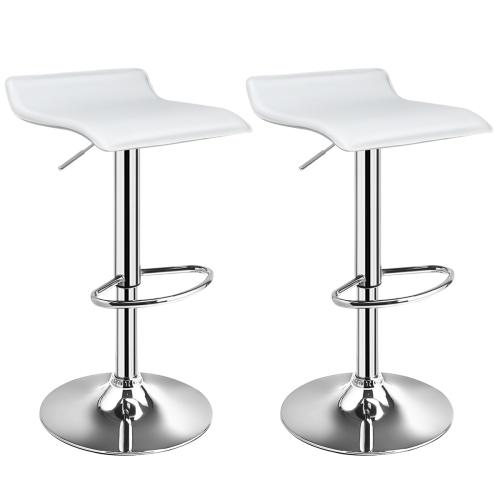
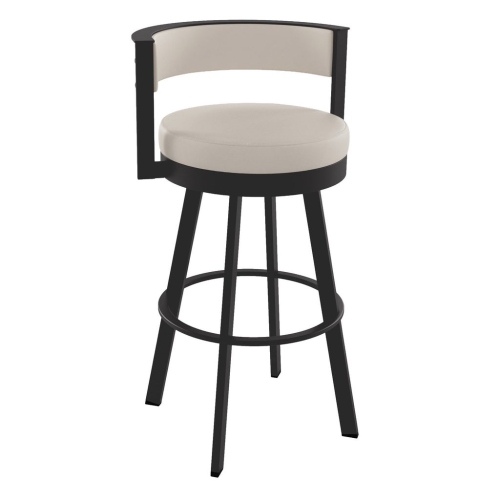
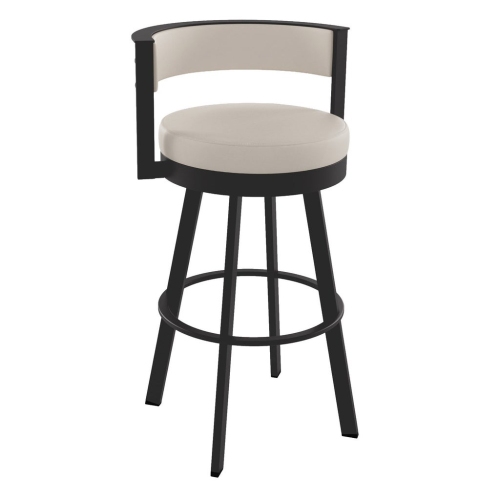
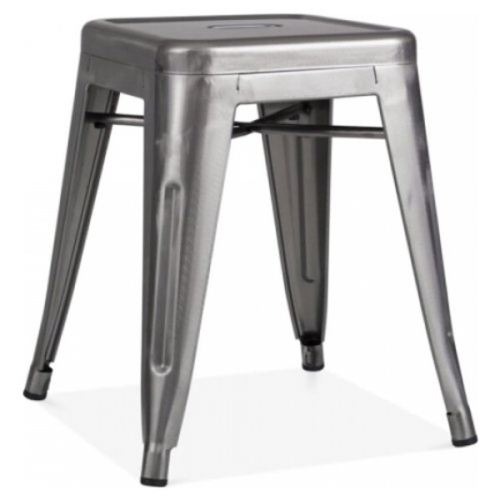
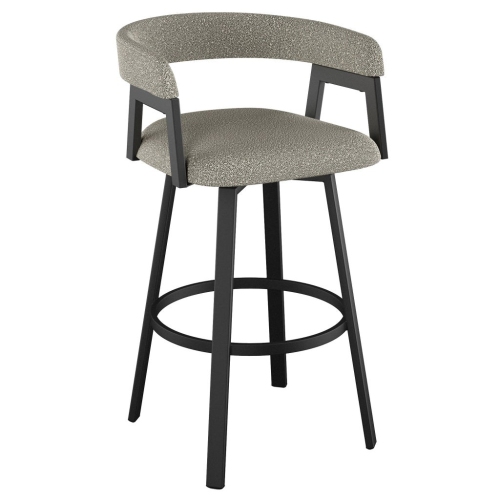
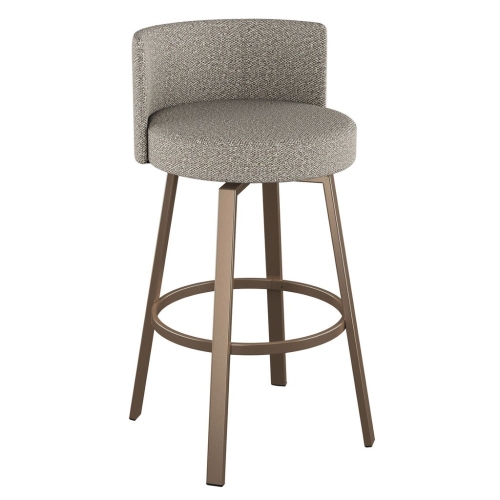
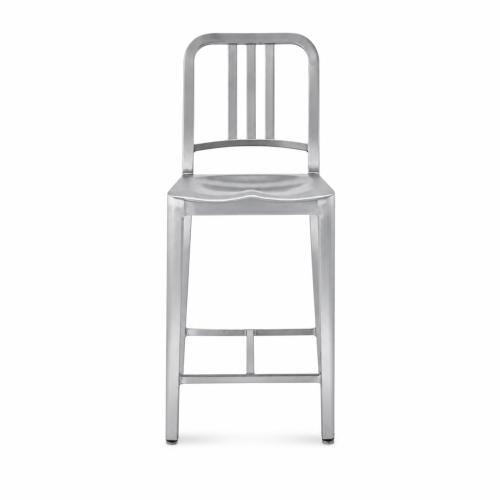
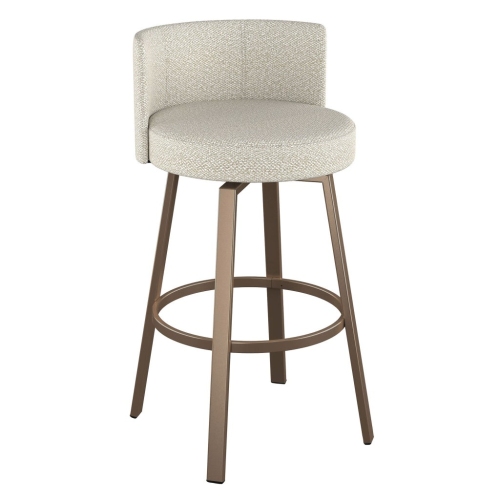
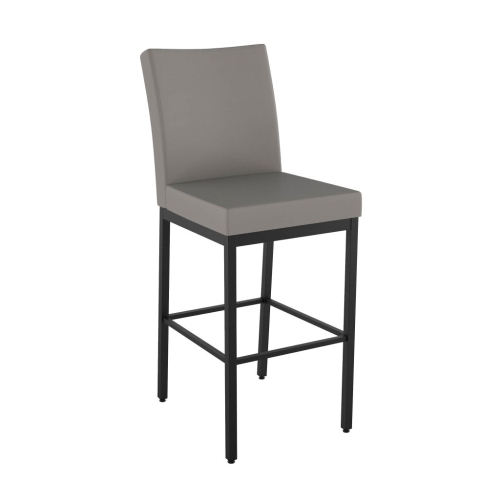
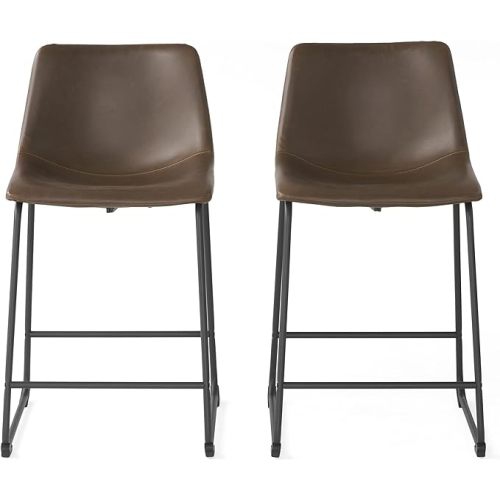
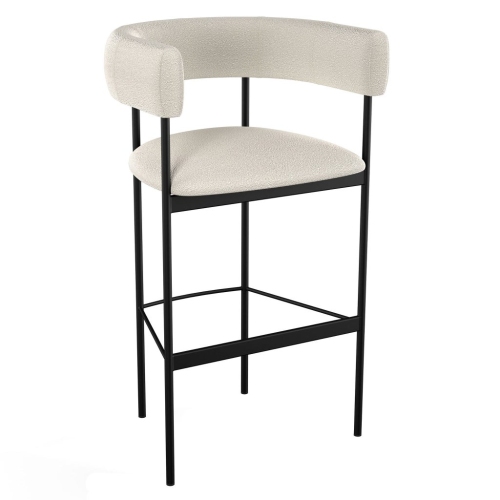
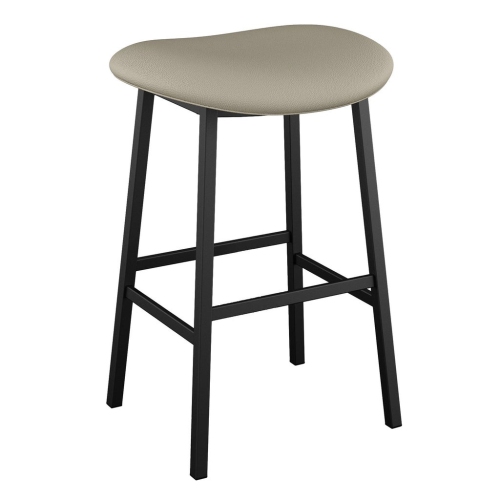
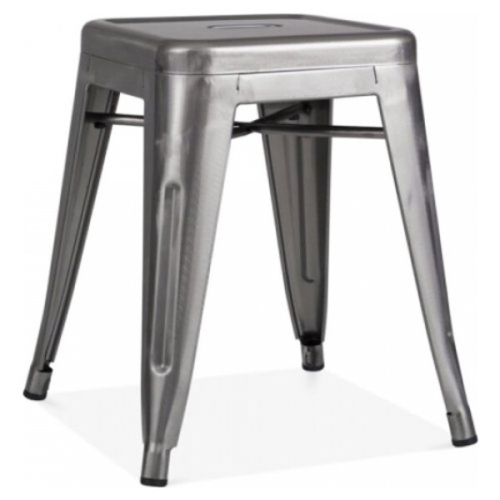
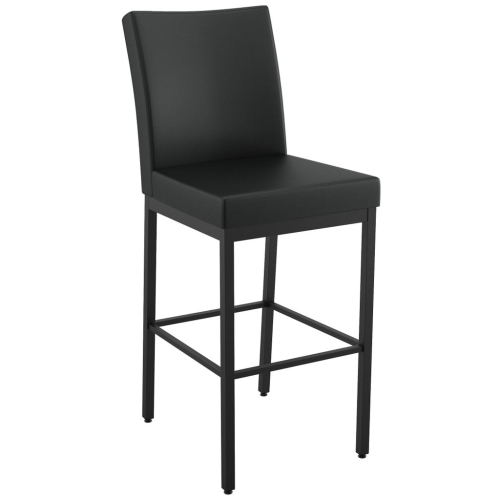
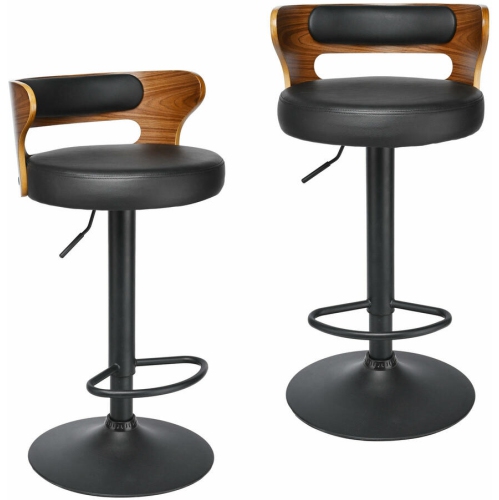
Metal bar stools bring durable seating and a clean, defined look to kitchen islands, breakfast counters and home bars. Counter-height designs typically have seats about 24 to 26 inches high, while bar-height designs commonly have seats around 28 to 30 inches high. Although both are often described as bar stools, they suit different surface heights, making seat height an important distinction. Metal construction can take many forms, from slender tubular frames with upholstered seats to substantial all-metal designs with shaped backs and integrated footrests. Steel is a familiar choice for a sturdy frame, while aluminium can offer a lighter option that is easier to reposition. For a closer look at seating built around steel construction, Steel Bar Stools brings that material into focus. The overall character depends just as much on the finish and seat as on the frame itself. Matte black frames can outline a seating area against pale cabinetry, while brushed metallic finishes pair naturally with stainless steel appliances. Painted colours add a more playful accent without requiring a large piece of furniture. A wood seat softens the appearance of a metal base and introduces visible grain; a padded seat creates a different balance, with a softer surface for lingering over breakfast or conversation. Metal stools are not limited to an industrial look. Simple silhouettes can feel understated in a contemporary kitchen, curved backs can complement more traditional cabinetry, and mixed-material designs can bridge adjoining rooms. In an open-plan home, repeating a metal finish from nearby lighting or cabinet hardware helps the seating feel connected to the space. Matching every finish is not essential, though: a deliberate contrast can give an island its own identity while keeping the overall arrangement cohesive.
A comfortable fit starts with the relationship between the seat, the countertop and the person using them. As a general reference, a counter about 36 inches high often pairs with a seat about 24 to 26 inches high, while a bar about 40 to 42 inches high commonly suits a seat about 28 to 30 inches high. Roughly 10 to 12 inches between the top of the seat and the underside of the surface usually leaves useful legroom, but a thick countertop, support apron or shallow overhang can change the fit. Measuring to the lowest obstruction gives a more realistic picture than measuring only to the top. Seat width matters, too, particularly when several people share an island. Leaving about 6 inches between the edges of neighbouring seats is a useful starting point, with additional room for broad arms, swivel movement or a busy walkway behind the seating. A backless stool can tuck neatly beneath a generous overhang, keeping sightlines open between the kitchen and living area. A low back offers some support without creating a tall visual barrier, while a higher back may be more comfortable for longer meals. Arms provide another place to rest, but their height determines whether the stool can slide under the counter. Swivel seats make turning towards a conversation easier and may reduce the need to drag a stool across the floor, although they need enough clearance to rotate without hitting cabinetry. A well-positioned footrest is especially valuable on taller seating because it gives feet a stable place to rest rather than leaving legs hanging. For shared household use, the seat shape, stated weight capacity and stability deserve attention alongside appearance. Adjustable-height designs can accommodate different surfaces within their specified range, but their base size and adjustment mechanism also affect how they fit into a compact eating area.
Day-to-day use often reveals which details matter most. At a breakfast counter used for quick meals, a smooth, wipeable seat and an uncluttered frame can make crumbs and small spills easier to manage. Where people settle in for a long conversation, a shaped seat, supportive back and suitable padding may take priority. Upholstery introduces its own considerations: textured fabric can add softness and depth, while coated upholstery may offer a surface that is simpler to wipe, depending on the material and care instructions. Seams, tufting and narrow gaps can collect crumbs, so the easiest design to maintain is not always the one that looks simplest from a distance. Metal finishes also benefit from appropriate care. A soft cloth and a manufacturer-approved cleaning method help remove everyday marks without unnecessarily wearing the surface; abrasive pads and harsh cleaners can damage some coatings. Drying spills promptly is particularly important around joints, exposed edges and places where a protective finish has been chipped. A metal frame is only one part of a stool’s durability: sound joints, secure fasteners, a stable base and a suitable finish all contribute to how it holds up. Periodic checks for loose hardware or worn floor glides can help keep seating steady and protect the floor beneath it. Protective glides should suit the flooring, and they work best when kept free of trapped grit. Stackable designs can be useful when a room needs flexible seating, provided the stools are intended to stack and their contact points do not damage the finish. For a home bar or games area, weightier seating may feel reassuringly substantial; in a multipurpose kitchen, a lighter frame may be more convenient to move for cleaning. Commercial settings require seating specifically rated for that level of use rather than an assumption that any metal stool will be suitable. Across these spaces, the most practical choice balances the look of the frame with comfortable proportions, straightforward care and the way people actually sit, move and gather.
Top selling and popular products
-
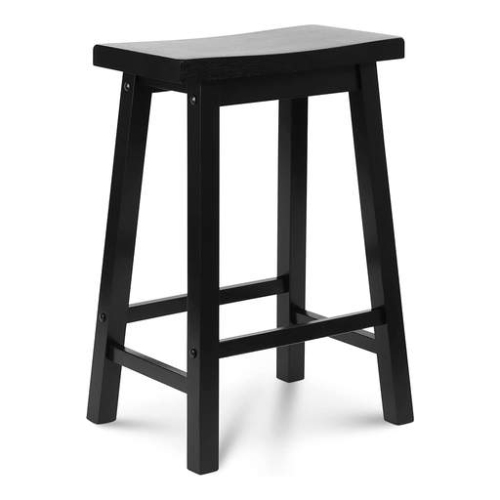 Your price for this item is $93.99
-
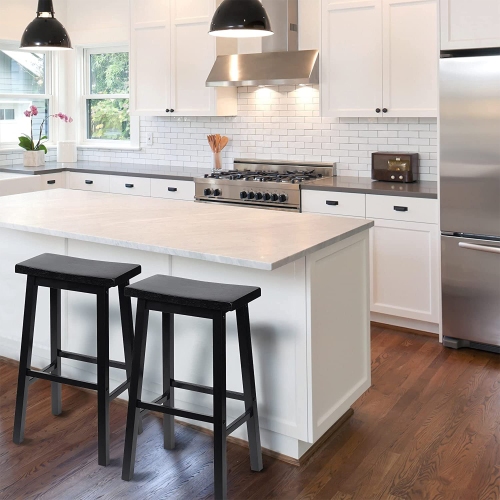 Your price for this item is $563.99
-
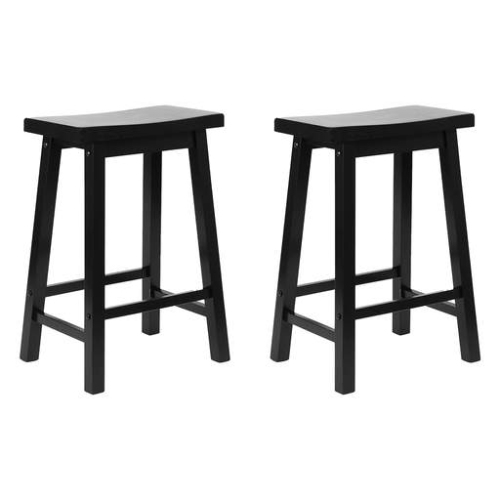 Your price for this item is $224.99
-
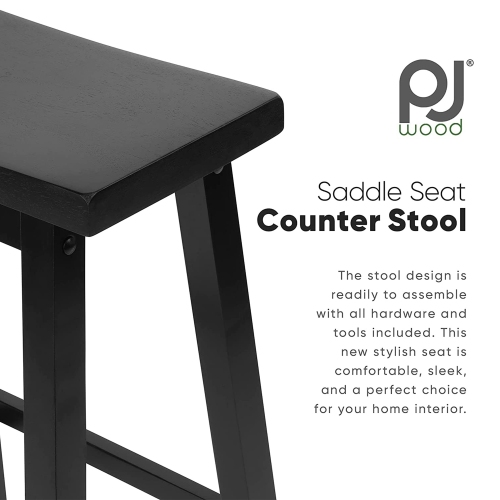 Your price for this item is $202.99
-
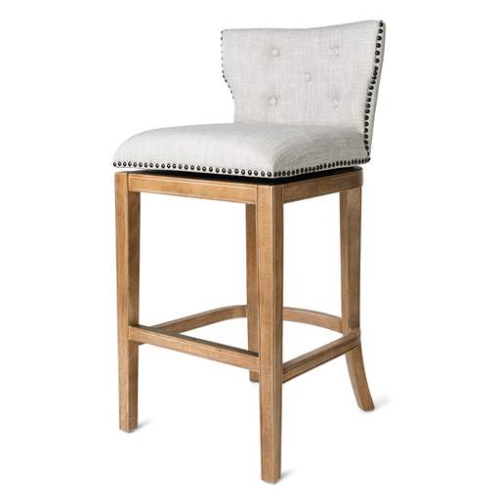 Your price for this item is $508.99
-
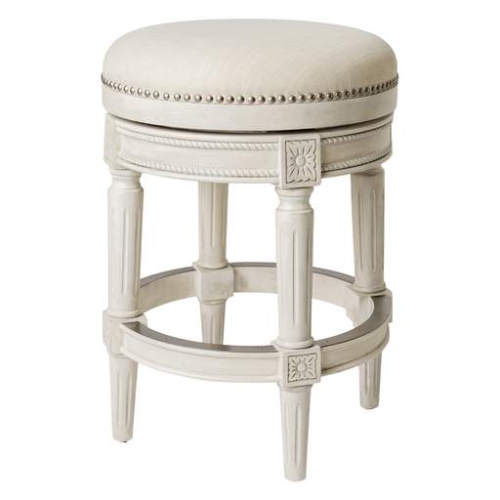 Your price for this item is $359.99
-
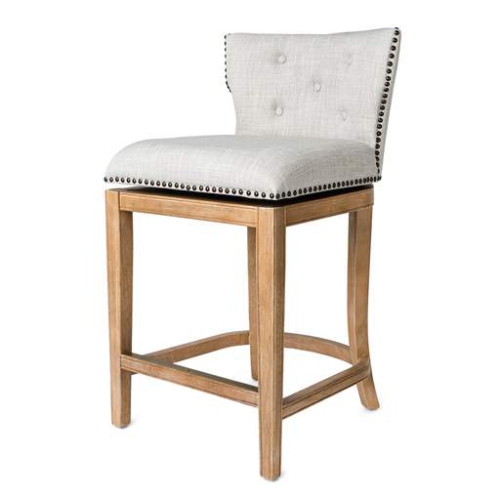 Your price for this item is $559.99
-
 Your price for this item is $298.99
Discover more categories related to Metal Bar Stools
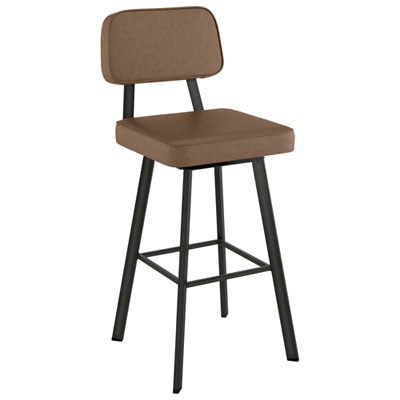

Top Collections:
Pokemon Centers, Best Black Friday Deals This Year, Best Black Friday Deals On Electronics, Kindle Devices, Best Budget Office Chairs, Best Black Friday Deals On Apple Products, Best Cameras for Sports Photography, Pokémon 30th Celebration Cards, Dyson Airwrap, Canon G7X Cameras
Some products may be subject to Environmental Handling Fees
(EHF) depending on your province.
Learn more about EHFs.