Gentle Clay Masks for Sensitive Skin
Gentle Clay Masks For Sensitive Skin offer a soothing addition to your skincare routine, providing a calming experience tailored for delicate complexions. Explore a curated selection designed with sensitivity in mind, making it easy to find the perfect match for your needs. Whether you’re looking to refresh after a long day or incorporate an extra step into your weekly regimen, Gentle Clay Masks For Sensitive Skin are crafted to help you achieve a comfortable, pampered feel every time.
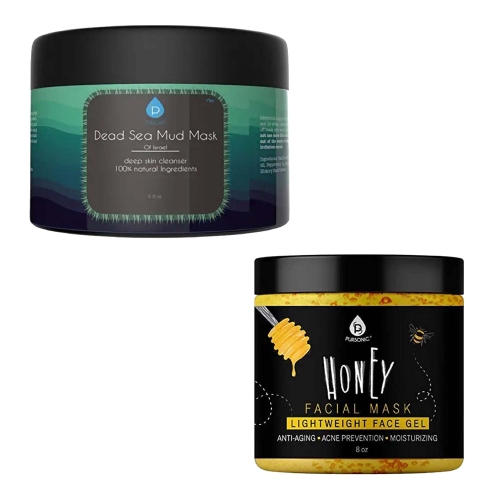

Why a mask’s formula matters more than its clay
Gentle clay masks for sensitive skin offer a rinse-off option for absorbing excess surface oil without the abrasive feel of a facial scrub. The most suitable formulas balance the absorbent qualities of clay with ingredients that help skin feel comfortable rather than tight after rinsing. Kaolin, often called white clay, is a common starting point because it generally has a milder oil-absorbing action than more strongly absorbent clays such as bentonite. Pink clay may also appear in gentle formulas, although that name can describe different mineral blends, so colour alone does not establish how a mask will feel on sensitive skin. The complete formula matters more than the clay’s name: its concentration, added fragrance, exfoliating ingredients, and moisturizing components all influence the experience. Glycerin helps attract water to the skin’s outer layer, while emollients such as squalane help soften its surface. Aloe and colloidal oatmeal are other ingredients often included for comfort, though even familiar botanical ingredients can cause a reaction in some people. A fragrance-free formula is a useful consideration for skin that reacts to scented skincare; “unscented” does not always mean that no fragrance ingredients are present. Essential oils can also be irritating despite their botanical origin. Labels such as “gentle,” “natural,” and “hypoallergenic” are not guarantees that a formula will suit every complexion. For someone whose forehead becomes shiny while their cheeks feel dry after cleansing, a creamy clay mask may offer a more comfortable fit than a strongly absorbent powder mixed with water alone. Someone with persistently dry or easily irritated skin may find that clay masks have little place in their routine, even when the packaging describes them as suitable for sensitive skin. The aim is a clean, soft finish, not the squeaky or stretched sensation sometimes mistaken for a more thorough cleanse. Clay can temporarily reduce surface oil and the appearance of shine, but it does not permanently shrink pores, remove toxins from the body, or replace treatment for an ongoing skin condition.
Texture, packaging, and intended use help distinguish gentle clay masks beyond their ingredient lists. Ready-to-use cream masks spread easily and may contain humectants and emollients alongside the clay, making them practical for an occasional addition to a simple skincare routine. A whipped texture can feel light during application, while a richer cream may provide more slip across dry areas; neither texture, on its own, proves that a mask will be less irritating. Powder masks require mixing and can vary in consistency from one application to the next. They are best prepared with the liquid and proportions specified on the label, rather than improvised additions such as lemon juice or essential oils that may irritate sensitive skin. Smooth formulas without gritty particles allow removal without an extra scrubbing step, which can be helpful for skin that flushes easily with friction. Masks that also contain exfoliating acids, enzymes, or other active ingredients deserve closer attention, particularly when the rest of a routine already includes retinoids or exfoliants. Combining several intensive steps can leave skin uncomfortable even when each formula seems manageable on its own. Packaging also affects everyday use: a tube allows a small amount to be dispensed without dipping fingers into the contents, while a jar leaves room for a clean spatula to scoop out a controlled portion. A soft applicator can help create an even layer, but it needs washing and thorough drying between uses. Shelf life and hygiene matter more than durability for a consumable skincare formula. The expiry date, any period-after-opening symbol, and storage directions provide useful limits, and a mask with a changed smell, colour, or texture should not be used. Keeping the lid securely closed helps limit drying and contamination. For travel or a shared bathroom, a secure closure and easy-to-clean packaging can be more useful than an elaborate applicator. As a gift, a clay mask is most thoughtful when the recipient already enjoys this type of skincare and their ingredient preferences are known, rather than as a surprise for someone with unpredictable skin reactions.
A gentle clay mask fits best as an optional, occasional step rather than a daily requirement for sensitive skin. A simple cleansing routine, including suitable Gentle Cleansers, helps remove makeup, sunscreen, and surface residue without adding unnecessary exfoliation before masking. Skin does not need to be scrubbed first for clay to work. For a new formula, a small-area trial following the label’s directions can help reveal an obvious reaction before broader application, although it cannot rule out later irritation or allergy. Frequency and contact time should follow the product directions and individual tolerance; sensitive skin may need less frequent use than the maximum stated on a label. A longer application is not necessarily more effective. Some rinse-off clay masks specify a short contact time, often around five to ten minutes, but there is no single timing rule that applies to every formula. There is no benefit in deliberately waiting until a mask becomes a rigid, cracked layer, especially if skin begins to feel pulled or uncomfortable. Burning, stinging, or increasing redness are reasons to rinse it off promptly rather than wait for a timer. Placement can make a difference, too. A person with an oily nose and forehead but dry cheeks may prefer a thin layer only across the oilier areas, leaving sensitive patches untouched. The eye area, lips, broken skin, and already irritated areas should be avoided unless the label explicitly permits use there. Gentle rinsing with lukewarm water and minimal rubbing helps keep removal from becoming an exfoliating treatment of its own. Patting dry and applying a familiar, well-tolerated moisturizer can help maintain comfort afterwards. Skin that feels soft and comfortable after rinsing is a more useful measure of suitability than dramatic drying, tingling, or a visibly hardened mask. For people with eczema, rosacea, persistent redness, or repeated reactions to skincare, advice from a qualified healthcare professional can help establish whether a clay mask belongs in the routine at all. A well-matched formula should complement everyday care, not leave skin needing to recover from it.
Top selling and popular products
-
 Your price for this item is $282.91
-
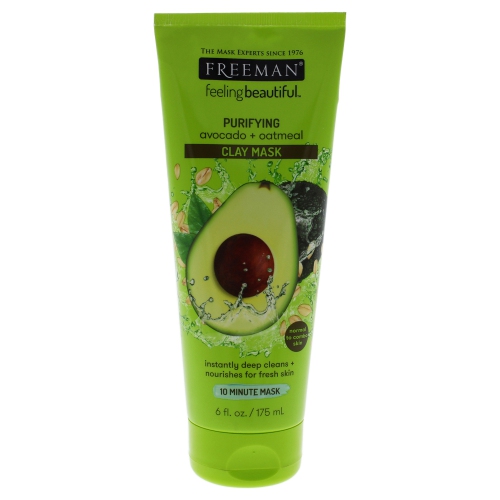 Your price for this item is $18.52
-
 Your price for this item is $242.82
-
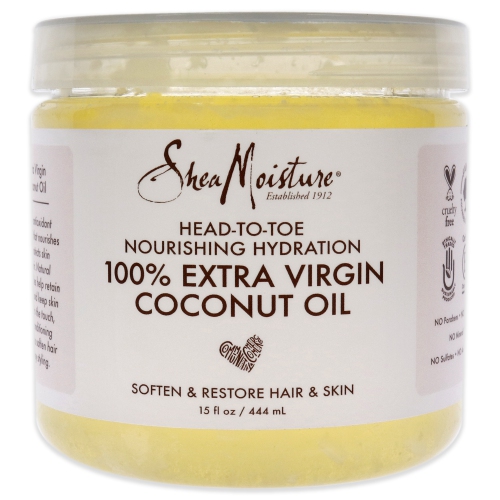 Your price for this item is $26.5
-
 Your price for this item is $22.06
-
 Your price for this item is $474.41
-
 Your price for this item is $31.8
-
 Your price for this item is $125.66
Discover more categories related to Gentle Clay Masks for Sensitive Skin


Top Collections:
Pokemon Centers, Best Cameras for Sports Photography, Kindle Devices, Samsung Galaxy Phones, Canon G7X Cameras, Pokémon 30th Celebration Cards, Refurbished Apple Laptops, iPhone 15 Apple, Laptops for Students, Budget Smartphones
Some products may be subject to Environmental Handling Fees
(EHF) depending on your province.
Learn more about EHFs.