Hair Conditioning Sprays
Get ready to transform your hair with our collection of hair conditioning sprays. Whether you're looking to tame frizz, add shine, or nourish your locks, these innovative sprays are here to make your hair dreams a reality. From lightweight formulas that won't weigh your hair down to intense treatments that provide deep hydration, we have the perfect conditioning spray for every hair type and concern. Discover the secret to luscious, healthy-looking hair with our wide selection of conditioning sprays that will leave your locks feeling soft, smooth, and oh-so manageable.
Sort
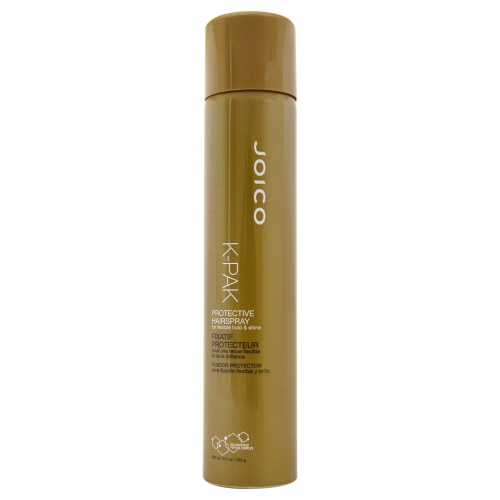
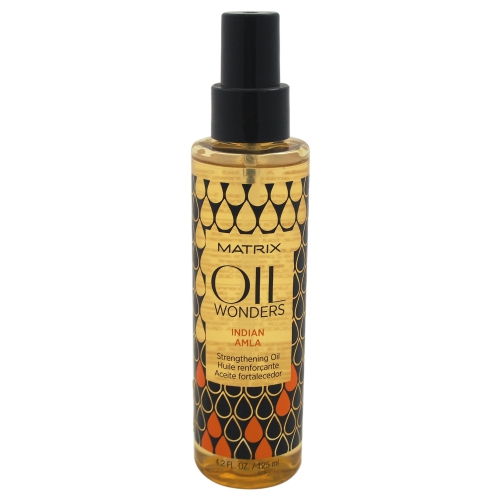
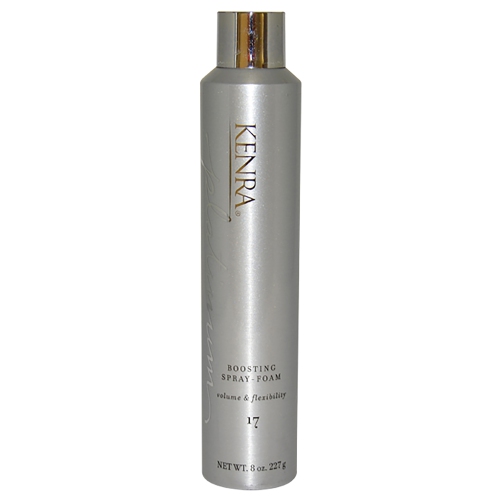
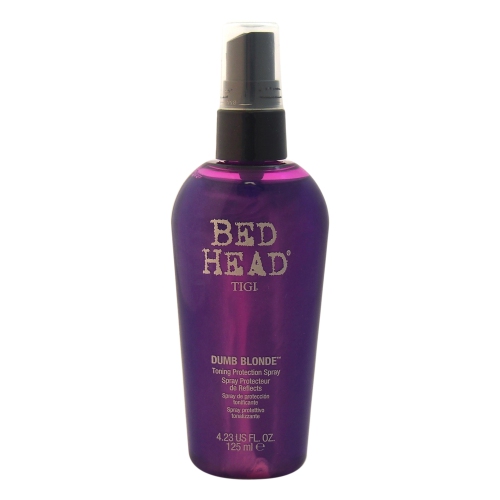
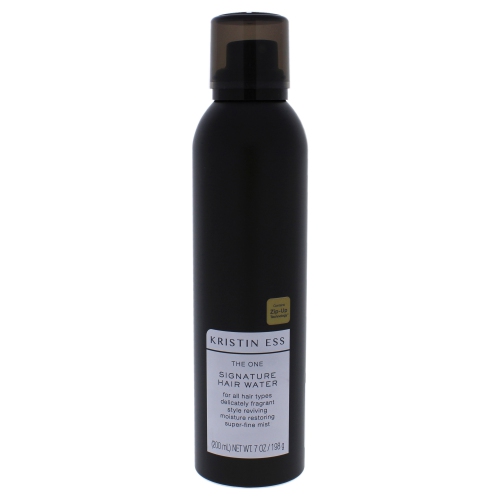
Softer strands and easier detangling without the heavy feel
Hair conditioning sprays are hair-care products that deliver conditioning ingredients in a mist, helping soften strands, ease tangles, and improve manageability without the heavier feel of some creams or masks. Many are leave-in conditioners designed to stay on the hair until the next wash, although application and rinsing requirements depend on the formula. Their appeal is practical: a spray can distribute a small amount of product across damp lengths, reach the knot-prone hair at the nape of the neck, or lightly refresh dry ends between washes when the label allows. For hair that catches on a brush after showering, added slip can make detangling gentler and reduce the pulling that contributes to breakage. For lengths that look fluffy or feel rough after drying, conditioning ingredients can help smooth the surface and leave hair feeling softer. These benefits are cosmetic rather than a permanent repair for damaged strands or split ends. The category includes lightweight detangling sprays, richer conditioning mists, curl-refreshing formulas, and multipurpose leave-ins with additional labelled benefits. While their uses overlap, a detangler is not automatically a heat protectant, and a conditioning spray does not necessarily provide styling hold. The distinction matters for someone who air-dries their hair compared with someone who regularly uses a blow-dryer or flat iron. During the cooler months, scarves, jacket collars, and hats can leave longer hair tangled around the shoulders; a suitable conditioning mist can make those lengths easier to manage without requiring another wash. These sprays can fit into routines for straight, wavy, curly, and coily hair, as well as short styles with dry ends or longer styles that need extra detangling. The most useful match depends on strand thickness, density, texture, condition, and the finish someone prefers. A fine-haired person seeking movement and lift may want a barely noticeable finish, while someone with coarse curls may value a more substantial conditioned feel.
Formula composition helps explain why two hair conditioning sprays can feel quite different despite similar packaging. Water-based mists often spread easily, while conditioning agents help reduce friction between strands and improve combability. Ingredients such as glycerin and panthenol can support moisture retention, and silicones can add slip, smoothness, and shine. Oils may contribute softness and lubrication, but the amount used and the complete formulation matter more than the presence of a single highlighted ingredient. A mist containing oil can still feel light, just as an oil-free formula can leave a noticeable coating when applied generously. Protein-containing formulas may temporarily improve the feel of stressed hair, though they cannot return damaged strands to their original condition. Fine or low-density hair often benefits from an easily distributed spray applied mainly through the lengths rather than at the roots, where excess product can flatten a style. Those who prefer that lighter finish may also find Lightweight Conditioners relevant to their everyday routine. Thick or coarse hair may need a more conditioning formula or a spray used alongside a rinse-out conditioner, rather than a mist as the only conditioning step. Curly and coily textures can benefit from added slip during section-by-section detangling, while a spray intended for dry-hair use may help soften curls before reshaping them. Hair that has been coloured, lightened, or frequently heat-styled can have different needs along its length, with the ends feeling rougher than the newer growth near the scalp. Labelled suitability for colour-treated hair is worth considering, but conditioning alone does not prevent colour fading. Fragrance is another meaningful difference, especially when a leave-in product remains close to the face throughout the day. Fragrance-free options may suit people who prefer less scent, although that designation does not guarantee freedom from irritation. For anyone with known sensitivities, the full ingredient list is more informative than a front-label description such as gentle or natural.
Everyday usability depends as much on the spray mechanism and directions as on the formula itself. A fine, even mist is helpful for distributing a small amount over a broad area, while a more concentrated spray may be easier to direct into individual sections of dense hair. A comfortable pump, secure cap, and bottle that is easy to grip with damp hands can make a difference during a busy morning. Some formulas separate in the bottle and require shaking before application; others are ready to spray as packaged. Directions also establish whether the product belongs on towel-dried hair, dry hair, or both, and whether it is intended for the lengths only. With damp-hair formulas, gently removing excess water first can help avoid unnecessary dripping and dilution. Starting with a small amount leaves room to add more where hair still feels tangled or rough, rather than saturating areas that already feel smooth. For someone with shoulder-length hair, the ends and the section that rubs against a collar may need more attention than the crown. Gentle detangling from the ends upward, using fingers or a suitable comb, limits tugging; a conditioning spray helps provide slip but does not make forceful brushing harmless. Before heat styling, only a formula explicitly labelled for heat protection should be relied on for that purpose, and its application directions still matter. Hair conditioning sprays also vary in how well their finish lasts between washes. Hair texture, brushing, washing frequency, and other styling products all influence whether the result stays soft or begins to feel coated. More product is not always more effective, particularly when several leave-in formulas are layered together. Bottle care is straightforward: keeping the nozzle clean, closing the cap securely, and following storage and shelf-life guidance help maintain reliable dispensing and product quality. A secure closure is especially useful for a gym bag or overnight bag, where leakage can spoil an otherwise convenient routine. As a gift, a conditioning spray is most personal when the recipient’s texture, scent preferences, and usual styling habits are known. Whether used after washing, before gentle detangling, or to refresh dry lengths as directed, the right formula should leave hair easier to handle and comfortable to wear.
Formula composition helps explain why two hair conditioning sprays can feel quite different despite similar packaging. Water-based mists often spread easily, while conditioning agents help reduce friction between strands and improve combability. Ingredients such as glycerin and panthenol can support moisture retention, and silicones can add slip, smoothness, and shine. Oils may contribute softness and lubrication, but the amount used and the complete formulation matter more than the presence of a single highlighted ingredient. A mist containing oil can still feel light, just as an oil-free formula can leave a noticeable coating when applied generously. Protein-containing formulas may temporarily improve the feel of stressed hair, though they cannot return damaged strands to their original condition. Fine or low-density hair often benefits from an easily distributed spray applied mainly through the lengths rather than at the roots, where excess product can flatten a style. Those who prefer that lighter finish may also find Lightweight Conditioners relevant to their everyday routine. Thick or coarse hair may need a more conditioning formula or a spray used alongside a rinse-out conditioner, rather than a mist as the only conditioning step. Curly and coily textures can benefit from added slip during section-by-section detangling, while a spray intended for dry-hair use may help soften curls before reshaping them. Hair that has been coloured, lightened, or frequently heat-styled can have different needs along its length, with the ends feeling rougher than the newer growth near the scalp. Labelled suitability for colour-treated hair is worth considering, but conditioning alone does not prevent colour fading. Fragrance is another meaningful difference, especially when a leave-in product remains close to the face throughout the day. Fragrance-free options may suit people who prefer less scent, although that designation does not guarantee freedom from irritation. For anyone with known sensitivities, the full ingredient list is more informative than a front-label description such as gentle or natural.
Everyday usability depends as much on the spray mechanism and directions as on the formula itself. A fine, even mist is helpful for distributing a small amount over a broad area, while a more concentrated spray may be easier to direct into individual sections of dense hair. A comfortable pump, secure cap, and bottle that is easy to grip with damp hands can make a difference during a busy morning. Some formulas separate in the bottle and require shaking before application; others are ready to spray as packaged. Directions also establish whether the product belongs on towel-dried hair, dry hair, or both, and whether it is intended for the lengths only. With damp-hair formulas, gently removing excess water first can help avoid unnecessary dripping and dilution. Starting with a small amount leaves room to add more where hair still feels tangled or rough, rather than saturating areas that already feel smooth. For someone with shoulder-length hair, the ends and the section that rubs against a collar may need more attention than the crown. Gentle detangling from the ends upward, using fingers or a suitable comb, limits tugging; a conditioning spray helps provide slip but does not make forceful brushing harmless. Before heat styling, only a formula explicitly labelled for heat protection should be relied on for that purpose, and its application directions still matter. Hair conditioning sprays also vary in how well their finish lasts between washes. Hair texture, brushing, washing frequency, and other styling products all influence whether the result stays soft or begins to feel coated. More product is not always more effective, particularly when several leave-in formulas are layered together. Bottle care is straightforward: keeping the nozzle clean, closing the cap securely, and following storage and shelf-life guidance help maintain reliable dispensing and product quality. A secure closure is especially useful for a gym bag or overnight bag, where leakage can spoil an otherwise convenient routine. As a gift, a conditioning spray is most personal when the recipient’s texture, scent preferences, and usual styling habits are known. Whether used after washing, before gentle detangling, or to refresh dry lengths as directed, the right formula should leave hair easier to handle and comfortable to wear.
Top selling and popular products
-
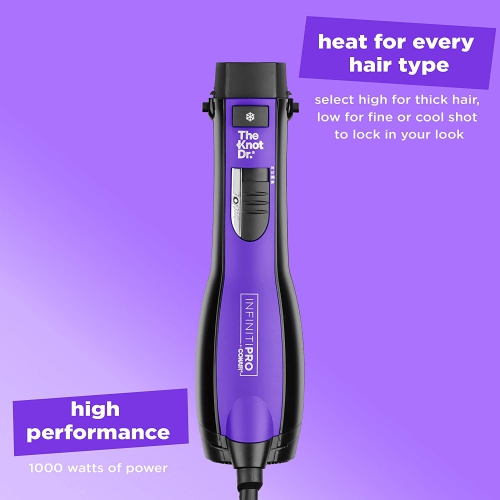 Your price for this item is $142.99
 -
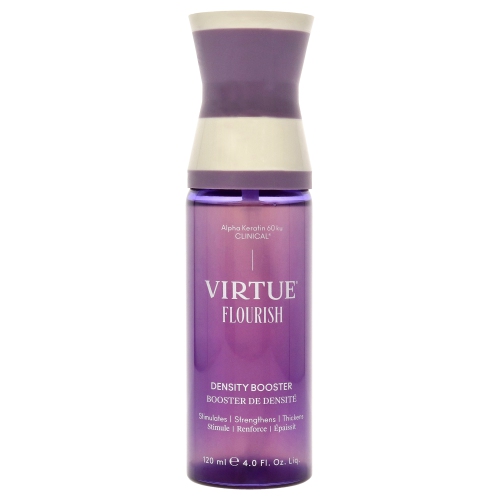 Your price for this item is $63.68
 -
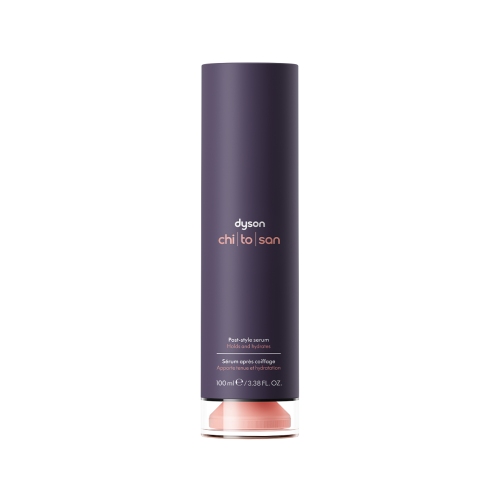 Your price for this item is $59.99
 -
 Your price for this item is $39.99
 -
 Your price for this item is $229.99
 -
 Your price for this item is $229.99
 -
 Your price for this item is $229.99
 -
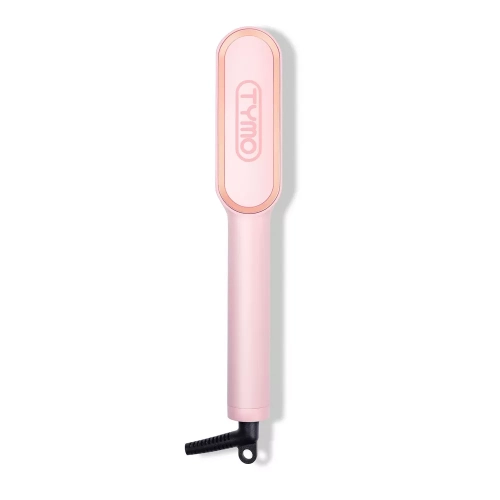 Your price for this item is $142.99
Discover more categories related to Hair Conditioning Sprays
Top Collections:
Pokemon Centers, Kindle Devices, Best Budget Office Chairs, Apple iPhones 16, Best Laptops for Writers, iPhone 15 Apple, Canon G7X Cameras, Refurbished Apple Laptops, Alarm Clock, Motorola Razr Phones
Some products may be subject to Environmental Handling Fees
(EHF) depending on your province.
Learn more about EHFs.