Lightweight Conditioners
Discover the perfect solution for achieving luscious, vibrant hair without the weight. Lightweight conditioners are designed to nourish and hydrate your locks while maintaining a natural bounce and shine. Whether you have fine hair that needs a gentle touch or thick tresses craving moisture without heaviness, these conditioners provide the ideal balance. Elevate your hair care routine with formulas that effortlessly detangle and smooth, leaving your hair feeling soft, manageable, and full of life. Explore a range of options tailored to enhance your hair's natural beauty, making every day a good hair day.
Sort

![KEVIN MURPHY : Everlasting Color Rinse - 250 Ml [Beauty]](https://multimedia.bbycastatic.ca/multimedia/products/500x500/198/19899/19899728.jpeg)

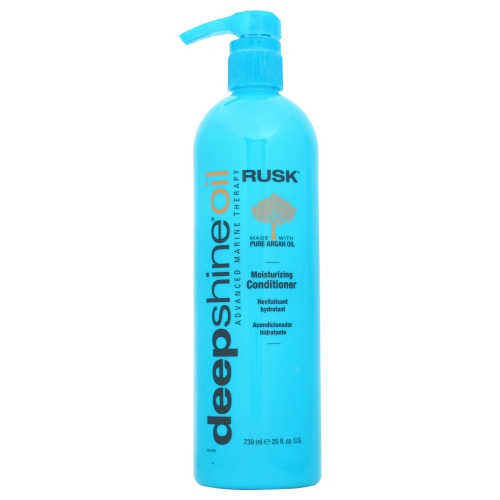
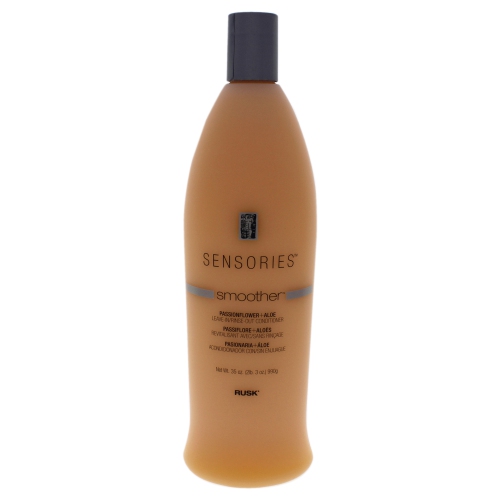
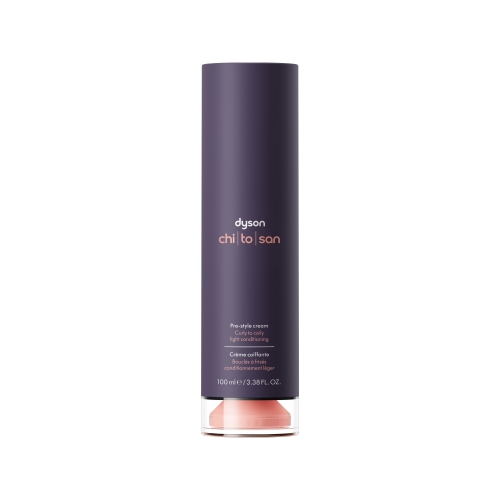
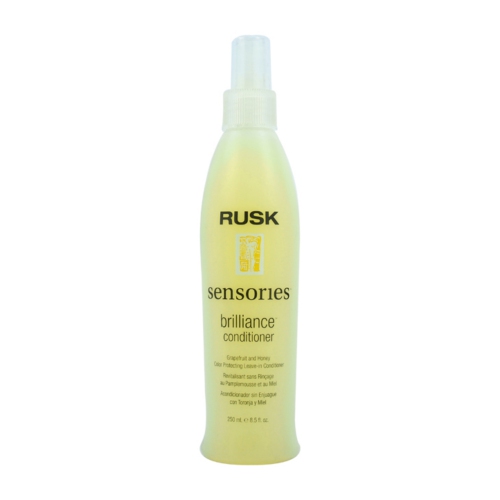
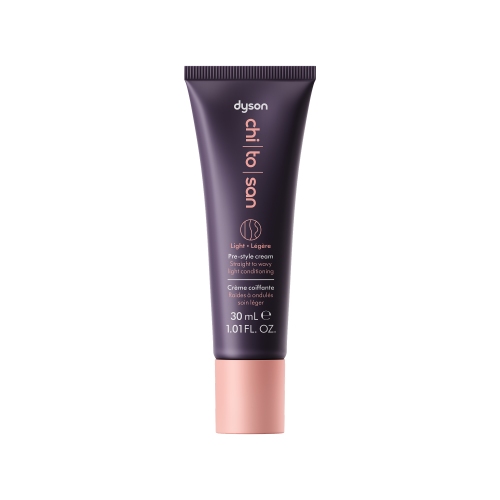
Softer hair without the weight that flattens fine strands
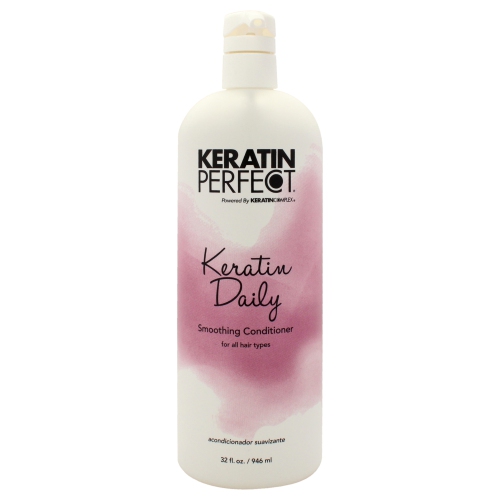
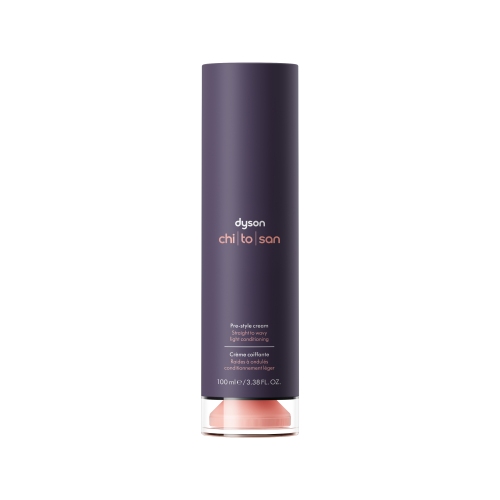
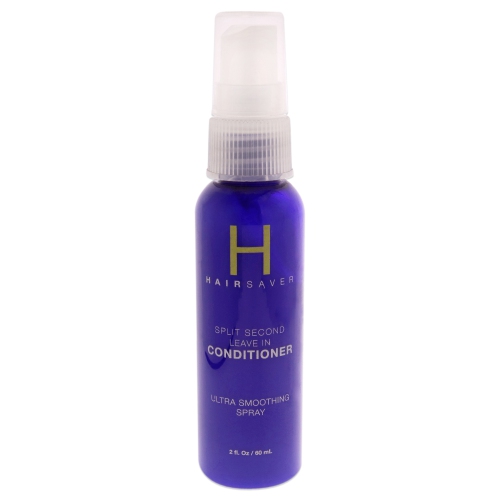
Lightweight conditioners soften and detangle hair without leaving the heavy, coated feeling that can make fine strands fall flat. They are designed to improve manageability while preserving movement, making them a useful option for hair that needs conditioning but loses volume easily. Fine hair refers to the diameter of individual strands, while thin hair describes lower hair density; either can benefit from a formula that does not add excessive weight. Straight hair may show heaviness as limp lengths or separated strands, while fine waves and curls may lose their shape under a rich conditioner. A lighter formula can help hair feel smoother and easier to comb while allowing its natural texture to remain visible. These conditioners also suit some people with oily roots and dry ends, since the lengths may still need softness even when the scalp produces plenty of oil. The term lightweight describes how a formula feels and performs rather than a single ingredient or standardized product category. Many have fluid, milky, lotion-like, or gel-cream textures, although consistency alone does not establish how they will behave on hair. A creamy formula can rinse cleanly, and a thin liquid can still leave a noticeable coating if too much is applied. Rinse-out conditioners provide a conditioning step after shampooing, while lightweight leave-in conditioners remain on the lengths to support detangling and manageability between washes. Sprays can make small amounts easier to distribute, particularly through fine hair, while lotions offer more control over placement on dry ends. The most suitable format depends on hair texture, length, styling habits, and how much conditioning the hair needs. For someone whose freshly washed hair feels soft but quickly looks flat, a lighter conditioner may offer a better balance than a dense mask. For someone with fine curls, that balance may mean enough slip to separate tangles without leaving the curl pattern stretched or limp.
The ingredients in lightweight hair conditioners work together to influence softness, slip, and the amount of residue left behind. Water commonly forms the base, with conditioning agents added to help reduce friction between strands. Ingredients such as behentrimonium chloride and cetrimonium chloride are used to improve detangling and make hair feel smoother; their presence does not mean a formula will necessarily feel heavy. Cetyl alcohol and cetearyl alcohol are fatty alcohols that help give conditioners their texture and softening qualities, rather than serving the same role as drying alcohols found in some other formulations. Humectants such as glycerin and panthenol help attract or retain moisture, while aloe may be included as part of a conditioning blend. Botanical ingredients, including coconut water or plant extracts, can contribute to a formula, but a prominent ingredient on the label does not tell the whole story. The amount used and the balance of conditioning agents, oils, and other ingredients matter more than any single claim. Small amounts of oils or butters may work well for some fine hair, whereas richer blends can feel excessive on strands that flatten easily. Silicone-free conditioners are an option for people who prefer them, but silicone-free does not automatically mean lighter. Silicones can improve slip and smoothness, and their effect depends on the type, concentration, and overall formulation. Likewise, a lightweight conditioner is not necessarily a clarifying treatment: softening the hair and removing accumulated residue are different functions. Hydrolyzed proteins may help some damaged hair feel stronger or fuller temporarily, but responses vary, and a stiff or rough feel can indicate that a different formula would be more comfortable. Fragrance is another consideration, particularly for anyone who finds scented hair care irritating or overwhelming. A fragrance-free label is more useful than assuming that a botanical formula will be gentle for every person. Colour-treated or chemically processed hair may need a formula labelled for that use, even when keeping weight to a minimum remains the priority.
How a lightweight conditioner fits into a routine often matters as much as its ingredient list. On hair with oily roots, placement through the mid-lengths and ends can soften the areas most prone to tangling without adding unnecessary product near the scalp. Short, fine hair may need only a small amount, while longer hair or a dense curl pattern may require more for even coverage. Following the directions for application, contact time, and rinsing helps avoid using a rinse-out formula as a leave-in or applying more than the hair can comfortably carry. Thorough rinsing is especially important for fine strands: leftover rinse-out conditioner can make otherwise clean hair look flat or feel slippery once dry. Leave-in formulas are designed to remain on the hair, so their directions differ. A light spray through towel-dried lengths may help a comb pass through more smoothly, but it should not be assumed to provide heat protection unless that benefit is stated on the label. Hair that catches at the ends after washing may benefit from extra conditioning in that area rather than a heavier application from root to tip. Gentle handling also matters, since forceful brushing can cause breakage even when hair feels well conditioned. Lightweight conditioning can temporarily improve the feel and appearance of rough ends, but it does not permanently mend split ends or replace trimming when needed. For very coarse, highly porous, or extensively damaged hair, a light formula alone may not provide enough conditioning; alternating with a richer treatment may better match the needs of the lengths. Bottle design can make regular use easier, with pumps offering convenient dispensing and smaller, securely closed containers fitting neatly into a gym bag or travel kit. Keeping caps closed, limiting water entering the container, and following the labelled storage and period-after-opening directions help maintain product quality. For a broader personal-care routine built around comfortable, light textures, Lightweight Moisturizers bring a similar preference to skin care, though facial moisturizers and hair conditioners serve different purposes. In hair care, the aim remains softness, manageable tangles, and natural movement without a lingering heavy feel.
The ingredients in lightweight hair conditioners work together to influence softness, slip, and the amount of residue left behind. Water commonly forms the base, with conditioning agents added to help reduce friction between strands. Ingredients such as behentrimonium chloride and cetrimonium chloride are used to improve detangling and make hair feel smoother; their presence does not mean a formula will necessarily feel heavy. Cetyl alcohol and cetearyl alcohol are fatty alcohols that help give conditioners their texture and softening qualities, rather than serving the same role as drying alcohols found in some other formulations. Humectants such as glycerin and panthenol help attract or retain moisture, while aloe may be included as part of a conditioning blend. Botanical ingredients, including coconut water or plant extracts, can contribute to a formula, but a prominent ingredient on the label does not tell the whole story. The amount used and the balance of conditioning agents, oils, and other ingredients matter more than any single claim. Small amounts of oils or butters may work well for some fine hair, whereas richer blends can feel excessive on strands that flatten easily. Silicone-free conditioners are an option for people who prefer them, but silicone-free does not automatically mean lighter. Silicones can improve slip and smoothness, and their effect depends on the type, concentration, and overall formulation. Likewise, a lightweight conditioner is not necessarily a clarifying treatment: softening the hair and removing accumulated residue are different functions. Hydrolyzed proteins may help some damaged hair feel stronger or fuller temporarily, but responses vary, and a stiff or rough feel can indicate that a different formula would be more comfortable. Fragrance is another consideration, particularly for anyone who finds scented hair care irritating or overwhelming. A fragrance-free label is more useful than assuming that a botanical formula will be gentle for every person. Colour-treated or chemically processed hair may need a formula labelled for that use, even when keeping weight to a minimum remains the priority.
How a lightweight conditioner fits into a routine often matters as much as its ingredient list. On hair with oily roots, placement through the mid-lengths and ends can soften the areas most prone to tangling without adding unnecessary product near the scalp. Short, fine hair may need only a small amount, while longer hair or a dense curl pattern may require more for even coverage. Following the directions for application, contact time, and rinsing helps avoid using a rinse-out formula as a leave-in or applying more than the hair can comfortably carry. Thorough rinsing is especially important for fine strands: leftover rinse-out conditioner can make otherwise clean hair look flat or feel slippery once dry. Leave-in formulas are designed to remain on the hair, so their directions differ. A light spray through towel-dried lengths may help a comb pass through more smoothly, but it should not be assumed to provide heat protection unless that benefit is stated on the label. Hair that catches at the ends after washing may benefit from extra conditioning in that area rather than a heavier application from root to tip. Gentle handling also matters, since forceful brushing can cause breakage even when hair feels well conditioned. Lightweight conditioning can temporarily improve the feel and appearance of rough ends, but it does not permanently mend split ends or replace trimming when needed. For very coarse, highly porous, or extensively damaged hair, a light formula alone may not provide enough conditioning; alternating with a richer treatment may better match the needs of the lengths. Bottle design can make regular use easier, with pumps offering convenient dispensing and smaller, securely closed containers fitting neatly into a gym bag or travel kit. Keeping caps closed, limiting water entering the container, and following the labelled storage and period-after-opening directions help maintain product quality. For a broader personal-care routine built around comfortable, light textures, Lightweight Moisturizers bring a similar preference to skin care, though facial moisturizers and hair conditioners serve different purposes. In hair care, the aim remains softness, manageable tangles, and natural movement without a lingering heavy feel.
Top selling and popular products
-
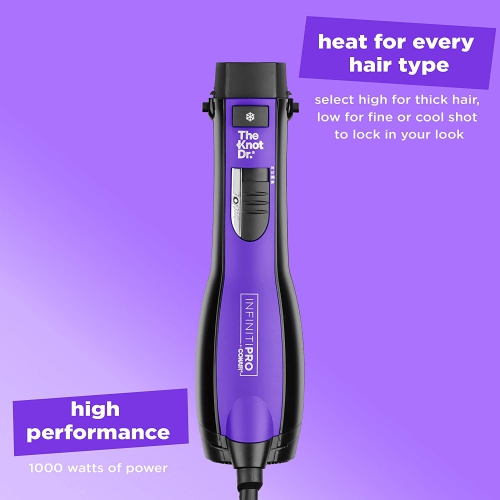 Your price for this item is $142.99
 -
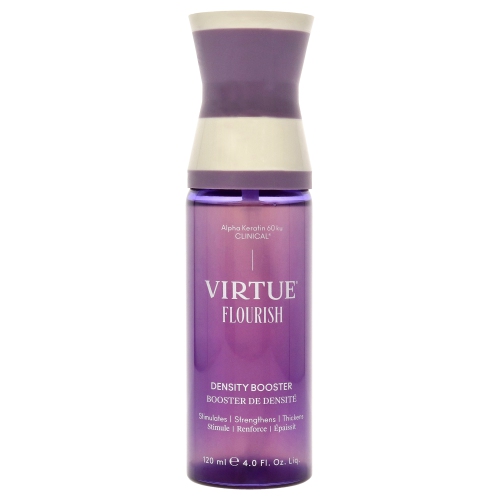 Your price for this item is $63.68
 -
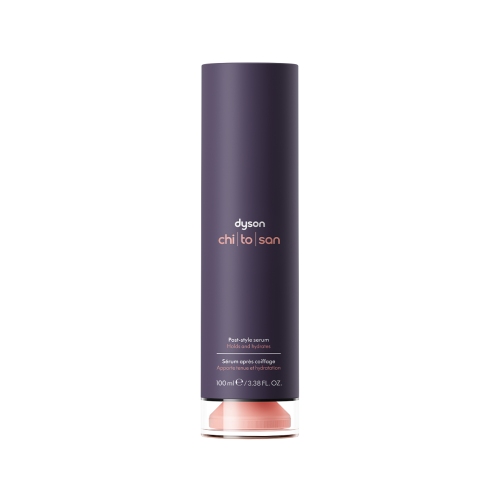 Your price for this item is $59.99
 -
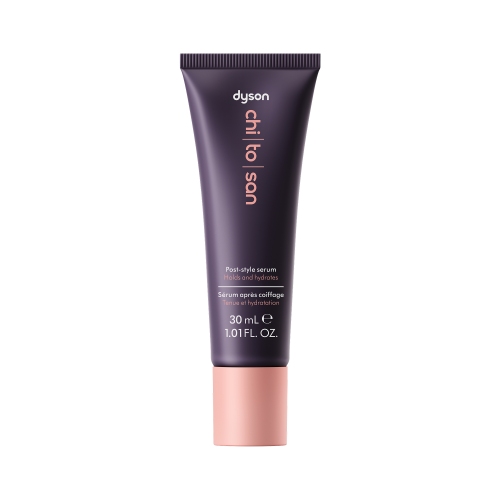 Your price for this item is $39.99
 -
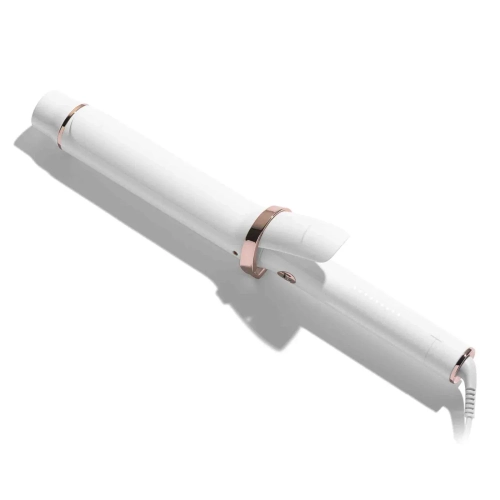 Your price for this item is $229.99
 -
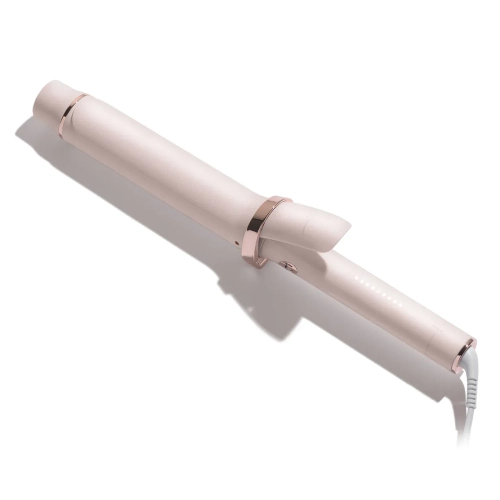 Your price for this item is $229.99
 -
 Your price for this item is $229.99
 -
 Your price for this item is $142.99
Discover more categories related to Lightweight Conditioners
Top Collections:
Pokemon Centers, Kindle Devices, Best Budget Office Chairs, Apple iPhones 16, Best Laptops for Writers, iPhone 15 Apple, Canon G7X Cameras, Refurbished Apple Laptops, Alarm Clock, Motorola Razr Phones
Some products may be subject to Environmental Handling Fees
(EHF) depending on your province.
Learn more about EHFs.