Night Creams for Glowing Skin
Night Cream for Glowing Skin offers a targeted addition to your nightly skincare routine, helping you wake up to a refreshed and radiant complexion. Explore a wide selection designed to complement various skin types and preferences. Whether you're looking to enhance your evening regimen or searching for the perfect gift, these night creams provide options to suit every need. Discover formulas that work while you sleep, so you can enjoy smoother, more luminous skin each morning.
Sort
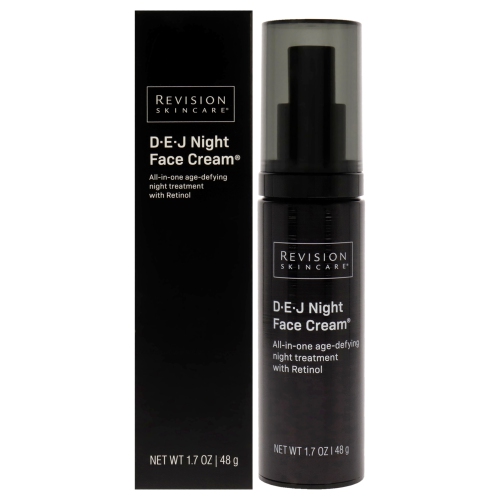
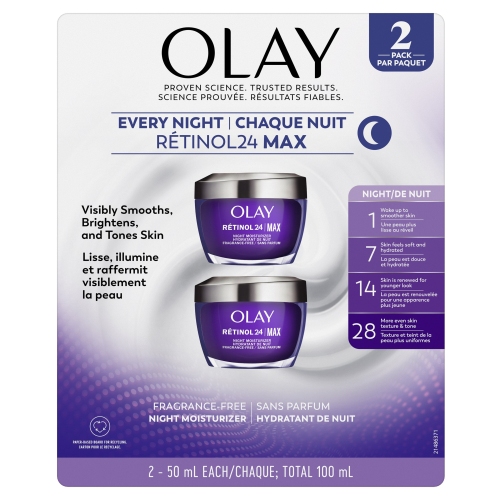
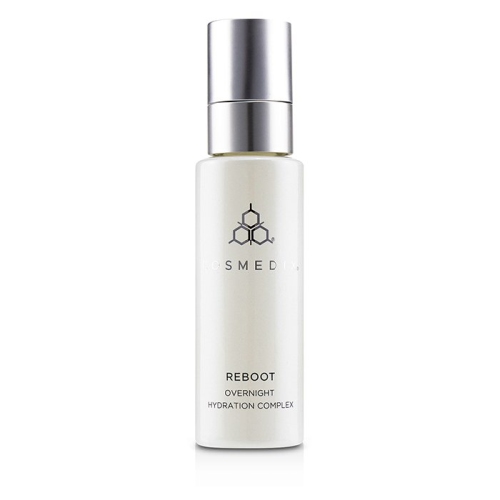
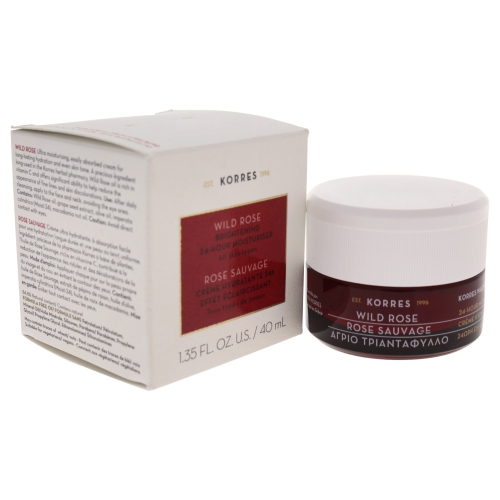
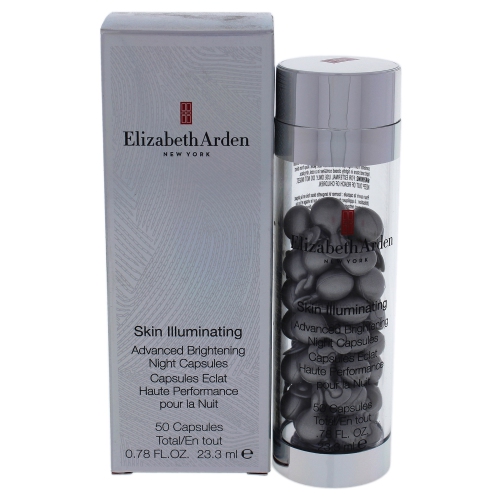
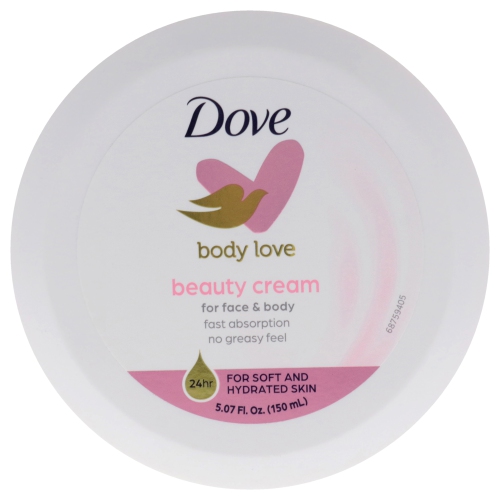
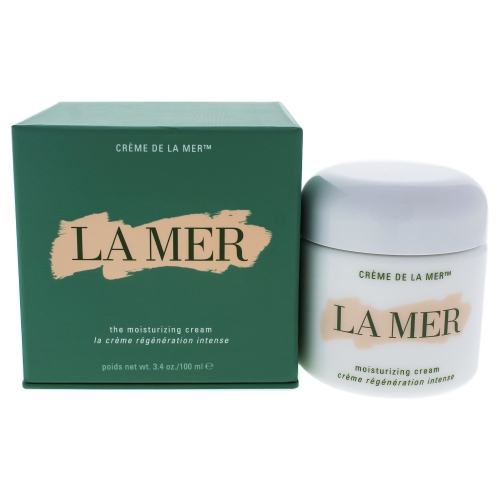
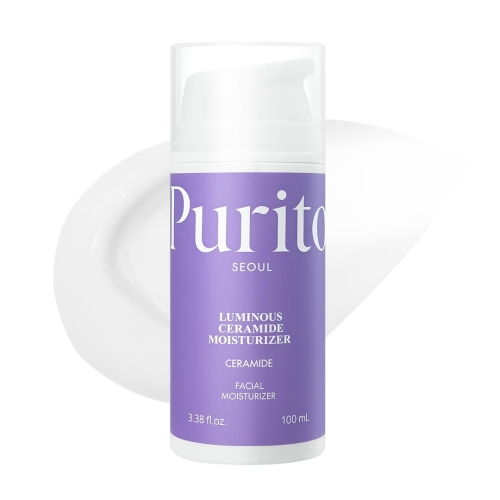
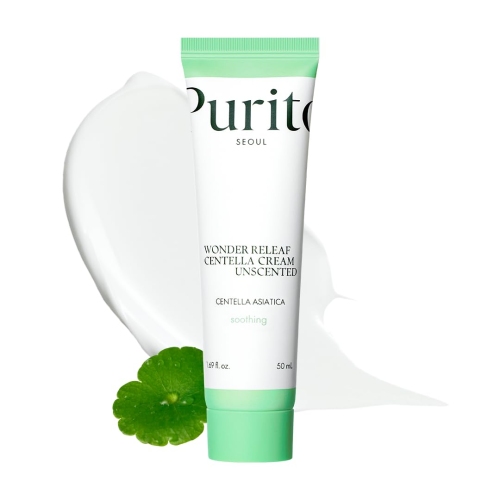
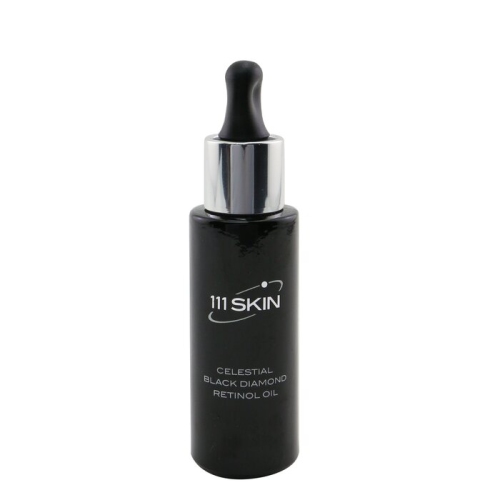
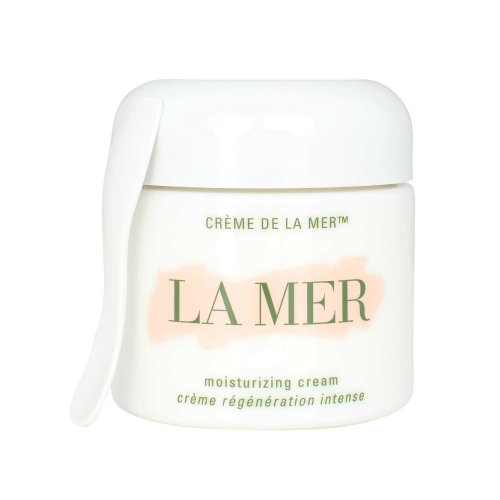
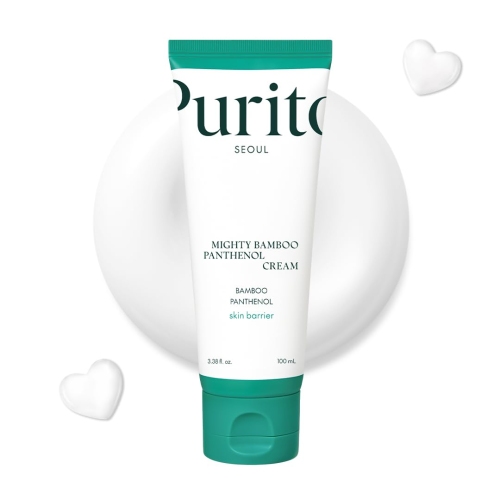
Why hydrated skin can glow without looking shiny
Night creams for glowing skin are leave-on moisturizers designed for evening use that help replenish moisture, soften dry texture, and improve the appearance of dullness. A healthy-looking glow usually comes from skin that feels comfortable and hydrated, with a smoother surface that reflects light more evenly; it does not have to mean a shiny or glossy finish. These creams range from lightweight gel-creams that absorb quickly to cushiony lotions and rich balms that leave a more noticeable protective layer. The right texture depends on skin type, personal preference, and the other treatments in an evening routine. Dry skin may feel more comfortable with a richer formula containing emollients, while oily skin may suit a lighter cream that hydrates without feeling heavy. Combination skin can have different needs across the face: tight cheeks may appreciate more moisture than an already shiny forehead or nose. For someone whose face feels taut after cleansing, a cream focused on hydration and barrier support may be more useful than a formula with several exfoliating ingredients. For someone concerned about a dull-looking complexion without much dryness, a lighter moisturizer with a targeted brightening ingredient may be a better fit. Finish matters, too. A fast-absorbing texture can feel more comfortable against a pillow, while a richer cream may suit anyone who prefers a cushioned feel at bedtime. Night creams do not need to contain shimmer to support radiance, and a heavier texture is not automatically more effective. Their value lies in how well the formula meets the skin’s needs and how comfortably it fits into regular use. They can suit adults building a simple cleansing-and-moisturizing routine, as well as those looking for a moisturizing companion to an existing treatment. Daytime moisturizers and night creams may share many ingredients, but an evening formula often places more emphasis on comfort, moisture retention, or treatments intended for nighttime application.
Ingredients help explain what a night cream can reasonably offer. Hyaluronic acid and glycerin are humectants, meaning they attract water and help the skin’s surface look more hydrated and temporarily plump. Ceramides support the moisture barrier, which helps limit water loss, while emollients such as squalane soften rough-feeling areas. These ingredients are especially relevant when dullness appears alongside tightness, flaking, or a rough texture. Niacinamide, a form of vitamin B3, can support the skin barrier and help improve the appearance of uneven tone. Vitamin C and other antioxidants may also support a brighter-looking complexion, although results depend on the ingredient’s form, concentration, and the complete formula. Peptides appear in many night creams aimed at smoother, firmer-looking skin, but the presence of a peptide alone does not establish how noticeable the results will be. Retinol is another ingredient found in some evening formulas and can help improve the appearance of fine lines and uneven texture over time. It can also cause dryness, stinging, or peeling, particularly when introduced too frequently or layered with other potentially irritating treatments. Retinoids are generally avoided during pregnancy; anyone who is pregnant, planning a pregnancy, or breastfeeding should seek advice from a healthcare professional before using them. Exfoliating acids, including lactic and glycolic acid, can help loosen dead surface skin cells that contribute to a lacklustre appearance, but they are not necessary in every night cream. A formula that combines several active ingredients may sound comprehensive without being the most comfortable option for reactive skin. Fragrance-free formulas can be worth considering for people bothered by scented skincare, though no label guarantees that a formula will suit everyone. Labels such as “non-comedogenic” may be helpful for breakout-prone skin, but individual responses still vary. Hydration can make skin look fresher relatively quickly, while changes in the appearance of uneven tone or fine lines generally require more time and consistent use. No night cream can promise the same result for every complexion, and persistent redness, irritation, or unexplained changes in the skin warrant professional advice rather than another layer of treatment.
How a night cream works alongside the rest of a routine is just as important as its ingredient list. Most are applied after cleansing and any compatible leave-on treatments, with the amount and frequency guided by the label. Plain hydrating formulas may be suitable for regular evening use, while creams containing retinol or exfoliating acids may need a slower introduction. Adding several new treatments at once makes it harder to identify what is helping and what is causing discomfort. Testing a small amount on a limited area before broader use can help reveal an obvious reaction, although it cannot rule out every sensitivity. For a person already using an exfoliating serum or a prescribed acne treatment, a straightforward moisturizing cream may provide a more comfortable pairing than another active-heavy formula. Application should also respect the intended area: a face cream is not necessarily suitable for eyelids or the immediate eye area unless its directions say so. Packaging and everyday handling help keep the formula in good condition. Pumps and tubes limit direct contact with the contents, while jars call for clean, dry hands or a clean applicator. Keeping the lid closed, following storage directions, and observing the expiry date or period-after-opening symbol are more useful than stretching an opened cream indefinitely. An unexpected change in smell, colour, or texture can be a reason to stop using it. Night cream also complements rather than replaces daytime sun protection; broad-spectrum sunscreen with an SPF of at least 30 remains important for protecting skin and helping limit the appearance of dark spots. For a routine that extends beyond evening moisture, Glowing Skin Products brings the broader category into view. A well-matched night cream ultimately offers a comfortable finish, appropriate ingredients, and support for skin that looks hydrated and feels soft, without making bedtime skincare unnecessarily complicated.
Top selling and popular products
-
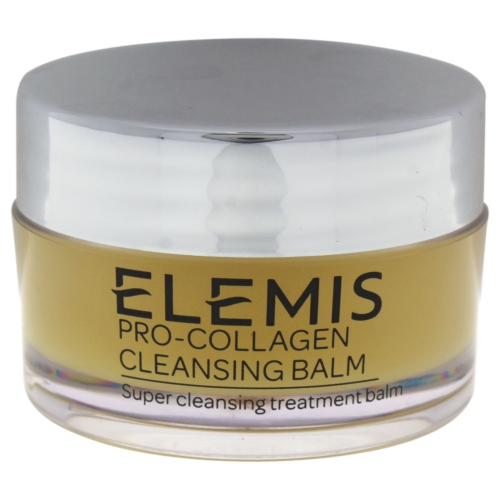 Your price for this item is $32.68
-
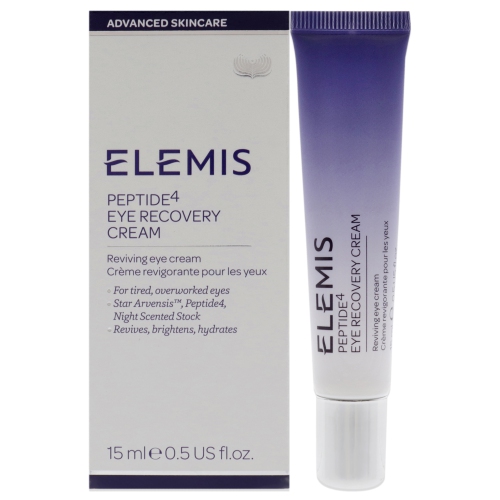 Your price for this item is $60.13
-
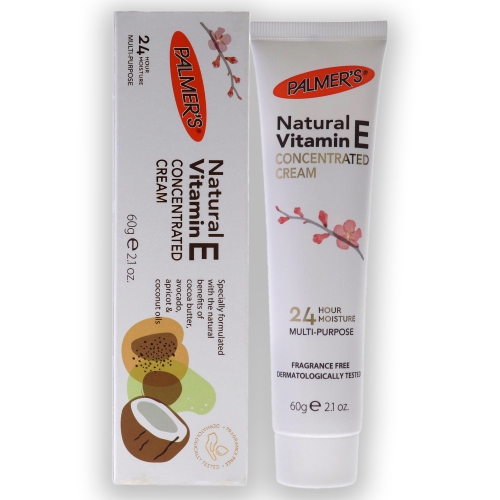 Your price for this item is $19.14
-
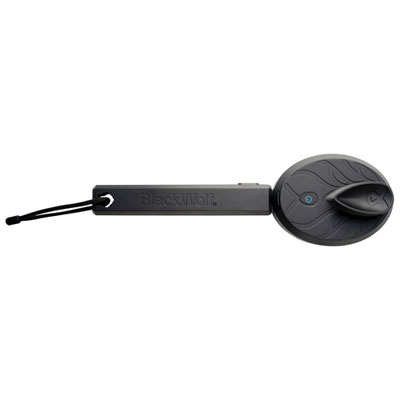 Your price for this item is $39.97
-
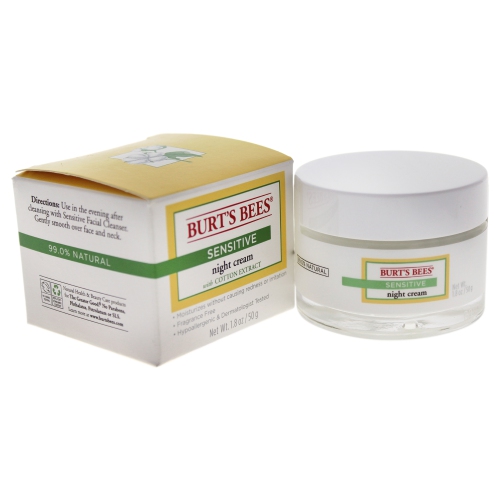 Your price for this item is $26.93
-
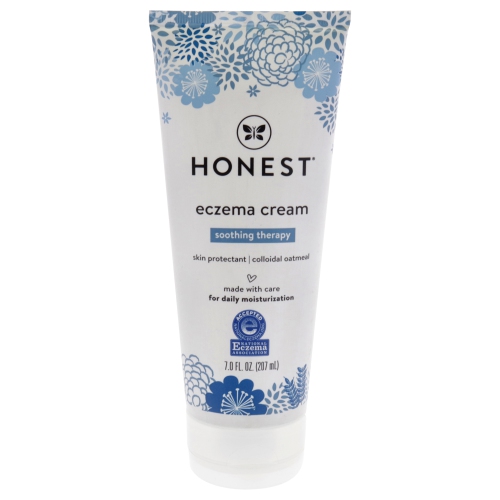 Your price for this item is $28.27
-
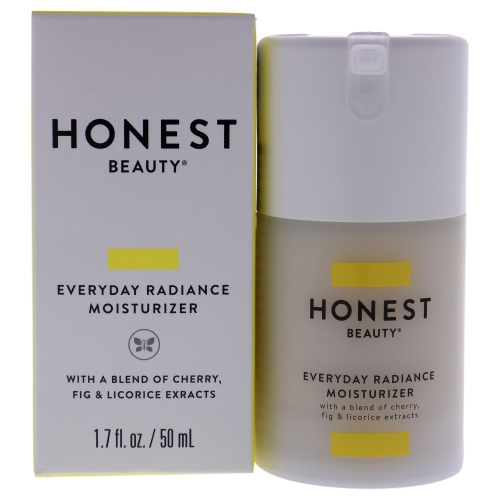 Your price for this item is $42.42
-
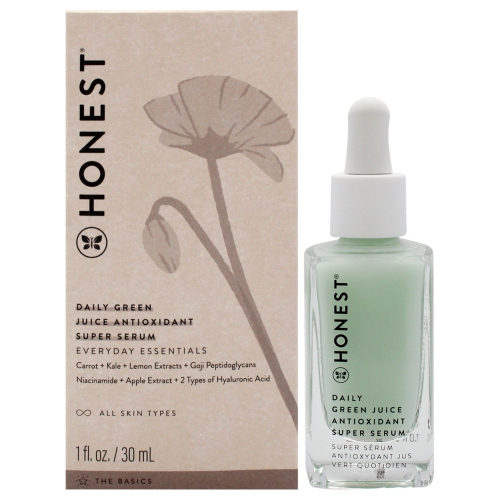 Your price for this item is $40.23
Discover more categories related to Night Creams for Glowing Skin
Top Collections:
Best Black Friday Deals This Year, Best Black Friday Deals On Electronics, Kindle Devices, Pokemon Centers, Best Black Friday Deals On Apple Products, Best Cameras for Sports Photography, Dyson Airwrap, Pokémon 30th Celebration Cards, Apple iPhone 17 Pro, Canon G7X Cameras
Some products may be subject to Environmental Handling Fees
(EHF) depending on your province.
Learn more about EHFs.