Cooling Sheets
If you're looking for a way to stay cool when sleeping, consider these cooling sheets. Cooling sheets are an excellent way to keep your bed cool on warm nights. They're also an easy way to add comfort and style to any room. These sheets are available in different sizes and colors. Here are some great options for you.
Sort
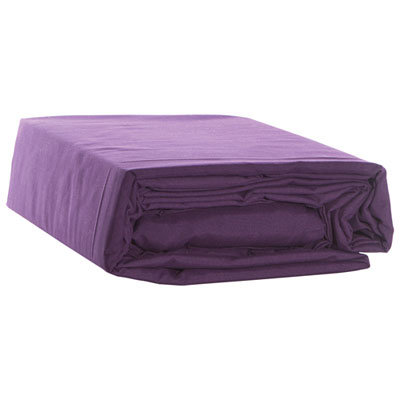
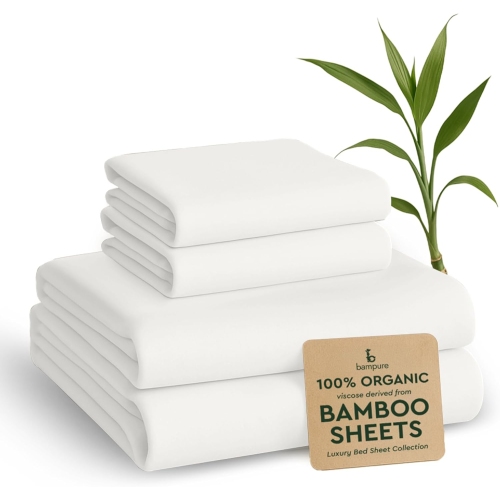
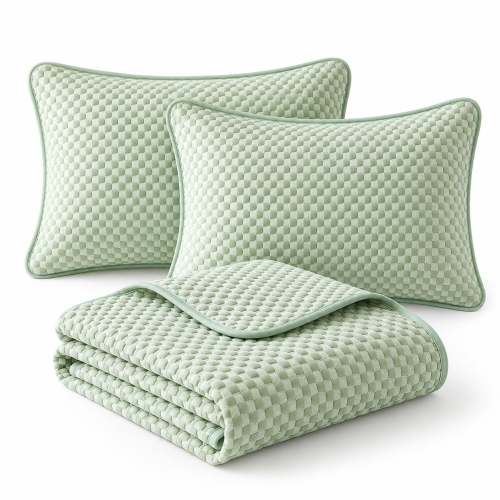
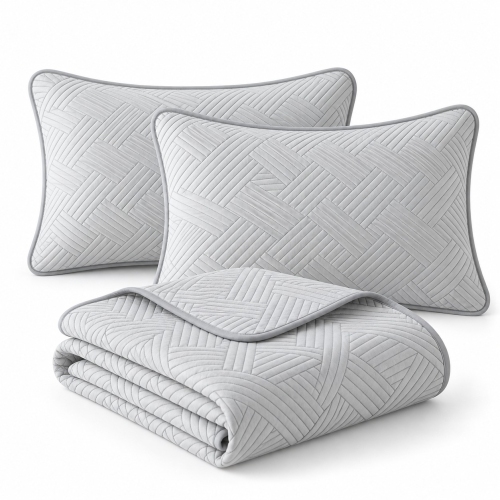
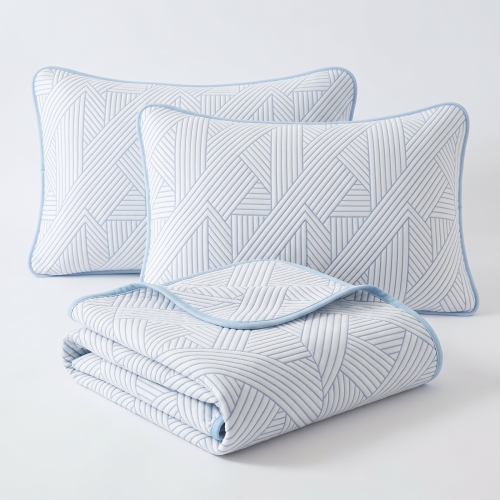
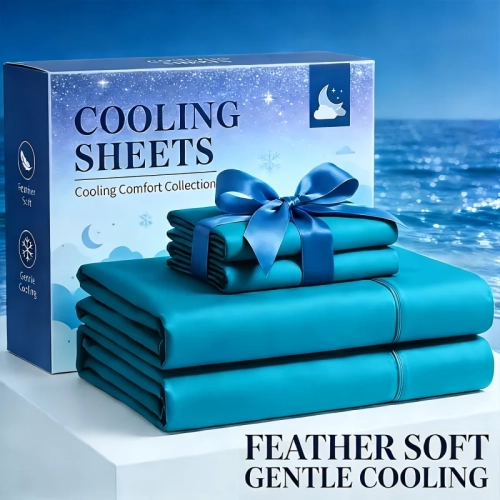
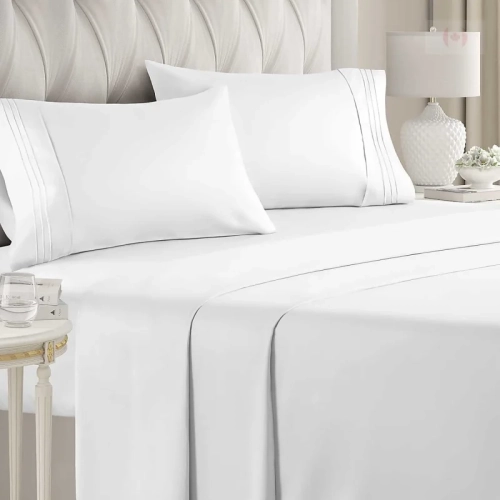
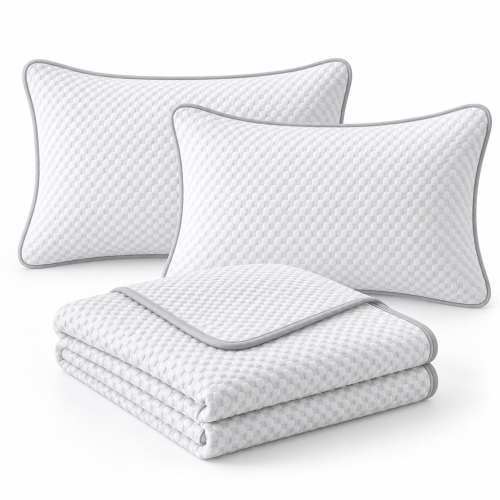
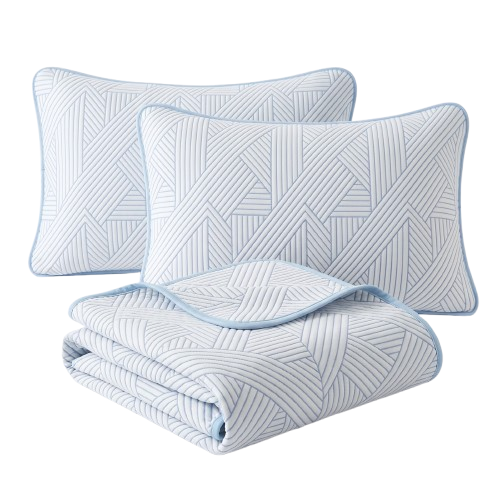
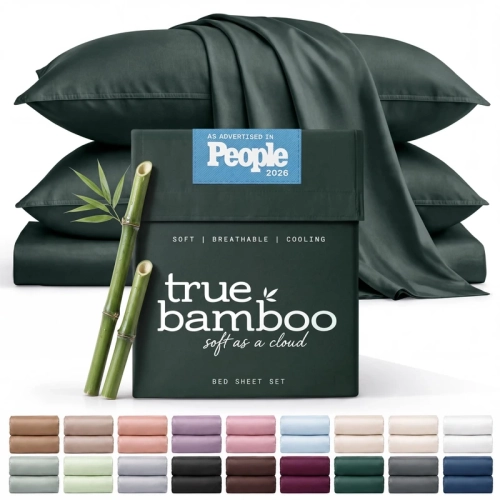
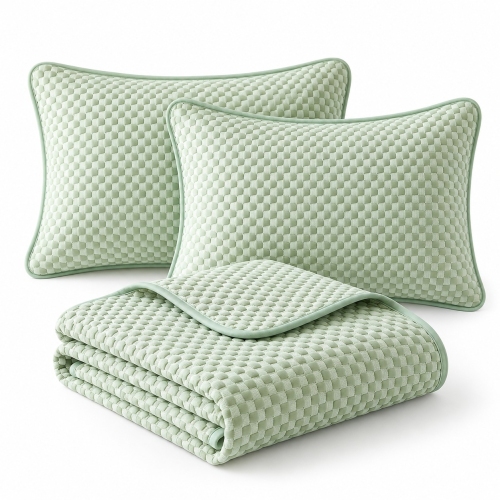
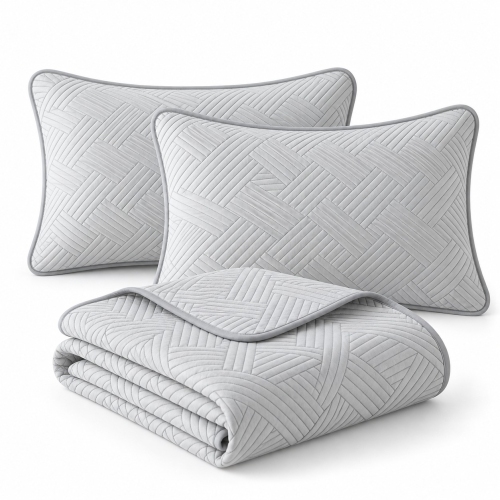
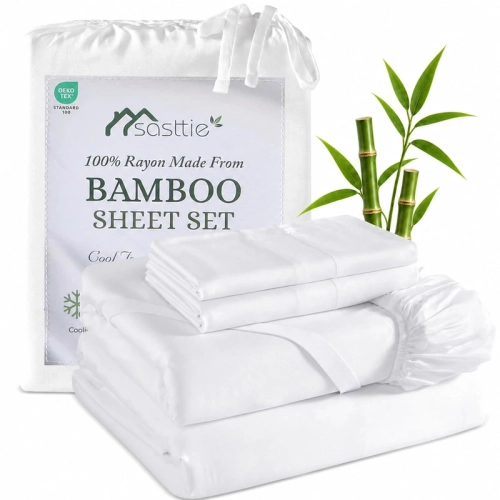
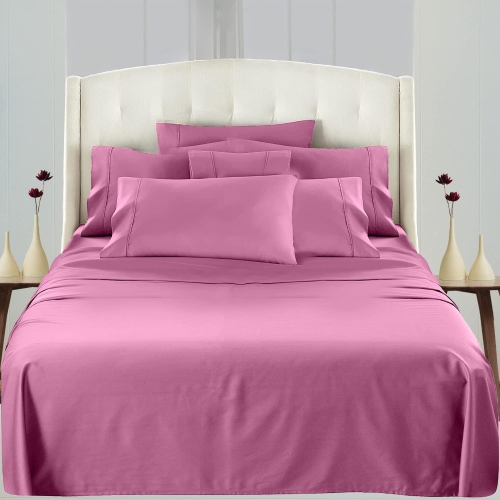

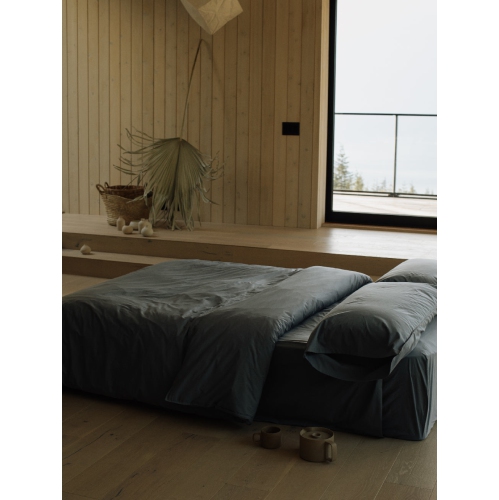
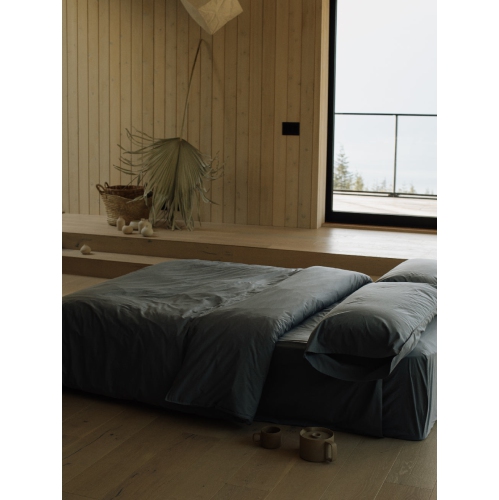
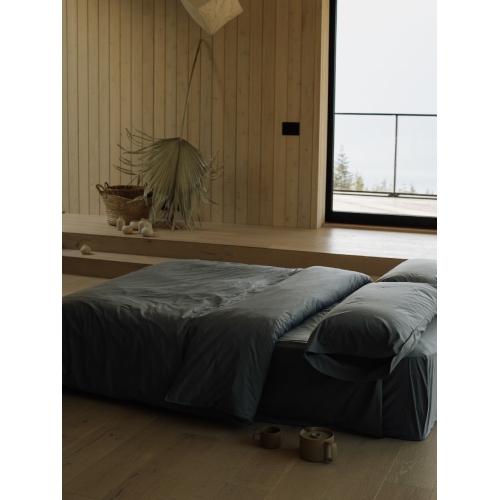

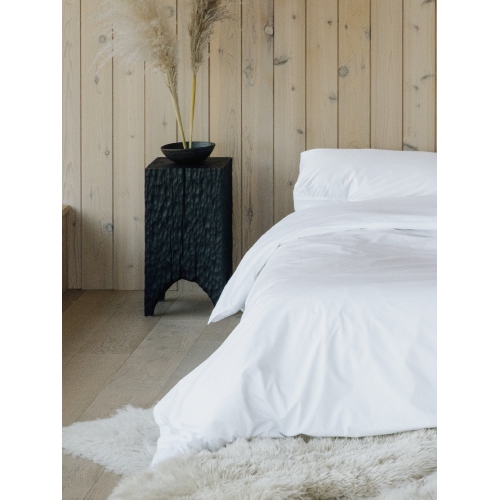
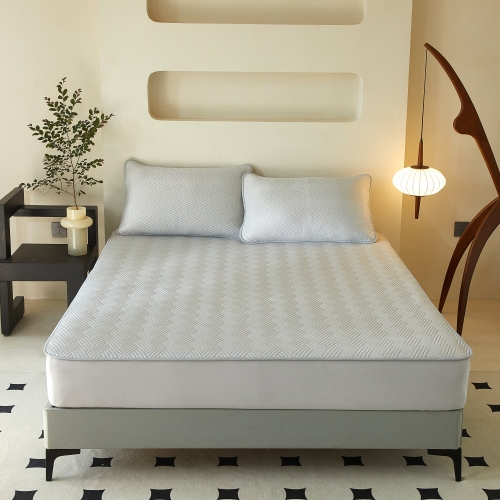

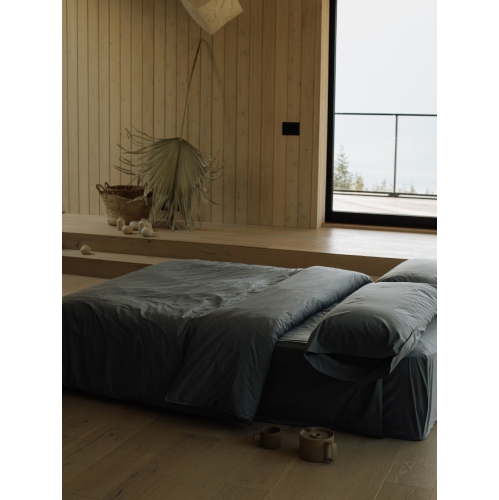
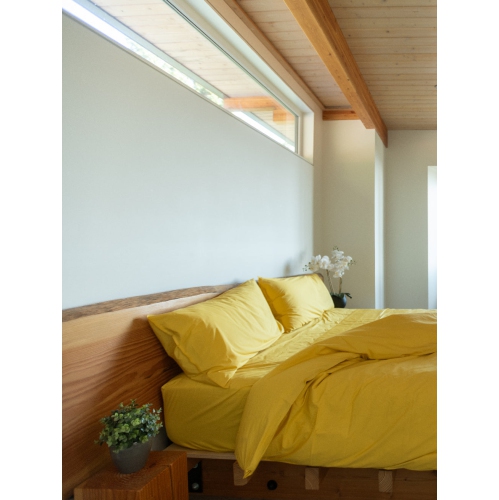
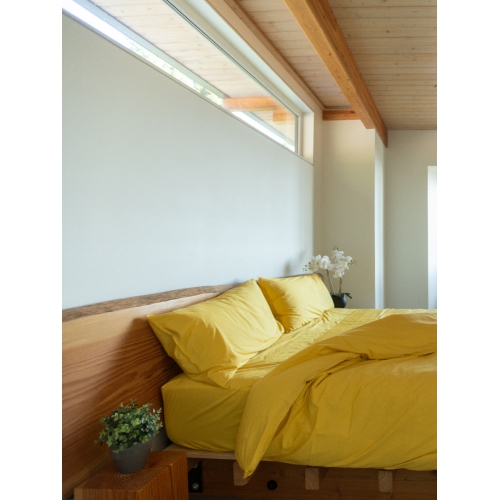
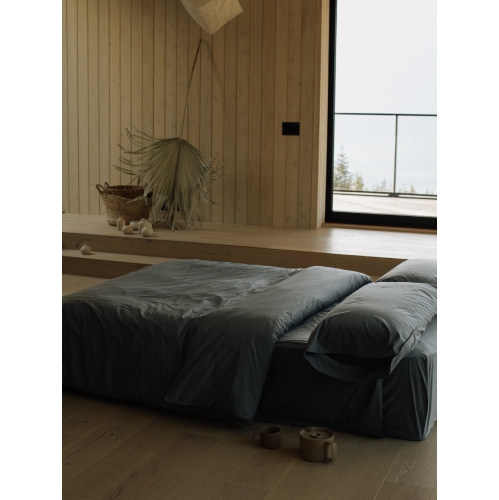

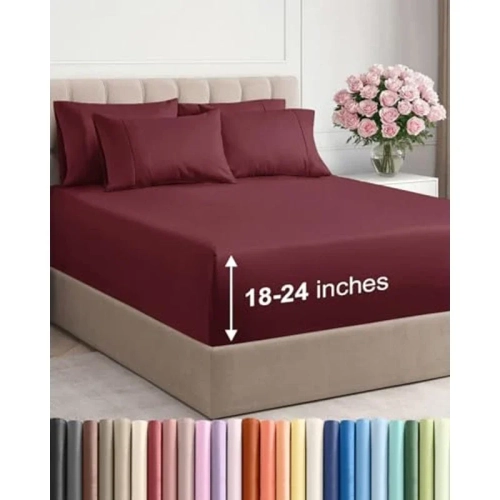
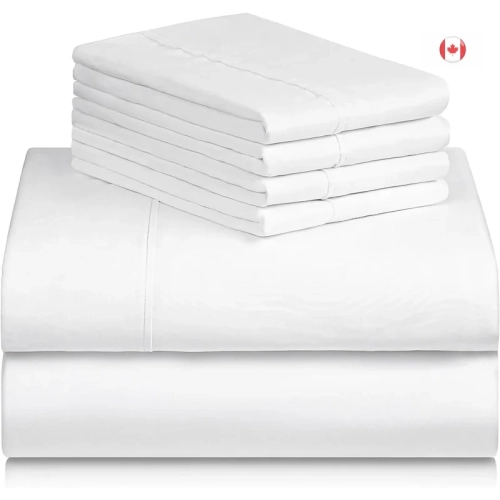


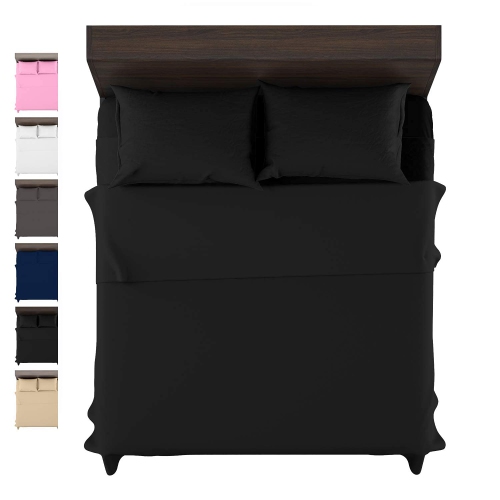


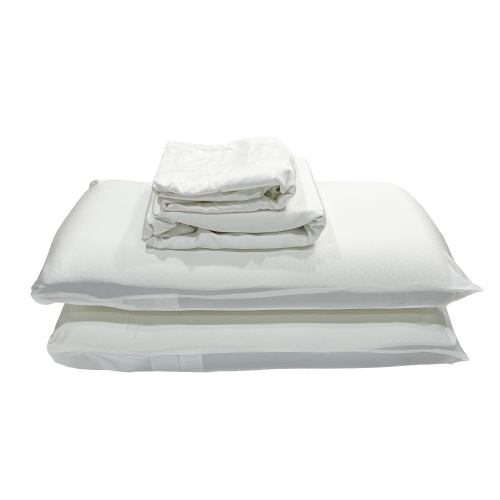


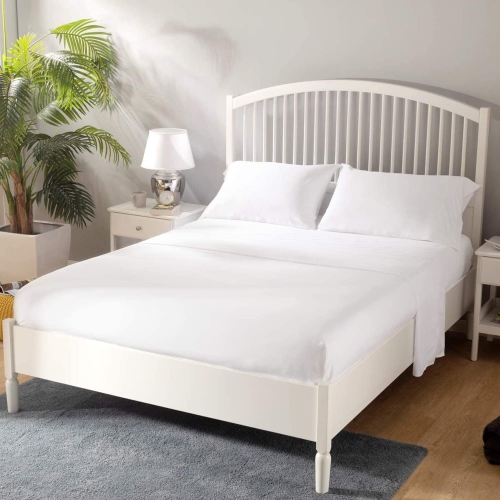

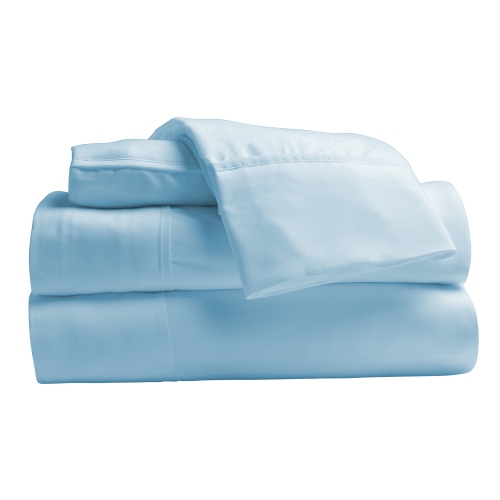


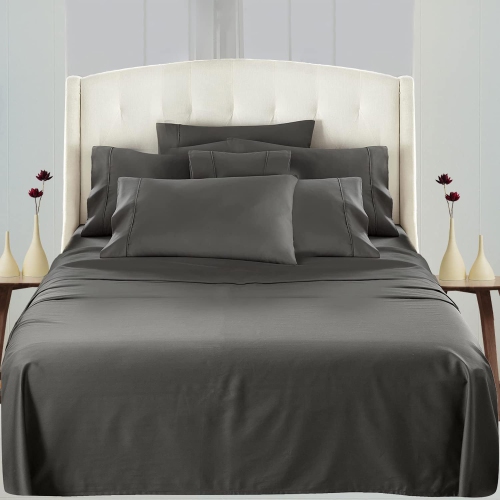
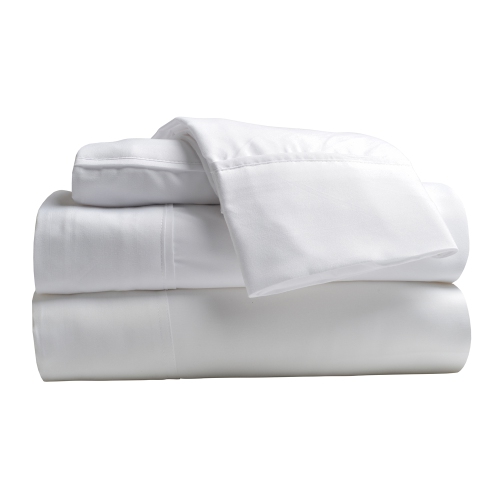
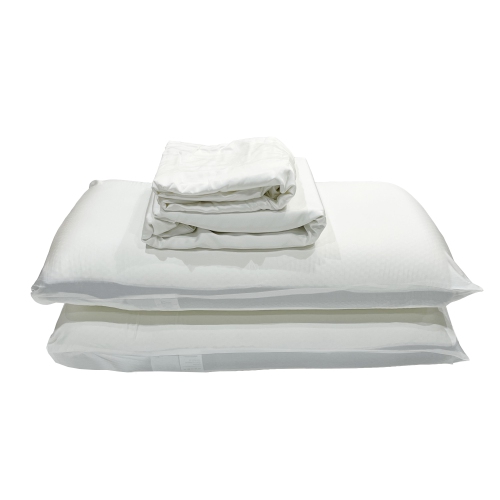
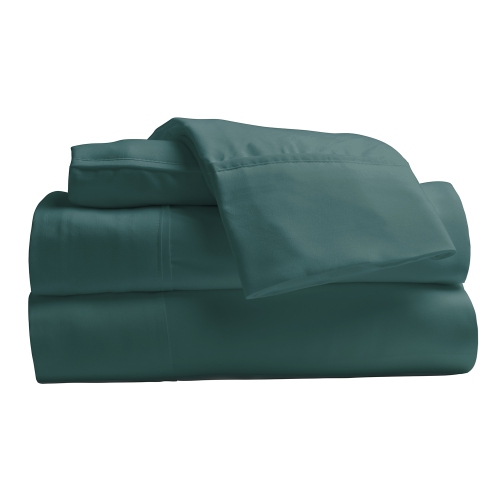
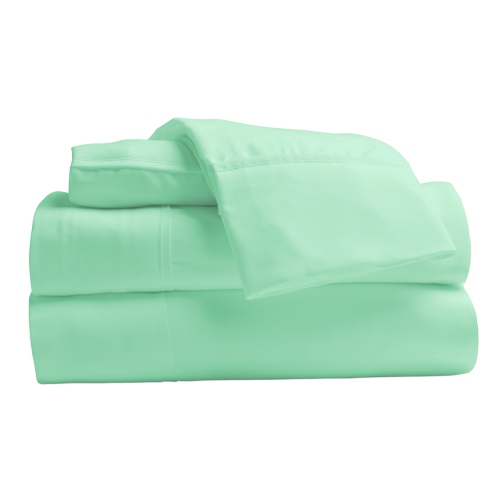
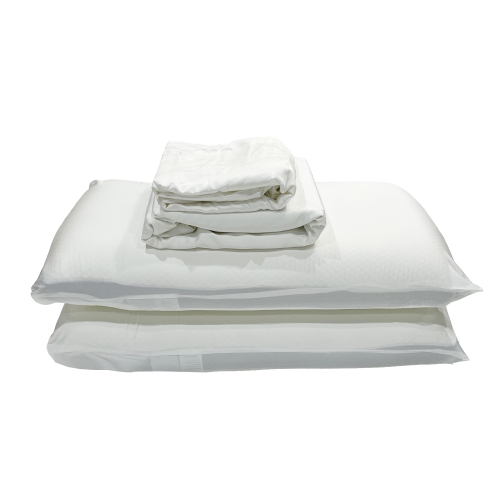
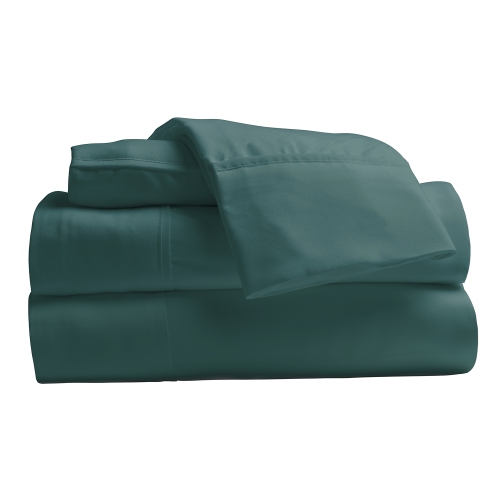
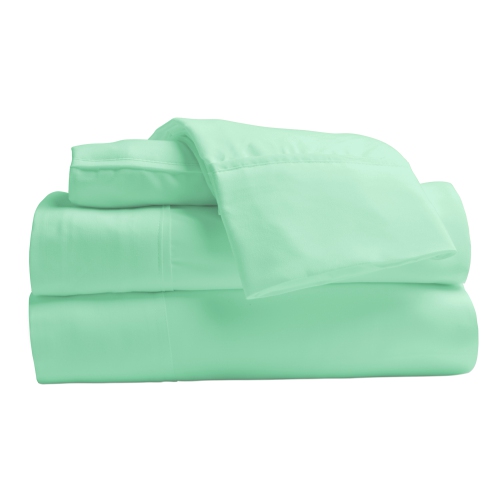
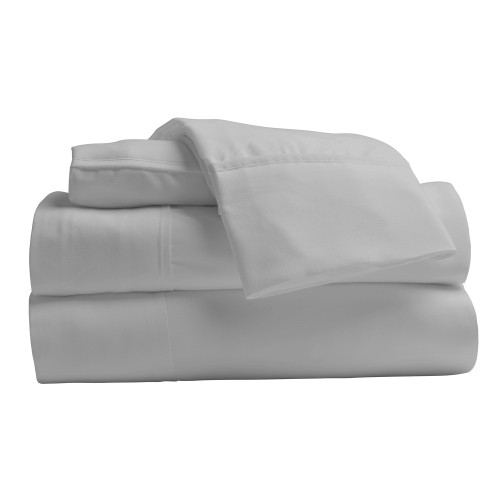
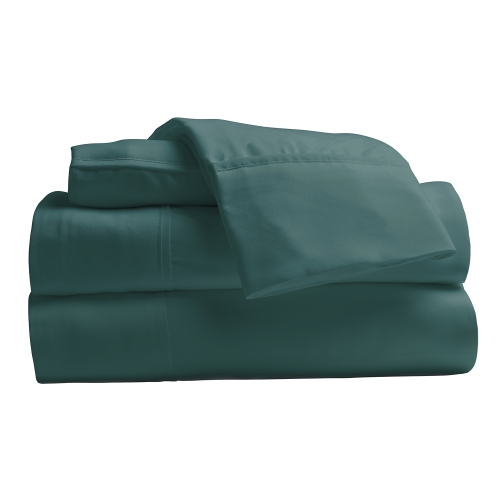
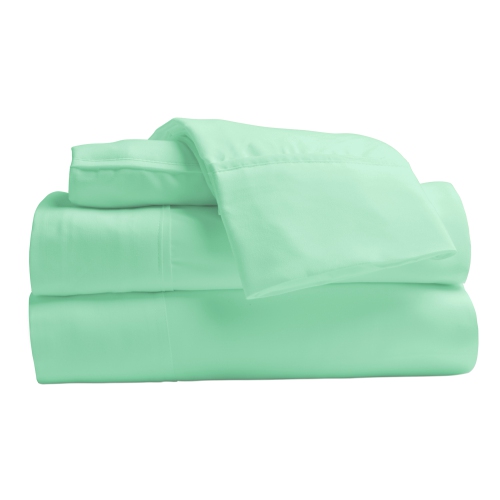
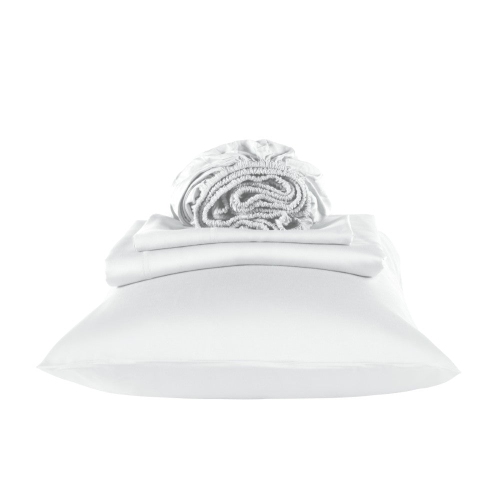
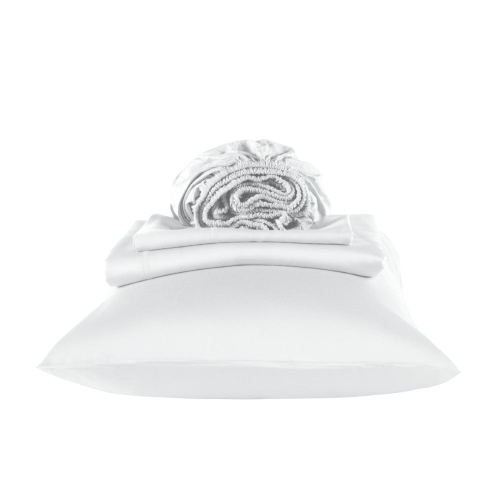
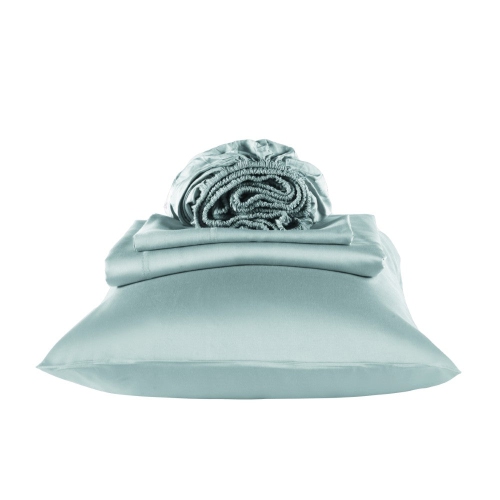
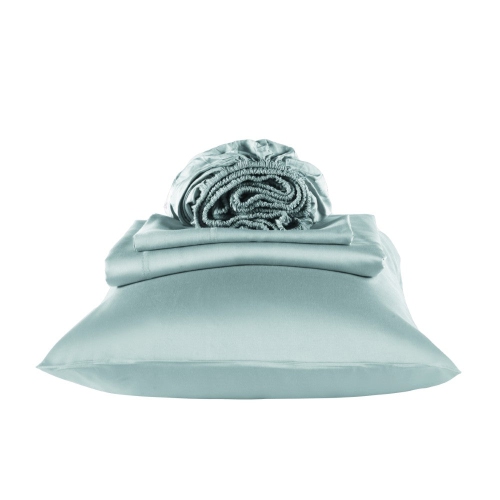
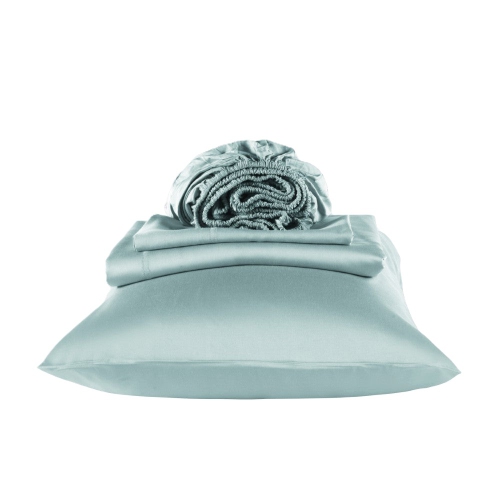
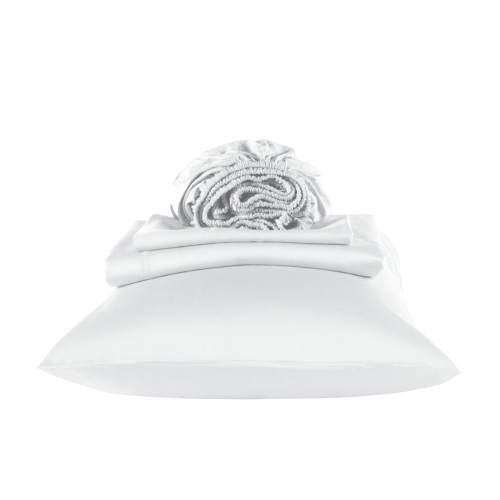
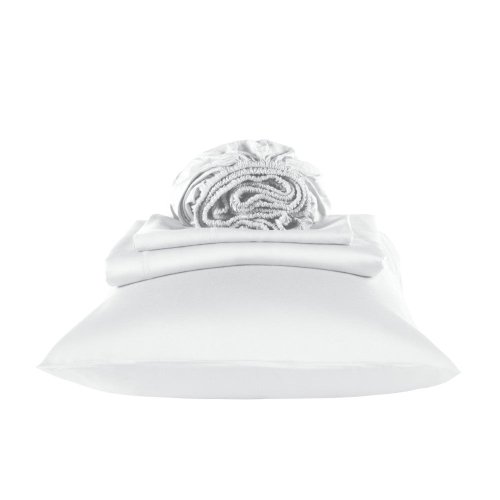
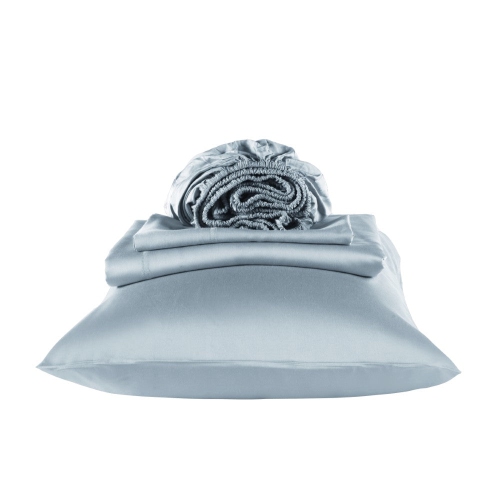
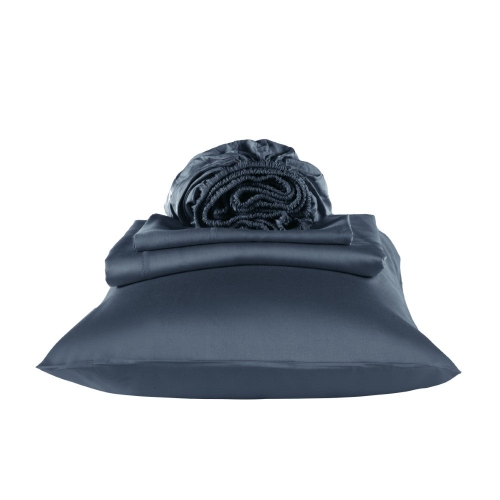
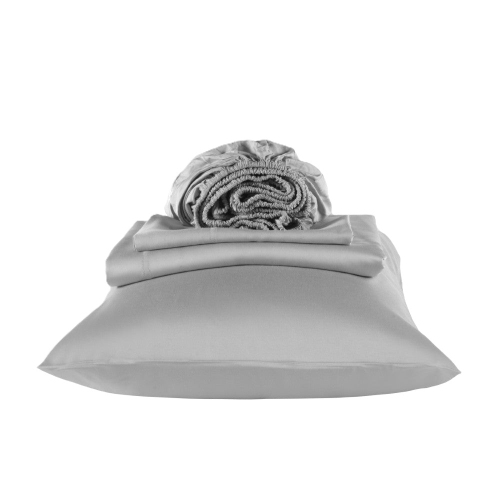
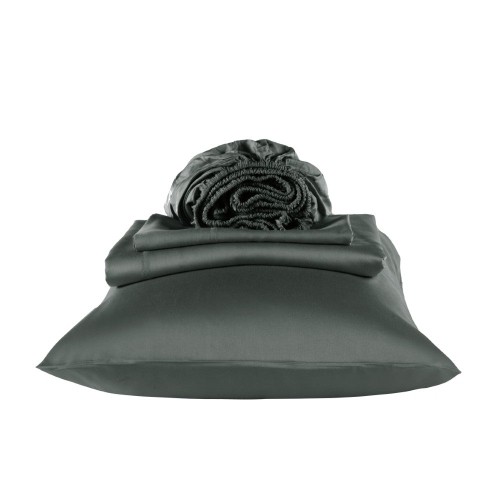
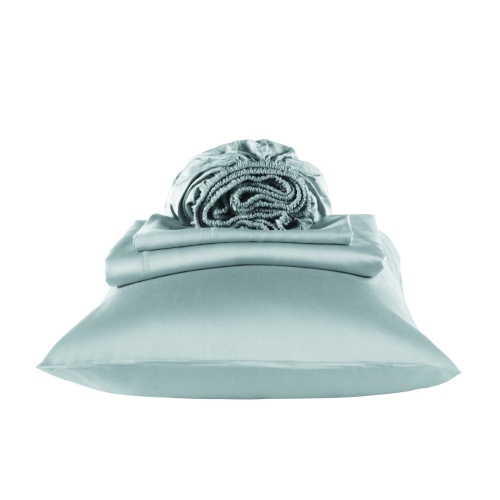
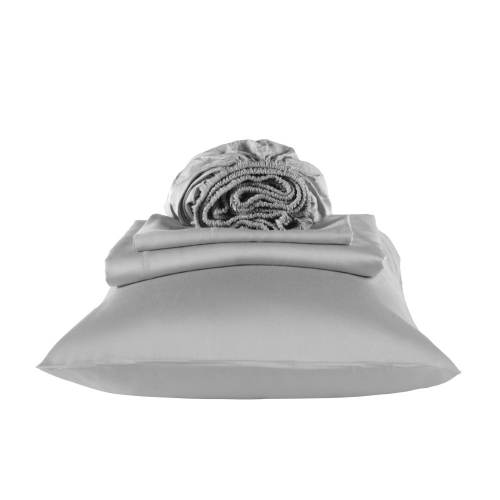
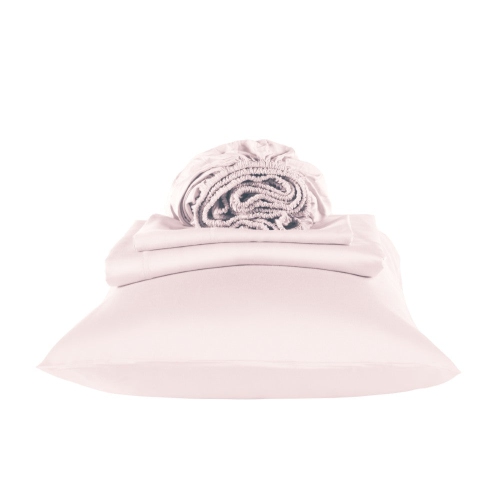
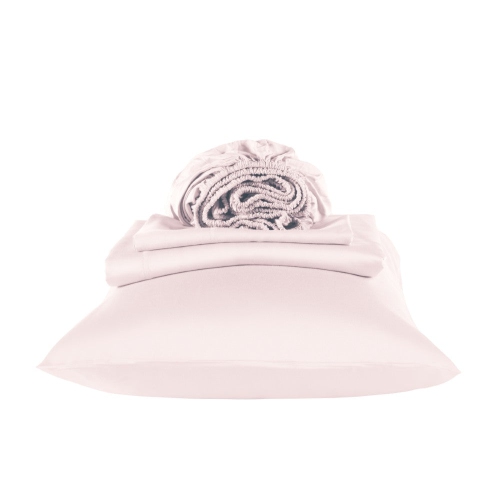
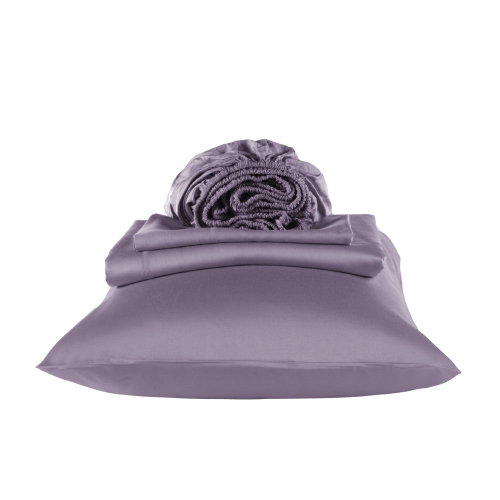
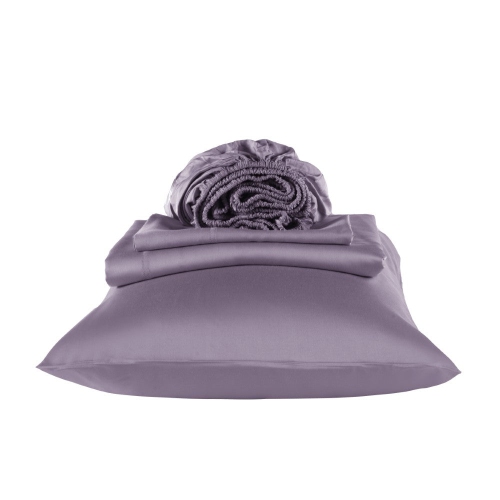
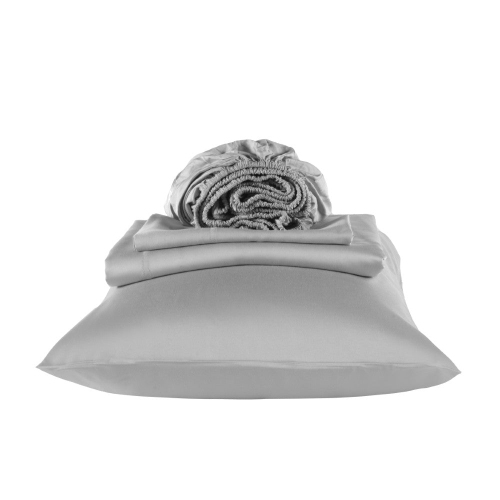
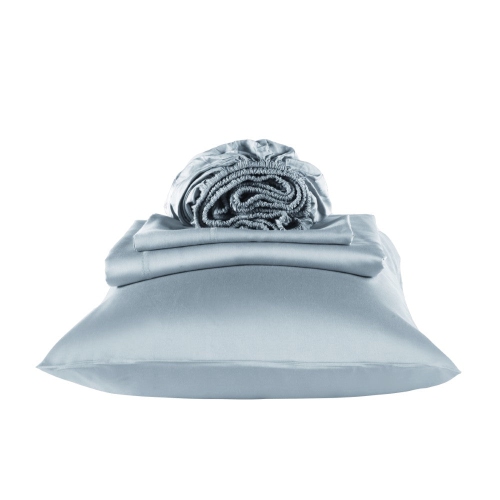
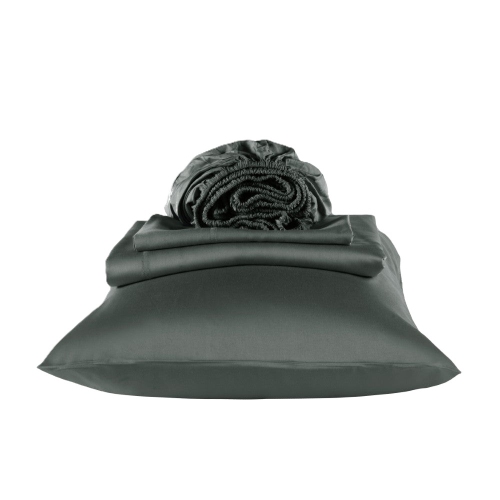
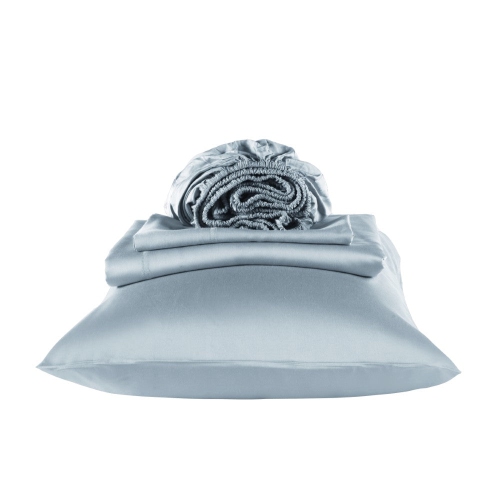
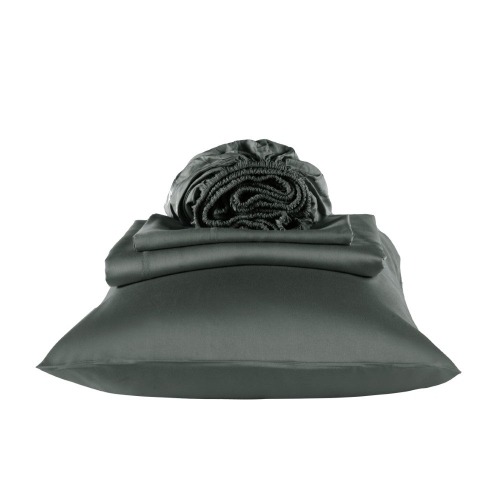
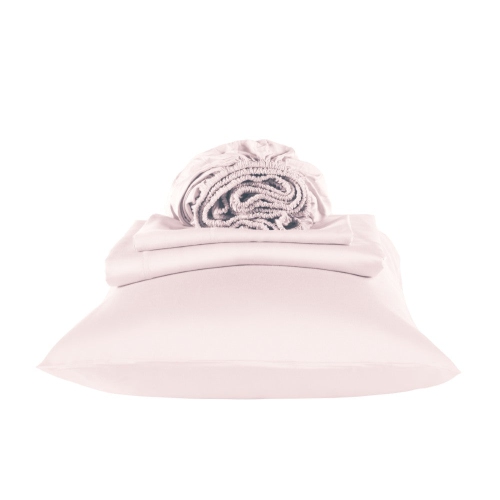
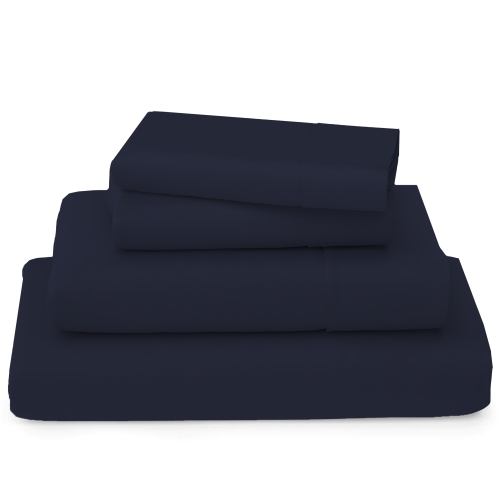
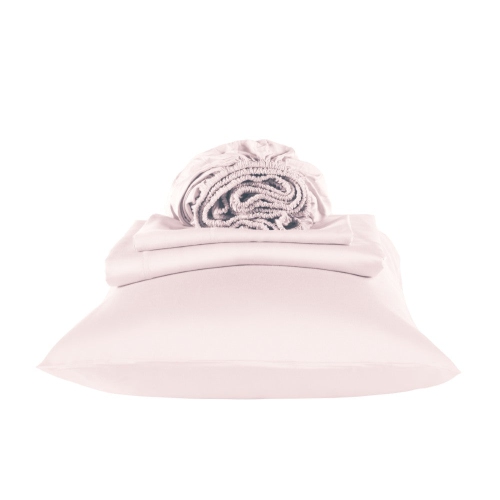
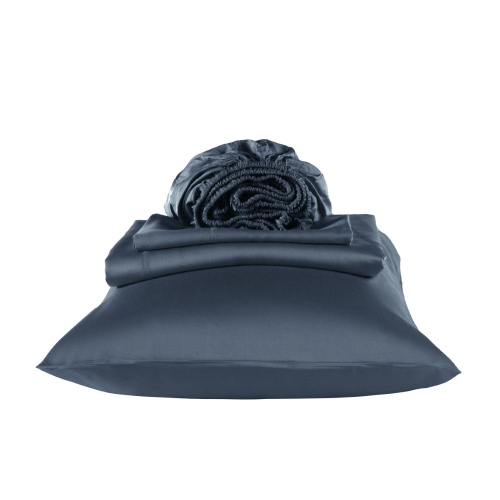
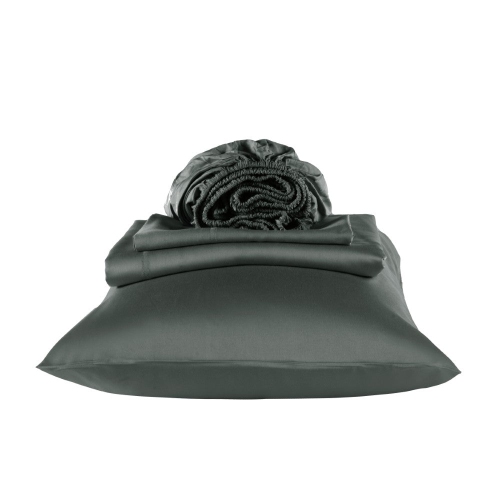
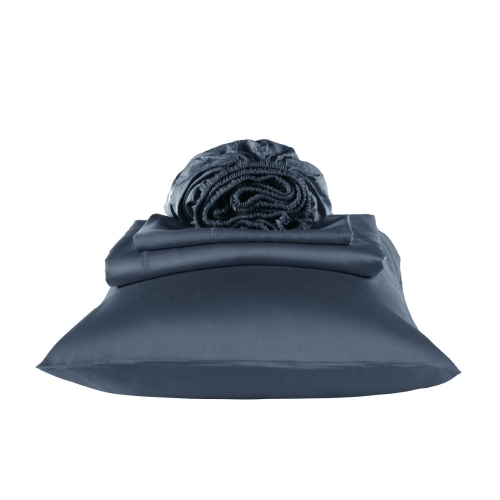
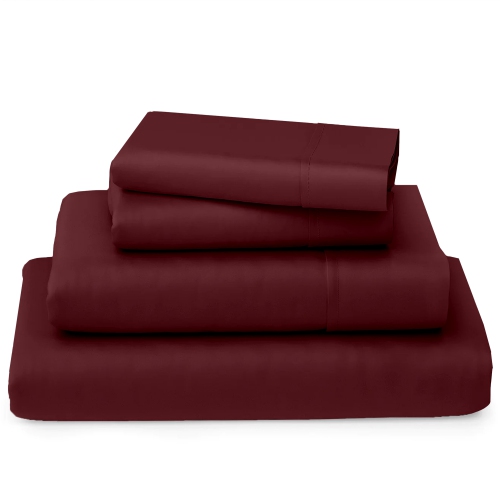
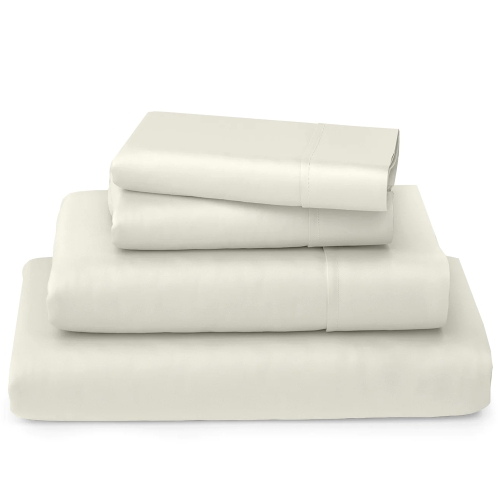
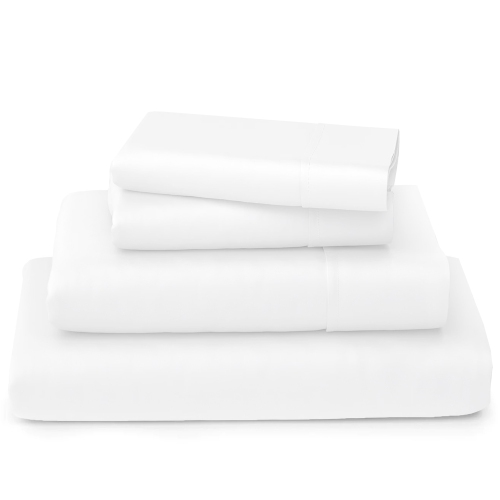
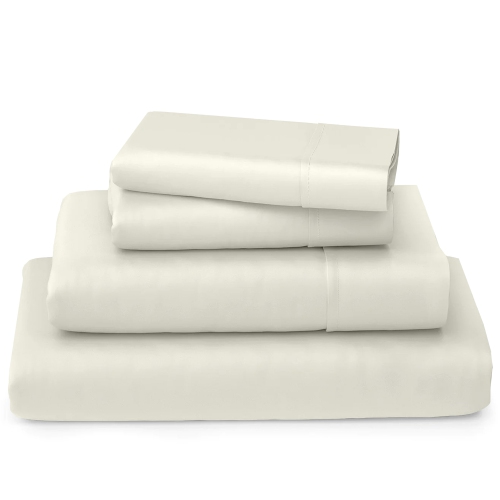
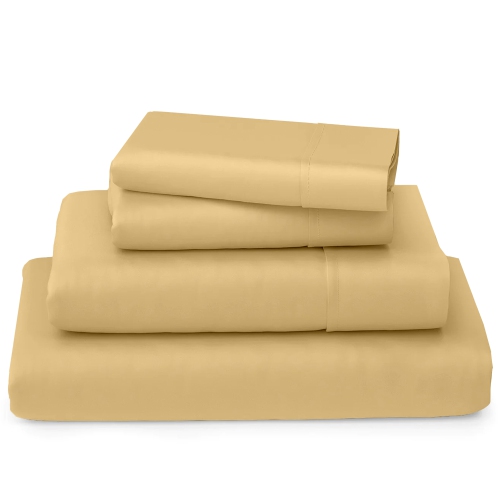
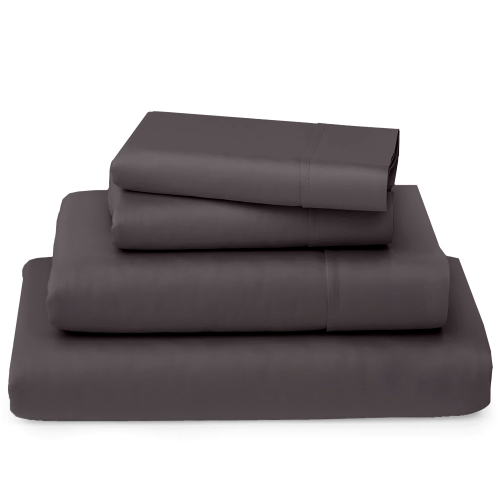
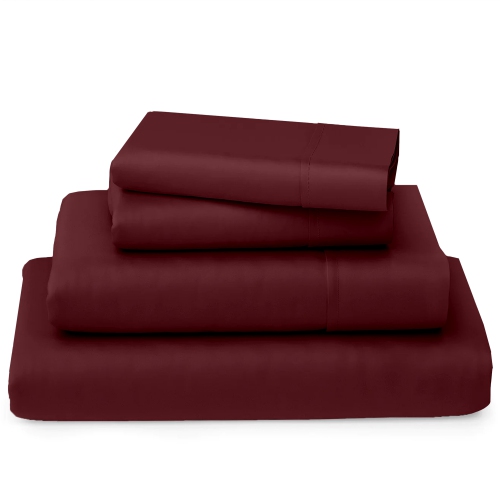
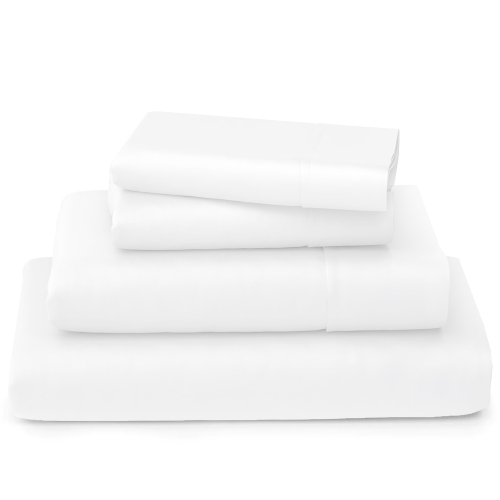
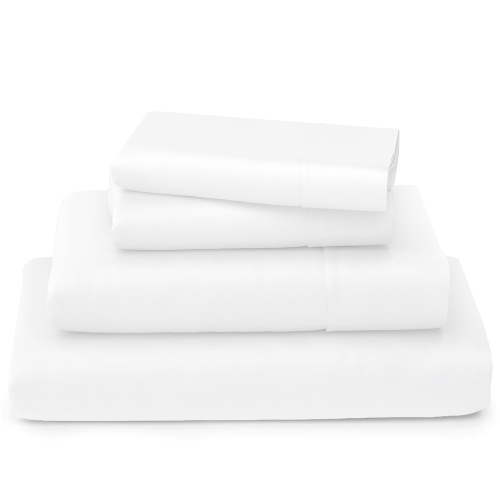
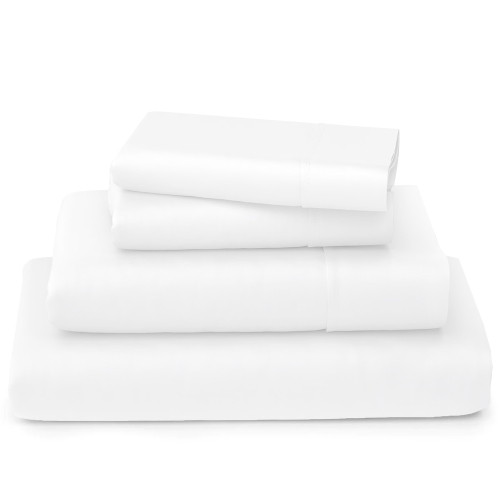
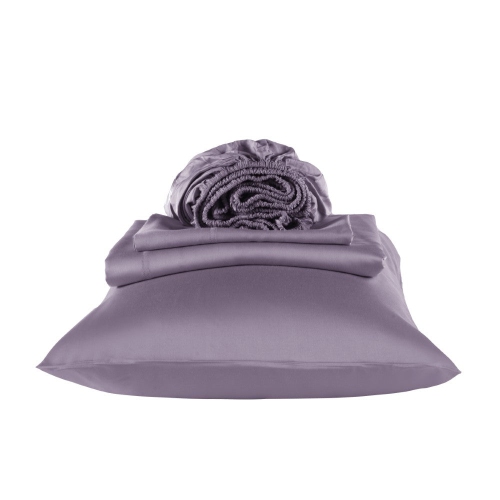
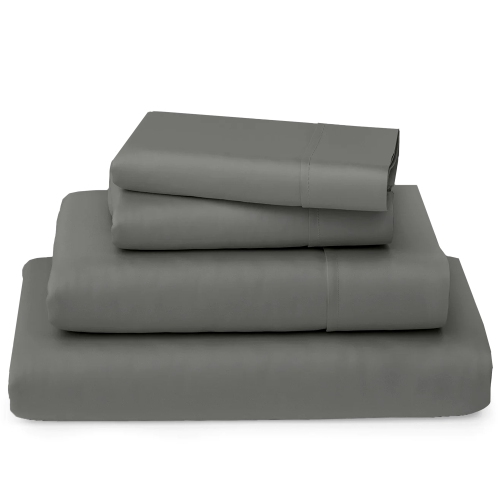
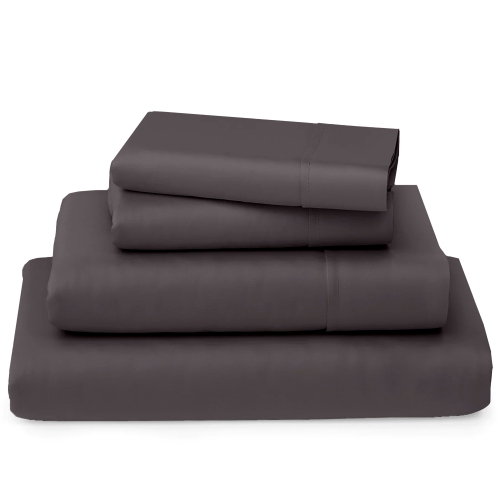
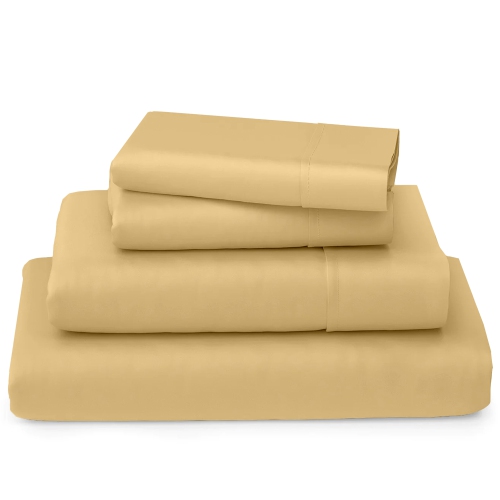
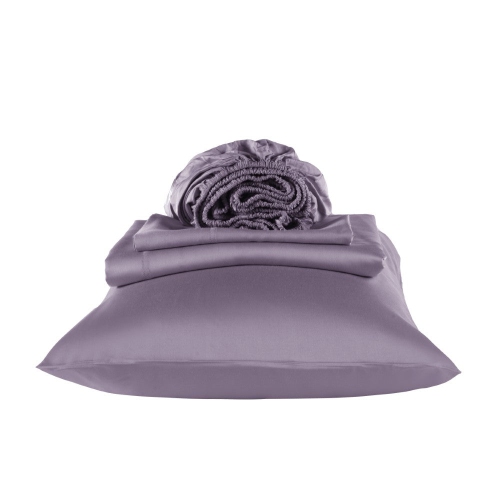
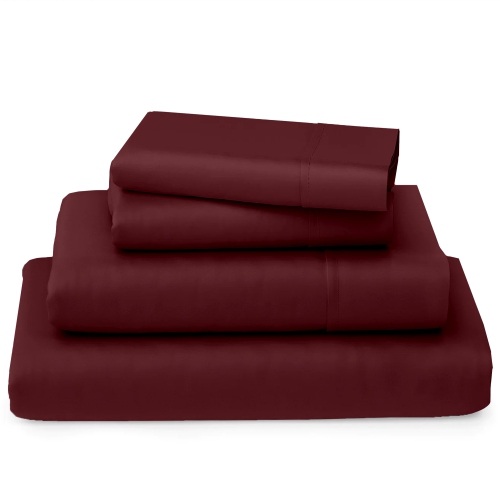
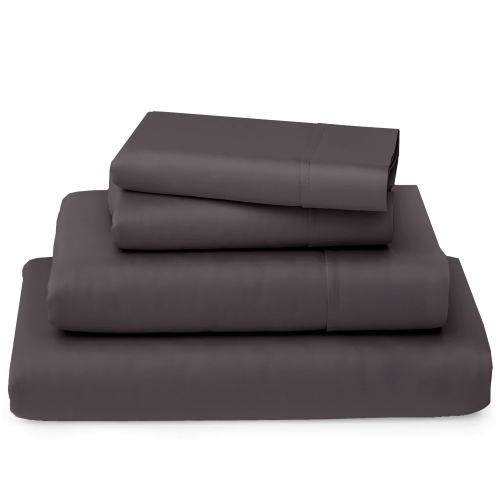
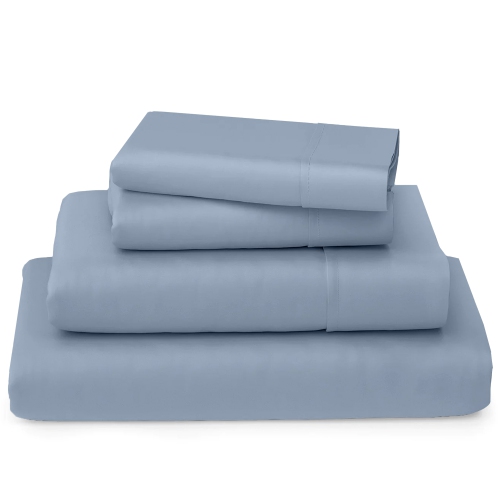
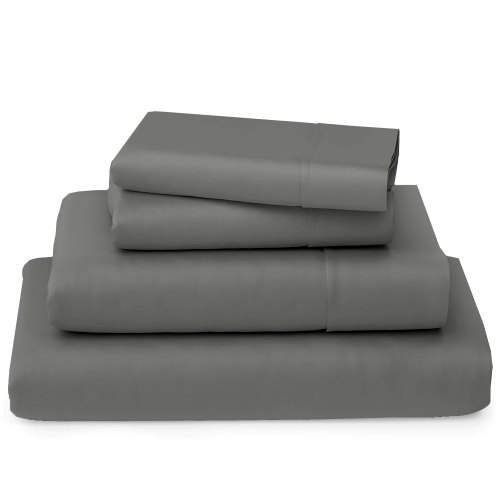
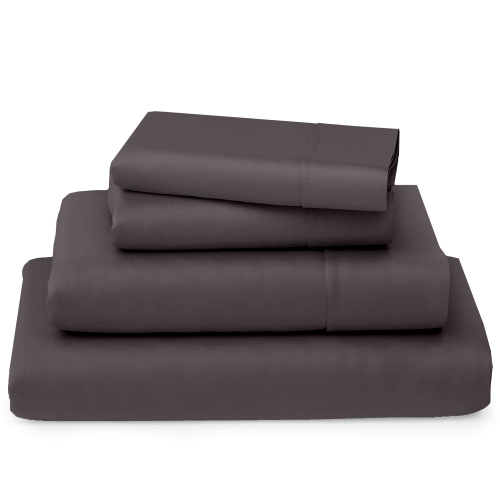
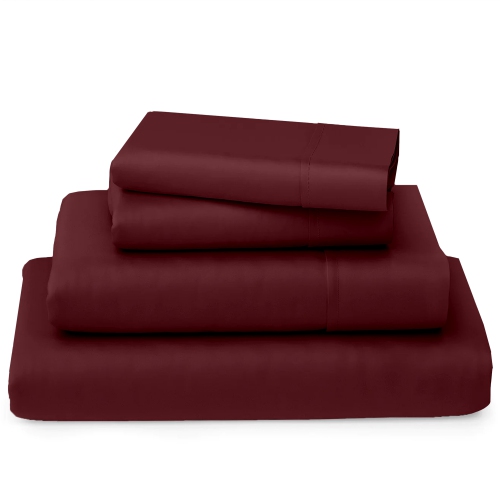
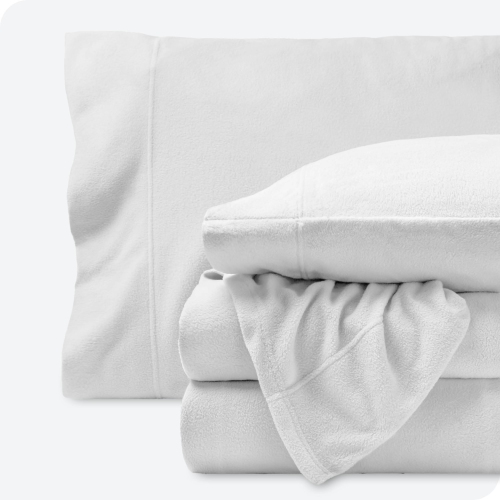


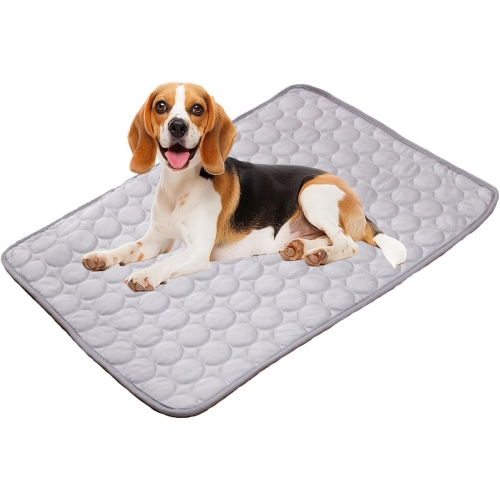
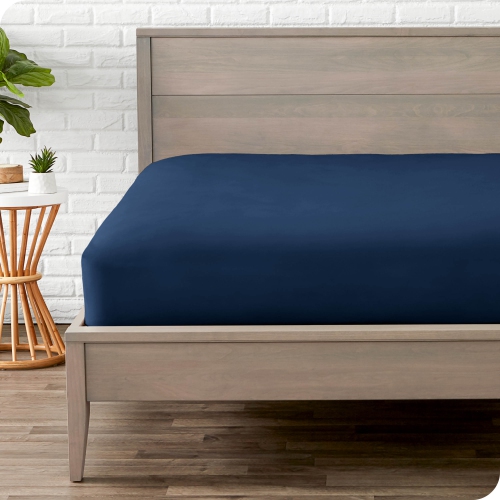
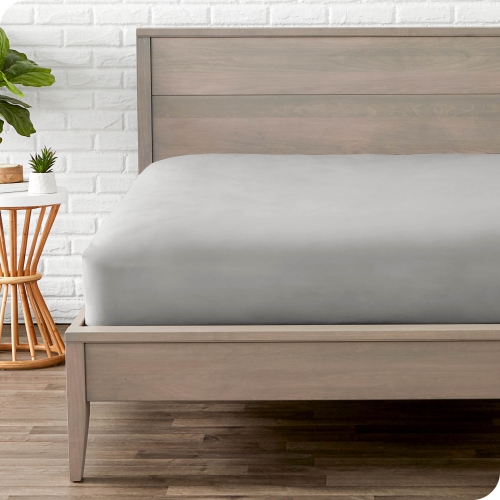
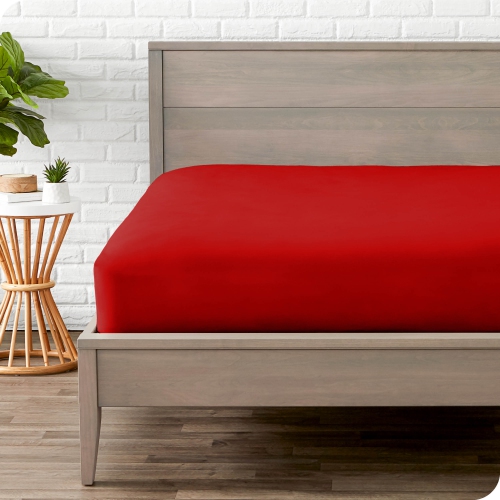
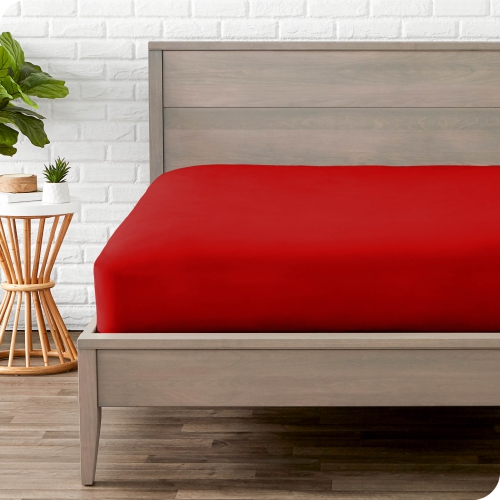
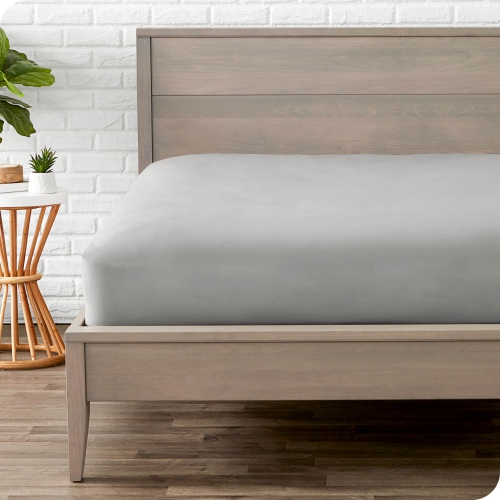

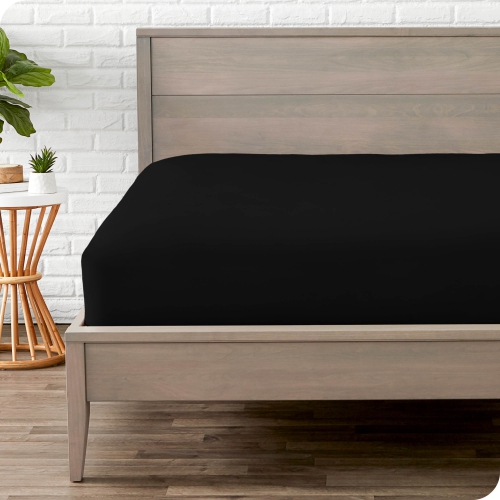
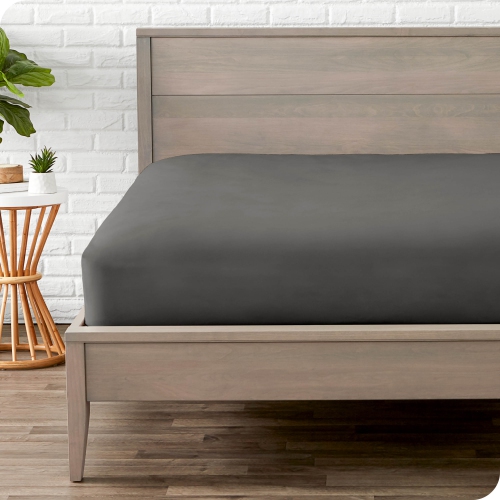
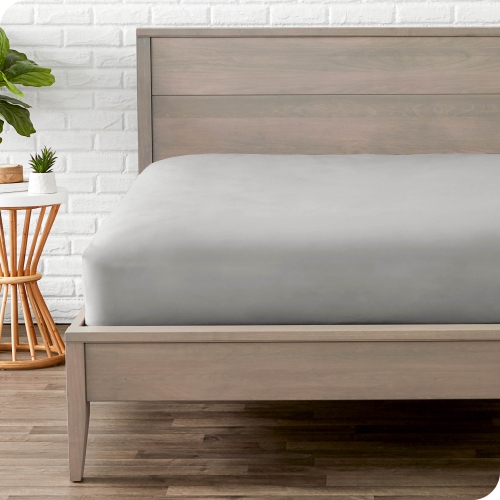


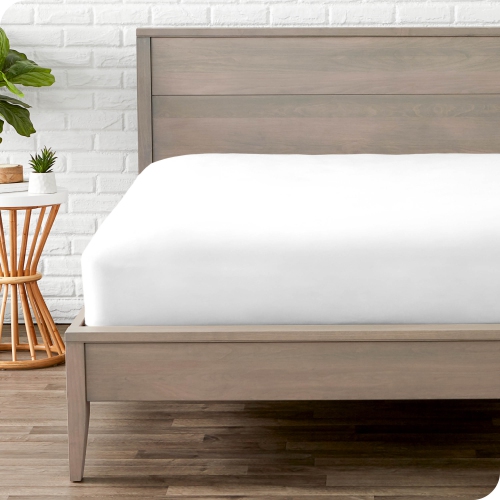
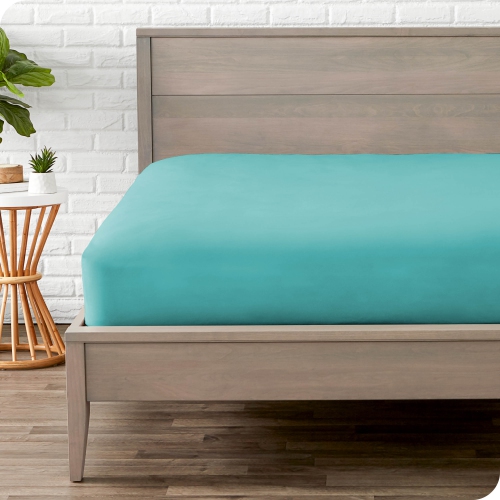
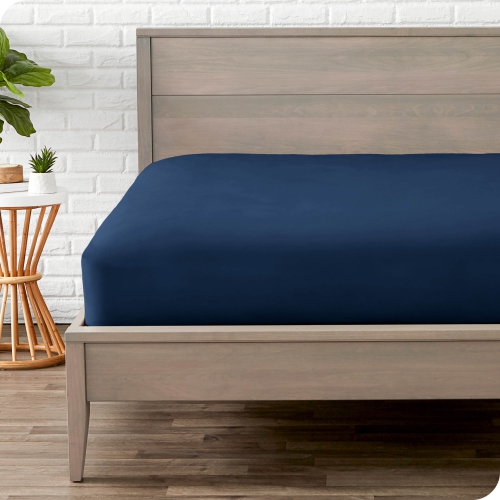

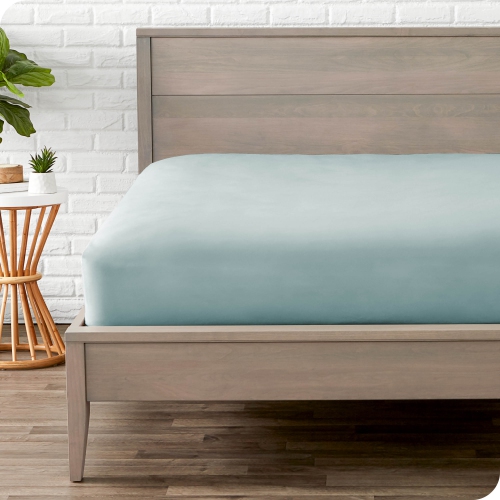
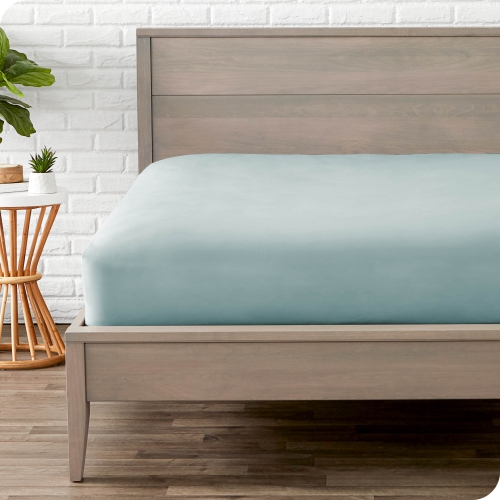
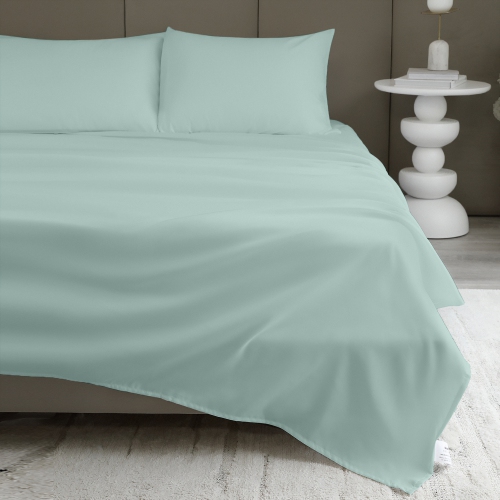
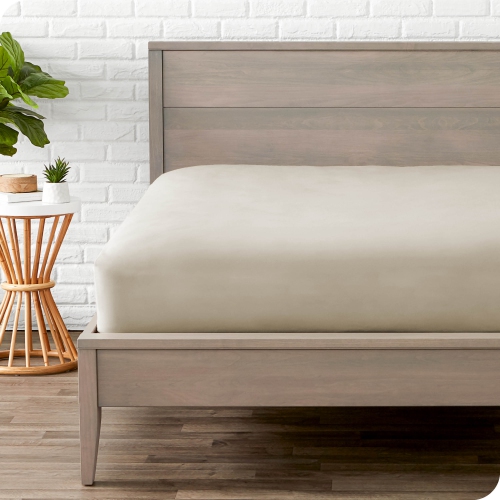
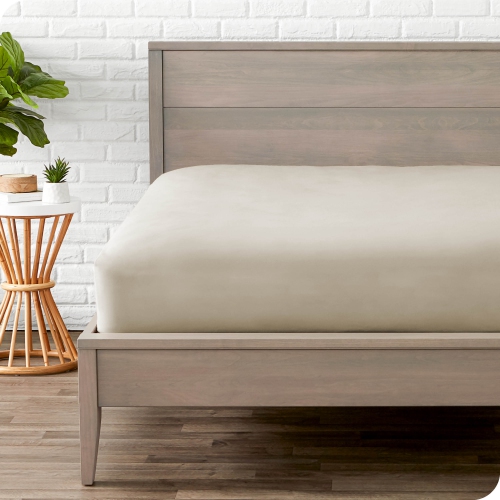
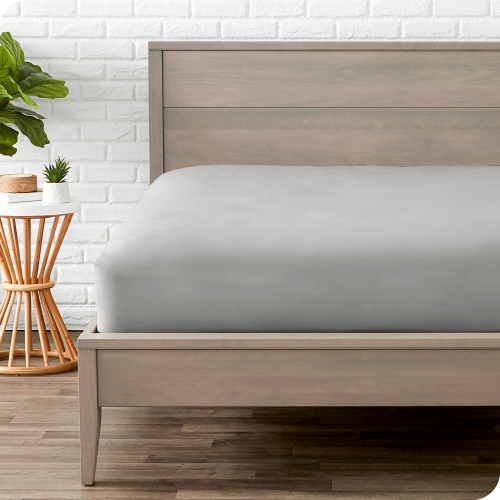
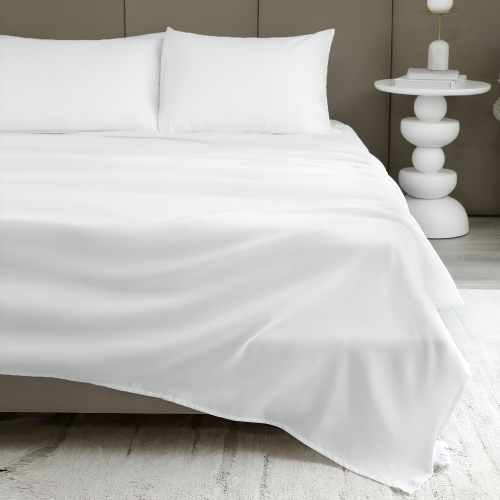
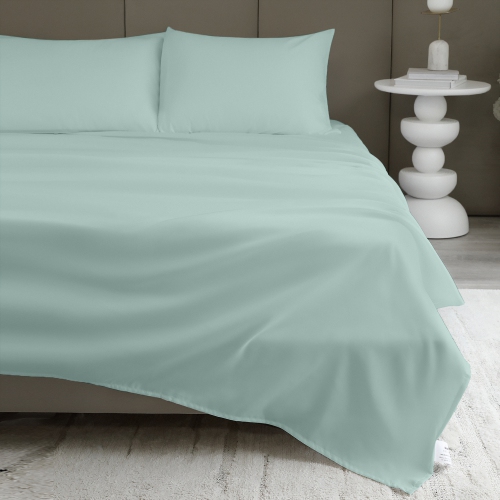
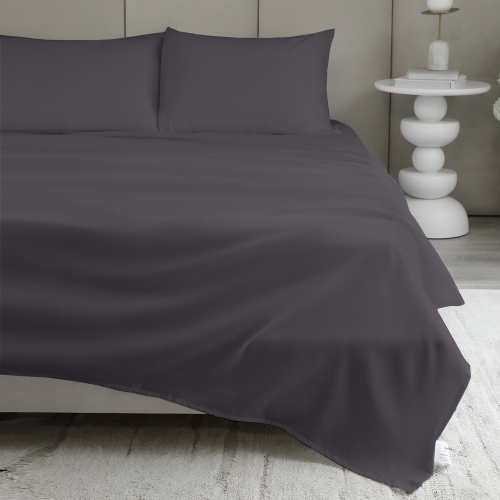
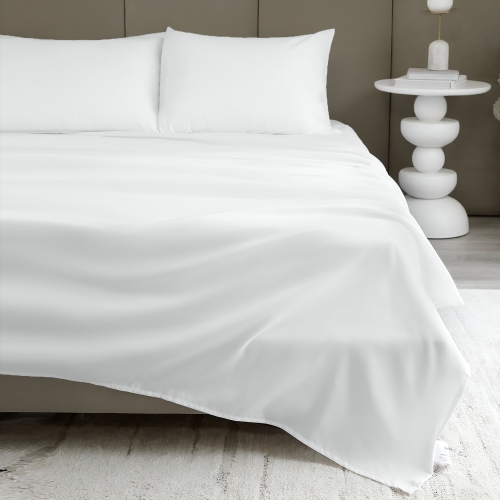
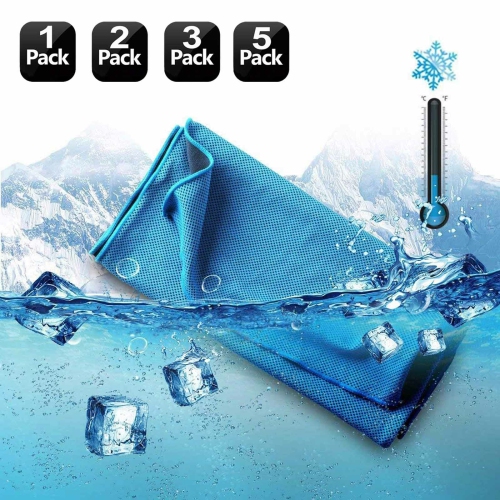
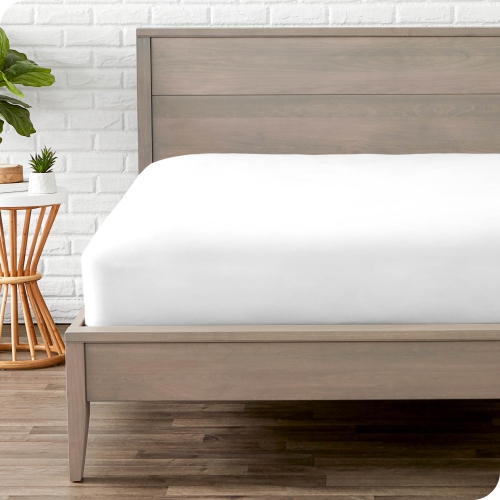
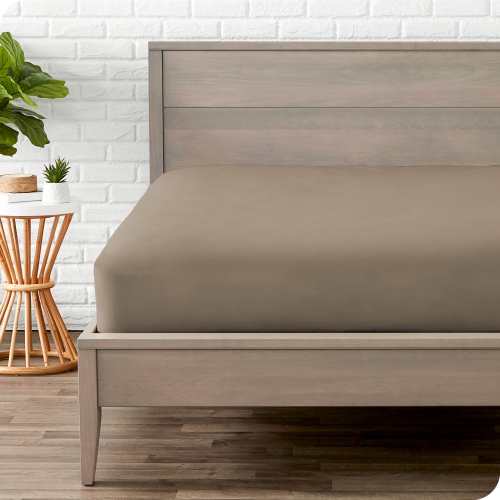


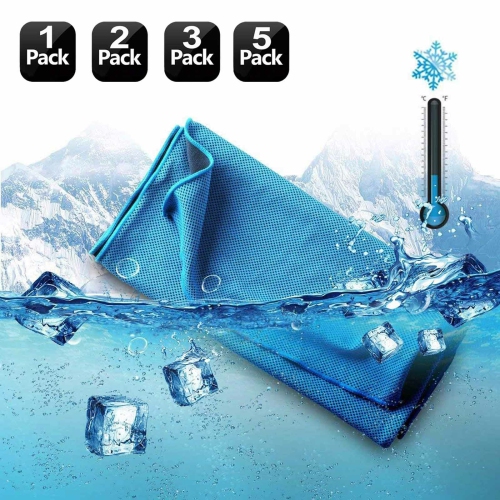





Comfort for warm sleepers goes beyond thread count
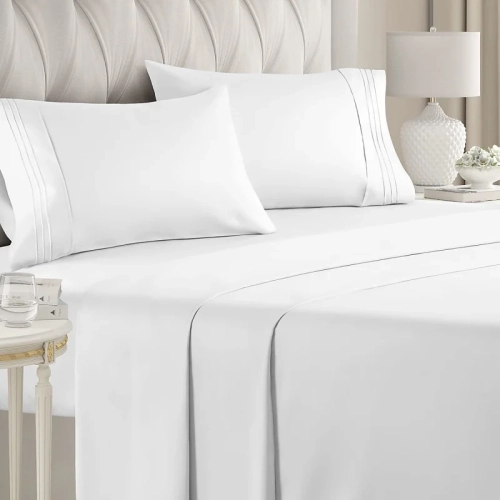
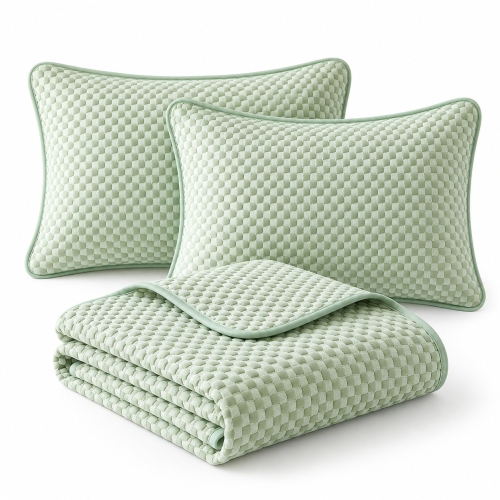
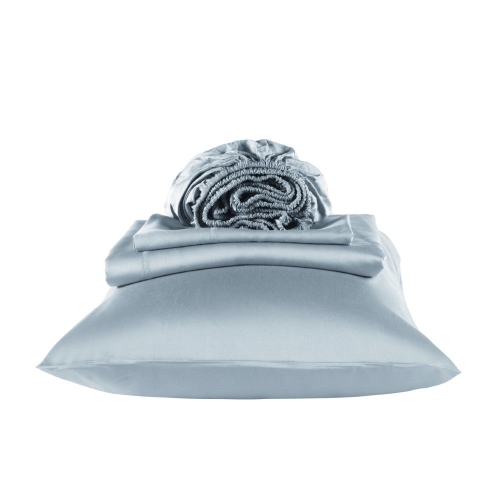
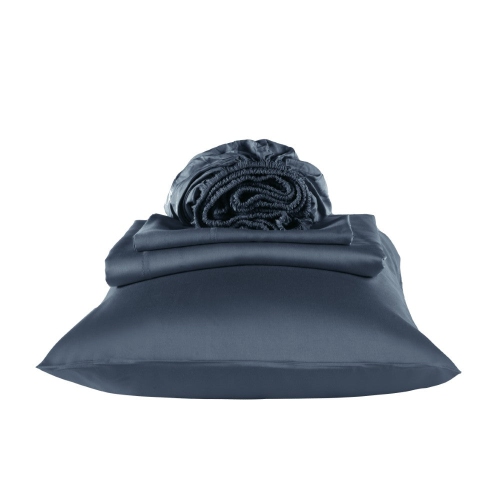
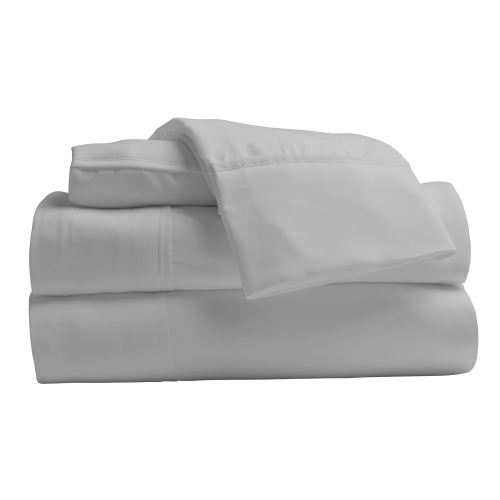
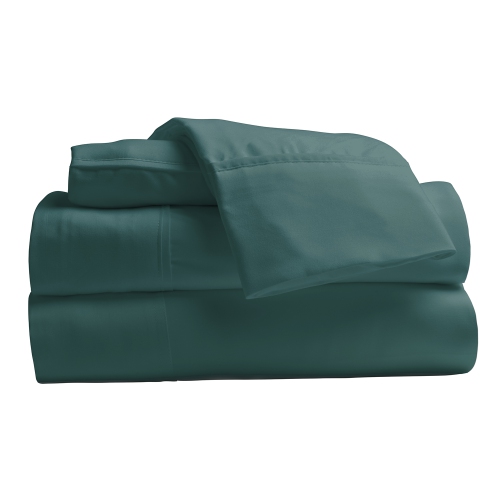
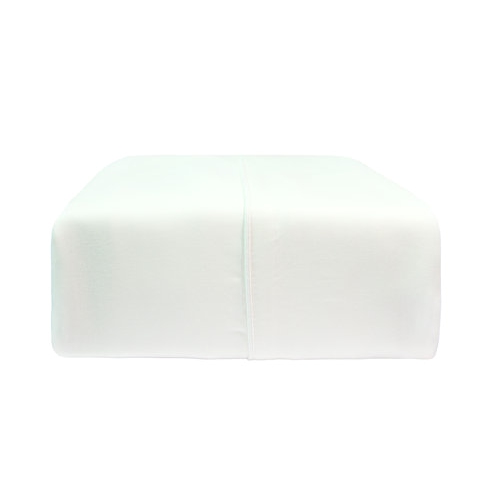
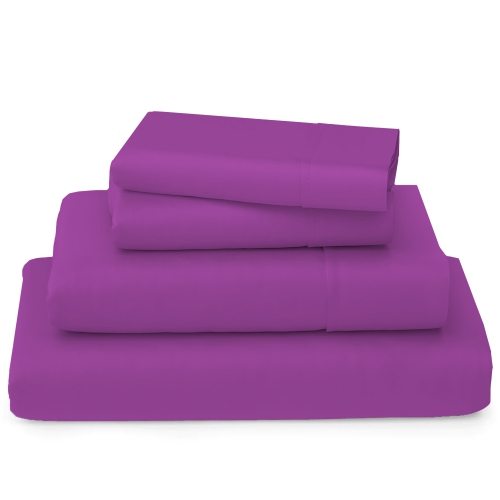
Cooling sheets are bedding designed to help sleepers feel more comfortable by allowing airflow, moving moisture away from the skin, or combining these qualities. They can be especially appealing to people who sleep warm, wake with damp bedding, or prefer a light, breathable layer rather than a dense fabric against the body. The term describes a range of materials and constructions, not a single type of sheet. A cool-to-the-touch surface can feel refreshing when first getting into bed, while breathability and moisture management affect comfort over the hours that follow. Sheets do not actively chill a mattress or guarantee a sweat-free night; their performance also depends on the bedding layered above and beneath them. Cotton percale is a familiar option for a crisp, matte finish with a light, airy feel. Its plain weave gives it a different texture from sateen, which typically feels smoother and has a subtle sheen. Sateen can still be comfortable for warm sleepers, although fabric weight and construction matter alongside the fibre itself. Bamboo-derived viscose and lyocell are often chosen for their softness, fluid drape, and moisture-absorbing properties. The fibre-content label is more informative than a broad material description because blends can feel and behave differently from fabrics made entirely from one fibre. Linen offers a more textured surface and a relaxed appearance, with softness that often develops through laundering. Some synthetic fabrics and blends are engineered to move moisture across the fabric surface, but performance varies by construction and finish. Absorbing moisture and wicking it away are related but different qualities, and neither alone establishes how quickly a sheet will dry. Thread count is another detail best considered alongside weave, weight, and fibre quality rather than treated as a cooling score. A higher number does not automatically mean better airflow. For everyday comfort, the most useful distinction is often the feel: crisp and structured, smooth and flowing, or softly textured.
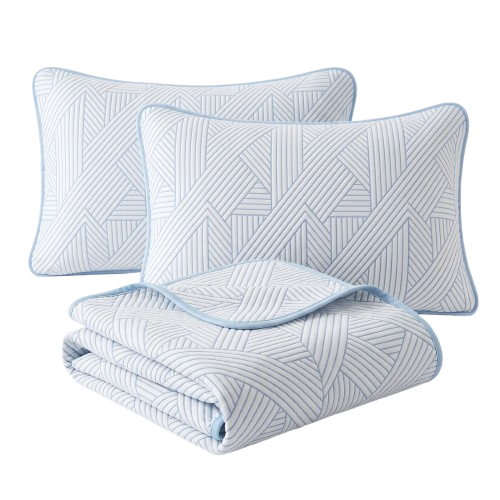
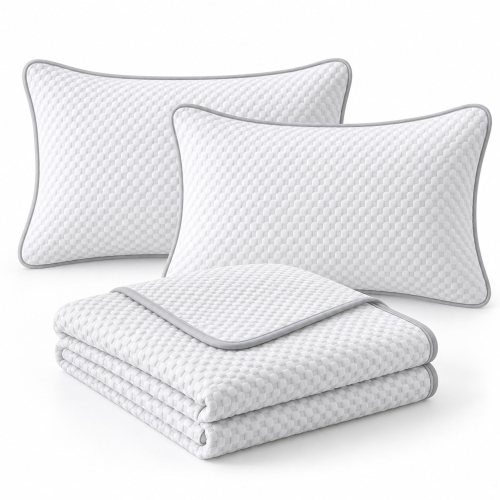
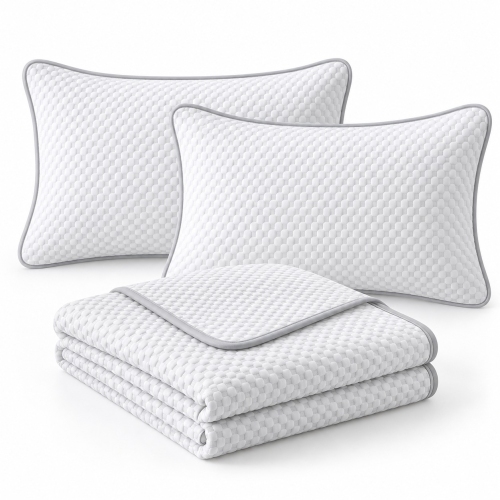
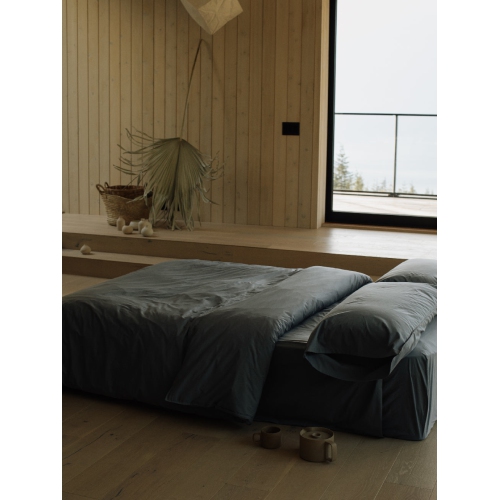
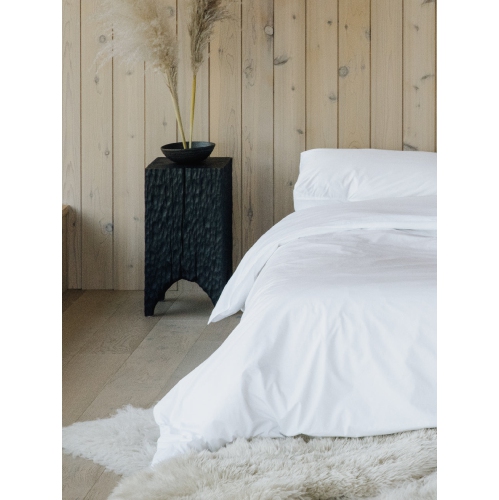
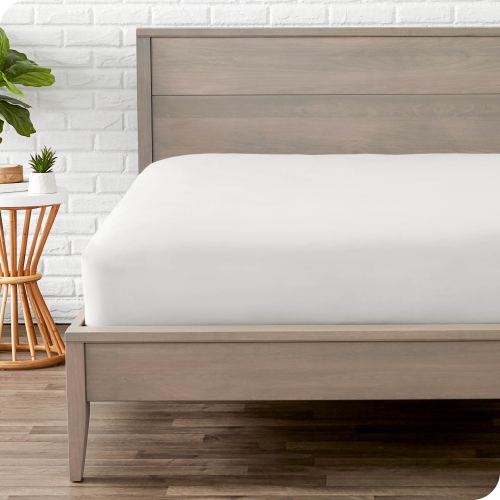
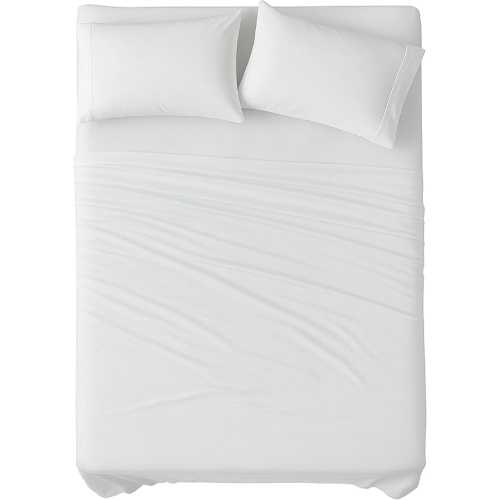
The fit of cooling sheets matters almost as much as their fabric. A fitted sheet that pulls free at the corners can bunch beneath the sleeper, while excess fabric can gather into folds instead of lying smoothly across the mattress. Mattress size and mattress depth are separate measurements, and both affect fit. A topper or thick mattress pad adds height, so the full sleeping surface needs to fit within the sheet’s stated pocket depth. Deep-pocket sheets are intended for taller setups, but a deeper pocket is not necessarily a better match for a thinner mattress. Elastic placement and corner construction also influence how securely a fitted sheet stays in place through turning and repositioning. For larger beds, Cooling King Sheets bring the same fabric considerations to a wider sleeping surface, where a secure fit and enough coverage on each side are particularly useful. King and California king dimensions are not interchangeable, and split mattress arrangements may require separate fitted sheets even when the top layer spans the whole bed. Set contents deserve attention as well: the number and size of pillowcases, the inclusion of a flat sheet, and the fitted-sheet measurements can differ. Beyond dimensions, the way fabric falls across the bed changes its everyday feel. A fluid sheet rests more closely against the body, while a crisper weave can feel less clingy when changing positions. People sharing a bed may appreciate breathable sheets as a common base, with individual blankets providing different levels of coverage. A heavy duvet or a less breathable mattress protector can still affect comfort, so cooling sheets work as part of the whole bedding arrangement rather than in isolation. Colour and finish add another practical consideration. Pale neutrals create a clean, understated look, while deeper colours can coordinate with patterned bedding. Matte fabrics and gently rumpled textures suit a relaxed bed; a smoother finish gives a more polished appearance without requiring elaborate styling.
Care requirements influence how well cooling sheets fit into a household routine and how they hold up over time. The care label should determine washing temperature, cycle, and drying method, since cotton, linen, viscose, lyocell, and blended fabrics do not all respond identically to laundering. Some tolerate regular machine washing and tumble drying, while others need gentler handling or lower heat. An easy-care fabric can be a practical choice for bedding that moves frequently between the bed and the laundry basket. Using the recommended amount of detergent and avoiding an overloaded machine helps sheets rinse thoroughly and move freely during washing. Fabric softener can leave a coating that interferes with moisture-management finishes, so it is worth checking whether the care instructions advise against it. Excessive drying heat may contribute to shrinkage or wear, and removing sheets promptly once dry can reduce deep creasing. Texture changes are not always signs of damage: some fabrics soften with washing, while others retain a crisper hand. Pilling, thinning, weakened elastic, and loose seams are more useful indicators of wear. Strong stitching, neatly finished hems, and well-secured elastic contribute to durability, but even carefully made sheets benefit from appropriate washing and protection from snagging. Rotating between sets allows time for laundering and complete drying without leaving the bed unfinished. For a primary bedroom, comfort against bare skin and the ability to handle frequent use may carry the most weight. Guest-room bedding may call for straightforward care and a familiar texture that suits different sleepers. Cooling sheets can also make a thoughtful housewarming or wedding gift when the recipient’s mattress size, preferred feel, and laundry habits are known. Someone who loves the snap of fresh cotton may have different preferences from someone who wants a silky drape. The most satisfying choice brings those everyday details together: fabric that feels pleasant at bedtime, dimensions that stay in place, and care requirements that remain manageable after repeated washes.
Top selling and popular products
-
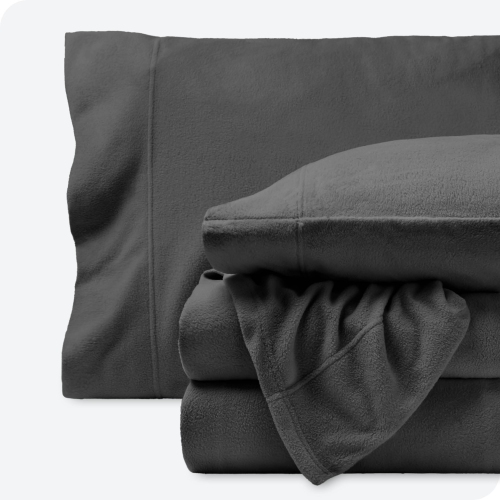 Your price for this item is $122.99
-
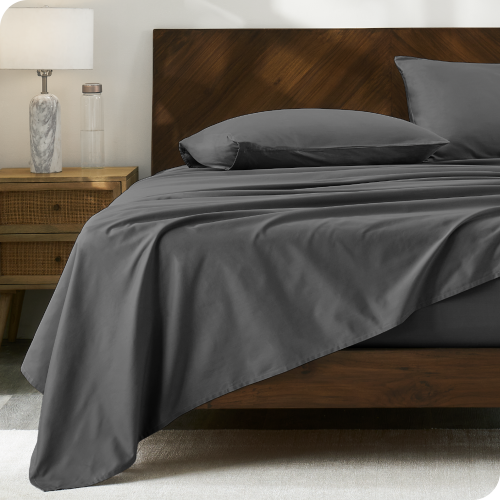 Your price for this item is $156.99
-
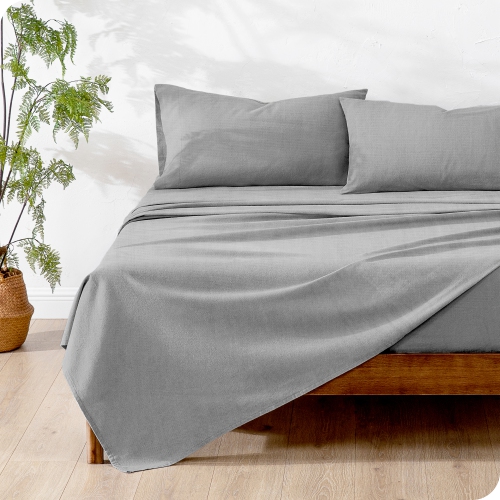 Your price for this item is $284.99
-
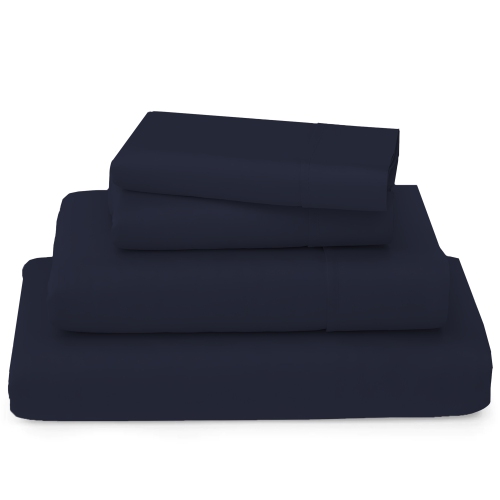 Your price for this item is $34.99
-
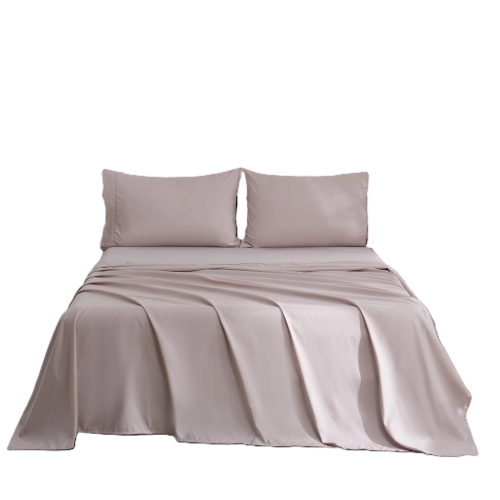 Your price for this item is $240
-
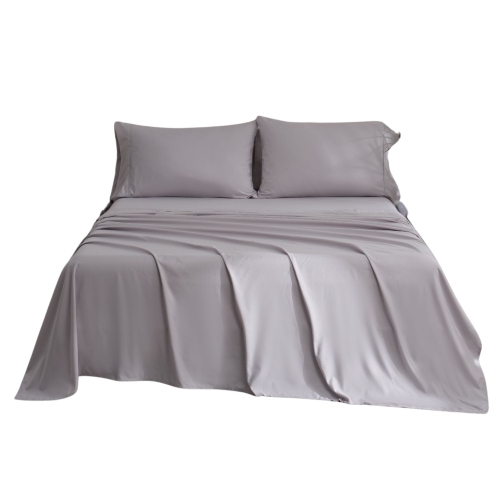 Your price for this item is $240
-
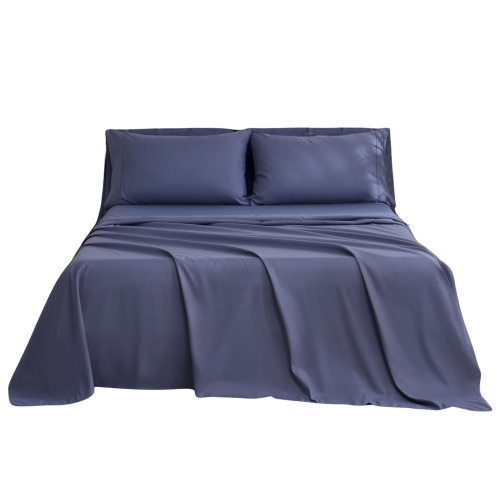 Your price for this item is $240
-
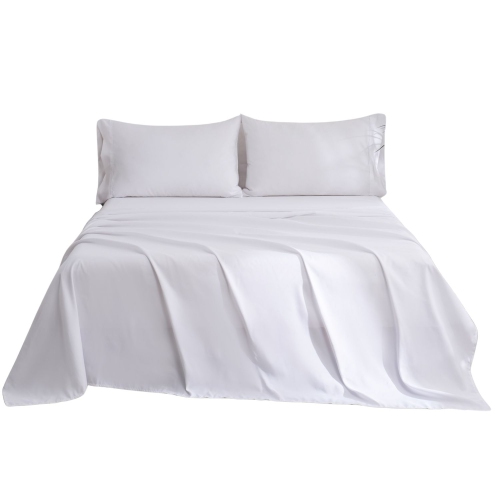 Your price for this item is $270
Discover more categories related to Cooling Sheets
Top Collections:
Best Black Friday Deals This Year, Best Black Friday Deals On Electronics, Kindle Devices, Best Black Friday Deals On Apple Products, Best Budget Office Chairs, Best Cameras for Sports Photography, Dyson Airwrap, Canon G7X Cameras, Best Laptops for Writers, Samsung Galaxy Phones
Some products may be subject to Environmental Handling Fees
(EHF) depending on your province.
Learn more about EHFs.