Bedroom Acoustic Wall Panels
Transform your space into a peaceful retreat with Bedroom Acoustic Wall Panels, designed to help create a more serene and comfortable environment. Whether you're looking to enhance your sleep quality, enjoy music, or simply add a touch of style to your room, these panels offer a versatile solution for any bedroom. Explore a wide selection of options to find the perfect fit for your décor and personal preferences. Discover how Bedroom Acoustic Wall Panels can make a difference in your home today.
Sort
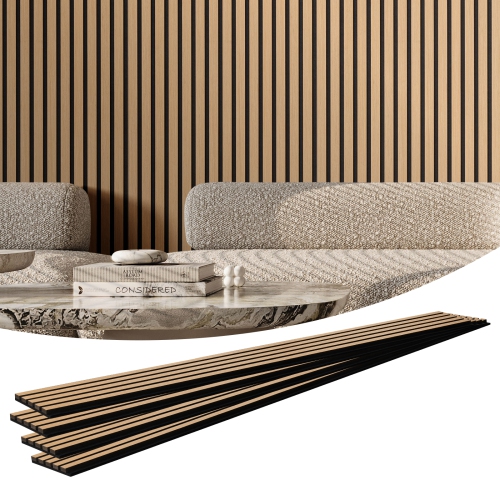
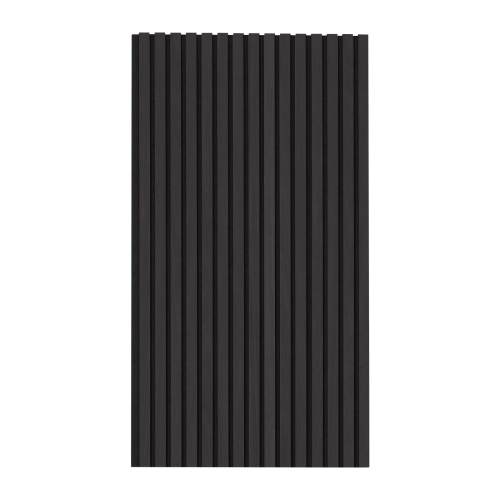
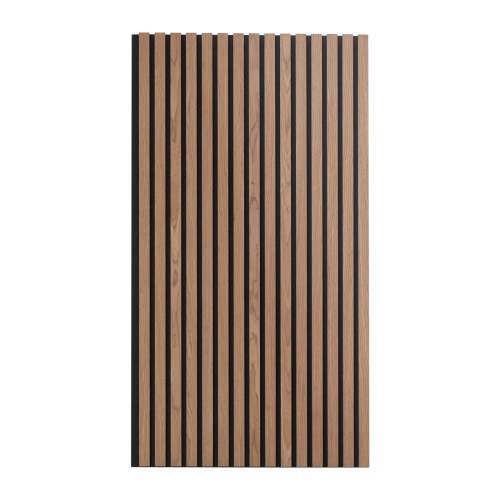
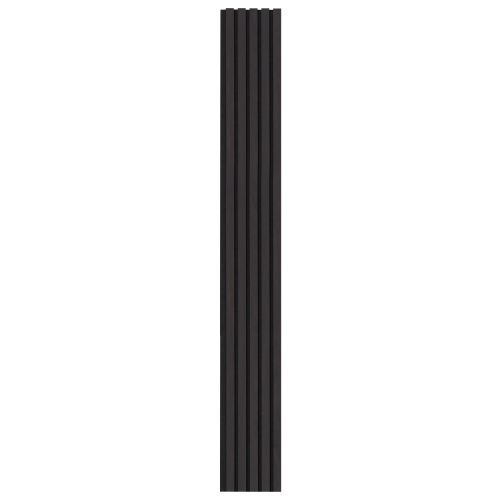

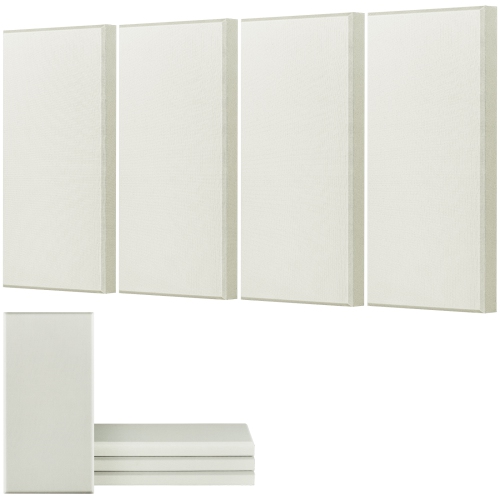
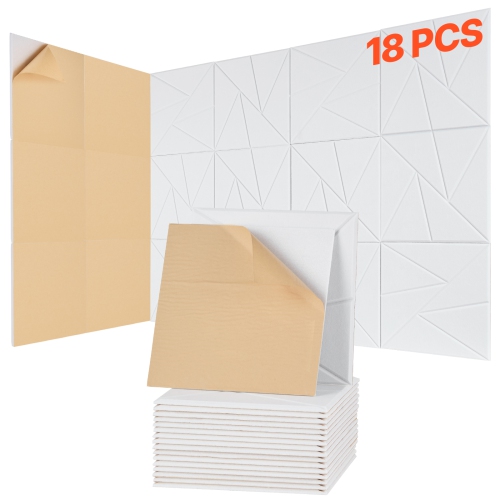
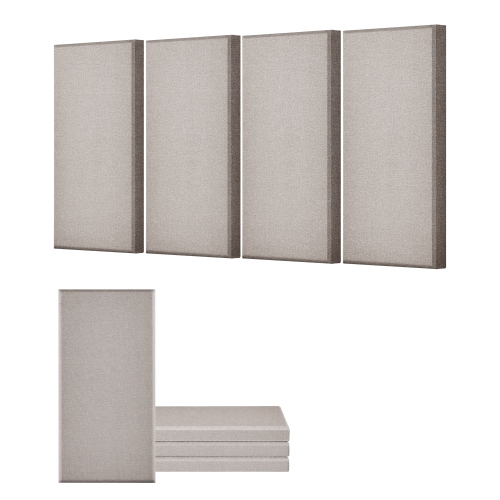
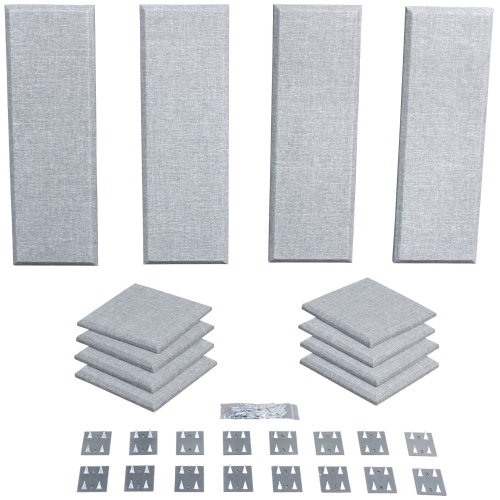
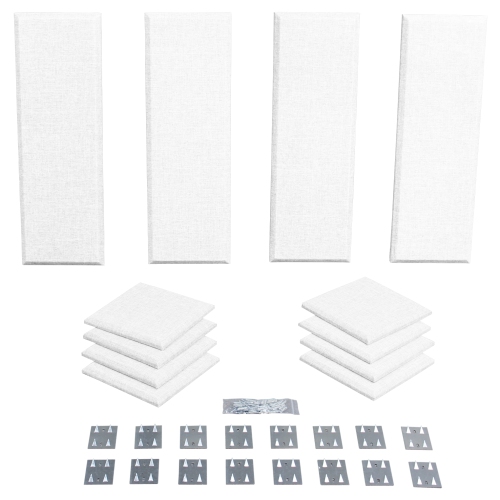
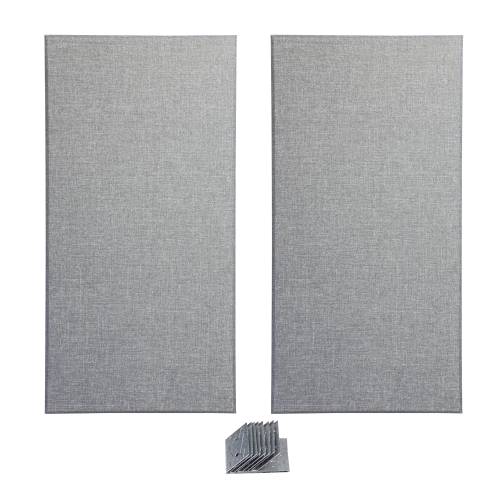
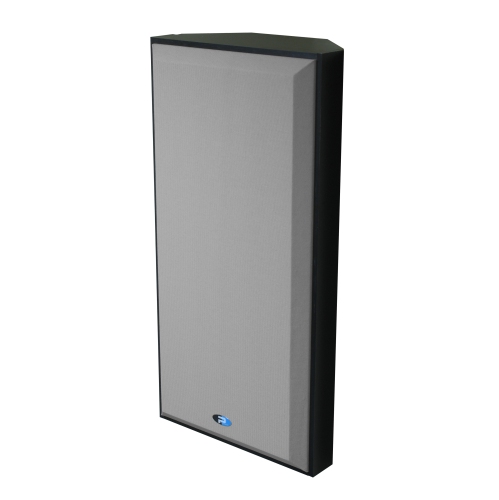
Less bedroom echo does not mean soundproof walls
Bedroom acoustic wall panels absorb some of the sound that would otherwise reflect off walls, helping reduce echo and reverberation within the room. They are intended to improve how a bedroom sounds, rather than stop noise from passing through its walls. This distinction matters in everyday use: a conversation can feel less sharp, a video call can sound clearer, and music can have fewer distracting reflections, but surface-mounted panels alone will not block a neighbour’s television, hallway voices, or traffic outside. Sound isolation generally requires changes to the room’s construction, such as adding mass, sealing air gaps, and separating structural layers to limit vibration transfer. Acoustic panels serve a different purpose, making them especially relevant to bedrooms that double as workspaces, gaming areas, or places to practise an instrument. A room with bare walls, a hard floor, and a large mirror may produce a lingering, hollow sound when someone speaks. Absorptive wall treatments can soften those reflections without taking up floor space beside the bed or desk. The effect depends on the panel material, thickness, covered area, placement, and the furnishings already present. A bedroom with thick curtains, an upholstered headboard, and a rug may need less additional absorption than a sparsely furnished room of the same size. Thin panels generally work best on higher-frequency reflections, while thicker absorptive designs can address a broader range of frequencies when properly installed. Deep bass is harder to manage and may call for dedicated treatment beyond ordinary wall panels. For anyone hoping for better sleep, realistic expectations are important: reduced reverberation can make a room feel less acoustically lively, but it does not guarantee relief from snoring, footsteps overhead, or other sounds at their source. Their clearest benefit is controlling reflected sound inside the bedroom while adding a finished surface to an otherwise plain wall.
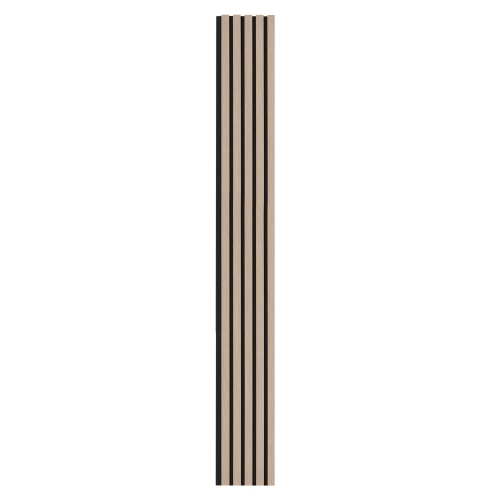
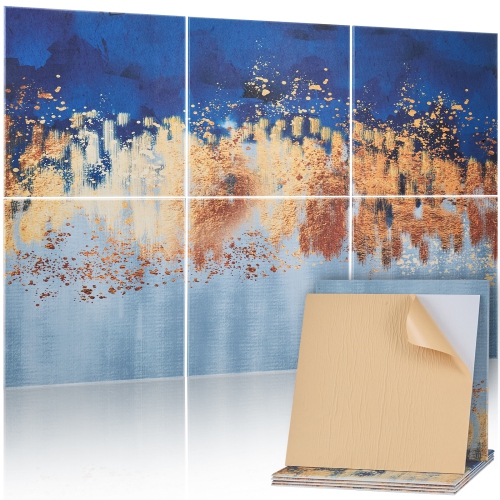
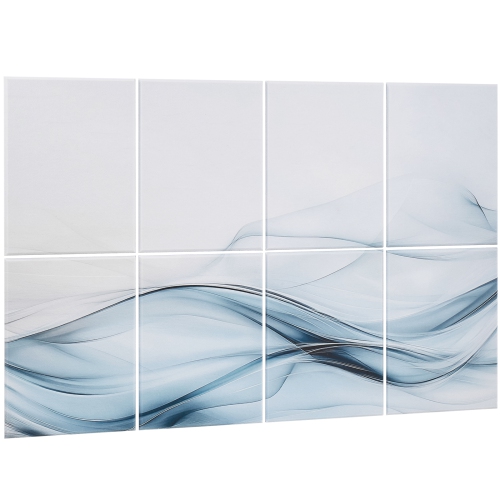
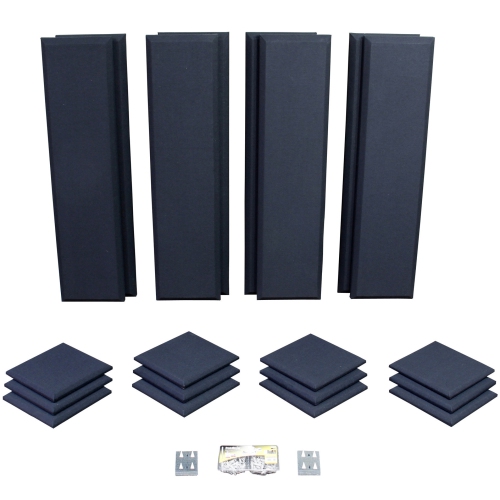
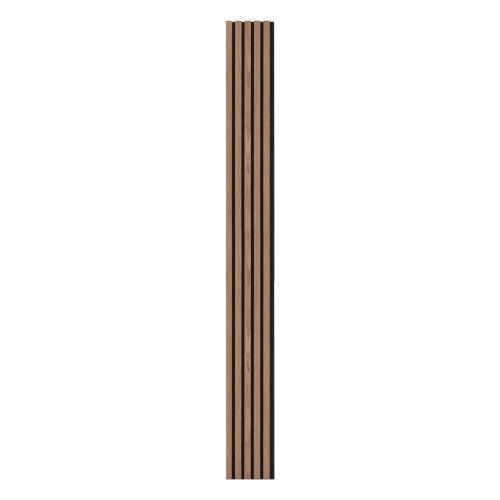
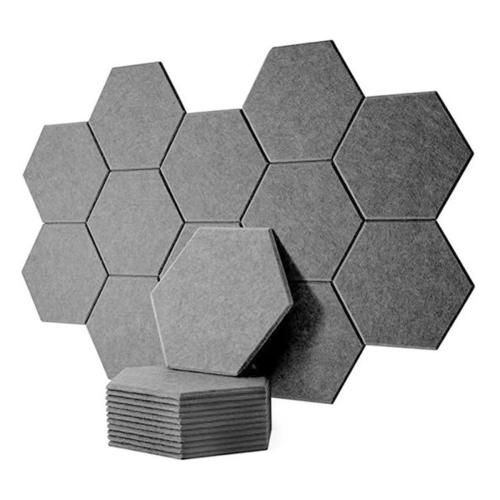
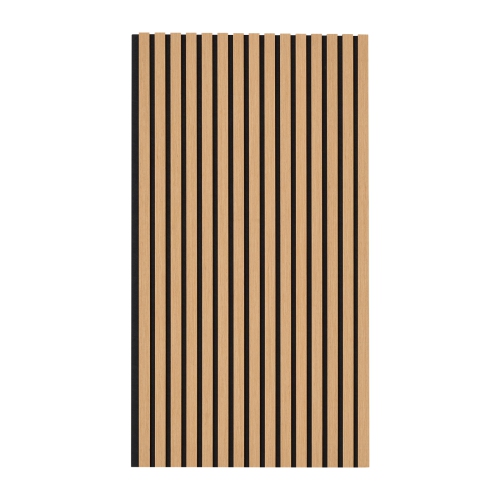
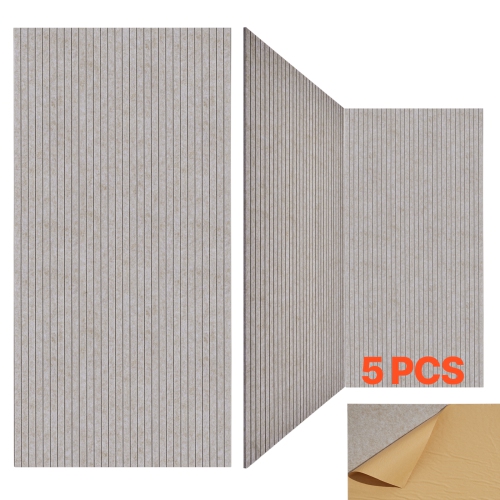
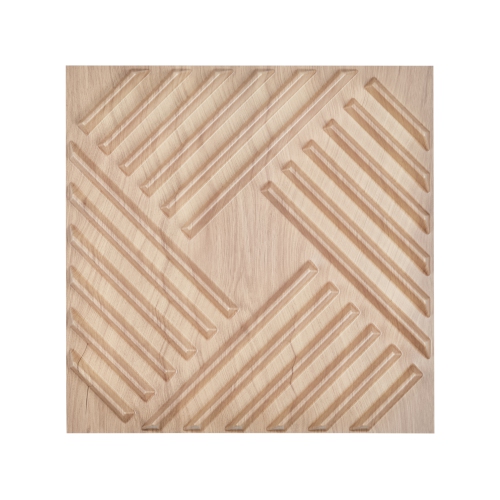
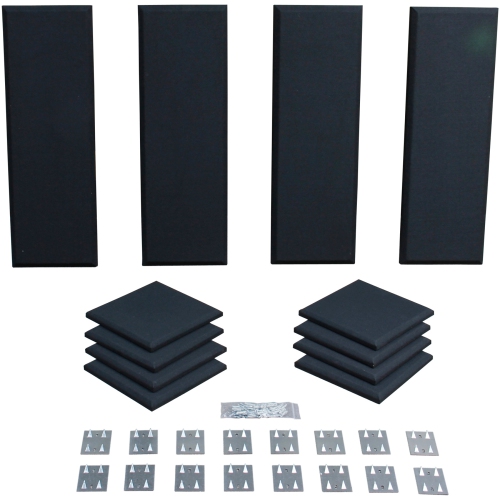
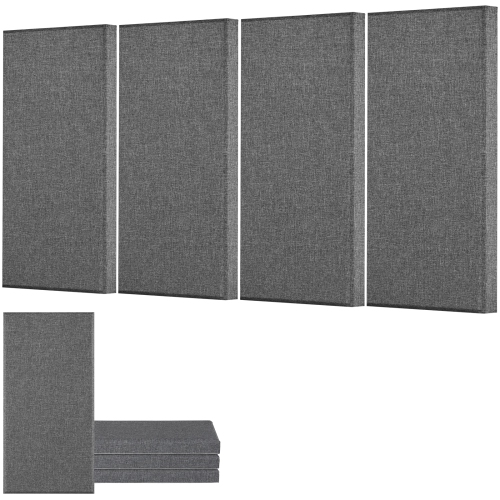
Materials give bedroom acoustic wall panels much of their character, both visually and acoustically. Felt panels offer a soft, matte finish and are often used in squares, rectangles, or geometric arrangements that suit compact spaces. Foam panels have a more studio-like appearance, with profiles that may include wedges, ridges, or flat surfaces; their performance depends on the foam’s properties and thickness, not simply on a pronounced surface pattern. Fabric-wrapped panels place an acoustically transparent covering over an absorptive core, creating a tailored look that can sit comfortably alongside bedding, curtains, and upholstered furniture. Wood slat acoustic panels combine a structured face with gaps and an absorptive backing, although their effectiveness varies with the complete assembly and mounting method. A wood finish by itself is not evidence of sound absorption, and decorative wall cladding should not be assumed to perform like a tested acoustic treatment. For a broader range of decorative finishes, Bedroom Wall Panels can complement a bedroom design where appearance is also a priority. Within an acoustic treatment, colour, texture, and proportion help determine whether the panels blend in or become a focal point. Soft grey felt can sit quietly behind a desk, while vertical wood slats can draw the eye upward behind a headboard. Fabric finishes can echo the colour of a bed frame without needing to match every textile in the room. Panel depth is worth considering near bedside tables, wardrobe doors, and narrow walkways, where a projecting surface may interfere with everyday movement. Dimensions and coverage matter just as much as appearance: package quantity alone does not show how much wall area a treatment will cover. Where published absorption ratings are provided, they are most useful when considered alongside the test conditions, including backing and any air gap. A rating measured on one installation arrangement may not describe how the same panel performs when attached directly to a bedroom wall.
The right fit also involves the wall surface, the room layout, and how permanently the panels will be installed. Lightweight felt or foam may use a compatible adhesive, while heavier wood or fabric-wrapped assemblies can require mechanical fasteners and suitable anchors. Adhesive attachment is not automatically removable or damage-free, particularly on painted drywall, wallpaper, or textured finishes. Renters may prefer mounting arrangements approved by the property owner, while homeowners planning a larger feature wall may value a securely fixed installation with neatly finished edges. Areas above a bed deserve particular attention to attachment strength, panel weight, and the manufacturer’s installation requirements. Outlets, light switches, vents, and access points need to remain usable, and panels should not cover heat-producing equipment or interfere with electrical fittings. Placement works best when it relates to how sound moves through the space, rather than appearance alone. In a bedroom office, treatment near the desk can help manage reflections around the speaking and listening area; for music playback, relevant side-wall reflection points may matter more than an isolated decorative patch. A small arrangement can make a visual statement, but its acoustic effect may be limited in a large, reflective room. Care requirements vary by finish. Felt and fabric can collect dust and may tolerate gentle vacuuming with a soft brush attachment if permitted by their care instructions. Foam can tear or crumble if scrubbed, while wood veneers and finished slats may need a soft cloth and minimal moisture. Abrasive cleaners, soaking, and paint can damage surfaces or alter the performance of porous materials. Durability is particularly relevant beside a frequently used desk or in a child’s bedroom, where exposed corners and soft surfaces may be bumped or picked at. Secure edges, protected absorptive cores, and clear care instructions are useful features for long-term use. For students, remote workers, gamers, and home music enthusiasts, bedroom acoustic wall panels can bring practical sound control to a personal space without requiring it to look like a recording studio. As a gift, they are best suited to someone whose room measurements, finish preferences, and mounting options are already known.
Materials give bedroom acoustic wall panels much of their character, both visually and acoustically. Felt panels offer a soft, matte finish and are often used in squares, rectangles, or geometric arrangements that suit compact spaces. Foam panels have a more studio-like appearance, with profiles that may include wedges, ridges, or flat surfaces; their performance depends on the foam’s properties and thickness, not simply on a pronounced surface pattern. Fabric-wrapped panels place an acoustically transparent covering over an absorptive core, creating a tailored look that can sit comfortably alongside bedding, curtains, and upholstered furniture. Wood slat acoustic panels combine a structured face with gaps and an absorptive backing, although their effectiveness varies with the complete assembly and mounting method. A wood finish by itself is not evidence of sound absorption, and decorative wall cladding should not be assumed to perform like a tested acoustic treatment. For a broader range of decorative finishes, Bedroom Wall Panels can complement a bedroom design where appearance is also a priority. Within an acoustic treatment, colour, texture, and proportion help determine whether the panels blend in or become a focal point. Soft grey felt can sit quietly behind a desk, while vertical wood slats can draw the eye upward behind a headboard. Fabric finishes can echo the colour of a bed frame without needing to match every textile in the room. Panel depth is worth considering near bedside tables, wardrobe doors, and narrow walkways, where a projecting surface may interfere with everyday movement. Dimensions and coverage matter just as much as appearance: package quantity alone does not show how much wall area a treatment will cover. Where published absorption ratings are provided, they are most useful when considered alongside the test conditions, including backing and any air gap. A rating measured on one installation arrangement may not describe how the same panel performs when attached directly to a bedroom wall.
The right fit also involves the wall surface, the room layout, and how permanently the panels will be installed. Lightweight felt or foam may use a compatible adhesive, while heavier wood or fabric-wrapped assemblies can require mechanical fasteners and suitable anchors. Adhesive attachment is not automatically removable or damage-free, particularly on painted drywall, wallpaper, or textured finishes. Renters may prefer mounting arrangements approved by the property owner, while homeowners planning a larger feature wall may value a securely fixed installation with neatly finished edges. Areas above a bed deserve particular attention to attachment strength, panel weight, and the manufacturer’s installation requirements. Outlets, light switches, vents, and access points need to remain usable, and panels should not cover heat-producing equipment or interfere with electrical fittings. Placement works best when it relates to how sound moves through the space, rather than appearance alone. In a bedroom office, treatment near the desk can help manage reflections around the speaking and listening area; for music playback, relevant side-wall reflection points may matter more than an isolated decorative patch. A small arrangement can make a visual statement, but its acoustic effect may be limited in a large, reflective room. Care requirements vary by finish. Felt and fabric can collect dust and may tolerate gentle vacuuming with a soft brush attachment if permitted by their care instructions. Foam can tear or crumble if scrubbed, while wood veneers and finished slats may need a soft cloth and minimal moisture. Abrasive cleaners, soaking, and paint can damage surfaces or alter the performance of porous materials. Durability is particularly relevant beside a frequently used desk or in a child’s bedroom, where exposed corners and soft surfaces may be bumped or picked at. Secure edges, protected absorptive cores, and clear care instructions are useful features for long-term use. For students, remote workers, gamers, and home music enthusiasts, bedroom acoustic wall panels can bring practical sound control to a personal space without requiring it to look like a recording studio. As a gift, they are best suited to someone whose room measurements, finish preferences, and mounting options are already known.
Top selling and popular products
-
 Your price for this item is $3000
 -
 Your price for this item is $124.45
 -
 Your price for this item is $329.99
 -
 Your price for this item is $139.99
 -
 Your price for this item is $264
 -
 Your price for this item is $217.55
 -
 Your price for this item is $739.99
 -
 Your price for this item is $599.99
Discover more categories related to Bedroom Acoustic Wall Panels
Top Collections:
Pokemon Centers, Kindle Devices, Best Budget Office Chairs, Apple iPhones 16, Canon G7X Cameras, iPhone 15 Apple, Alarm Clock, Refurbished Apple Laptops, Flip Phones, Best Laptops for Writers
Some products may be subject to Environmental Handling Fees
(EHF) depending on your province.
Learn more about EHFs.