Living Room Acoustic Panels
Transform your entertainment space with Living Room Acoustic Panels, designed to enhance the overall ambiance and comfort of your home. Whether you're hosting movie nights, enjoying music, or simply relaxing, these panels help create an inviting atmosphere for every occasion. Explore a wide selection of styles and finishes to find the perfect match for your décor and elevate your living room experience.
Sort
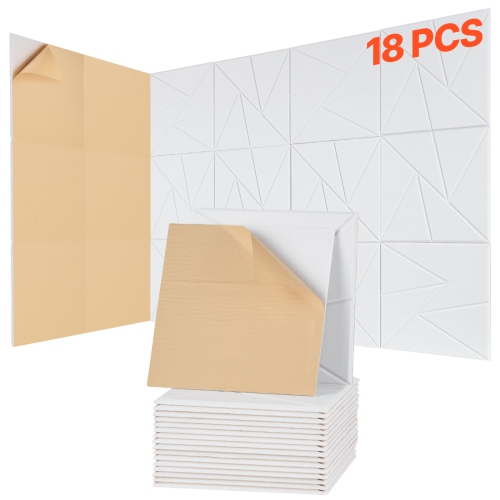
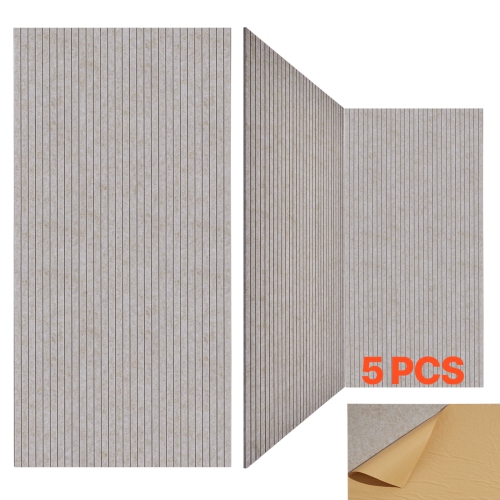
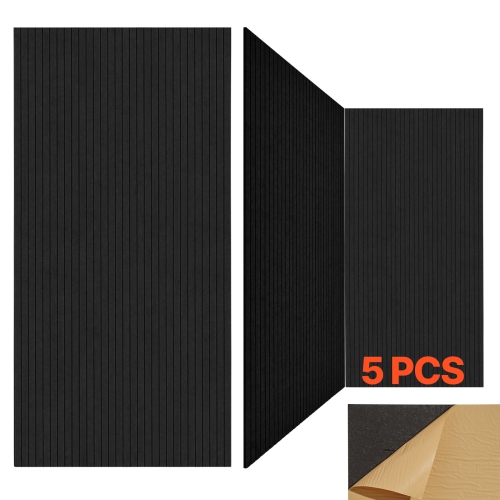
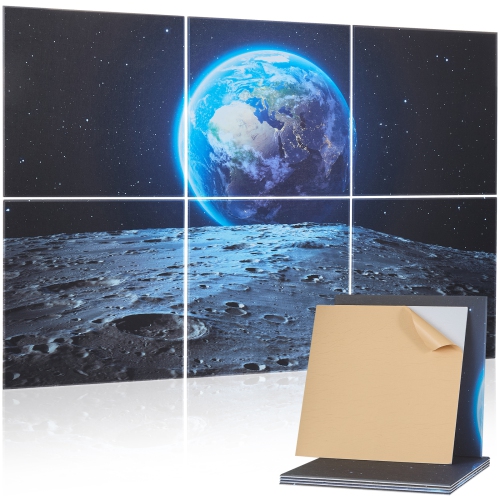
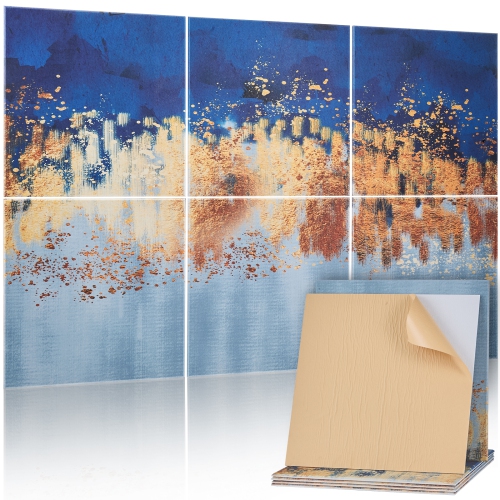
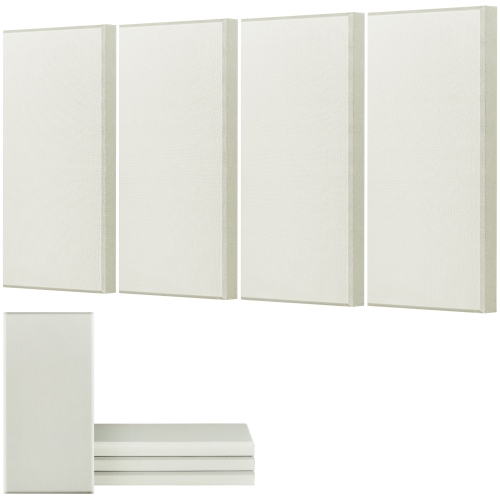
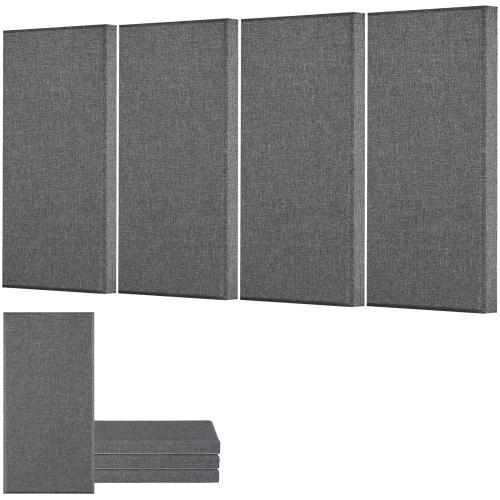

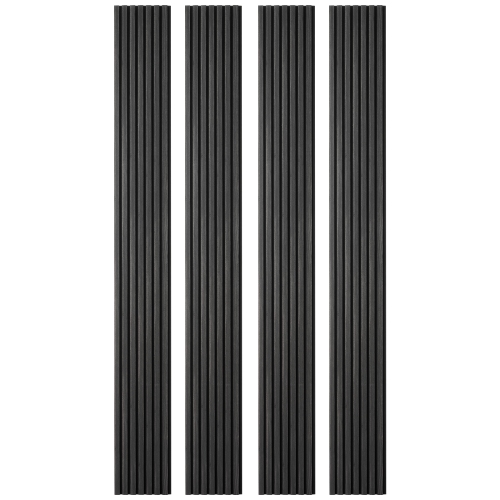
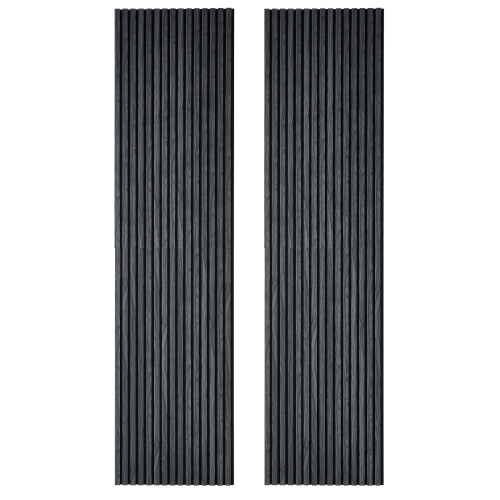
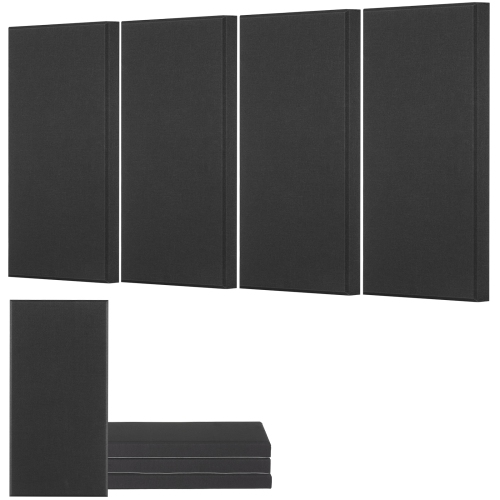
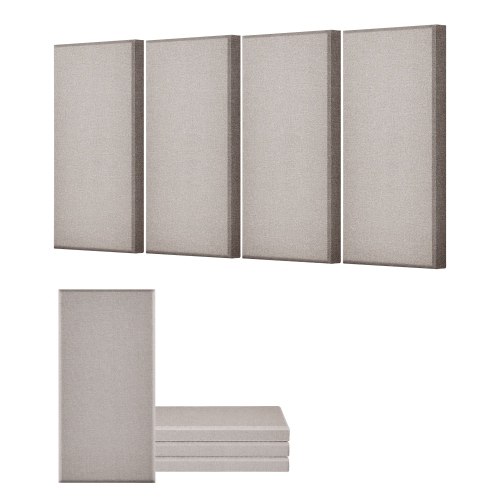
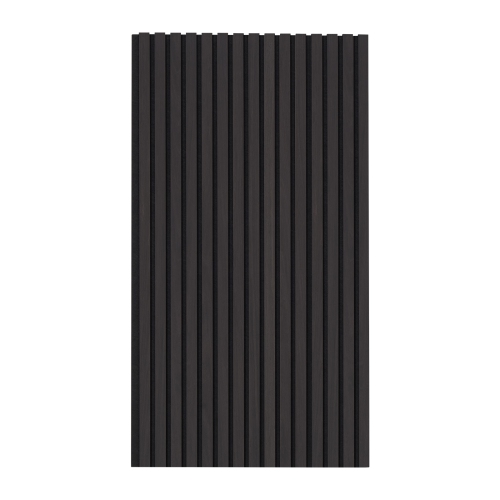
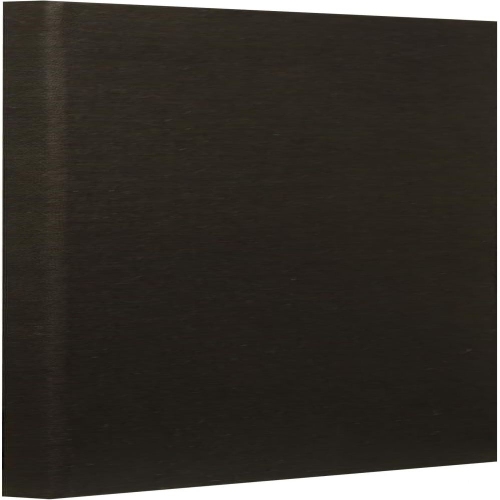
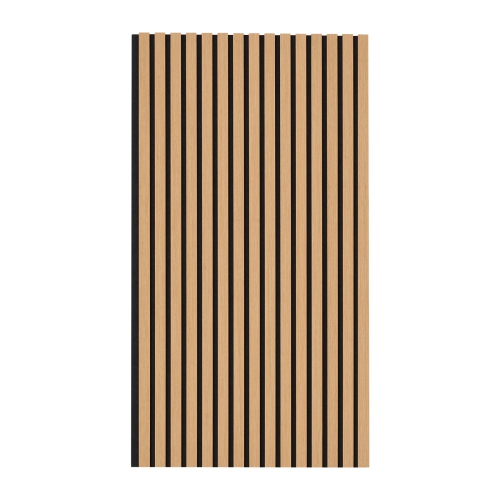
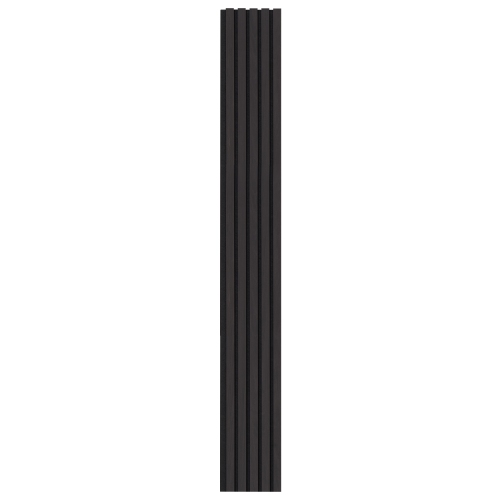
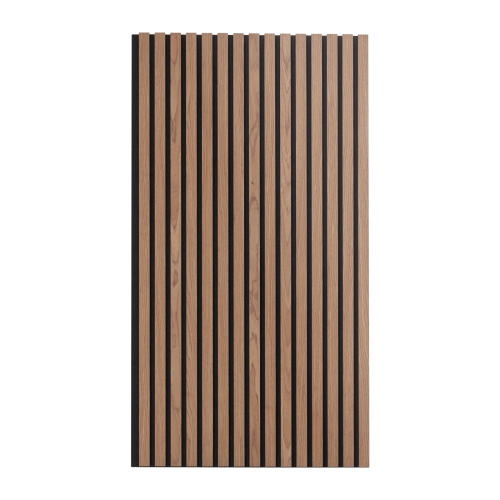
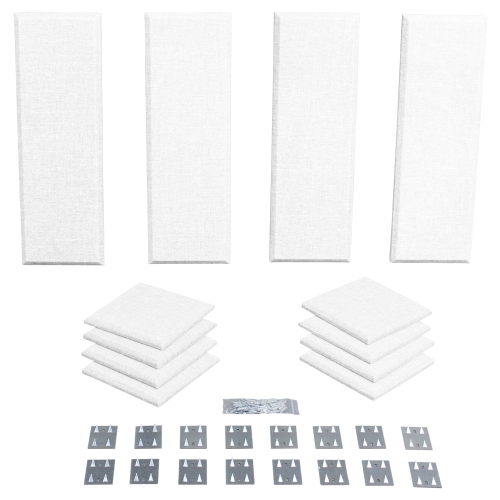
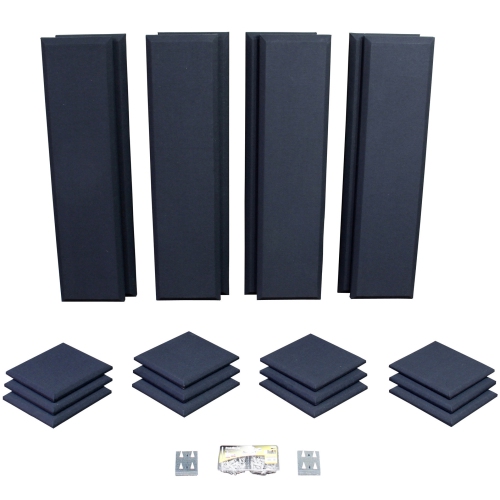
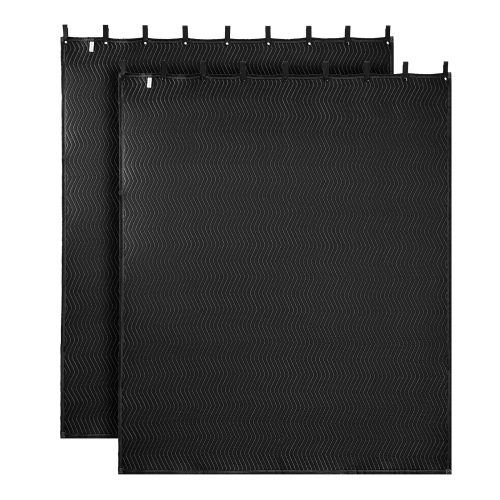
Fewer sound reflections for more comfortable everyday listening
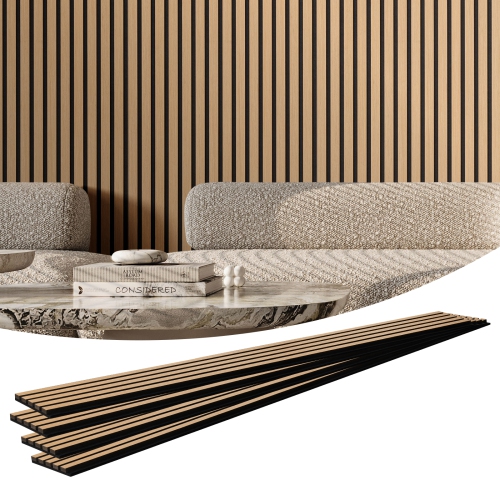
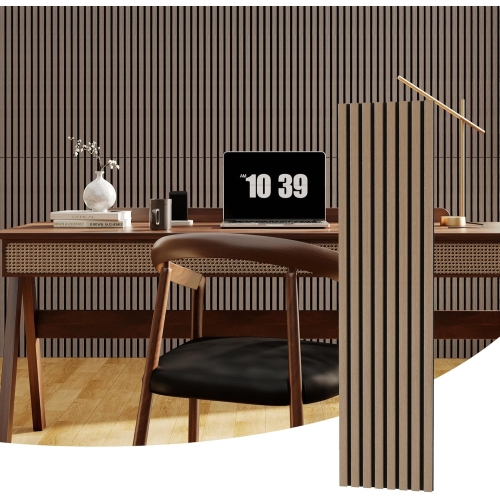
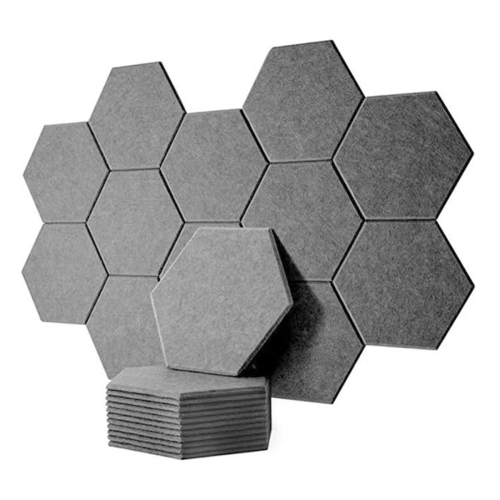
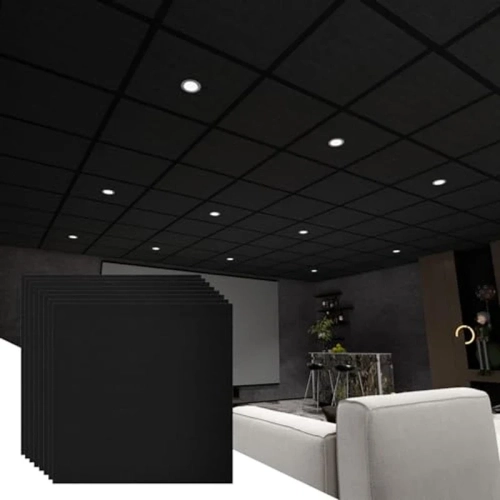
Living room acoustic panels help soften reflected sound, making a shared space more comfortable for conversation, television, music, and everyday listening. In a room with bare walls, large windows, and hard flooring, sound can bounce between surfaces and linger after its source has stopped. That lingering sound, known as reverberation, can make dialogue seem less distinct or a lively gathering feel louder than expected. Sound-absorbing panels reduce some of those reflections rather than simply covering a wall for decoration. Their role is different from soundproofing: acoustic treatment works mainly on sound within the room, while reducing noise passing through walls, floors, or windows usually requires changes to the building assembly and its gaps. This distinction matters in a condo living room, where clearer television audio does not necessarily mean less sound reaching a neighbouring suite. Panel construction also makes a difference. Fabric-wrapped panels typically combine an acoustically transparent covering with an absorbent core, while felt panels offer a softer, often low-profile surface. Wood slat acoustic panels pair spaced decorative slats with absorbent backing, bringing the appearance of timber into a room without relying on solid wood alone to control reflections. Veneer, engineered wood, polyester felt, and other fibre-based cores each have different finish, weight, and care characteristics. A grooved or fluted appearance does not, by itself, establish acoustic performance; the backing, panel depth, and complete mounting arrangement all contribute. Where published test results are provided, a noise reduction coefficient, or NRC, can help compare absorption, provided the tested installation matches the intended setup. Absorption also varies by frequency, so a thin decorative panel should not be expected to solve deep bass rumble. For households that use one room for films, video calls, reading, and entertaining, the most useful treatment supports those overlapping activities while keeping the room recognizably comfortable and residential.
The fit of living room sound-absorbing panels involves both wall dimensions and the way the space is furnished. A broad wall behind a sofa presents a different opportunity from a narrow section beside a media unit, and an open-plan room may have fewer continuous surfaces to work with. Panel width, height, thickness, and total coverage help establish whether a design will form a compact feature, a repeated arrangement, or a larger accent wall. Actual panel dimensions are more useful than photographs for judging proportions, particularly when tall slatted designs sit beside door frames, shelving, or artwork. Edges and joins deserve attention, too: a continuous slat pattern can look quite different when interrupted by a corner or an electrical outlet. Acoustically, useful placement depends on where sound travels between speakers, walls, and seating. Absorption at prominent reflection points can improve clarity, while covering only a visually convenient patch may have a more limited effect. Rugs, curtains, upholstered seating, and book-filled shelving also influence the result, so acoustic panels work as part of the furnished room rather than in isolation. The aim is not necessarily to cover every wall or remove all liveliness. Mounting requirements vary with panel weight, wall construction, and the manufacturer’s tested assembly. Some panels are designed for approved adhesives, others require mechanical fasteners, and certain slatted systems can be fitted over battens with an air gap or additional specified backing. These arrangements are not interchangeable, and a performance rating for one setup should not be assumed to apply to another. Secure attachment is especially important above seating or near busy walkways. For renters, the potential for wall damage and any required permission can be as important as the finish. Clearance around outlets, switches, ventilation openings, and equipment access should remain part of the layout. Panels near a television or sound system also need to leave the equipment’s required ventilation space unobstructed, with cables managed separately using suitable methods.
Appearance and long-term care help determine how comfortably acoustic treatment belongs in a living room. Natural-looking oak tones can sit easily beside pale upholstery and simple cabinetry, while walnut finishes add depth alongside leather, textured fabrics, or darker furniture. Black slats create stronger contrast, and fabric-covered panels can either blend with the wall colour or introduce a deliberate block of colour above a sofa. Vertical slats emphasize height; horizontal arrangements draw attention across a wider surface. The texture is part of the effect: narrow gaps cast small shadows, felt softens the background, and a woven covering can resemble an upholstered furnishing rather than technical equipment. Across the Acoustic Panels category, comparing construction and mounting details alongside appearance helps distinguish a decorative finish from a treatment suited to a particular listening space. Durability depends on the materials and their exposure to everyday contact. Veneered edges may need protection from knocks, fabric can snag, and softer surfaces may collect dust or attract attention from pets. Secure fixings, neatly finished edges, and placement away from frequent bumps are useful considerations in a busy family room. Routine care commonly involves gentle dusting or a soft vacuum brush where permitted by the care instructions, rather than soaking an absorbent surface. Cleaning liquids, abrasive tools, and steam can damage some coverings, adhesives, or wood finishes, so the specified cleaning method matters. Panels intended for dry indoor use are not automatically suitable beside a damp wall or where splashes are likely. Fire-performance information and intended-use documentation also deserve attention, particularly for larger installations; an acoustic rating does not establish fire performance. For film enthusiasts, music listeners, remote workers, and households that regularly host friends, well-matched panels can make a frequently used room easier to listen in without giving it the appearance of a recording studio. Their lasting value comes from that balance: an appropriate absorbent construction, a secure installation, manageable upkeep, and a finish that feels at home among the furnishings already there.
Top selling and popular products
-
 Your price for this item is $3000
-
 Your price for this item is $153
-
 Your price for this item is $299.99
-
 Your price for this item is $144.5
-
 Your price for this item is $255
-
 Your price for this item is $779.99
-
 Your price for this item is $659.99
-
 Your price for this item is $999.99
Discover more categories related to Living Room Acoustic Panels
Top Collections:
Best Black Friday Deals This Year, Best Black Friday Deals On Electronics, Kindle Devices, Dyson Airwrap, Best Cameras for Sports Photography, Best Black Friday Deals On Apple Products, PS5 Pro Consoles, Portable Snow Blowers, Canon G7X Cameras, Pokémon 30th Celebration Cards
Some products may be subject to Environmental Handling Fees
(EHF) depending on your province.
Learn more about EHFs.