Gray Bedroom Nightstands
A nightstand is a must-have for any bedroom. It's the perfect place to keep your phone, wallet, and other items you need on hand when you wake up in the morning. Here are some of the best gray nightstands available today.
Sort

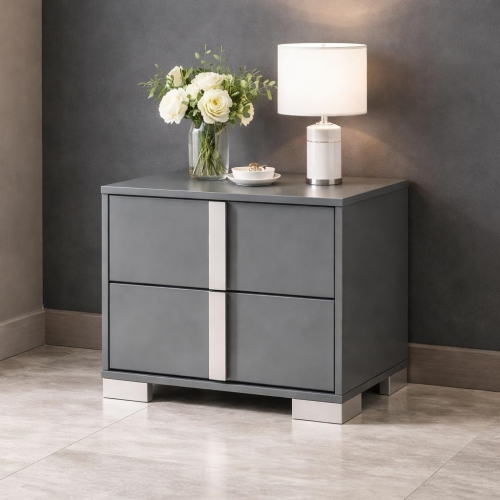

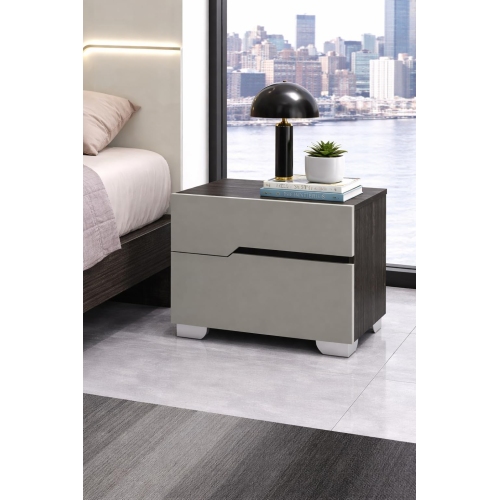
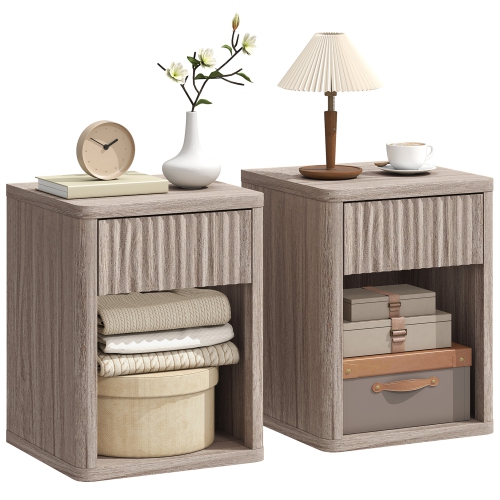
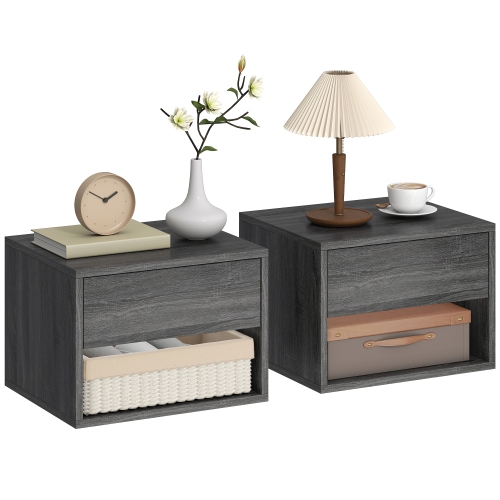
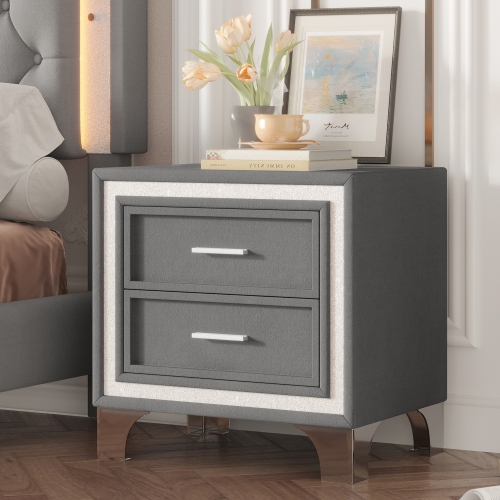
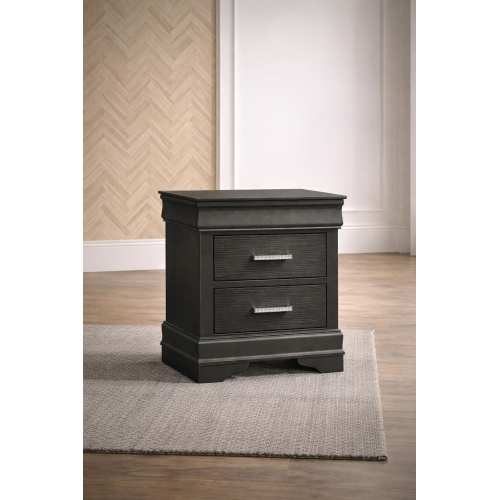

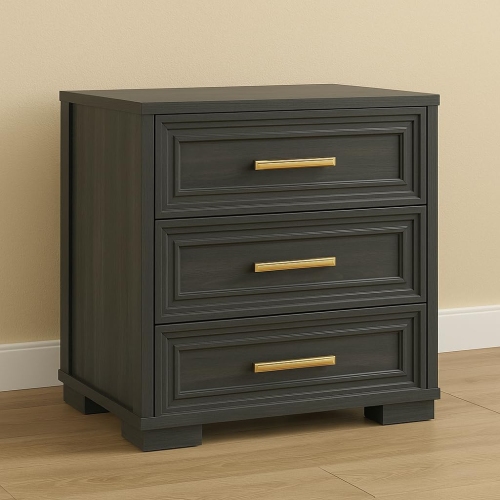
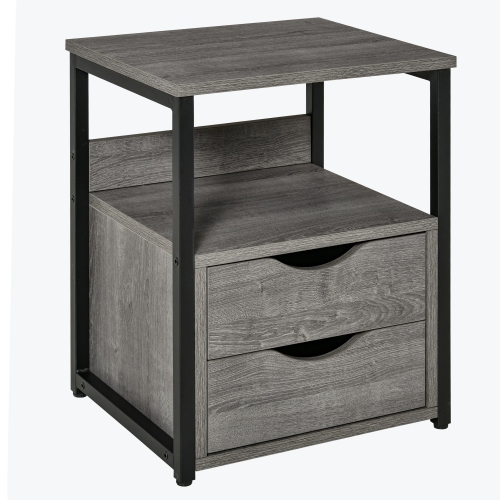


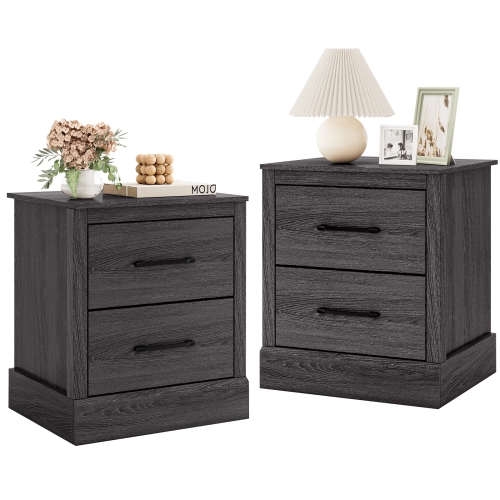
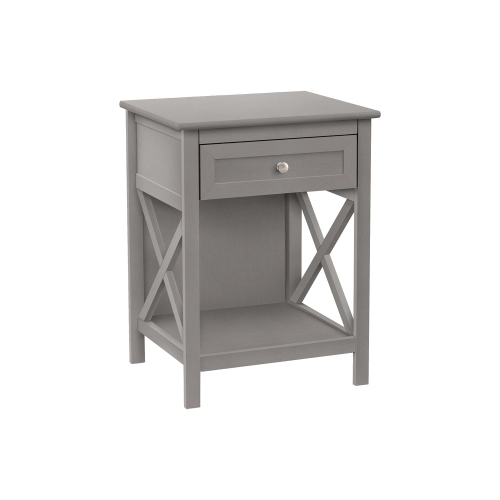

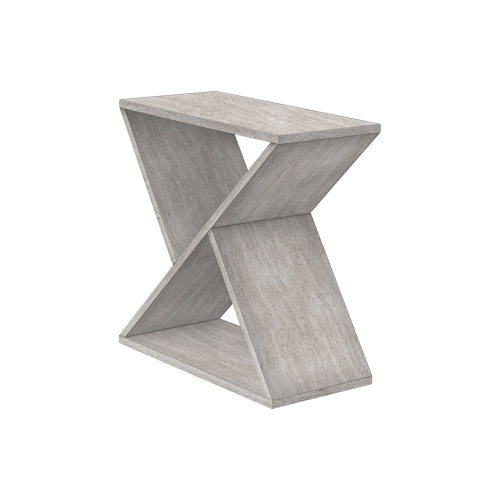
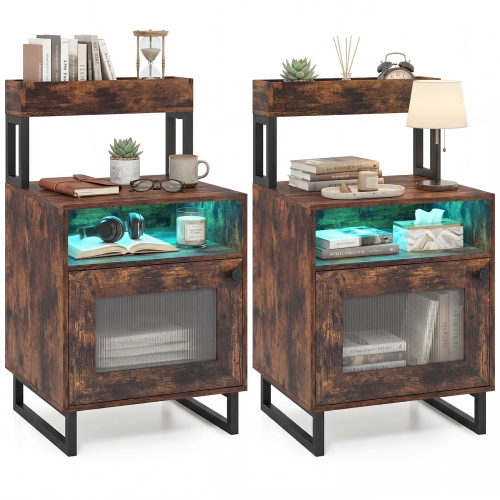
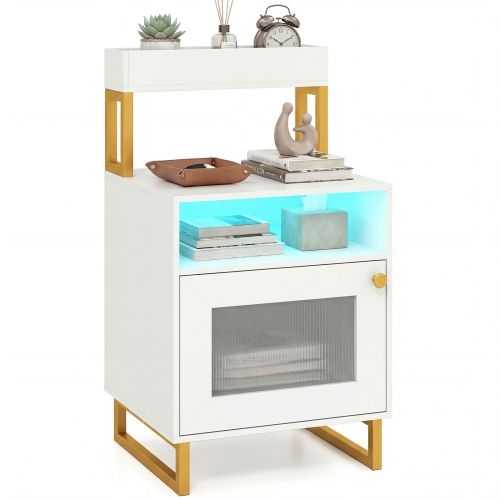
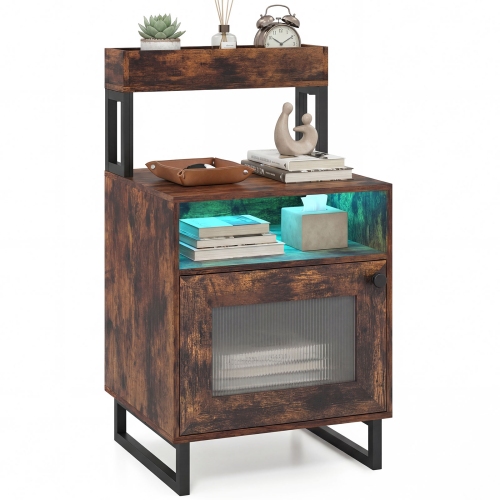
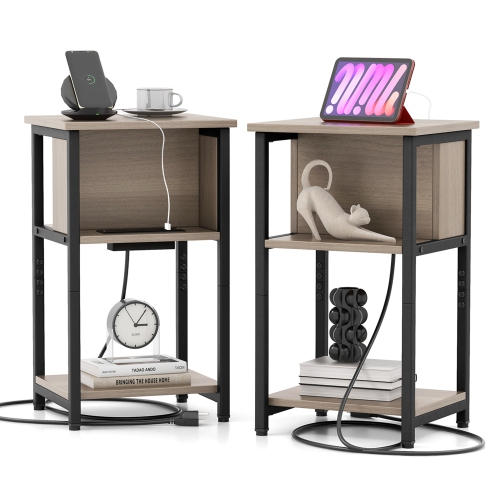

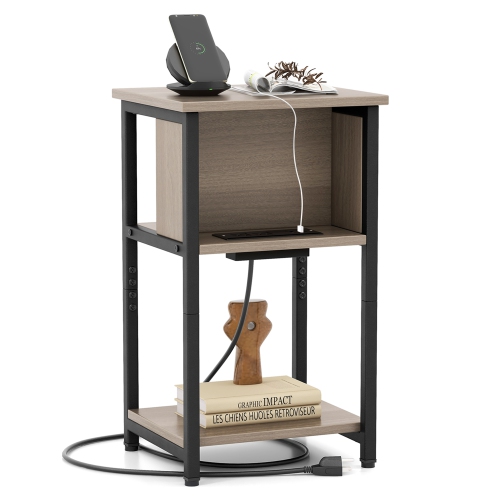



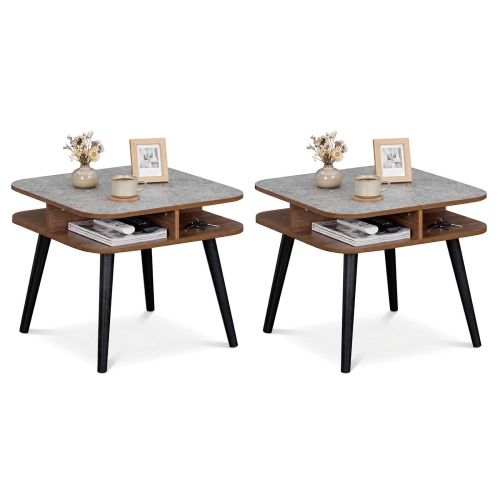
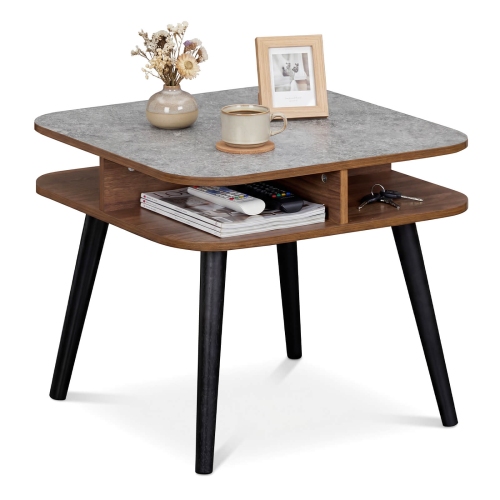
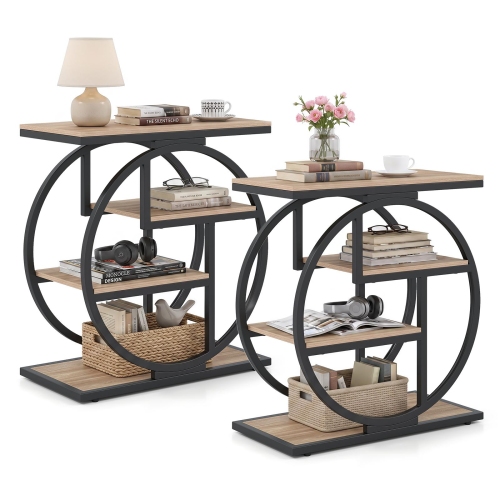
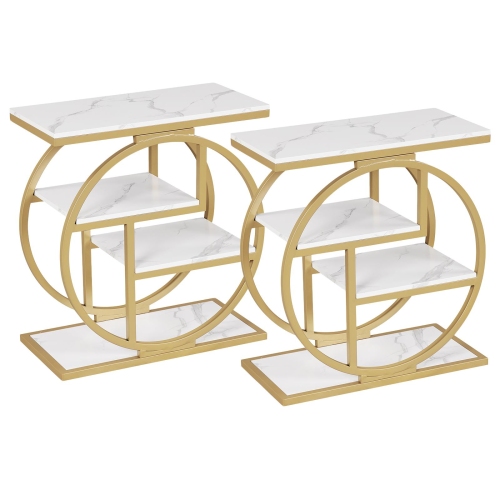

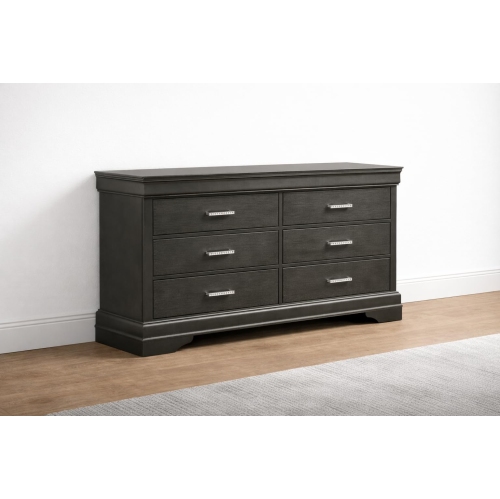
Why grey undertones matter as much as bedside storage
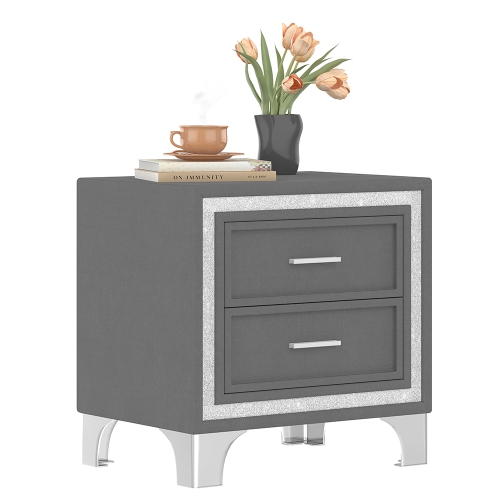
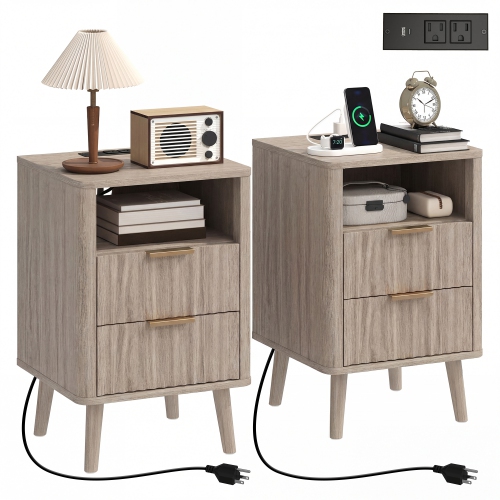
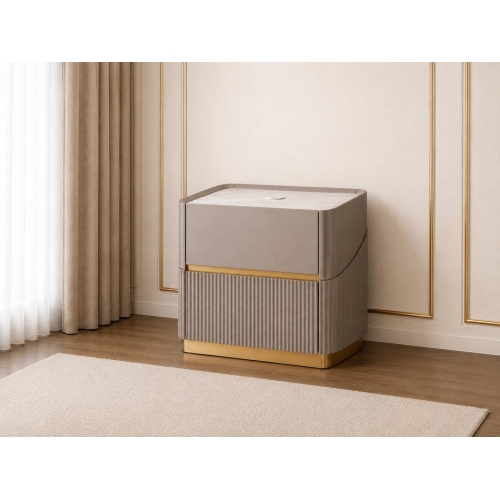
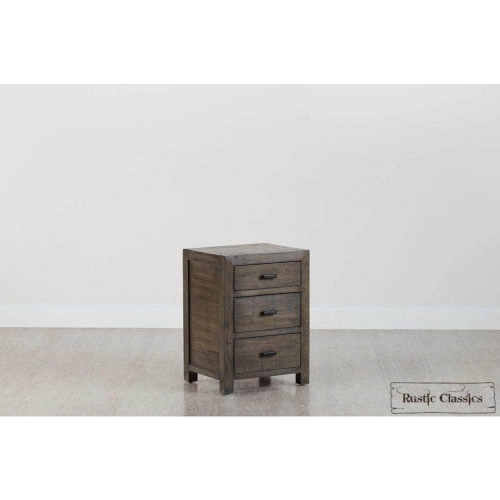
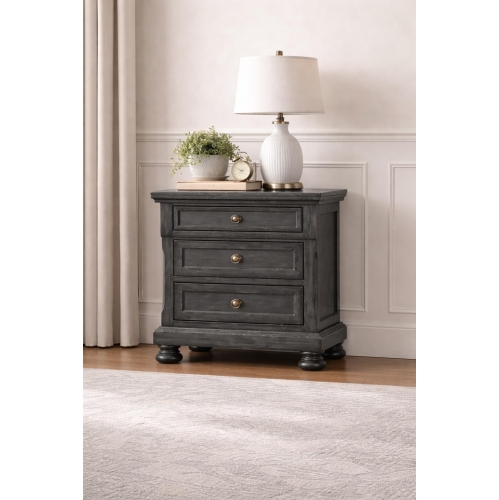
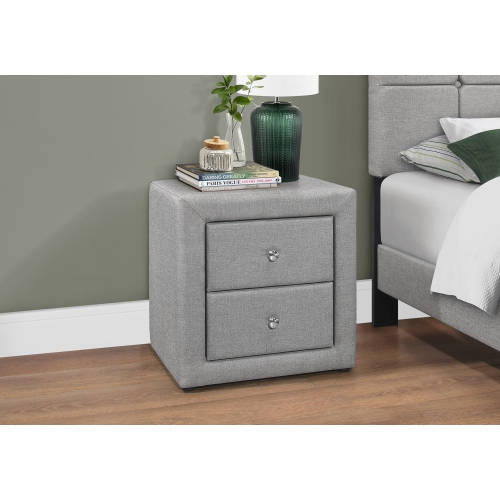
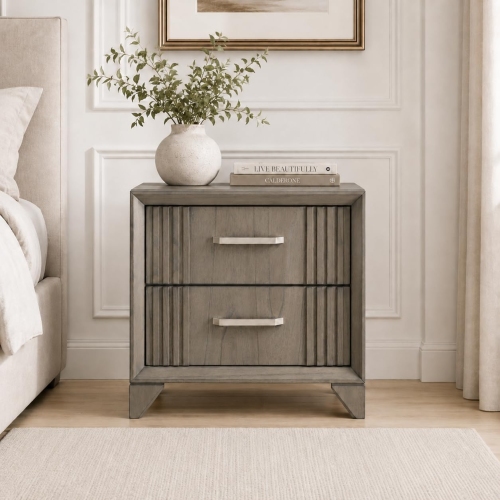
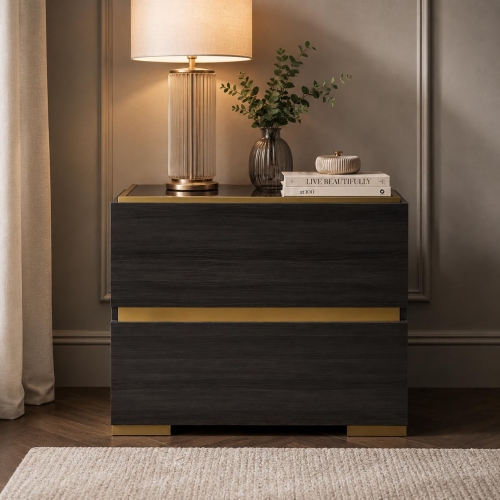
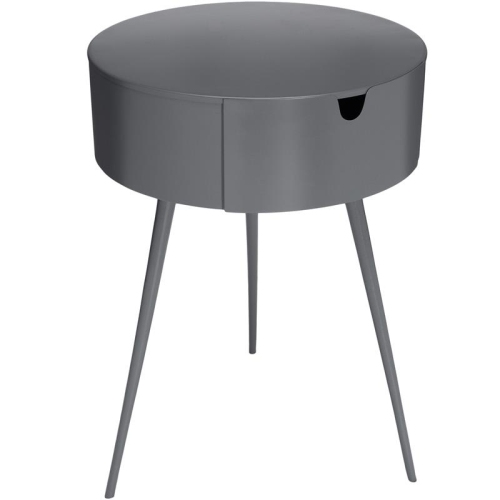
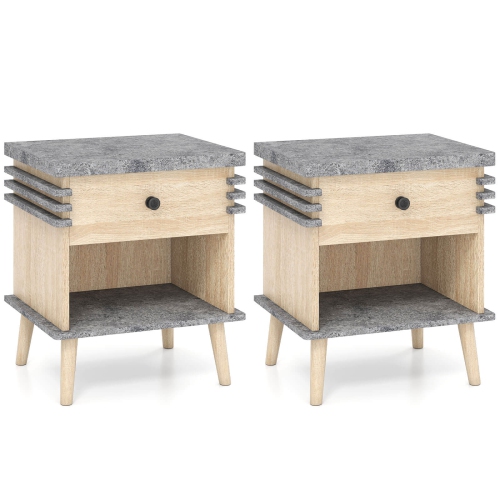
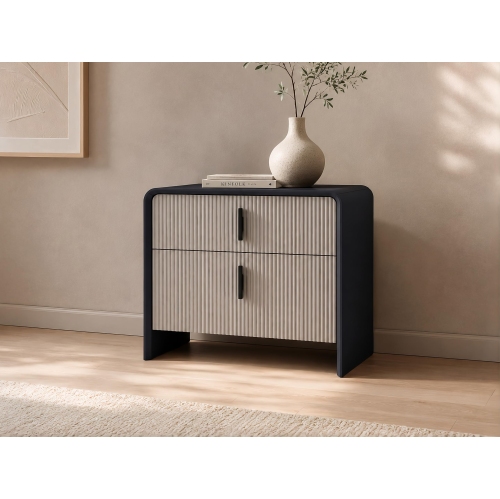
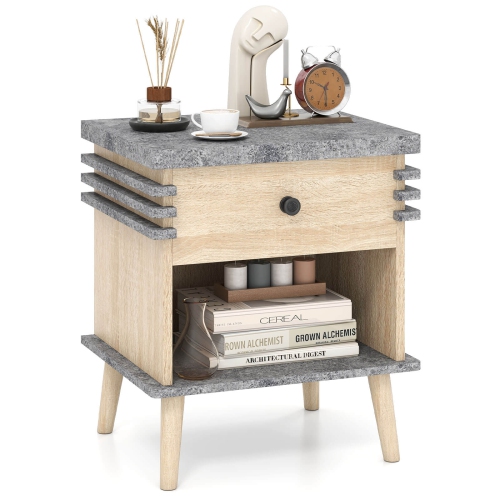
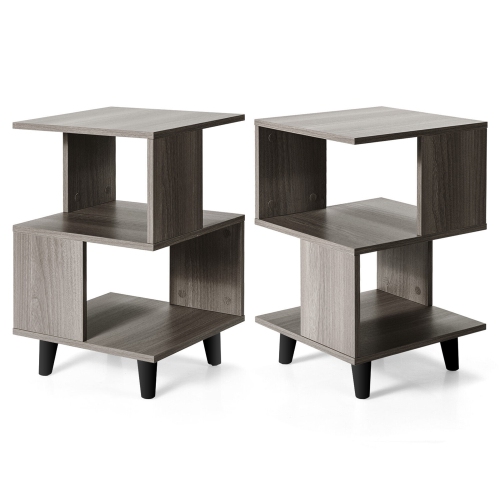
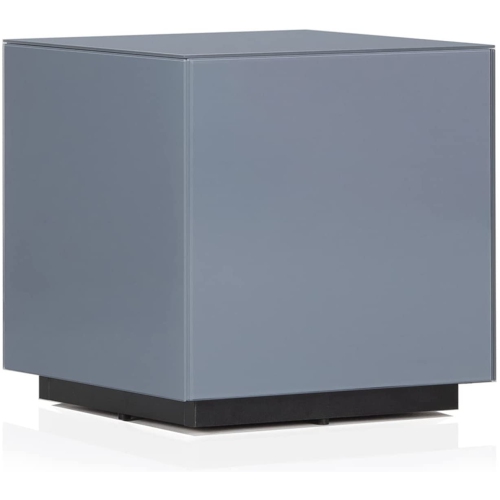
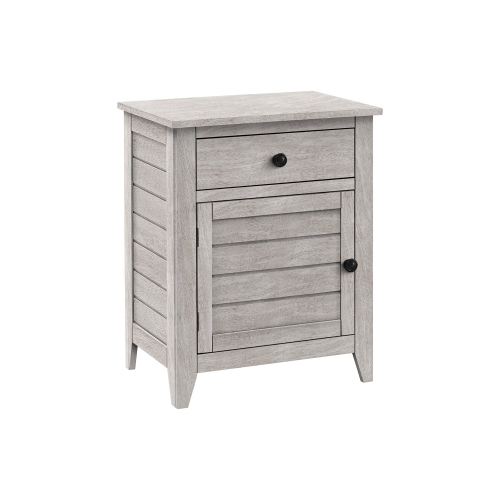
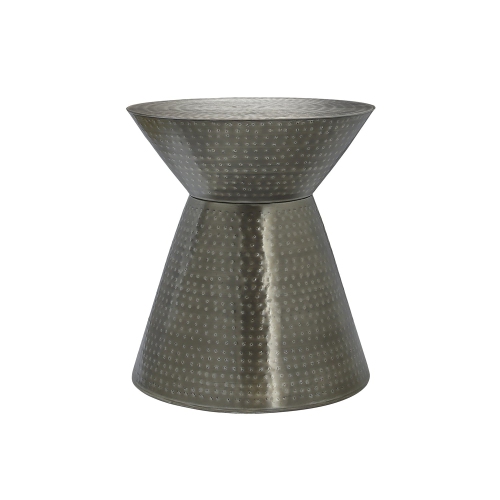
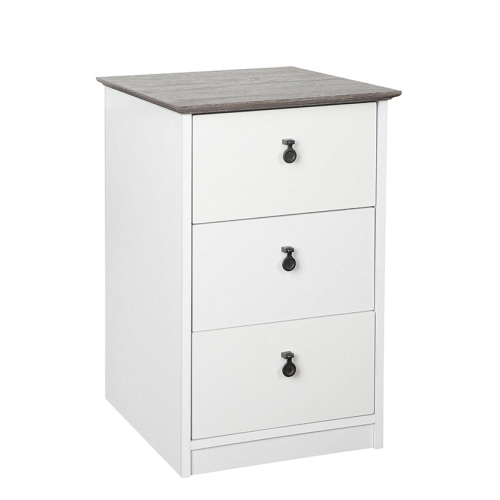
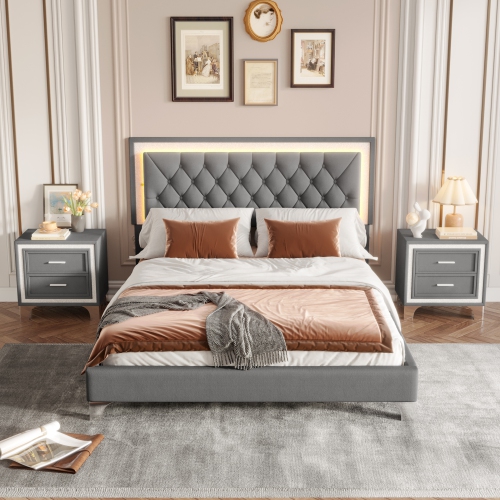
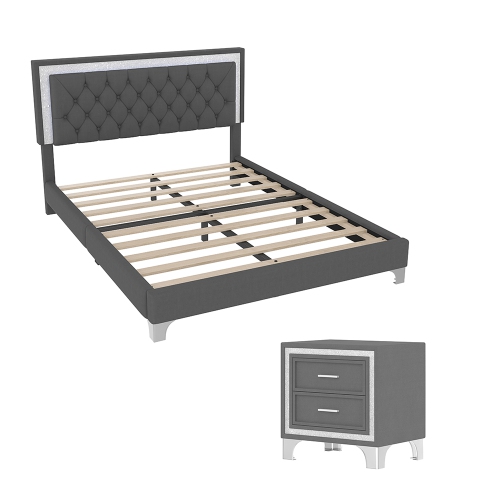
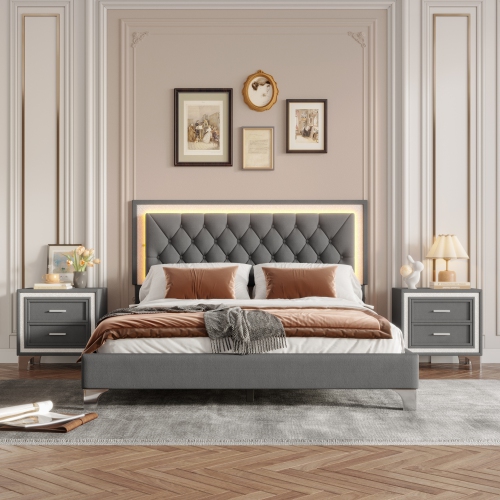
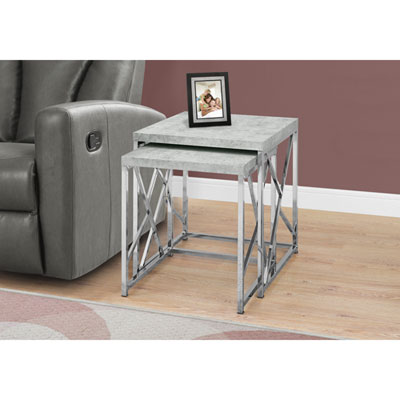
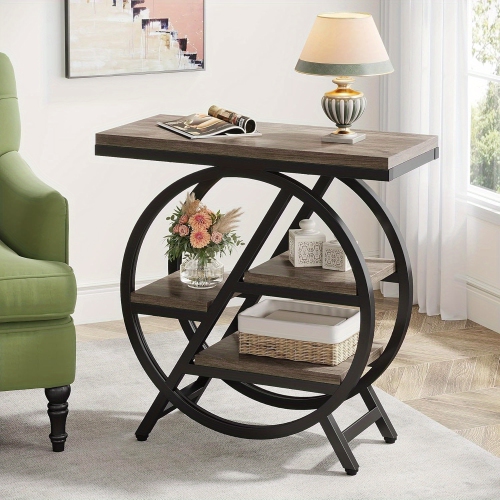
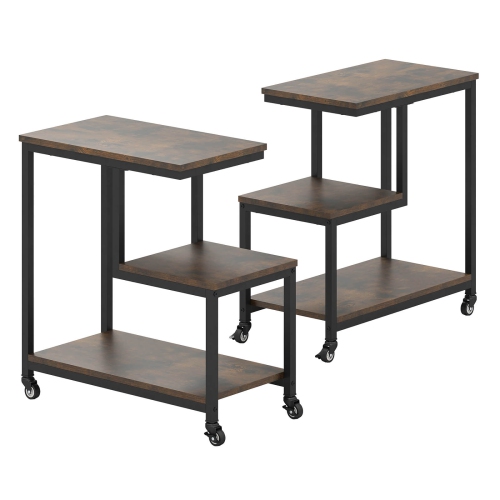
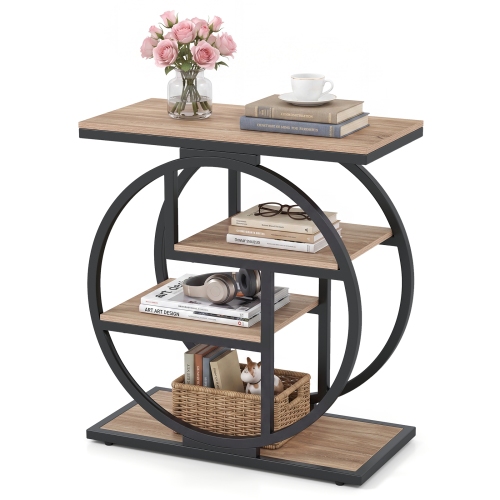
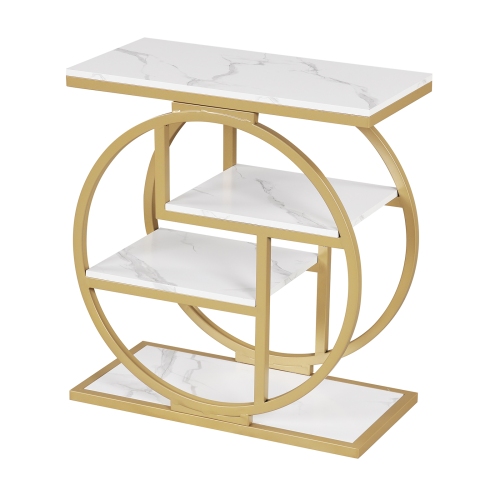
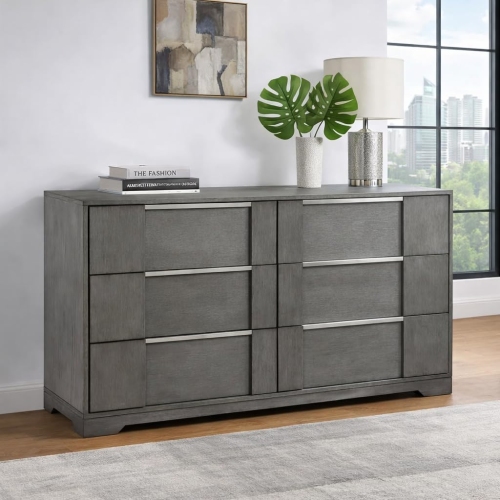
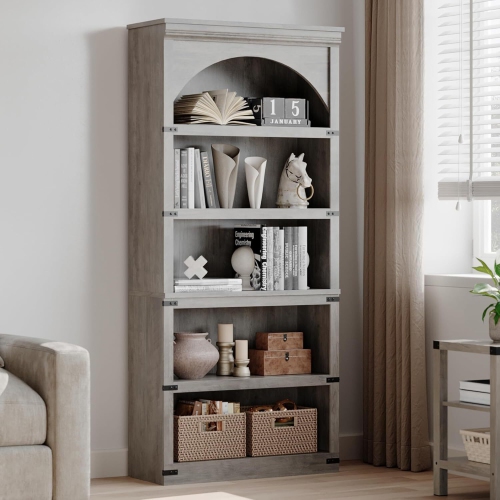
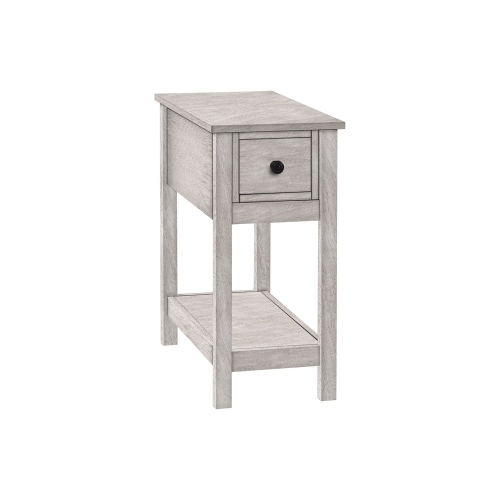
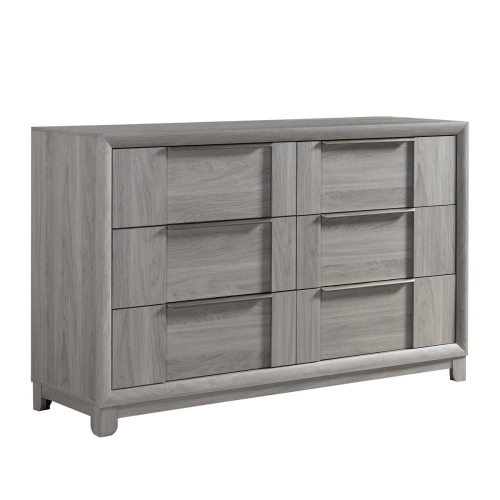
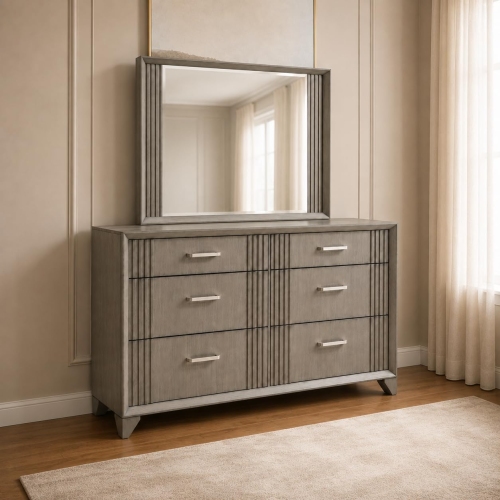
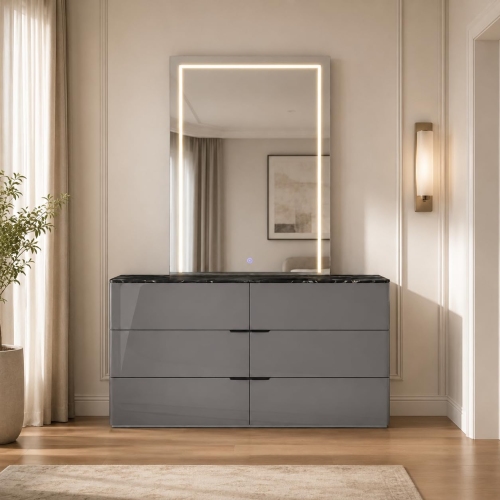
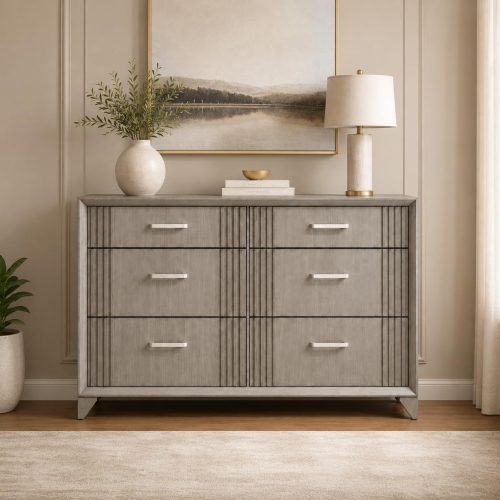
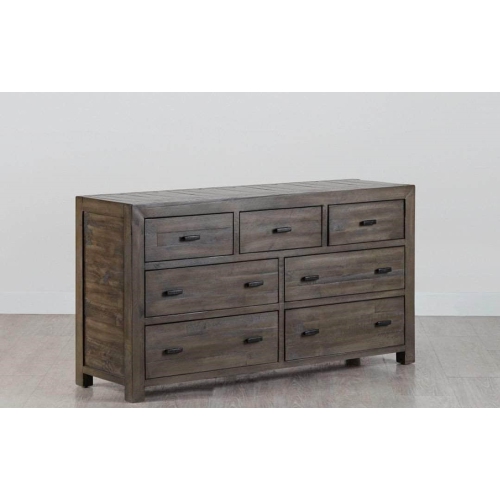
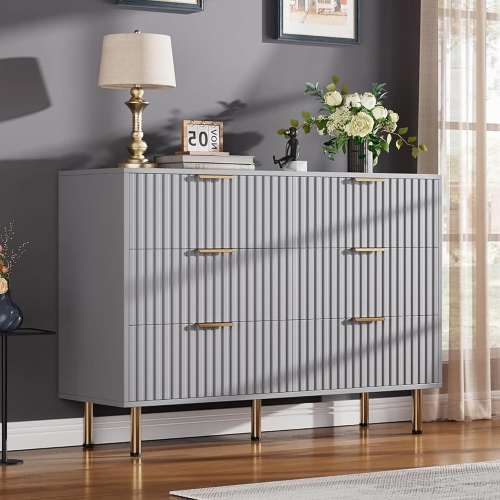
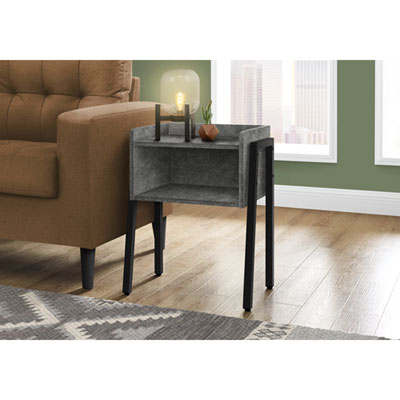
Grey bedroom nightstands bring useful bedside storage and a versatile neutral colour to bedrooms of many sizes and styles. They provide a place for a reading lamp, glasses, a book, and other everyday essentials while helping keep the area beside the bed organized. Grey can feel crisp and tailored, soft and understated, or warm and textured depending on its undertone and finish. A pale grey surface can sit comfortably beside white bedding and light wood, while charcoal creates a stronger contrast against cream walls or an upholstered headboard. Warm greys with brown undertones tend to complement oak and beige textiles; cooler greys can work well with black metal, blue accents, and clean white finishes. The Light Gray Nightstands collection offers a more focused colour direction for bedrooms where a softer bedside contrast is preferred. Shape and detailing matter as much as shade. Flat drawer fronts and slim legs suit a streamlined room, while framed fronts, visible wood grain, and substantial bases give a nightstand a more traditional or farmhouse character. Rounded corners soften the outline beside an upholstered bed, and metal handles can connect the piece visually with nearby lighting or dresser hardware. A matching pair creates balance on either side of a shared bed, although two different nightstands can still feel coordinated when their heights, colours, or details have something in common. In a guest bedroom, a simple surface and an accessible drawer give visitors somewhere to settle their phone, jewellery, and reading material. In a smaller bedroom, a narrow grey nightstand can provide that same sense of a dedicated bedside spot without overwhelming the room. These pieces also suit bedrooms that change over time: bedding, artwork, and rugs can introduce stronger colours while the nightstands remain a steady part of the furniture arrangement.
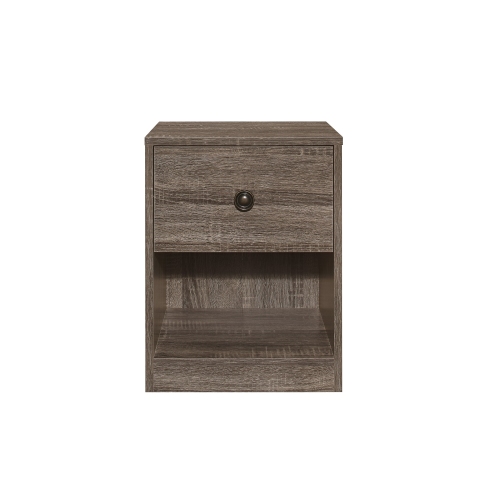
The right proportions make a bedroom nightstand easier to use, particularly when floor space is limited or the bed has a tall mattress. A top surface close to mattress height generally allows comfortable access to a lamp switch or glass of water without an awkward upward reach or deep bend. The finished mattress height matters more than the height of the bed frame alone, especially with a pillow-top mattress or a low platform bed. Width and depth need to work with the surrounding furniture as well. A nightstand may fit neatly beside the headboard yet project too far into a walkway, or its drawer may open into the edge of a bed frame. Clearance for drawers, cupboard doors, bedroom doors, and nearby wardrobe access helps determine whether a compact or wider design makes sense. Surface space is another practical distinction. A large lamp base can occupy much of a small tabletop, leaving little room for a phone or book, whereas a wall-mounted reading light leaves more of the top free. Storage layouts serve different bedside habits. A single drawer can conceal charging cables and personal essentials, while an open shelf keeps a frequently read book or small basket within reach. Multiple drawers offer more separation for small belongings, and a cupboard can accommodate taller objects that would not fit easily in a shallow drawer. Someone who prefers an uncluttered bedroom may favour closed storage, while someone who reads every night may appreciate an open cubby. Where a design includes built-in charging, the connection type, outlet placement, and cable route should suit the devices being used. A nearby wall outlet still needs to remain accessible, and cords should not be pinched behind furniture or stretched across a walking path. For a shared bedroom, matching nightstands do not require identical routines: one side might hold a reading lamp and paperback, while the other keeps a phone and glasses tucked into a drawer.
Materials and construction influence how grey nightstands look, feel, and stand up to daily use. Solid wood brings natural grain variation and a substantial feel, while wood veneer gives a real-wood surface over a supporting core. Engineered wood, including particleboard and medium-density fibreboard, can provide a smooth base for painted, laminated, or wrapped finishes. The finish deserves attention alongside the core material: a textured wood-look surface has a different character from smooth matte paint or a glossy coating, and each may show fingerprints, dust, and small marks differently. Metal frames can give a nightstand a lighter visual profile, while enclosed bases create a more grounded appearance. For everyday durability, useful details include secure handle attachments, well-supported drawer bottoms, stable legs, and drawer runners that move smoothly. The top surface needs to suit its intended load, whether that is a small lamp or a larger bedside arrangement; weight limits and assembly requirements vary by design. Care is usually straightforward when it follows the finish manufacturer's directions. A soft cloth removes dust, spills are best wiped up promptly, and coasters help protect the surface from moisture rings. Excess water, abrasive pads, and harsh cleaners can damage some finishes, particularly around exposed edges and seams. Drawer hardware and furniture fasteners may also need occasional checking after repeated use or a move. In a child's or teenager's bedroom, accessible storage, manageable drawer pulls, and stability are especially important, with any supplied restraints installed according to the manufacturer's instructions. For someone furnishing a first apartment or refreshing a guest room, a grey nightstand can be a practical housewarming gift when the room dimensions and preferred style are known. Whether used as a matching bedside pair or a single compact companion to the bed, a well-proportioned nightstand brings everyday essentials closer without making the room feel crowded.
Top selling and popular products
-
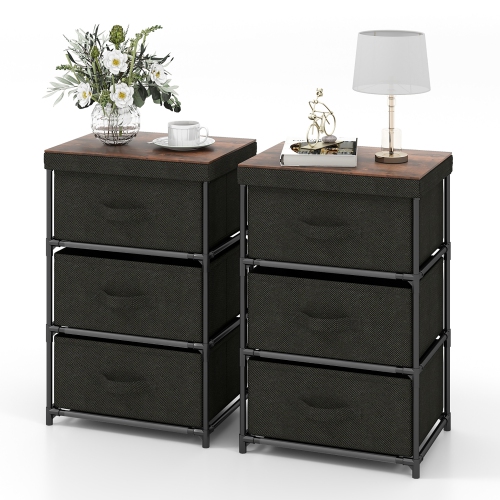 Your price for this item is $99.99
-
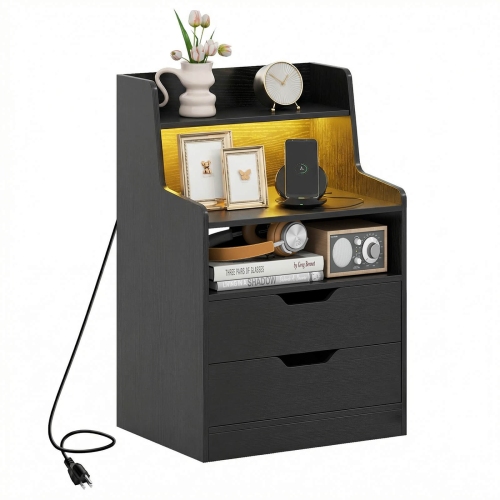 Your price for this item is $107.99
-
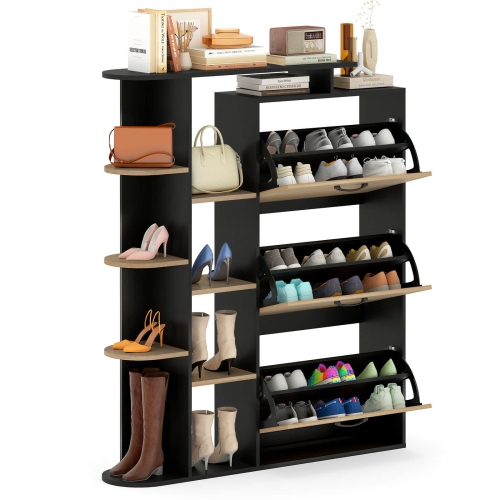 Your price for this item is $188.99
-
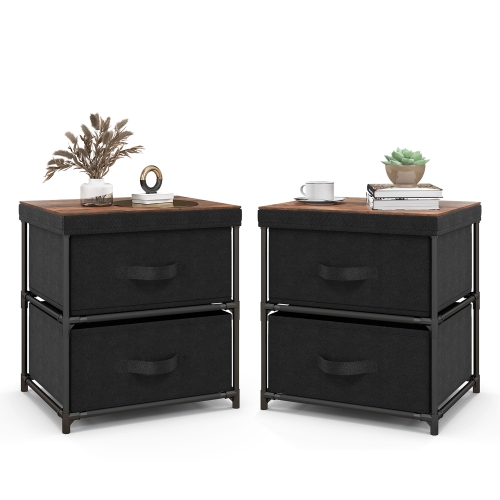 Your price for this item is $79.99
-
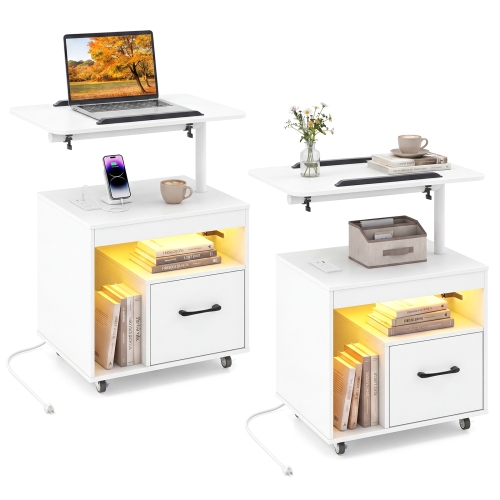 Your price for this item is $218.49
-
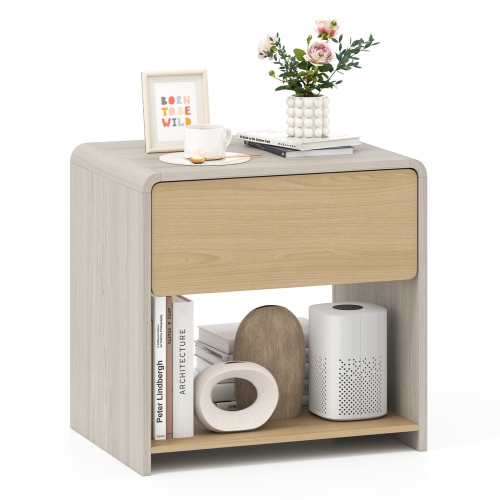 Your price for this item is $119.99
-
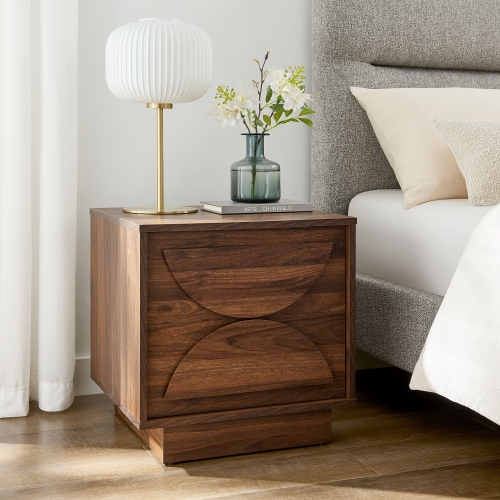 Your price for this item is $260.94
-
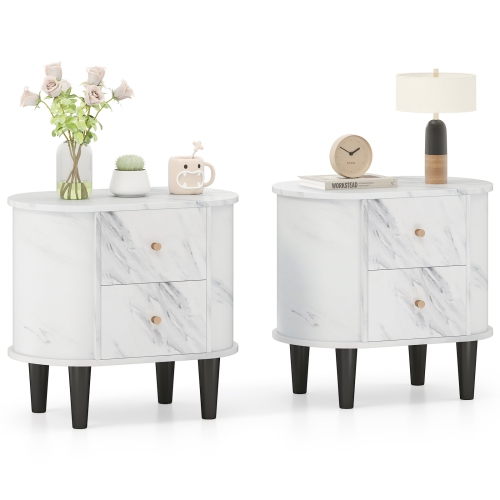 Your price for this item is $169.99
Discover more categories related to Gray Bedroom Nightstands
Top Collections:
Best Black Friday Deals This Year, Best Black Friday Deals On Electronics, Kindle Devices, Dyson Airwrap, Best Cameras for Sports Photography, Best Budget Office Chairs, Canon G7X Cameras, PS5 Pro Consoles, Best Black Friday Deals On Apple Products, XBOX One S Consoles
Some products may be subject to Environmental Handling Fees
(EHF) depending on your province.
Learn more about EHFs.