Gray Wooden Nightstands
Add a touch of sophistication and functionality to your bedroom with our selection of gray wooden nightstands. Crafted with quality materials, our gray wooden nightstands are not only durable but also versatile, allowing you to easily match them with your existing furniture. Here are some great options for you.
Sort
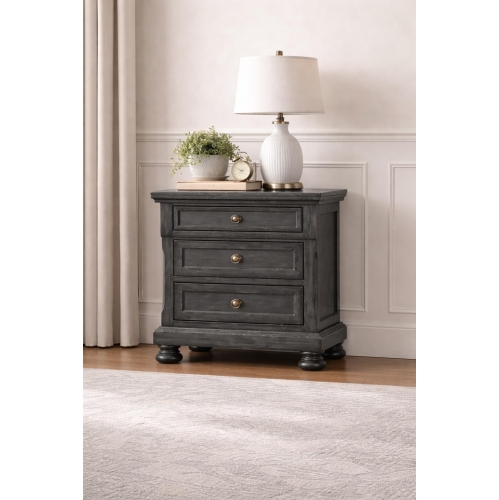
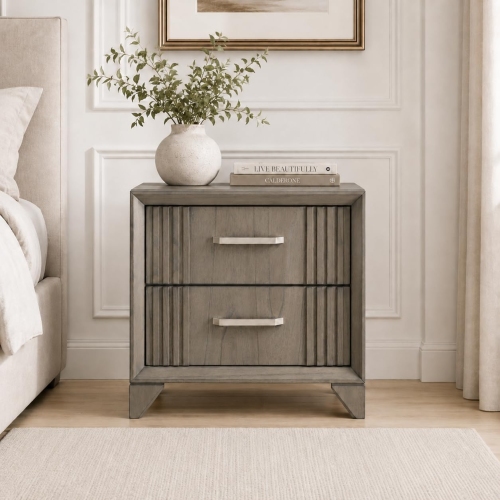
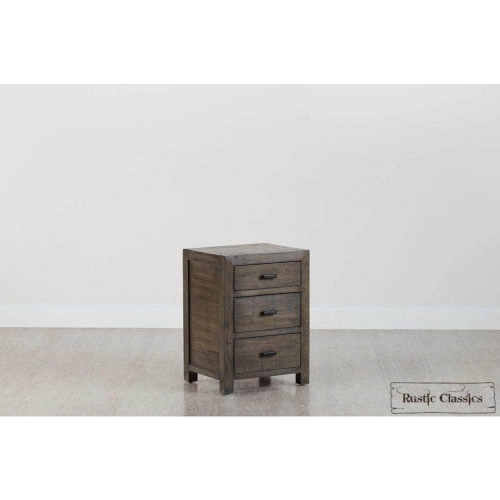
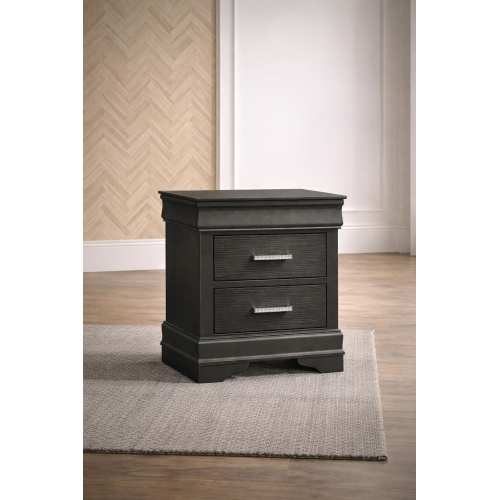
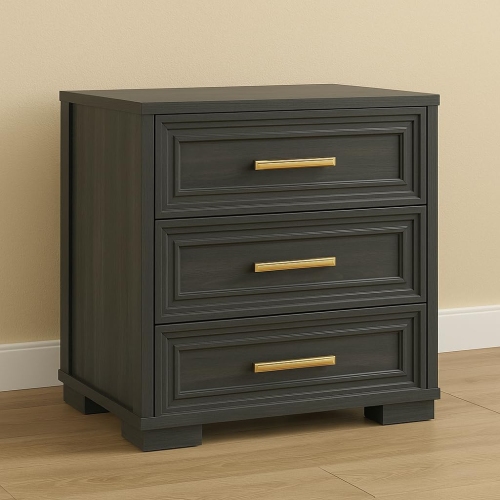
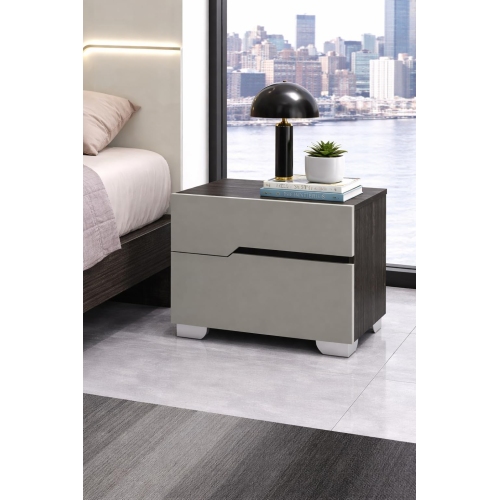
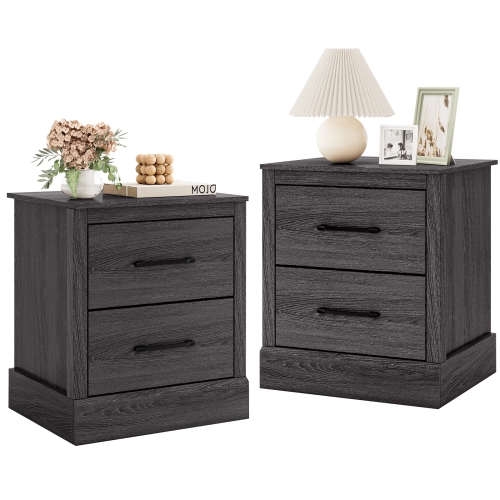
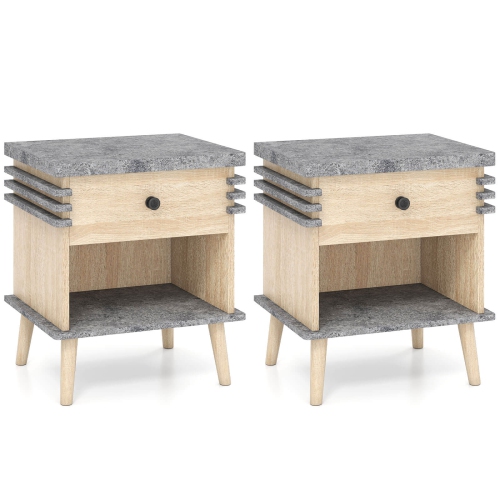
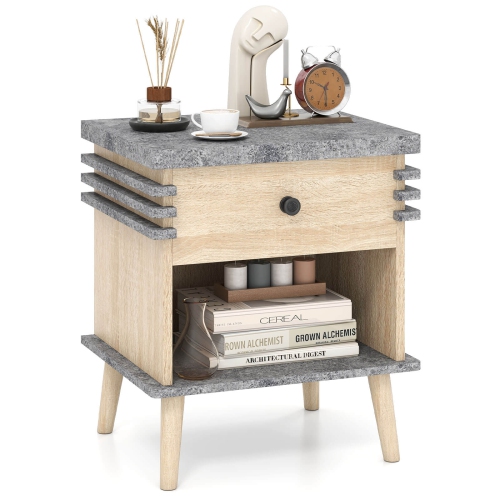
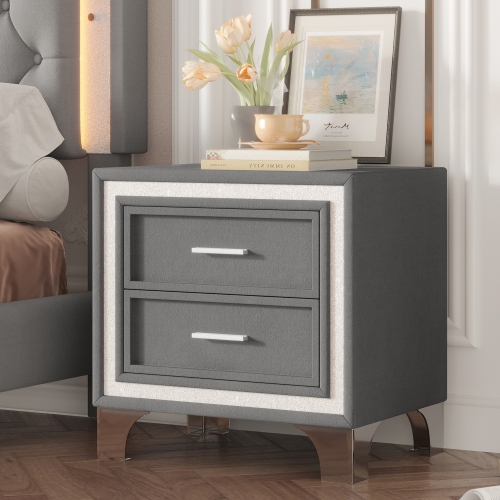
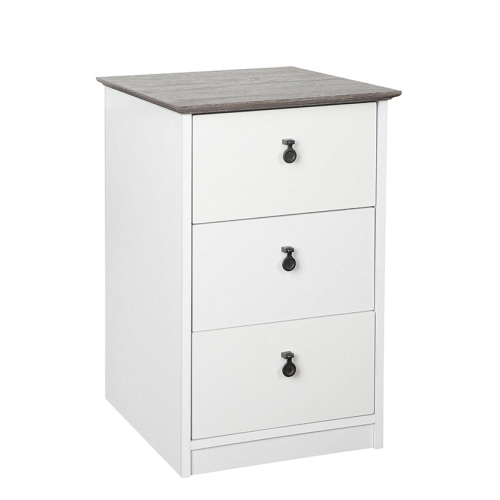
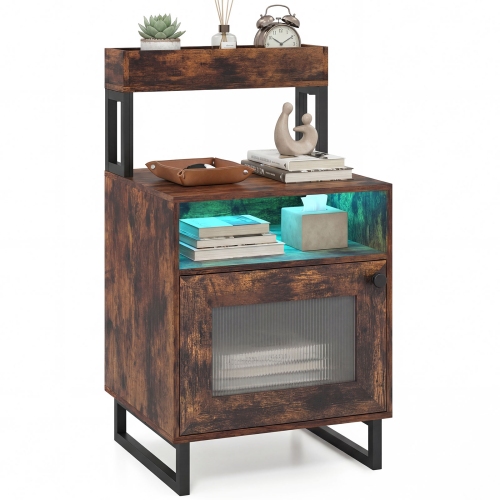

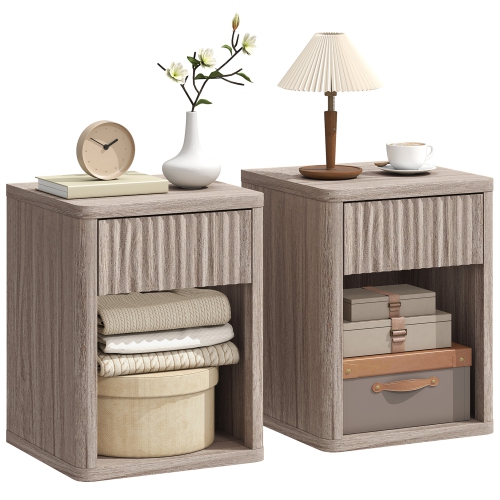
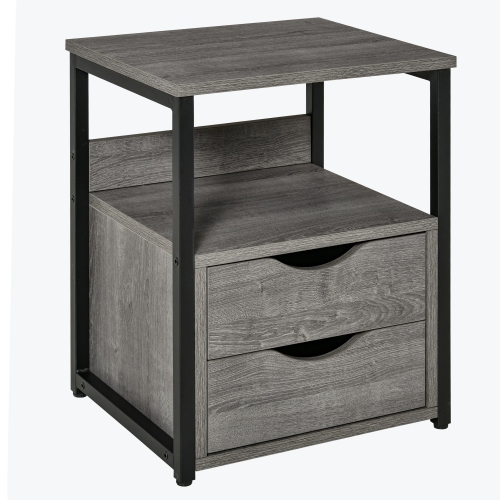
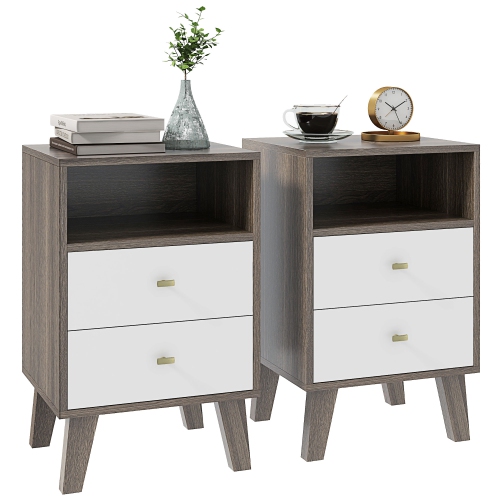
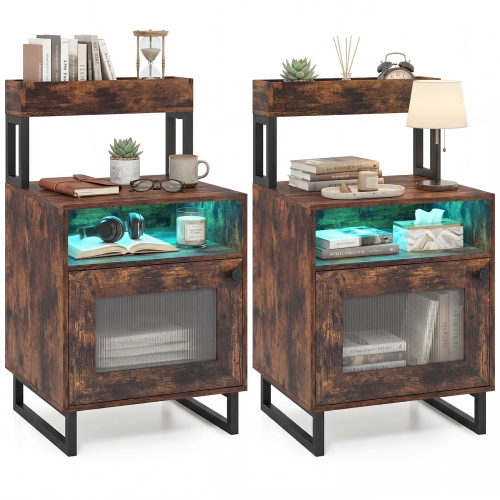
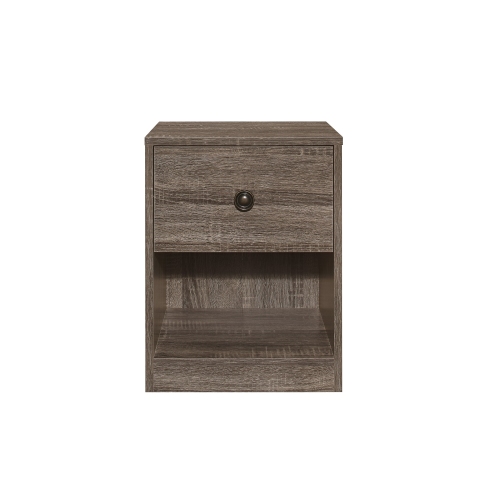
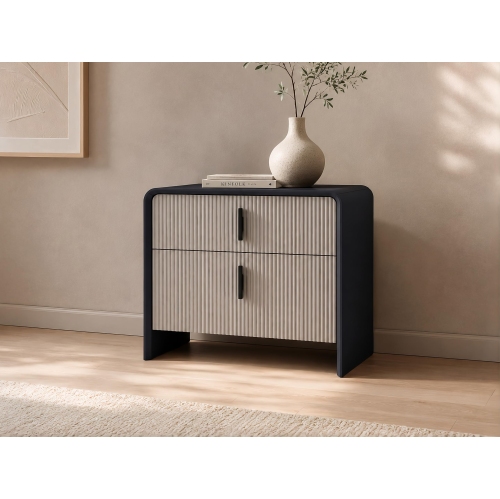
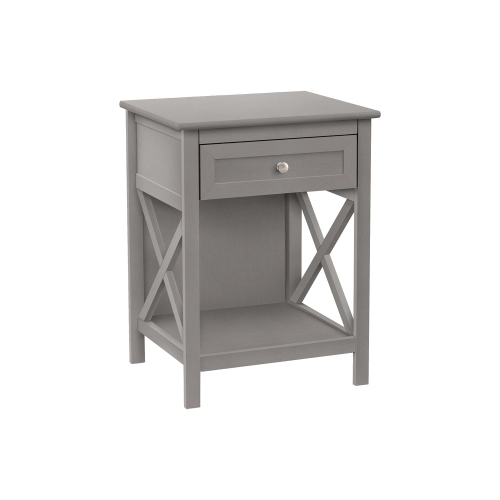
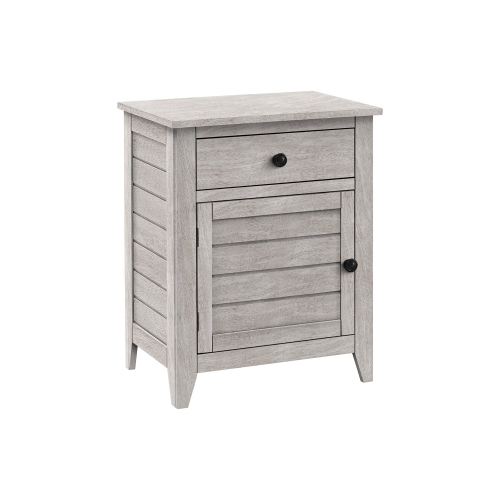


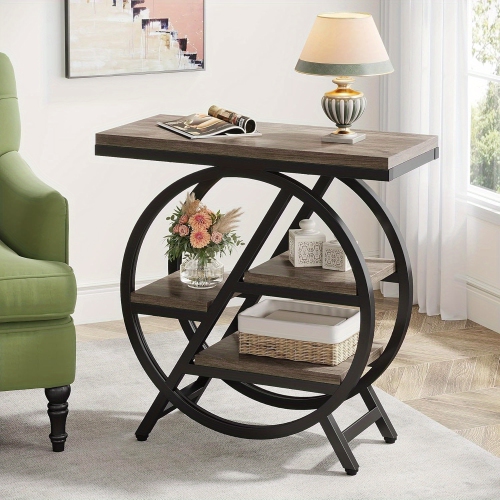
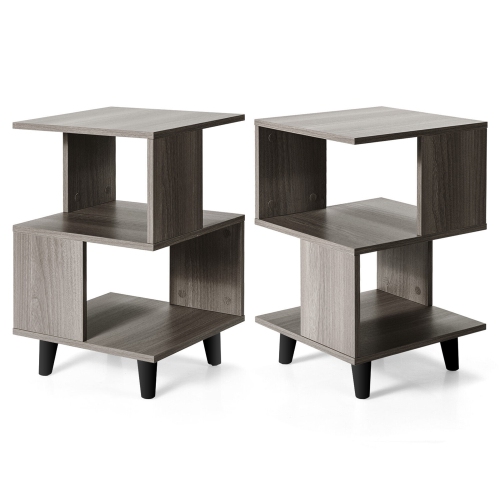
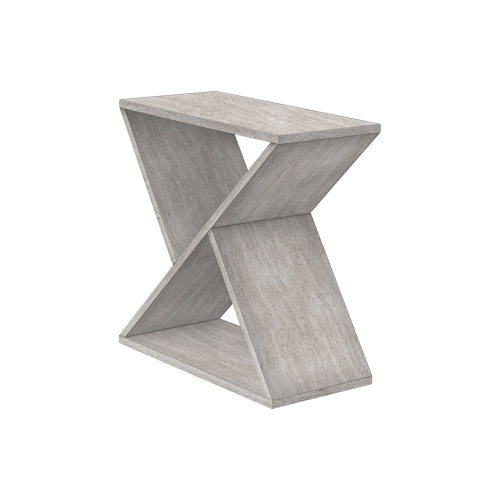
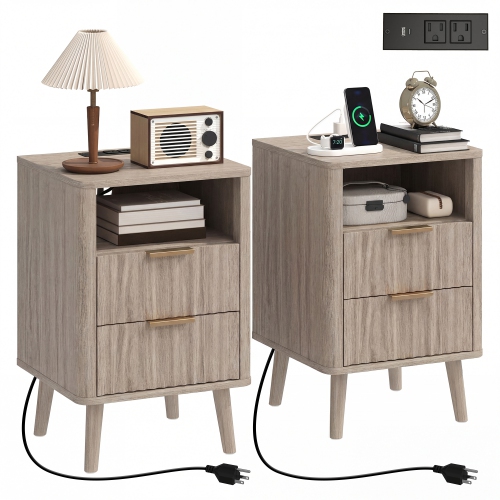
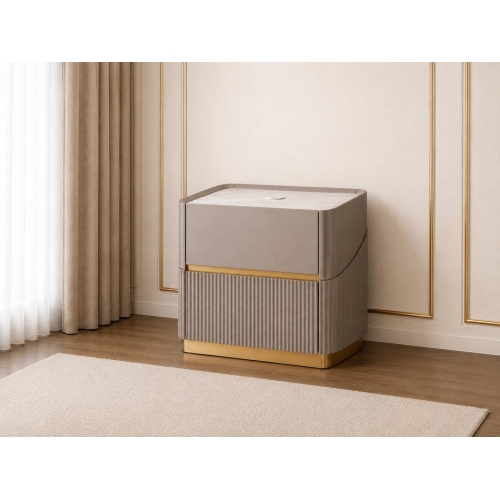
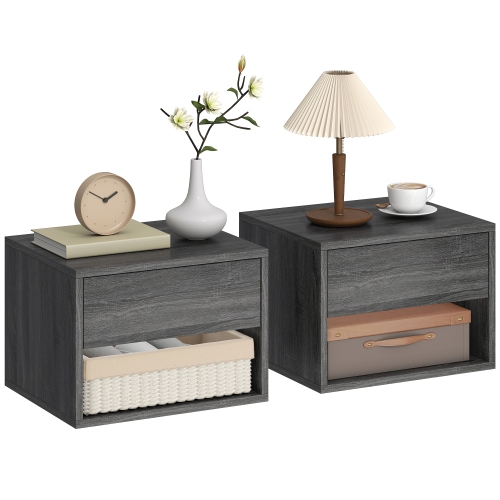
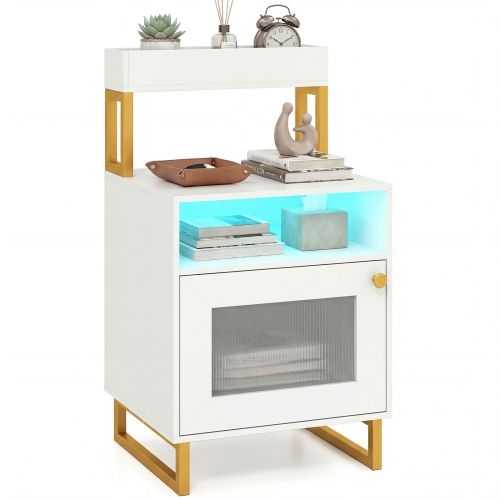


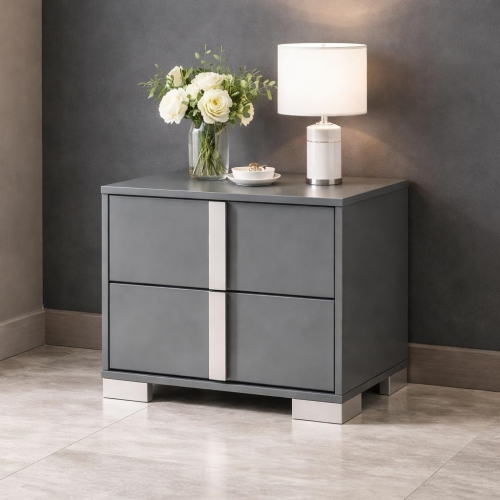
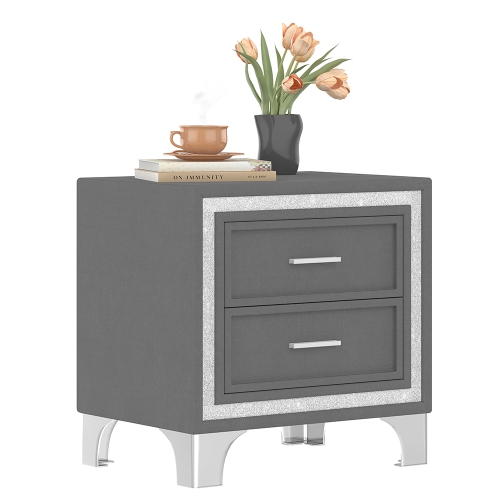
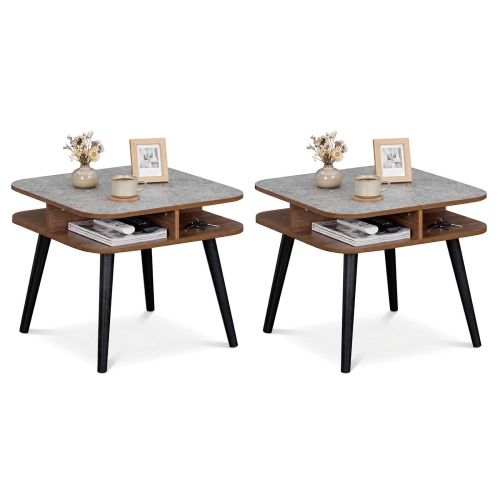
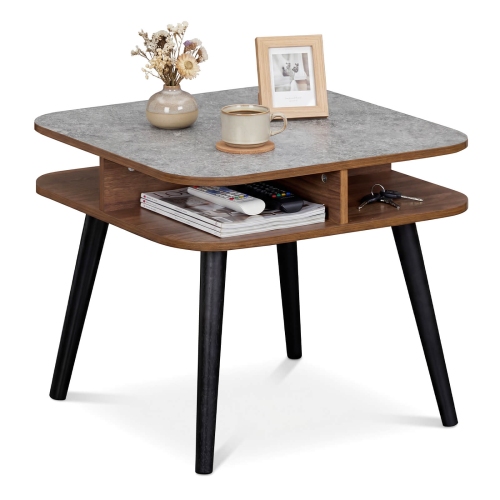
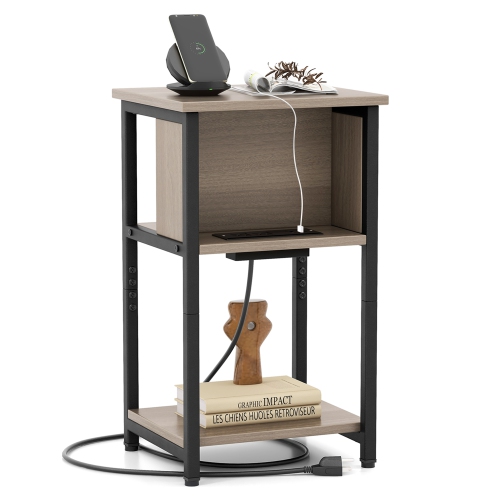
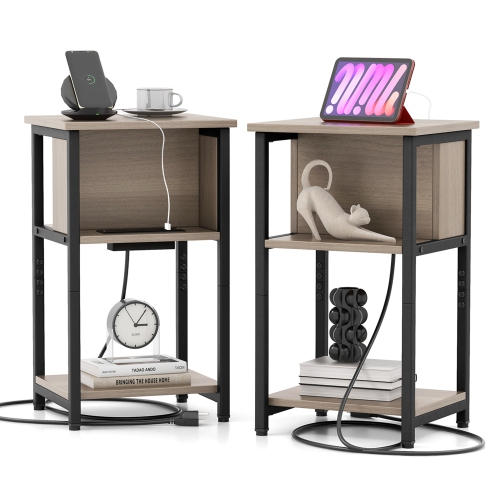
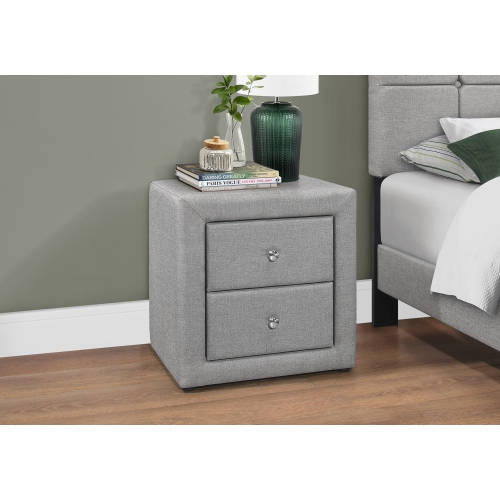
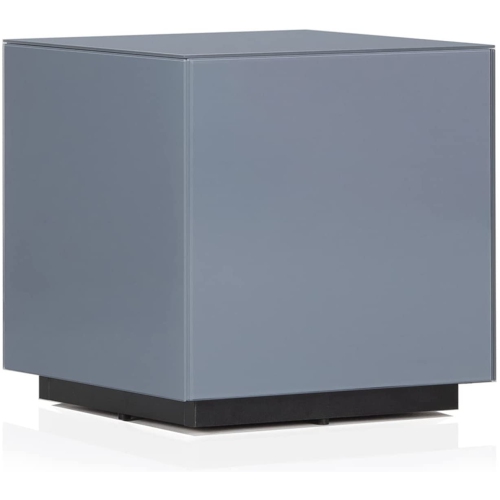
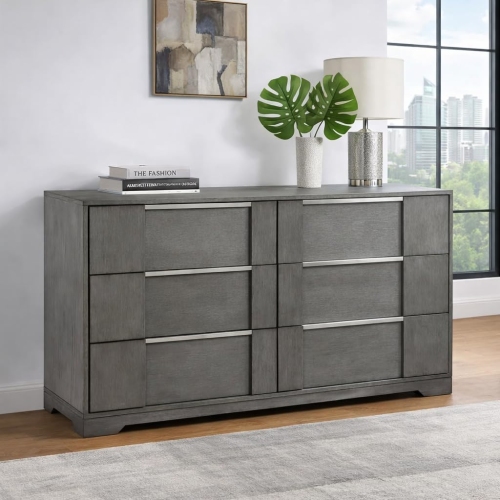


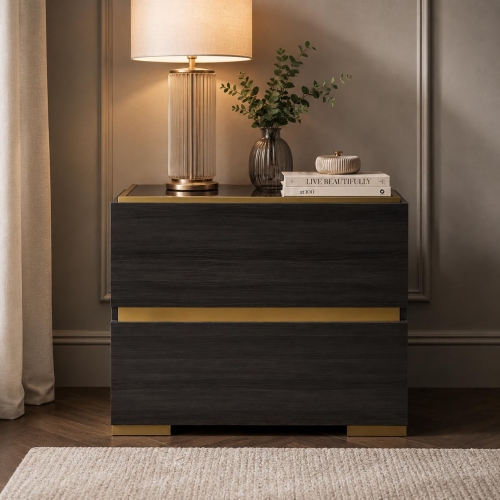
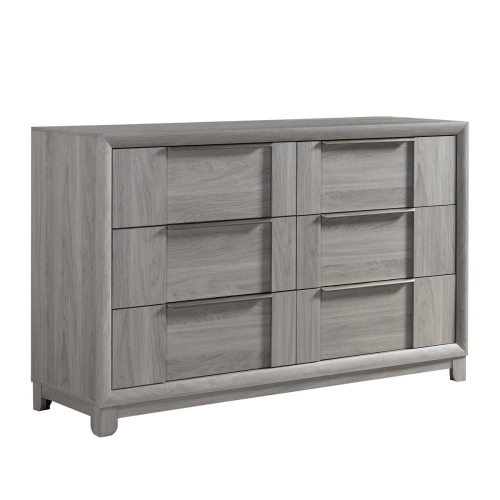
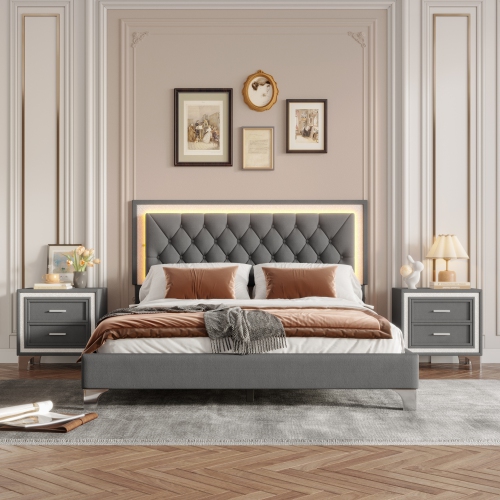

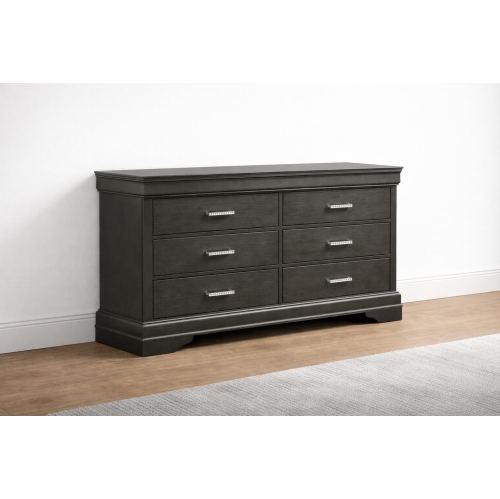

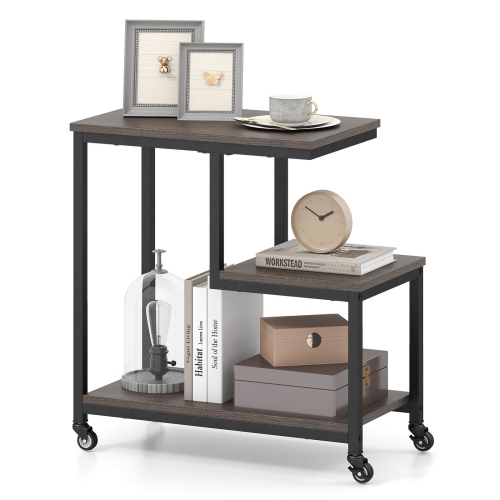
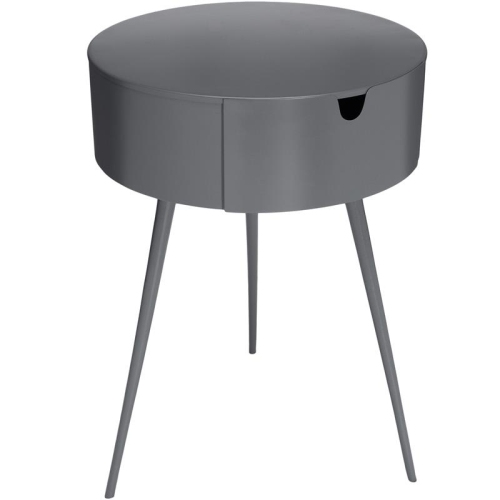
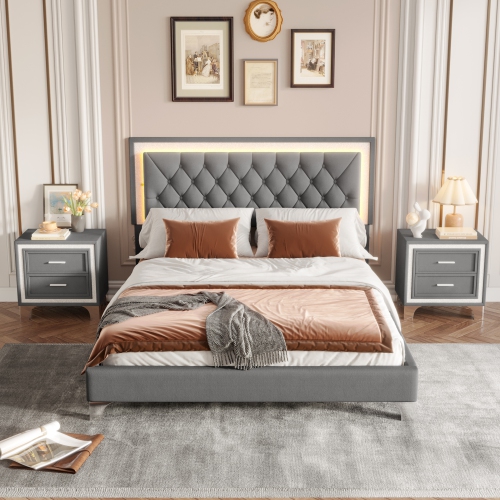
Warm wood grain meets practical bedside storage
Grey wooden nightstands are bedside tables that combine wood or wood-based construction with a grey finish, giving bedrooms a practical surface for everyday essentials and storage within easy reach of the bed. Their appeal lies in the balance between the warmth of wood grain and a neutral colour that works with many bedding, wall, and flooring choices. A grey finish can look crisp beside white linens, understated against charcoal upholstery, or gently contrasting alongside natural oak and warm beige fabrics. The shade matters as much as the shape: a cool grey may have blue undertones, while a warmer grey can lean towards taupe. Visible grain, brushed textures, and distressed edges give the surface a more relaxed character, whereas a smooth painted finish creates a cleaner, more uniform appearance. Simple rectangular profiles suit contemporary bedrooms, tapered legs add a mid-century influence, and framed drawer fronts or planked details bring a traditional or farmhouse feel. For a paler variation on the look, Light Gray Nightstands create a gentler contrast with white bedding and pale walls. Matching bedside tables can give a shared bedroom a balanced appearance, but identical pieces are not essential to a cohesive room. Similar heights, related finishes, or matching handles can connect two different silhouettes while allowing each sleeper a storage arrangement that suits their routine. Grey also works well when the bed is already the focal point, whether it has a padded headboard, a dark wooden frame, or patterned bedding. In a guest bedroom, a straightforward nightstand provides a familiar place for a phone, glasses, and a reading light without adding visual clutter. In a compact apartment, the same bedside furniture can provide useful enclosed storage where there is little room for an additional cabinet or dresser.
The construction beneath a grey finish helps determine how a wooden nightstand feels, wears, and responds to daily use. Solid wood often shows natural variations in grain and may expand or contract as indoor humidity changes. Wood veneer places a thin layer of real wood over a supporting core, preserving the appearance of grain while using a different structure underneath. Engineered wood, including medium-density fibreboard and particleboard, is also common in bedroom furniture and may have a painted, laminated, or veneered surface. These materials are not interchangeable, and the surface treatment, edge sealing, joinery, and overall construction all contribute to durability. A wood-look finish does not necessarily indicate a solid wood frame, making material descriptions useful when comparing designs. Drawer construction deserves similar attention. Smooth-running glides make frequent access easier, while drawer stops help limit accidental removal. Soft-close hardware, where included, can reduce the abrupt sound of a drawer shutting beside a sleeping partner. Handles should be comfortable to grasp, and recessed pulls can help keep narrow bedside spaces free of projecting hardware. Storage layouts range from open shelves to enclosed drawers and cabinets, each with a different everyday purpose. An open shelf keeps a book or basket visible and accessible; a drawer hides charging cables, hand cream, and other small belongings that can otherwise crowd the top. Deeper drawers can accommodate bulkier belongings, though a tall drawer front does not always mean equally generous interior space. Usable internal measurements give a clearer picture of what will fit. A combination of one drawer and an open lower shelf can suit someone who wants both concealed storage and a convenient spot for bedtime reading. More enclosed storage may be preferable where keeping surfaces visually quiet is a priority. The top also needs enough usable area for the intended routine: a broad lamp base, water glass, and phone can occupy more space than expected, especially on a narrow table.
Fit is about the relationship between the nightstand, the bed, and the space around them, rather than width alone. A tabletop near the height of the mattress generally makes reaching for a light or setting down a book more comfortable, although mattress thickness and the bed frame both affect that relationship. A low platform bed and a tall bed with a deep mattress can call for quite different bedside proportions. Width influences how much surface and storage the furniture provides, while depth affects the remaining walkway beside the bed. Clearance for drawers, cabinet doors, nearby closet doors, and curtains is just as important as the closed footprint. Baseboards can also prevent a cabinet from sitting completely flush against the wall. In a room with a tight corner, a shallower design may leave a more comfortable path without giving up the bedside surface altogether. Nightstands with built-in charging features can simplify a phone or tablet setup, but the connection type, power requirements, and position of the nearest wall outlet still matter. USB-A and USB-C ports are different, and charging performance depends on the stated specifications and the connected device. Cables need a route that keeps them out of drawer mechanisms and walking paths. Day-to-day care is usually straightforward: a soft cloth removes dust, spills are best wiped up promptly, and a coaster helps protect the finish beneath a drinking glass. Gentle cleaning products suited to the surface are preferable to abrasive pads or harsh solvents, with the furniture’s care directions taking precedence. Excess water can damage vulnerable seams or unfinished edges, particularly on wood-based panels. Felt pads beneath lamps and decorative objects help reduce scuffs, while secure assembly and occasional hardware checks help maintain stability. Any supplied anti-tip restraint should be installed as directed, particularly in homes with children. With proportions, storage, and finish suited to the room, grey wooden nightstands serve as useful everyday furniture without competing with the rest of the bedroom.
Top selling and popular products
-
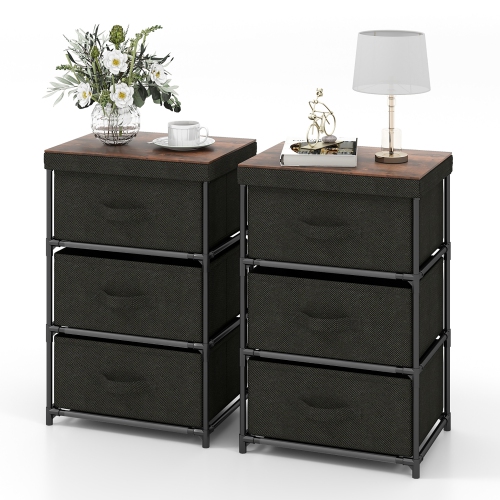 Your price for this item is $99.99
-
 Your price for this item is $107.99
-
 Your price for this item is $188.99
-
 Your price for this item is $79.99
-
 Your price for this item is $218.49
-
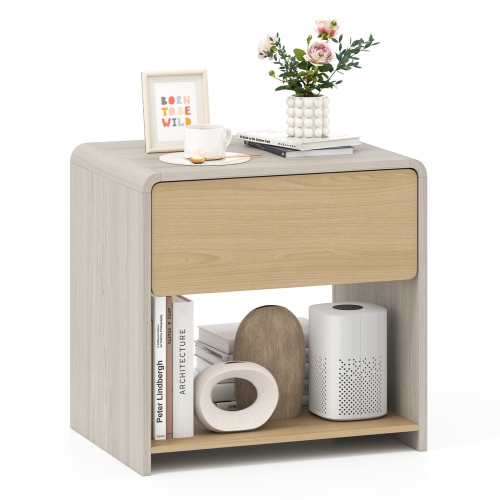 Your price for this item is $119.99
-
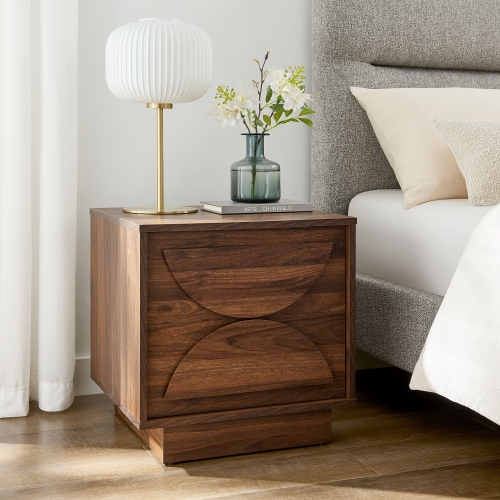 Your price for this item is $260.94
-
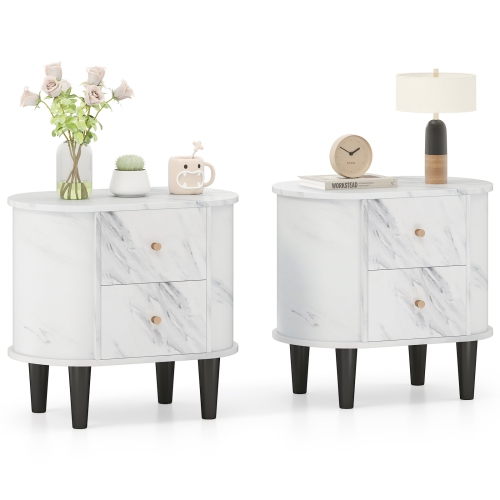 Your price for this item is $169.99
Discover more categories related to Gray Wooden Nightstands
Top Collections:
Best Black Friday Deals This Year, Best Black Friday Deals On Electronics, Kindle Devices, Dyson Airwrap, Best Cameras for Sports Photography, Best Budget Office Chairs, Canon G7X Cameras, PS5 Pro Consoles, Best Black Friday Deals On Apple Products, XBOX One S Consoles
Some products may be subject to Environmental Handling Fees
(EHF) depending on your province.
Learn more about EHFs.