Navy Bedroom Furniture
Navy is one of the very popular colors in the bedroom. It's classic, it's sophisticated, and it goes with everything. If you're looking to add some Navy to your bedroom, here are some great options for furniture and decor.
Sort


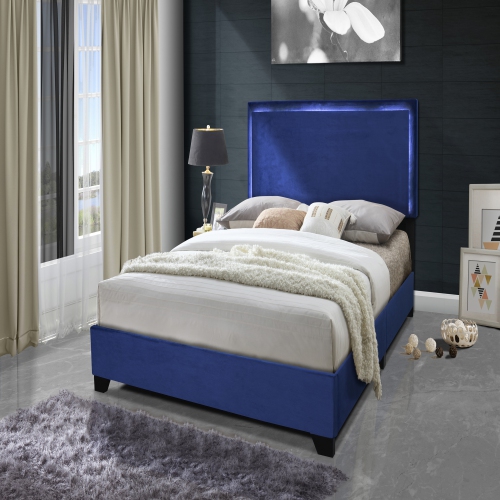


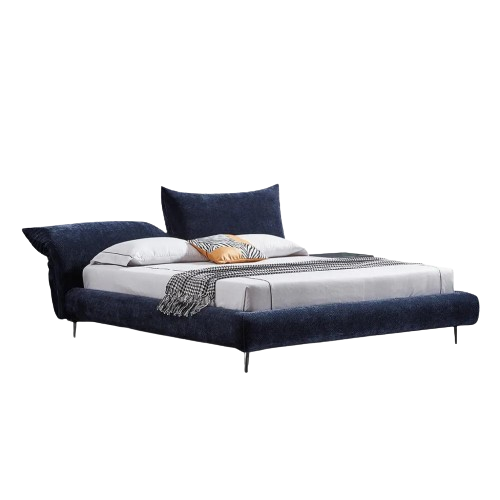


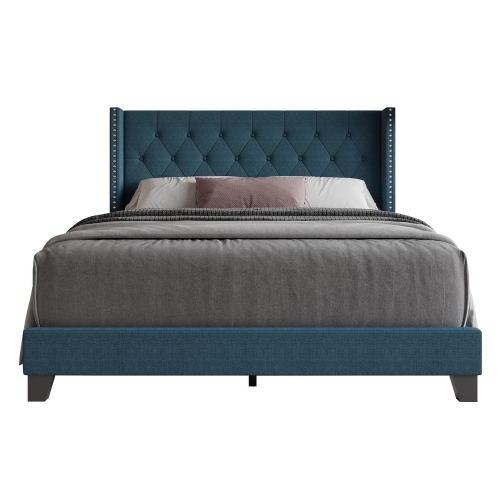


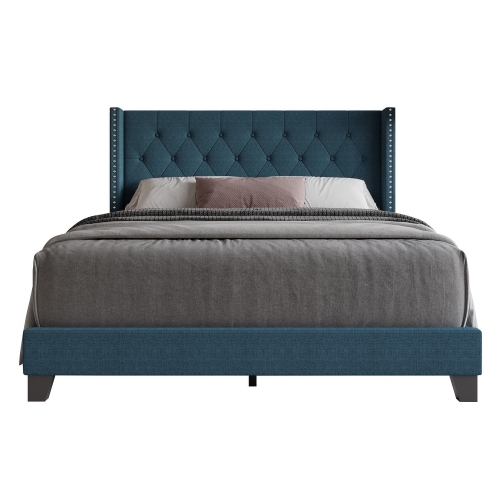








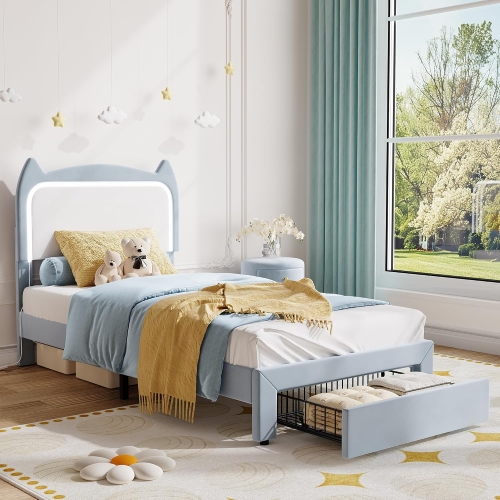

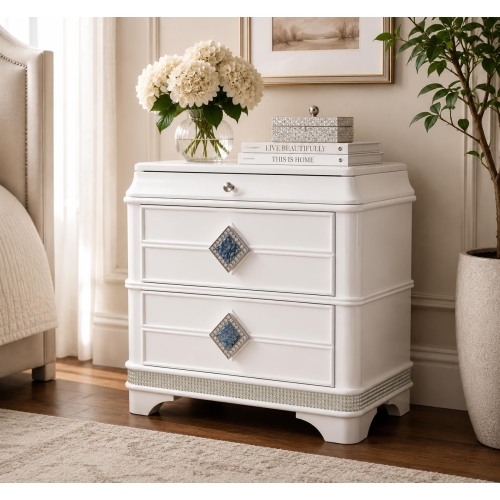
How texture and light shape navy’s character
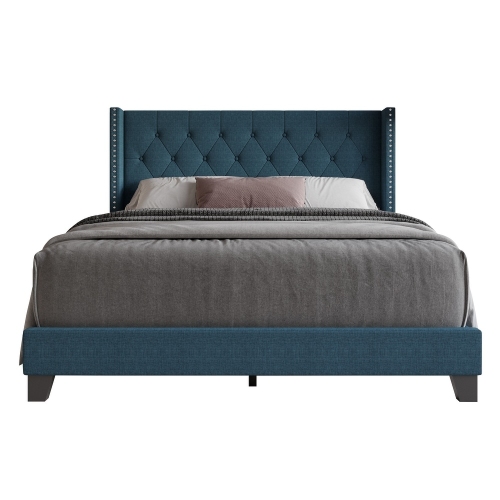
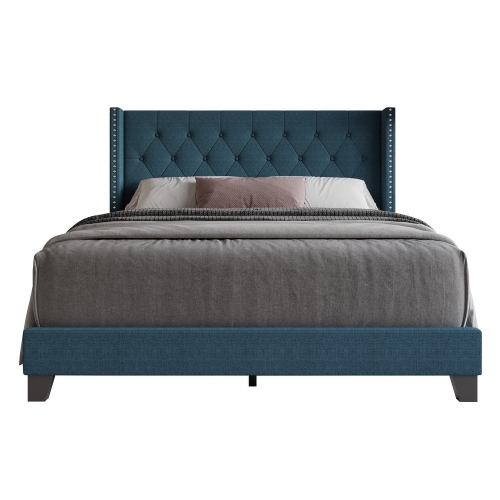
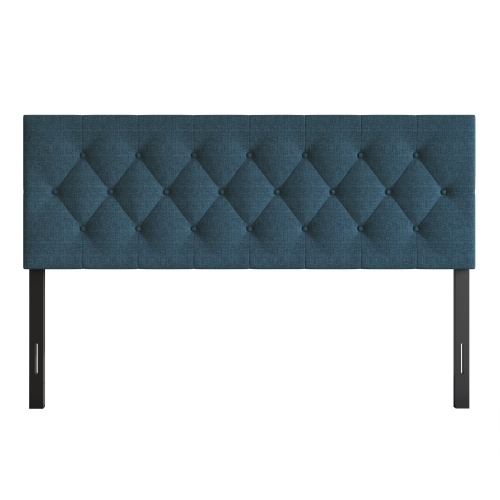
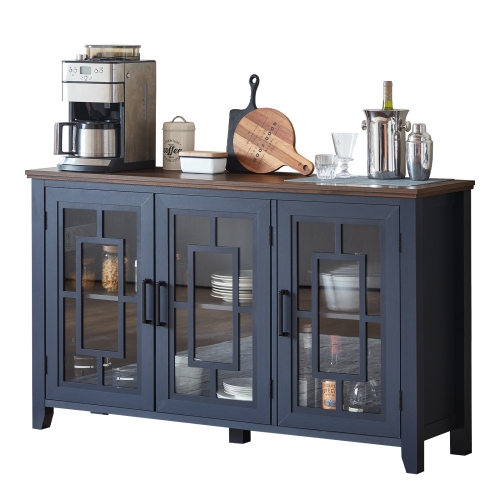
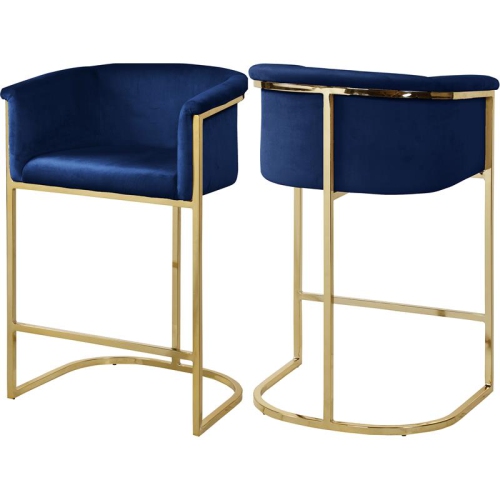
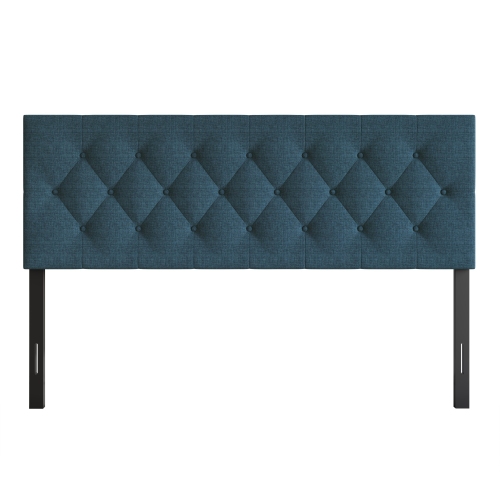
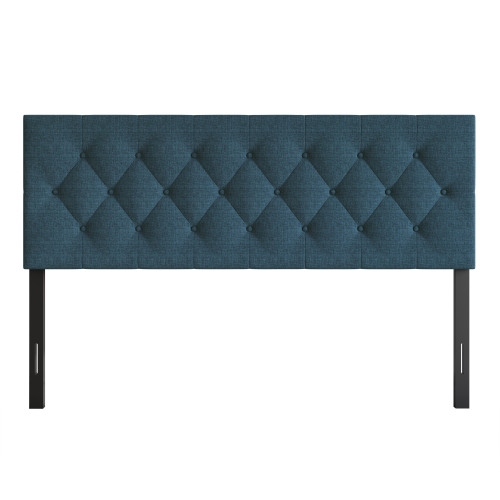
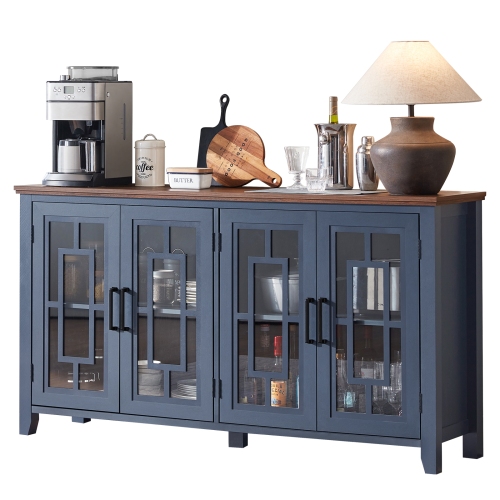
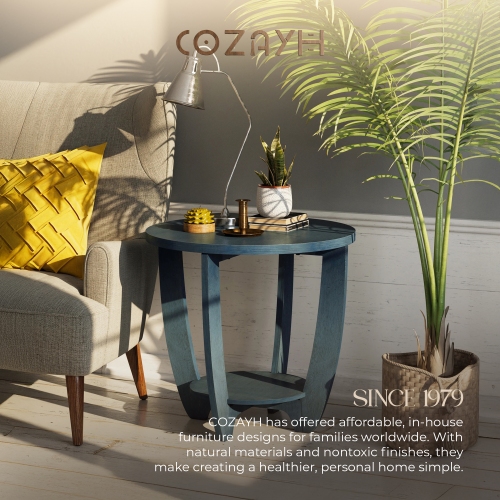
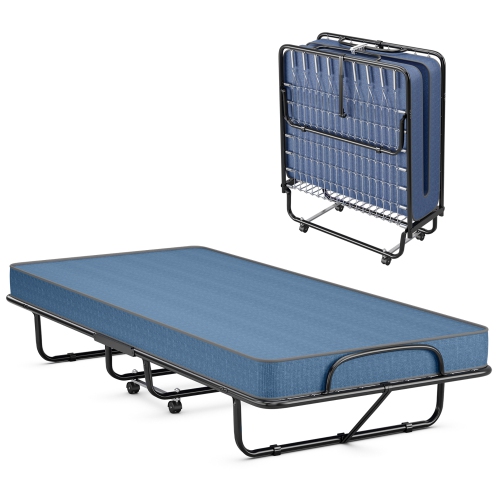
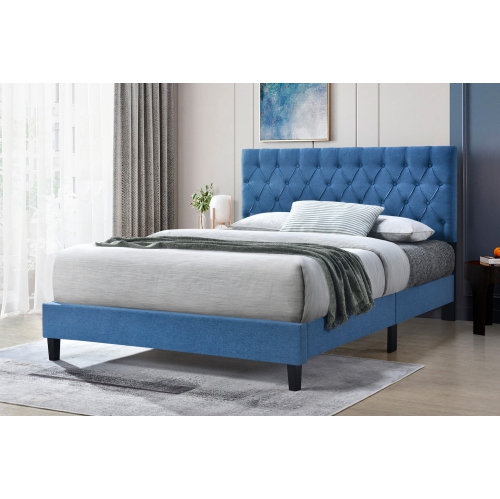
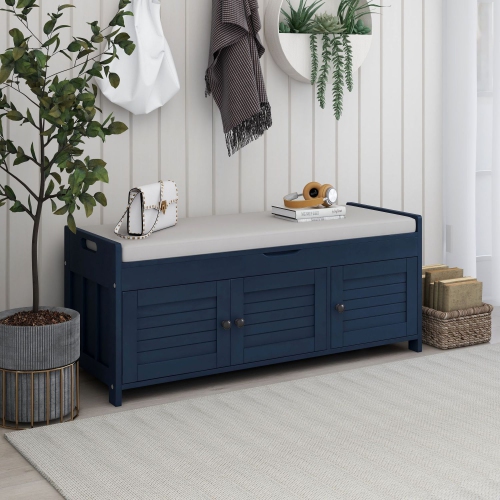
Navy bedroom furniture brings depth and definition to a room while remaining easy to pair with familiar colours and materials. Dark blue sits comfortably beside white bedding, pale oak, warm walnut, soft grey textiles, and brushed brass details, giving it a place in both understated and more expressive bedrooms. The effect depends as much on the finish and silhouette as on the colour itself: a navy upholstered bed with a tall, padded headboard feels different from a painted wood bed with open space underneath. Velvet adds a plush surface with a slight sheen, while woven upholstery offers a more textured, less reflective appearance. Painted dressers and nightstands introduce solid areas of colour, sometimes with visible wood grain that adds character to an otherwise uniform finish. Navy can anchor a primary bedroom, bring a more grown-up look to a teenager’s room, or give a guest bedroom a polished appearance without relying on elaborate detailing. A single dark blue bed can serve as the focal point against lighter walls, while coordinated storage furniture creates a more continuous look. Matching every finish is not essential; a navy dresser beside a light wood bed can feel balanced when the furniture shares similar proportions or hardware. For a crisp contrast, white or ivory bedding keeps the dark blue outline distinct. For a softer effect, oatmeal upholstery, muted blush accents, or a rug with subtle blue threads connects the furniture to the rest of the room. Black metal legs lend a sharper edge, whereas rounded corners and warm metal handles soften the overall impression. Navy also changes noticeably with lighting, appearing almost black in a shadowed corner and more clearly blue beside a window. Finish samples and photographs taken in different lighting can help clarify whether a shade leans towards grey, green, or a more saturated blue. In an open-plan home or a bedroom with an adjoining sitting area, Navy Blue Furniture offers a related colour theme for connecting spaces without making every room look identical.
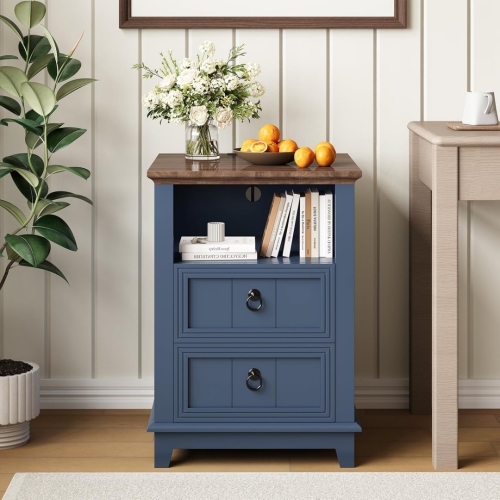
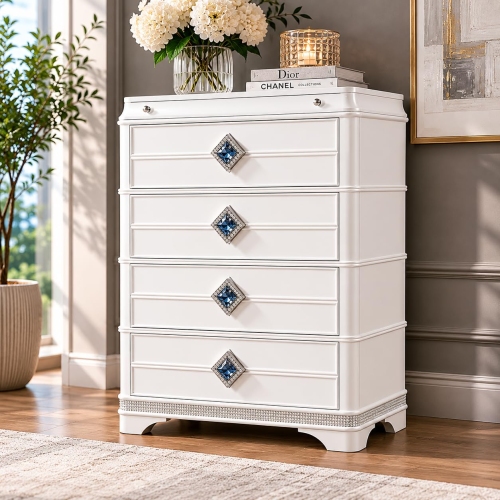
Construction and dimensions matter just as much as the shade of blue, especially for furniture that gets used every day. Solid wood, wood veneer, engineered wood, metal, and upholstered frames each bring different characteristics to bedroom furniture. Solid wood can show natural variation through a stained finish, while a painted surface creates a more consistent navy colour. Veneer provides a real wood surface over a supporting core; its durability depends on the quality of the construction, finish, and edge protection rather than the surface material alone. Engineered wood can provide a smooth base for painted or laminated finishes, with well-finished edges helping protect areas that receive frequent contact. On a dresser, stable construction, secure handles, smooth drawer movement, and clearly stated drawer weight limits are useful details to compare. A drawer that opens far enough to reveal folded clothing at the back makes daily storage easier, particularly in a shared bedroom. For beds, the outer frame dimensions may extend well beyond the mattress, especially with winged headboards or generously padded side rails. Measuring the full footprint helps prevent a bed from crowding a doorway or leaving too little space beside a wardrobe. Mattress compatibility, slat spacing, centre supports, and any foundation requirements should match the bed manufacturer’s specifications. Storage beds need additional clearance wherever drawers pull out, while lift-up designs require room to operate the mechanism as directed. Nightstand height is another practical consideration: a surface close to the top of the mattress keeps a lamp, glasses, or a glass of water within comfortable reach. In a compact bedroom, narrower bedside furniture may leave better walking space than a wider matching arrangement. A low dresser can preserve wall space above it, while a taller chest uses a smaller floor area but still needs secure placement. Delivery access also deserves attention, including stair turns, hallway width, and assembly space. Dressers and chests should be anchored according to their instructions, with appropriate hardware for the wall, particularly in homes where children may climb or pull on drawers.
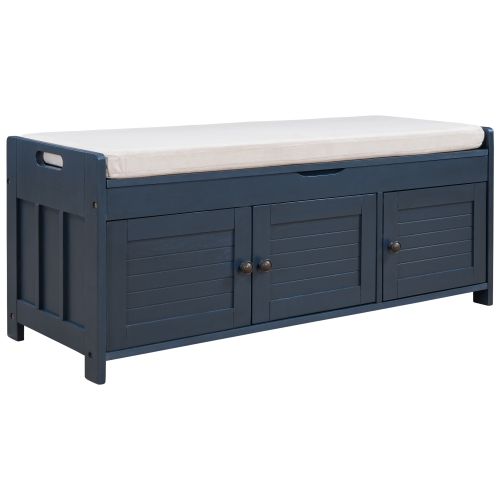
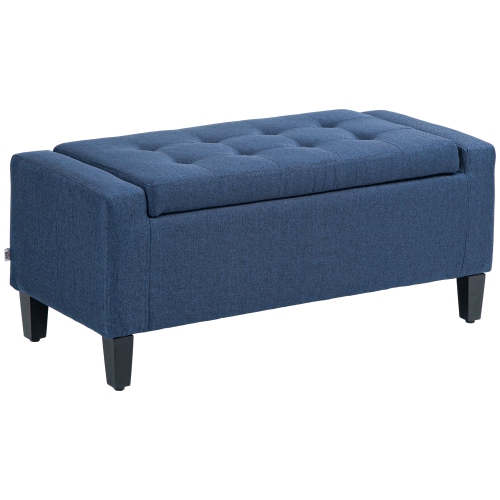
The best fit for a bedroom also depends on how the space is used and how much care its furniture will need. An upholstered headboard offers a padded surface for someone who reads in bed, although the fabric’s cleaning instructions and resistance to everyday wear are important considerations. Navy velvet can show changes in pile direction, so lighter and darker patches are not necessarily stains; gentle brushing or vacuuming with an approved upholstery attachment may help maintain its appearance when permitted by the manufacturer. Tightly woven fabrics have a different feel and may suit a room where a simpler texture is preferred, but no fabric should be assumed to resist scratching, snagging, or spills without supporting specifications. Dark painted surfaces can make dust, fingerprints, and pale scuff marks more noticeable, particularly on frequently touched drawer fronts. A soft cloth and the recommended cleaner are generally more appropriate than abrasive pads, and moisture should not be left sitting along seams or edges. Coasters beneath drinks and protective pads under lamps help limit marks on bedside surfaces. Direct sunlight can gradually affect some finishes and fabrics, making window coverings useful where strong light falls across a headboard or dresser for long periods. For a teenager’s room, versatile drawer storage and a straightforward bed shape can accommodate changing bedding and accessories without requiring a different furniture style. In a guest bedroom, a clear bedside surface and an accessible drawer give visitors somewhere to settle their belongings. Couples sharing storage may find separate drawers and balanced bedside space more useful than a perfectly symmetrical arrangement. A bedroom bench can provide a place to sit while putting on socks, provided its dimensions leave an unobstructed route around the bed and its stated weight capacity suits the intended use. Navy furniture works especially well when these everyday needs are reflected in the layout: doors open freely, clothing is easy to reach, and the room has enough visual breathing space around its darker surfaces. With proportions, materials, and care requirements considered alongside colour, navy can feel distinctive without overwhelming the bedroom.
Top selling and popular products
-
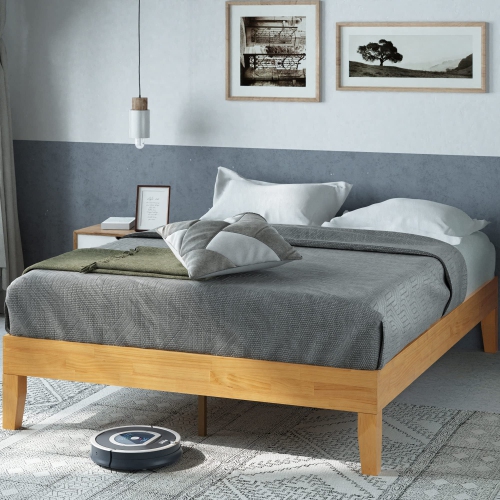 Your price for this item is $493.52
-
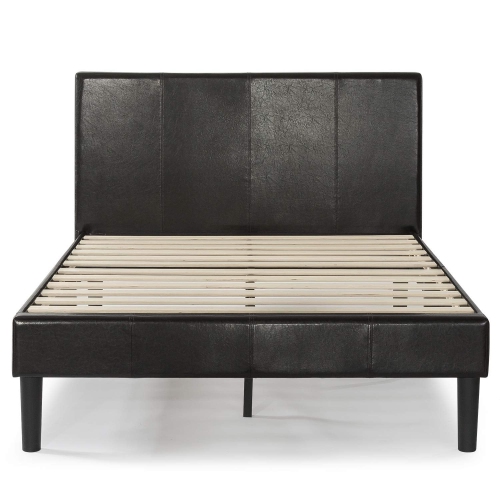 Your price for this item is $611.85
-
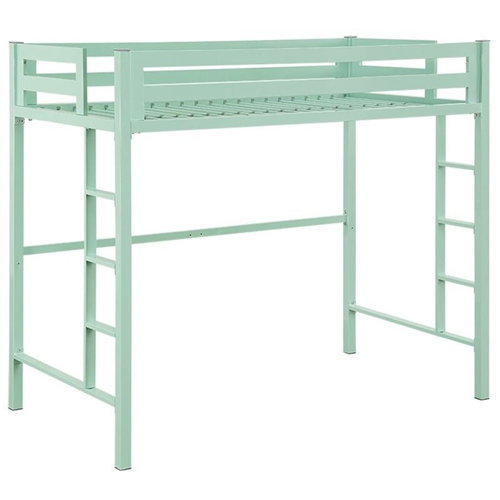 Your price for this item is $825.26
-
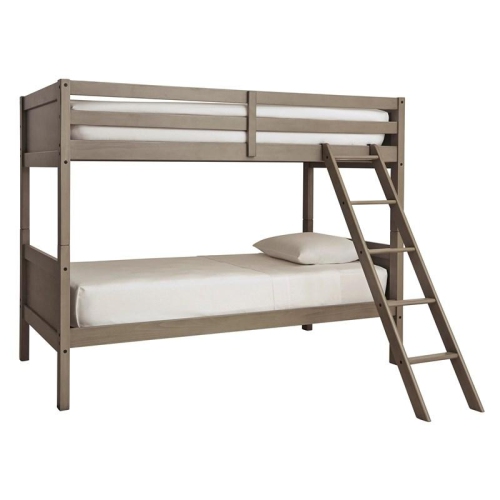 Your price for this item is $799.99
-
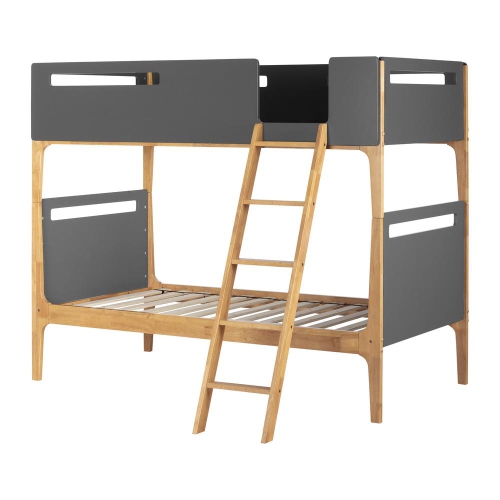 Your price for this item is $985.42
-
 Your price for this item is $167.99
-
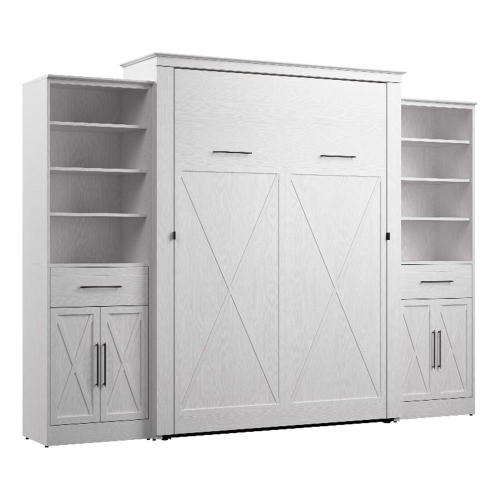 Your price for this item is $3519.99
-
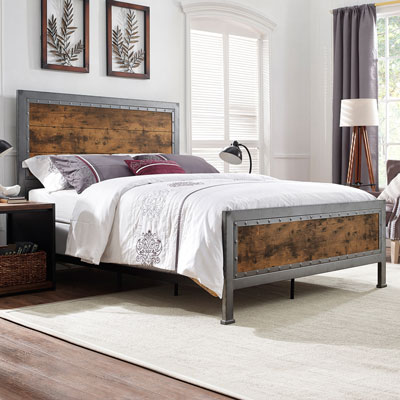 Your price for this item is $862.99
Discover more categories related to Navy Bedroom Furniture


Top Collections:
Pokemon Centers, Kindle Devices, Best Cameras for Sports Photography, Pokémon 30th Celebration Cards, Canon G7X Cameras, Samsung Galaxy Phones, iPhone 15 Apple, Best Black Friday Deals On Electronics, Jackery Power Stations, Solar Generators for Home
Some products may be subject to Environmental Handling Fees
(EHF) depending on your province.
Learn more about EHFs.