Bedroom Wall Art
Transform your bedroom into a personal sanctuary with our collection of stunning wall art. Elevate the ambiance of your space and infuse it with your Unique Home Decor style by choosing from a wide range of captivating designs. Whether you prefer abstract prints, nature-inspired landscapes, or modern minimalist pieces, our selection has something to suit every taste and décor. With high-quality craftsmanship and attention to detail, our bedroom wall art will effortlessly enhance the aesthetic appeal of your room, creating a tranquil and visually pleasing atmosphere.
Sort
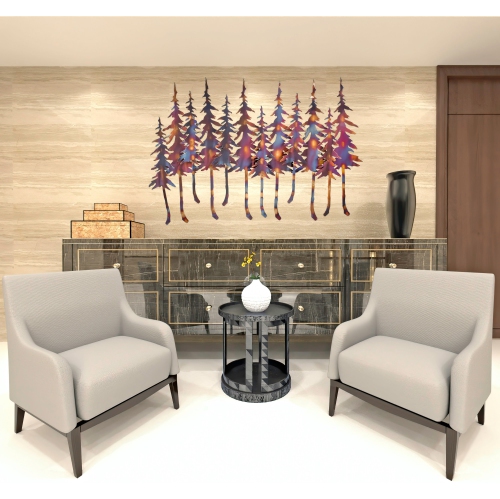



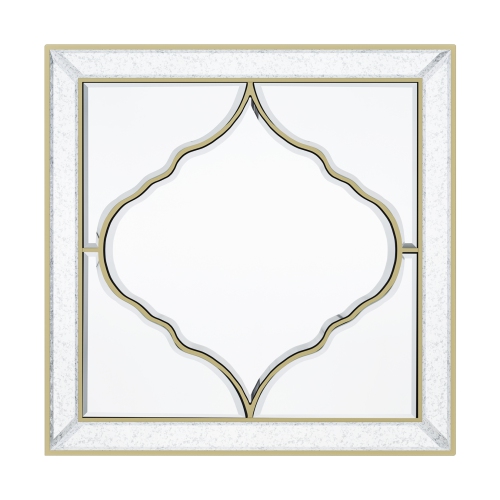
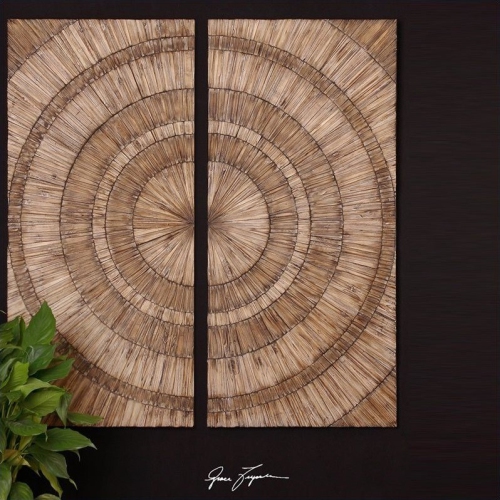

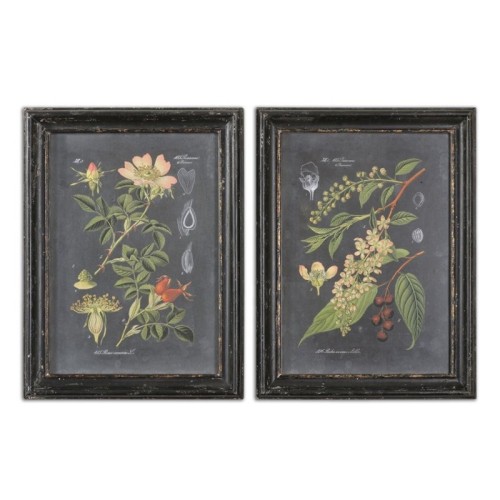
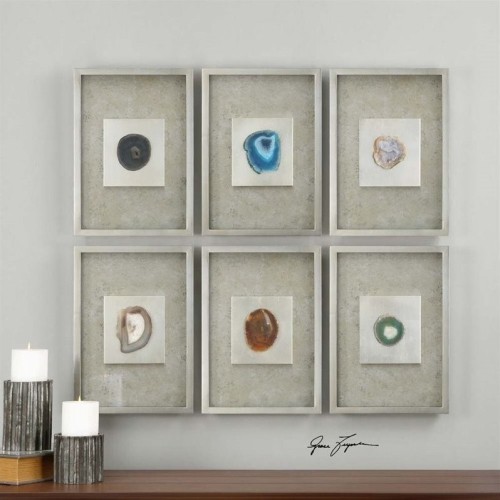
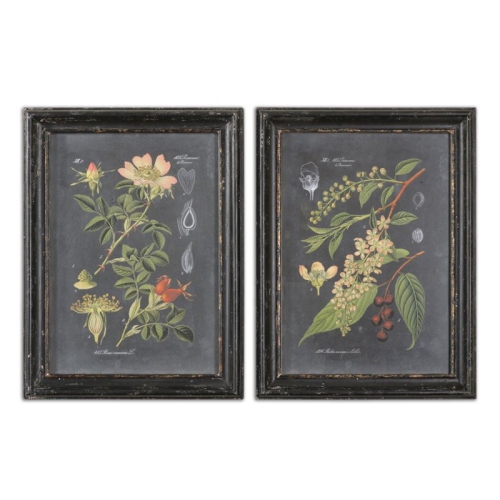





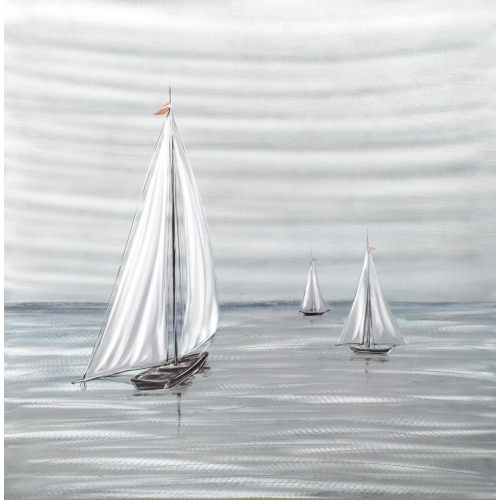









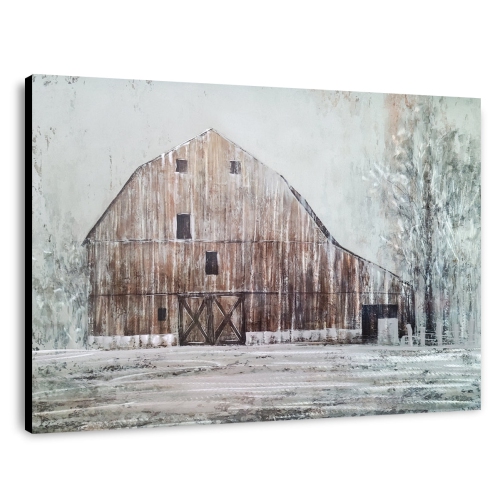
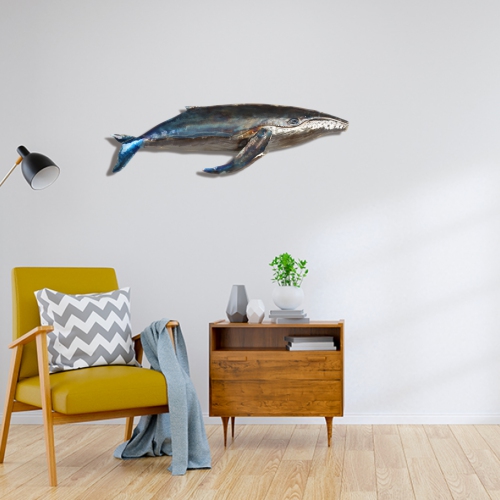
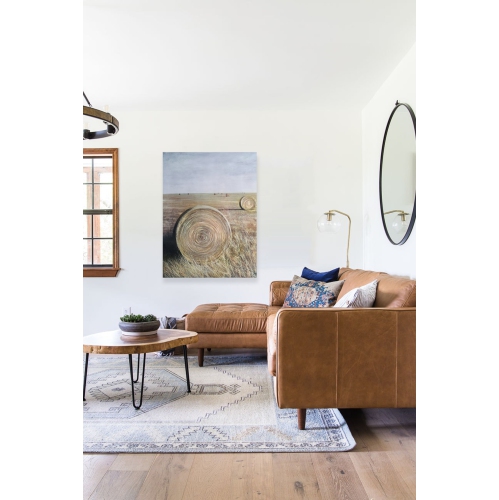
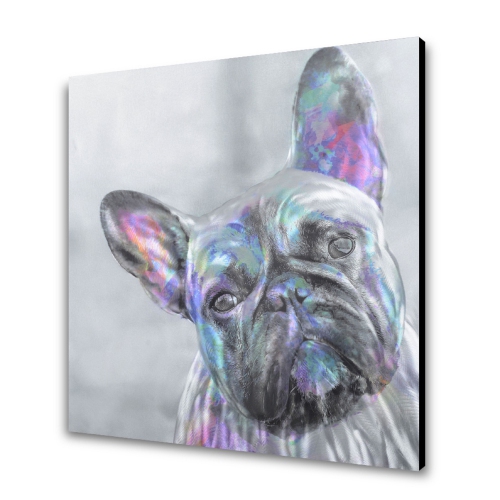
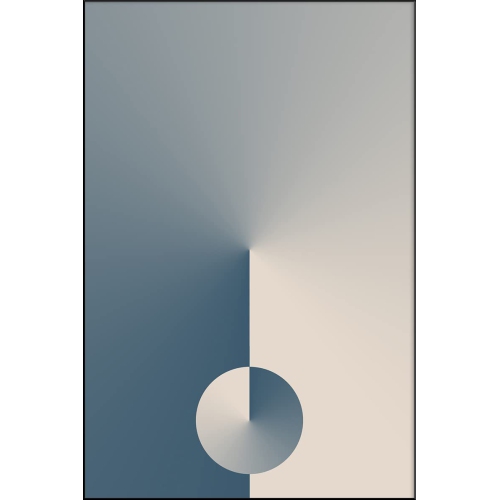


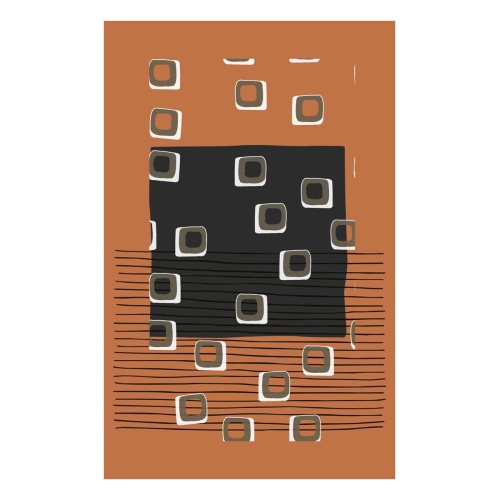











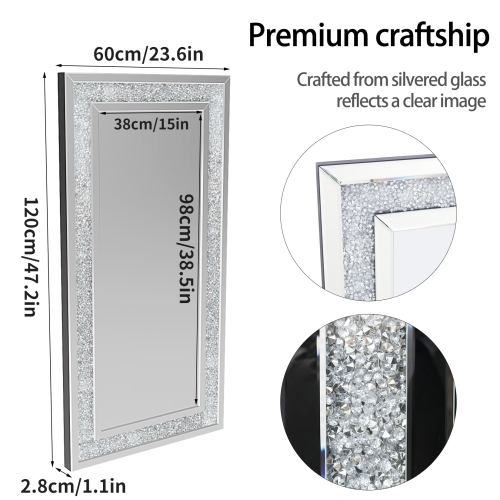


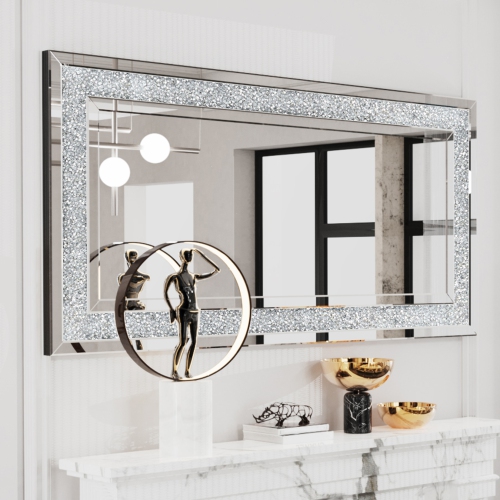
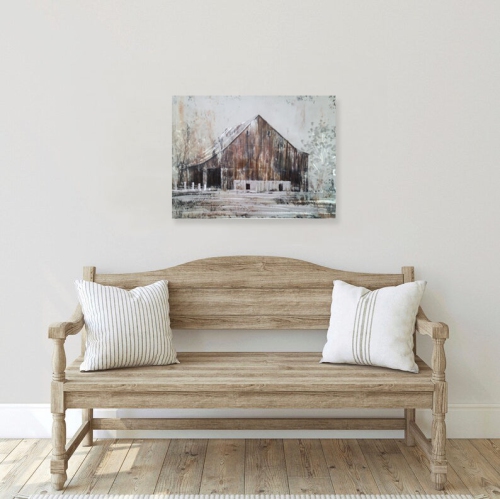









Artwork that complements your bedroom without matching every detail
Bedroom wall art adds colour, texture, and a sense of personality to the space where the day begins and ends. A large canvas above the bed can create a clear focal point, while a pair of botanical prints or a coordinated multi-panel arrangement brings rhythm to a wider wall. The most balanced compositions connect with the room’s furniture and textiles rather than matching every detail: a sandy tone in an abstract print might pick up the warmth of an oak bed frame, while a fine charcoal line can echo dark drawer handles or a reading lamp. Landscapes, floral illustrations, geometric shapes, and expressive abstracts each bring a different mood. A misty shoreline offers visual openness, loose brushstrokes add movement, and a simple line drawing keeps a small room feeling uncluttered. Muted blues, gentle greens, warm whites, and earthy browns can contribute to a restful-looking setting, although personal taste matters more than a fixed colour formula. Richer shades also have a place in a bedroom, particularly when a deep burgundy or midnight blue appears in small amounts against lighter bedding. Modern bedrooms often suit restrained compositions and slim frames, while rooms with woven textiles and warm wood finishes can carry textured canvases and flowing botanical forms. Traditional furniture pairs naturally with detailed landscapes, floral studies, and frames with subtle depth. In a shared bedroom, an abstract composition or a familiar landscape can bring together different tastes without making either side of the room feel separate. Guest rooms often benefit from inviting imagery that complements the bedding without overwhelming the space. For a teenager’s room or a first apartment, artwork offers a way to express changing interests through colour and subject matter. During the cooler months, art with warm undertones can sit comfortably alongside layered blankets and softer lighting, yet remain just as suitable when lighter linens return. The result is a room that feels considered without requiring every furnishing to follow a single style.
Scale and placement influence how bedroom wall art relates to the rest of the room. Above a headboard, an arrangement spanning roughly two-thirds to three-quarters of the furniture’s width is a useful starting proportion, not a requirement. A narrower piece may feel intentional when balanced by wall lamps, while an oversized canvas needs enough open wall around it to show its full composition. For multi-panel artwork, the overall width includes the gaps between panels; consistent spacing helps separate images read as one arrangement. Leaving approximately 6 to 8 inches between the top of a headboard and the bottom of a frame can establish a visual connection, provided there is comfortable clearance for anyone sitting up in bed. Where a tall headboard, adjustable bed, or sloped ceiling limits that clearance, a side wall or the space above a dresser may be a better fit. On an open wall, artwork centred around standing eye level often feels natural, though the view from the bed matters too. A broad horizontal landscape can complement a low dresser, and a vertical print can give purpose to a narrow wall between a wardrobe and a window. Smaller framed pieces work well in a reading corner, where their details can be appreciated at close range. Painter’s tape or paper templates can help establish the footprint of an arrangement before installation, especially around switches, outlets, and bedside lighting. Large statement canvases offer a single, uninterrupted image, whereas groups of smaller prints allow more flexibility around architectural features. For a composition that extends across a broader wall surface, Bedroom Wall Murals offer a different approach to scale, with the wall itself becoming part of the image. In either format, sightlines from the doorway and pillow help determine whether a composition feels comfortably placed. Artwork should also leave room for everyday movement, including opening wardrobe doors, reaching bedside storage, and adjusting curtains without brushing against a frame.
Materials and construction affect both the appearance of bedroom wall art and how it holds up to everyday use. Canvas commonly has a visible weave that gives printed images a softer, more textured finish, while paper prints can show crisp linework and fine photographic detail. A stretched canvas has fabric secured over an internal frame; a framed paper print usually relies on backing and a protective front to keep the surface clean and supported. Gallery-wrapped edges can provide a finished appearance without an outer frame, although edge treatment varies. Solid wood frames bring natural grain and tonal variation, metal frames offer a slim profile, and engineered wood frames provide another option across a range of finishes. Glass glazing has a substantial feel but adds weight and can break, while acrylic glazing is generally lighter and more resistant to shattering, though it can scratch. Glare is worth considering opposite a window or beside a bright bedside lamp: a reflective surface may obscure a pale image from certain angles. Prolonged direct sunlight can fade prints and affect some frame finishes, so placement away from strong sun helps preserve their appearance. Protective glazing and fade-resistant inks may improve resistance, but they do not make artwork immune to light damage. Routine care is usually simple, with a soft, dry cloth for frames and gentle dusting for suitable canvas surfaces, following the manufacturer’s care directions. Cleaning liquid should not be sprayed directly onto artwork, and excess moisture can damage paper, backing, and some frame materials. Secure mounting is equally important, particularly above furniture used for sleeping. Hardware must suit the artwork’s weight and the wall construction, and adhesive hangers are appropriate only when their stated limits and surface requirements are met. Heavy or glass-fronted pieces are better placed away from cribs and children’s beds. As a housewarming or wedding gift, bedroom art feels especially thoughtful when its dimensions, colours, and subject reflect the recipient’s space. A familiar landscape or understated botanical composition can become a lasting part of the room, with its appeal grounded in a personal connection rather than a passing trend.
Scale and placement influence how bedroom wall art relates to the rest of the room. Above a headboard, an arrangement spanning roughly two-thirds to three-quarters of the furniture’s width is a useful starting proportion, not a requirement. A narrower piece may feel intentional when balanced by wall lamps, while an oversized canvas needs enough open wall around it to show its full composition. For multi-panel artwork, the overall width includes the gaps between panels; consistent spacing helps separate images read as one arrangement. Leaving approximately 6 to 8 inches between the top of a headboard and the bottom of a frame can establish a visual connection, provided there is comfortable clearance for anyone sitting up in bed. Where a tall headboard, adjustable bed, or sloped ceiling limits that clearance, a side wall or the space above a dresser may be a better fit. On an open wall, artwork centred around standing eye level often feels natural, though the view from the bed matters too. A broad horizontal landscape can complement a low dresser, and a vertical print can give purpose to a narrow wall between a wardrobe and a window. Smaller framed pieces work well in a reading corner, where their details can be appreciated at close range. Painter’s tape or paper templates can help establish the footprint of an arrangement before installation, especially around switches, outlets, and bedside lighting. Large statement canvases offer a single, uninterrupted image, whereas groups of smaller prints allow more flexibility around architectural features. For a composition that extends across a broader wall surface, Bedroom Wall Murals offer a different approach to scale, with the wall itself becoming part of the image. In either format, sightlines from the doorway and pillow help determine whether a composition feels comfortably placed. Artwork should also leave room for everyday movement, including opening wardrobe doors, reaching bedside storage, and adjusting curtains without brushing against a frame.
Materials and construction affect both the appearance of bedroom wall art and how it holds up to everyday use. Canvas commonly has a visible weave that gives printed images a softer, more textured finish, while paper prints can show crisp linework and fine photographic detail. A stretched canvas has fabric secured over an internal frame; a framed paper print usually relies on backing and a protective front to keep the surface clean and supported. Gallery-wrapped edges can provide a finished appearance without an outer frame, although edge treatment varies. Solid wood frames bring natural grain and tonal variation, metal frames offer a slim profile, and engineered wood frames provide another option across a range of finishes. Glass glazing has a substantial feel but adds weight and can break, while acrylic glazing is generally lighter and more resistant to shattering, though it can scratch. Glare is worth considering opposite a window or beside a bright bedside lamp: a reflective surface may obscure a pale image from certain angles. Prolonged direct sunlight can fade prints and affect some frame finishes, so placement away from strong sun helps preserve their appearance. Protective glazing and fade-resistant inks may improve resistance, but they do not make artwork immune to light damage. Routine care is usually simple, with a soft, dry cloth for frames and gentle dusting for suitable canvas surfaces, following the manufacturer’s care directions. Cleaning liquid should not be sprayed directly onto artwork, and excess moisture can damage paper, backing, and some frame materials. Secure mounting is equally important, particularly above furniture used for sleeping. Hardware must suit the artwork’s weight and the wall construction, and adhesive hangers are appropriate only when their stated limits and surface requirements are met. Heavy or glass-fronted pieces are better placed away from cribs and children’s beds. As a housewarming or wedding gift, bedroom art feels especially thoughtful when its dimensions, colours, and subject reflect the recipient’s space. A familiar landscape or understated botanical composition can become a lasting part of the room, with its appeal grounded in a personal connection rather than a passing trend.
Top selling and popular products
-
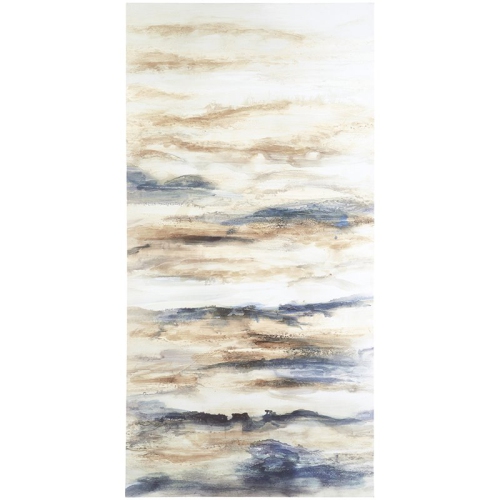 Your price for this item is $606.46
 -
 Your price for this item is $399
 -
 Your price for this item is $355.16
 -
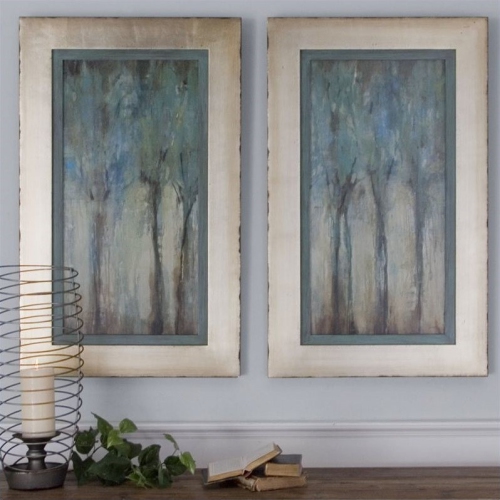 Your price for this item is $680.91
 -
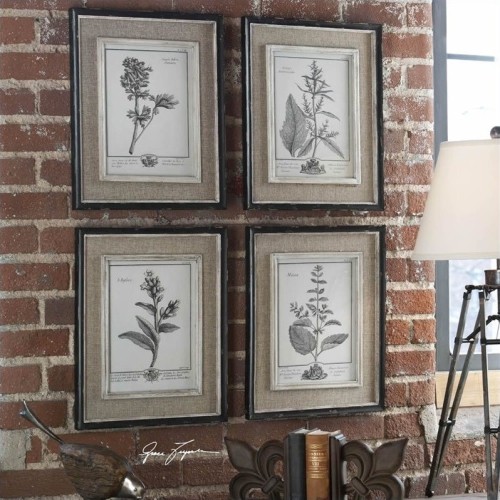 Your price for this item is $483.39
 -
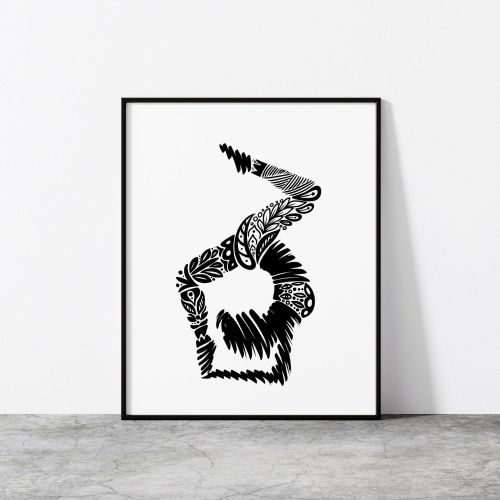 Your price for this item is $37.5
 -
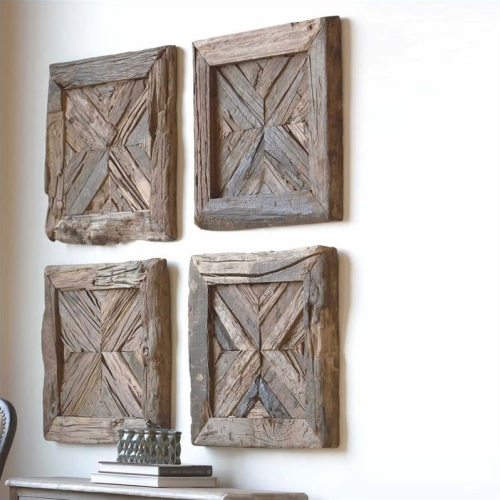 Your price for this item is $415.53
 -
 Your price for this item is $40
Discover more categories related to Bedroom Wall Art
Top Collections:
Pokemon Centers, Kindle Devices, Best Budget Office Chairs, Apple iPhones 16, Best Laptops for Writers, iPhone 15 Apple, Canon G7X Cameras, Refurbished Apple Laptops, Alarm Clock, Motorola Razr Phones
Some products may be subject to Environmental Handling Fees
(EHF) depending on your province.
Learn more about EHFs.