Inspirational Wall Art
Create a space that speaks to your soul and uplifts your spirits with our collection of Living Room Wall Art. Transform your living room, bedroom, or office into a sanctuary of motivation and positivity. Whether you're seeking words of wisdom, breathtaking landscapes, or abstract expressions of creativity, our wide range of options will inspire you every time you glance at your walls. Discover the perfect piece that resonates with your personal style and adds a touch of inspiration to any space.
Sort



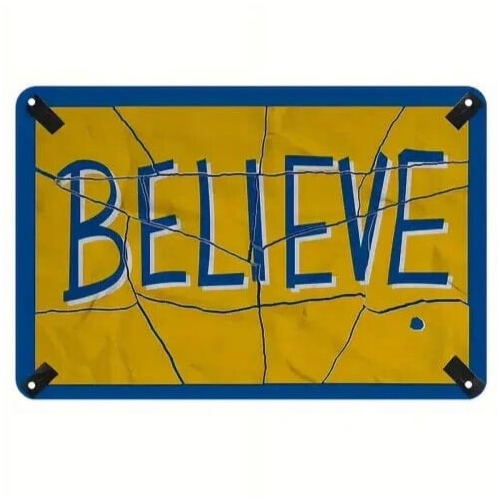


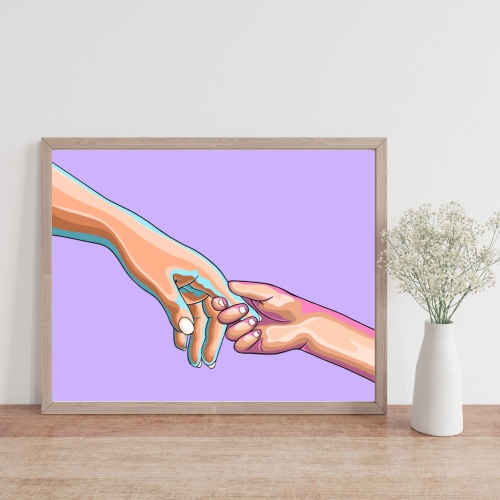
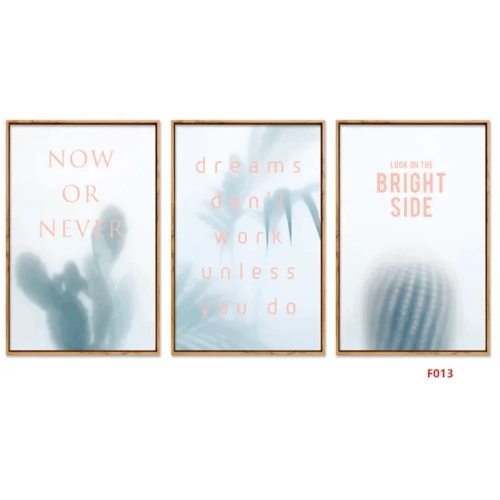


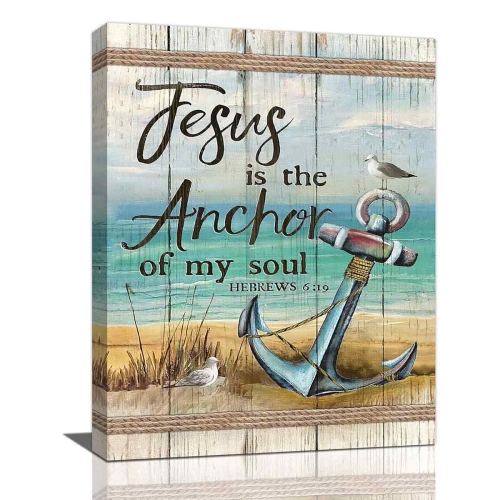


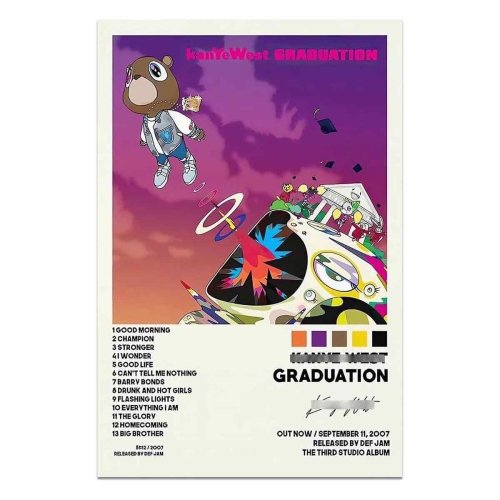




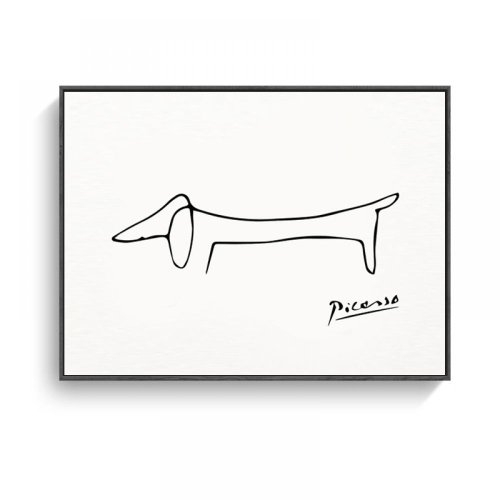

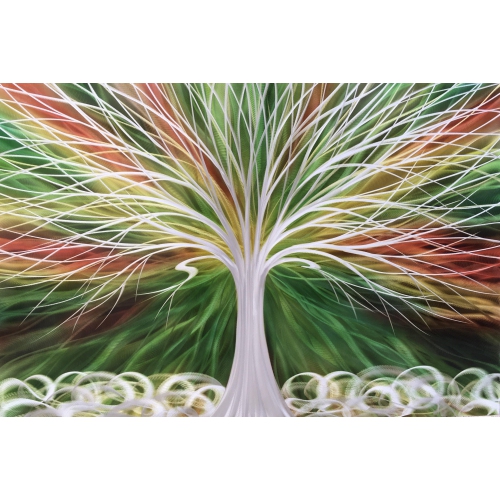

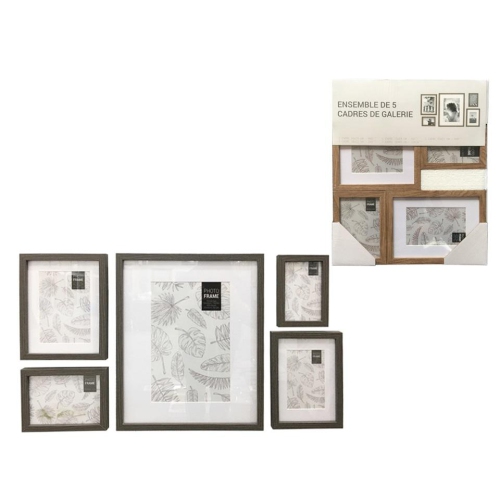
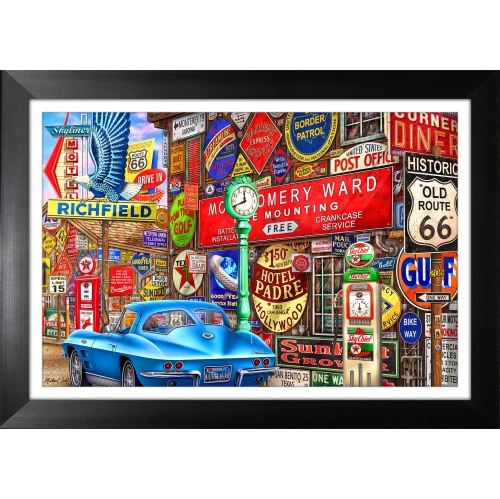

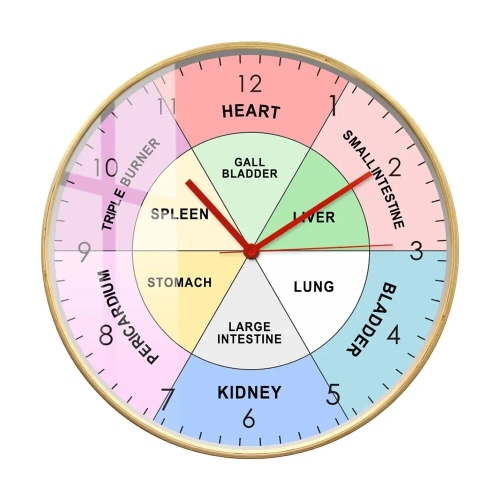



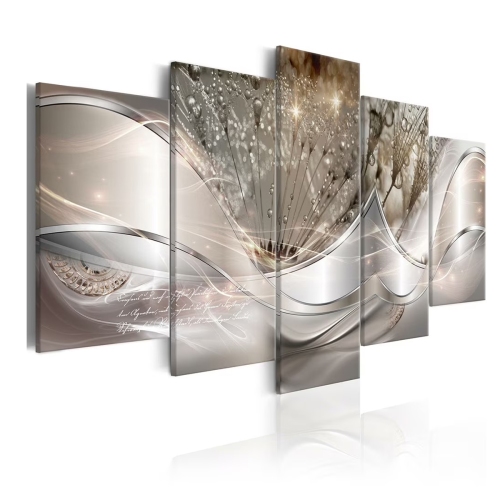

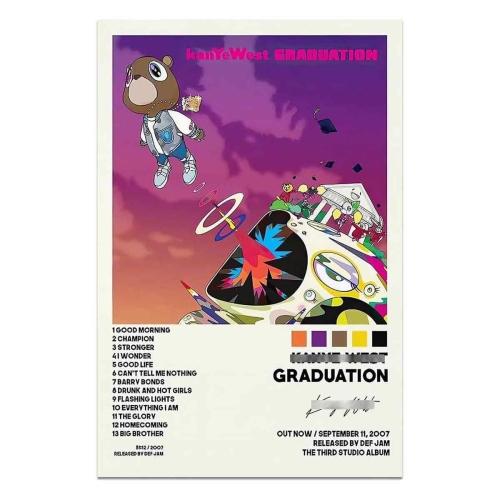

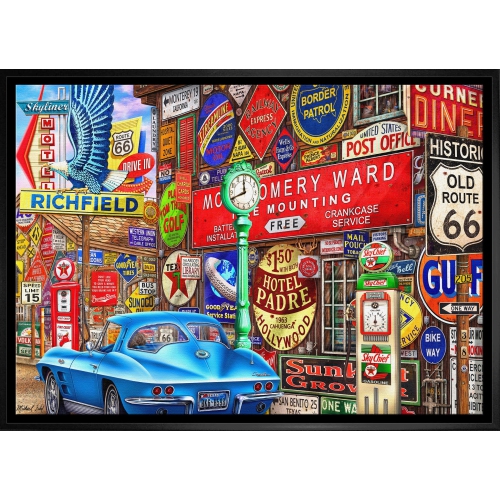
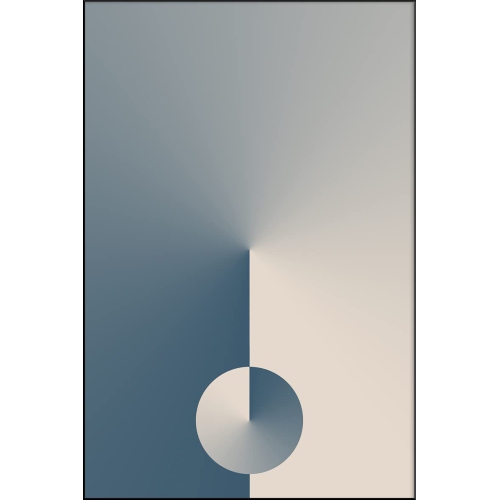



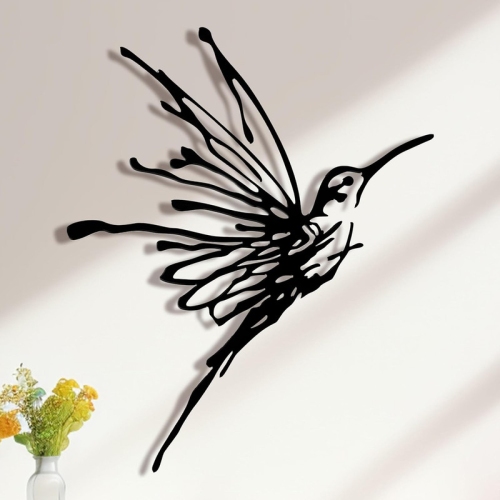
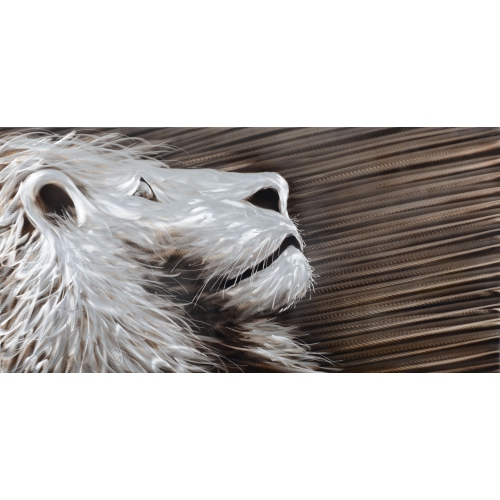

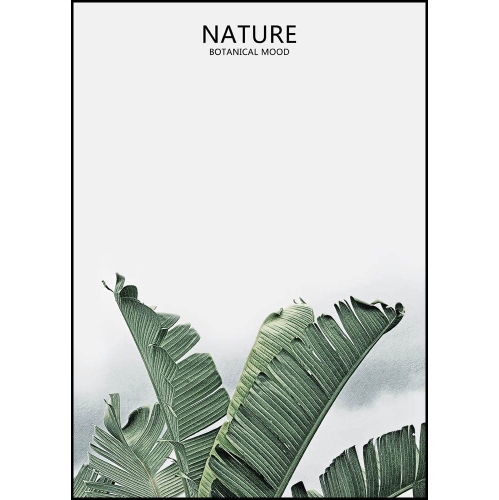
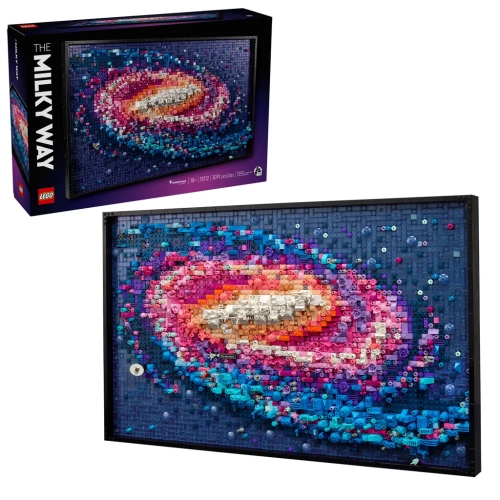
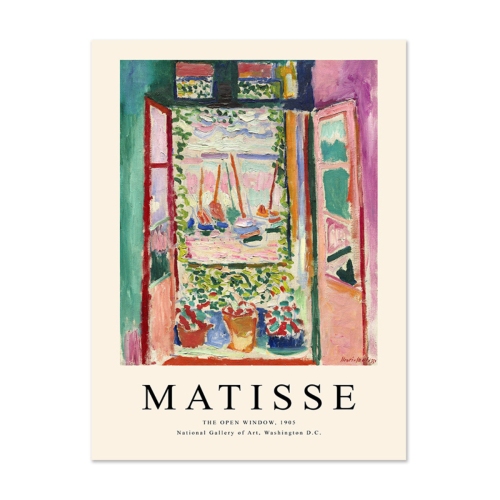
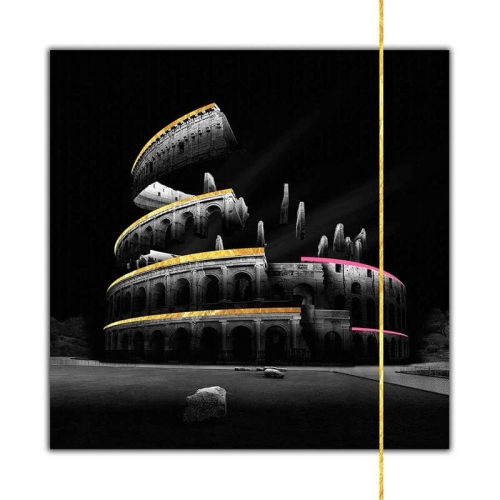

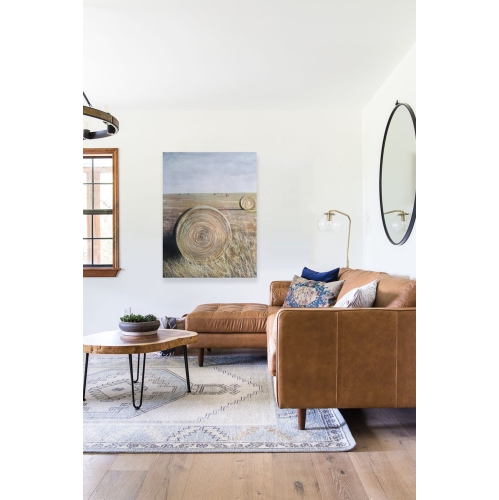
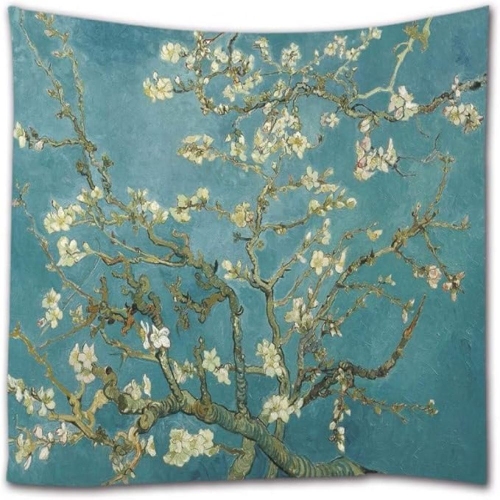

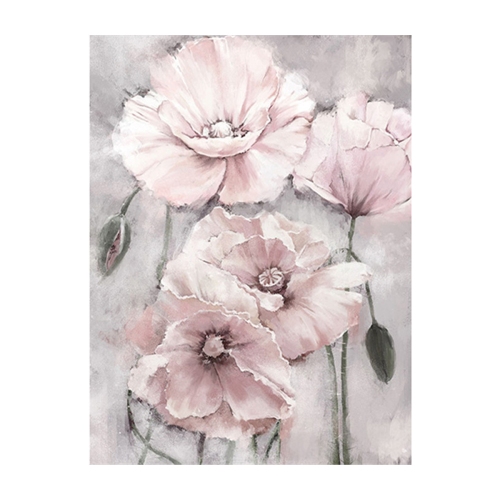

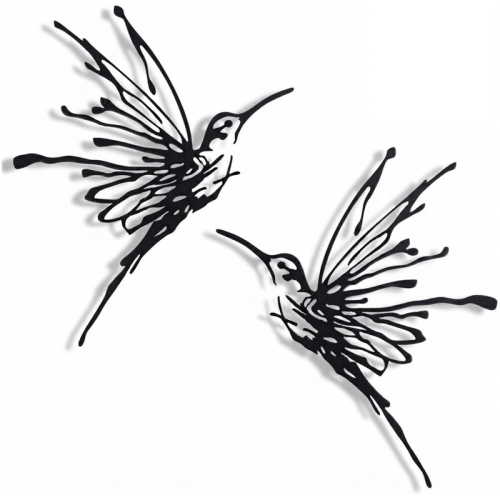

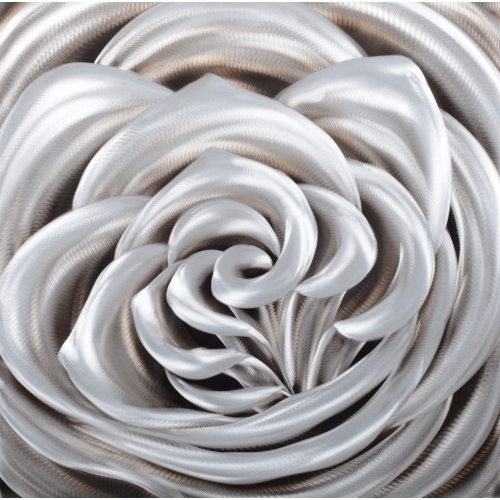
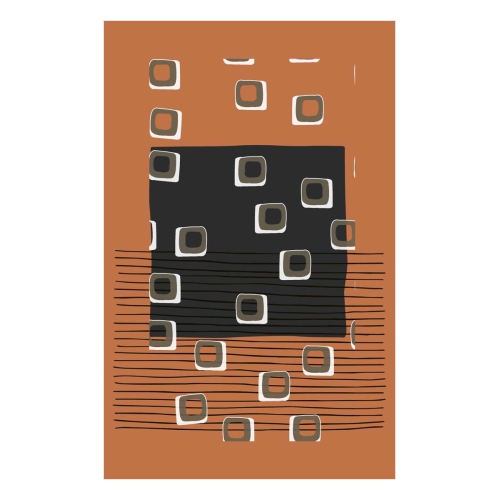

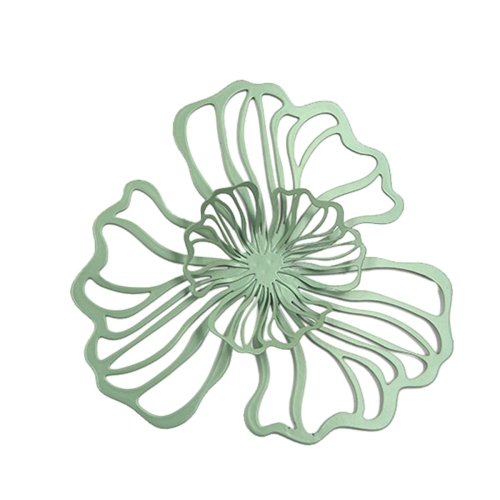
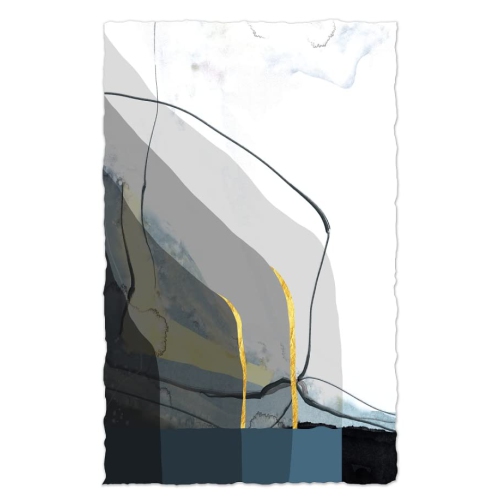




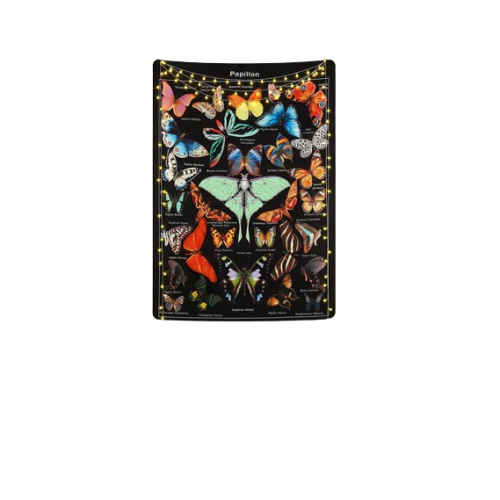
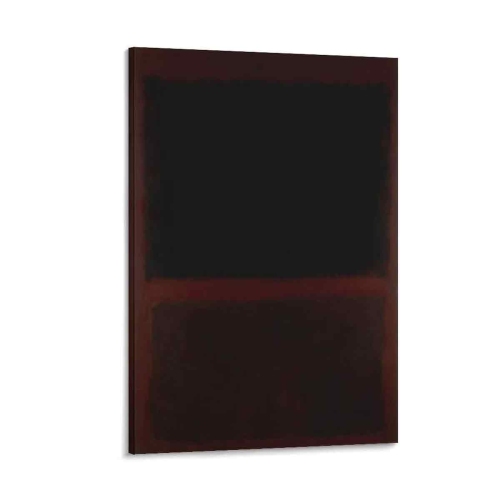


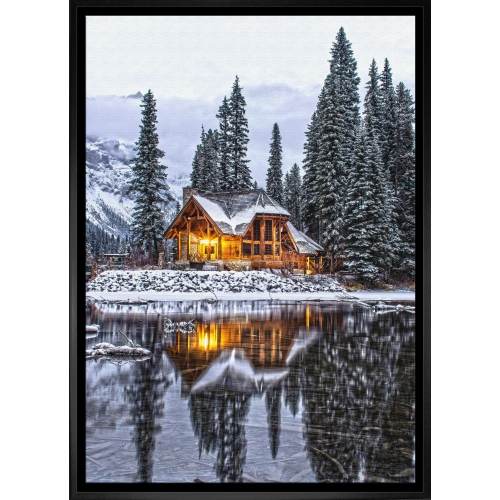
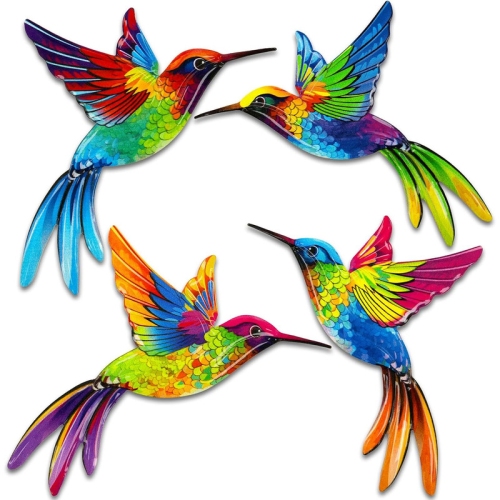
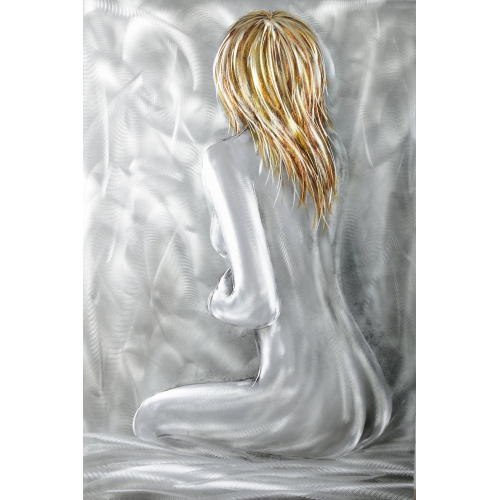
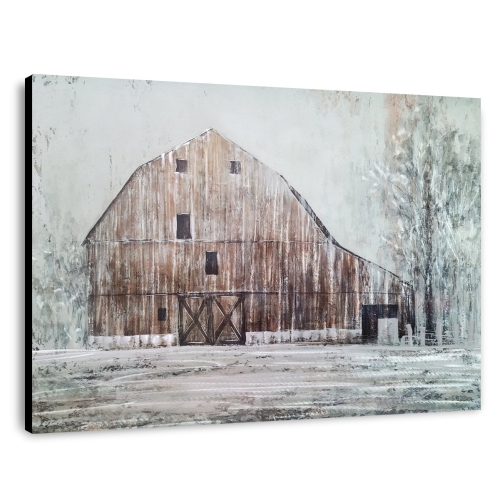



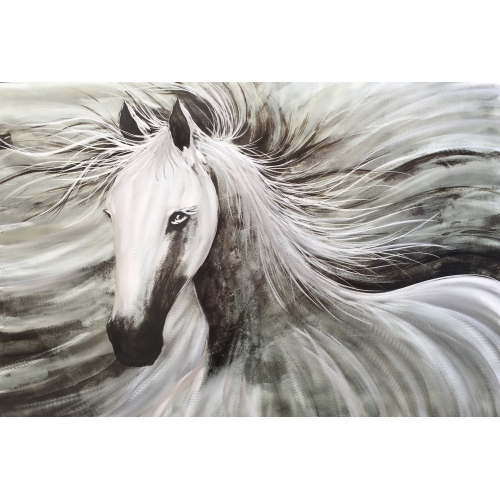
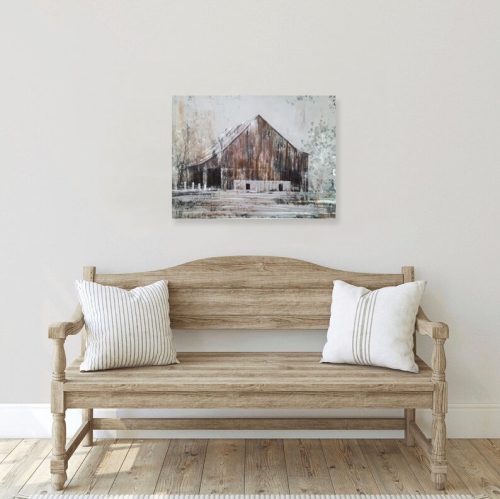
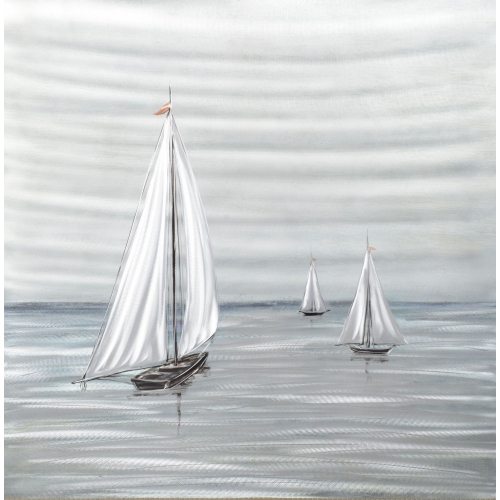


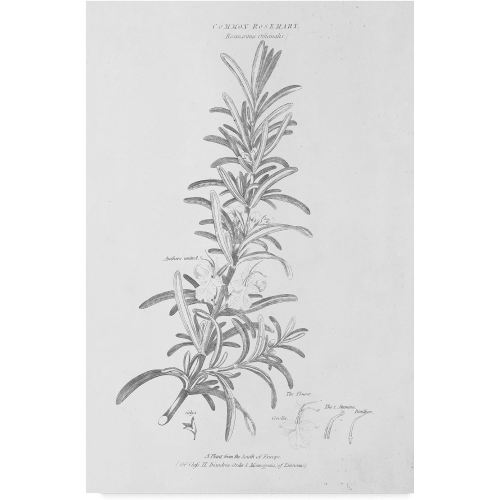
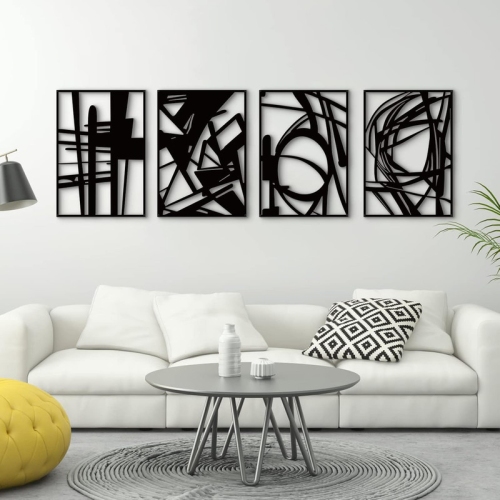
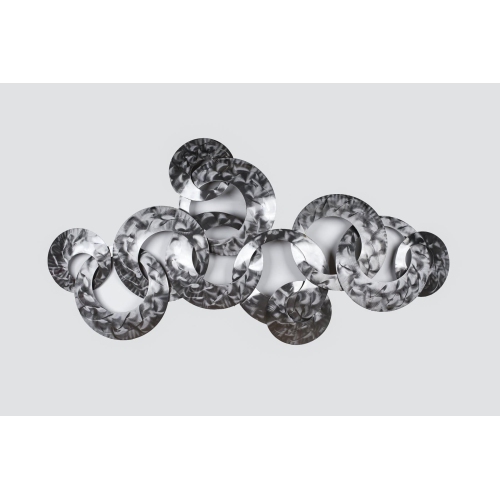
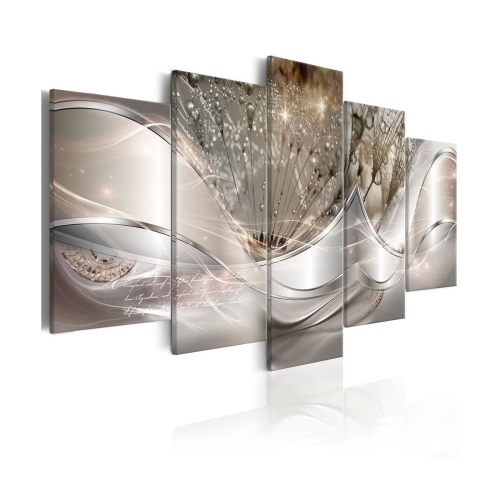

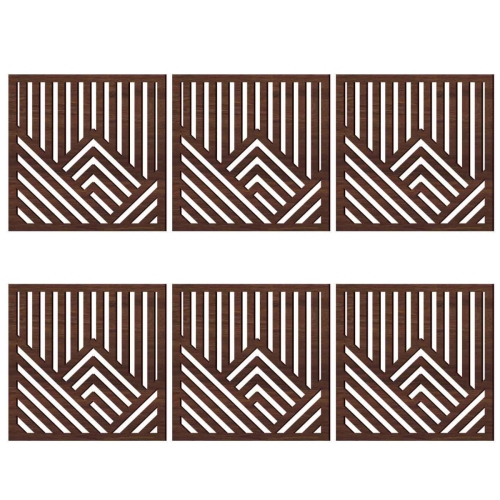
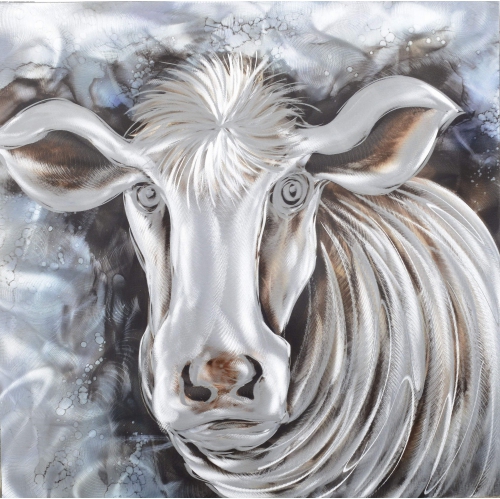


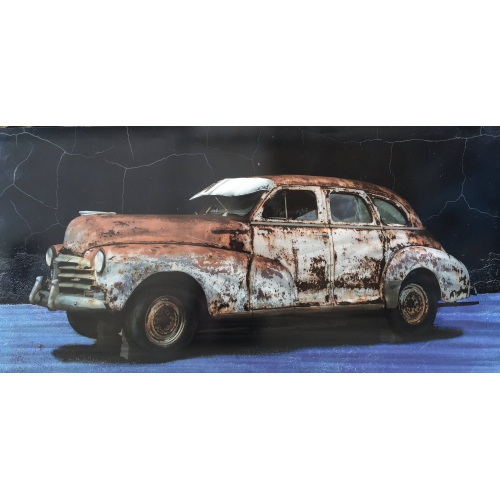
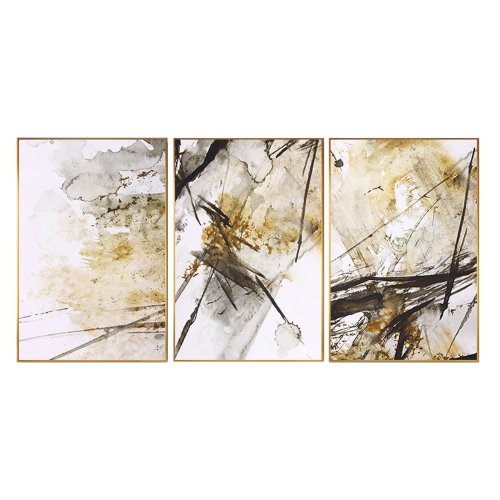



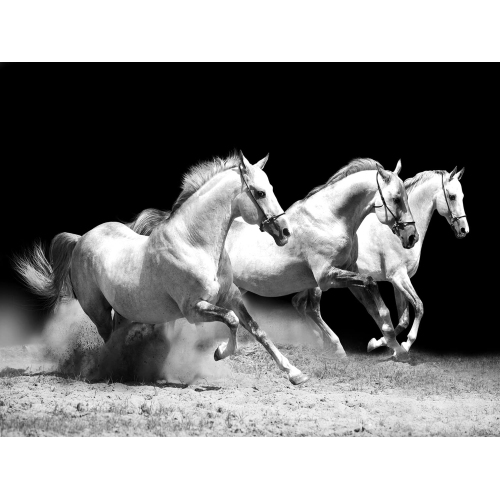
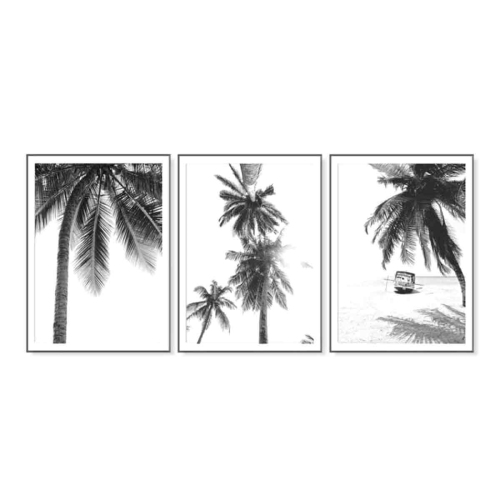

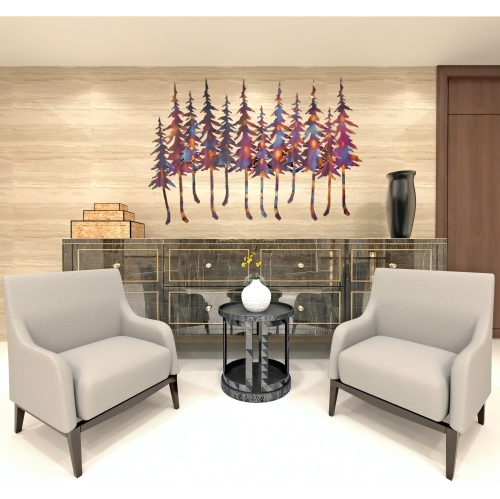




How words and design shape a room’s mood
Inspirational wall art combines meaningful words, affirmations, quotations, and imagery in artwork designed to bring encouragement and personal expression to a room. Designs range from simple typography on a neutral background to colourful compositions that pair a message with abstract shapes, botanical illustrations, or landscape photography. The message is often the starting point, but its presentation matters just as much: a short phrase in generous lettering can feel quiet and reassuring, while bold type and strong contrast create a more energetic focal point. In an entryway, an uplifting sentiment offers a welcoming detail beside a console table or coat rack. Above a bedroom dresser, softer lettering and muted colours can sit comfortably alongside family photographs and familiar keepsakes. A study corner might suit a concise reminder about curiosity or persistence, especially when the words remain easy to read from a seated position. The most personal choice is not necessarily the longest quotation or the largest print. It is often a message that sounds natural to the person who will see it every day, whether that means gentle encouragement, a little humour, or a reminder of a valued principle. Typography also changes how a piece feels within the room. Flowing script tends to have a more expressive character, while clean block lettering works well with streamlined furniture and uncluttered walls. Readability deserves attention, particularly when a design uses several fonts, pale lettering, or a patterned background. A phrase that looks clear up close may be harder to make out across a living room. Colour can connect the artwork to an existing rug, cushion, or accent chair without requiring an exact match. For a gallery wall, inspirational artwork can provide a written element among photographs and illustrations, giving the arrangement variety while maintaining a shared palette. Leaving some open wall around the composition helps the message remain distinct rather than getting lost among too many competing details.
Materials and construction influence both the appearance of inspirational wall art and the way it fits into everyday life. Paper prints offer a smooth surface that can preserve fine lettering and detailed illustrations, while framing adds a defined edge and helps protect the print from handling. A mat creates space between the artwork and its glazing and can give a compact design more presence on a larger wall. Canvas has a visible texture and a softer, less reflective appearance than artwork behind glass, although very small text may appear differently on a textured surface. Stretched canvas also has depth, so its edges become part of the overall look when viewed from the side. Wood panels can contribute visible grain and a more substantial feel, while metal designs may emphasize cut-out lettering, crisp outlines, or a sculptural effect. Actual weight, finish, and hanging requirements vary by construction, making those details important alongside the visual design. For framed pieces, glass and acrylic glazing have different handling considerations: acrylic is generally lighter but can scratch more easily, while glass adds weight and requires care to avoid breakage. Placement should account for reflections from windows and lamps, especially when the words are the main feature. Size is equally practical. Artwork above a sofa, bed, or sideboard usually feels more connected to the furniture when its proportions relate to the width below it, rather than appearing isolated on a broad wall. A paper template can make the footprint easier to judge before hanging, including the spacing between panels in a coordinated set. Measure the full outside dimensions of a frame, not just the printed image, and allow clearance from door swings, shelves, and nearby fixtures. Hanging hardware needs to suit both the artwork’s weight and the wall material; attachment points supplied with a piece do not necessarily include every fastener needed for installation. In children’s rooms or busy passageways, secure placement and keeping heavier pieces away from spots where they could be bumped are especially important.
The intended setting can help narrow the tone of the message as well as the format. In a home office, artwork about focus, learning, or steady progress can provide a personal touch without dominating a shared video-call background. A piece positioned beside a desk, rather than directly behind a monitor, may be easier to notice during a pause between tasks. Motivational Office Wall Art brings that workplace focus to spaces where the wording needs to feel appropriate for concentration, collaboration, or professional conversations. For a student’s study area, clear lettering and an encouraging message can suit the space without adding visual clutter around books and supplies. In a shared household, broadly welcoming sentiments may feel more comfortable than highly personal affirmations, while a private bedroom or creative corner offers room for wording with a more individual meaning. Inspirational wall art can also make a thoughtful housewarming, graduation, or new-job gift when the message reflects the recipient’s tastes rather than assumptions about what they need to hear. Consider whether they prefer understated rooms, expressive colour, familiar quotations, or artwork with very little text. A manageable size and an easy-to-coordinate finish can make a gift simpler to place. Once displayed, care depends on the material and finish. Regular light dusting with a soft, dry cloth is suitable for many frames and finished surfaces, but printed areas, canvas, and unsealed wood may need different treatment. Follow the care directions, avoid abrasive cleaners, and never spray liquid directly onto artwork or along frame edges where moisture could reach the print. Prolonged direct sunlight can fade some inks and papers, while persistent moisture can affect paper, wood, and frame components. A location away from cooking splashes and damp walls helps protect the piece. With suitable placement and care, the artwork can remain a familiar detail that feels connected to the room and the people who use it.
Top selling and popular products
-
 Your price for this item is $399
-
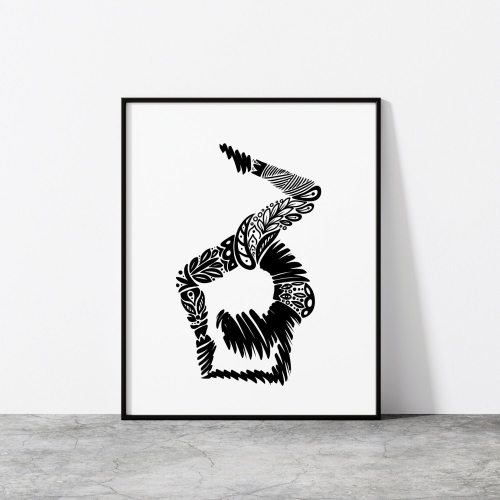 Your price for this item is $37.5
-
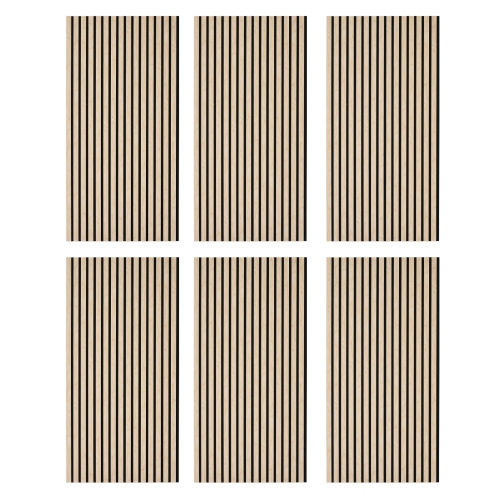 Your price for this item is $124.9
-
 Your price for this item is $39.99
-
 Your price for this item is $49.99
-
 Your price for this item is $49.99
-
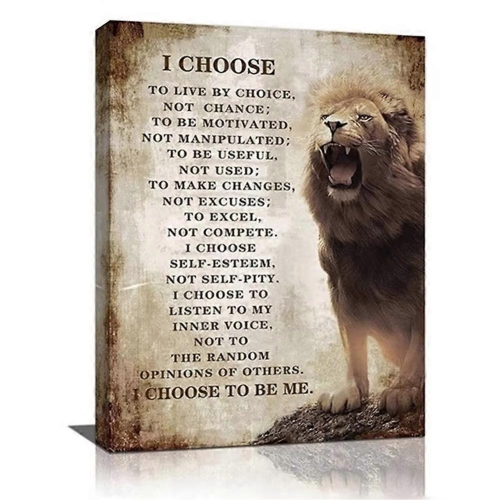 Your price for this item is $34.99
-
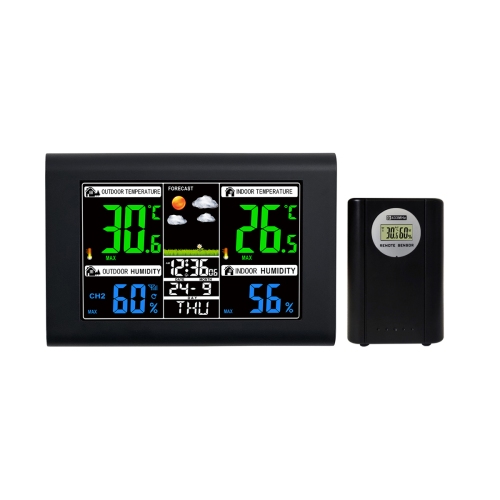 Your price for this item is $56.95
Discover more categories related to Inspirational Wall Art

Top Collections:
Pokemon Centers, Kindle Devices, Best Cameras for Sports Photography, Pokémon 30th Celebration Cards, Canon G7X Cameras, Samsung Galaxy Phones, iPhone 15 Apple, Best Black Friday Deals On Electronics, Jackery Power Stations, Solar Generators for Home
Some products may be subject to Environmental Handling Fees
(EHF) depending on your province.
Learn more about EHFs.