Blue Bed Frames
A blue bed frame is a popular choice for those who want to add a pop of color to their bedroom. The blue color can be calming or invigorating, depending on the shade. Here are some of the great blue bed frames available today.
Sort


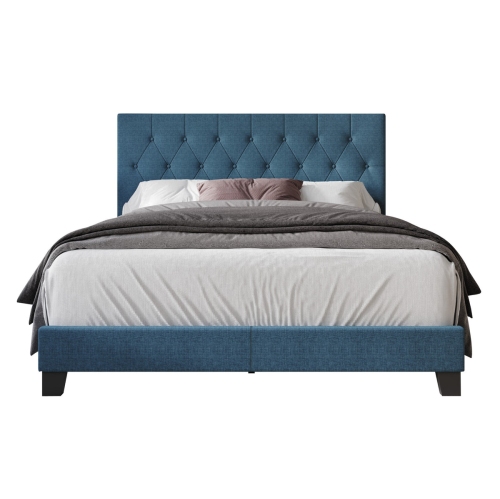
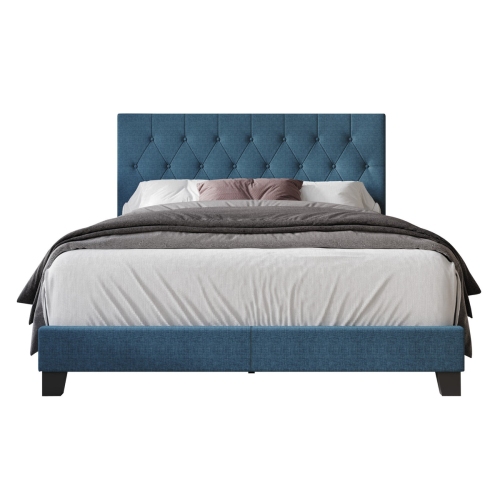
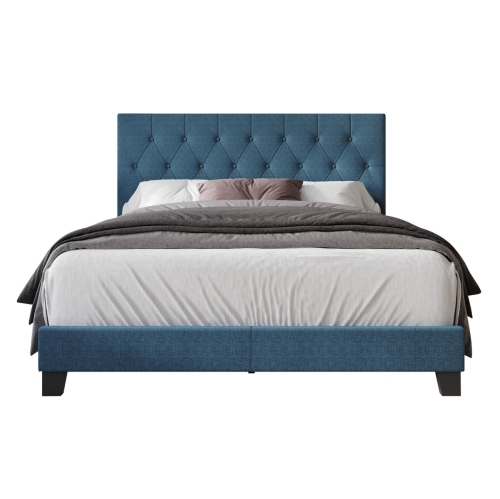
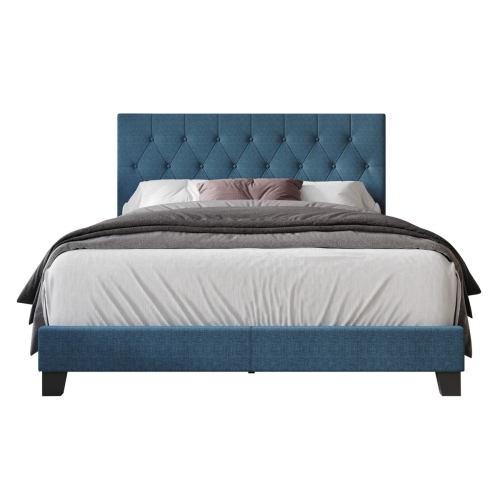


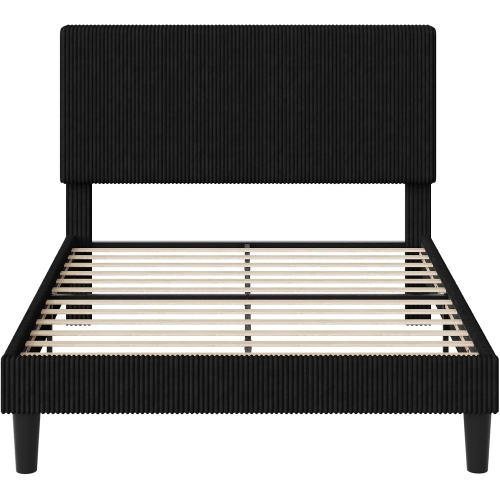
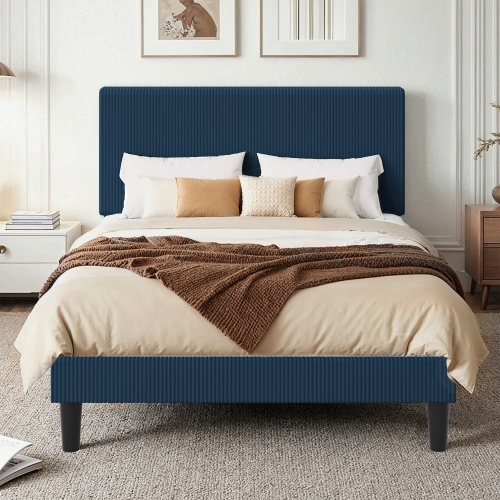
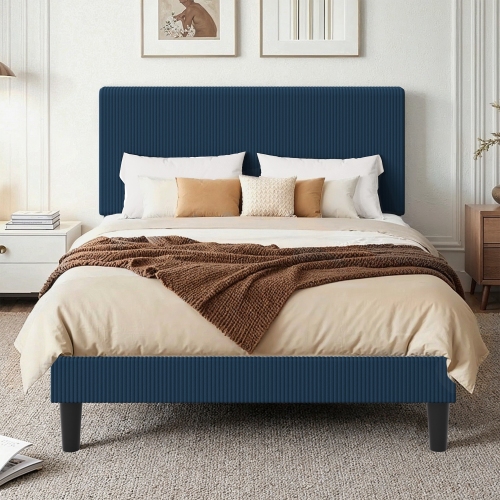


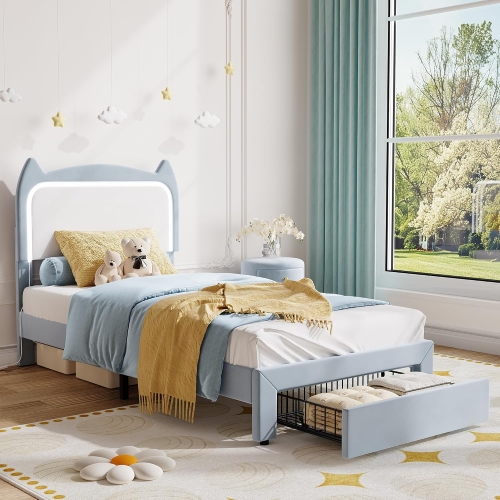




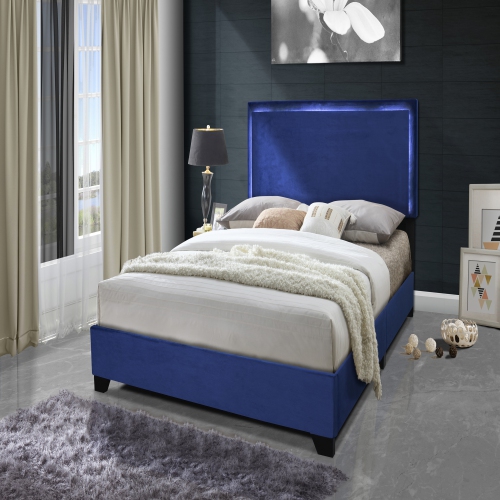
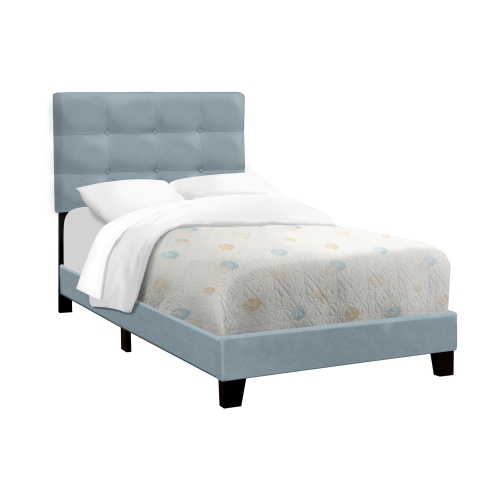

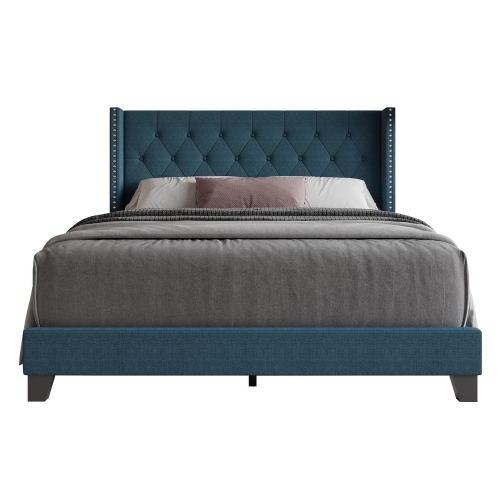





How blue shades and textures shape your bedroom
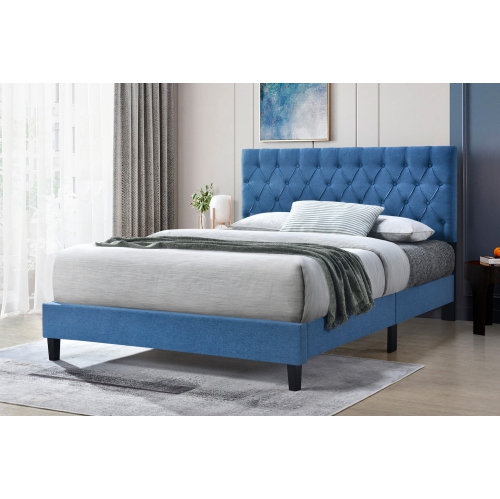
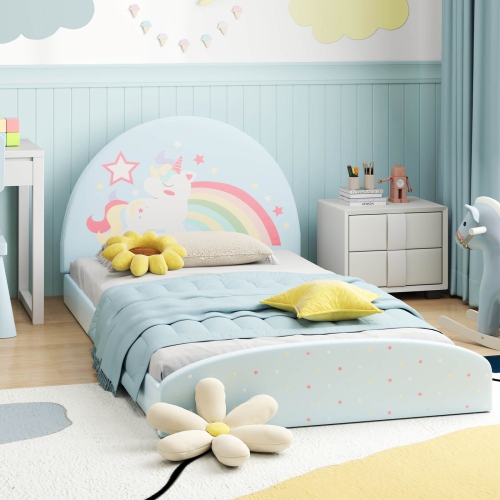
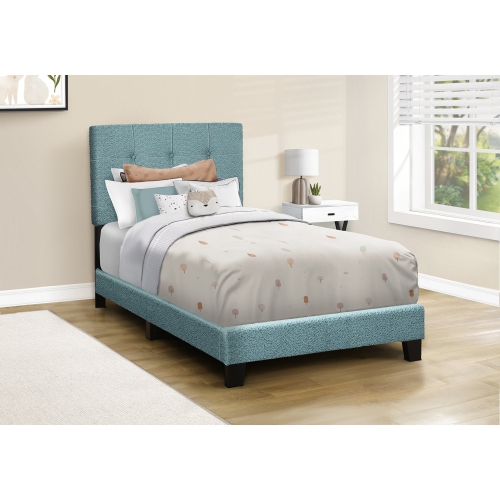
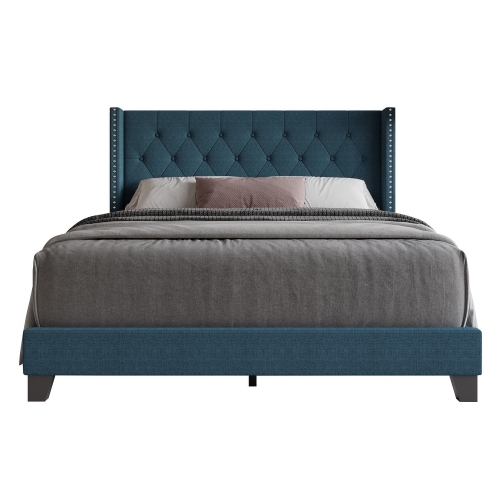
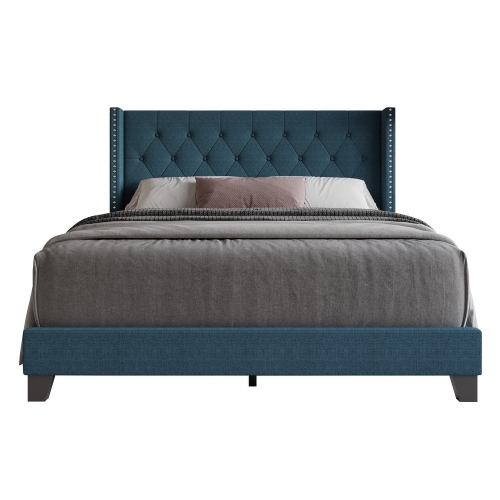
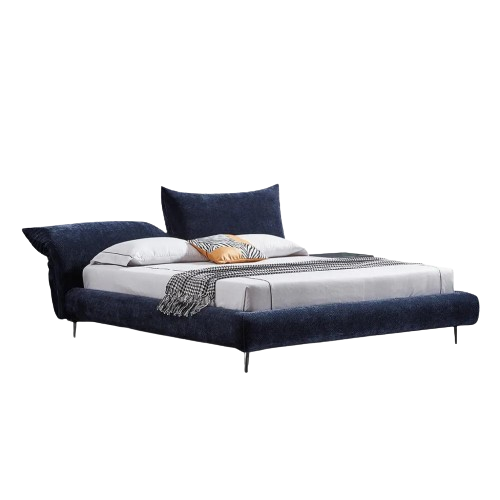
Blue bed frames bring colour into a bedroom through one of its largest pieces of furniture, creating a focal point that can feel understated, expressive, or somewhere in between. The category includes upholstered frames, painted wood designs, and metal frames with blue finishes, with shapes ranging from simple platforms to beds with tall, detailed headboards. Navy has a grounded look alongside white bedding, warm wood bedside tables, and brushed metal lamps, while powder blue pairs gently with cream, pale grey, and natural textures. Muted denim shades work well in relaxed spaces where the furniture does not need to match exactly. The surface matters as much as the shade: blue velvet can appear lighter or darker as its pile catches the light, whereas a woven upholstery fabric often gives the colour a more even, textured appearance. A painted frame offers a different effect, keeping the outline of the rails, legs, and headboard more prominent. Button tufting lends depth to a padded headboard, vertical channels create a tailored look, and an unadorned rectangular shape leaves more visual space for patterned bedding or artwork. Curved edges can soften a room filled with straight-lined storage furniture, while a slim metal profile keeps the bed from looking too heavy in a compact space. Blue is also flexible enough to carry through different room arrangements, from a child's room with colourful cushions to a guest bedroom with crisp sheets and a simple coverlet. A blue frame does not require an entirely blue room; repeating the colour in a cushion or a small piece of artwork can be enough to connect the furnishings. For a coordinated palette, Blue Bedding Sets can carry similar tones across the bed, while a mix of lighter and darker shades keeps the result from feeling overly matched. Fabric swatches, where provided, can help clarify undertones that are difficult to judge on a screen, especially when distinguishing a green-leaning blue from a cooler slate shade.
Beyond its colour, a bed frame needs to fit both the mattress and the room around it. Twin and full sizes can suit smaller bedrooms, while queen and king frames provide a larger sleeping area when floor space permits. Size names describe mattress compatibility rather than the complete footprint of the furniture, so a thick upholstered headboard, winged sides, or a broad footboard can add noticeably to the overall dimensions. In a narrow room, those extra centimetres may affect whether a wardrobe door opens fully or whether there is a comfortable path beside the bed. Headboard height also changes the proportions of the space: a tall design can anchor a blank wall, but it may overlap a window sill or compete with shelving above the mattress. The finished sleeping height depends on the frame, the mattress, and any required foundation together. A low platform creates a close-to-the-floor profile, while a taller combination may be easier for some people to sit on and stand up from. Mattress support deserves equal attention. Platform beds typically use slats or a solid surface, but the frame's stated requirements determine whether a separate box spring or foundation is needed. Slat spacing should meet the mattress manufacturer's specifications, particularly for foam and hybrid mattresses that need consistent support. Larger frames may use a centre rail and additional legs to distribute weight; their presence, placement, and stated weight capacity are more useful details than appearance alone. A frame intended for an adjustable base also needs explicit compatibility, since internal supports and side rails can interfere with movement or clearance. Storage designs add another layer of fit. Drawers need room to extend beyond the bed, and bedside tables can block drawers positioned near the headboard. Lift-up storage can make use of the area beneath the mattress without needing side clearance, although the lifting mechanism has its own mattress weight requirements and operating instructions. Trundle designs offer an extra sleeping surface, but they need enough open floor space when extended and a mattress within the specified thickness limit.
Materials and construction influence how a blue bed frame feels in everyday use and how much attention it needs over time. Upholstery adds a softer surface around the bed and can make a headboard more pleasant to lean against with pillows while reading. Velvet has a plush, light-catching finish, while woven fabrics can provide a more subtle texture; fibre content, weave, and cleaning instructions matter more than the fabric's appearance alone. In a home with pets, hair may be more visible against some blue shades, and claws can catch on certain weaves. Painted wood and coated metal generally offer surfaces that are easier to wipe, though edges and finishes still need protection from knocks and abrasive cleaners. Structural durability depends on the complete assembly, including joints, fasteners, slats, and support legs, rather than on a single material claim. Solid wood, engineered wood, and metal may each serve different roles within the same frame. Secure connections and correctly positioned supports help the bed remain steady, and any periodic tightening should follow the manufacturer's directions. For upholstered sections, gentle vacuuming with a suitable attachment can remove dust from seams and tufting; spills are best addressed promptly according to the fabric's care label, without saturating the padding. Removable covers should only be washed if their instructions allow it. Strong direct sunlight can affect some fabrics and finishes over time, making placement worth considering for a bed beside a large window. Practical details also shape suitability for different households. A guest room may benefit from a straightforward frame with an easy-to-clean finish, while a teenager's room may make better use of integrated storage. Open space beneath a frame can accommodate storage containers or allow cleaning access, provided the clearance is sufficient. For a child's bed, age suitability and any required guardrails take priority over decorative features. Finally, assembly access matters: headboard sections and long rails need to travel through doorways, stairwells, and tight turns before reaching the bedroom. Together, these details distinguish a blue bed frame that simply suits a colour scheme from one that also supports the room's daily routines.
Top selling and popular products
-
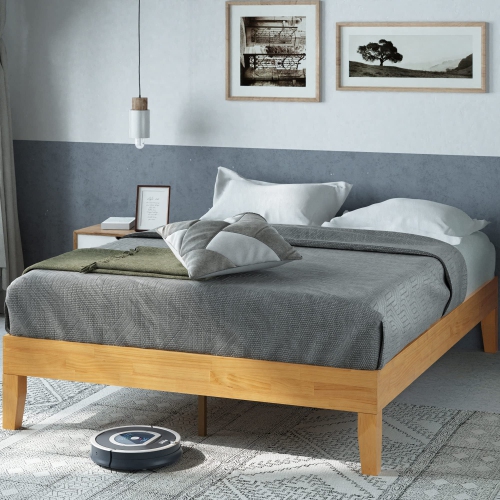 Your price for this item is $493.52
-
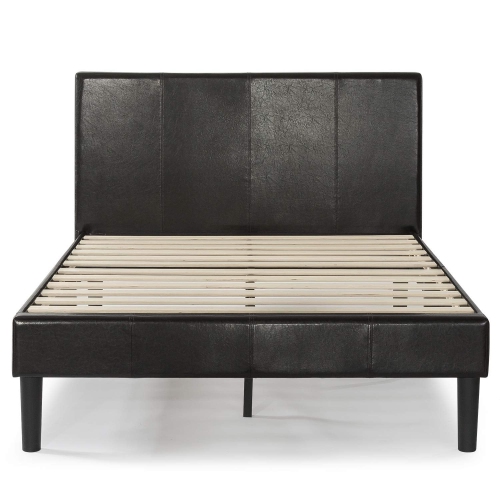 Your price for this item is $611.85
-
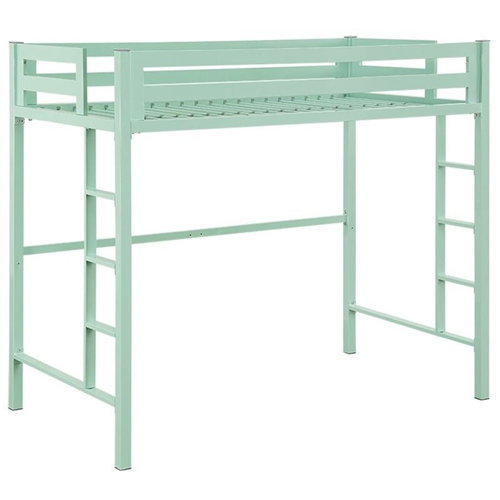 Your price for this item is $825.26
-
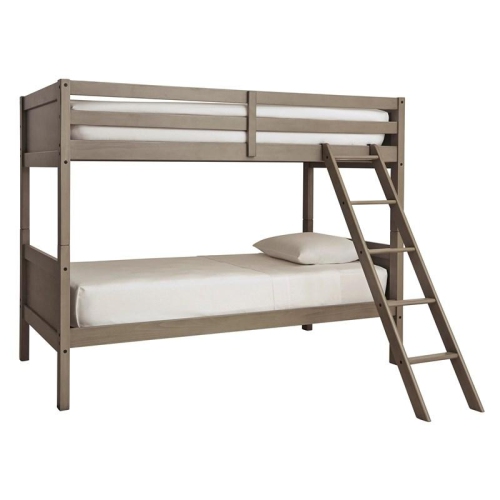 Your price for this item is $799.99
-
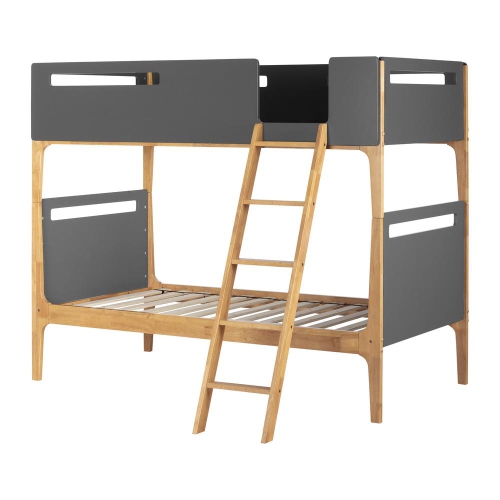 Your price for this item is $985.42
-
 Your price for this item is $167.99
-
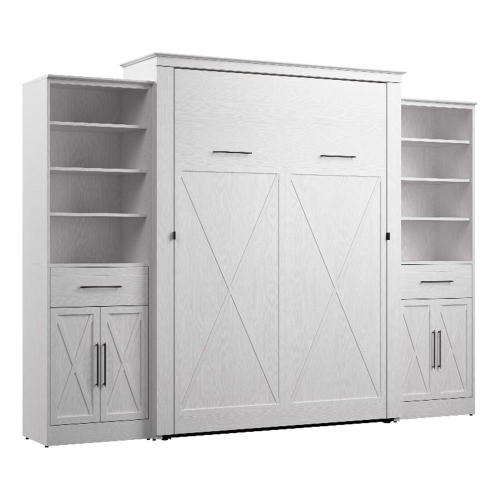 Your price for this item is $3519.99
-
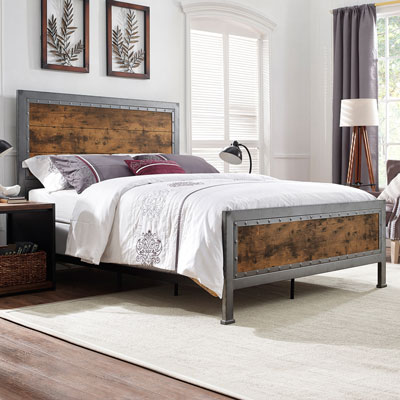 Your price for this item is $862.99
Discover more categories related to Blue Bed Frames
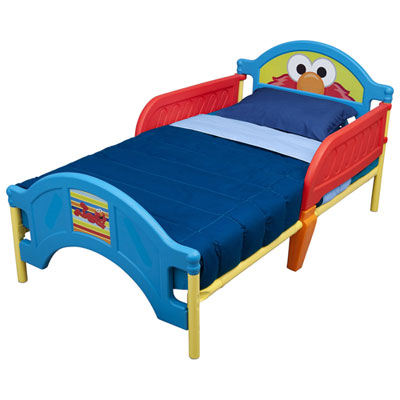
Top Collections:
Pokemon Centers, Kindle Devices, Best Cameras for Sports Photography, Pokémon 30th Celebration Cards, Canon G7X Cameras, Samsung Galaxy Phones, iPhone 15 Apple, Best Black Friday Deals On Electronics, Jackery Power Stations, Solar Generators for Home
Some products may be subject to Environmental Handling Fees
(EHF) depending on your province.
Learn more about EHFs.