Best Heating Thermostats

Keep your home comfortable with the best heating thermostats, ranked by user review ratings to help you compare top-rated options. Whether you prefer simple temperature controls or features that let you tailor heating to your daily routine, explore thermostats suited to your needs and check compatibility with your heating system before choosing.

Read More

What to look for in heating thermostats

1. Heating System Compatibility

Check whether your heating system requires a low-voltage, line-voltage or millivolt thermostat. Electric baseboard heaters, furnaces, boilers and heat pumps can have different requirements, so confirm compatibility with your specific equipment before buying.

2. Temperature Controls and Scheduling

Look for easy-to-adjust temperature settings and a clear display. Programmable models let you set heating schedules around your routine, while supported multi-stage controls can help compatible systems maintain steady comfort.

3. Smart Features and Connectivity

A Wi-Fi thermostat can let you adjust settings remotely through an app, while compatible models offer voice control or room sensors. Check your home network requirements, smart home compatibility and whether any features require a paid subscription.

4. Wiring and Installation

Compare your existing wiring with the thermostat’s installation requirements, including whether it needs a C-wire or a compatible power adapter. For line-voltage models, confirm the voltage and electrical load rating, and arrange professional installation when required.
Citrus catapult arrow
  1. 1

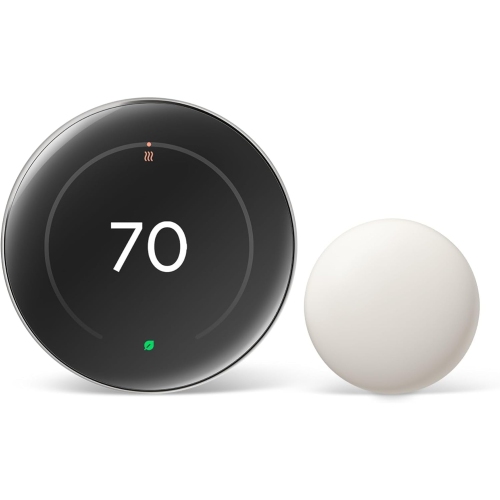
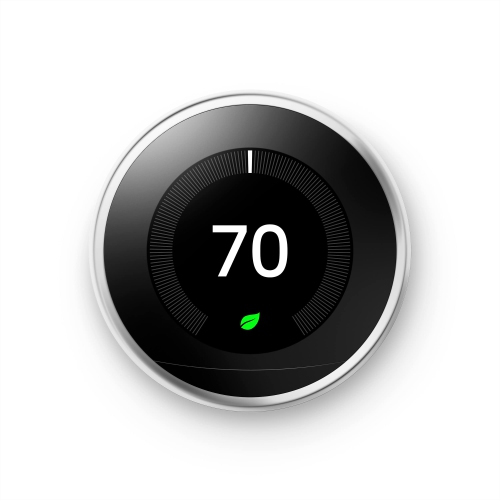
    GOOGLE Nest Learning Thermostat Pro Edition (4Th Gen, 2024) With Temperature Sensor – Polished In Silver

    About this product

    A polished silver smart thermostat with adaptive learning, energy-saving features, and a dedicated temperature sensor.

    What customers like

    • Energy-saving and efficient
    • Modern and sleek design
    • Convenient remote control and app access
    • Easy installation process
    • User-friendly and intuitive interface
    (56)
    $331.55
    SAVE $17
    Your price for this item is $331.55
  2. 2

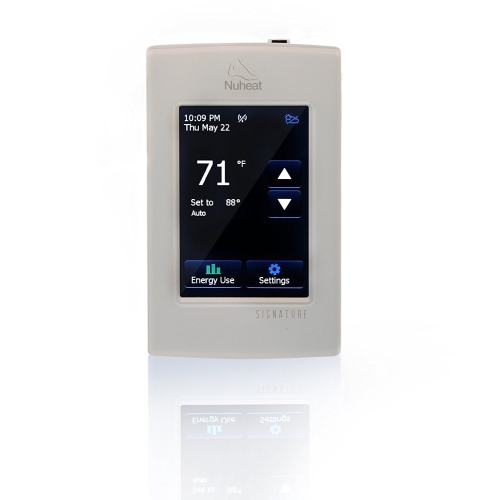
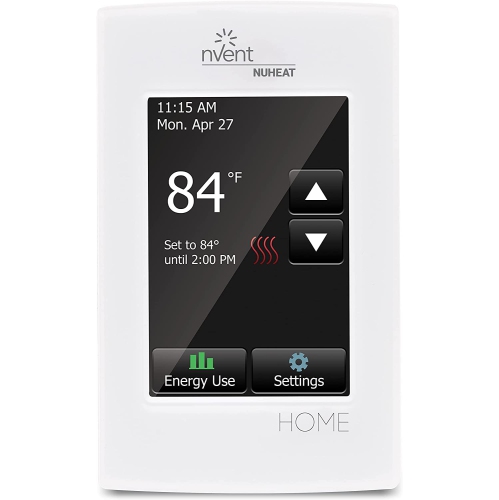
    NUHEAT Ac0055 Signature Wifi Touchscreen Programmable Dual-Voltage Thermostat

    About this product

    A programmable dual-voltage thermostat with Wi-Fi and touchscreen control for electric floor heating systems.

    (3)
    $285.00 Your price for this item is $285
  3. 3

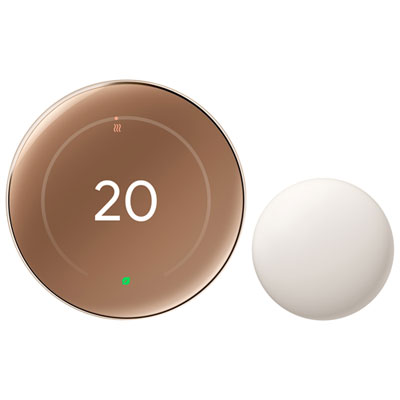
    Google Nest Wi-Fi Smart Learning Thermostat (4th Generation) - Polished Gold

    About this product

    A polished gold smart thermostat that learns your preferences and helps optimize home energy efficiency.

    What customers like

    • Energy-saving and efficiency benefits
    • Elegant and modern design
    • Remote control and smart home integration
    • Easy installation and setup
    • Advanced smart learning features
    (700)
    $299.99
    SAVE $80
    Your price for this item is $299.99
  4. 4

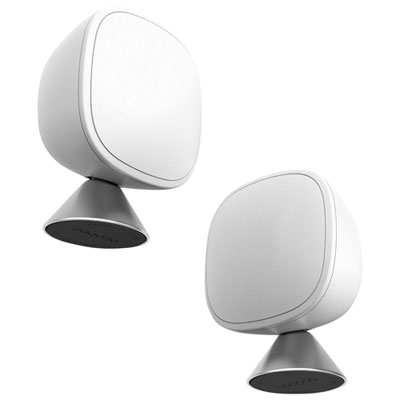
    ecobee Smart Sensor for Smart Thermostats - 2 Pack - White

    About this product

    A white wireless sensor that detects room occupancy and optimizes temperature for comfort and energy savings.

    What customers like

    • Easy setup and integration
    • Accurate temperature and occupancy detection
    • Enhances comfort and energy efficiency
    • Compact and discreet design
    • Strong compatibility with smart home systems
    (894)
    $89.99
    SAVE $29
    Your price for this item is $89.99
  5. 5

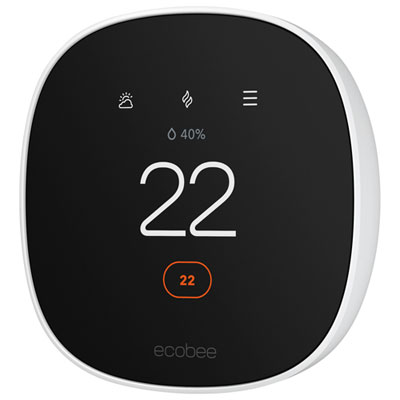
    ecobee Smart Thermostat Essential Wi-Fi Smart Thermostat - White

    About this product

    A Wi-Fi enabled thermostat in white that adjusts to your schedule and works with major smart assistants.

    What customers like

    • Sleek and modern design
    • Energy-saving features and efficiency
    • Easy installation and setup
    • User-friendly interface and app
    • Seamless smart home and voice assistant integration
    (169)
    $139.99
    SAVE $40
    Your price for this item is $139.99
  6. 6

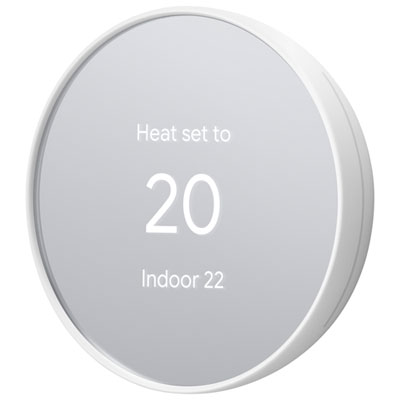
    Google Nest Wi-Fi Smart Thermostat - Snow

    About this product

    A smart, energy-saving thermostat in snow color with voice control and HVAC system alerts.

    What customers like

    • Easy installation
    • Energy and cost efficient
    • User-friendly interface and app
    • Convenient remote and mobile control
    • Attractive design and appearance
    (4,086)
    $125.99
    SAVE $54
    Your price for this item is $125.99
  7. 7

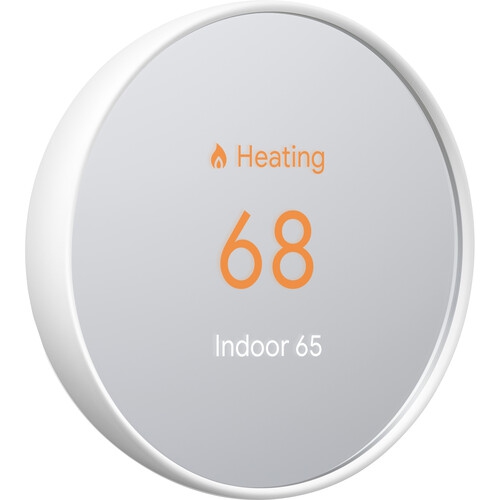
    GOOGLE Nest Thermostat (Snow, Ga01334) - Brand New

    About this product

    A smart thermostat in Snow with energy-saving features, 2.4" LCD display, and dual-band Wi-Fi connectivity.

    What customers like

    • Sleek and modern design
    • Convenient remote and app control
    • Energy-saving features and efficiency
    • Intuitive controls and user-friendly interface
    • Easy installation and setup
    (3,538)
    $149.99
    SAVE $30
    Your price for this item is $149.99
  8. 8

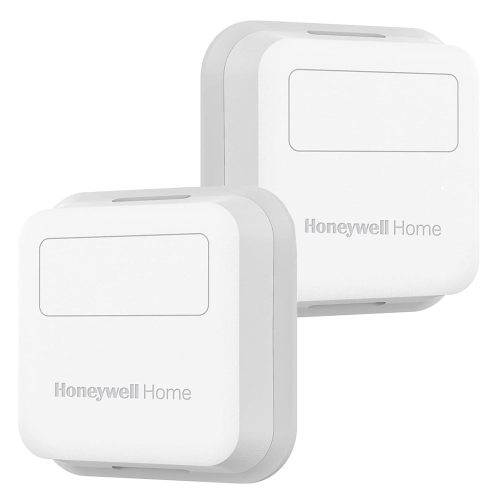
    HONEYWELL Home Smart Room Sensors for T9 & T10 Smart Thermostats - 2 Pack (Rchtsensor-2Pk)

    About this product

    A wireless sensor pair that detects temperature, humidity, and occupancy for smarter thermostat control.

    (17)
    $59.00 Your price for this item is $59
  9. 9

    NUHEAT NVENT Home Ac0056 Touchscreen Programmable Radiant Floor Heating Thermostat

    About this product

    A touchscreen programmable thermostat with dual voltage compatibility and 7-day scheduling for radiant floor heating.

    (2)
    $228.00 Your price for this item is $228

Why heating compatibility matters more than smart features

The best heating thermostats match the heating system they control, keep everyday temperature adjustments straightforward, and offer features that suit the household’s routine. Compatibility matters more than a long list of smart functions: a thermostat designed for a central furnace generally cannot replace one that directly controls an electric baseboard heater. Many furnaces, boilers, and heat pumps use low-voltage controls, commonly 24 volts, while many electric baseboards and wall-mounted electric heaters require line-voltage thermostats rated for 120 or 240 volts. The existing wiring, equipment specifications, and thermostat compatibility information establish which type belongs on the wall. Within those categories, non-programmable, programmable, and smart thermostats serve different needs. A simple digital control suits someone who prefers to set a temperature manually and leave it there, with a clear display making small adjustments easy. A programmable thermostat supports recurring temperature changes, such as a warmer living area before breakfast and a lower setting after everyone leaves for the day, without necessarily needing an internet connection. Smart heating thermostats add connected functions that may include app access, occupancy sensing, usage reports, and schedules that adapt to household activity. Those features can be useful when work shifts change, travel interrupts the usual routine, or a homeowner wants to adjust the heat before returning from a weekend away. During the cooler months, the practical difference is often how comfortably the controls fit daily life: a readable screen in a dim hallway, an accessible temperature adjustment for visiting family, or a schedule that does not need constant attention. For households with predictable routines, straightforward programming may be more useful than extensive automation. For others, remote access makes managing an irregular day easier. No single thermostat is best for every home, and a well-matched control should work with both the installed equipment and the people using it. A thermostat regulates when compatible heating equipment operates; it cannot fix draughty windows, undersized heaters, or uneven airflow on its own.

Heating-system details help distinguish thermostats that look similar but perform very different jobs. For an electric baseboard installation, the voltage, maximum electrical load, and supported heater type all need to match. A control rated for one baseboard may not have enough capacity for several heaters on the same circuit, and support for a fan-forced heater should be stated rather than assumed. Single-pole and double-pole line-voltage controls also differ in how they switch the circuit and whether they provide a true off position. For central systems, compatibility can depend on the number of heating and cooling stages, the wiring arrangement, and whether the equipment uses a proprietary communicating control. Heat pumps require particular attention because the thermostat may need to manage a reversing valve, auxiliary heat, or a separate backup heating source. Suitable controls and correct setup help prevent unnecessary use of backup heat, while large temperature setbacks may not suit every heat pump installation. Boiler and radiant-floor systems bring their own considerations. Slow-warming floors respond differently from forced-air heating, and electric floor-heating controls may require a compatible floor sensor and built-in ground-fault protection. A thermostat intended for room air temperature alone is not automatically suitable for controlling heated flooring. Physical fit matters, too: the mounting plate, electrical box requirements, and wall coverage affect how neatly a replacement sits where the old control was installed. Many smart low-voltage thermostats need a common wire, often called a C-wire, for continuous power; others support specified power accessories or different arrangements. Battery operation, where supported, introduces a separate maintenance need. Wire colour alone does not establish a wire’s function, so terminal labels and equipment documentation matter. Installation involving mains voltage belongs with a qualified electrical professional, and unfamiliar furnace or heat-pump wiring warrants professional assessment. Careful matching helps protect the equipment and avoids a control that powers on but cannot operate the system properly. Renters should also obtain permission before replacing a fixed heating control, even when the change appears small.

Day-to-day usability often determines whether extra thermostat features earn their place. Remote room sensors can help a compatible thermostat respond to the temperature in an occupied bedroom or home office instead of relying only on a hallway reading. They do not, by themselves, create independent heating zones or guarantee equal temperatures throughout the house; separate room control depends on the heating layout and any compatible zoning equipment. In a home with individually controlled electric heaters, room-by-room scheduling can suit different patterns of use, such as a comfortable workspace during the day and a quieter, cooler bedroom at night. Connected controls also vary in their network requirements, app features, and supported smart-home platforms. Some use 2.4 GHz Wi-Fi, while others depend on a compatible hub or receiver, so the connection method deserves attention alongside the screen design. The Best Wireless Thermostats collection is relevant for shoppers interested in connected control, although wireless communication does not necessarily mean the wall unit needs no wiring. Local temperature adjustment remains useful when an internet connection is interrupted, while remote access generally depends on functioning network and online services. Shared app access may help household members manage settings, and lockable controls can limit accidental changes where that feature is supported. For hands-on use, large numerals, clear contrast, responsive buttons, and an intuitive dial or touchscreen can matter more than a striking appearance. Housings are commonly made from moulded plastic, with finishes and display surfaces that vary in resistance to fingerprints and everyday wear. Gentle cleaning with a soft, dry cloth keeps the face readable; liquids sprayed directly onto the unit can enter openings or damage the display. Battery replacement, where required, and occasional checks of schedules and sensor connections help keep operation dependable. Placement also affects temperature readings: direct sunlight, nearby lamps, draughts, and obstructing furniture can interfere with accurate sensing. The most useful heating thermostat combines appropriate electrical specifications, reliable temperature control, and an interface that feels natural to use, whether the household prefers a single steady setting or a carefully timed routine.
Read More

FAQ

Some products may be subject to Environmental Handling Fees (EHF) depending on your province. Learn more about EHFs.