Blue Sapphire Earrings With Diamonds
Blue Sapphire Earrings With Diamonds bring a touch of elegance and sophistication to any jewelry collection. Their captivating blue hues paired with the brilliance of diamonds create a timeless accessory perfect for special occasions or everyday wear. Whether you’re searching for a unique gift or looking to elevate your personal style, these earrings offer a luxurious blend of classic charm and modern appeal. Explore an array of stunning designs that highlight the beauty and allure of blue sapphire paired with sparkling diamonds.
Sort
How diamond accents shape the look of blue sapphires
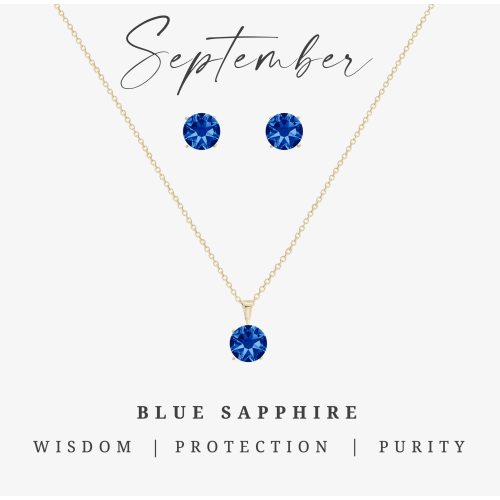
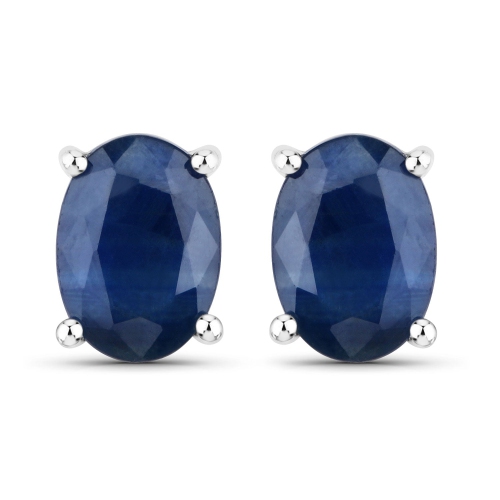
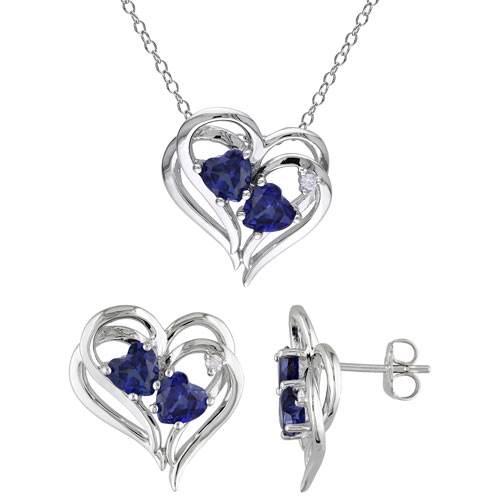
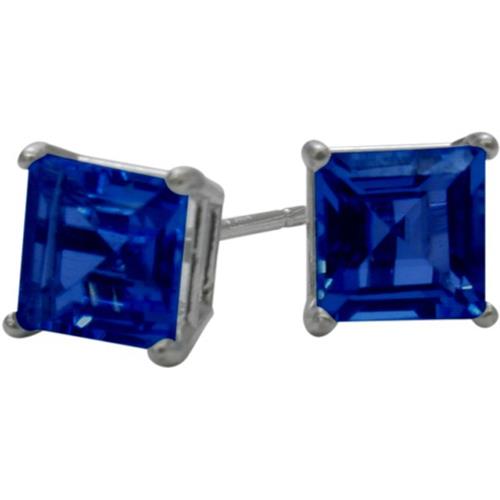
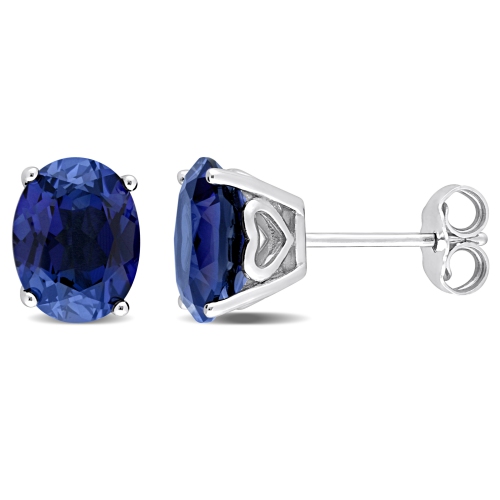
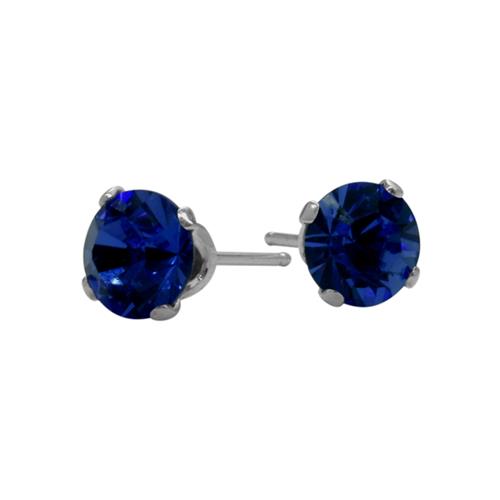
Blue sapphire earrings with diamonds pair rich blue gemstones with bright, light-catching accents, creating a contrast that suits both understated jewellery and more elaborate designs. The sapphire usually supplies the main colour, while diamonds outline its shape, add sparkle along a setting, or form a small cluster above or below the centre stone. Styles range from compact studs to close-fitting huggies, flowing drops, and floral arrangements. Round sapphire studs with diamond halos have a balanced, symmetrical appearance; oval shapes offer a longer outline without necessarily adding much width. Cushion-cut stones bring softly rounded corners to a square or rectangular silhouette, while pear-shaped sapphires create a tapered profile that works particularly well in suspended settings. A halo can make the overall earring appear larger, whereas a few carefully placed diamond accents leave more of the focus on the blue stone. Sapphire colour varies from lighter blue to vivid royal blue and deep, inky shades, and that variation has a noticeable effect on the finished piece. A very dark sapphire may appear almost black in subdued indoor lighting, while a brighter blue can remain more distinct against the metal. Cut also influences how light moves through the stone, so colour alone does not describe its appearance. Diamond accents contribute their own character: a fine border gives a crisp outline, while larger clusters create a more prominent sparkle. For a matched pair, similarities in sapphire colour, dimensions, and setting style help the earrings look balanced when worn. Total carat weight describes weight rather than face-up size, and a stated total may apply to the pair rather than each earring. Measurements in millimetres are often more useful for picturing how much of the earlobe a stud will cover or how far a drop will hang. Together, gemstone shape, setting dimensions, and the placement of the diamonds determine whether the result feels discreet enough for a workday or more suited to a dressed-up occasion.
The metal surrounding sapphires and diamonds affects both the visual contrast and the practical care of the earrings. White gold and platinum provide a pale backdrop that allows diamond accents to blend into the setting and keeps attention on the blue gemstones. Yellow gold creates a warmer frame, making the contrast between gold and sapphire more pronounced. Rose gold adds a pink-toned border that gives classic sapphire shapes a different character, while sterling silver offers a bright white-metal appearance with its own maintenance needs. Gold fineness describes the proportion of gold in the alloy, not a promise that a piece will resist every scratch or suit every wearer. The alloy composition matters for skin sensitivity, particularly in posts and backs that remain in contact with the ear. Anyone with a known nickel sensitivity should look for clear information about the metal components rather than assume that all white metals have the same composition. Rhodium-plated white gold may need replating as its finish wears, sterling silver can tarnish, and platinum develops a surface patina with use. Gemstone details deserve similar attention. Both natural and laboratory-grown sapphires are sapphire, but their origins differ; a simulated sapphire is a different material made to resemble one. Diamonds may also be natural or laboratory-grown. Heat treatment is common in sapphires, and disclosed treatments can affect the care a stone needs. Fit depends on more than materials: post length, the position of the piercing, earring weight, and the size of the backing all influence how a pair sits. Larger studs may tilt forward on some earlobes, while a suitable supportive backing can help distribute their weight. Screw backs, friction backs, hinged hoops, and leverback closures each fasten differently, so ease of handling matters alongside a secure fit. For earrings with movement, blue sapphire drop earrings offer a longer silhouette that can place the gemstone below the earlobe. Overall drop length and width help indicate whether that shape will sit comfortably beside a collar, catch against loose hair, or move freely with a turn of the head.
Intended use can narrow the choice between a small, close-fitting design and a more expressive pair. Sapphire and diamond studs can add colour beside a white shirt, a tailored jacket, or a simple knit without becoming the main feature of an outfit. Huggies sit nearer the ear than long drops, although any raised stone setting can still catch on fabric or hair. Longer earrings bring movement beside an open neckline or swept-back hairstyle, and diamond clusters can add detail when a necklace would make the overall look feel too busy. Matching every accessory is not essential: repeating a metal tone or a blue accent elsewhere can create a connection without requiring a full jewellery set. As a gift, blue sapphire earrings with diamonds can mark an anniversary, graduation, birthday, or personal milestone, especially for someone who already wears blue gemstones or favours colour over all-diamond jewellery. The recipient’s usual earring size, preferred fastening, metal sensitivities, and pierced or non-pierced ears are more useful clues than assuming a larger design will be more meaningful. Durability also deserves attention when earrings are intended for frequent wear. Sapphire ranks 9 on the Mohs hardness scale and diamond ranks 10, which makes both resistant to scratching, but hardness does not prevent chipping from a sharp impact. Prongs, hinges, and fine metal details can wear or bend even when the gemstones remain intact. Removing earrings before swimming, exercise, sleep, or tasks involving strong cleaning products reduces avoidable exposure and snagging. For routine cleaning, a soft cloth and, where the maker’s care directions allow it, lukewarm water with mild soap can lift oils that dull the stones’ appearance. A soft brush can reach around settings without aggressive scrubbing; rinse carefully away from an open drain and dry thoroughly. Ultrasonic and steam cleaning are not suitable for every treated gemstone or delicate setting, so professional advice is useful when treatment details are unclear. Separate, softly lined storage helps keep diamonds from scratching neighbouring jewellery. Periodic checks of posts, backs, and stone settings help preserve the comfort and appearance of earrings chosen to be worn and enjoyed over time.
The metal surrounding sapphires and diamonds affects both the visual contrast and the practical care of the earrings. White gold and platinum provide a pale backdrop that allows diamond accents to blend into the setting and keeps attention on the blue gemstones. Yellow gold creates a warmer frame, making the contrast between gold and sapphire more pronounced. Rose gold adds a pink-toned border that gives classic sapphire shapes a different character, while sterling silver offers a bright white-metal appearance with its own maintenance needs. Gold fineness describes the proportion of gold in the alloy, not a promise that a piece will resist every scratch or suit every wearer. The alloy composition matters for skin sensitivity, particularly in posts and backs that remain in contact with the ear. Anyone with a known nickel sensitivity should look for clear information about the metal components rather than assume that all white metals have the same composition. Rhodium-plated white gold may need replating as its finish wears, sterling silver can tarnish, and platinum develops a surface patina with use. Gemstone details deserve similar attention. Both natural and laboratory-grown sapphires are sapphire, but their origins differ; a simulated sapphire is a different material made to resemble one. Diamonds may also be natural or laboratory-grown. Heat treatment is common in sapphires, and disclosed treatments can affect the care a stone needs. Fit depends on more than materials: post length, the position of the piercing, earring weight, and the size of the backing all influence how a pair sits. Larger studs may tilt forward on some earlobes, while a suitable supportive backing can help distribute their weight. Screw backs, friction backs, hinged hoops, and leverback closures each fasten differently, so ease of handling matters alongside a secure fit. For earrings with movement, blue sapphire drop earrings offer a longer silhouette that can place the gemstone below the earlobe. Overall drop length and width help indicate whether that shape will sit comfortably beside a collar, catch against loose hair, or move freely with a turn of the head.
Intended use can narrow the choice between a small, close-fitting design and a more expressive pair. Sapphire and diamond studs can add colour beside a white shirt, a tailored jacket, or a simple knit without becoming the main feature of an outfit. Huggies sit nearer the ear than long drops, although any raised stone setting can still catch on fabric or hair. Longer earrings bring movement beside an open neckline or swept-back hairstyle, and diamond clusters can add detail when a necklace would make the overall look feel too busy. Matching every accessory is not essential: repeating a metal tone or a blue accent elsewhere can create a connection without requiring a full jewellery set. As a gift, blue sapphire earrings with diamonds can mark an anniversary, graduation, birthday, or personal milestone, especially for someone who already wears blue gemstones or favours colour over all-diamond jewellery. The recipient’s usual earring size, preferred fastening, metal sensitivities, and pierced or non-pierced ears are more useful clues than assuming a larger design will be more meaningful. Durability also deserves attention when earrings are intended for frequent wear. Sapphire ranks 9 on the Mohs hardness scale and diamond ranks 10, which makes both resistant to scratching, but hardness does not prevent chipping from a sharp impact. Prongs, hinges, and fine metal details can wear or bend even when the gemstones remain intact. Removing earrings before swimming, exercise, sleep, or tasks involving strong cleaning products reduces avoidable exposure and snagging. For routine cleaning, a soft cloth and, where the maker’s care directions allow it, lukewarm water with mild soap can lift oils that dull the stones’ appearance. A soft brush can reach around settings without aggressive scrubbing; rinse carefully away from an open drain and dry thoroughly. Ultrasonic and steam cleaning are not suitable for every treated gemstone or delicate setting, so professional advice is useful when treatment details are unclear. Separate, softly lined storage helps keep diamonds from scratching neighbouring jewellery. Periodic checks of posts, backs, and stone settings help preserve the comfort and appearance of earrings chosen to be worn and enjoyed over time.
Top selling and popular products
-
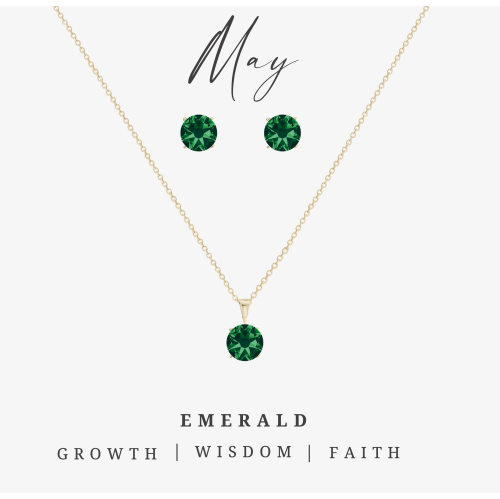 Your price for this item is $44.99
 -
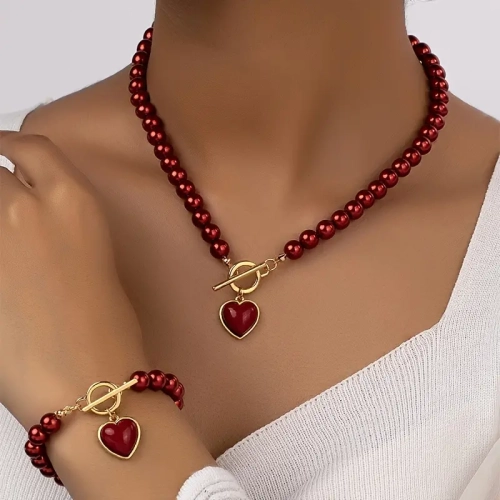 Your price for this item is $19.99
 -
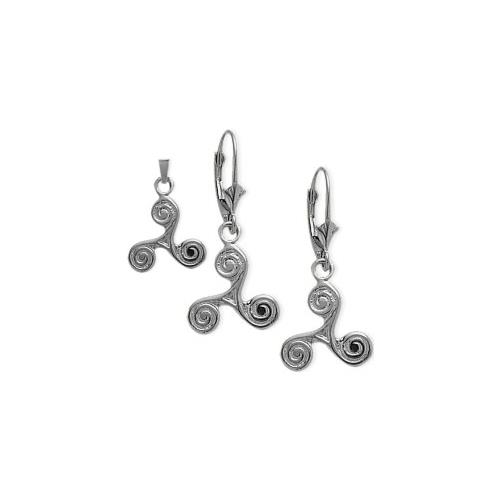 Your price for this item is $550
 -
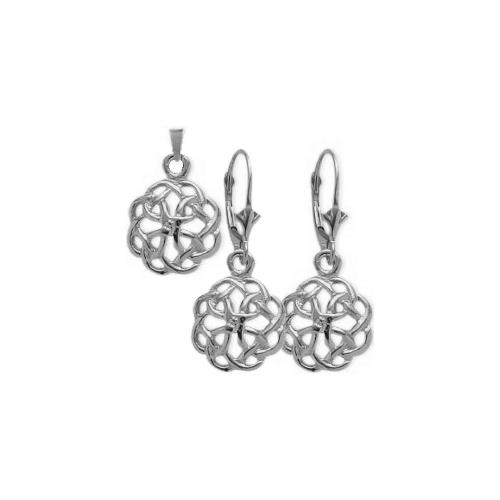 Your price for this item is $200
 -
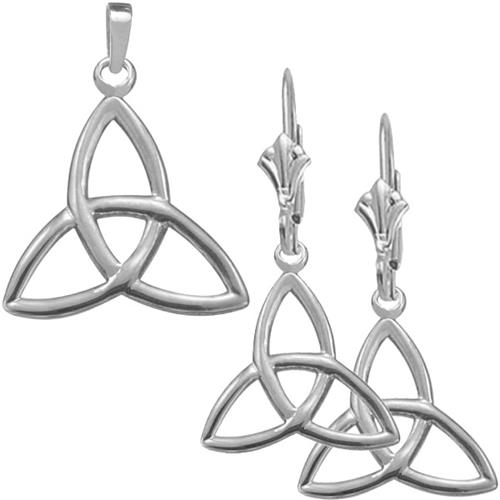 Your price for this item is $200
 -
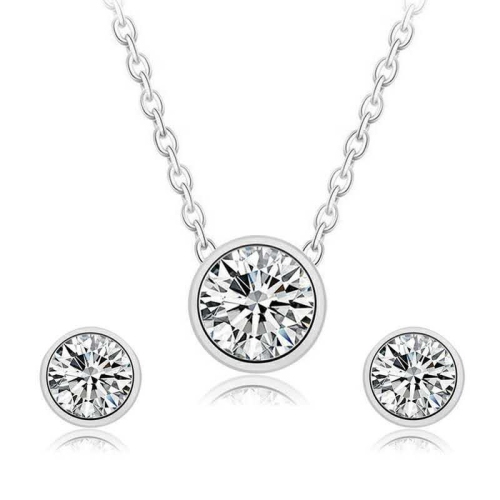 Your price for this item is $67
 -
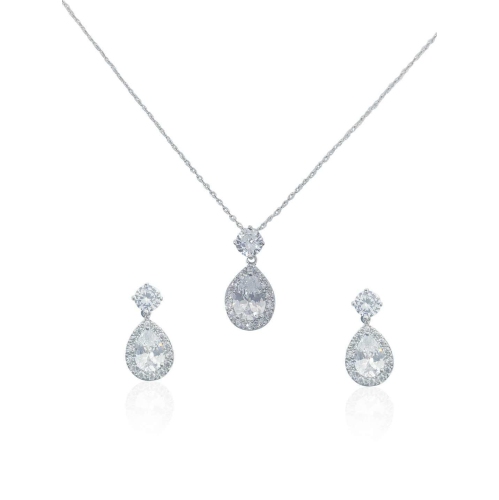 Your price for this item is $102
 -
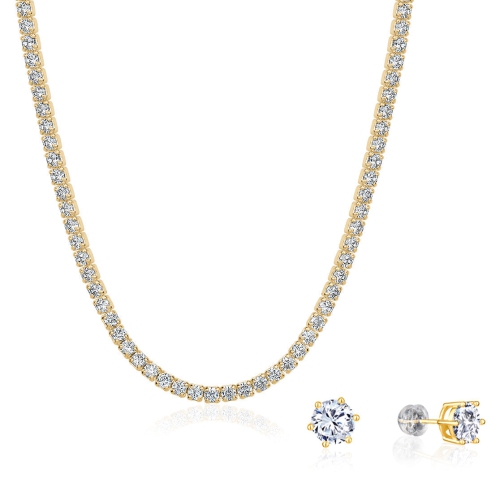 Your price for this item is $110
Discover more categories related to Blue Sapphire Earrings With Diamonds
Top Collections:
Pokemon Centers, Budget 4K TVs, Kindle Devices, Canon G7X Cameras, Apple iPhones 16, iPhone 15 Apple, Laptops for Business Work, Flip Phones, Xiaomi Phones, Refurbished Apple Laptops
Some products may be subject to Environmental Handling Fees
(EHF) depending on your province.
Learn more about EHFs.