Animated Board Games
Dive into the world of animated board games, where traditional tabletop fun meets dynamic digital enhancements. These innovative games bring a new level of excitement to game night, offering vibrant visuals and interactive elements that captivate players of all ages. Whether you're strategizing with friends or enjoying a family-friendly adventure, animated board games provide an engaging experience that combines the best of both worlds. Explore a variety of themes and genres, and discover how these games can transform your leisure time into an unforgettable journey filled with laughter and creativity. Remember, our Low Price Guarantee means you can shop confidently knowing that you'll find the best price at Best Buy, all year round. We encourage you to check our website frequently for the most up-to-date information on our latest offers and savings opportunities.
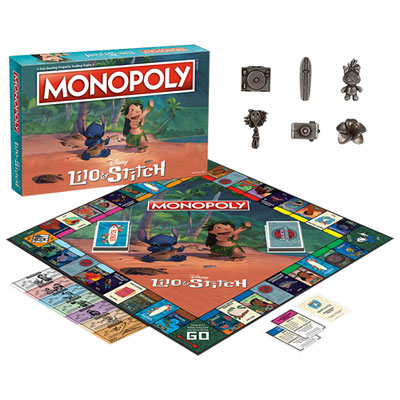
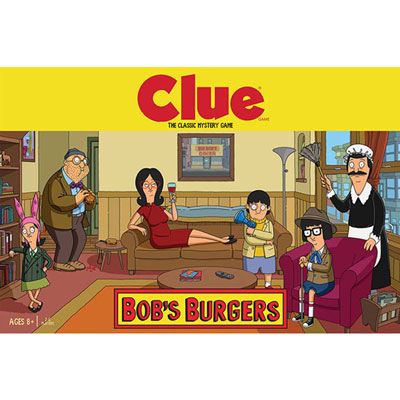
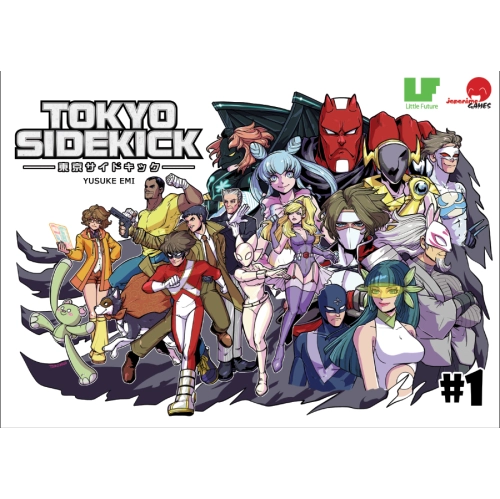

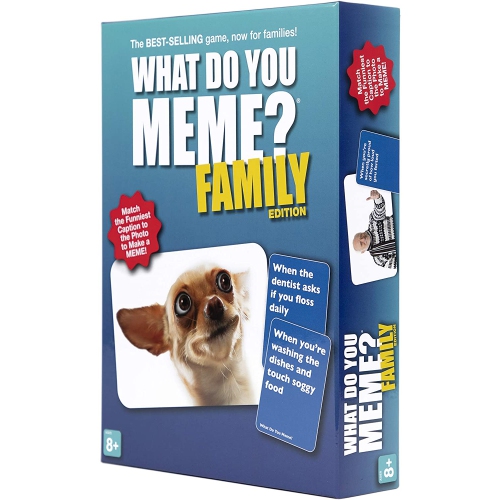
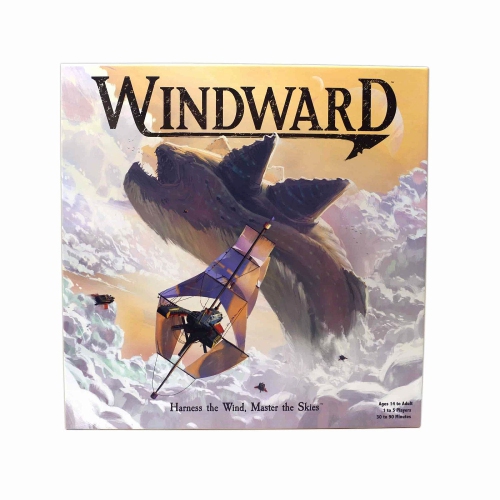
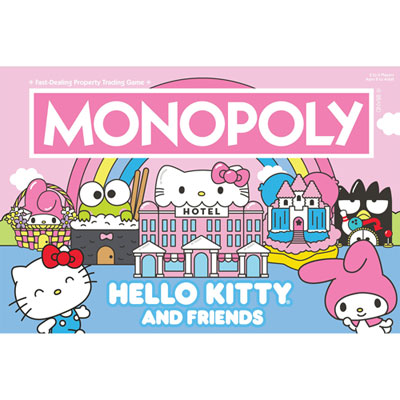
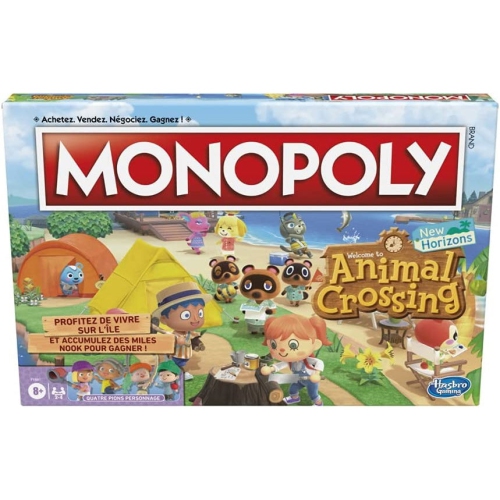
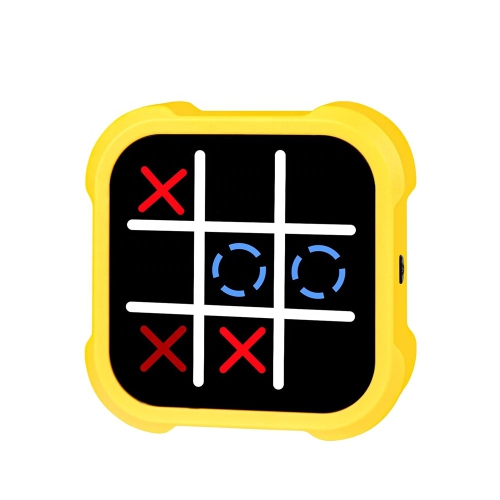
There’s more to cartoon games than familiar faces
The practical details of an animated board game matter just as much as its artwork. Age recommendations provide a starting point, but reading demands, number skills, dexterity, and attention span help explain whether the experience will suit the people playing. Picture-led cards and clear symbols can make participation easier for children who are still learning to read, while dense text or lengthy instructions may call for an adult to help. Small tokens and dice require particular attention in homes with young children; the age rating and any small-parts warnings remain important even when the characters look familiar and welcoming. Player count and stated playing time also shape everyday use. A game suited to two people can work well for a quiet afternoon with a sibling or caregiver, while a larger group format may be better suited to a family gathering. Table fit is another useful consideration. A fold-out board needs a flat surface, and games with individual player areas, card piles, or several types of tokens can occupy more space than the box suggests. Common materials include printed cardboard, paper cards, plastic playing pieces, and, in some designs, wooden components. Thick boards, smoothly finished edges, legible printing, and pieces that are comfortable to pick up can make repeated handling more pleasant. Durability also depends on how a game is stored and used. Cards tend to last better when kept flat, boards benefit from being folded along their intended creases, and sorted components make the next setup less frustrating. A fitted insert or separate storage bags can help keep tokens from disappearing beneath the box lining. Care should follow the manufacturer’s directions, particularly for printed surfaces or electronic components. Dry hands, a clear play area, and drinks placed away from the board help protect artwork and prevent warped cardboard. For versions with sound, lights, moving parts, or app features, power requirements and device compatibility are additional details to check; an animated theme alone does not imply any of those features.
Different styles of play give animated board games a place in a range of routines and occasions. Cooperative formats let players discuss choices and combine their efforts, which can be appealing when a group prefers a shared challenge to a single winner. Competitive formats bring a different energy, with turns that might involve a lucky roll, a carefully timed move, or a surprise change in position. For mixed-age groups, the balance between luck and decision-making can be especially important. Too much reading may leave a younger player waiting for help, while a game built entirely around chance may offer less to someone who enjoys planning ahead. Clear turn sequences and manageable playing times can help keep a family game night comfortable, particularly when players have different levels of experience. Familiar imagery may make the first explanation easier to follow, but it does not replace rules that suit the group. Replay value can come from changing layouts, varied objectives, different character abilities, or combinations of cards that create new situations. A story-led design may offer a more directed experience, with its appeal centred on discovering what happens next. These differences also matter when giving an animated board game as a gift. A recipient’s favourite type of play, reading confidence, and usual playing companions can be more useful clues than character preference alone. A child who enjoys telling stories may respond to imaginative choices, while a keen puzzler may prefer patterns or deduction. Birthdays, visits with relatives, and regular get-togethers all offer opportunities for a shared tabletop activity without requiring an elaborate setup. For those interested in exploring the theme beyond board games, Animated Games provides another related category to browse. At the table, though, the lasting attraction is often simpler: recognizable characters, a clear goal, and enough interaction to give everyone a reason to lean in, take a turn, and enjoy the unfolding game together.
Top selling and popular products
-
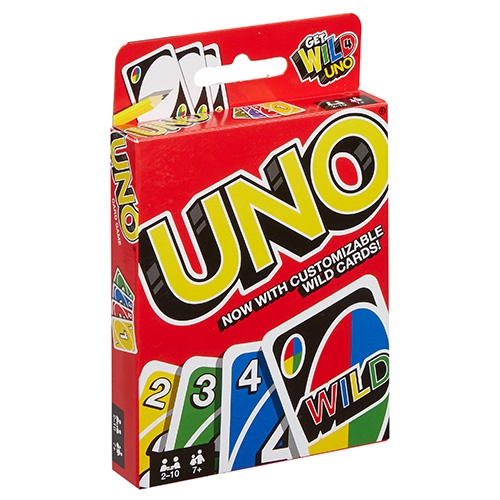 Your price for this item is $14.99
-
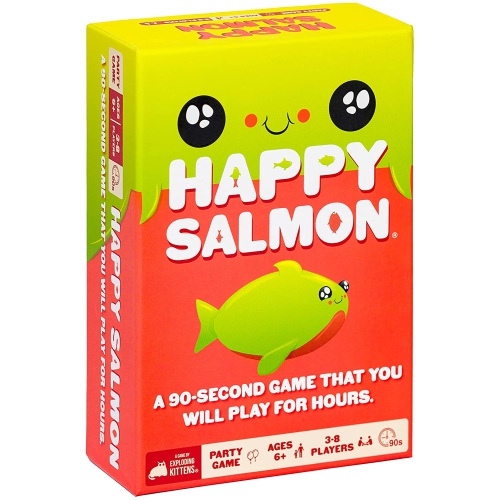 Your price for this item is $21.99
-
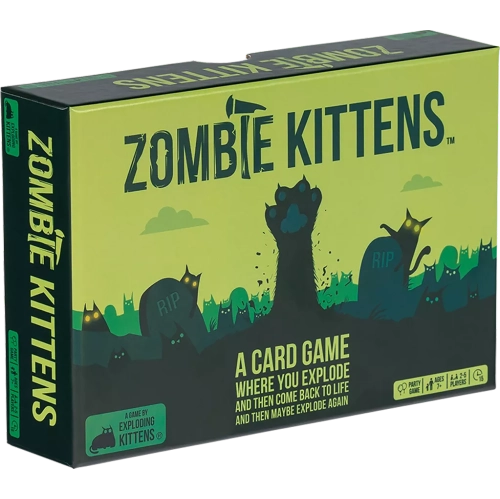 Your price for this item is $34.99
-
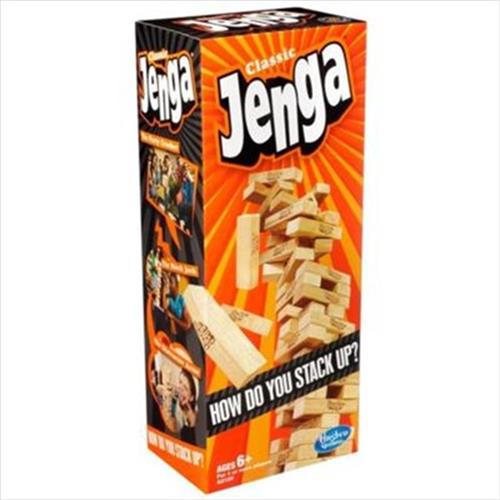 Your price for this item is $24.99
-
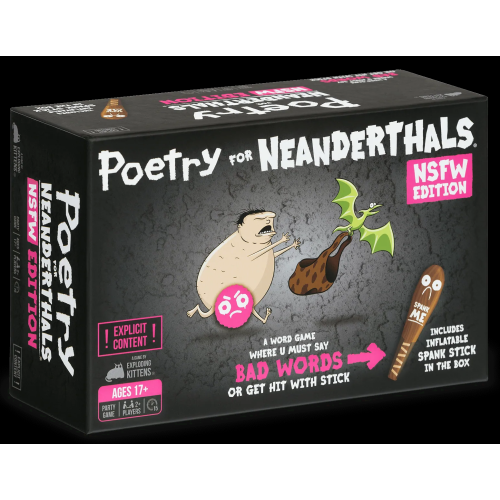 Your price for this item is $31.99
-
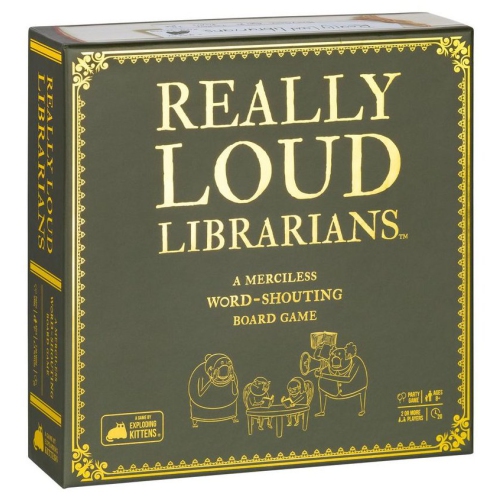 Your price for this item is $29.99
-
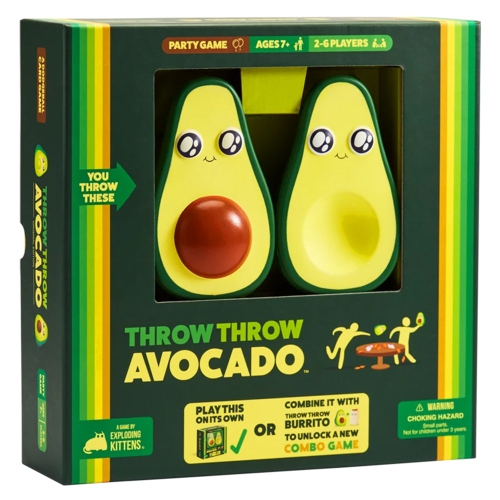 Your price for this item is $44.99
-
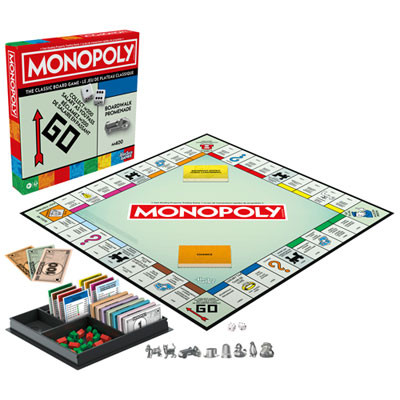 Your price for this item is $27.99