Games With Boards
Dive into the captivating world of board games, where strategy, luck, and fun come together to create unforgettable experiences. Whether you're hosting a cozy game night with family or challenging friends to an epic showdown, board games offer endless entertainment for all ages. From classic favorites that have stood the test of time to innovative new releases that push the boundaries of creativity, there's a perfect game waiting for everyone. Explore our diverse selection and discover the joy of connecting over a shared passion for gameplay that brings people closer together.
Sort
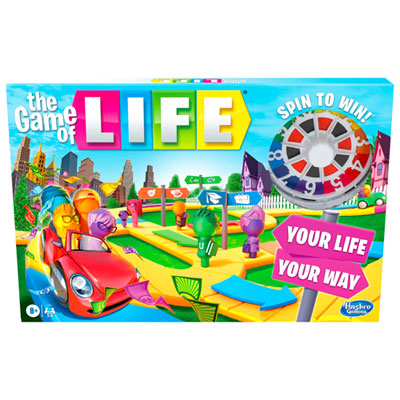
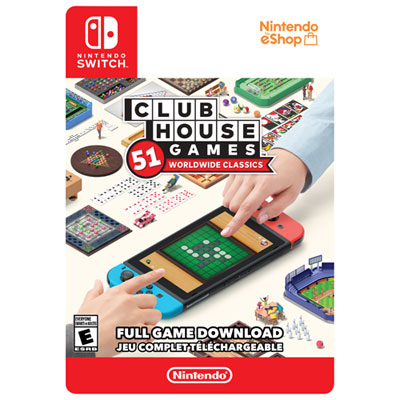
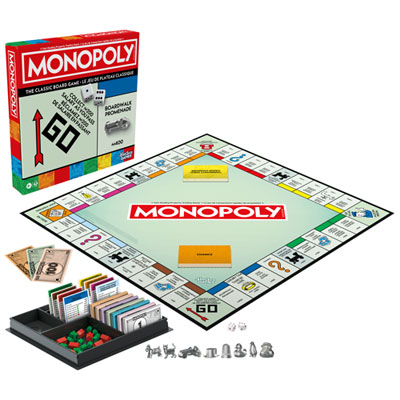
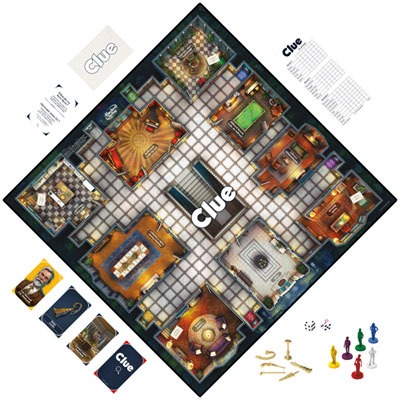
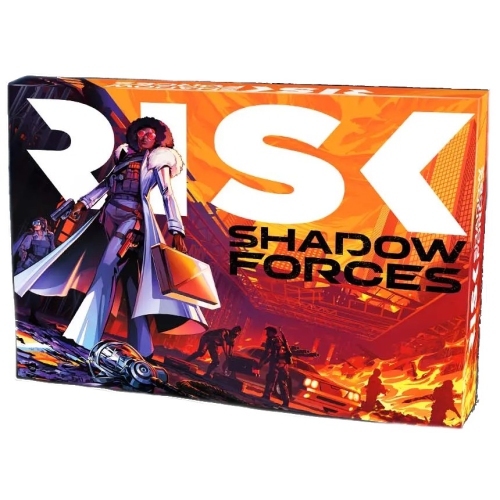
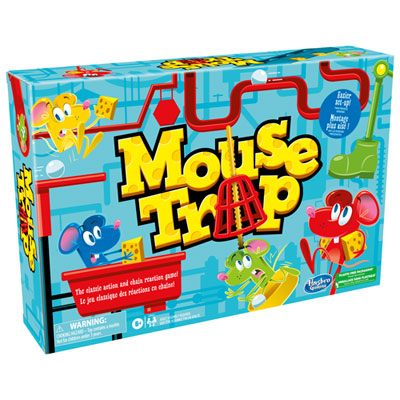
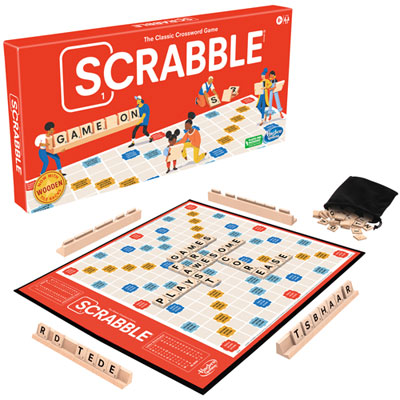
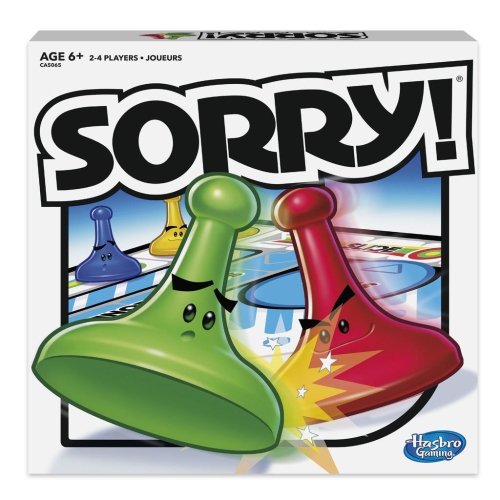
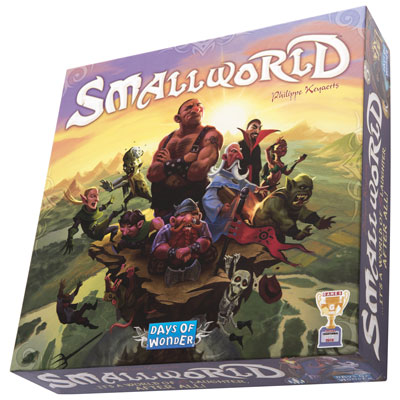
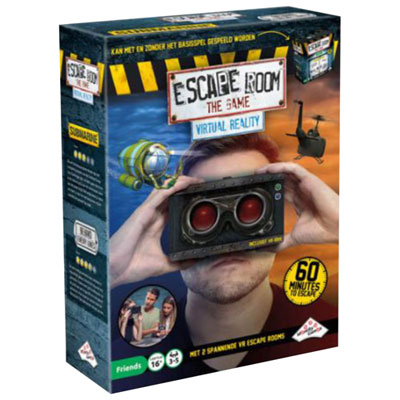
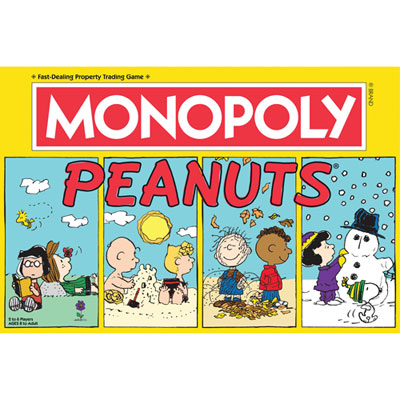
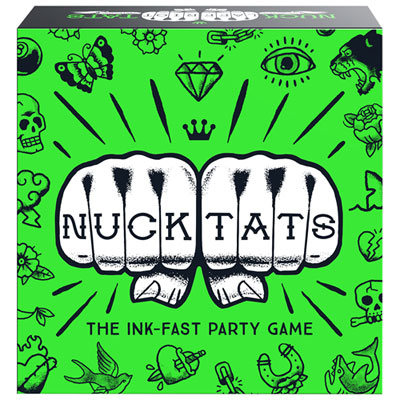
![HASBRO Pictureka Classic [Board Game 2 - 7 Players]](https://multimedia.bbycastatic.ca/multimedia/products/500x500/193/19383/19383511.jpeg)
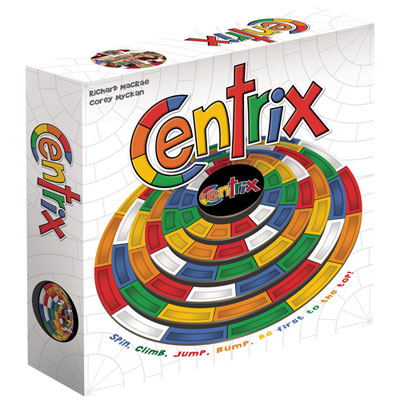
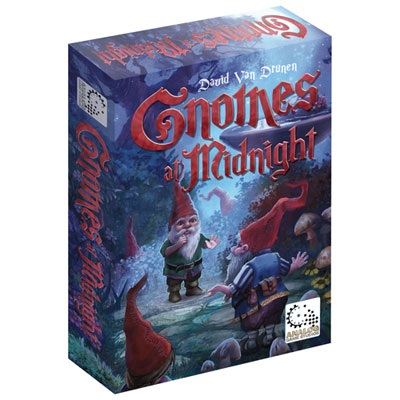
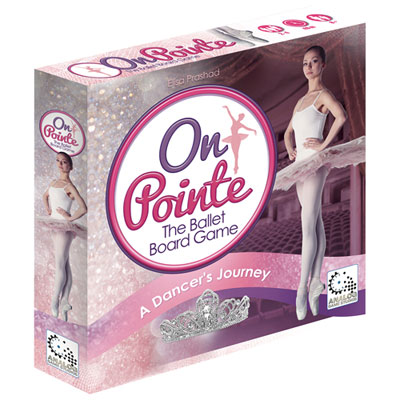
![SAS CREATIVE Carthage - The Deckbuilding Board Game [Board Game, 1-5 Players]](https://multimedia.bbycastatic.ca/multimedia/products/500x500/151/15158/15158860.jpeg)
![REPOS PRODUCTIONS 7 Wonders [Board Game, 2-7 Players]](https://multimedia.bbycastatic.ca/multimedia/products/500x500/153/15341/15341427.jpeg)
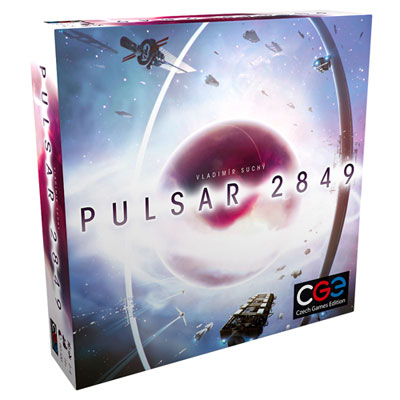
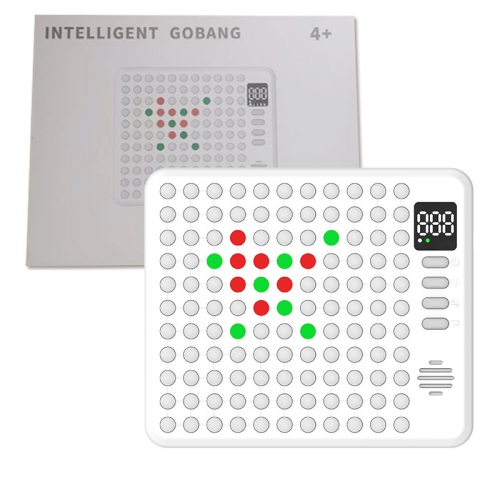
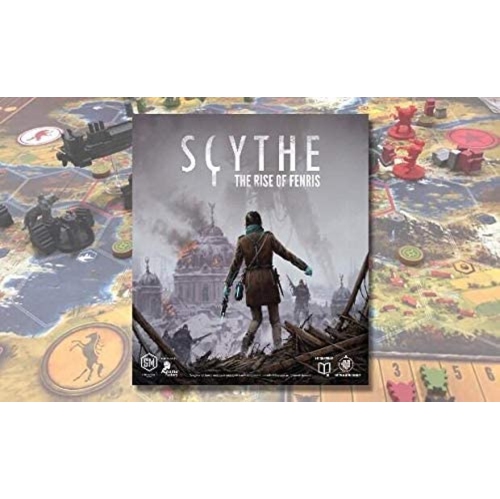
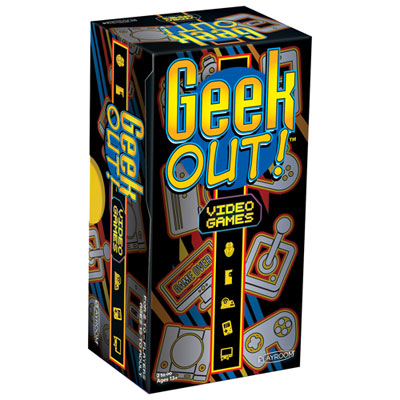
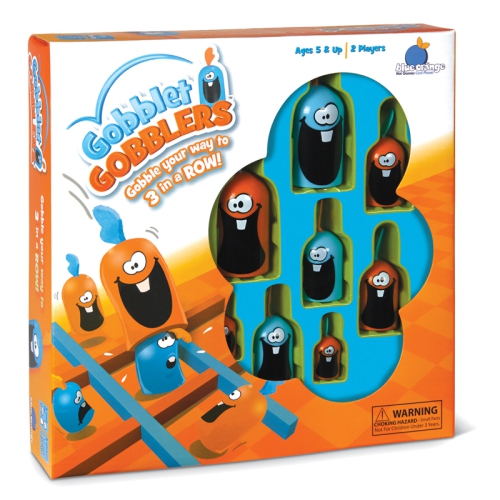

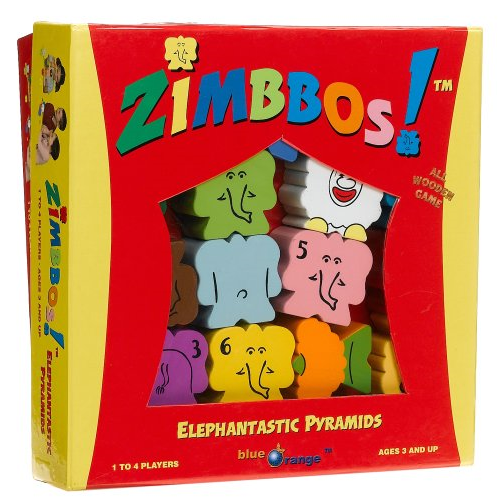
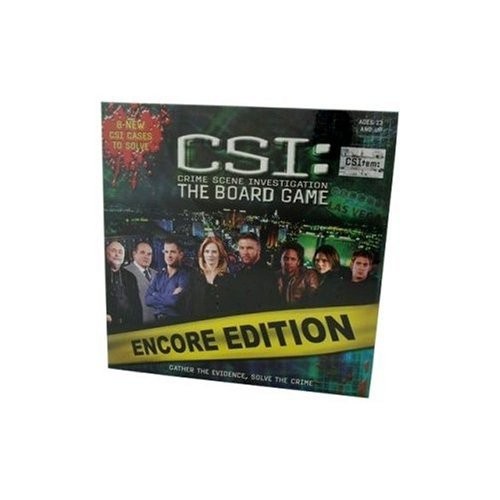
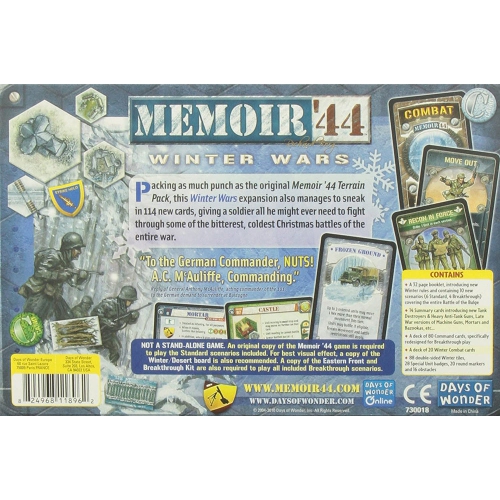
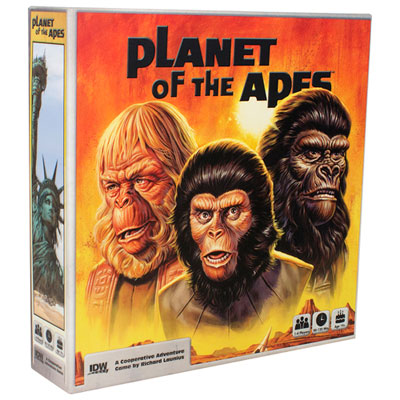

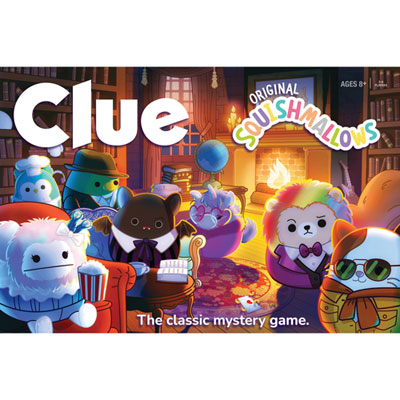
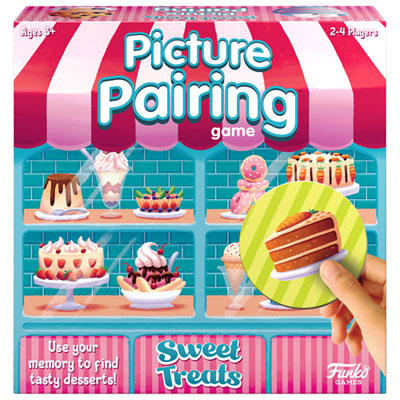
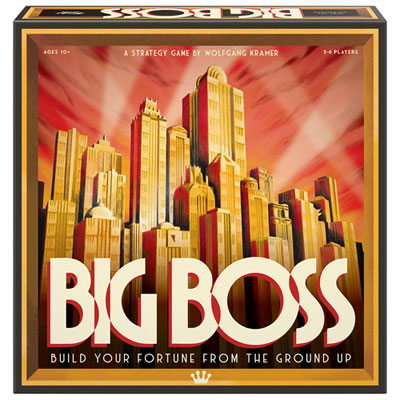

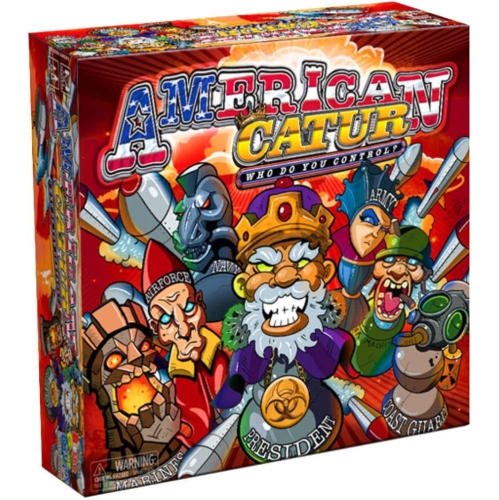

![STEAMFORGED GAMES Dark Souls: The Board Game - Characters Expansion [Board Game, 1-4 Players]](https://multimedia.bbycastatic.ca/multimedia/products/500x500/193/19383/19383501.jpeg)
![STEAMFORGED GAMES Dark Souls: The Board Game - Iron Keep Expansion [Board Game, 1-4 Players]](https://multimedia.bbycastatic.ca/multimedia/products/500x500/193/19383/19383504.jpeg)
![STEAMFORGED GAMES Dark Souls: The Board Game - Explorers Expansion [Board Game, 1-4 Players]](https://multimedia.bbycastatic.ca/multimedia/products/500x500/193/19383/19383503.jpeg)
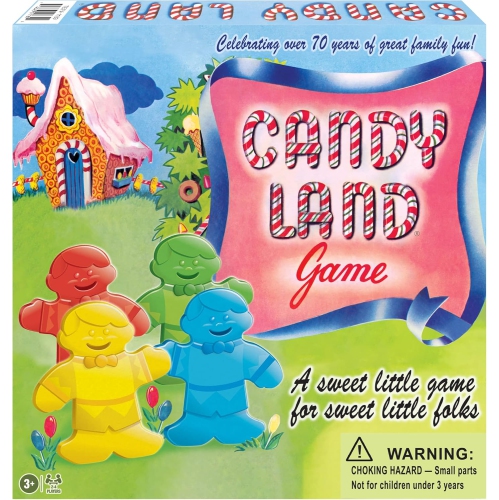
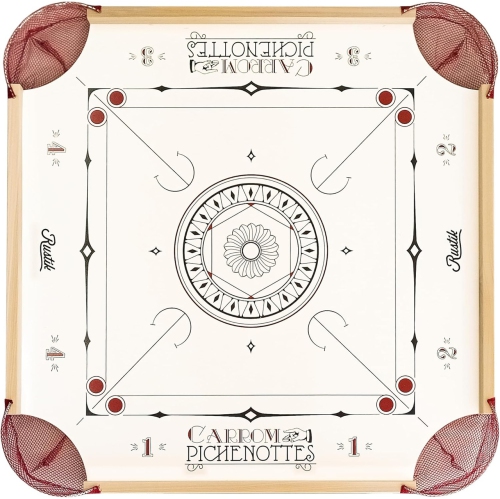
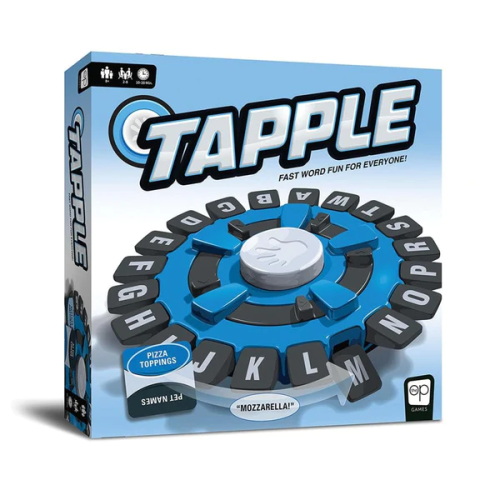
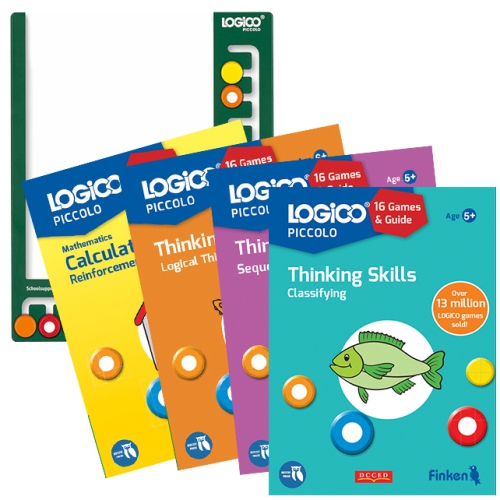
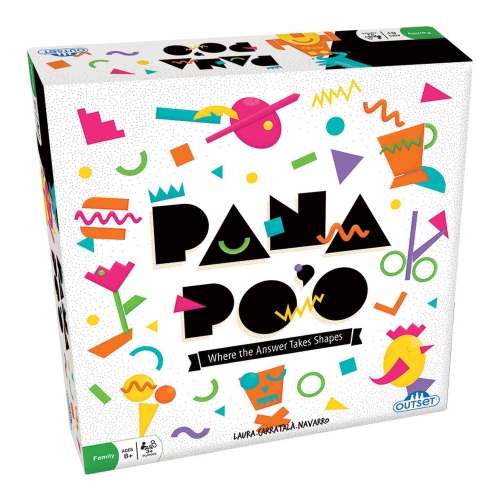
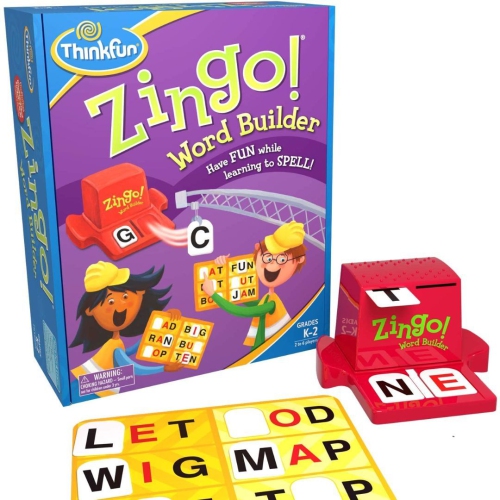
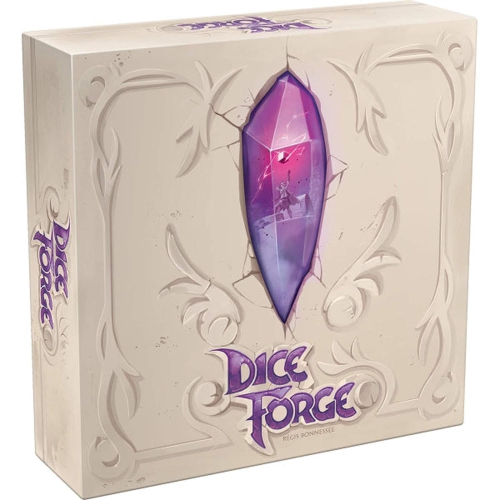
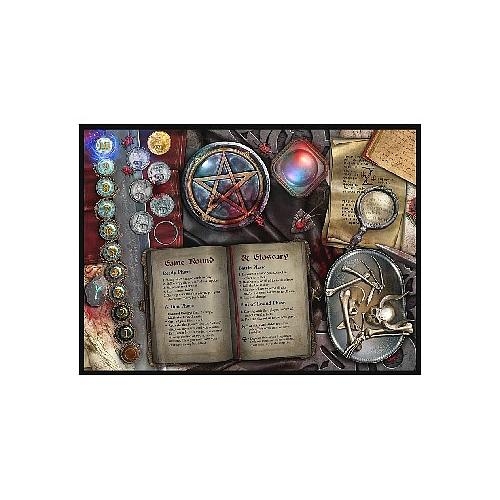
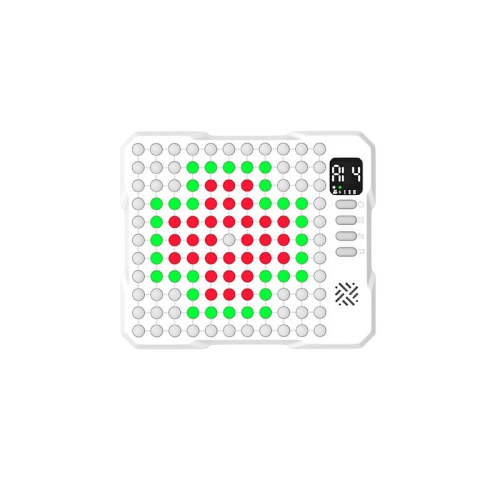
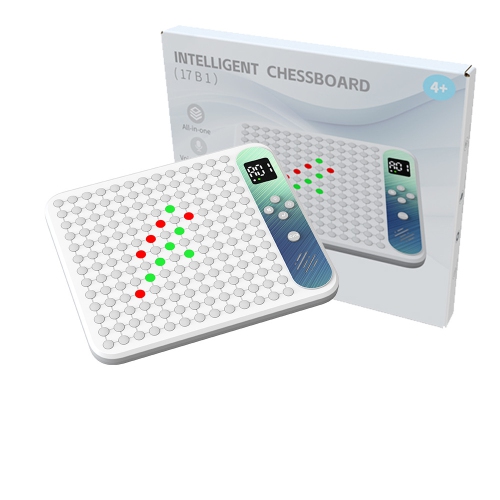
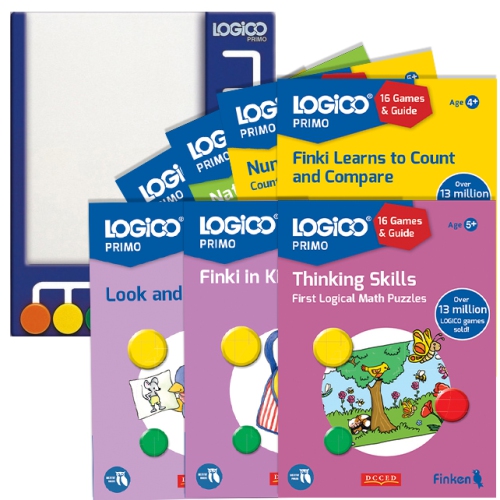
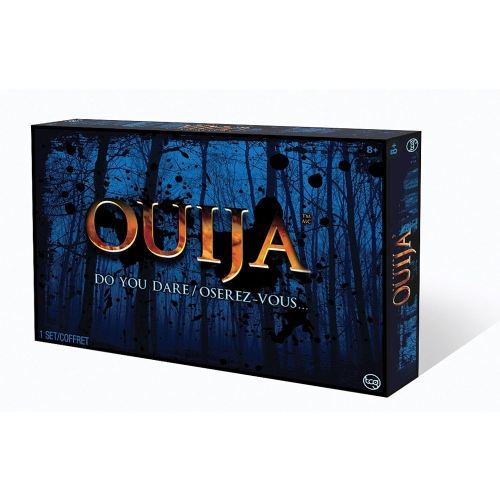
How the board shapes every turn at the table
Games with boards are tabletop games in which players move or place pieces on a marked playing surface, using its spaces, paths, regions, or grid to follow the rules and shape their decisions. The board gives everyone a shared view of the action, whether the aim is to reach a finish line, claim territory, connect destinations, solve a mystery, or build a thriving settlement. Dice, cards, tiles, and tokens may add chance or variety, while the layout helps players track progress and understand what can happen next. Family board games often combine straightforward turns with enough surprises to keep different ages involved. Strategy board games place more emphasis on planning, managing resources, and weighing one move against another. Cooperative board games give players a common goal and a shared outcome, making conversation and teamwork part of the play rather than leaving each person to compete alone. Abstract games focus on patterns, positioning, and clear rules, often with little reading once the basics are understood. These styles can overlap: a colourful family game may involve thoughtful planning, while a demanding strategy game may still depend on a lucky draw. The appeal lies partly in that visible, hands-on experience. Moving a piece across the board makes progress tangible, and a changing layout gives the whole table something to discuss. During the cooler months, board games suit relaxed evenings indoors, visits with relatives, and gatherings where a shared activity helps bring people together. A short game can fill the space between dinner and dessert, while a longer session gives friends a reason to settle in for the evening. For households looking for screen-free entertainment, the board creates a natural meeting point, with attention centred on the same pieces and the same unfolding contest. Some games also include solo rules, offering a quieter challenge built around improving a score, completing an objective, or solving a changing puzzle at an individual pace.
The best fit for a table depends as much on the people playing as on the theme printed on the box. Player count affects the rhythm of a board game: a two-player design can feel like a focused exchange of moves, while a larger group may bring more negotiation, shifting alliances, or laughter between turns. A stated player range is useful, but the experience can vary within that range, particularly when each additional person adds a separate turn. Playing time also needs room for setting out components and explaining unfamiliar rules; a first session often runs longer than later ones. For families with younger children, short turns, clear symbols, and goals that are easy to see can help everyone stay involved. Age guidance offers a starting point, though reading ability, comfort with numbers, patience, and previous experience all influence how approachable a game feels. Large pieces and distinct shapes may be easier to handle, while boards that pair colour with symbols can make important information easier to tell apart. Small components need particular care around young children and pets, and the package’s age and safety information remains important. Cooperative play can suit a mixed-experience group when everyone has space to contribute, rather than having one confident player make every decision. Competitive games may appeal to players who enjoy testing ideas against an opponent, especially when a setback still leaves room to recover. Theme adds another layer of interest, from exploration and mystery to transport networks and urban planning. For players drawn to streets, neighbourhoods, and the way a settlement takes shape, City Board Games brings that setting into tabletop play. A familiar interest can make a board game a thoughtful gift, but the recipient’s usual group size and preferred level of complexity matter just as much. A compact game for a couple, an accessible option for family visits, and a longer challenge for an established games night each serve a different kind of occasion.
The physical construction of a board game makes a noticeable difference over repeated sessions. Many boards use thick card with a printed paper surface, folding into sections for storage; others use separate tiles that create a different layout each time. Wooden pieces can feel substantial in the hand, moulded plastic can support detailed shapes, and punched cardboard tokens allow information to be printed directly on the component. No single material suits every purpose, but sturdy edges, clear printing, and pieces that sit securely on the playing surface help make regular use more enjoyable. A folding board should rest as flat as its construction allows, without forcing the hinges backwards, while modular tiles benefit from a level table where they are less likely to shift. Table fit matters beyond the board’s dimensions. Players may also need space for personal cards, token supplies, scoring tracks, and pieces waiting to enter play. A layout that looks modest in the box can spread across much of a dining table once everything is arranged. Smaller boards and contained layouts are often easier to use in apartments or take along for an overnight visit, although loose components still need secure storage during travel. Everyday care is generally simple: clean, dry hands help protect printed surfaces, and drinks kept away from the playing area reduce the risk of spills and warped cardboard. Paper-based boards and cards should not be soaked; any cleaning should follow the maker’s care directions and suit the material. Letting components dry fully before packing them away helps prevent moisture from being trapped inside the box. Bags, trays, or fitted compartments can keep tokens sorted and reduce the time spent searching for a missing piece before the next game. Cards that are handled or shuffled frequently may benefit from correctly sized sleeves, provided the sleeved cards still fit their storage space. Keeping the rules and all components together preserves the game’s usefulness, whether it comes out every weekend or waits on a shelf for a family gathering. With a comfortable layout and components kept in good condition, a board game can remain a familiar part of shared time for years.
The best fit for a table depends as much on the people playing as on the theme printed on the box. Player count affects the rhythm of a board game: a two-player design can feel like a focused exchange of moves, while a larger group may bring more negotiation, shifting alliances, or laughter between turns. A stated player range is useful, but the experience can vary within that range, particularly when each additional person adds a separate turn. Playing time also needs room for setting out components and explaining unfamiliar rules; a first session often runs longer than later ones. For families with younger children, short turns, clear symbols, and goals that are easy to see can help everyone stay involved. Age guidance offers a starting point, though reading ability, comfort with numbers, patience, and previous experience all influence how approachable a game feels. Large pieces and distinct shapes may be easier to handle, while boards that pair colour with symbols can make important information easier to tell apart. Small components need particular care around young children and pets, and the package’s age and safety information remains important. Cooperative play can suit a mixed-experience group when everyone has space to contribute, rather than having one confident player make every decision. Competitive games may appeal to players who enjoy testing ideas against an opponent, especially when a setback still leaves room to recover. Theme adds another layer of interest, from exploration and mystery to transport networks and urban planning. For players drawn to streets, neighbourhoods, and the way a settlement takes shape, City Board Games brings that setting into tabletop play. A familiar interest can make a board game a thoughtful gift, but the recipient’s usual group size and preferred level of complexity matter just as much. A compact game for a couple, an accessible option for family visits, and a longer challenge for an established games night each serve a different kind of occasion.
The physical construction of a board game makes a noticeable difference over repeated sessions. Many boards use thick card with a printed paper surface, folding into sections for storage; others use separate tiles that create a different layout each time. Wooden pieces can feel substantial in the hand, moulded plastic can support detailed shapes, and punched cardboard tokens allow information to be printed directly on the component. No single material suits every purpose, but sturdy edges, clear printing, and pieces that sit securely on the playing surface help make regular use more enjoyable. A folding board should rest as flat as its construction allows, without forcing the hinges backwards, while modular tiles benefit from a level table where they are less likely to shift. Table fit matters beyond the board’s dimensions. Players may also need space for personal cards, token supplies, scoring tracks, and pieces waiting to enter play. A layout that looks modest in the box can spread across much of a dining table once everything is arranged. Smaller boards and contained layouts are often easier to use in apartments or take along for an overnight visit, although loose components still need secure storage during travel. Everyday care is generally simple: clean, dry hands help protect printed surfaces, and drinks kept away from the playing area reduce the risk of spills and warped cardboard. Paper-based boards and cards should not be soaked; any cleaning should follow the maker’s care directions and suit the material. Letting components dry fully before packing them away helps prevent moisture from being trapped inside the box. Bags, trays, or fitted compartments can keep tokens sorted and reduce the time spent searching for a missing piece before the next game. Cards that are handled or shuffled frequently may benefit from correctly sized sleeves, provided the sleeved cards still fit their storage space. Keeping the rules and all components together preserves the game’s usefulness, whether it comes out every weekend or waits on a shelf for a family gathering. With a comfortable layout and components kept in good condition, a board game can remain a familiar part of shared time for years.
Top selling and popular products
-
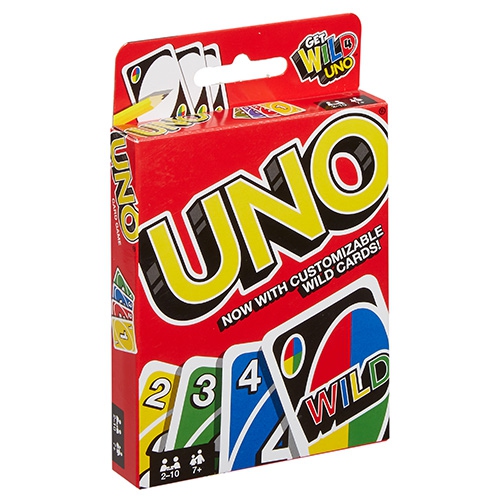 Your price for this item is $14.99
 -
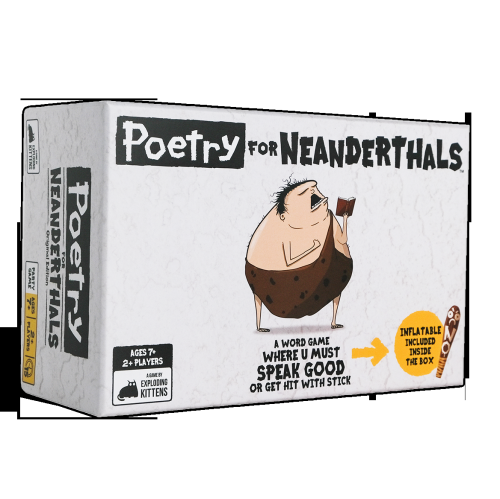 Your price for this item is $34.99
 -
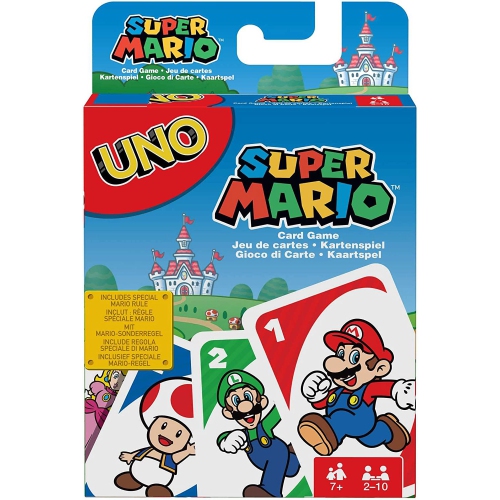 Your price for this item is $15
 -
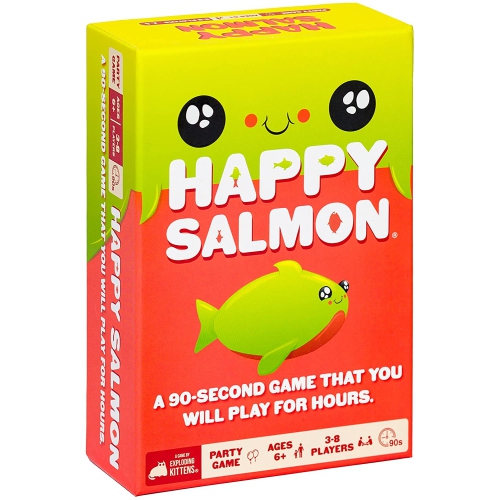 Your price for this item is $21.99
 -
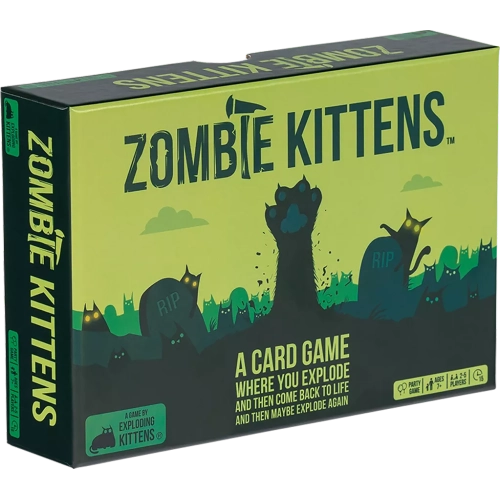 Your price for this item is $34.99
 -
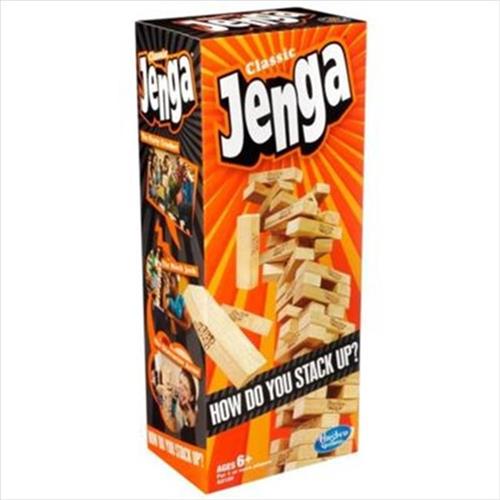 Your price for this item is $28.16
 -
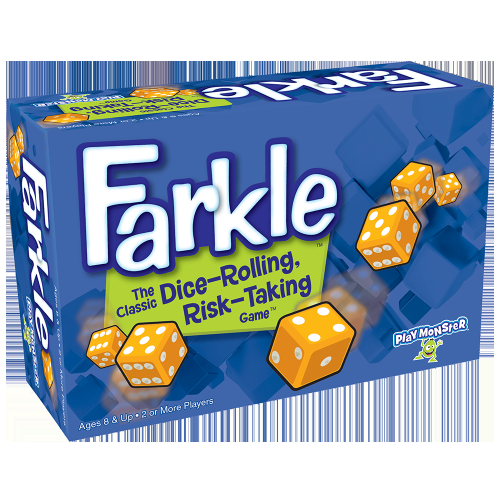 Your price for this item is $20.93
 -
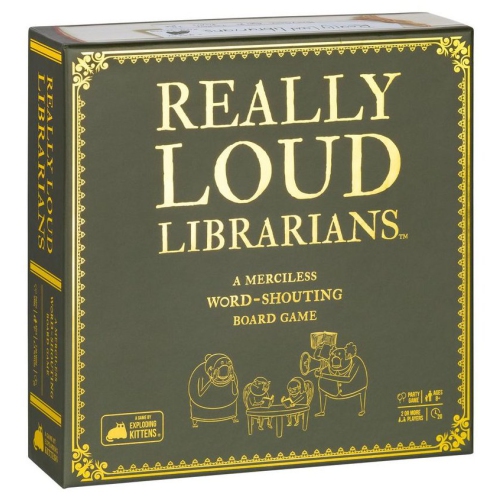 Your price for this item is $29.99
Discover more categories related to Games With Boards
Top Collections:
Pokemon Centers, Budget 4K TVs, Best Budget Office Chairs, Kindle Devices, Canon G7X Cameras, Apple iPhones 16, iPhone 15 Apple, Laptops for Business Work, Xiaomi Phones, Flip Phones
Some products may be subject to Environmental Handling Fees
(EHF) depending on your province.
Learn more about EHFs.