Word Board Games
Dive into the captivating world of word board/board-games/ games, where creativity and strategy come together to challenge your linguistic skills. Perfect for family nights, gatherings with friends, or solo play, these games offer endless entertainment while boosting vocabulary and critical thinking. Whether you're a seasoned wordsmith or new to the game, there's something for everyone to enjoy. Explore a diverse selection that promises hours of fun, laughter, and learning. Unleash your inner logophile and discover the joy of wordplay today!
Sort
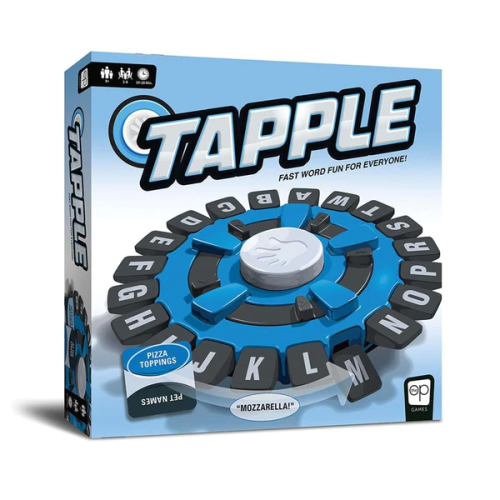
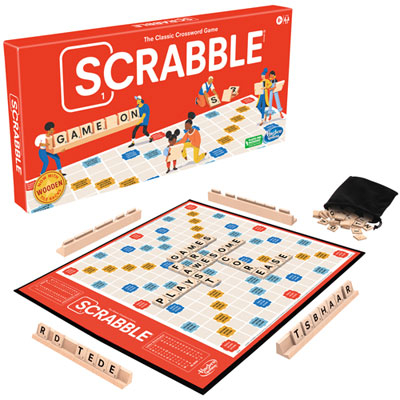


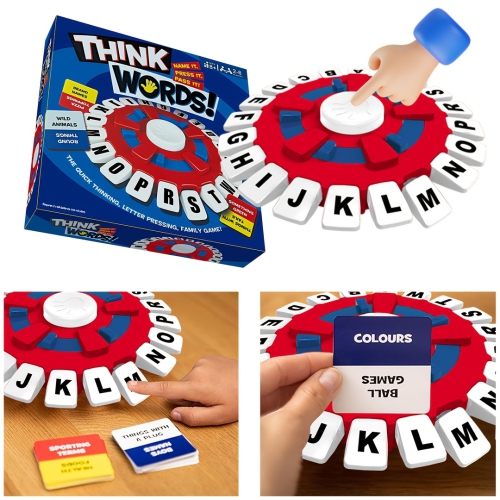
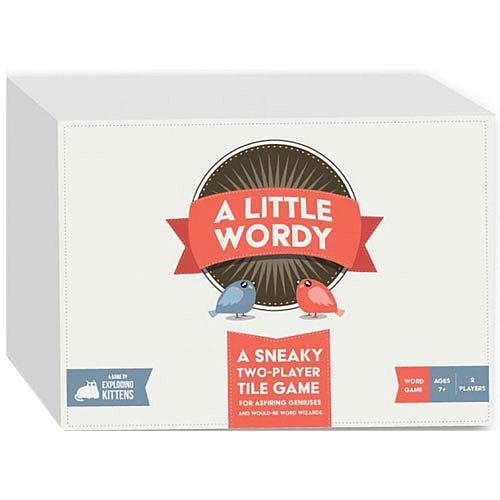







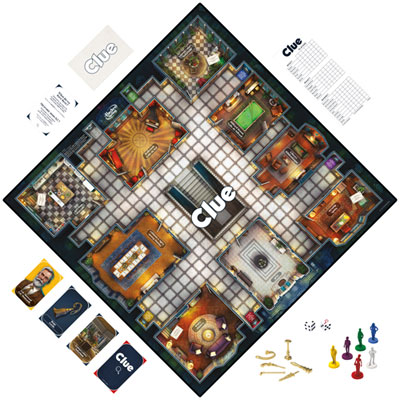
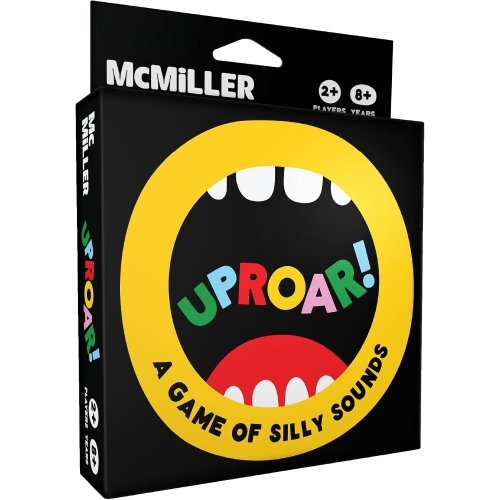
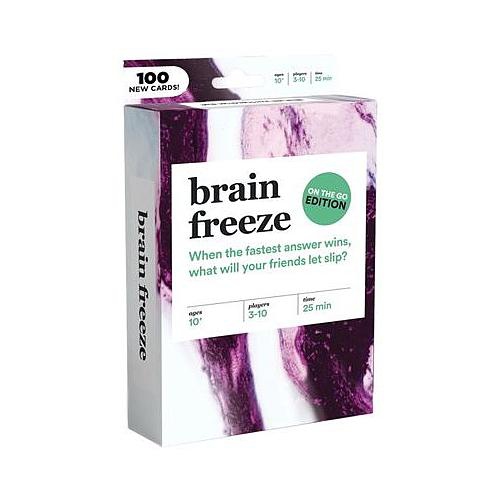
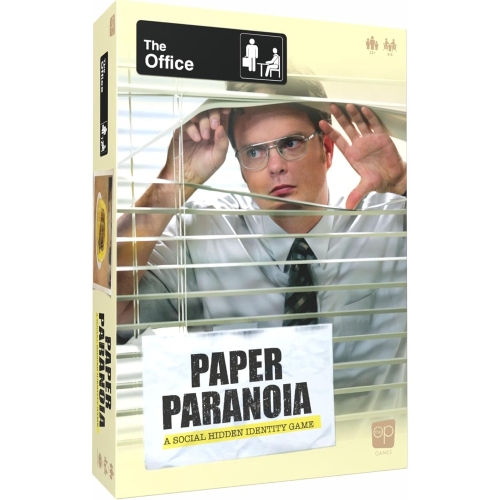

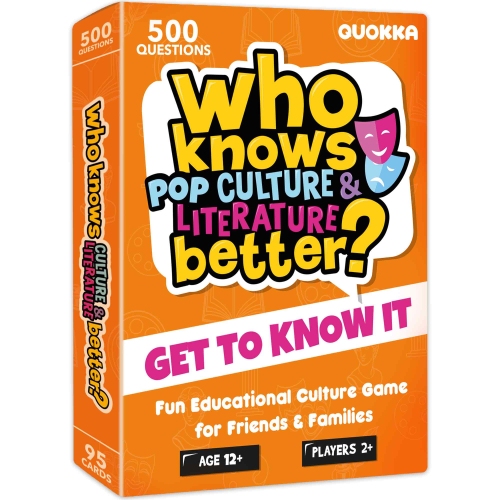


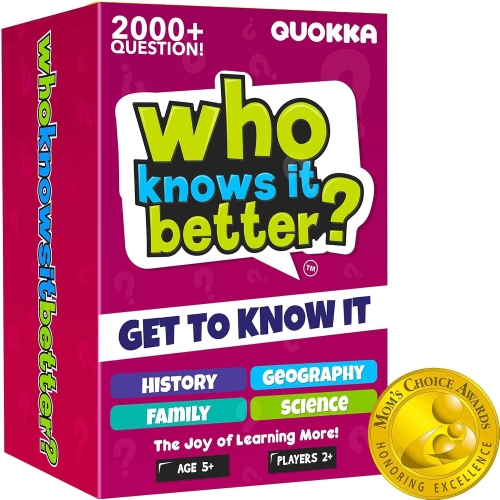


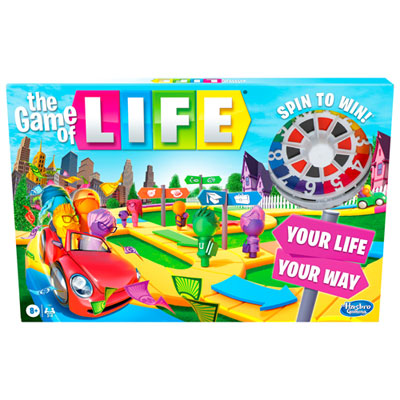
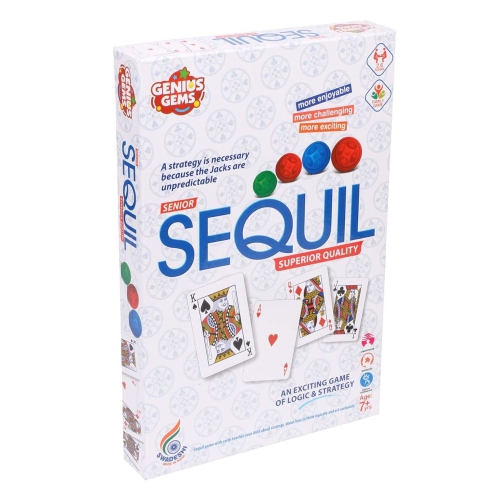


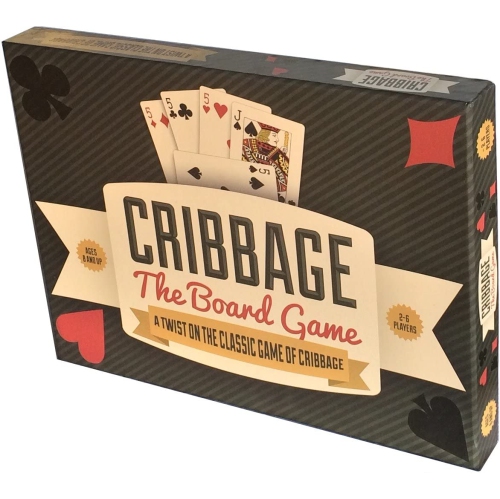
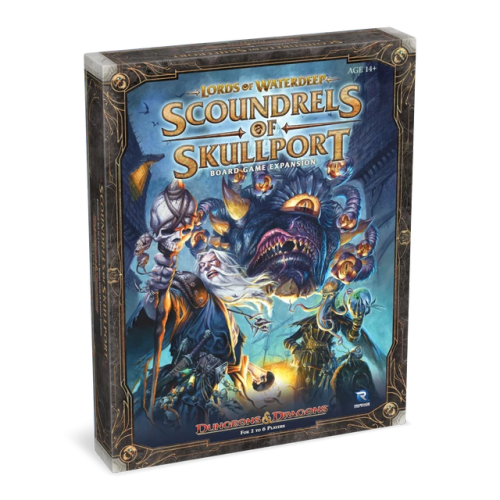
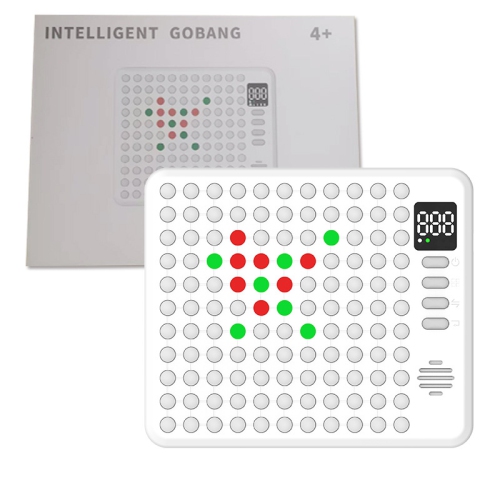
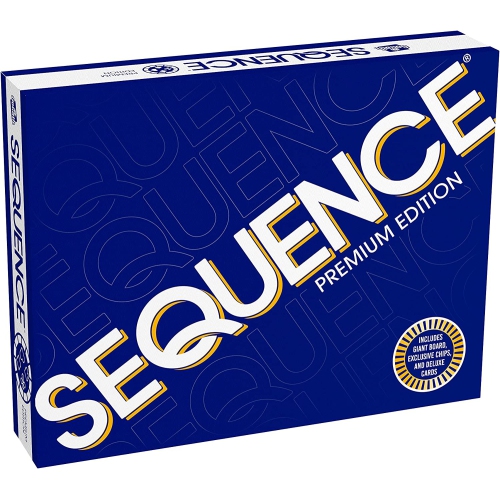
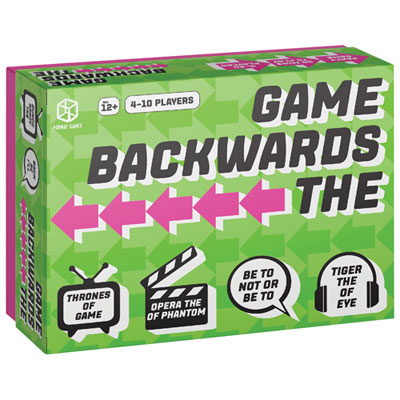




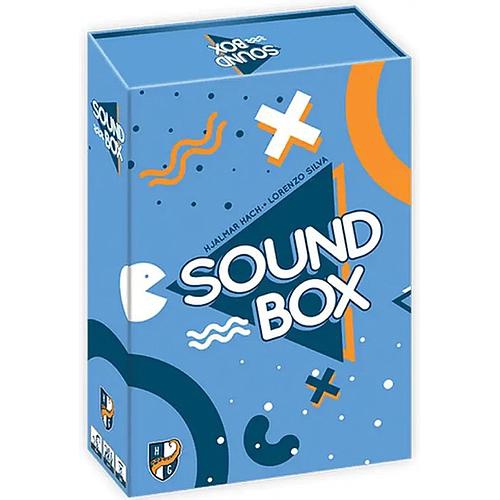
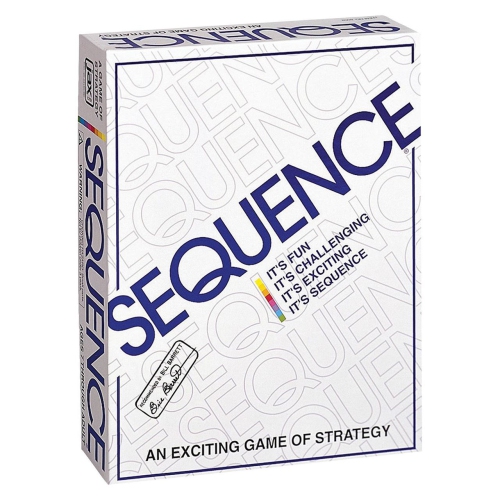

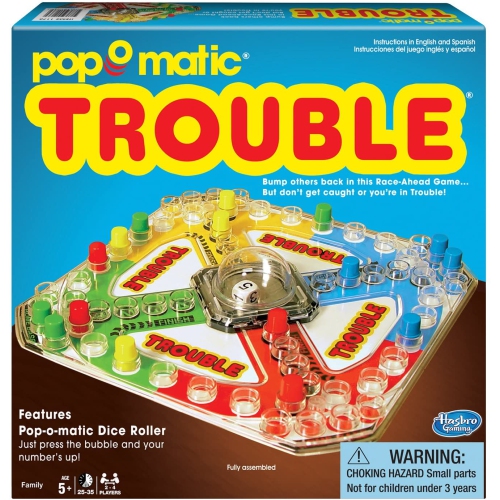


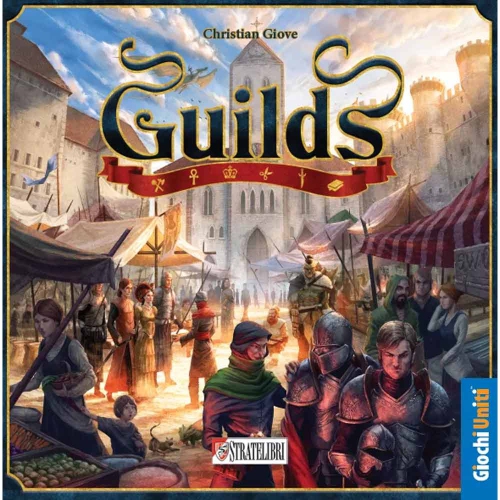

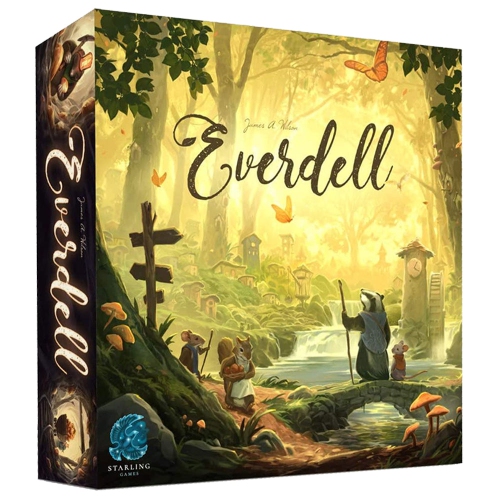






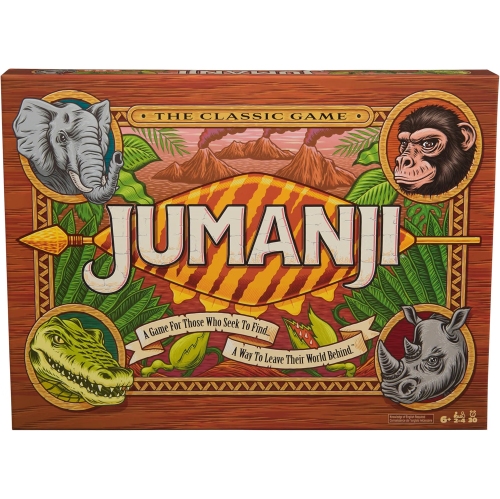
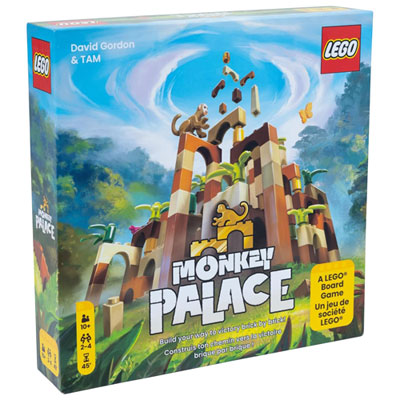
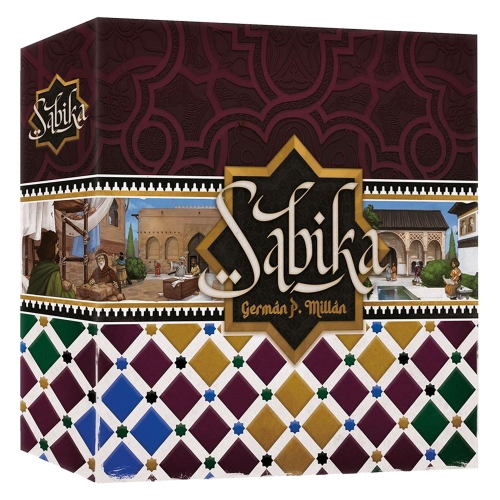
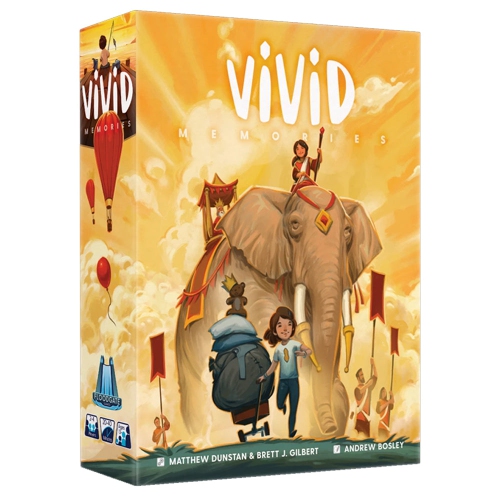







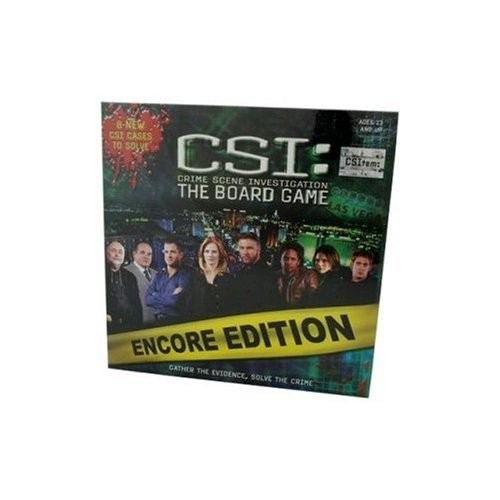
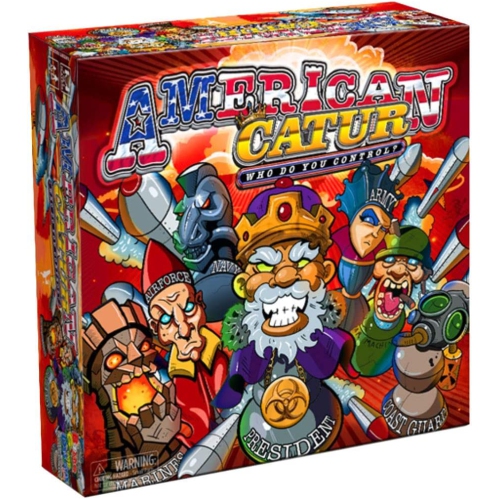


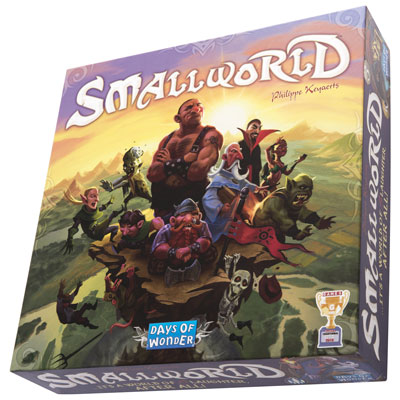
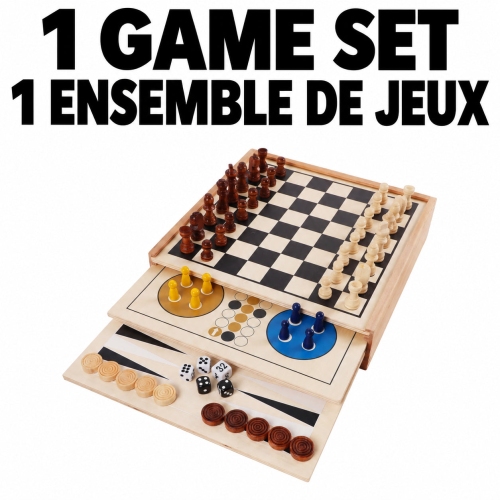


A strong vocabulary is only part of the game
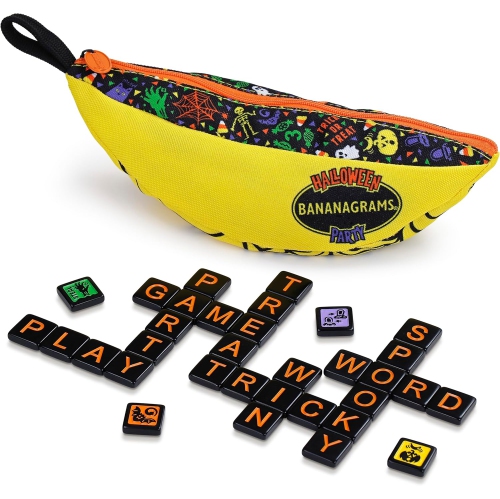
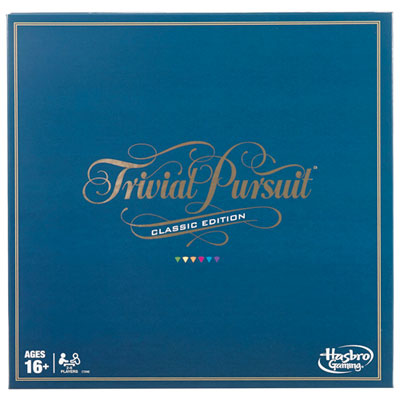
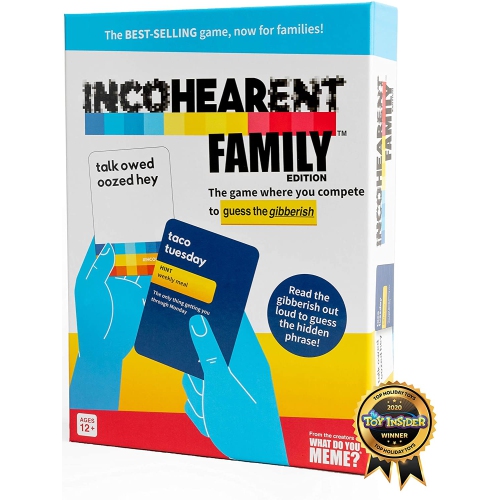
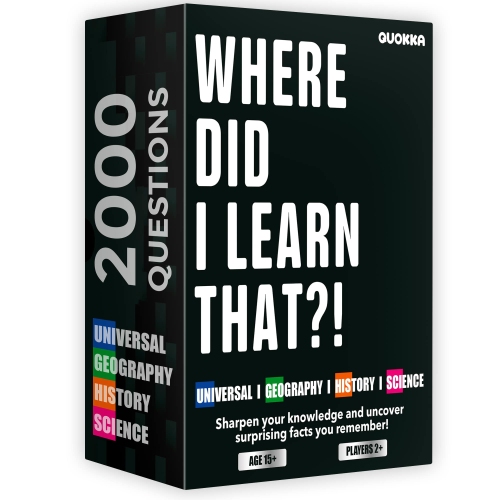
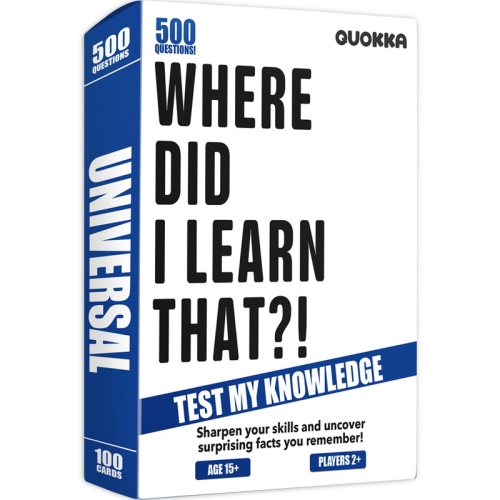
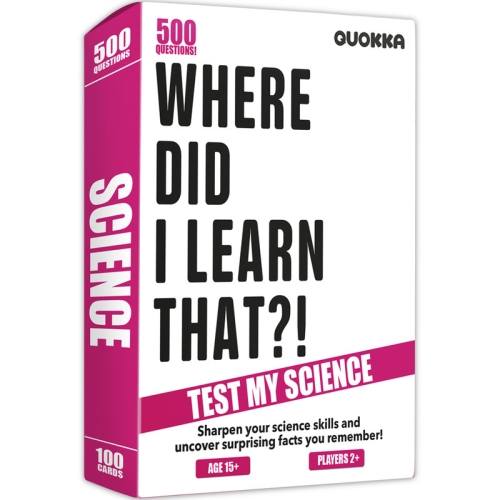
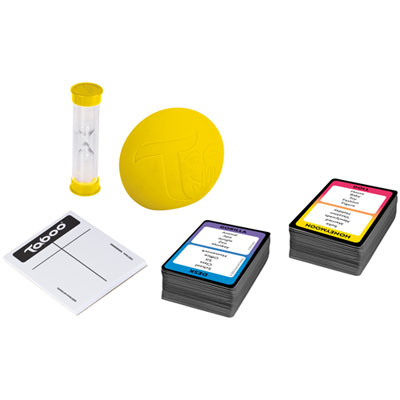
Word board games turn spelling, vocabulary, and verbal connections into shared tabletop play. They include games built around letter tiles, crossword-style grids, hidden words, definitions, and clues, with formats ranging from quiet, turn-based contests to lively team challenges. In a tile-placement game, the appeal often comes from making a useful word out of an awkward handful of letters, then finding the right place for it on a crowded board. A short word placed across two existing words can be more valuable than a much longer one, so vocabulary is only part of the experience. Spatial awareness, timing, and the ability to spot an opening also shape play. Clue-based word games take a different approach: players may describe a word without using certain terms, connect several words through a single hint, or work out what a teammate means before time runs out. These formats can suit groups that enjoy conversation more than calculating scores. Cooperative versions give everyone a shared objective, while competitive designs may pit individual players or teams against one another. For those drawn to arranging individual letters and building intersecting words, Letter Board Games offer a closely related type of tabletop play. The language printed on the board, cards, and instructions matters, particularly when a game relies on spelling conventions, word meanings, or spoken clues. An English-language edition and a French-language edition can create quite different playing experiences, even when the underlying rules are similar. Rules about accepted words matter as well: some games use a reference dictionary, while others set their own limits on proper nouns, abbreviations, and word endings. A clear scoring system and an agreed reference help keep attention on the puzzle rather than on disputes over a surprising word. The result can be thoughtful and methodical or quick and expressive, depending on how letters, clues, and turns are structured.
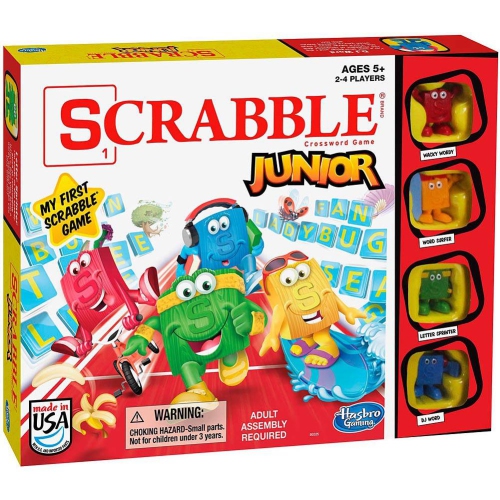
The right pace and level of complexity depend on the people around the table. For children who are beginning to read, games with familiar words, large letters, picture prompts, or shorter rounds can make participation more manageable. More advanced readers may enjoy open-ended word building, layered clues, and scoring that rewards careful placement. An age recommendation is a useful starting point, but reading confidence, attention span, and comfort speaking in a group also influence how a game feels. At a family gathering, an adult and a younger player might work as a team, with one spotting a spelling possibility and the other finding space for it on the board. Among experienced players, a tighter time limit or a more demanding scoring system can add tension without requiring a larger playing area. Player count deserves attention because a game that works well for two people may feel very different with six. Individual turns can provide breathing room for thoughtful players, while simultaneous play keeps everyone involved but may feel rushed to someone who prefers time to consider a move. Team games can accommodate mixed abilities, although success may depend on shared references and how comfortably players communicate. Session length includes more than the advertised playing time: sorting tiles, explaining scoring, and completing a final round all affect how easily a game fits into an evening. Compact games can suit a lunch break or a visit with friends, while larger boards and longer scoring systems fit a dedicated game night. As gifts, word board games can appeal to puzzle enthusiasts, keen readers, teachers, and families who enjoy an activity away from screens. Birthdays, housewarmings, and gifts for a regular games group are natural occasions. A recipient who enjoys crosswords may appreciate deliberate word construction, whereas someone who likes lively conversation may prefer clues and team guessing. The most useful match reflects how that person likes to play, rather than vocabulary level alone.
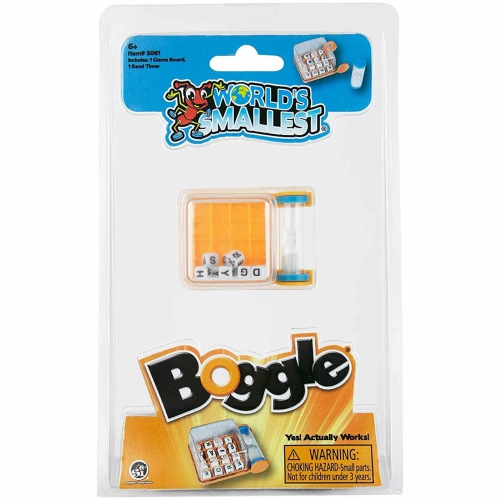
Physical design makes a noticeable difference once a word game is spread across the table. Cardboard boards and tiles are common, with thickness, surface finish, and well-aligned folds affecting how comfortably they handle repeated play. Wooden tiles can offer a substantial feel, while moulded plastic pieces may have raised lettering or shaped edges that are easier to pick up. Material alone does not establish durability; printed markings, joints, hinges, and the fit of storage compartments also matter. High-contrast letters and uncluttered scoring spaces can be easier to read from different seats, and racks that hold tiles securely help keep a private hand visible without pieces tipping forward. Board dimensions should leave room for tile racks, clue cards, score sheets, and players’ hands, not just the central playing surface. A compact box does not always mean a small table footprint, particularly when cards or tiles need to be laid out beside the board. Travel-oriented formats may use fitted compartments, contained play areas, or secure closures to keep components together between sessions. For households with young children, small letters, counters, and timers require attention to the stated age guidance and small-parts warnings. Storage and care are usually straightforward: clean, dry hands help protect printed surfaces, and drinks kept away from the board reduce the chance of swollen cardboard or stained cards. A soft, dry cloth is generally suitable for removing loose dust; any further cleaning should follow the supplied care directions, especially for coated boards, printed wood, and electronic components. Sorting pieces back into trays or bags makes the next setup smoother and helps reveal missing letters before play begins. Boards should lie flat or fold along their intended creases, without heavy objects pressing unevenly against them in the box. With readable components, a practical layout, and rules that suit the group, a word board game can become a familiar part of shared time, whether the pleasure comes from a clever clue, an unexpected spelling, or the perfect place for one final letter.
Top selling and popular products
-
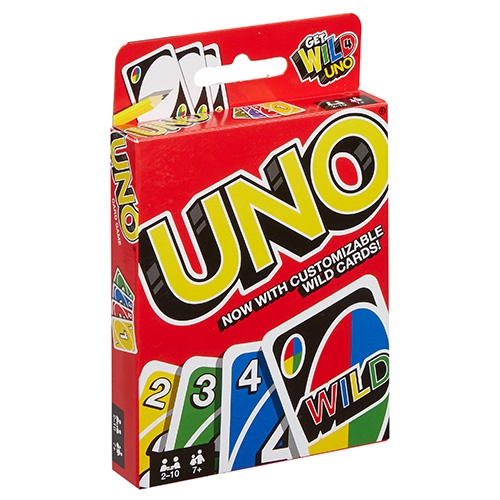 Your price for this item is $14.99
-
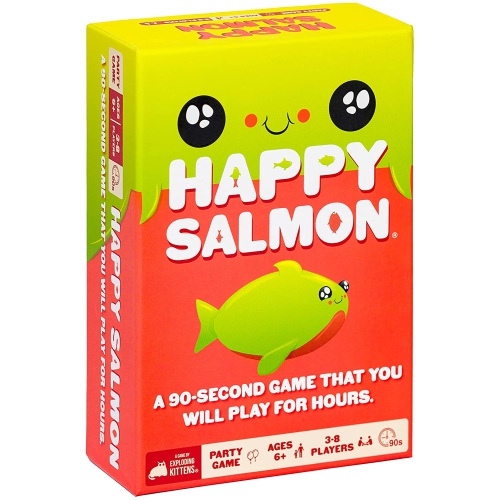 Your price for this item is $21.99
-
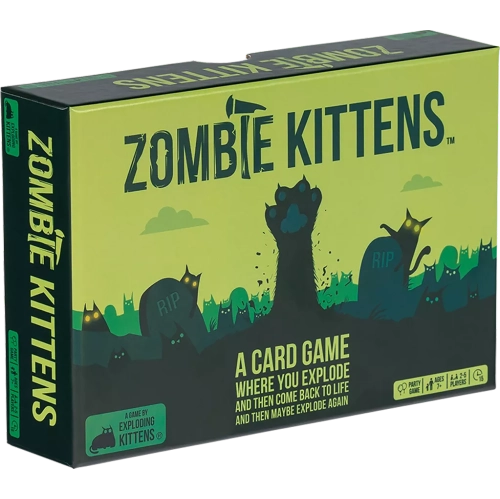 Your price for this item is $34.99
-
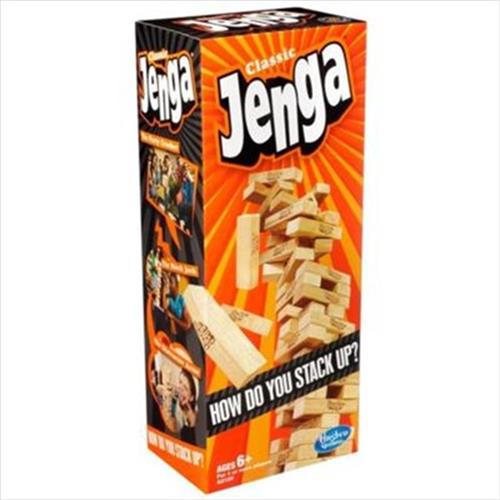 Your price for this item is $24.99
-
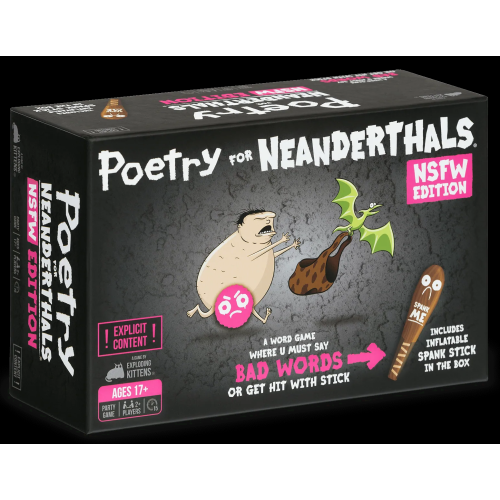 Your price for this item is $31.99
-
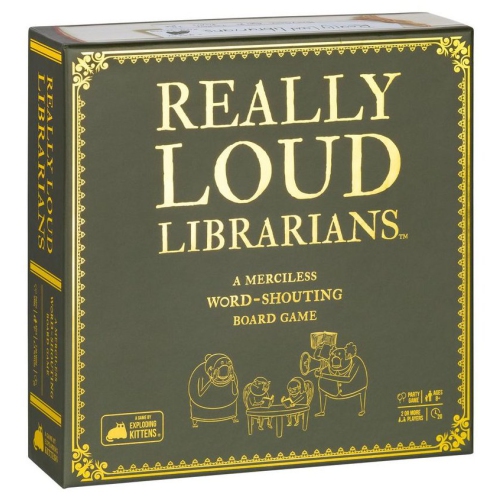 Your price for this item is $29.99
-
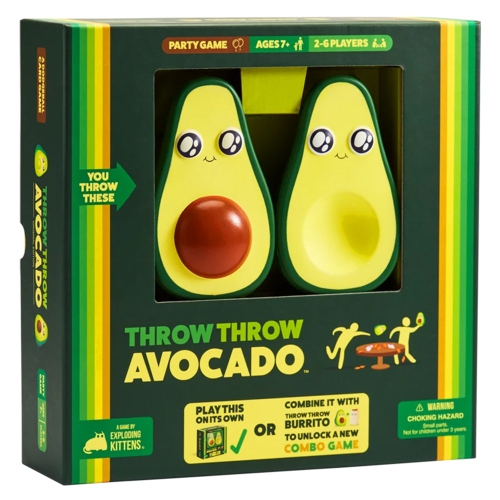 Your price for this item is $44.99
-
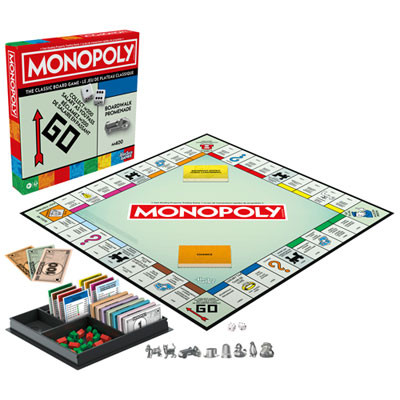 Your price for this item is $27.99
Discover more categories related to Word Board Games

Top Collections:
Best Black Friday Deals This Year, Best Black Friday Deals On Electronics, Kindle Devices, Pokemon Centers, Best Black Friday Deals On Apple Products, Best Cameras for Sports Photography, Dyson Airwrap, Pokémon 30th Celebration Cards, Apple iPhone 17 Pro, Canon G7X Cameras
Some products may be subject to Environmental Handling Fees
(EHF) depending on your province.
Learn more about EHFs.