Money Board Games
Dive into the world of strategy and fun with our selection of money board games, where financial savvy meets entertainment. Perfect for family game nights or friendly get-togethers, these games challenge players to think critically, negotiate, and manage resources wisely. Whether you're a budding entrepreneur or just love a good challenge, money board games offer endless hours of enjoyment while honing your decision-making skills. Explore our collection to find the perfect addition to your game shelf and unleash your inner strategist today!
Sort
![UBISOFT Monopoly for Nintendo Switch [Nintendo Switch] Great!](https://multimedia.bbycastatic.ca/multimedia/products/500x500/154/15456/15456549.jpeg)
![HASBRO Monopoly: Disney Pixar Lightyear - Board Game [Board Game, 2-6 Players] Love it](https://multimedia.bbycastatic.ca/multimedia/products/500x500/194/19482/19482681.jpeg)
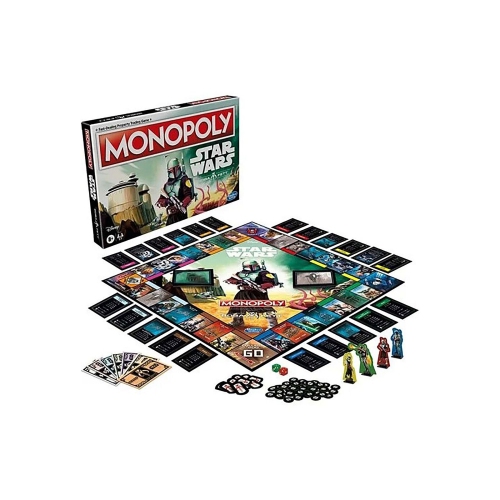
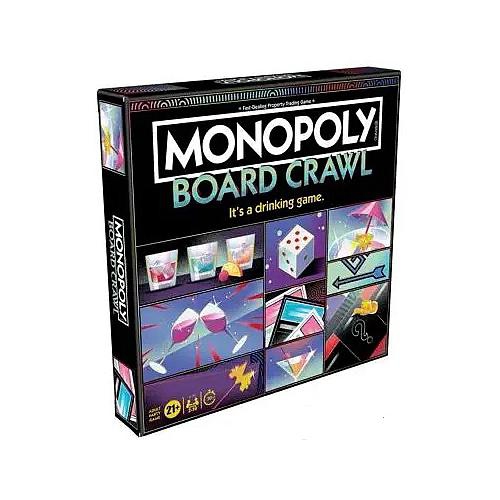
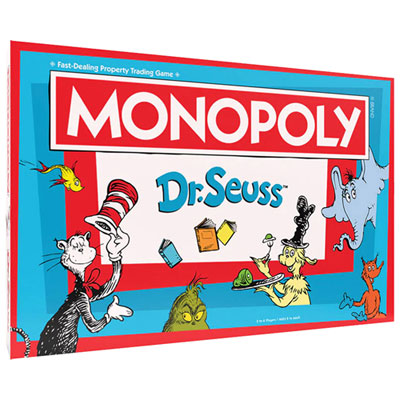
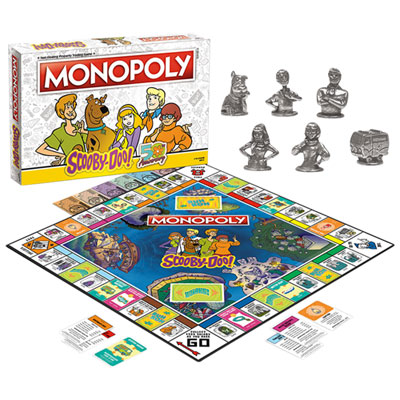
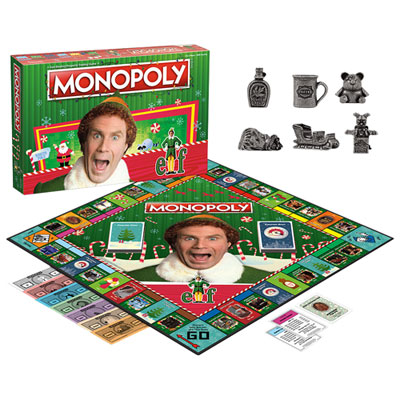
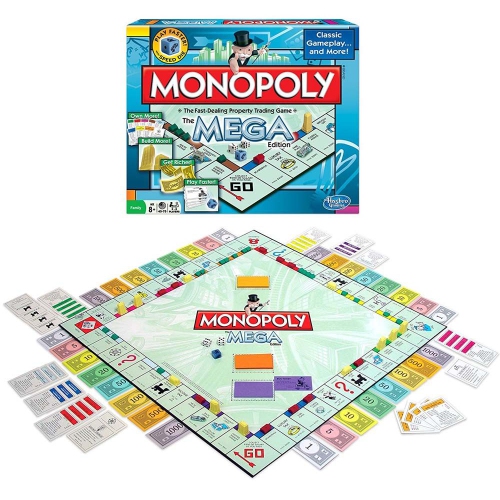
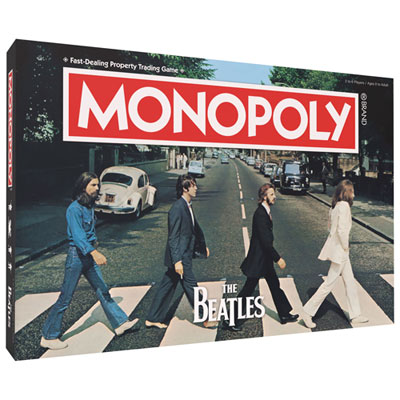
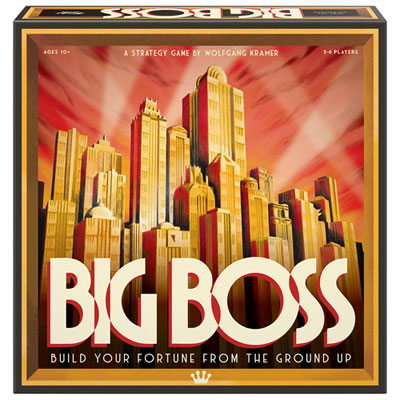
Playful financial decisions turn game night into strategy
Money board games bring familiar financial ideas to the tabletop through property deals, budgeting decisions, auctions, trading, investing and everyday spending. Some titles focus on buying spaces, collecting rent and negotiating trades, while others use cards, dice or tokens to simulate salaries, bills, savings goals and changing fortunes. A typical game may ask players to weigh the immediate benefit of spending against the longer-term advantage of keeping funds available, creating a lively balance between planning and chance. Property-focused games often reward players who build a collection of valuable spaces and manage cash flow carefully, whereas auction and bidding games centre on reading the table, judging an item’s value and deciding when to make an offer. City-building formats add another layer by letting players invest in shops, services or landmarks that generate income as the game develops. For younger players, money-themed games can make coin values, counting, making change and basic purchasing decisions feel more approachable because the learning takes place through play rather than a worksheet. Games designed for families may use simplified rules, brightly coloured money and short turns, while more advanced options can include loans, investments, fluctuating values, business decisions or several paths to victory. This range makes it easier to choose a game that suits the players’ ages, attention spans and comfort with numbers. When browsing money board games, check the recommended age range, player count and estimated play time first. A compact game with a quick round can be a good fit for after-school play, casual gatherings or households where players may join and leave between rounds. Longer games can create a more immersive evening, with players building a financial strategy from the opening turn through the final count. It is also worth considering whether the game relies mainly on luck, strategy or a blend of both. Dice-driven play can keep younger children and occasional players engaged, while negotiation, resource management and auction mechanics may appeal to adults and experienced board game groups who enjoy making calculated decisions.
These games can be especially enjoyable for families, friends, classroom groups and anyone who likes seeing a plan unfold one turn at a time. A child who is learning to count can practise handling denominations and receiving change, while older players can explore concepts such as opportunity cost, risk, saving and delayed rewards in a relaxed setting. The goal is entertainment first, but the repeated choices can encourage useful habits: keeping track of available funds, comparing prices, planning several turns ahead and adapting when an unexpected expense appears. Parents and caregivers may appreciate games that give children a natural way to talk about needs and wants, earning, spending and saving without turning game night into a formal lesson. Teachers, tutors and youth programme leaders may also use money-themed games as a hands-on supplement to discussions about personal finance and decision-making. For adults, these games offer a social way to enjoy familiar financial concepts without requiring specialist knowledge. Negotiating a trade across the table, deciding whether to take a risky investment or watching a carefully built portfolio come together can create memorable moments, especially when a quiet strategy suddenly pays off. Money board games can also make thoughtful gifts for birthdays, family celebrations, housewarmings or the start of the cooler months, when people often spend more evenings indoors around the dining table. For a gift, match the game to the recipient rather than choosing only by theme. A first-time player may prefer clear rules, colourful components and a play time under an hour, while a hobby gamer may look for deeper strategy, variable goals and plenty of replay value. Consider the group that will actually play it: a two-player game can suit a couple or a parent and child, while a larger player count is better for family gatherings and parties. If the recipient enjoys building and planning, look for economic systems involving property, businesses or a growing town. If they prefer lively interaction, an auction, negotiation or trading format may provide more conversation and laughter. For younger children, sturdy components, easy-to-read denominations and straightforward turns can make the experience less frustrating and more rewarding.
Money board games also vary in how closely they resemble real-world finance. Some use a playful, simplified setting where players collect cash and purchase assets, making the rules easy to learn and the action easy to follow. Others introduce a more structured budget, with recurring costs, income, unexpected events and end-of-game savings. Card-based games may focus on matching sets, buying and selling or choosing the best value from a changing market, while dice-based games can make every roll feel like a new business opportunity. Players who enjoy urban planning may gravitate toward games where money funds neighbourhoods, shops and public attractions, with each addition affecting future income. For another style of play, look for games that centre on household tasks, allowances and spending choices, which can be accessible for children who are just becoming familiar with coins and prices. A game that involves setting prices and making purchases can support early lessons in comparison shopping, while a currency-bidding game can build confidence with values, timing and risk. Storage is another practical consideration: money, cards and small tokens are easier to manage when the box includes organised compartments or when the components are simple enough to set up quickly. Before choosing, consider the available table space, the group’s preferred pace and whether the rules can be explained in a few minutes or require a dedicated learning session. A game that fits naturally into the household routine is more likely to return to the table, whether it is played during a relaxed weekend afternoon, at a family gathering or on a quiet evening during the cooler months. Those who enjoy money and finance themes may also want to explore related settings, including City Board Games, for more building, planning and community-focused play. With options ranging from simple coin-counting activities to strategic property and investment challenges, money board games offer a flexible way to share time, practise decision-making and enjoy the satisfying sound of cards, tokens and play money moving across the table.
These games can be especially enjoyable for families, friends, classroom groups and anyone who likes seeing a plan unfold one turn at a time. A child who is learning to count can practise handling denominations and receiving change, while older players can explore concepts such as opportunity cost, risk, saving and delayed rewards in a relaxed setting. The goal is entertainment first, but the repeated choices can encourage useful habits: keeping track of available funds, comparing prices, planning several turns ahead and adapting when an unexpected expense appears. Parents and caregivers may appreciate games that give children a natural way to talk about needs and wants, earning, spending and saving without turning game night into a formal lesson. Teachers, tutors and youth programme leaders may also use money-themed games as a hands-on supplement to discussions about personal finance and decision-making. For adults, these games offer a social way to enjoy familiar financial concepts without requiring specialist knowledge. Negotiating a trade across the table, deciding whether to take a risky investment or watching a carefully built portfolio come together can create memorable moments, especially when a quiet strategy suddenly pays off. Money board games can also make thoughtful gifts for birthdays, family celebrations, housewarmings or the start of the cooler months, when people often spend more evenings indoors around the dining table. For a gift, match the game to the recipient rather than choosing only by theme. A first-time player may prefer clear rules, colourful components and a play time under an hour, while a hobby gamer may look for deeper strategy, variable goals and plenty of replay value. Consider the group that will actually play it: a two-player game can suit a couple or a parent and child, while a larger player count is better for family gatherings and parties. If the recipient enjoys building and planning, look for economic systems involving property, businesses or a growing town. If they prefer lively interaction, an auction, negotiation or trading format may provide more conversation and laughter. For younger children, sturdy components, easy-to-read denominations and straightforward turns can make the experience less frustrating and more rewarding.
Money board games also vary in how closely they resemble real-world finance. Some use a playful, simplified setting where players collect cash and purchase assets, making the rules easy to learn and the action easy to follow. Others introduce a more structured budget, with recurring costs, income, unexpected events and end-of-game savings. Card-based games may focus on matching sets, buying and selling or choosing the best value from a changing market, while dice-based games can make every roll feel like a new business opportunity. Players who enjoy urban planning may gravitate toward games where money funds neighbourhoods, shops and public attractions, with each addition affecting future income. For another style of play, look for games that centre on household tasks, allowances and spending choices, which can be accessible for children who are just becoming familiar with coins and prices. A game that involves setting prices and making purchases can support early lessons in comparison shopping, while a currency-bidding game can build confidence with values, timing and risk. Storage is another practical consideration: money, cards and small tokens are easier to manage when the box includes organised compartments or when the components are simple enough to set up quickly. Before choosing, consider the available table space, the group’s preferred pace and whether the rules can be explained in a few minutes or require a dedicated learning session. A game that fits naturally into the household routine is more likely to return to the table, whether it is played during a relaxed weekend afternoon, at a family gathering or on a quiet evening during the cooler months. Those who enjoy money and finance themes may also want to explore related settings, including City Board Games, for more building, planning and community-focused play. With options ranging from simple coin-counting activities to strategic property and investment challenges, money board games offer a flexible way to share time, practise decision-making and enjoy the satisfying sound of cards, tokens and play money moving across the table.
Top selling and popular products
-
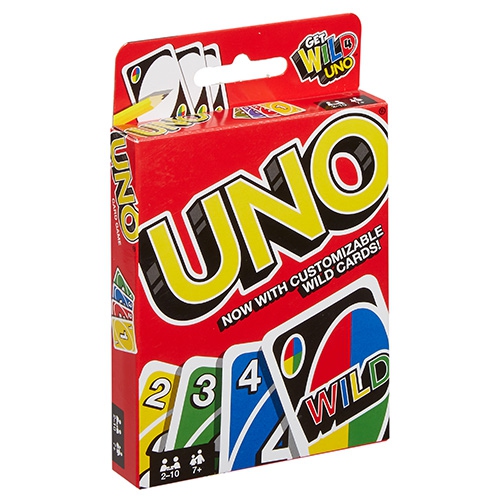 Your price for this item is $14.99
 -
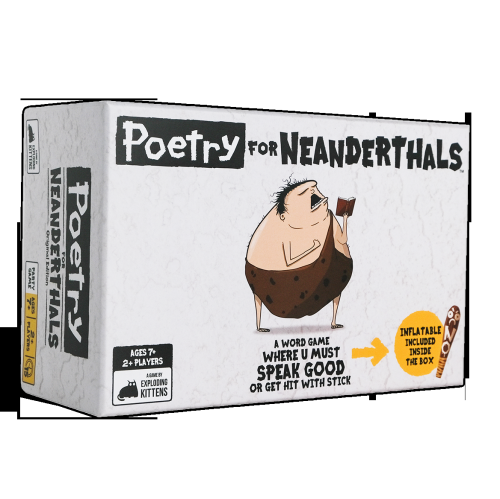 Your price for this item is $34.99
 -
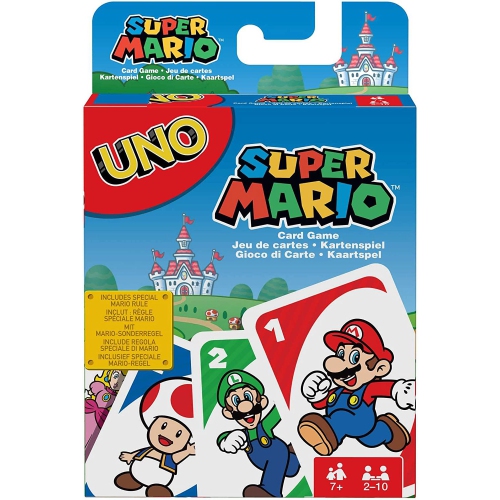 Your price for this item is $15
 -
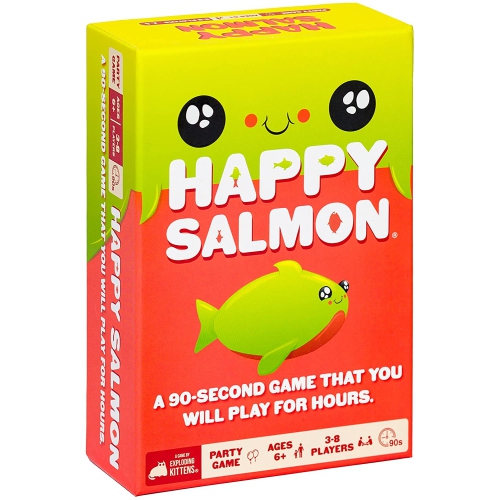 Your price for this item is $21.99
 -
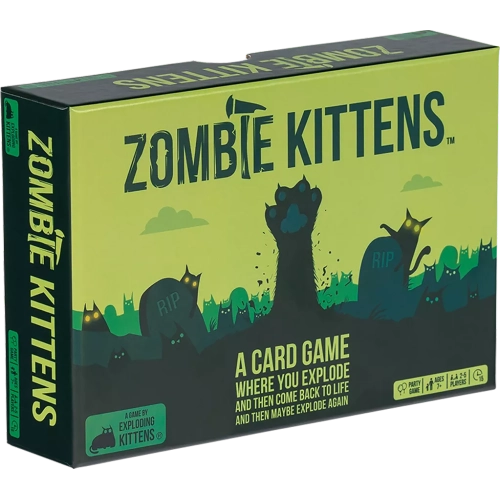 Your price for this item is $34.99
 -
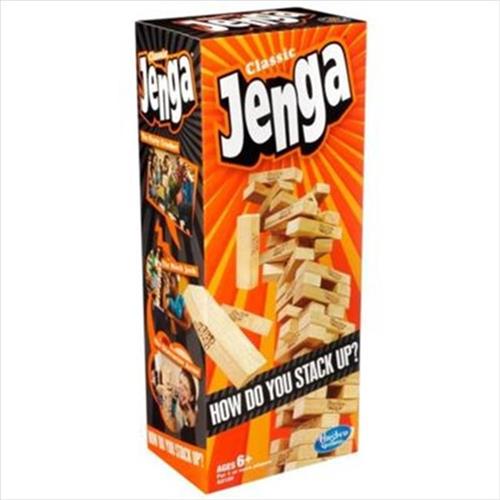 Your price for this item is $35.59
 -
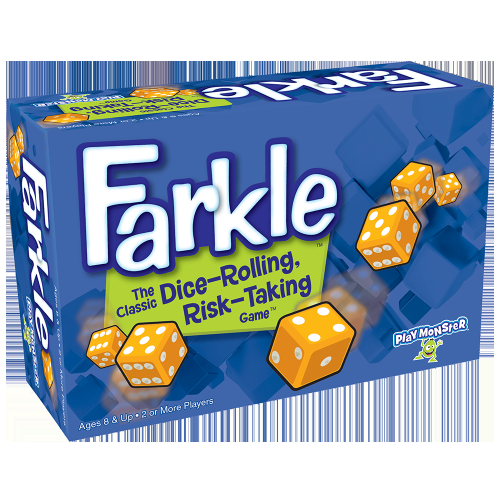 Your price for this item is $20.93
 -
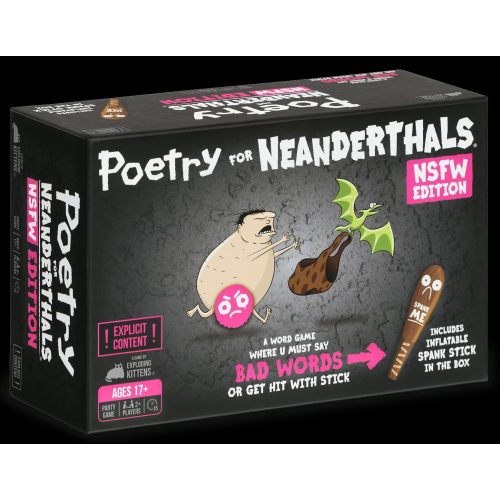 Your price for this item is $31.99
Discover more categories related to Money Board Games
Top Collections:
Pokemon Centers, Kindle Devices, Best Budget Office Chairs, Apple iPhones 16, Best Laptops for Writers, iPhone 15 Apple, Canon G7X Cameras, Refurbished Apple Laptops, Alarm Clock, Motorola Razr Phones
Some products may be subject to Environmental Handling Fees
(EHF) depending on your province.
Learn more about EHFs.