Strategy Board Games
Board games have been a part of our culture for centuries. They're a great way to spend time with family and friends, and they can be a great way to learn about strategy and tactics. If you're looking for a fun new board game to add to your collection, here are some of the best strategy board games available today.
Sort

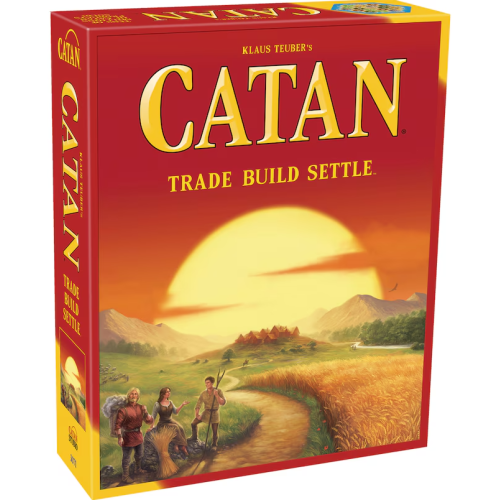


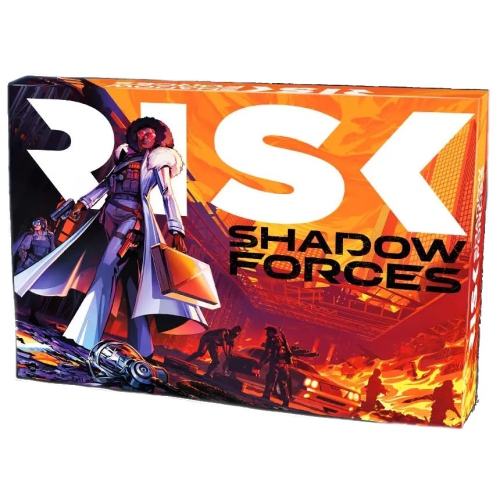
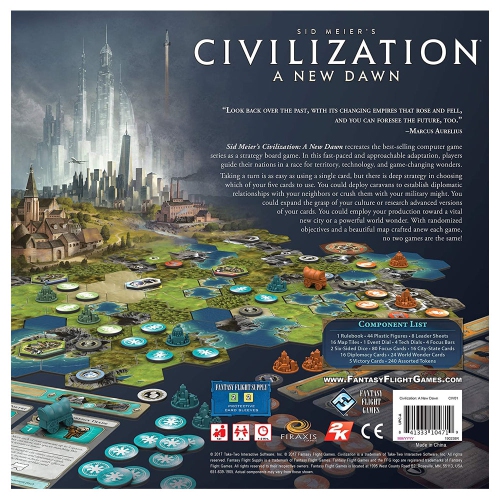
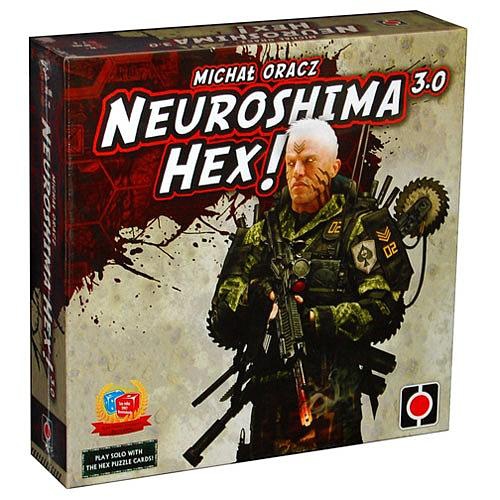

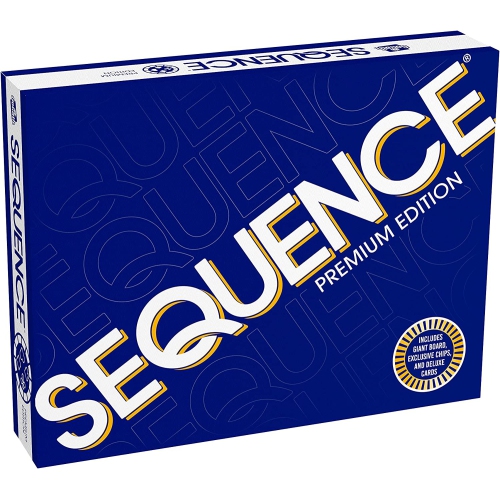


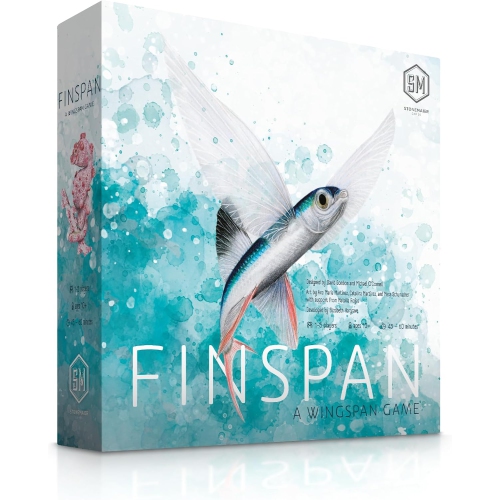

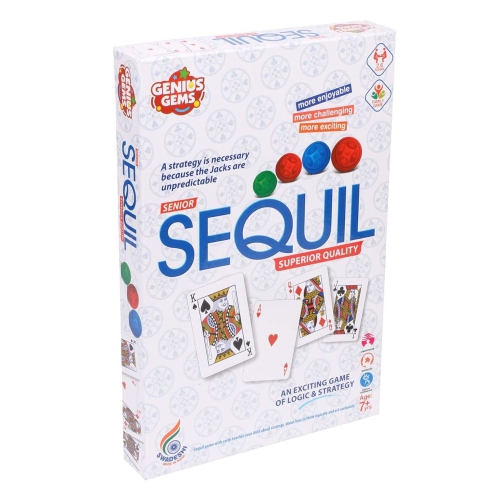

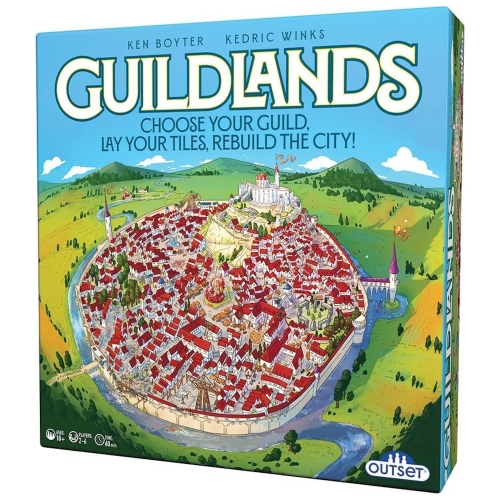
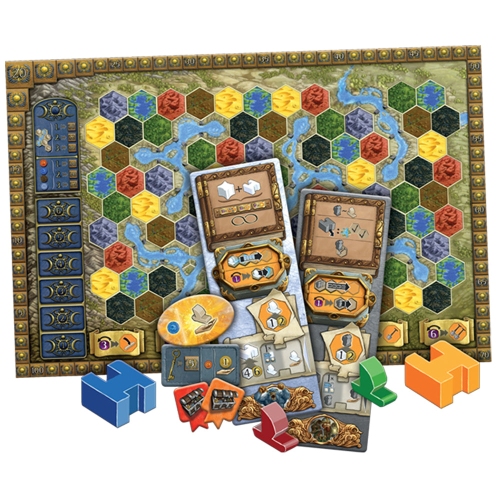
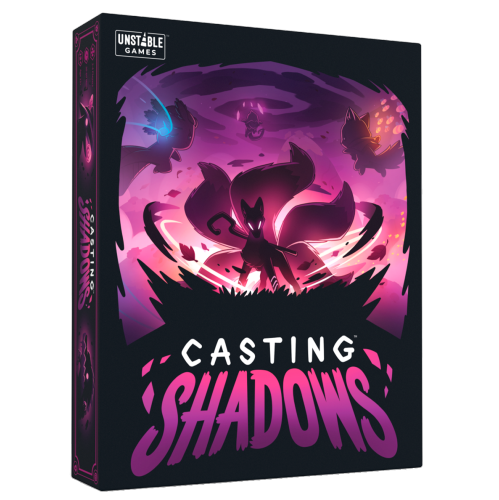


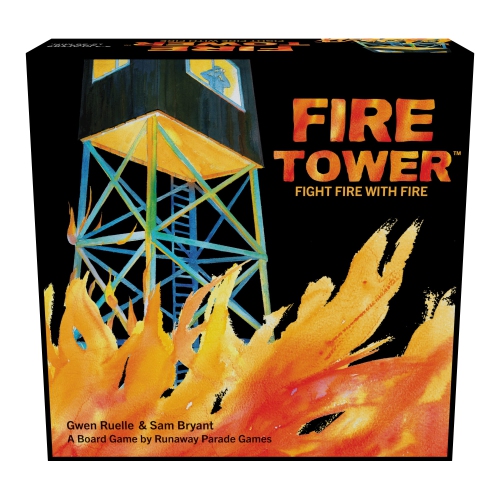

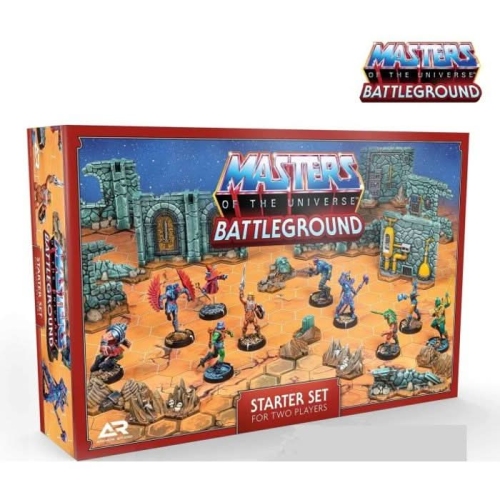












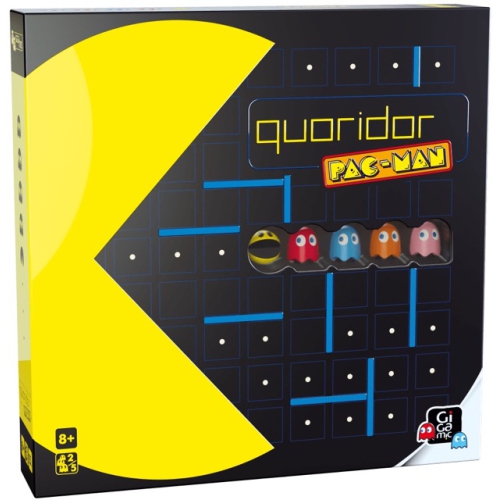


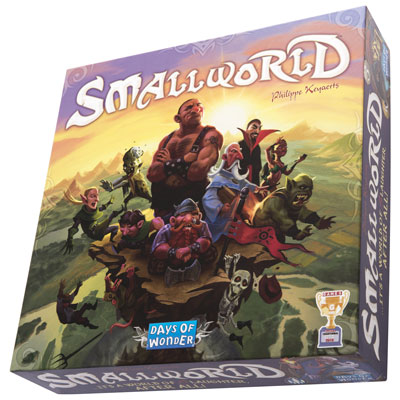
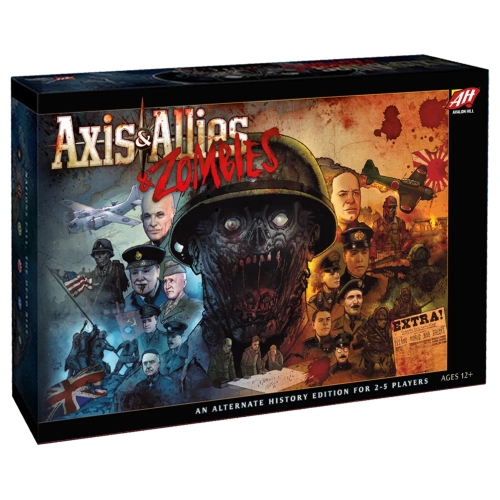
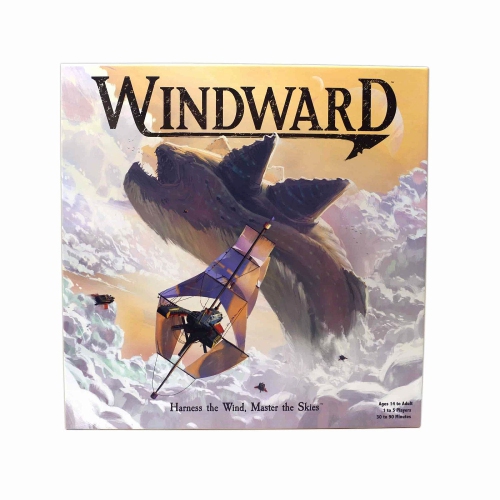




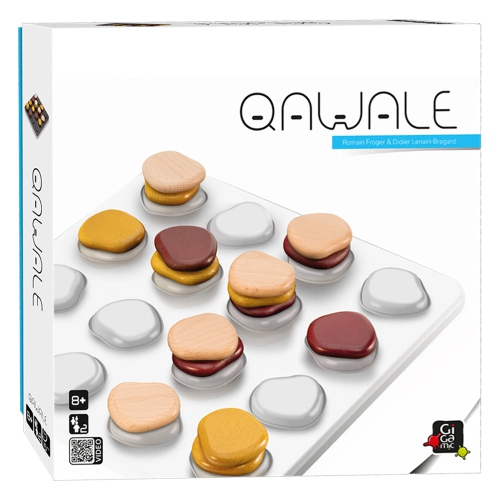
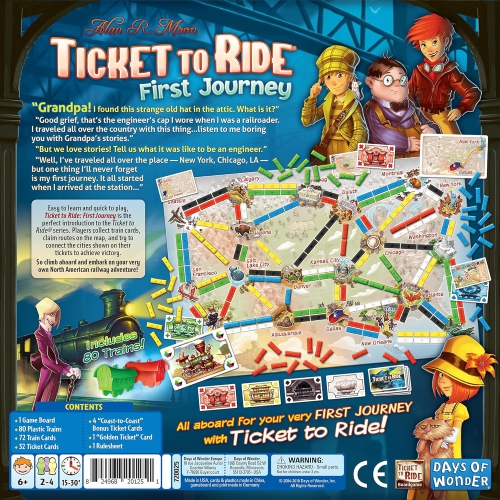
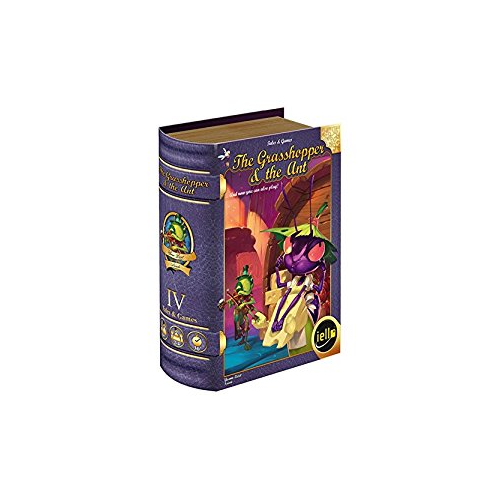
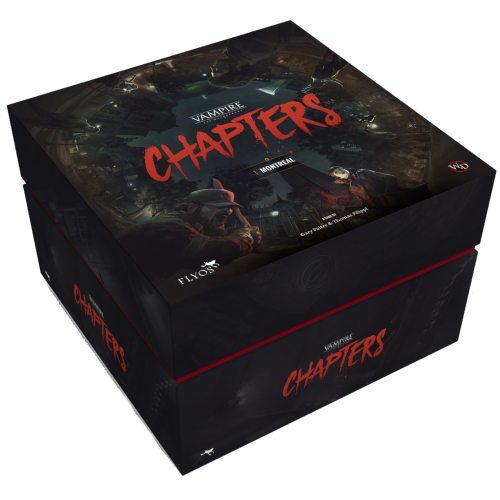

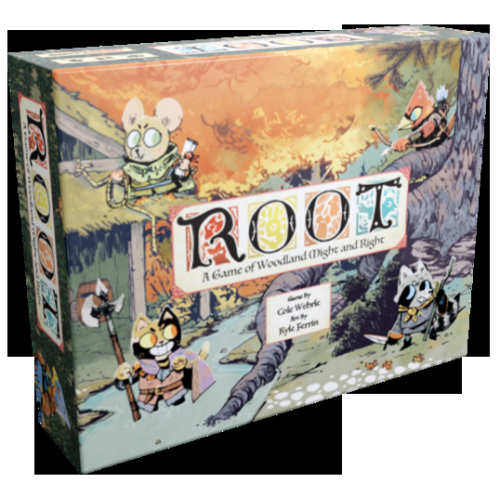
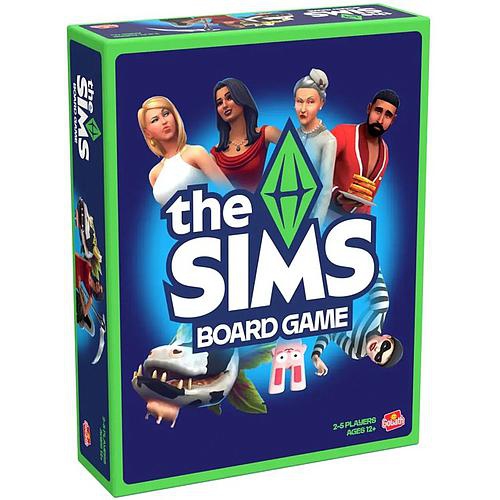

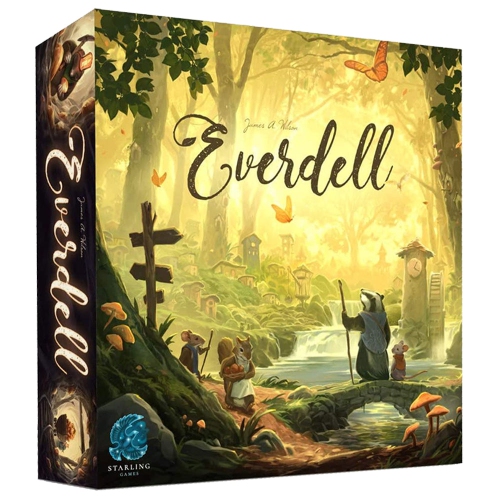

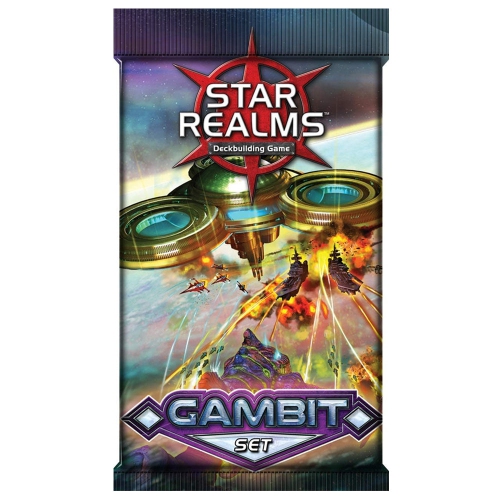
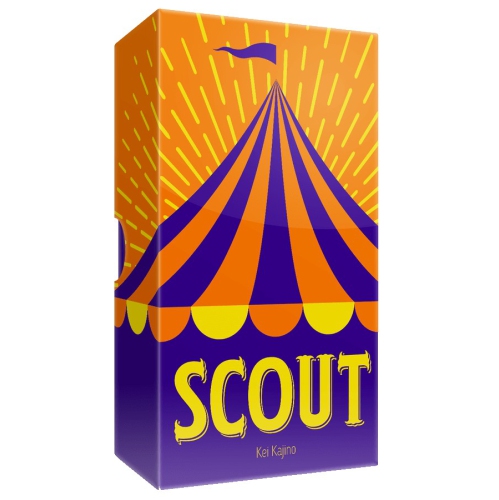
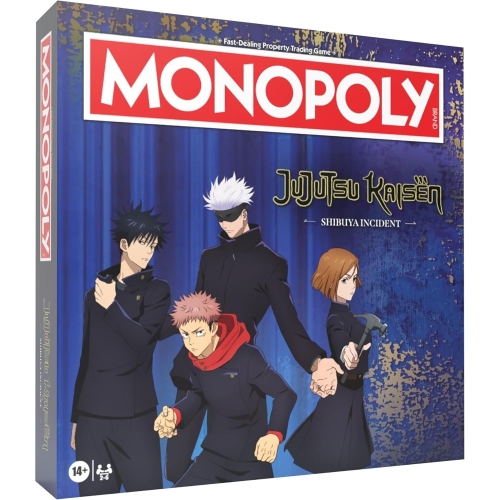

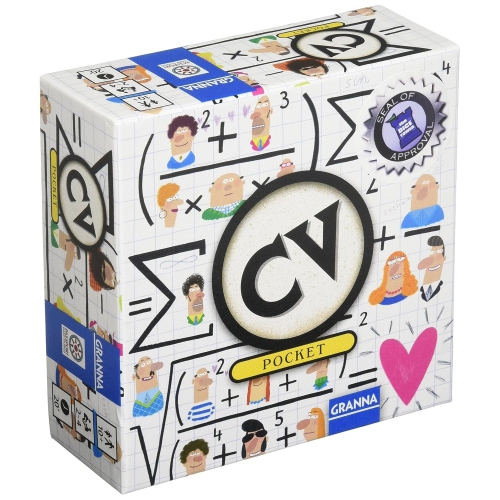



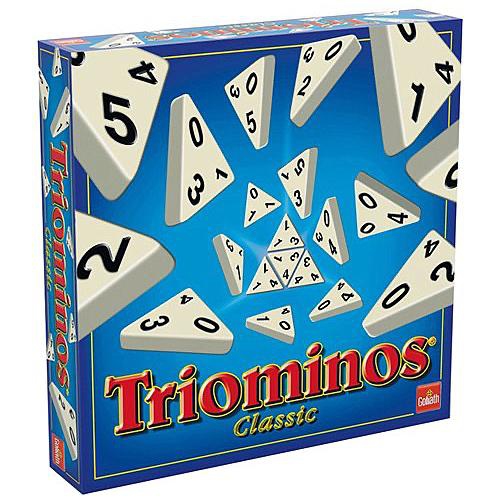
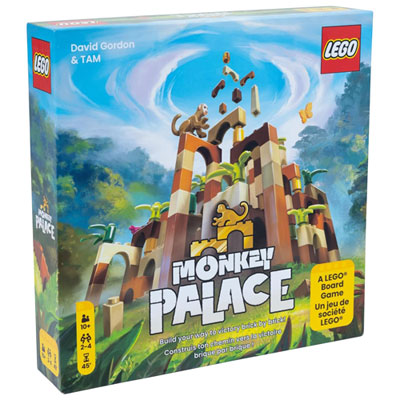
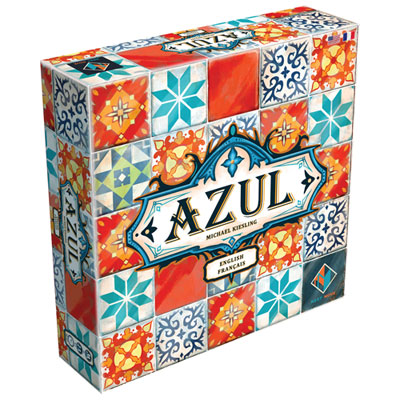


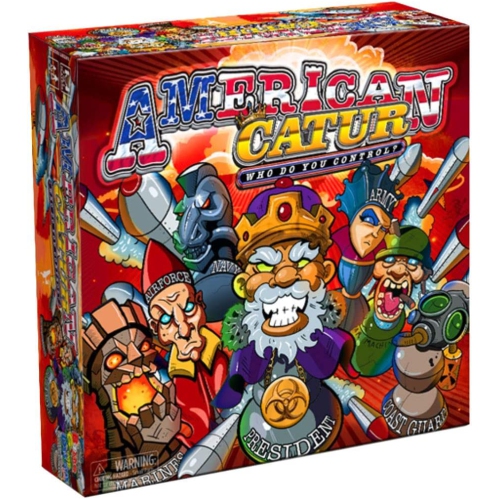
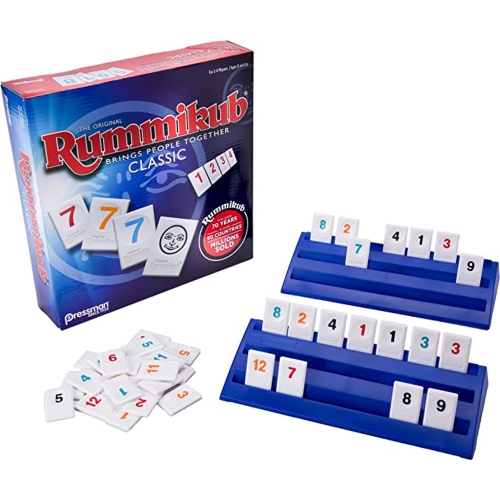
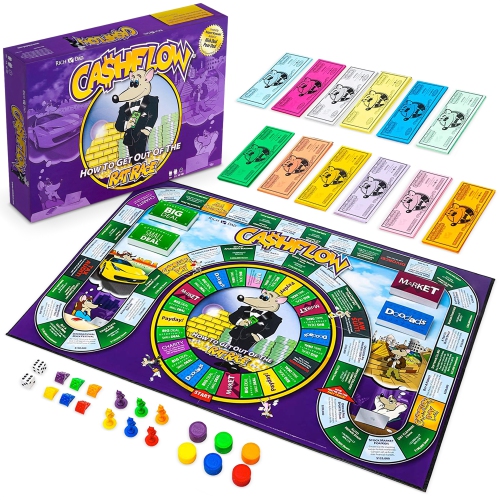


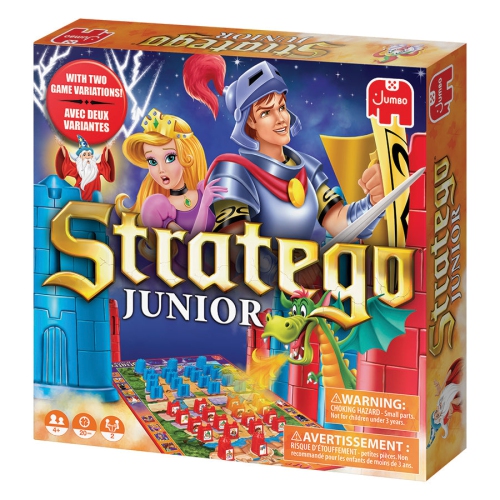

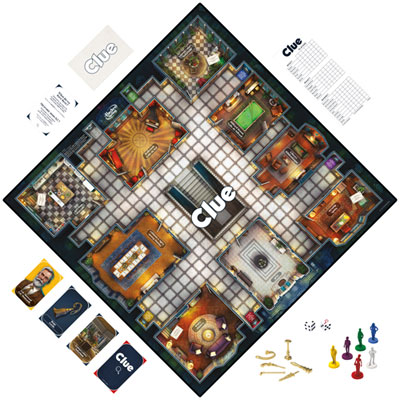


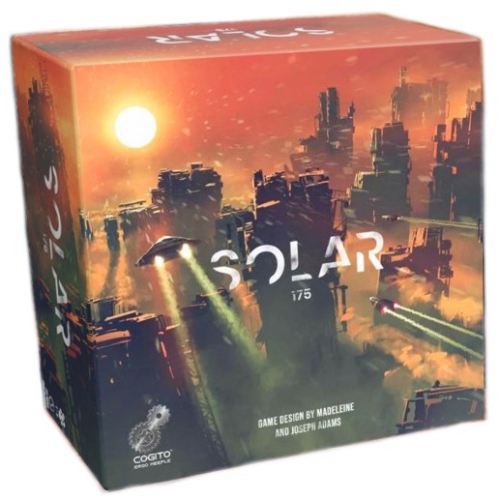



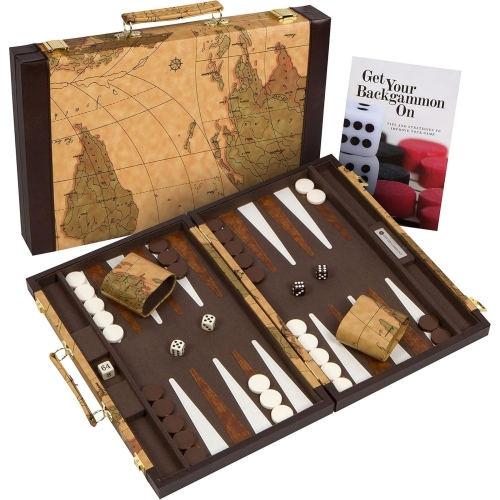
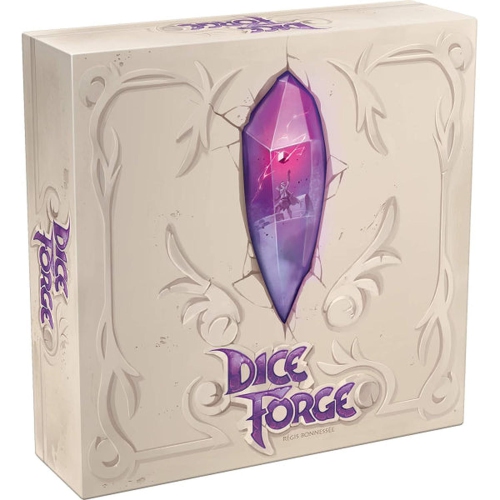

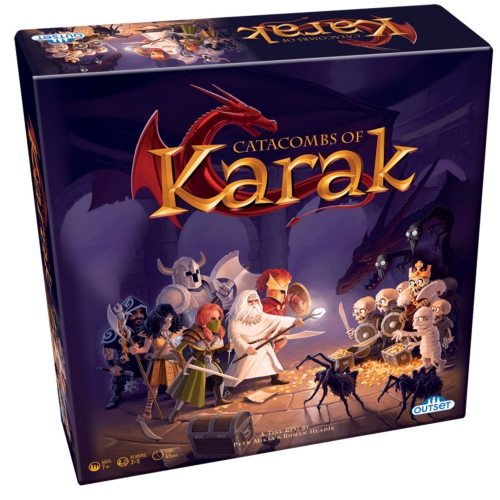
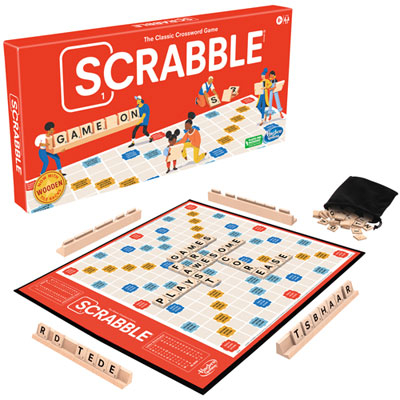


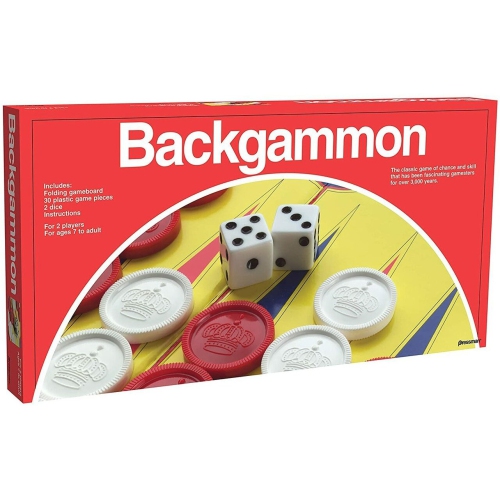


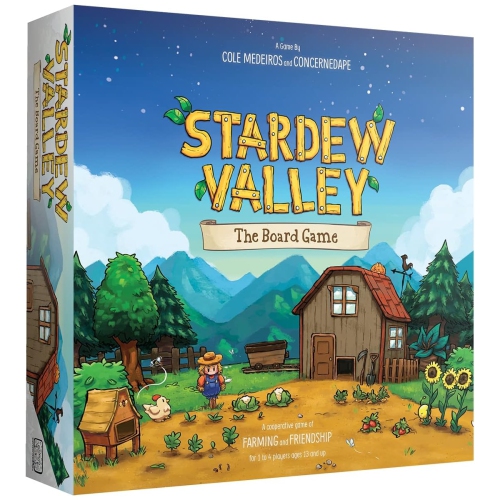

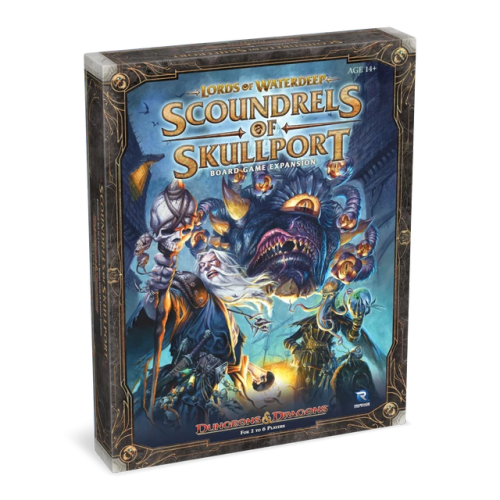
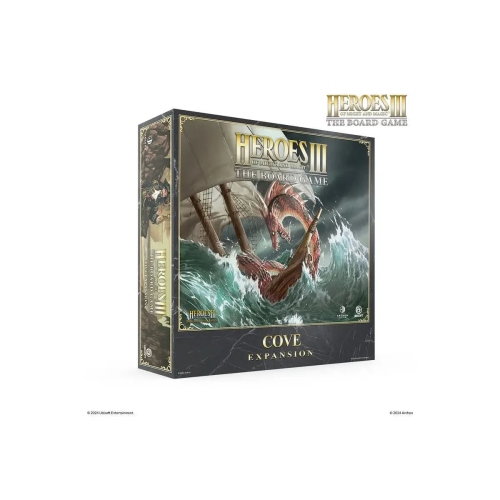










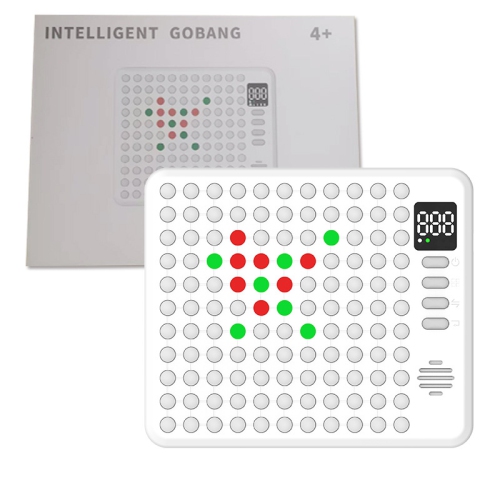
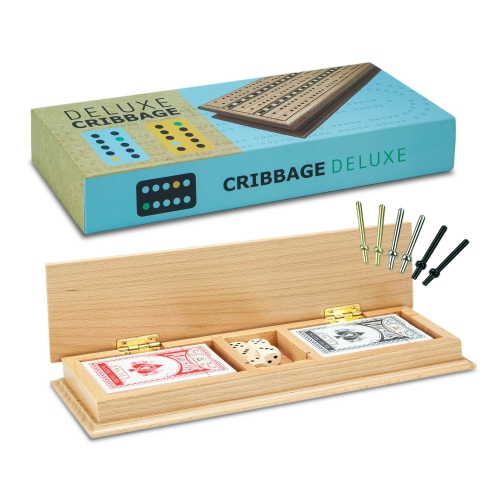

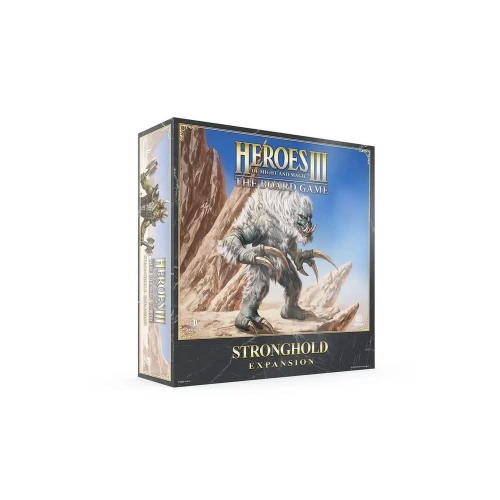

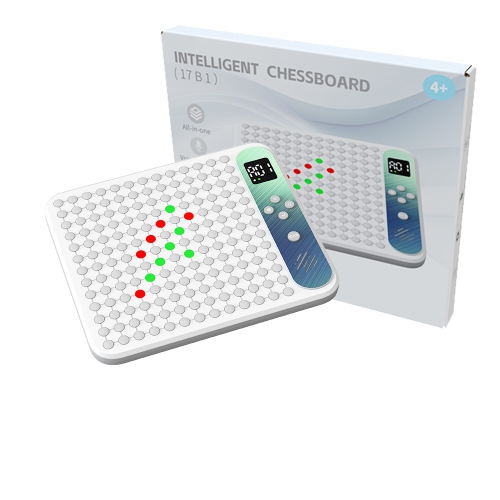
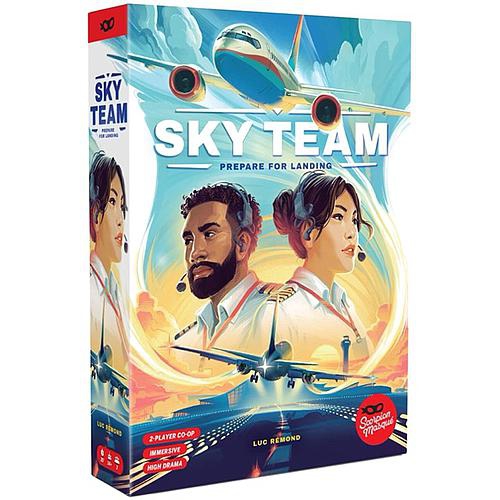
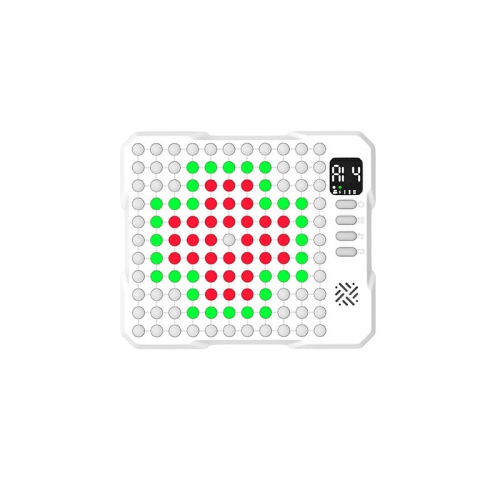
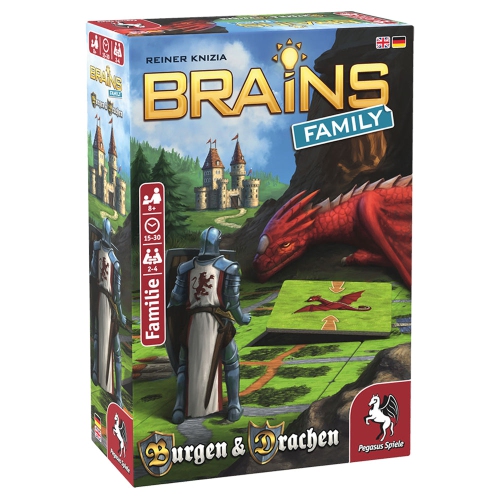
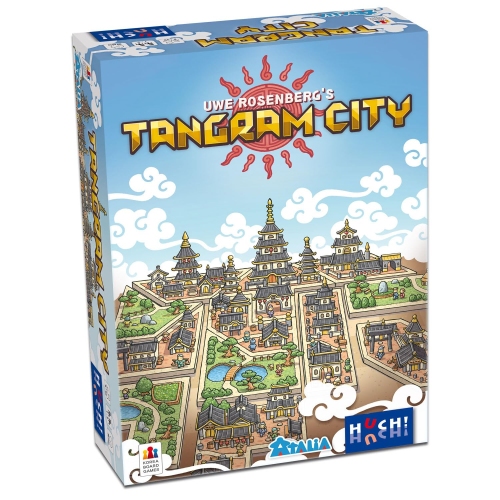




How meaningful choices shape every path to victory
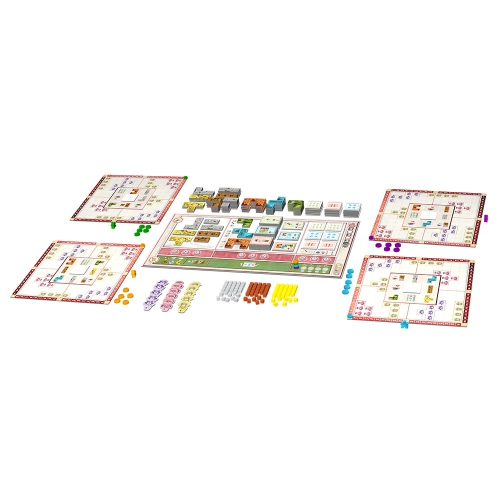
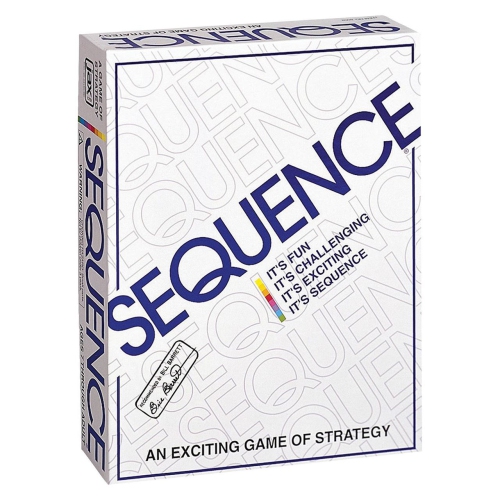
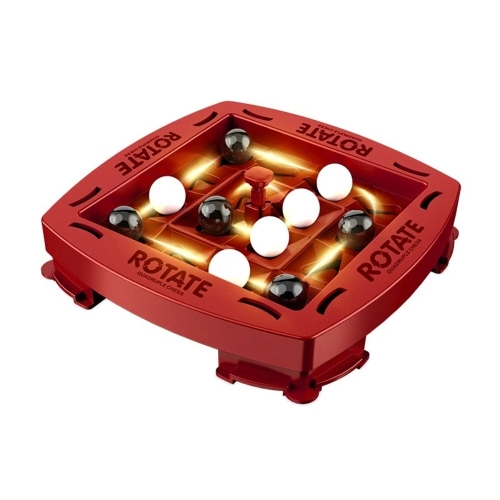
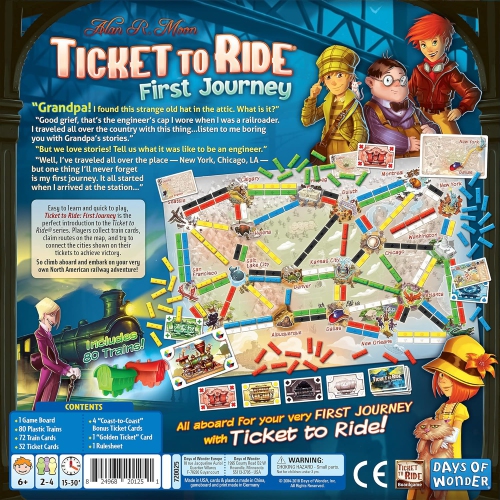
Strategy board games put planning, resource management, and tactical decisions at the centre of play. Rather than relying mainly on a lucky roll or a quick reaction, players work towards goals by choosing how to use limited actions, cards, pieces, or territory. A strong move might secure an important route, leave resources ready for a later turn, or prevent an opponent from claiming a valuable scoring opportunity. The appeal comes from seeing those choices unfold across the table: an early investment pays off, a rival changes direction, or a carefully timed move opens a new path to victory. Different game mechanics create distinct kinds of decisions. In worker placement games, players assign a limited number of pieces to action spaces, often competing for access to the same benefits. Deck-building games let players add cards to a starting deck during play, gradually shaping the combinations they can draw and use. Area control games reward influence or presence in particular regions, while tile-placement games build a shared or personal playing area one piece at a time. Card drafting involves selecting cards from a changing selection, balancing personal goals against what other players might need. Many strategy board games combine several of these systems, giving players more than one way to score. Themes can range from building cities and managing trade routes to exploring imagined worlds, but theme and complexity are separate qualities. A richly illustrated board can support straightforward rules, while a spare arrangement of wooden pieces can produce demanding decisions. Players drawn to exploration, interplanetary expansion, and competition across star maps may also enjoy Space Board Games, where familiar strategic systems take on a space setting. Across themes, the defining feature is meaningful choice: players have enough control to develop a plan, respond to changing conditions, and discover different approaches through repeat play. Some games make every decision visible on the board; others use hidden objectives or cards to keep opponents guessing until the final scoring.
The number of players, level of interaction, and length of a session all shape how a strategy board game feels in use. Two-player games often create a focused contest in which each move directly affects one opponent. Games designed for larger groups can bring negotiation, shifting alliances, and competition for shared spaces, although more players may also mean longer waits between turns. The stated player count matters alongside the way a game handles those numbers; a crowded map can create constant rivalry, while additional space may allow quieter development. Cooperative strategy games offer a different experience, with everyone working towards a shared objective against challenges set by the game itself. These can suit groups that enjoy talking through decisions, provided each player has room to contribute rather than having one person direct every turn. Solo modes, where included, may offer dedicated objectives, automated opponents, or score-based challenges for independent play. Session length is another practical consideration. A game described as taking 45 minutes may need extra time for setup, teaching, and a first round of unfamiliar decisions. Longer games can offer room for gradual development and ambitious plans, but a compact game with a small number of actions can still deliver considerable depth. Complexity is not simply the size of the rulebook: the number of exceptions, amount of card text, and difficulty of seeing how actions connect also affect the learning experience. For families, age recommendations are useful starting points, with reading ability, attention span, and comfort with arithmetic helping determine a good fit. Clear symbols, readable text, and player aids make it easier to follow a turn without repeatedly passing the rulebook around. Strategy games can make thoughtful gifts for puzzle enthusiasts, regular game-night hosts, and people who enjoy working through problems with friends. Familiarity with the recipient’s usual group size and preferred playing time often matters more than choosing the most elaborate box. A welcoming first session leaves space to learn, make mistakes, and understand why a particular decision worked.
Physical design matters because strategy board games are handled, sorted, packed away, and brought back to the table many times. Common components include folding cardboard boards, punchboard tokens, printed cards, wooden markers, and moulded plastic pieces. Thick tokens can be easier to pick up, while distinct piece shapes help players identify resources or units without relying only on colour. Card finish, print contrast, and the amount of information crowded into a small space all affect everyday usability. Detailed miniatures can strengthen the theme, but simple markers may make a busy board easier to read at a glance. Table fit deserves attention as well as box size. A central board may need surrounding space for individual player boards, card rows, supply piles, and discarded pieces; a game that fits neatly on a shelf can still occupy much of a dining table. Reach also matters when players frequently move pieces in the centre or need to read cards across the playing area. For households with young children, age labels and small-parts warnings are important, even when the intended players are older. Good storage helps keep a game ready for its next session. Compartments, trays, or resealable bags can separate components by type or player, making setup faster and reducing the chance of misplaced tokens. Cards that receive frequent shuffling may benefit from correctly sized sleeves, although sleeved decks take up more room and may not fit the original insert. Dry hands, drinks placed away from the playing surface, and prompt cleanup help protect cardboard and printed surfaces from spills and wear. Care directions supplied with the game should take priority, especially for components with special finishes or electronic features. Replay value comes from more than component count: variable maps, different starting abilities, changing objectives, and several viable strategies can keep familiar rules interesting. Modular setups offer variety, while fixed boards can reward deeper knowledge over successive sessions. For many groups, the most enduring games are those that remain readable, comfortable to handle, and satisfying to revisit as everyone’s understanding grows.
Top selling and popular products
-
 Your price for this item is $14.99
-
 Your price for this item is $21.99
-
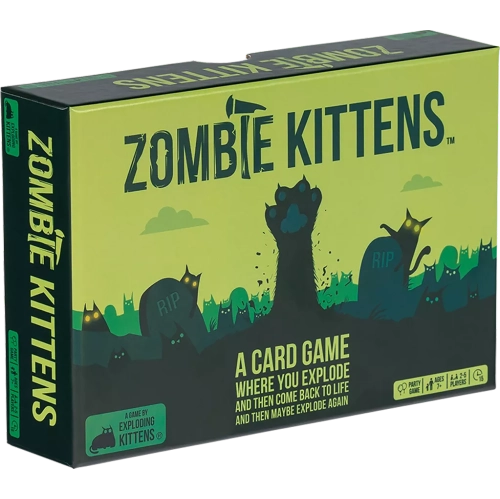 Your price for this item is $34.99
-
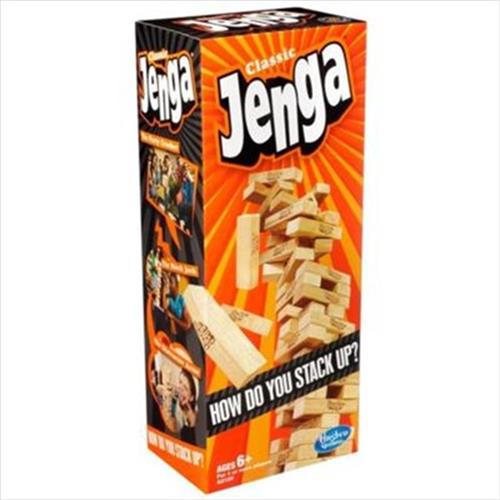 Your price for this item is $24.99
-
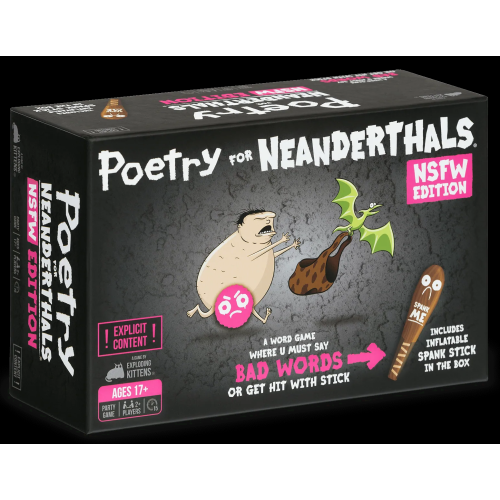 Your price for this item is $31.99
-
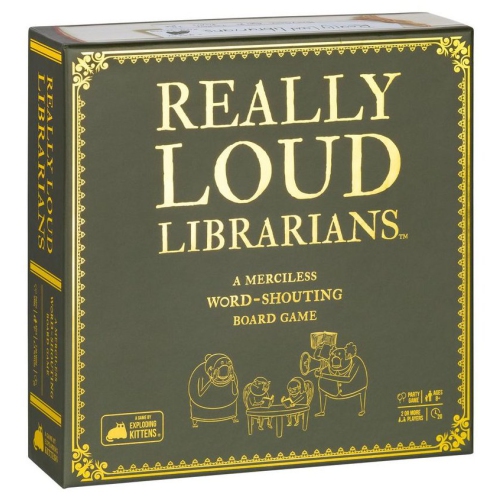 Your price for this item is $29.99
-
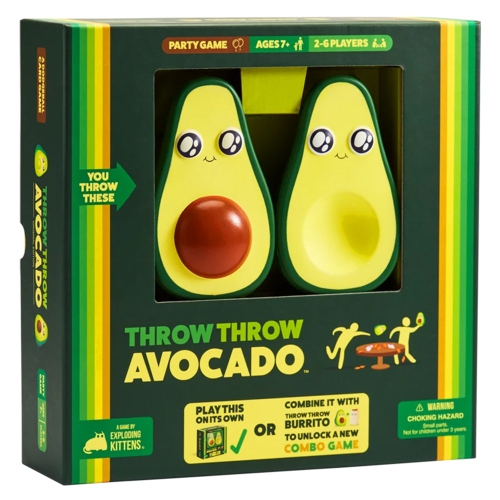 Your price for this item is $44.99
-
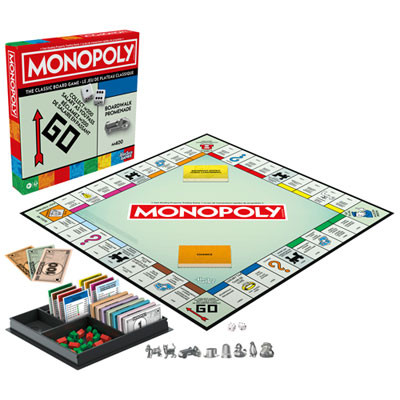 Your price for this item is $27.99
Discover more categories related to Strategy Board Games
Top Collections:
Best Black Friday Deals This Year, Best Black Friday Deals On Electronics, Kindle Devices, Pokemon Centers, Best Black Friday Deals On Apple Products, Best Cameras for Sports Photography, Dyson Airwrap, Pokémon 30th Celebration Cards, Apple iPhone 17 Pro, Canon G7X Cameras
Some products may be subject to Environmental Handling Fees
(EHF) depending on your province.
Learn more about EHFs.