Strategy Board Games for Families
If you're looking for a game to play with the whole family, you've come to the right place. These strategy board games are fun, easy to learn and can be played by people of all ages. They're also great for family get-togethers and parties. Here are some great options available.
Sort
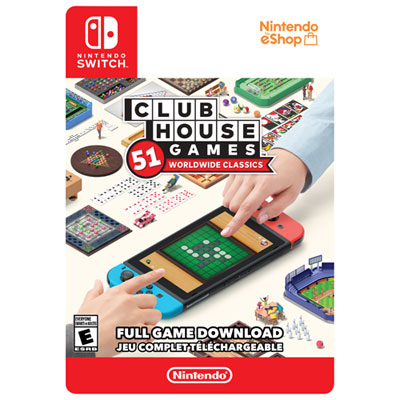
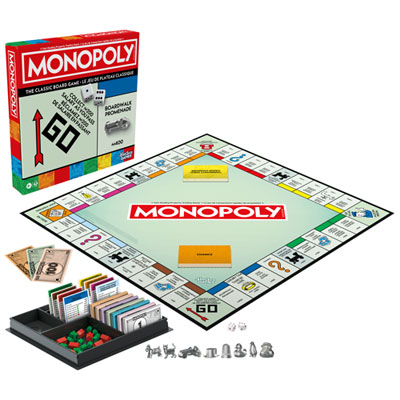
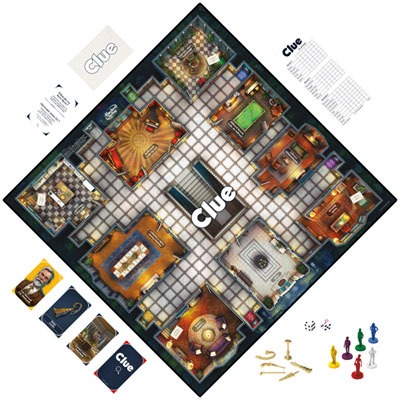
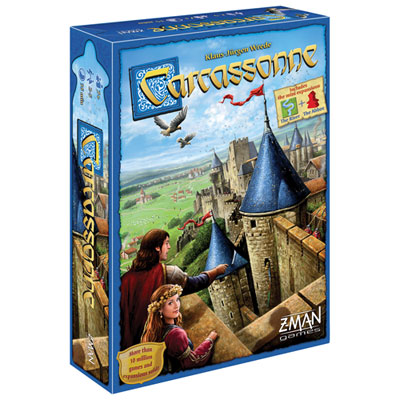
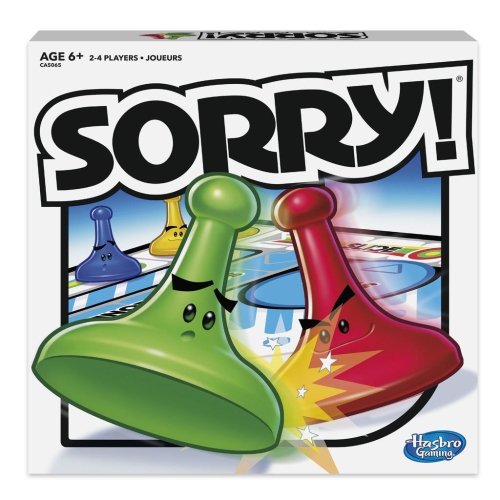
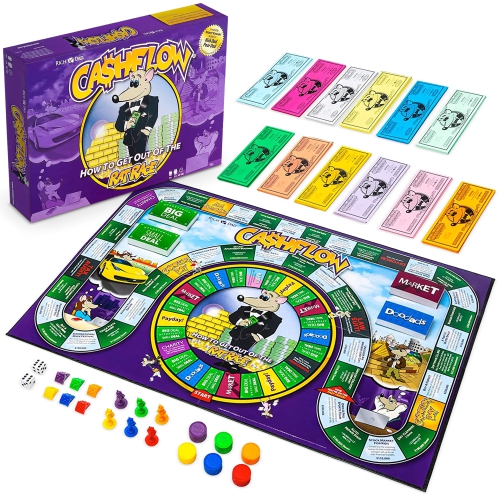

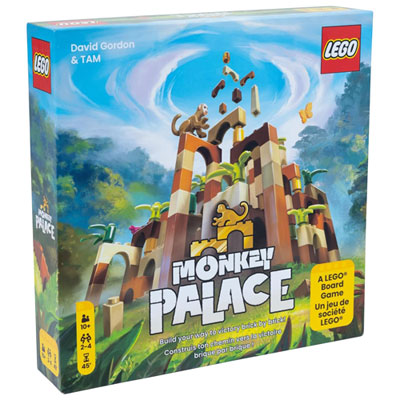
![HASBRO Monopoly: Marvel Eternals Edition [Board Game, 2-6 Players]](https://multimedia.bbycastatic.ca/multimedia/products/500x500/194/19482/19482679.jpeg)
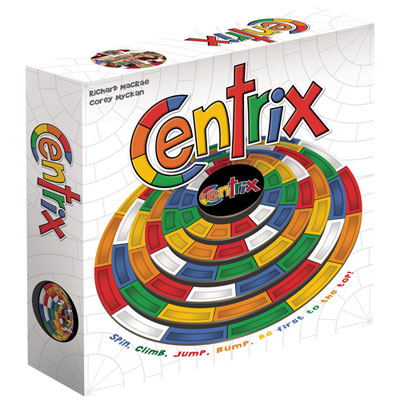
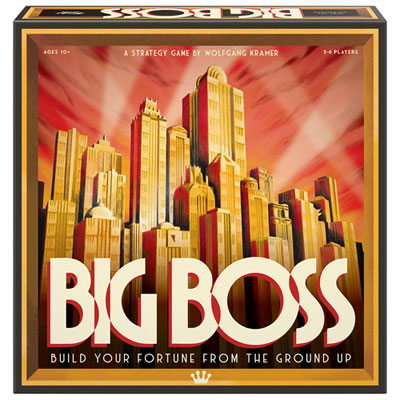
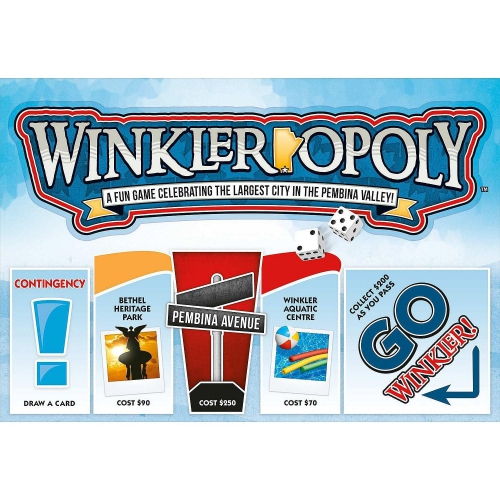
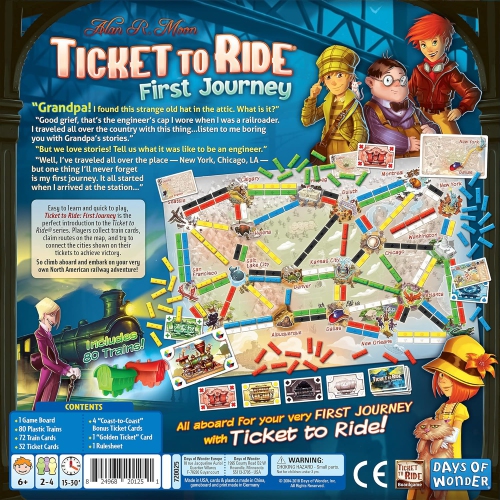
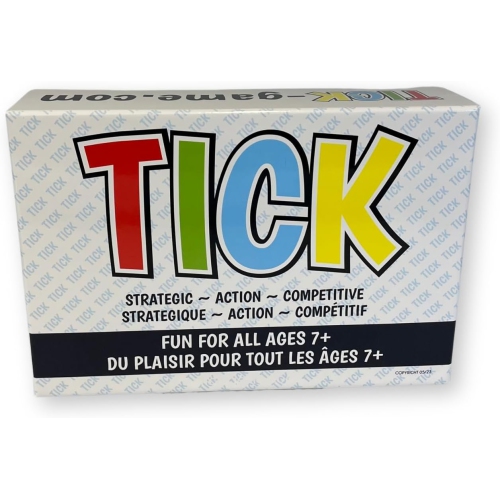
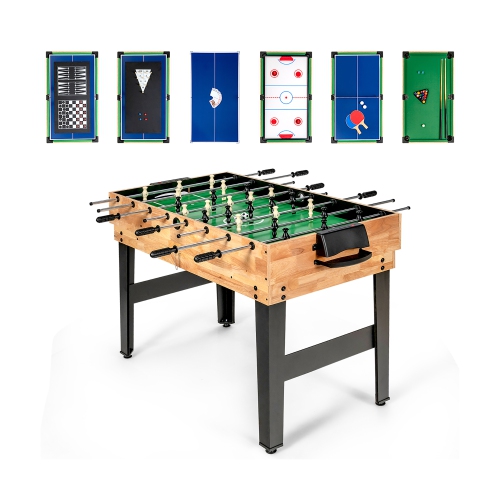
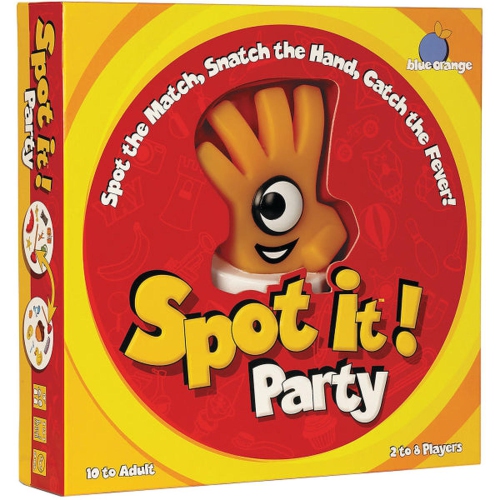
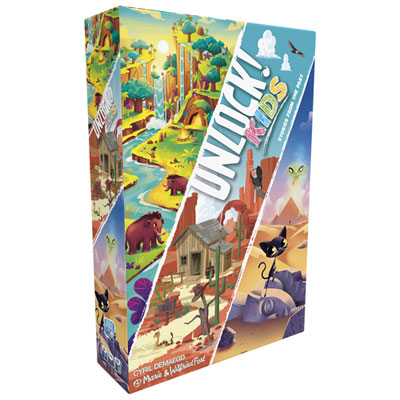
![UBISOFT Monopoly: Family Fun Pack [Xbox One]](https://multimedia.bbycastatic.ca/multimedia/products/500x500/148/14881/14881104.png)

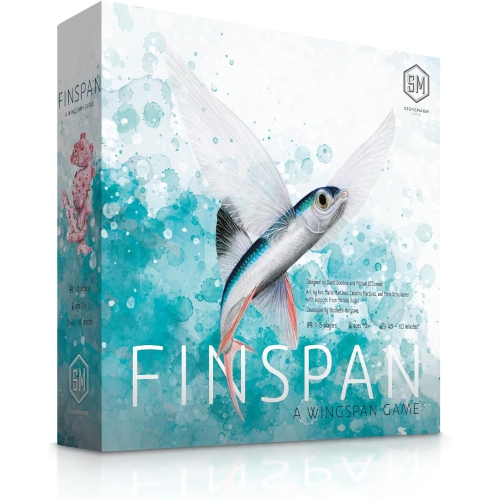
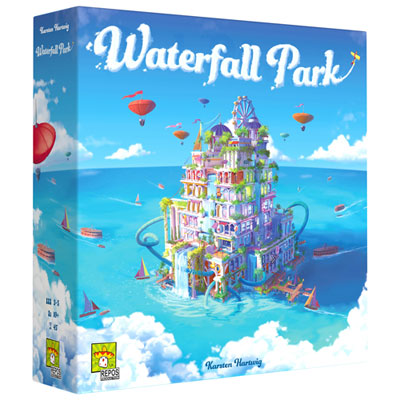
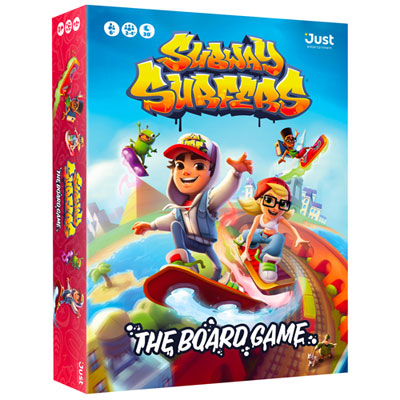
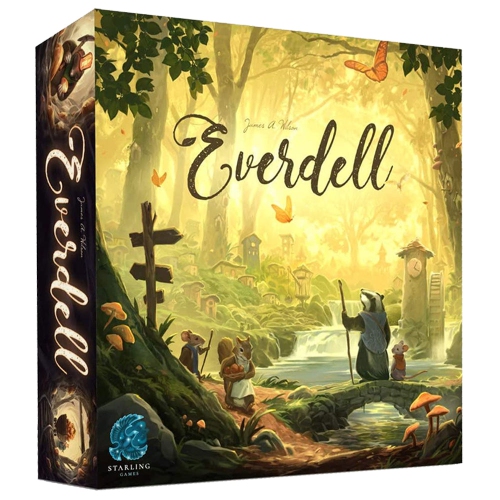
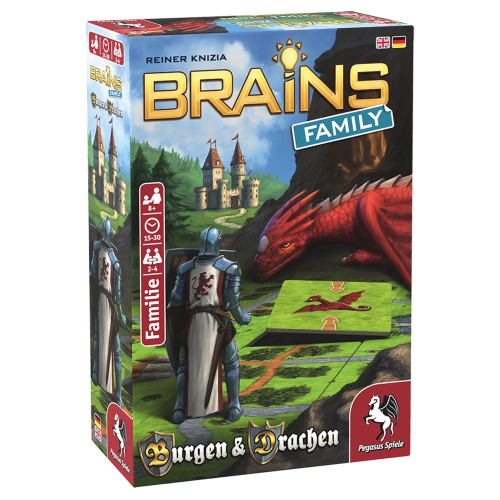
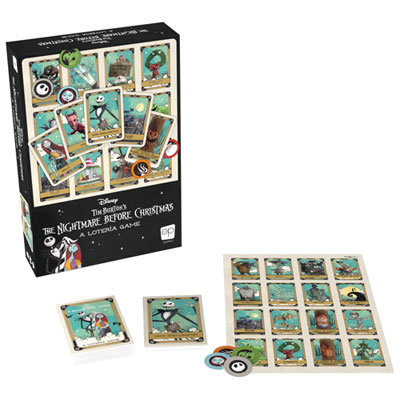
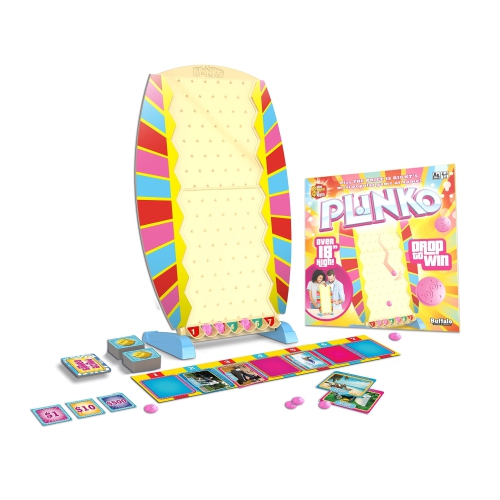
Thoughtful choices turn family game nights into shared challenges
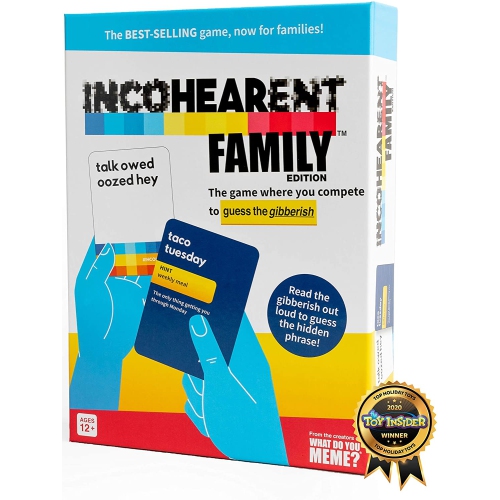
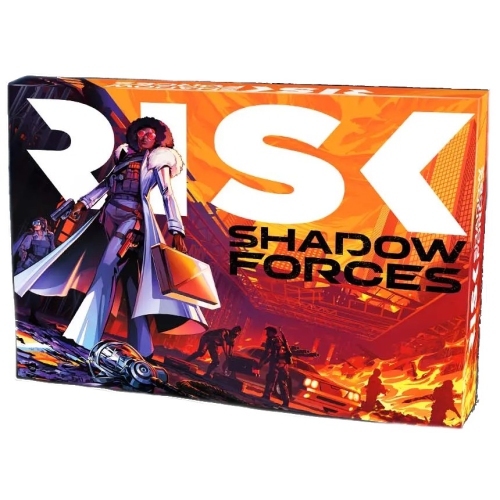
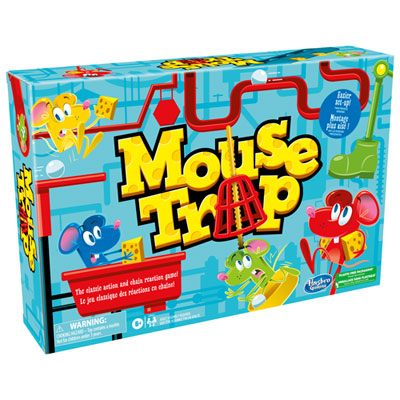
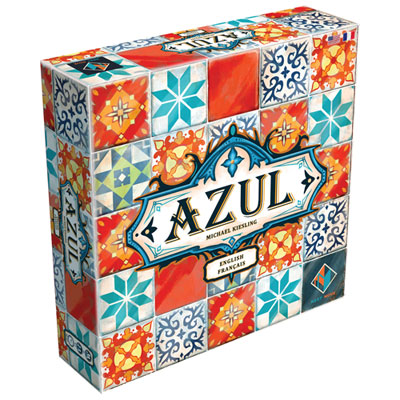
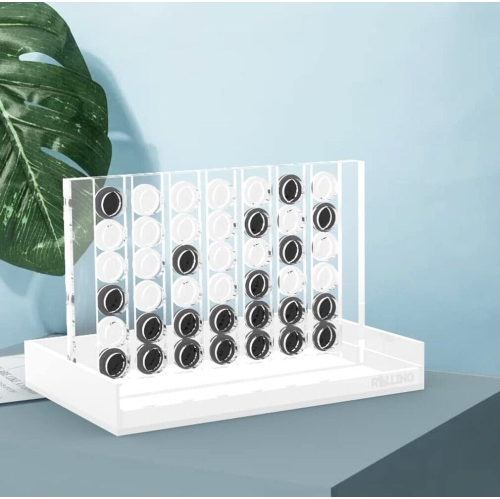
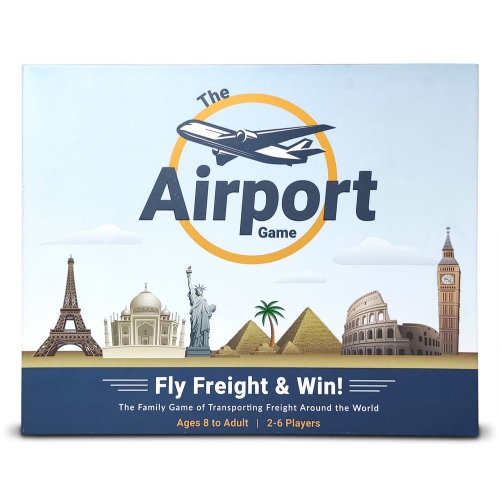
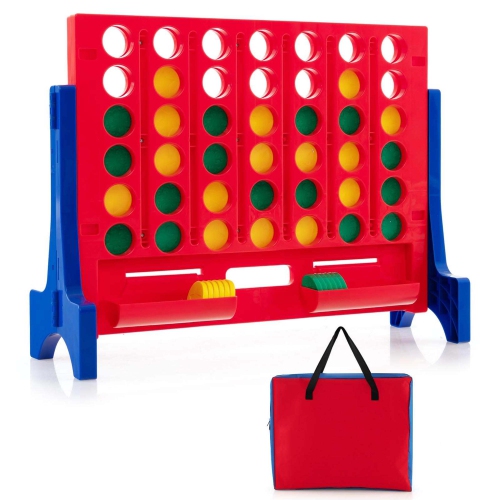
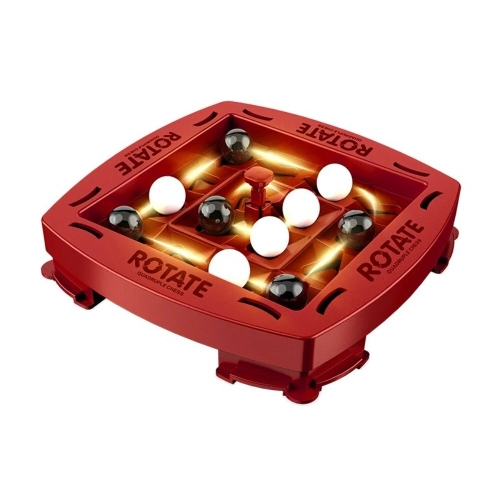
Strategy board games for families bring everyone to the same table and turn a quiet evening into a shared challenge. Unlike games that depend mainly on luck or speed, family strategy games invite players to make decisions, notice patterns, plan ahead, and adapt when the board changes. The most approachable choices balance meaningful tactics with rules that can be explained in a few minutes. A game may ask players to collect cards and claim routes across a map, trade resources to develop roads and settlements, place landscape tiles to complete cities or roads, or fit geometric pieces together while protecting valuable spaces. These different formats create variety without requiring advanced gaming experience. Younger players can practise counting, colour recognition, spatial reasoning, and taking turns, while older players can explore timing, negotiation, risk management, and long-term planning. A good family game gives each player something to think about, whether they are building a network, choosing when to spend limited resources, blocking an opponent’s path, or quietly working towards a scoring objective. The strongest games also make room for memorable table talk: a child celebrating a perfectly placed piece, grandparents debating a trade, or siblings discovering that a small decision made early in the game has changed the entire board. Browse Strategy Board Games to compare options suited to different ages, group sizes, and playing styles.
When choosing a strategy board game for family use, start with the recommended age range and the number of players, then consider how long a typical session lasts. A compact game with a 20- to 30-minute play time can work well after dinner or during a busy weekend, while a longer game may be better for a relaxed afternoon when everyone has time to settle in. Game length is not the only measure of difficulty. Some games have simple rules but offer layers of strategy that become more interesting after several plays; others involve more setup, scoring steps, or special actions that may suit older children and adults. Look for clear instructions, easy-to-handle pieces, and a board or playing area that can fit comfortably on your table. Card text, symbols, and player aids can make a difference when children are still building reading confidence. Games with open information often help families play together without one person needing to manage every rule, while games involving trading or negotiation can encourage communication and flexible thinking. It is also worth considering the group’s temperament. A competitive map-building game may appeal to players who enjoy blocking routes and taking calculated chances, whereas a tile-placement or spatial game may be a better fit for those who prefer quiet concentration and a clean puzzle. For mixed-age groups, choose a format in which younger players can make useful choices rather than simply follow an adult’s instructions. Some families enjoy adjusting the starting resources, simplifying the scoring, or playing with a shorter end condition for the first few sessions. These small changes can help children learn the flow of play while keeping the experience satisfying for everyone at the table.
Strategy board games can be thoughtful gifts for birthdays, family visits, new-home celebrations, or the cooler months when indoor gatherings become part of the routine. They are especially useful for households looking for an activity that does not rely on screens and can be brought out repeatedly without feeling exactly the same each time. A game with a modular board, changing objectives, several routes to victory, or many possible tile and card combinations can offer strong replay value. For a gift, think about the recipient’s usual group: a two-player game may suit a parent and child, while a game designed for four or more players can become a centrepiece for family gatherings. Consider whether the recipient prefers direct competition, friendly negotiation, puzzle-solving, map exploration, or a gentler cooperative style in which players work toward a shared goal. Storage matters as well, particularly when a game includes numerous tokens, cards, boards, or shaped pieces. An organized insert or resealable storage bags can make setup easier and reduce the chance of losing small components between sessions. During late summer, a strategy game can travel to a cottage table or provide a shaded indoor activity after time outside; as the weather cools, it can become part of a regular weekend tradition with snacks nearby and the board waiting for a rematch. The best choice is one that matches the family’s available time, playing space, ages, and appetite for competition, while offering enough thoughtful decisions to keep players returning to the table.
When choosing a strategy board game for family use, start with the recommended age range and the number of players, then consider how long a typical session lasts. A compact game with a 20- to 30-minute play time can work well after dinner or during a busy weekend, while a longer game may be better for a relaxed afternoon when everyone has time to settle in. Game length is not the only measure of difficulty. Some games have simple rules but offer layers of strategy that become more interesting after several plays; others involve more setup, scoring steps, or special actions that may suit older children and adults. Look for clear instructions, easy-to-handle pieces, and a board or playing area that can fit comfortably on your table. Card text, symbols, and player aids can make a difference when children are still building reading confidence. Games with open information often help families play together without one person needing to manage every rule, while games involving trading or negotiation can encourage communication and flexible thinking. It is also worth considering the group’s temperament. A competitive map-building game may appeal to players who enjoy blocking routes and taking calculated chances, whereas a tile-placement or spatial game may be a better fit for those who prefer quiet concentration and a clean puzzle. For mixed-age groups, choose a format in which younger players can make useful choices rather than simply follow an adult’s instructions. Some families enjoy adjusting the starting resources, simplifying the scoring, or playing with a shorter end condition for the first few sessions. These small changes can help children learn the flow of play while keeping the experience satisfying for everyone at the table.
Strategy board games can be thoughtful gifts for birthdays, family visits, new-home celebrations, or the cooler months when indoor gatherings become part of the routine. They are especially useful for households looking for an activity that does not rely on screens and can be brought out repeatedly without feeling exactly the same each time. A game with a modular board, changing objectives, several routes to victory, or many possible tile and card combinations can offer strong replay value. For a gift, think about the recipient’s usual group: a two-player game may suit a parent and child, while a game designed for four or more players can become a centrepiece for family gatherings. Consider whether the recipient prefers direct competition, friendly negotiation, puzzle-solving, map exploration, or a gentler cooperative style in which players work toward a shared goal. Storage matters as well, particularly when a game includes numerous tokens, cards, boards, or shaped pieces. An organized insert or resealable storage bags can make setup easier and reduce the chance of losing small components between sessions. During late summer, a strategy game can travel to a cottage table or provide a shaded indoor activity after time outside; as the weather cools, it can become part of a regular weekend tradition with snacks nearby and the board waiting for a rematch. The best choice is one that matches the family’s available time, playing space, ages, and appetite for competition, while offering enough thoughtful decisions to keep players returning to the table.
Top selling and popular products
-
 Your price for this item is $14.99
 -
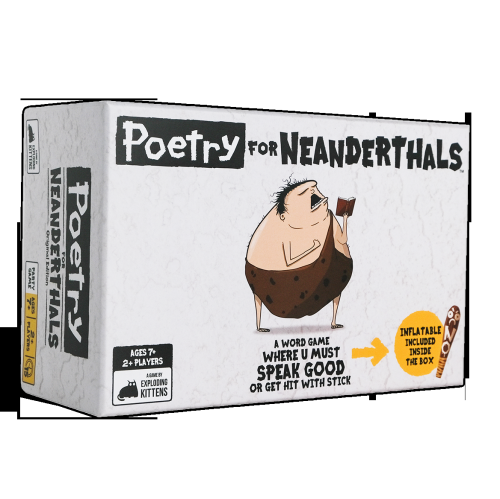 Your price for this item is $34.99
 -
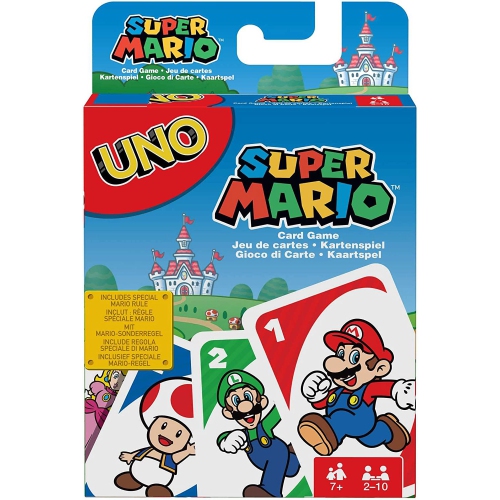 Your price for this item is $15
 -
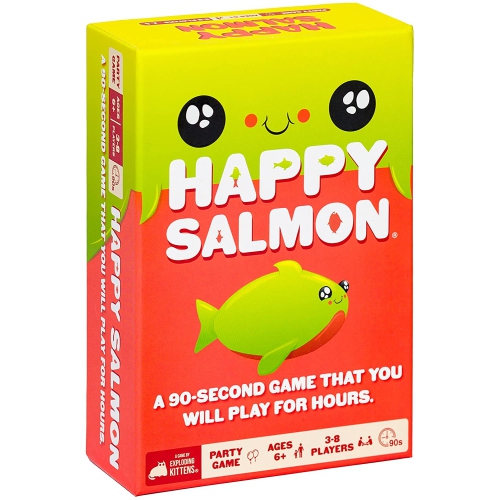 Your price for this item is $21.99
 -
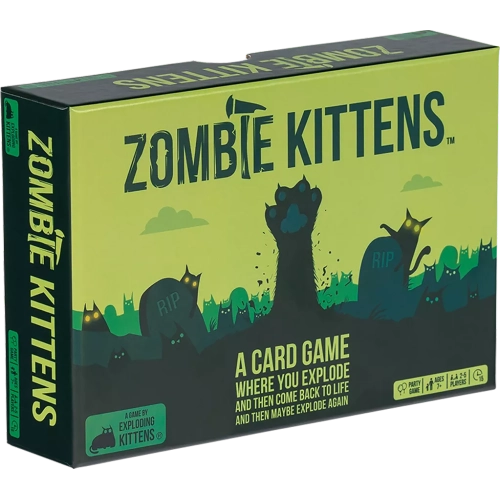 Your price for this item is $34.99
 -
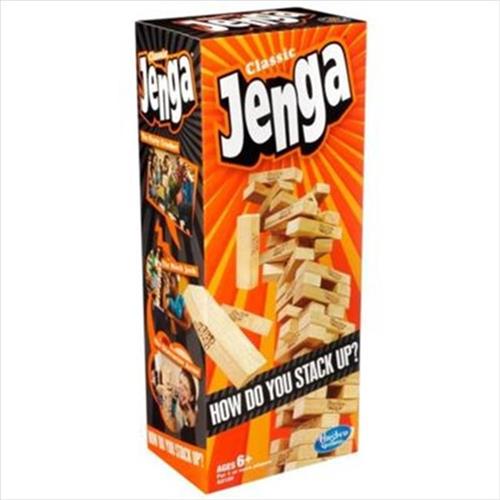 Your price for this item is $28.16
 -
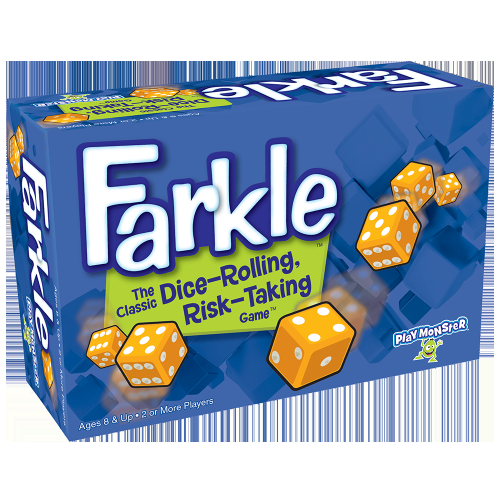 Your price for this item is $20.93
 -
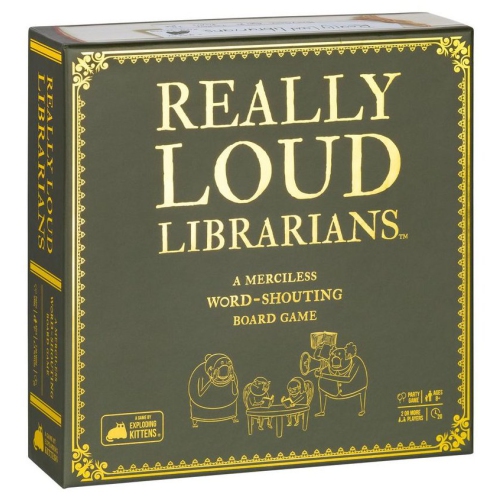 Your price for this item is $29.99
Discover more categories related to Strategy Board Games for Families
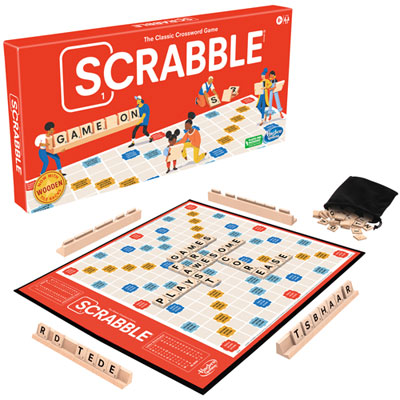
Top Collections:
Pokemon Centers, Budget 4K TVs, Best Budget Office Chairs, Kindle Devices, Canon G7X Cameras, Apple iPhones 16, iPhone 15 Apple, Laptops for Business Work, Xiaomi Phones, Flip Phones
Some products may be subject to Environmental Handling Fees
(EHF) depending on your province.
Learn more about EHFs.