Corner Bookshelf Kids
These corner bookcases are a great way to add storage and style to a room. It can also help kids learn how to organize their belongings. These corner bookcases are versatile pieces of furniture that can be used in any room. Here are some excellent options available on the market.
Sort
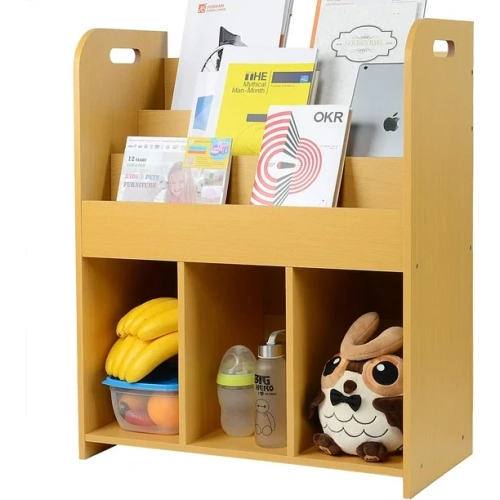
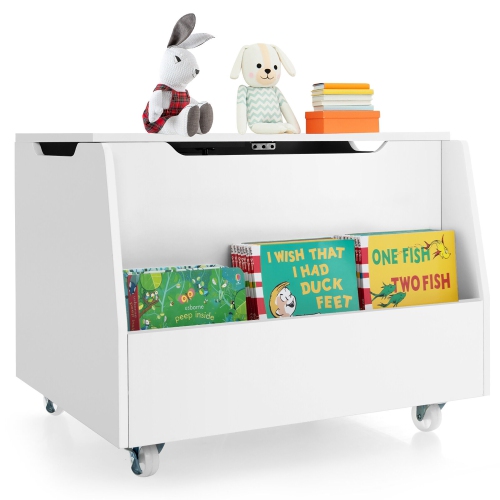
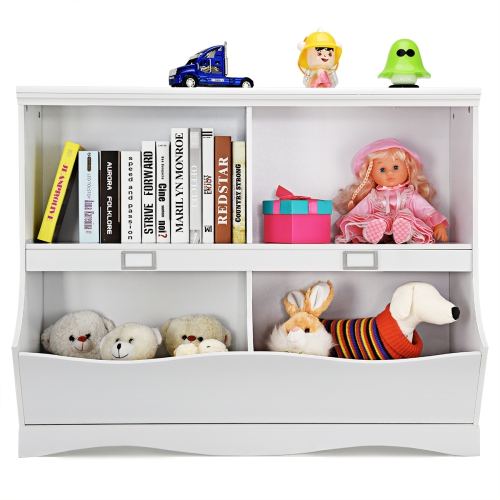
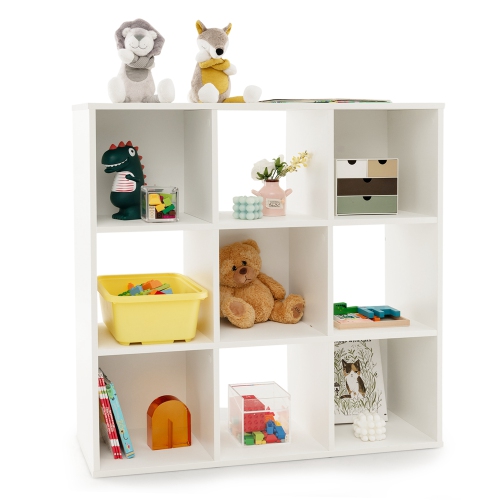
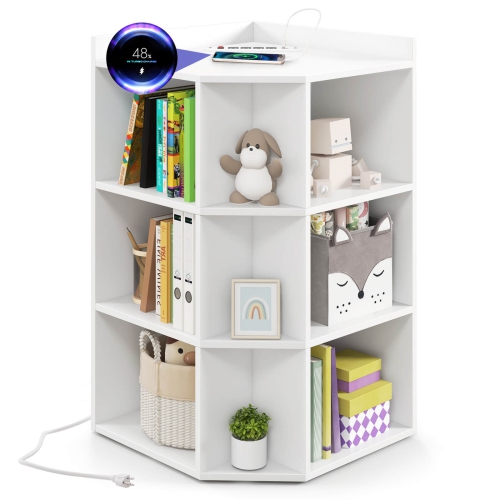
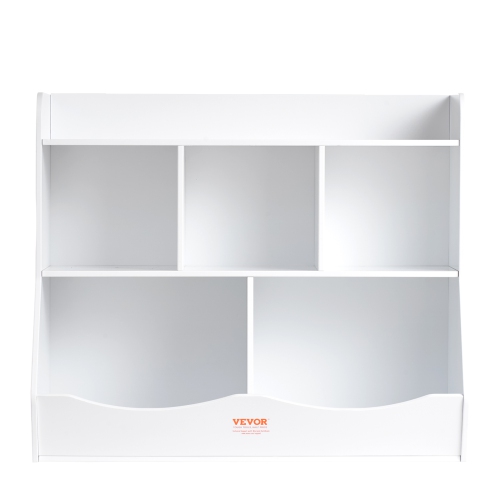
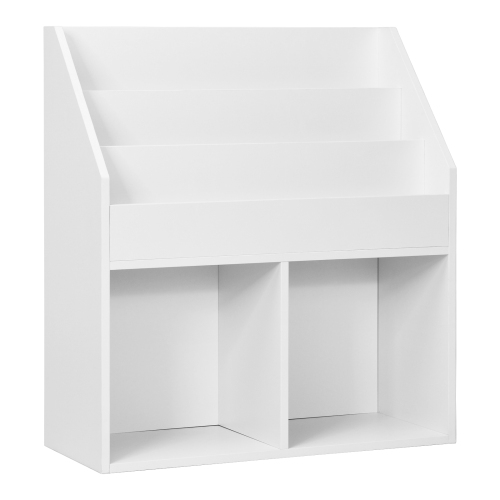
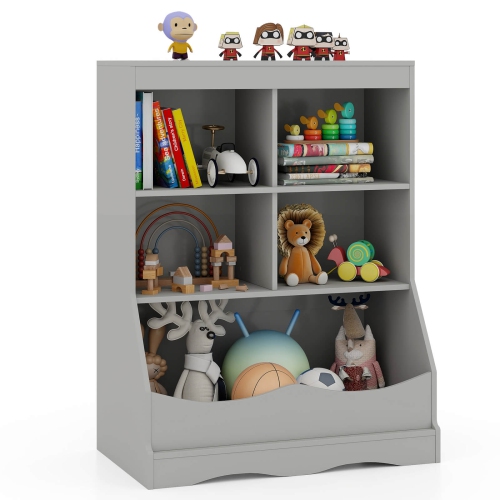
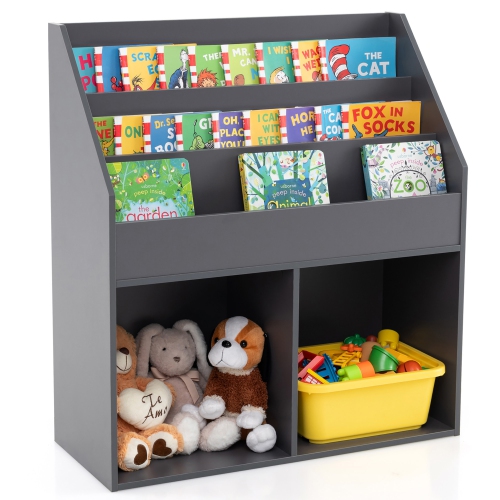
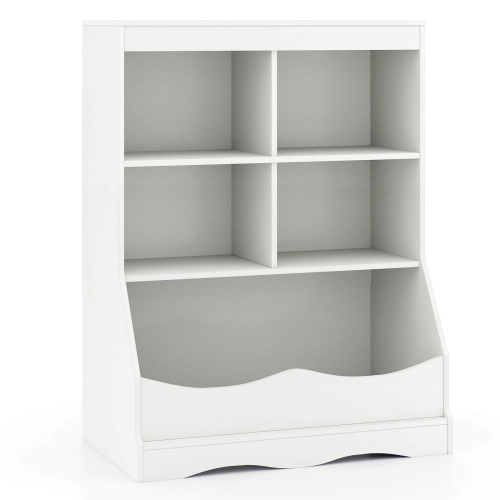
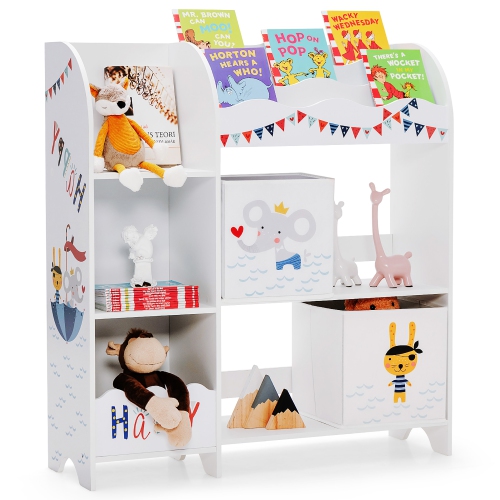
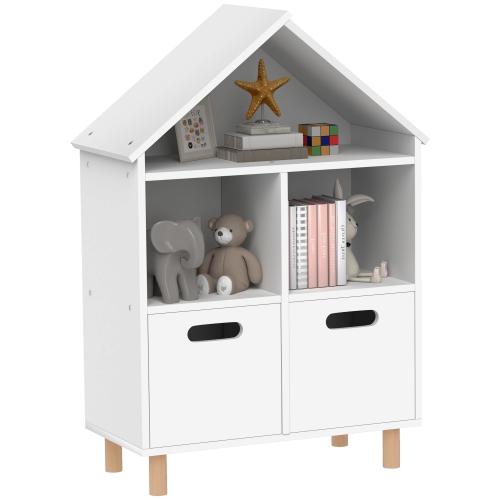
A home for stories with more room for play
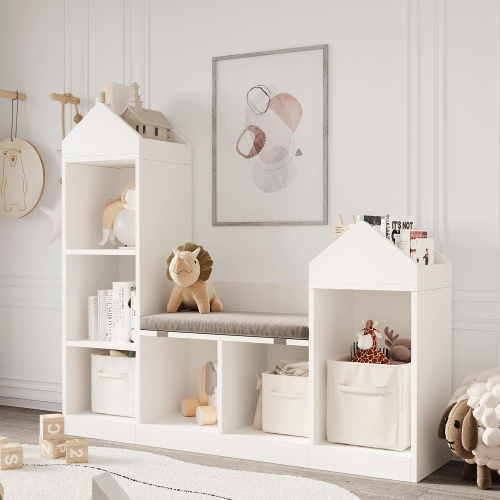
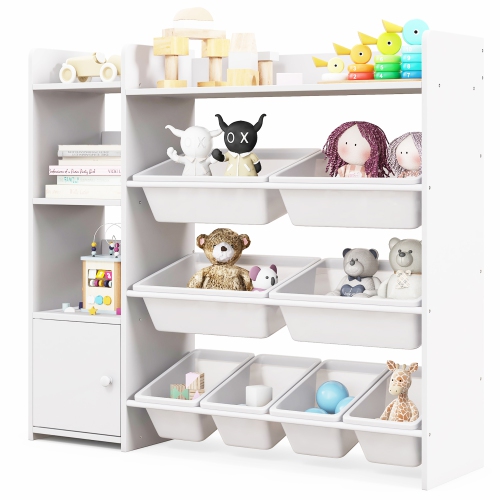
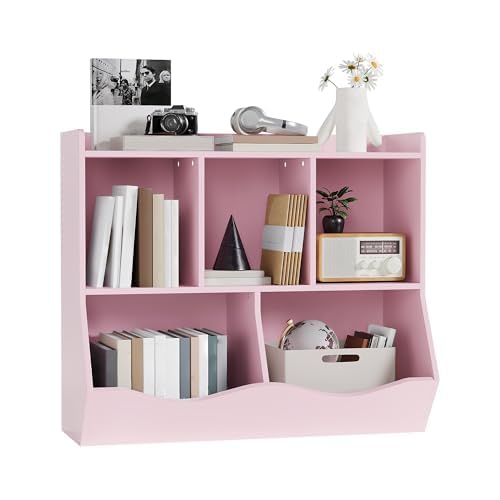
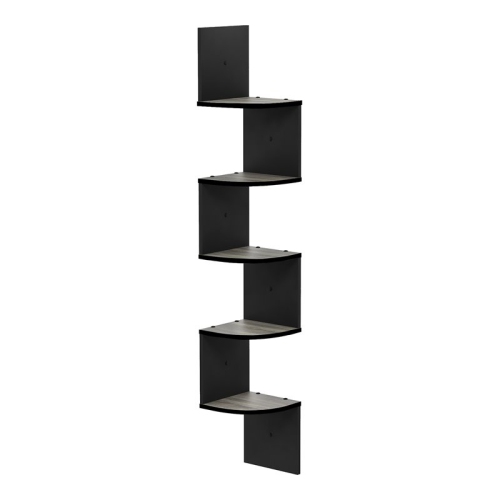
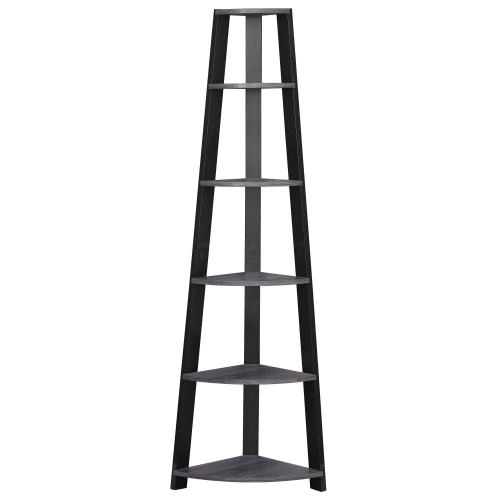
A corner bookshelf for kids turns an often overlooked part of a room into a dedicated place for stories, favourite characters, and everyday discoveries. Designed to sit where two walls meet, this type of book storage can leave more of the main floor open for building blocks, pretend play, or a comfortable reading spot. It suits children’s bedrooms, playrooms, and shared family spaces where books need a home without taking over a full wall. Different shapes make use of that corner in different ways. Triangular shelves tuck into the angle of the room, while stepped designs offer several levels for separating picture books from smaller storybooks. Some corner bookcases have curved fronts that soften their appearance and provide open access from more than one direction. Rotating book towers offer another approach to compact storage, bringing different shelves into view as the unit turns, although they need enough clearance to rotate without brushing walls or nearby furniture. Front-facing displays let children recognize books by their covers, which can be especially useful before they can read titles on a spine. Deeper, conventional shelves may better accommodate growing collections, including chapter books and reference books for school projects. The most useful layout depends on what a child actually reaches for: a toddler’s collection of chunky board books needs different spacing from an older child’s mix of graphic novels and tall illustrated volumes. Keeping a small selection at an accessible level can make choosing a bedtime story less of a rummage through piles. In a shared room, separate shelves can give siblings their own space while keeping familiar read-aloud favourites together. A few open compartments may also hold age-appropriate toys or small storage bins, provided they fit securely and stay within the shelf’s load limit. The result is a reading corner that feels connected to daily routines rather than a display that is difficult for children to use.
Fit matters as much as shelf count when choosing a kids’ corner bookshelf. The overall width and depth show how much floor space the unit occupies, but the usable shelf dimensions determine which books will sit comfortably. Large picture books may project beyond a shallow shelf, while closely spaced tiers can make taller volumes awkward to remove. Measuring the books already in regular rotation gives a more realistic sense of the space required than relying on a general capacity estimate. For triangular shelves, the depth narrows towards the back, so the front width alone does not tell the whole story. Baseboards can also prevent a bookcase from sitting as close to the walls as expected. Nearby doors, drawers, curtains, floor vents, and electrical outlets deserve attention, particularly in a compact bedroom where several pieces of furniture share the same corner. A rotating design needs clearance around its moving sections, not simply enough room for its base. Height should reflect both the child’s reach and the furniture’s intended use; there is no single shelf height that works for every age. Everyday reading belongs within comfortable reach, without a child needing to stretch overhead or climb. Adult-managed storage can sit higher, but appealing toys and favourite books are better kept where they do not invite climbing. Secure bookshelves according to the manufacturer’s anti-tip instructions, using fixings suitable for the wall construction, and follow the stated weight limits for each shelf. A low profile or broad base does not replace proper installation. Heavier books generally belong on lower shelves, with weight distributed evenly rather than concentrated along one edge. Rounded edges and smooth surfaces are useful details, though they do not remove the need for supervision and sensible placement. Shelves should not obstruct a walking route or sit where they could provide a climbing step towards a window. For rotating units, age suitability, movement, and accessible gaps around the mechanism are additional considerations. These practical details help a corner reading area remain easy to use as children’s interests and routines change.
Materials and construction influence how a children’s corner bookcase feels, wears, and fits into the rest of the room. Solid wood offers natural grain and variation, while engineered wood with a painted, laminated, or veneered surface can provide a consistent finish. Neither description alone establishes durability: sturdy joints, properly supported shelves, secure hardware, and well-finished edges all contribute to how furniture holds up to repeated use. Books can be surprisingly heavy when grouped together, so shelf load ratings matter even on a small unit. Fabric-fronted book displays create pockets for face-out storage, but their care requirements and capacity differ from those of rigid shelves. Metal-framed designs may combine slim supports with wood or composite shelves; smooth welds, covered ends, and secure connections are worth checking. Finishes also shape the feel of the space. White and pale wood tones can blend into a bright reading nook, while deeper colours may give a shared playroom a more defined storage area. A simple finish can continue to suit the room as nursery stories give way to independent reading. For routine care, follow the manufacturer’s directions and use cleaning products compatible with the surface. Many finished shelves can be dusted with a soft cloth and wiped with a lightly damp cloth, then dried promptly; excessive moisture can damage some wood-based materials, especially around exposed edges. Spills, crayon marks, and stickers need care suited to the finish rather than aggressive scrubbing. Periodic checks for loose fasteners, damaged shelf supports, and secure wall attachments are sensible, particularly after moving the furniture. A corner bookshelf can also be a thoughtful gift for a child setting up a first bedroom reading area, provided a parent or caregiver confirms the measurements and installation needs beforehand. Where the corner is already occupied, or a low unit along a straight wall would be easier to reach, a Small Bookshelf for Kids offers another space-conscious approach. Whether the collection holds a handful of well-loved board books or an expanding row of early readers, accessible storage gives each book a familiar place to return to.
Fit matters as much as shelf count when choosing a kids’ corner bookshelf. The overall width and depth show how much floor space the unit occupies, but the usable shelf dimensions determine which books will sit comfortably. Large picture books may project beyond a shallow shelf, while closely spaced tiers can make taller volumes awkward to remove. Measuring the books already in regular rotation gives a more realistic sense of the space required than relying on a general capacity estimate. For triangular shelves, the depth narrows towards the back, so the front width alone does not tell the whole story. Baseboards can also prevent a bookcase from sitting as close to the walls as expected. Nearby doors, drawers, curtains, floor vents, and electrical outlets deserve attention, particularly in a compact bedroom where several pieces of furniture share the same corner. A rotating design needs clearance around its moving sections, not simply enough room for its base. Height should reflect both the child’s reach and the furniture’s intended use; there is no single shelf height that works for every age. Everyday reading belongs within comfortable reach, without a child needing to stretch overhead or climb. Adult-managed storage can sit higher, but appealing toys and favourite books are better kept where they do not invite climbing. Secure bookshelves according to the manufacturer’s anti-tip instructions, using fixings suitable for the wall construction, and follow the stated weight limits for each shelf. A low profile or broad base does not replace proper installation. Heavier books generally belong on lower shelves, with weight distributed evenly rather than concentrated along one edge. Rounded edges and smooth surfaces are useful details, though they do not remove the need for supervision and sensible placement. Shelves should not obstruct a walking route or sit where they could provide a climbing step towards a window. For rotating units, age suitability, movement, and accessible gaps around the mechanism are additional considerations. These practical details help a corner reading area remain easy to use as children’s interests and routines change.
Materials and construction influence how a children’s corner bookcase feels, wears, and fits into the rest of the room. Solid wood offers natural grain and variation, while engineered wood with a painted, laminated, or veneered surface can provide a consistent finish. Neither description alone establishes durability: sturdy joints, properly supported shelves, secure hardware, and well-finished edges all contribute to how furniture holds up to repeated use. Books can be surprisingly heavy when grouped together, so shelf load ratings matter even on a small unit. Fabric-fronted book displays create pockets for face-out storage, but their care requirements and capacity differ from those of rigid shelves. Metal-framed designs may combine slim supports with wood or composite shelves; smooth welds, covered ends, and secure connections are worth checking. Finishes also shape the feel of the space. White and pale wood tones can blend into a bright reading nook, while deeper colours may give a shared playroom a more defined storage area. A simple finish can continue to suit the room as nursery stories give way to independent reading. For routine care, follow the manufacturer’s directions and use cleaning products compatible with the surface. Many finished shelves can be dusted with a soft cloth and wiped with a lightly damp cloth, then dried promptly; excessive moisture can damage some wood-based materials, especially around exposed edges. Spills, crayon marks, and stickers need care suited to the finish rather than aggressive scrubbing. Periodic checks for loose fasteners, damaged shelf supports, and secure wall attachments are sensible, particularly after moving the furniture. A corner bookshelf can also be a thoughtful gift for a child setting up a first bedroom reading area, provided a parent or caregiver confirms the measurements and installation needs beforehand. Where the corner is already occupied, or a low unit along a straight wall would be easier to reach, a Small Bookshelf for Kids offers another space-conscious approach. Whether the collection holds a handful of well-loved board books or an expanding row of early readers, accessible storage gives each book a familiar place to return to.
Top selling and popular products
-
 Your price for this item is $772.99
 -
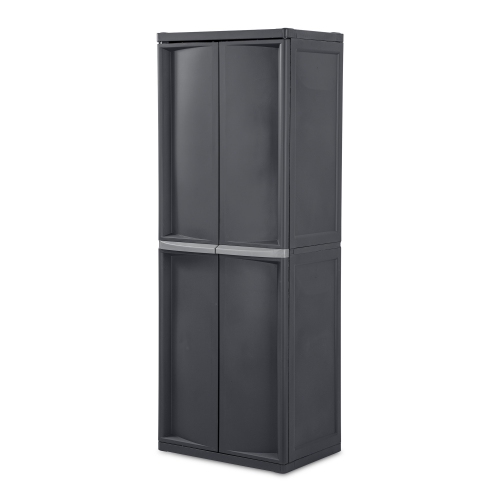 Your price for this item is $1522.99
 -
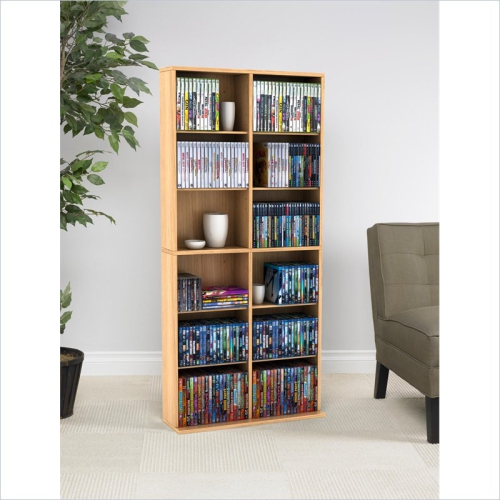 Your price for this item is $234.68
 -
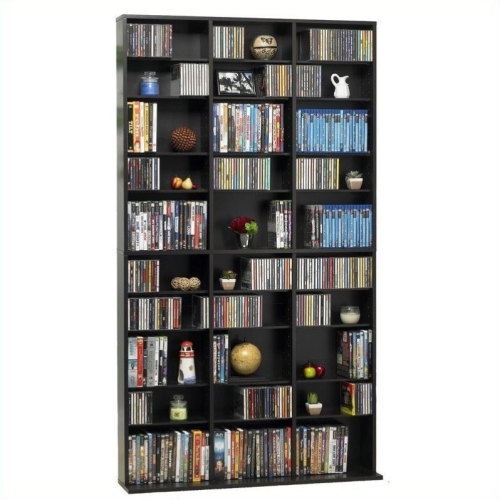 Your price for this item is $365.38
 -
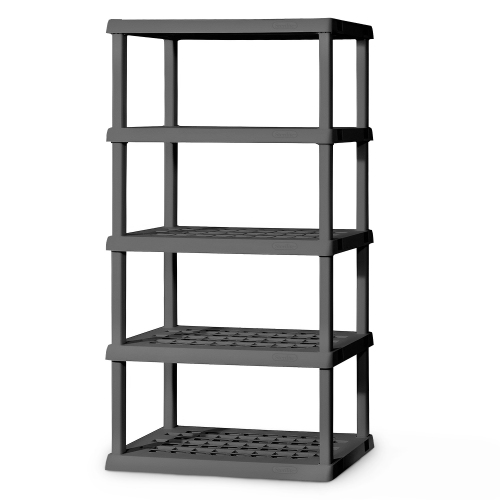 Your price for this item is $468.99
 -
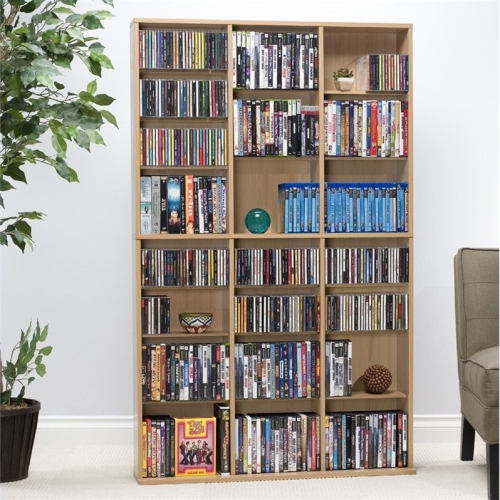 Your price for this item is $295.84
 -
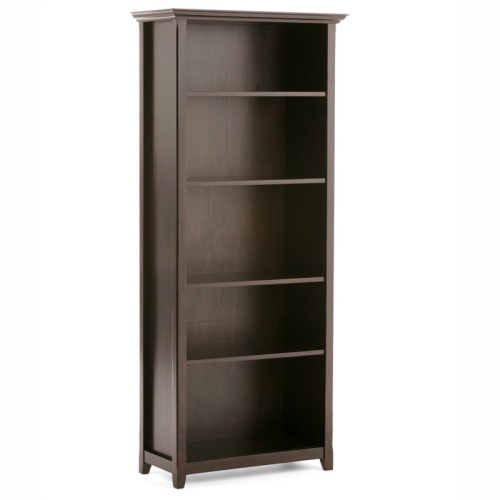 Your price for this item is $999.77
 -
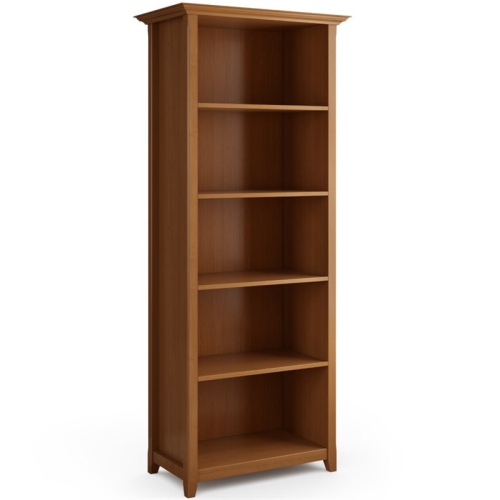 Your price for this item is $998.43
Discover more categories related to Corner Bookshelf Kids
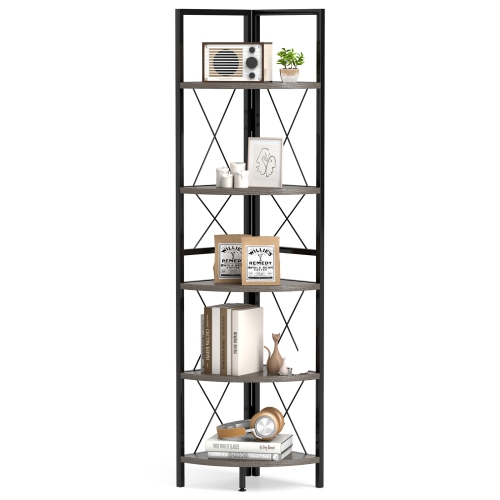
Top Collections:
Pokemon Centers, Kindle Devices, Best Budget Office Chairs, Apple iPhones 16, Best Laptops for Writers, iPhone 15 Apple, Canon G7X Cameras, Refurbished Apple Laptops, Alarm Clock, Motorola Razr Phones
Some products may be subject to Environmental Handling Fees
(EHF) depending on your province.
Learn more about EHFs.