Corner Wall Bookshelf
Looking to make the most of your space while adding a touch of style to your home? Look no further than our collection of corner wall bookshelves. These innovative storage solutions are designed to fit seamlessly into any corner, providing you with a functional and visually appealing way to display your favorite books, decor, and more. With their sleek designs and sturdy construction, you can trust that these bookshelves will not only enhance the aesthetics of your space but also provide reliable storage for years to come.
Sort
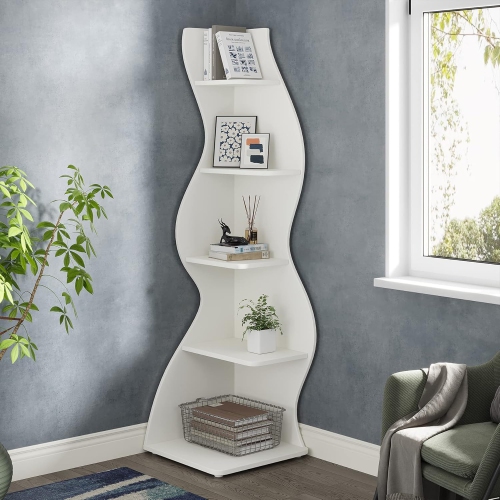
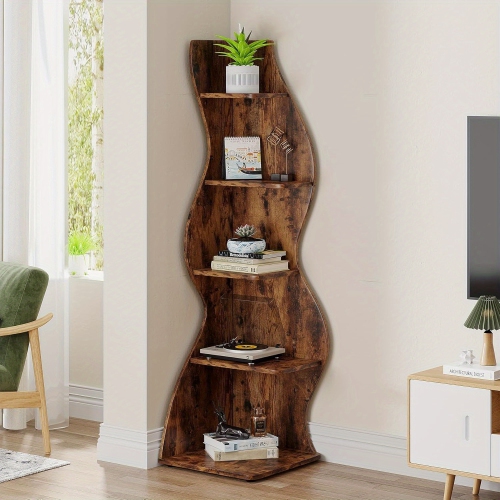
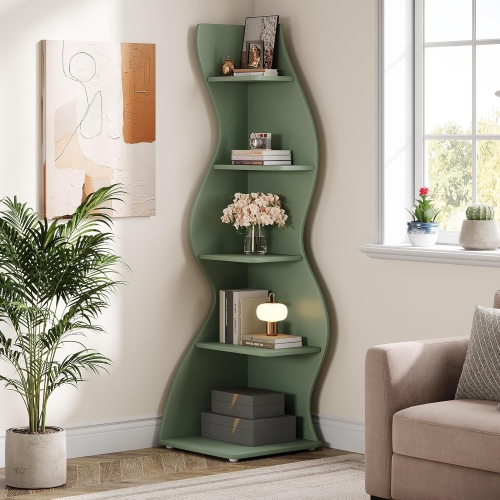
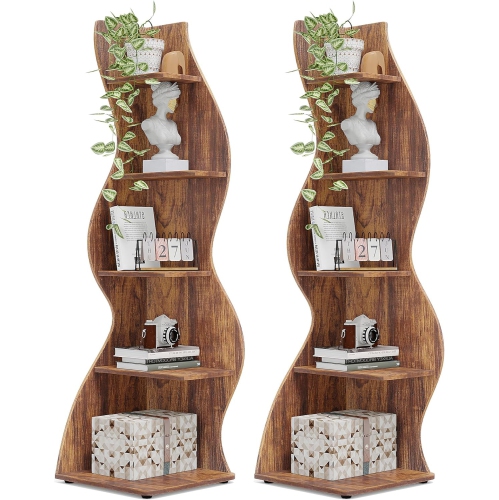
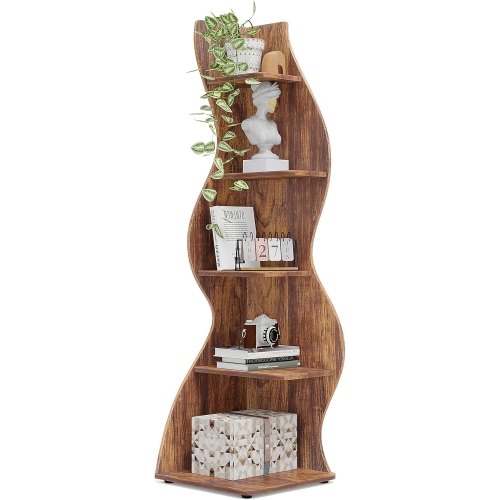
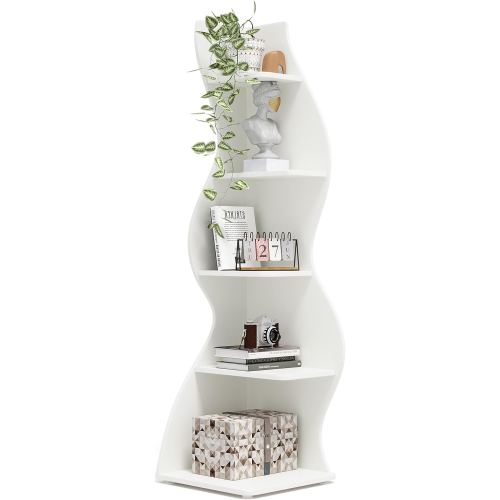
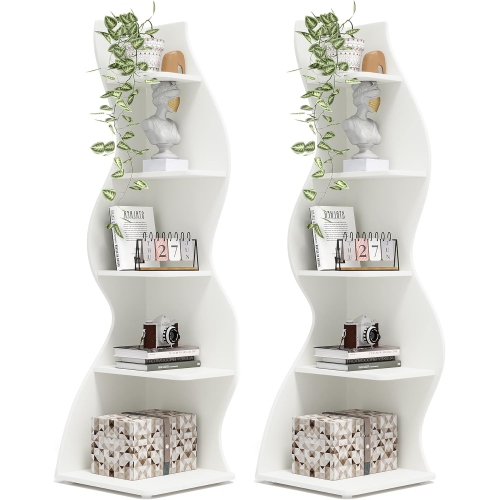
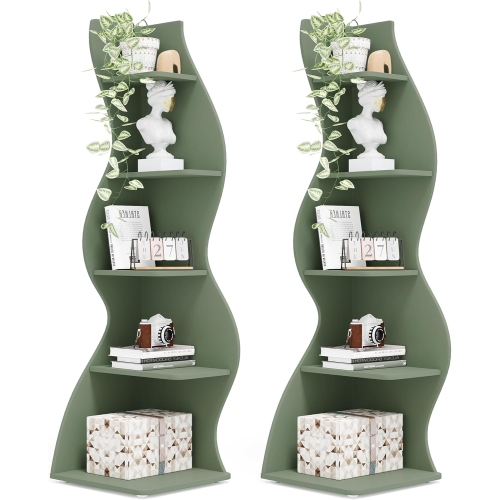
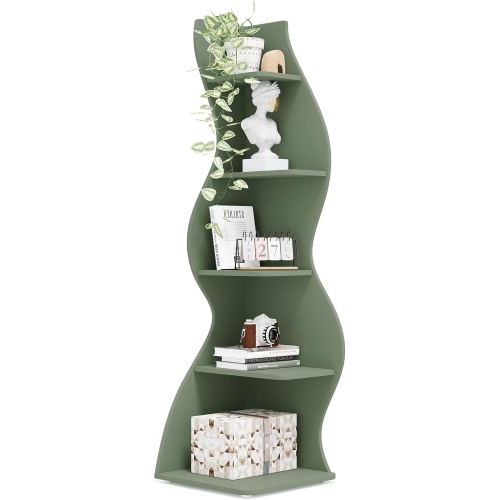
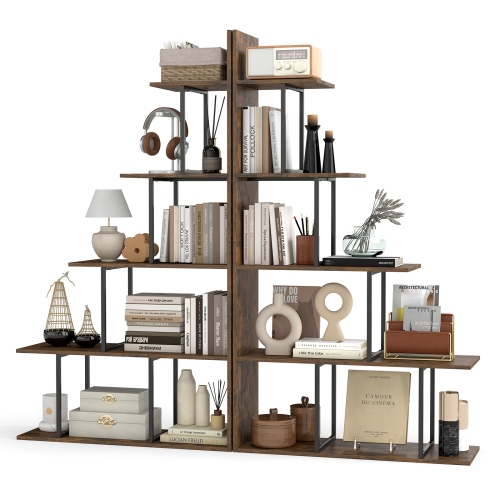
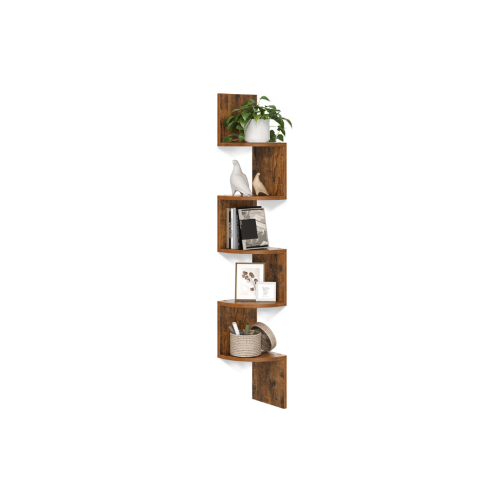
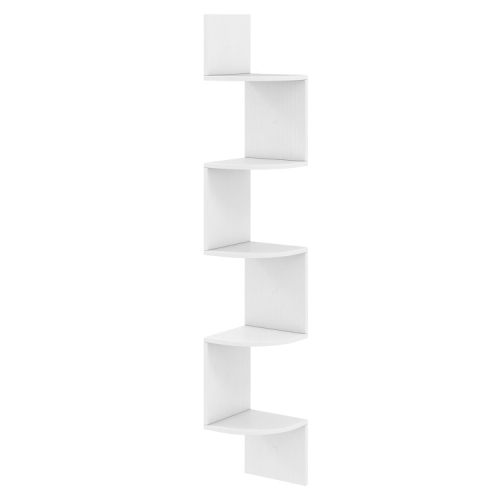
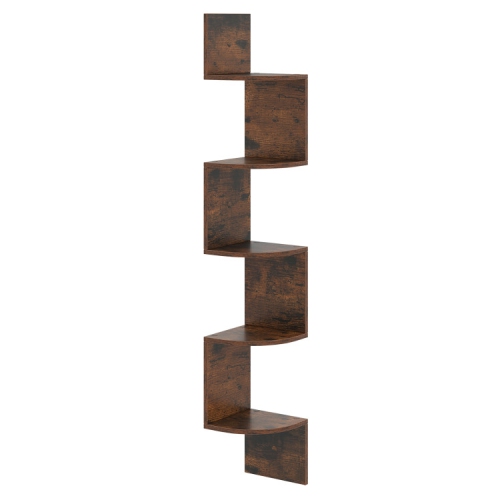
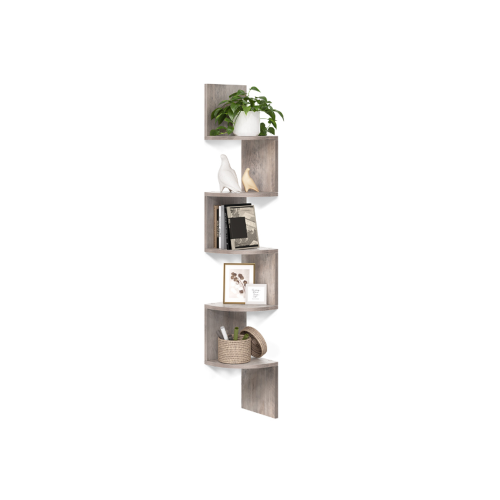
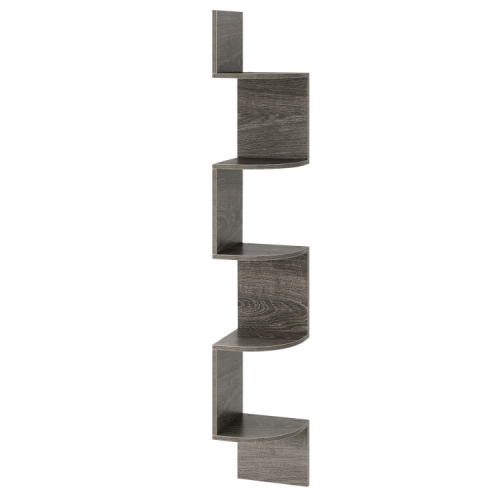
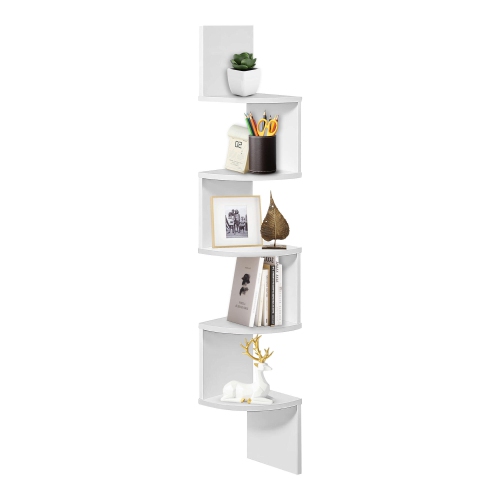
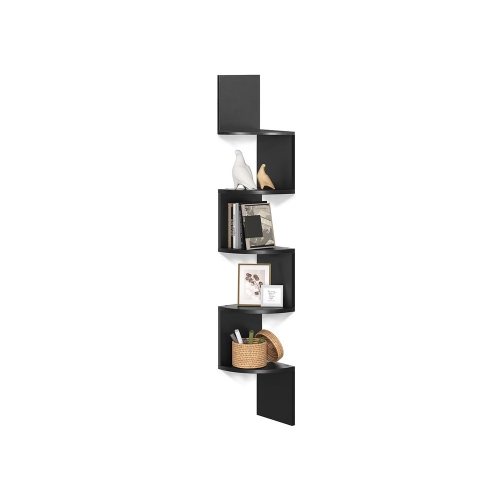
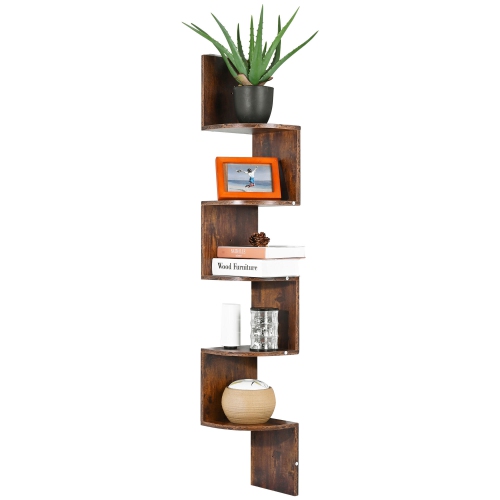
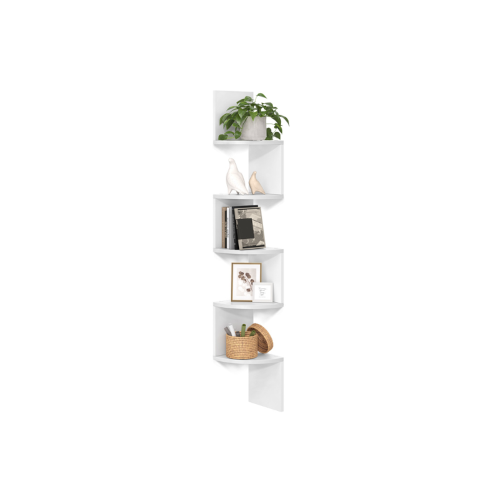
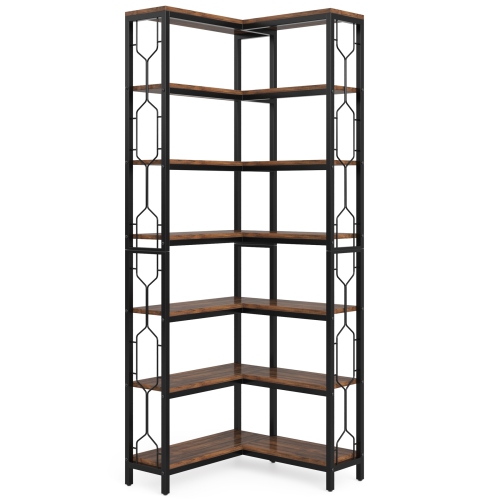
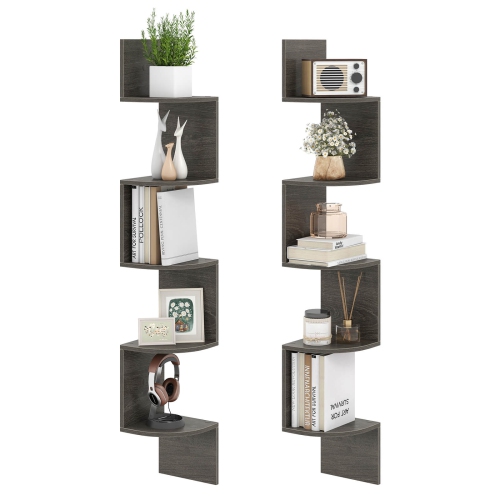
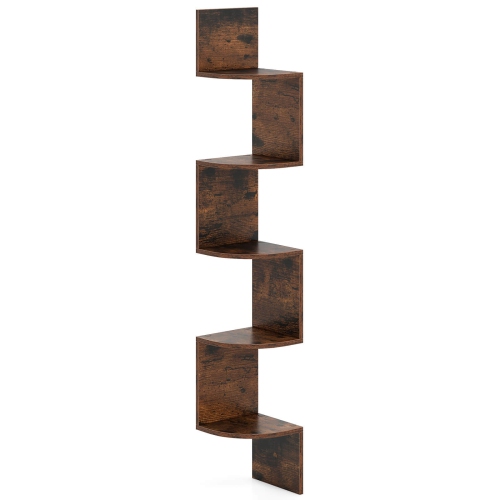
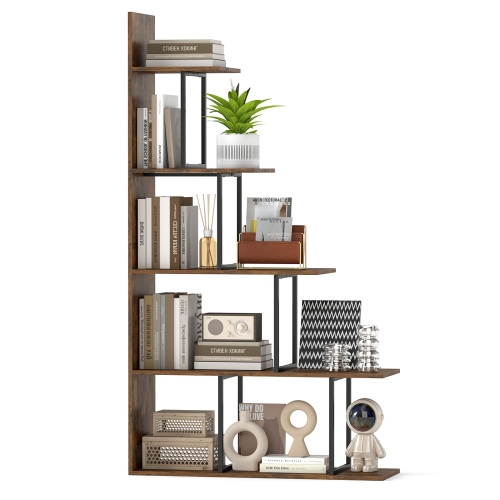
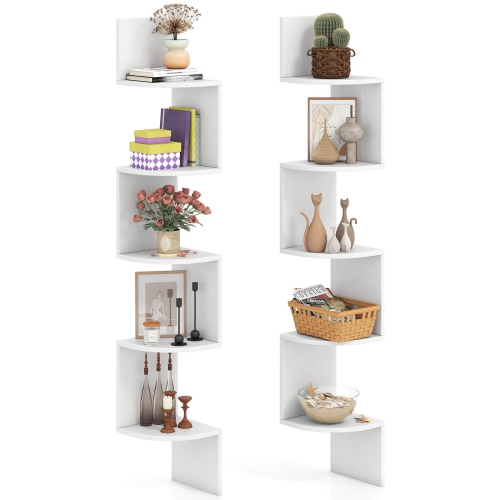
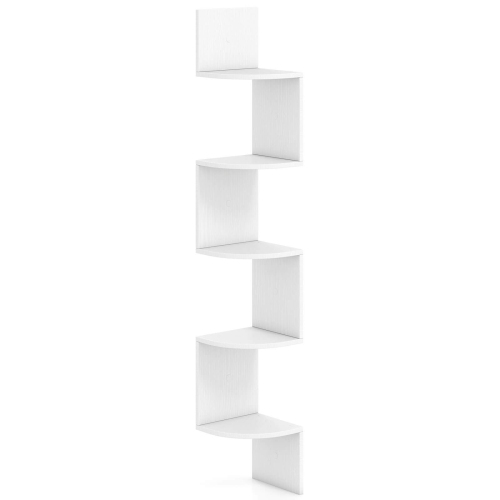
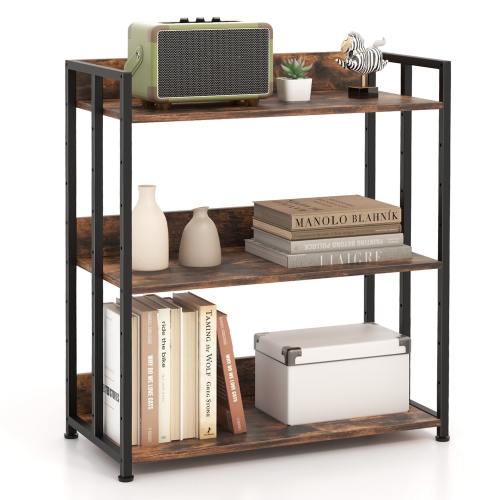
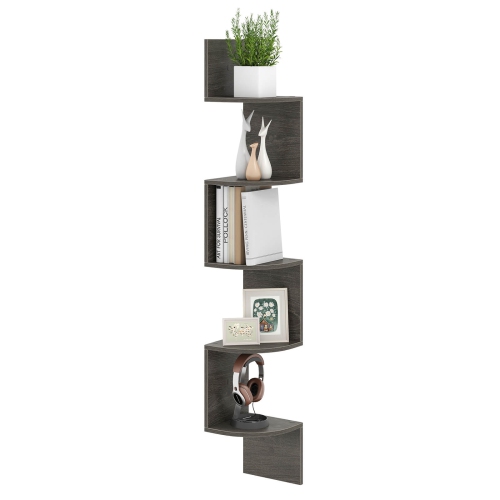
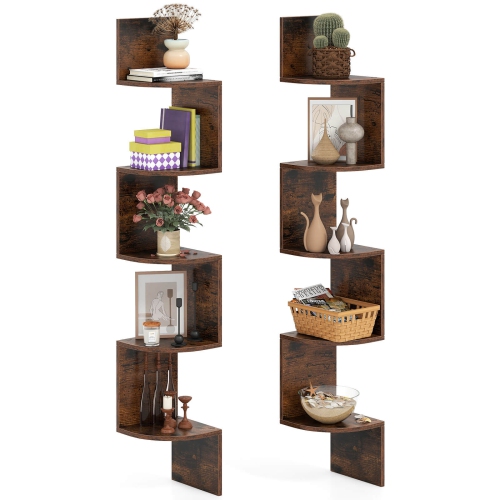
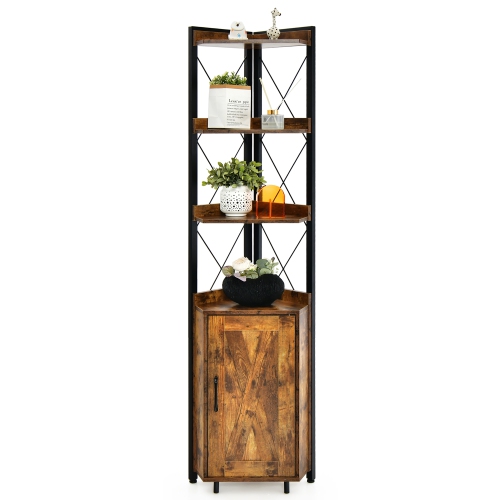
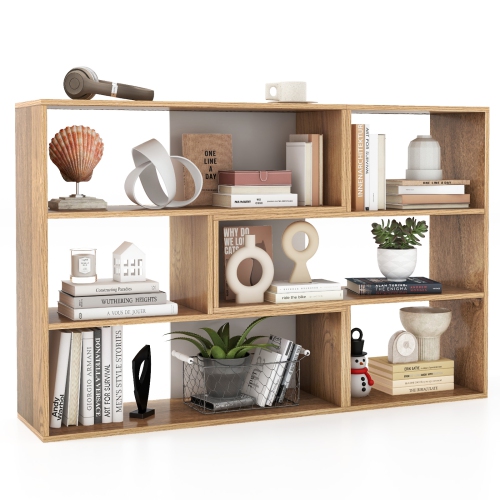
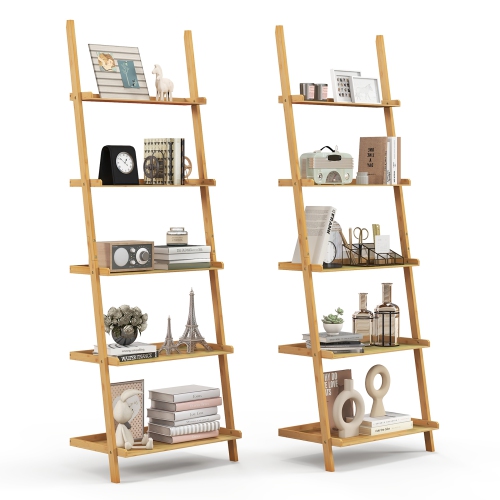
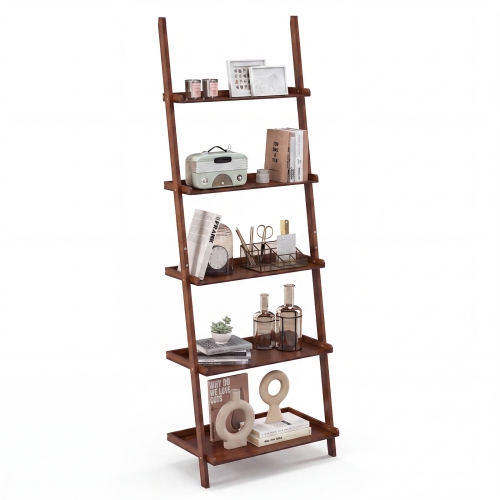
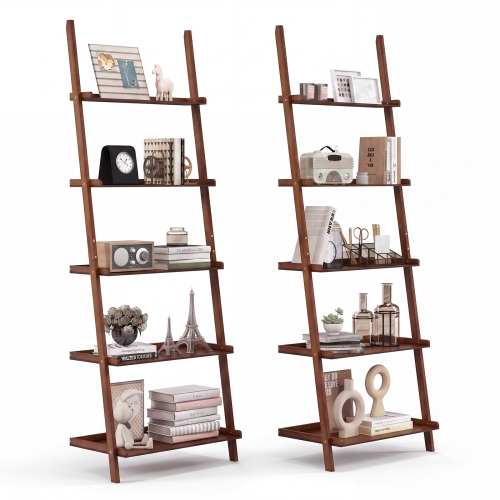
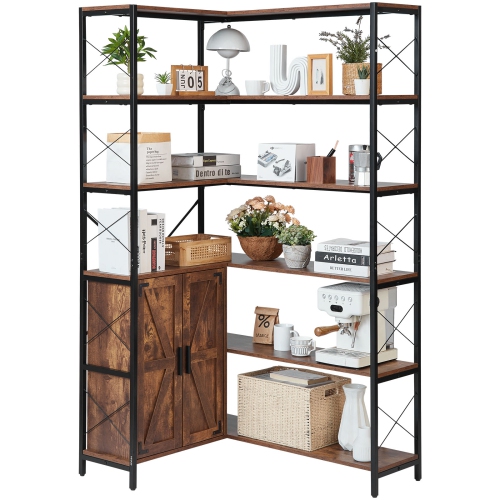
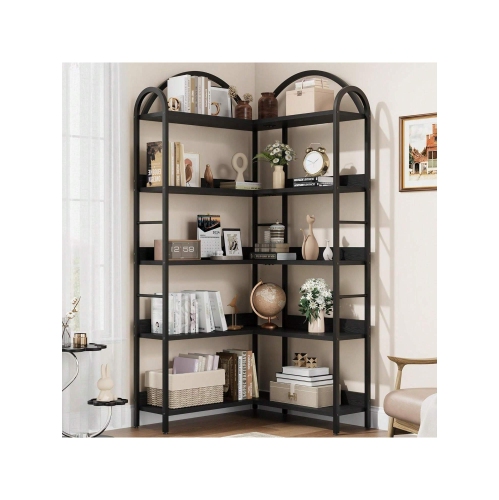
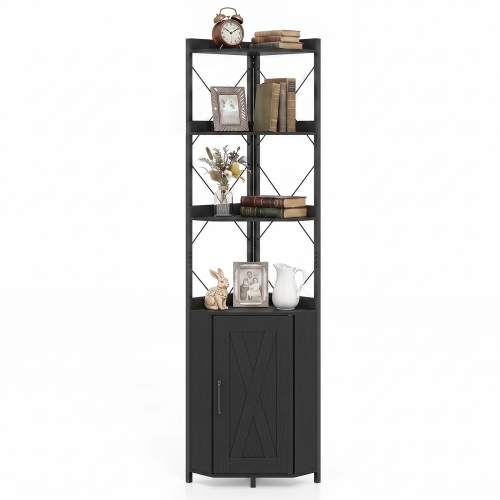
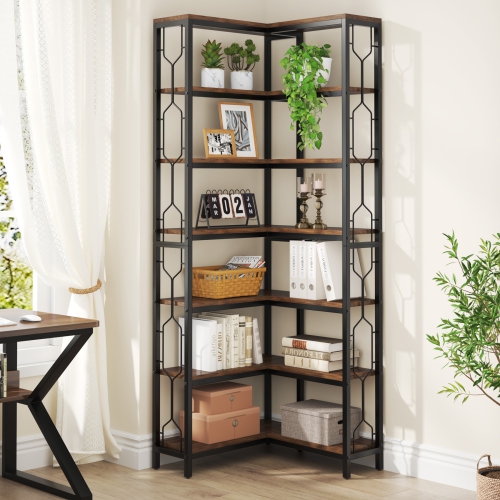

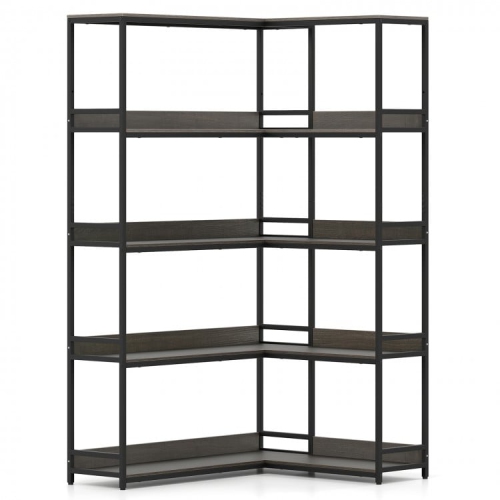

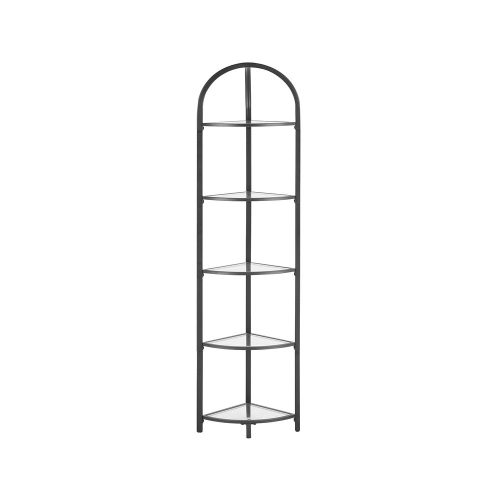
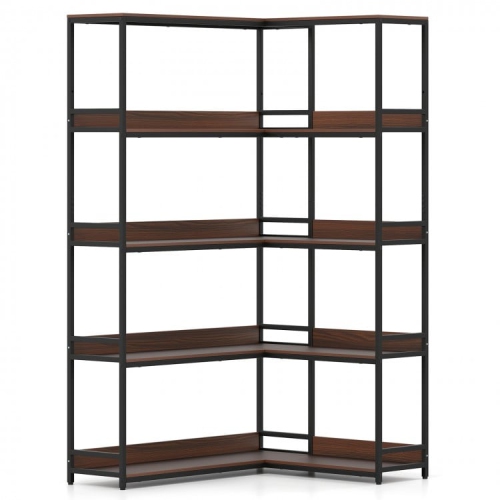
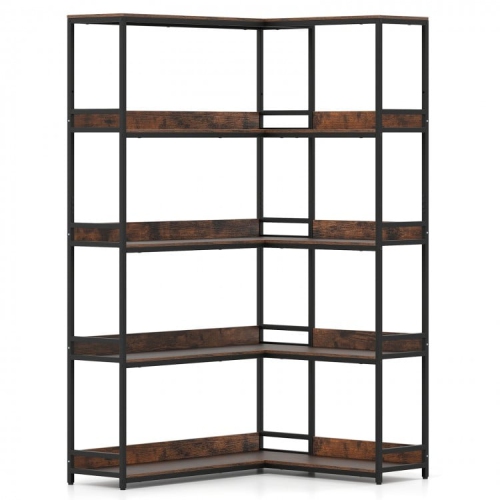
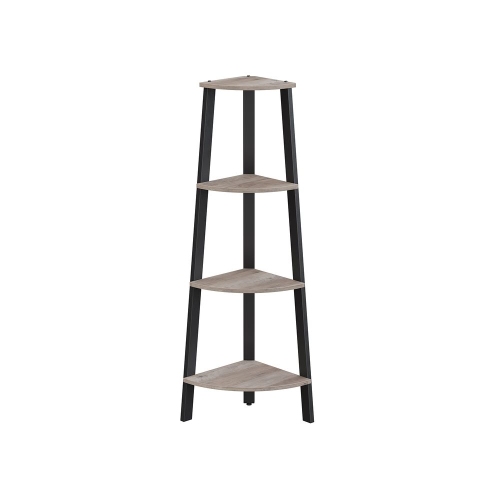
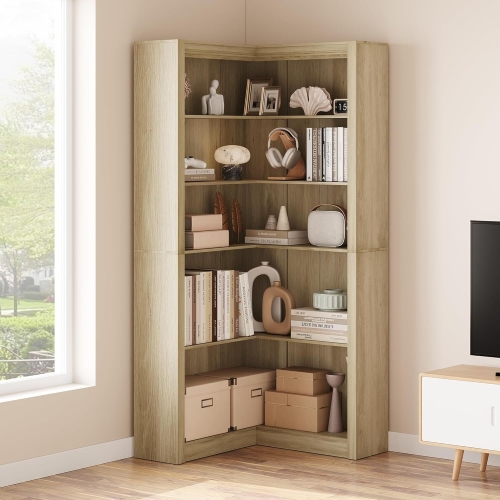
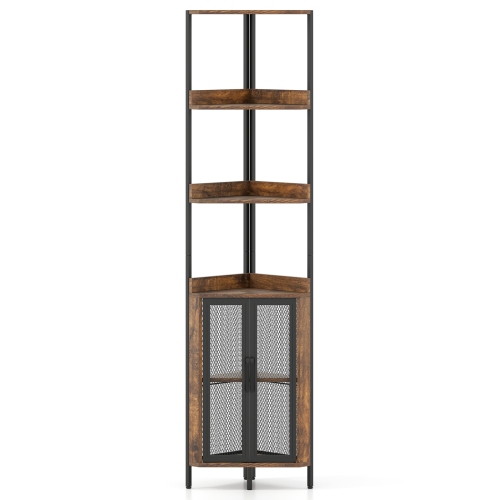
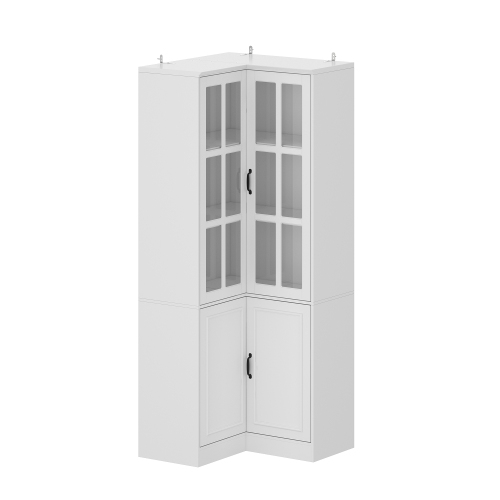
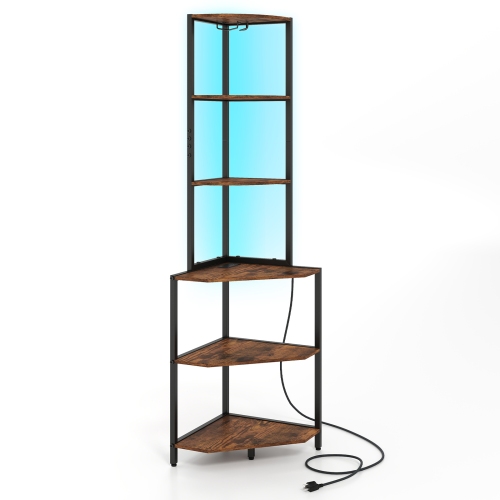

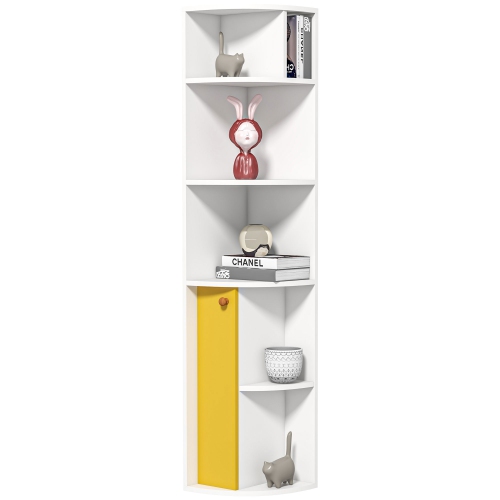
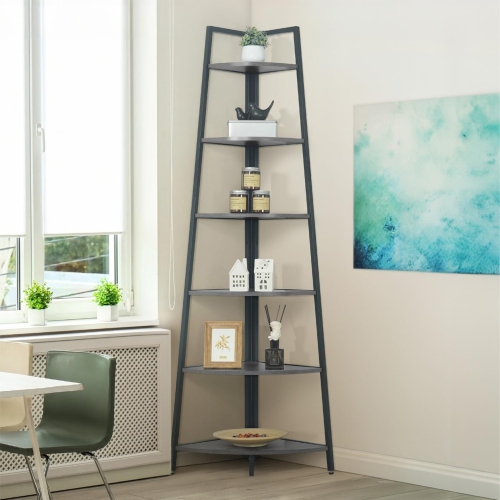
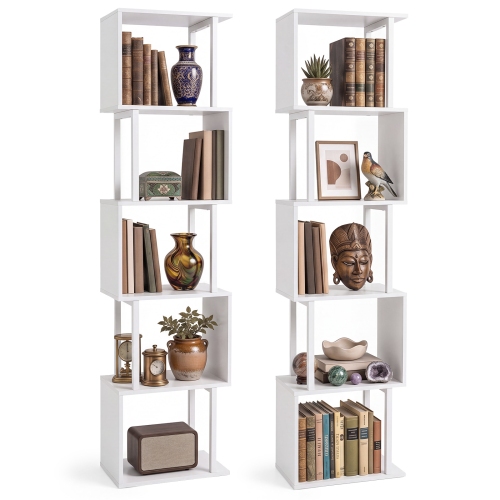
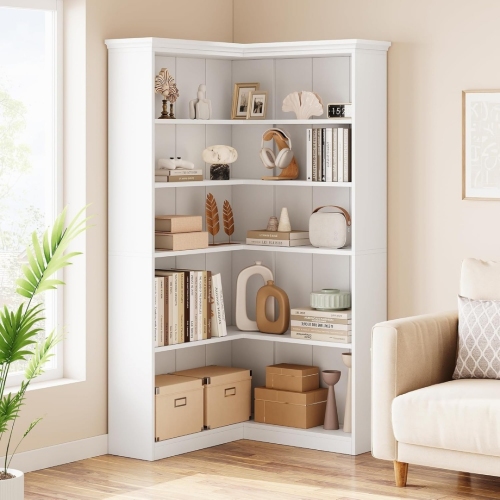
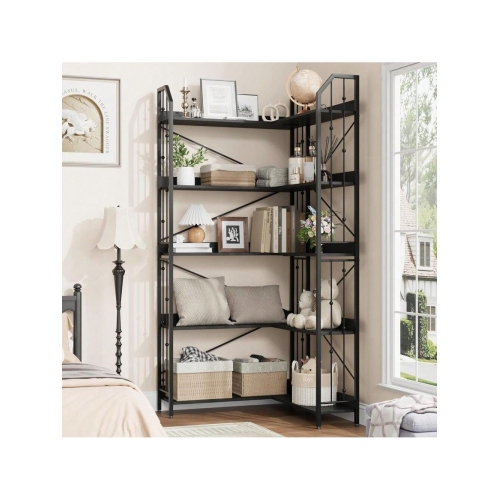
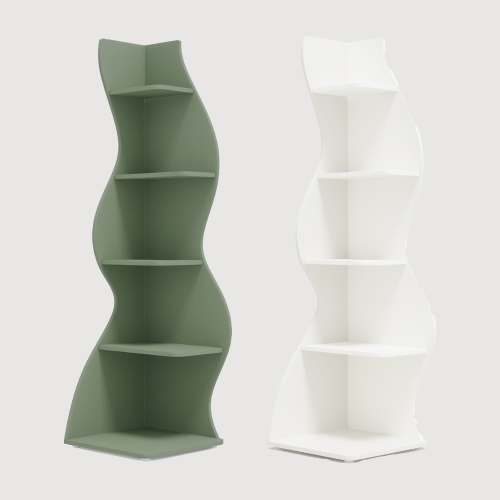
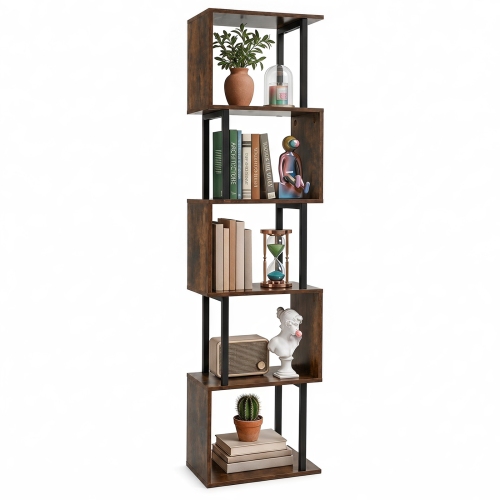
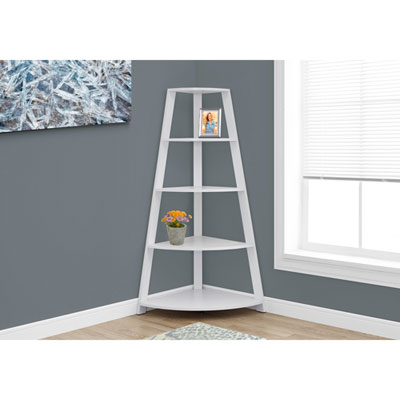
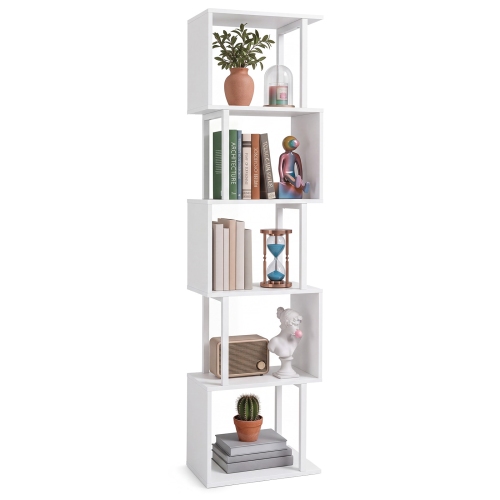
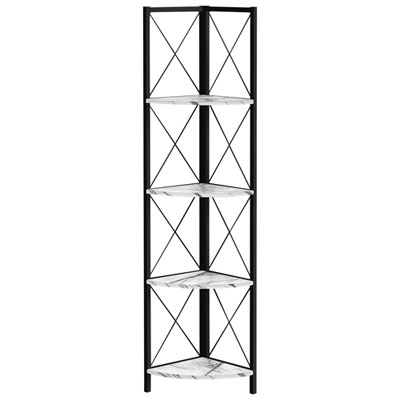
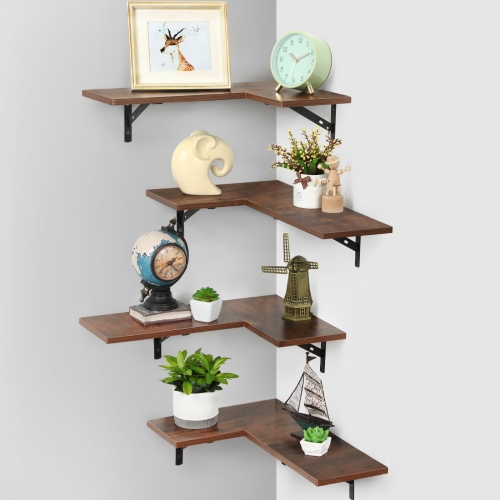
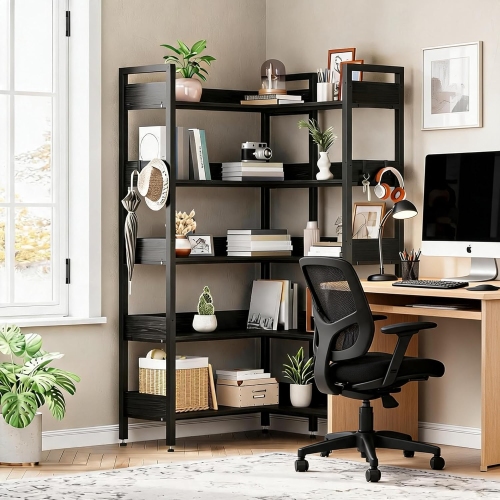
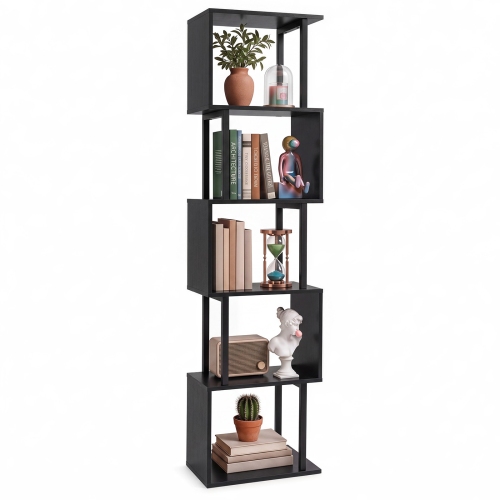
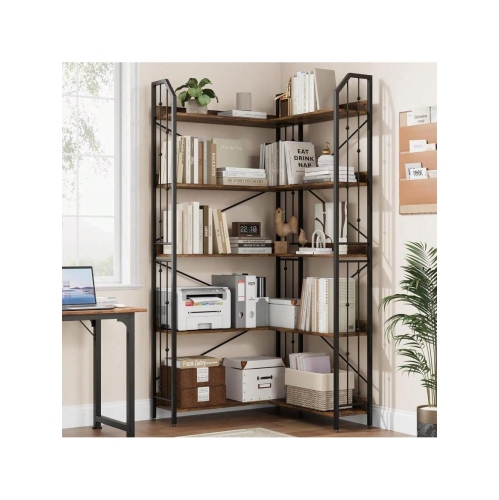
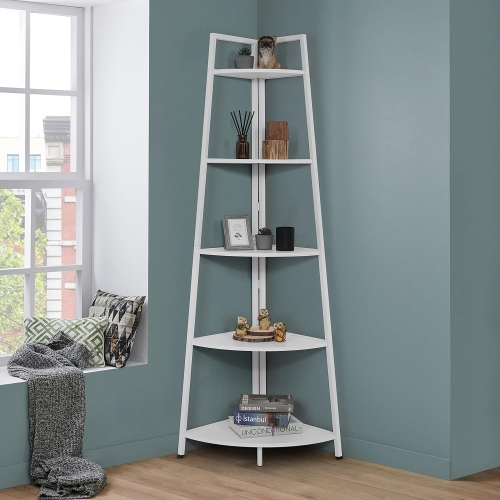
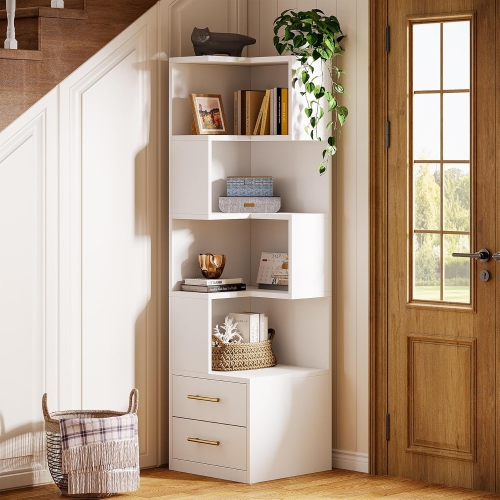
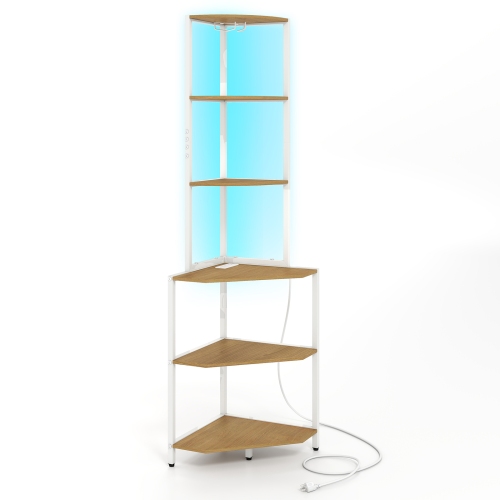
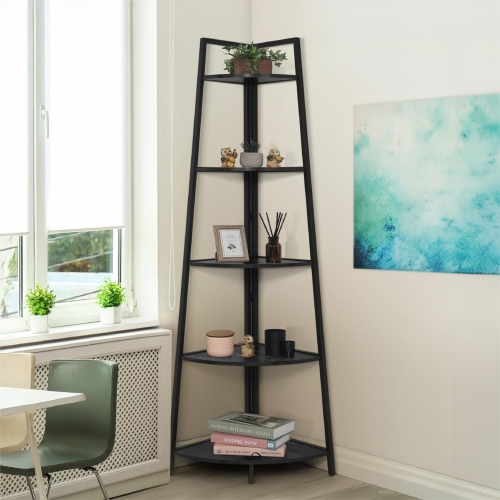
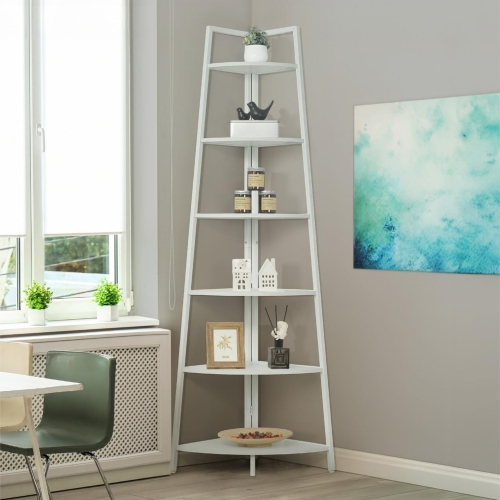
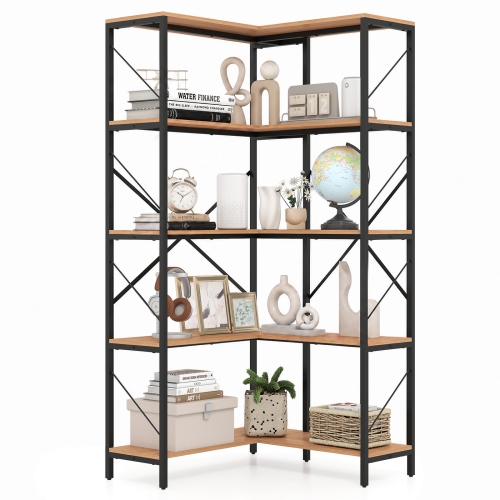
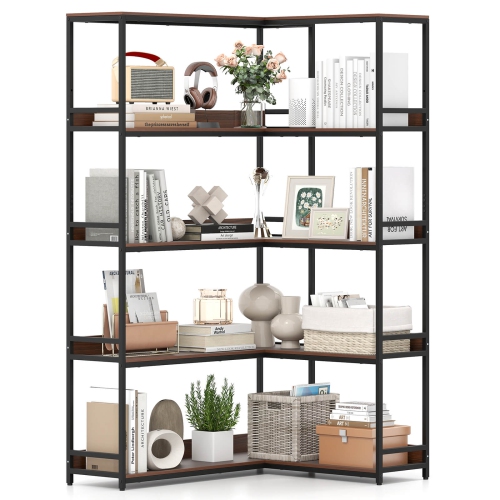
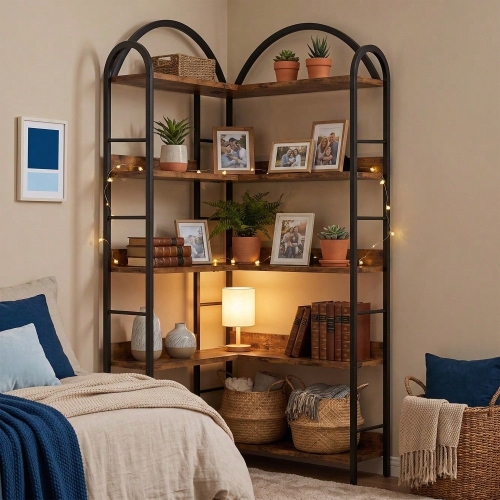
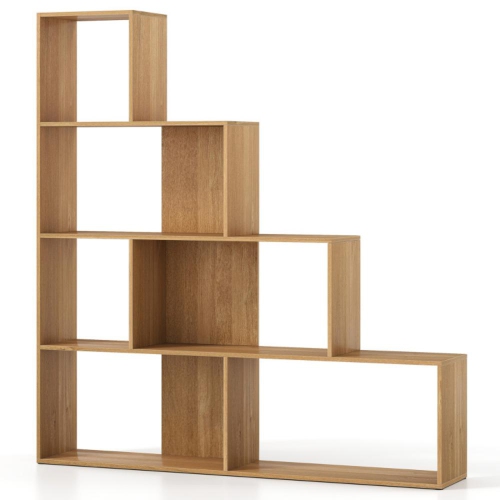
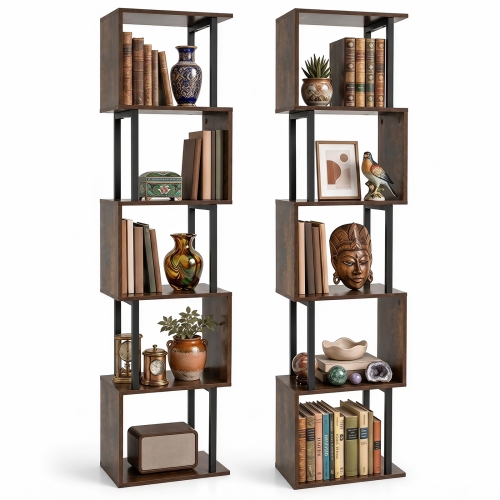
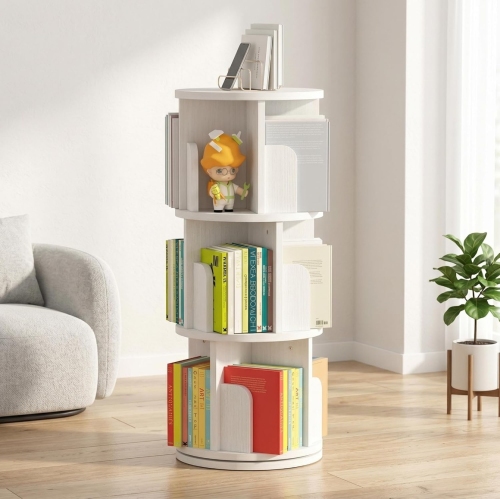
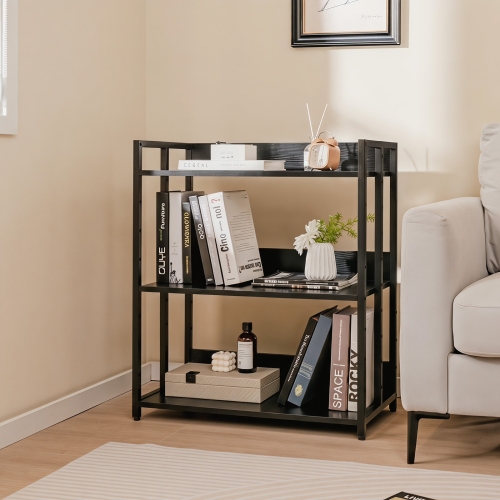

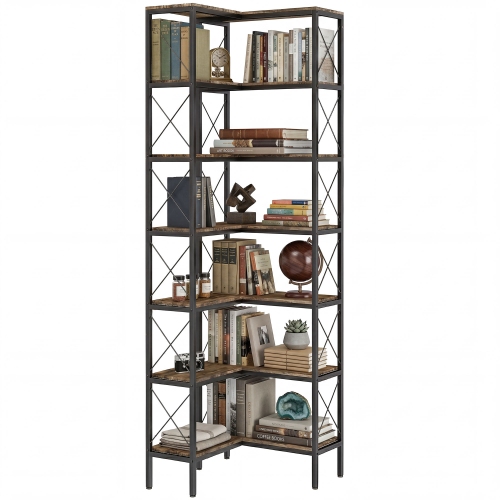
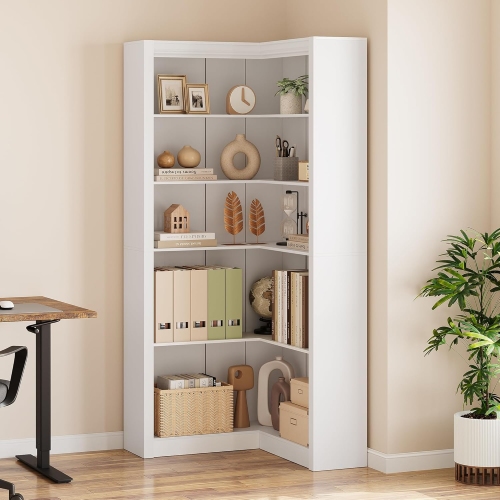
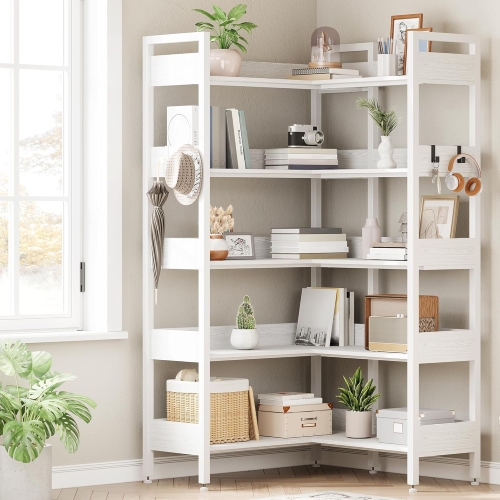
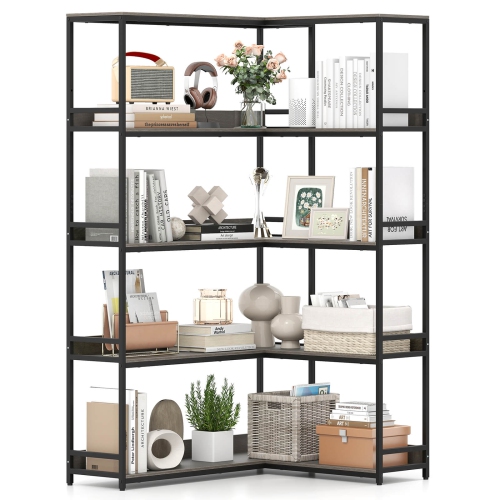
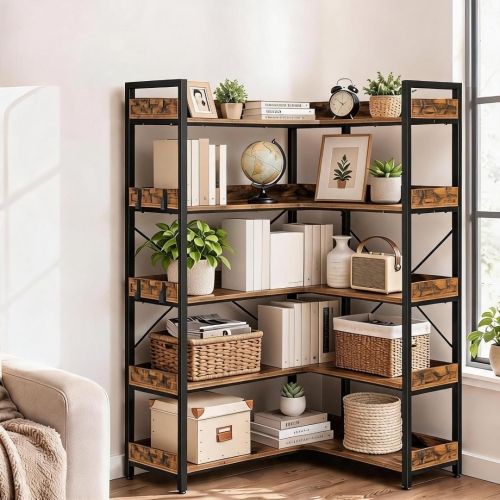
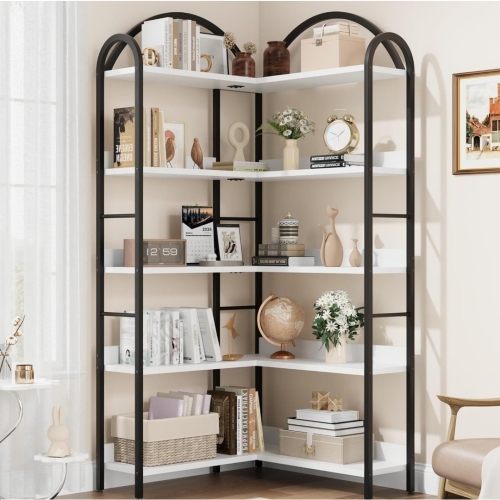
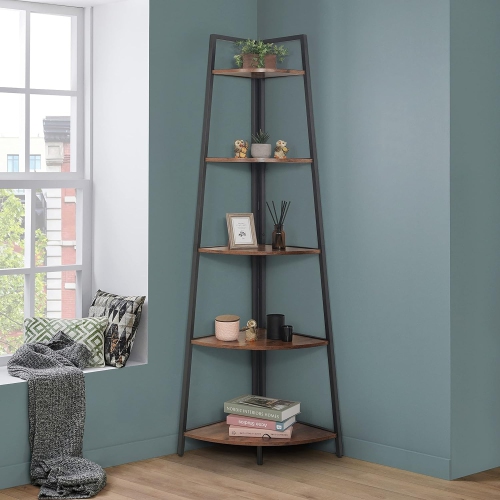
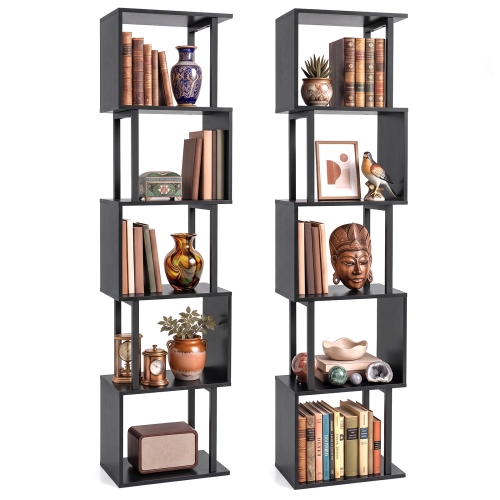
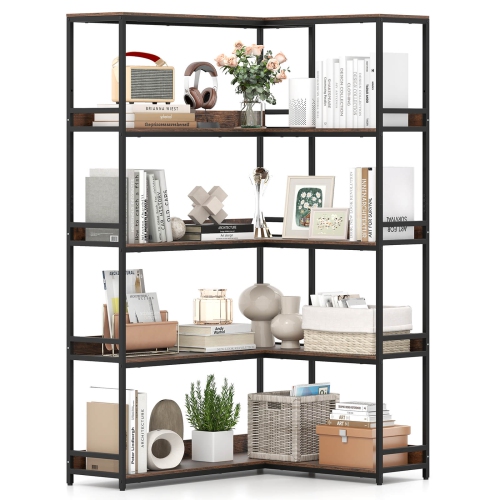
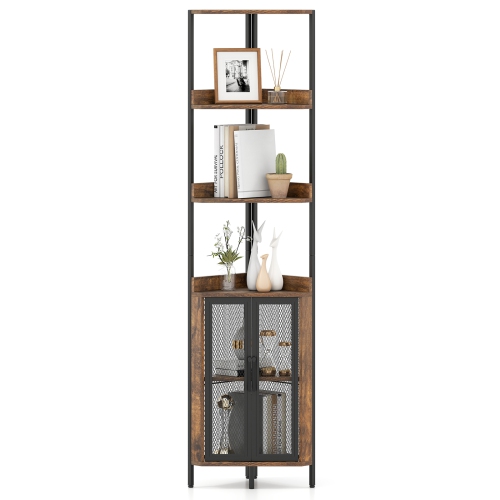
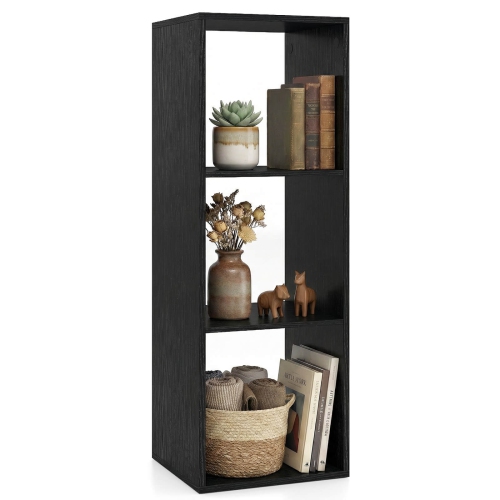
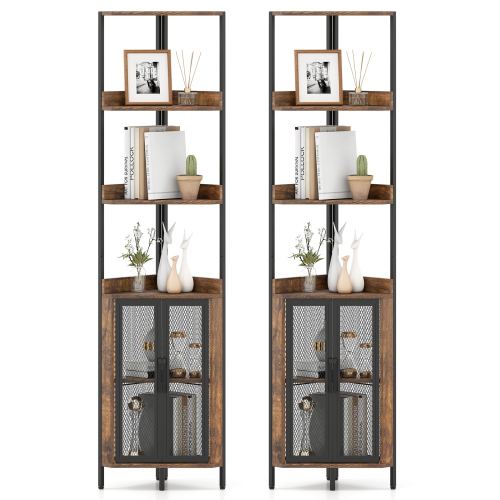
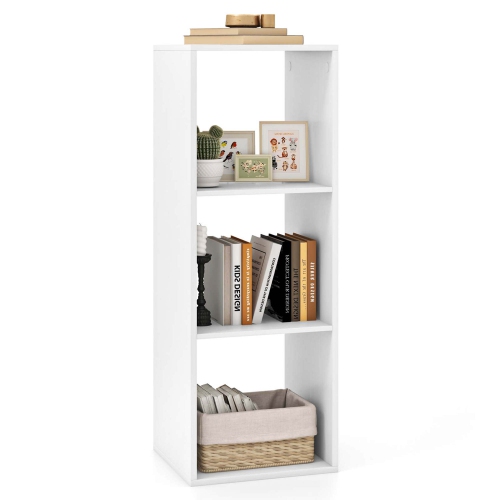
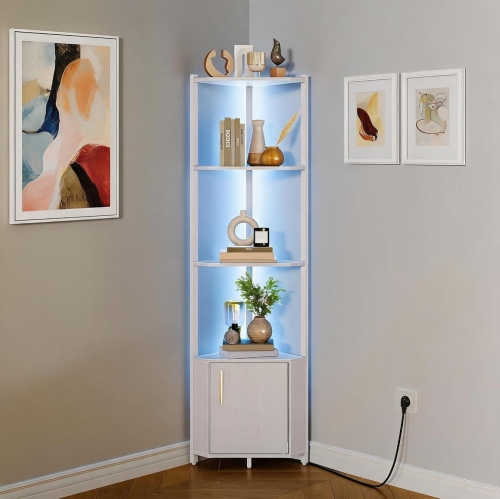

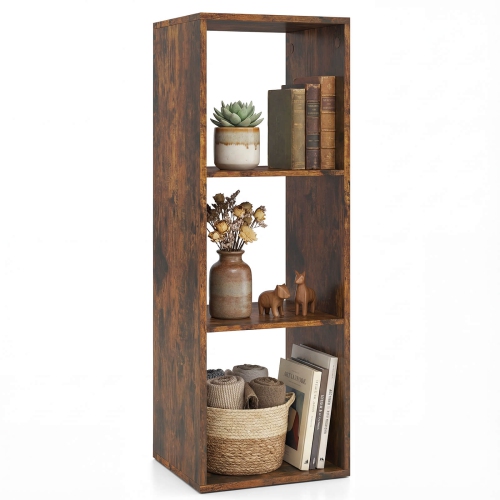
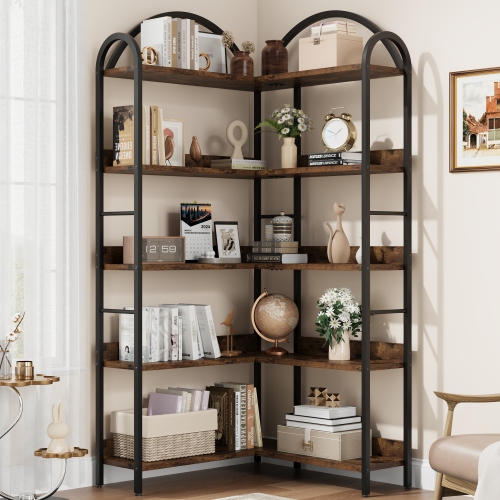
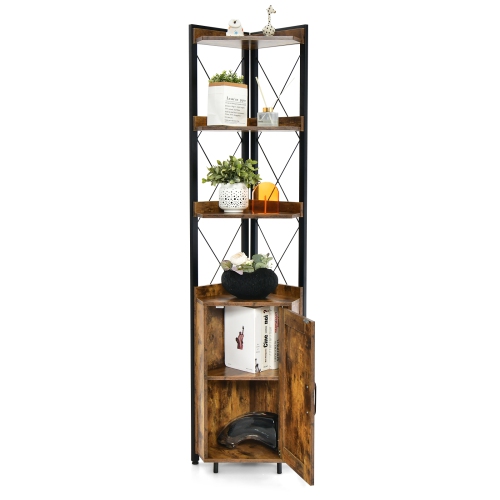
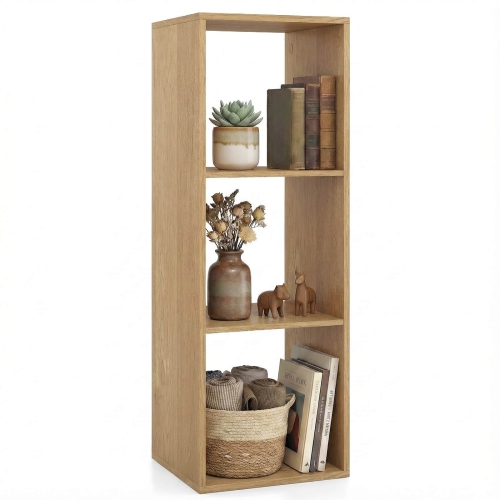
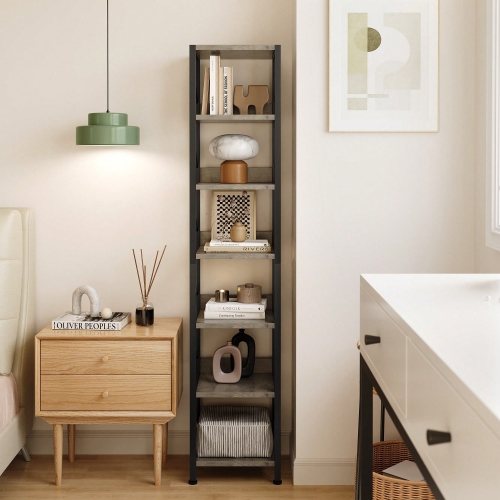
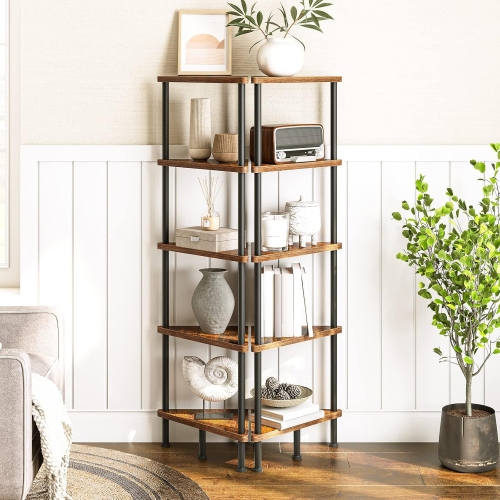
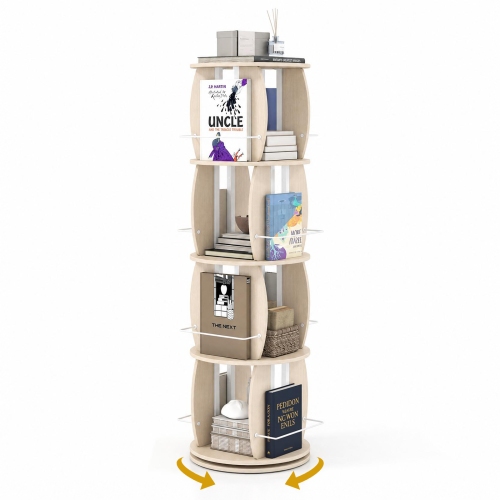
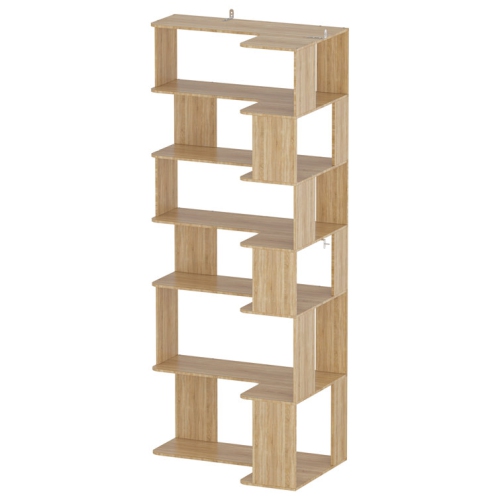
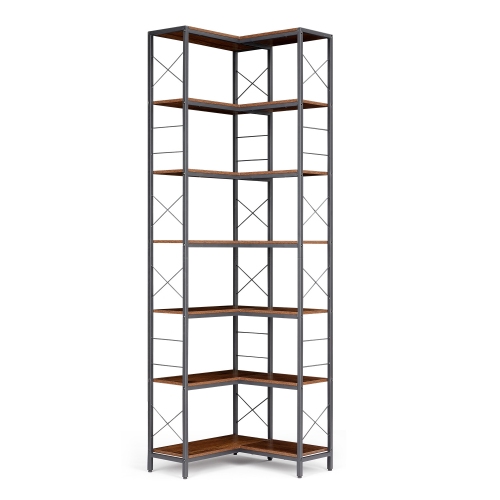
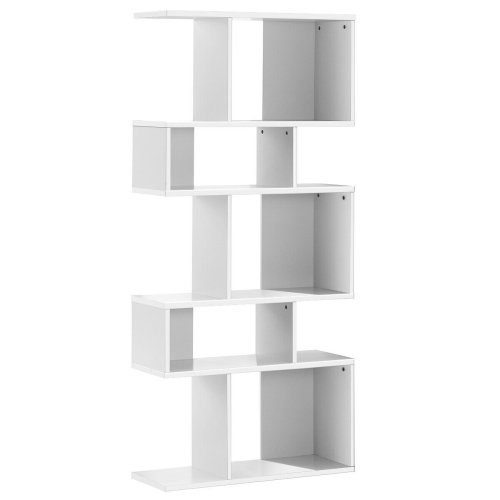
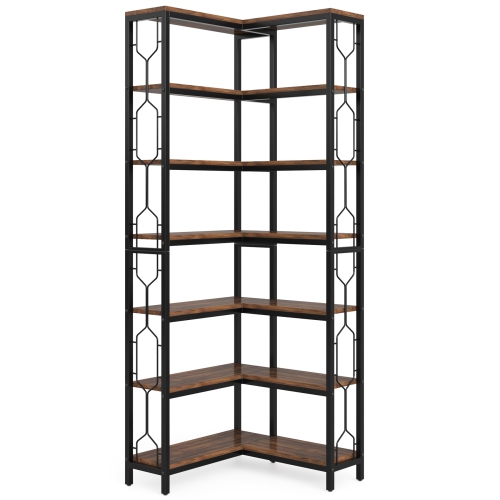
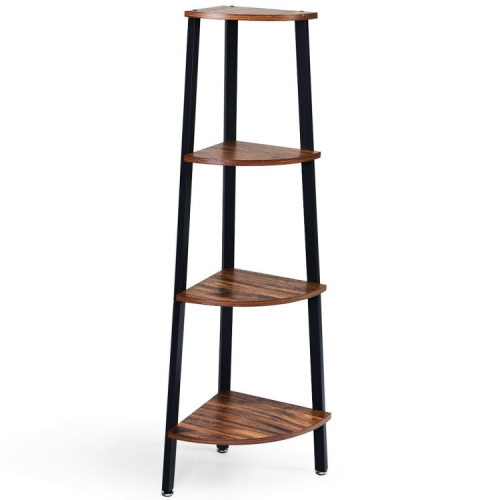
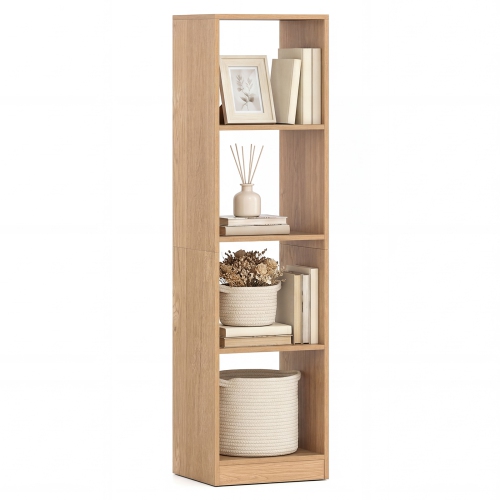
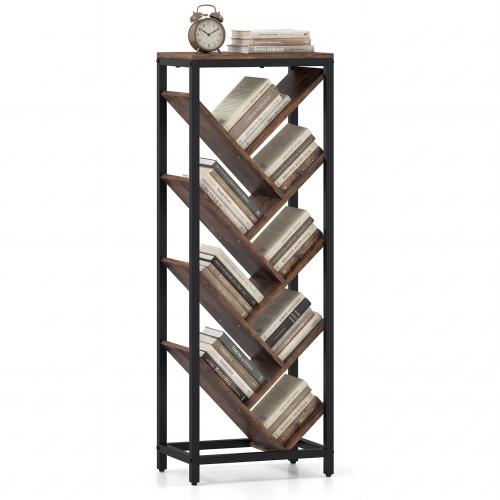
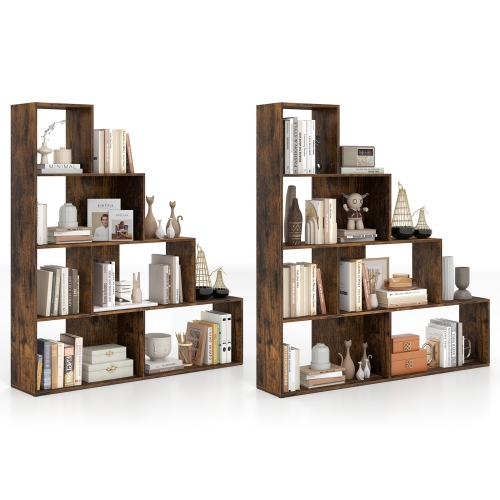
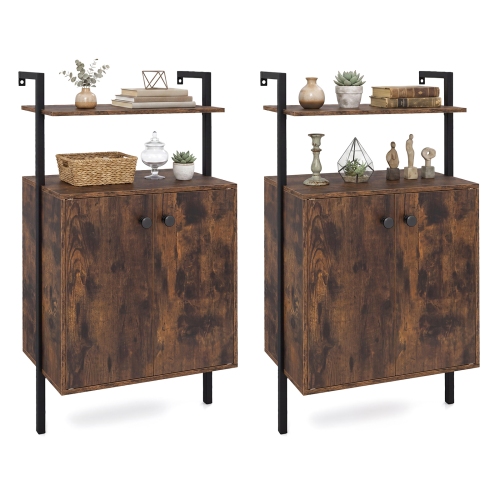
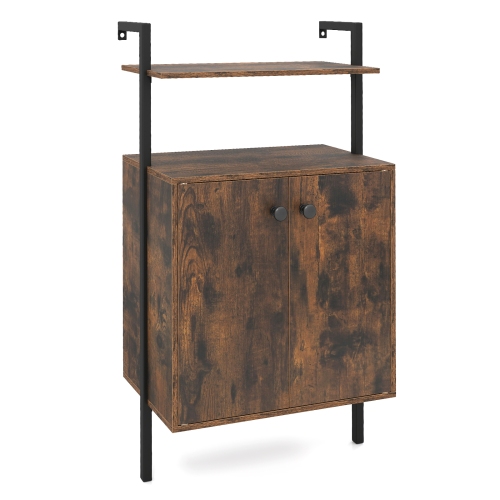
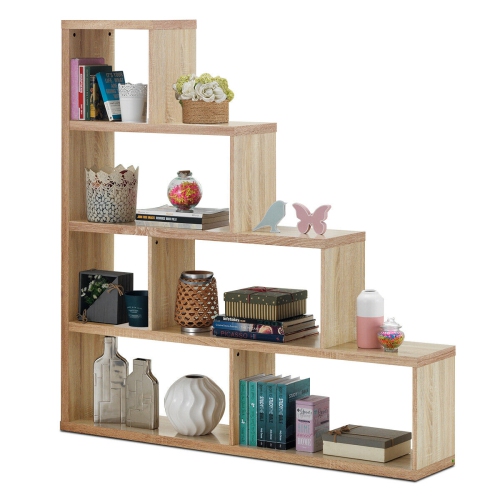
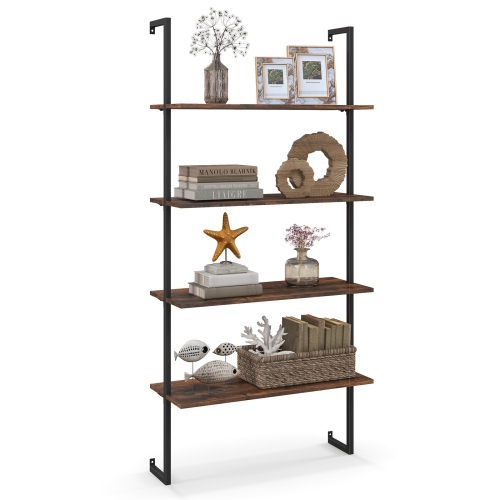
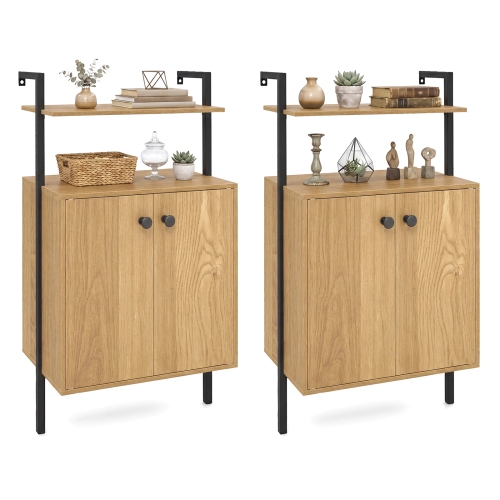
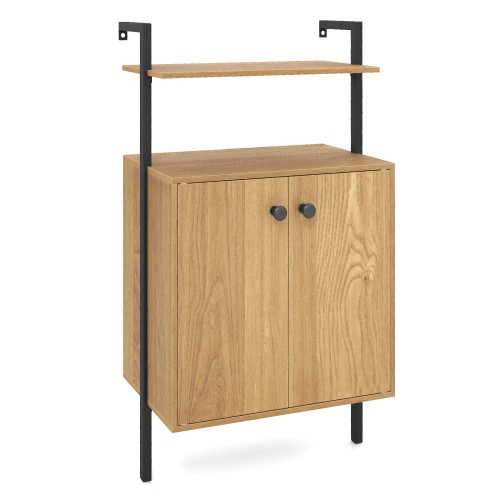
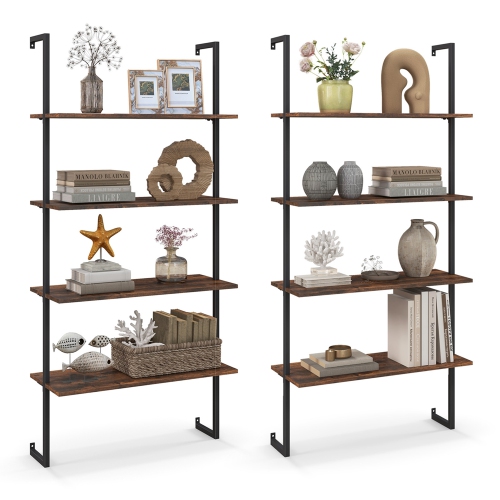
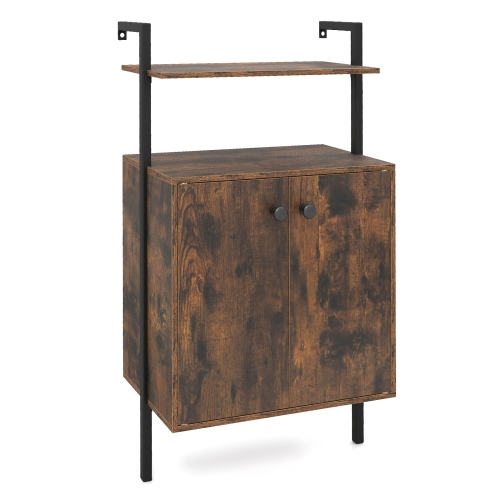
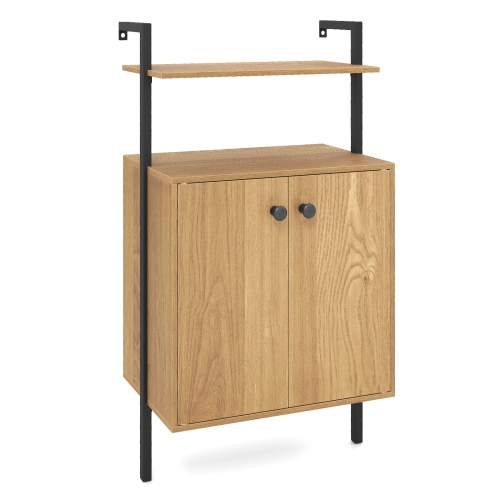
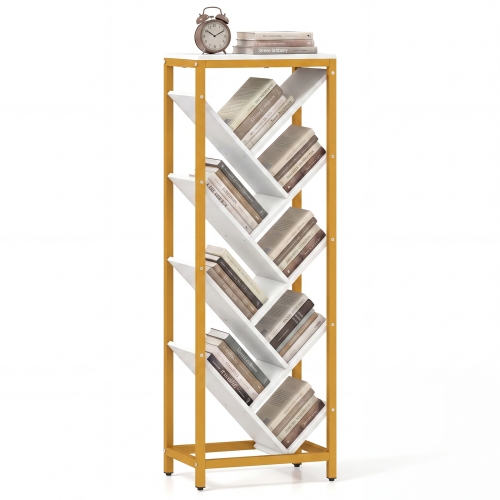
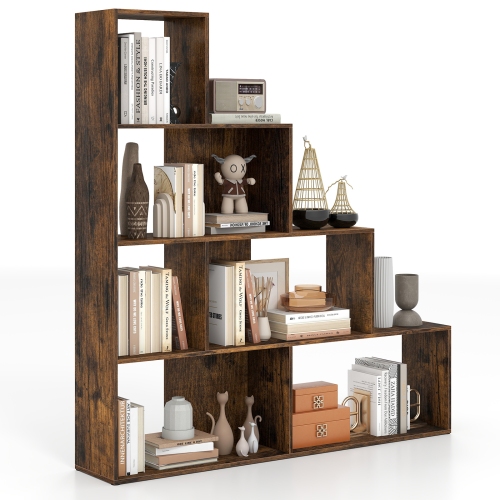
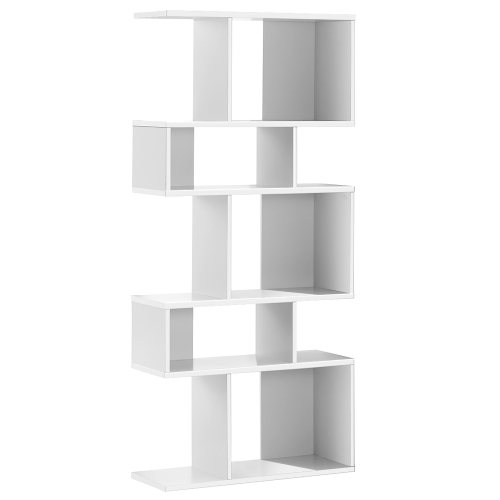
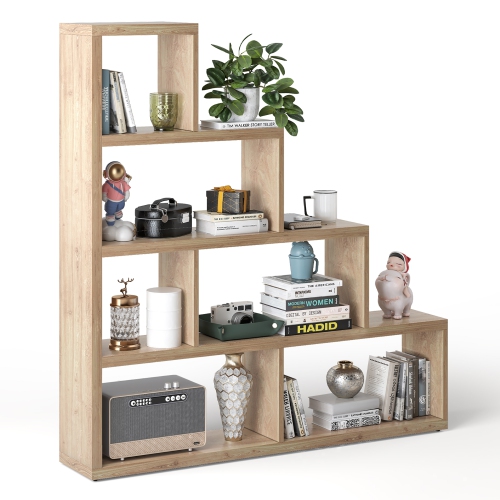
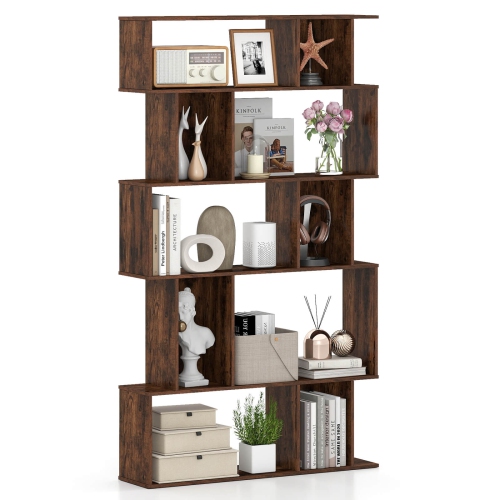
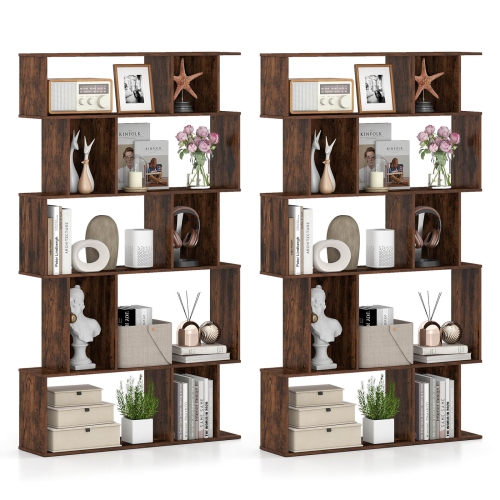
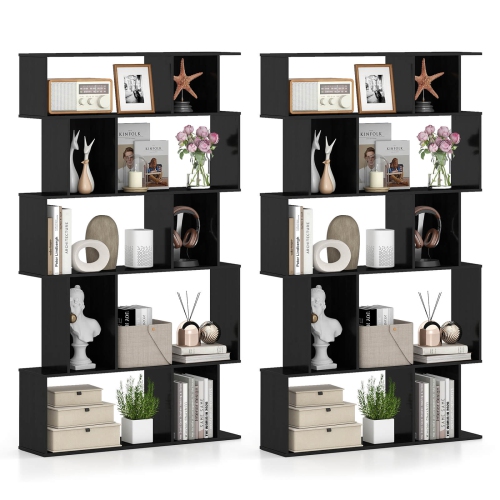
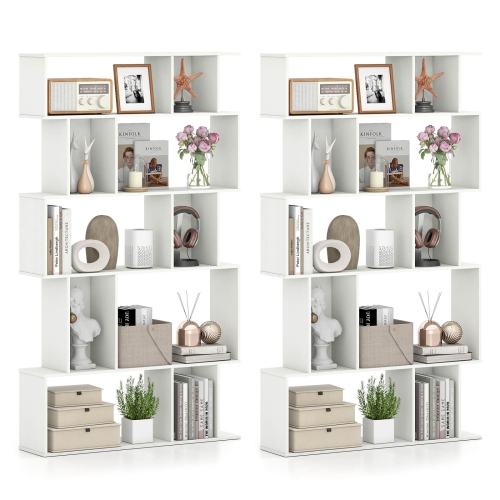
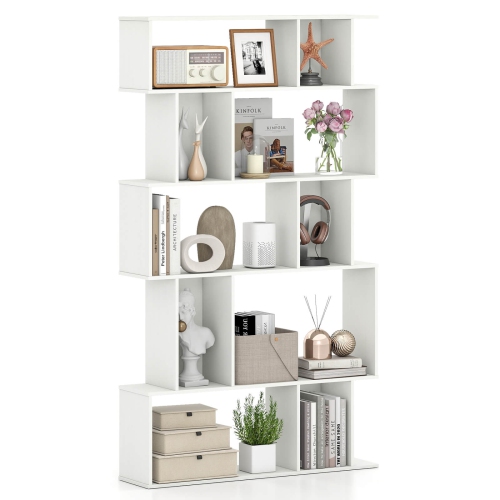
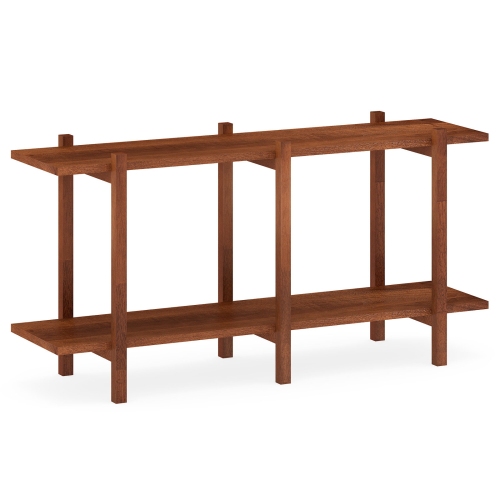
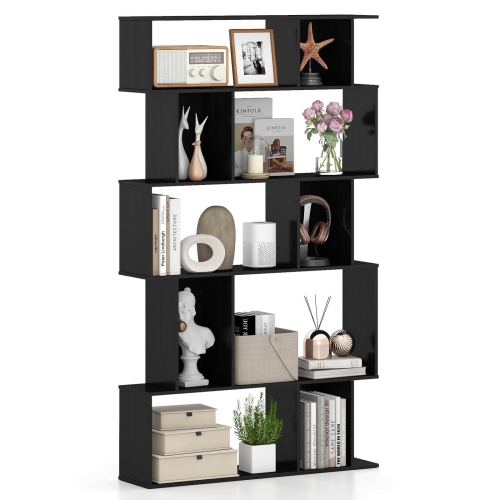
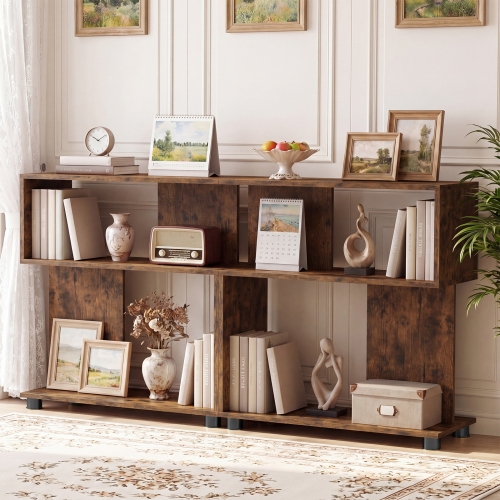
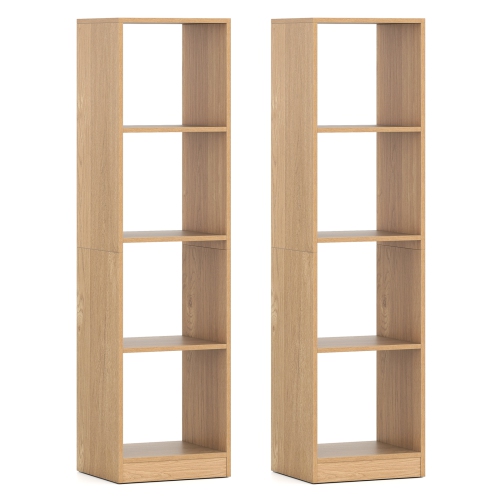
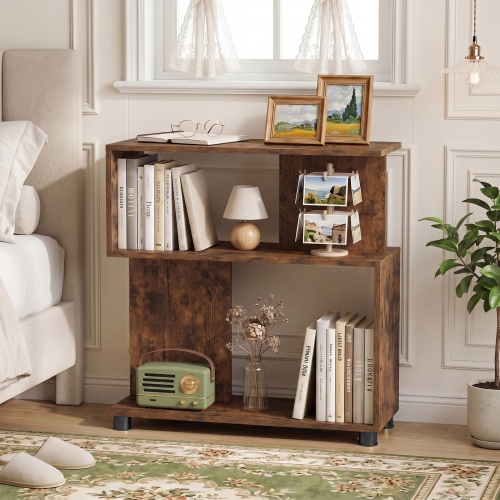
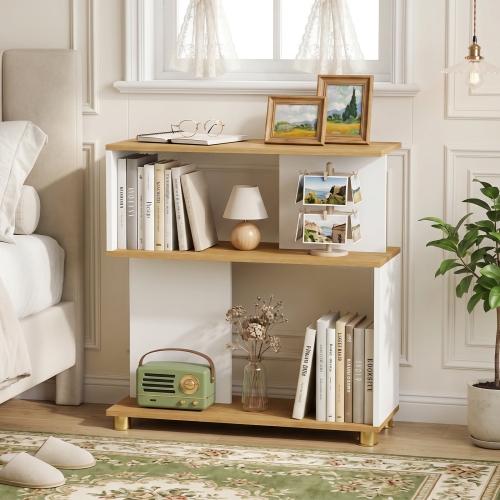
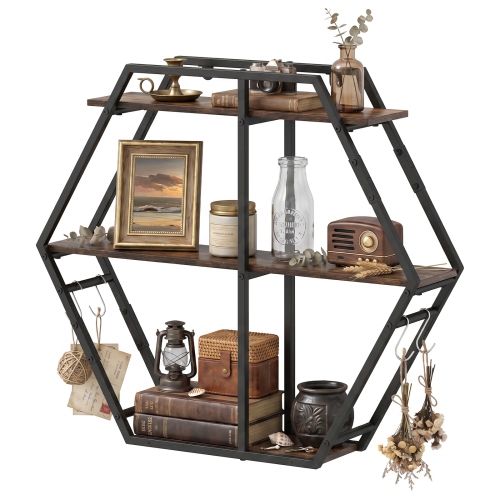
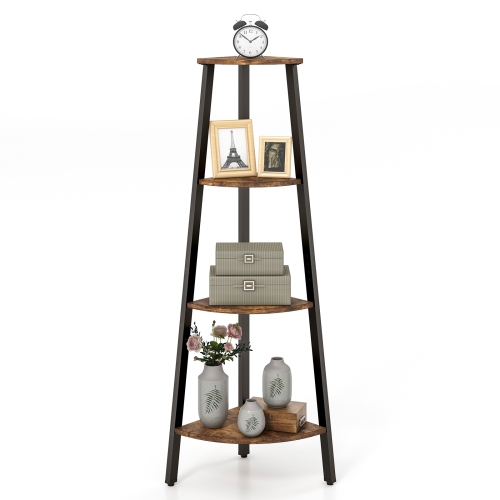

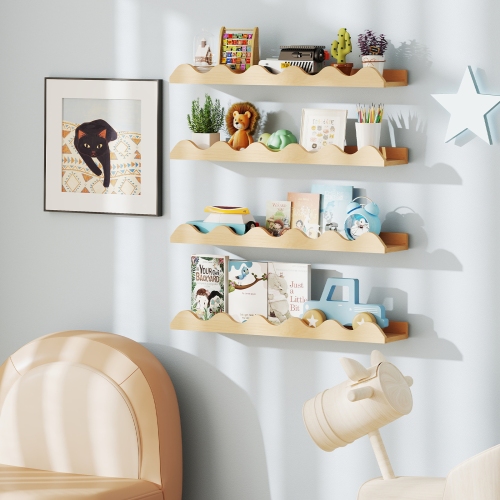
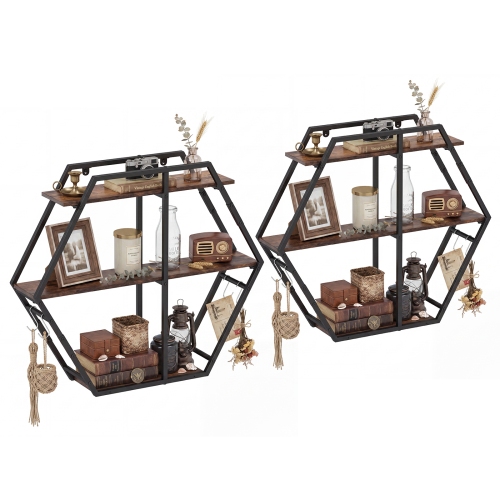
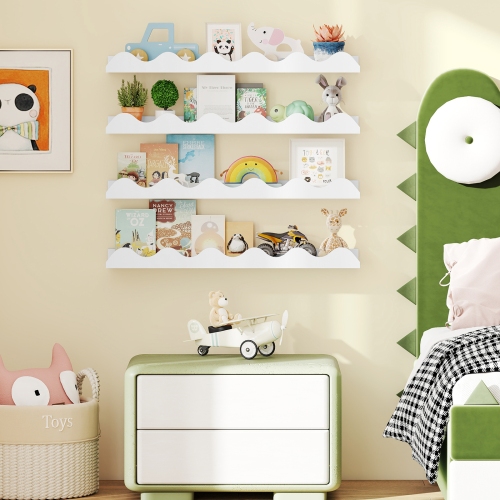

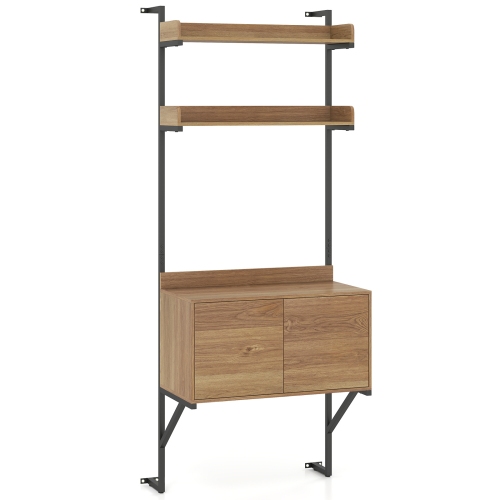
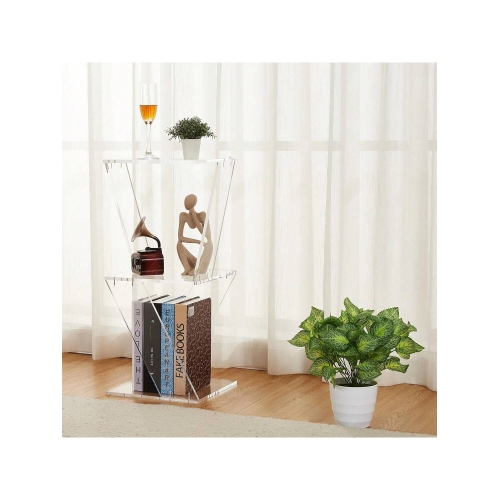
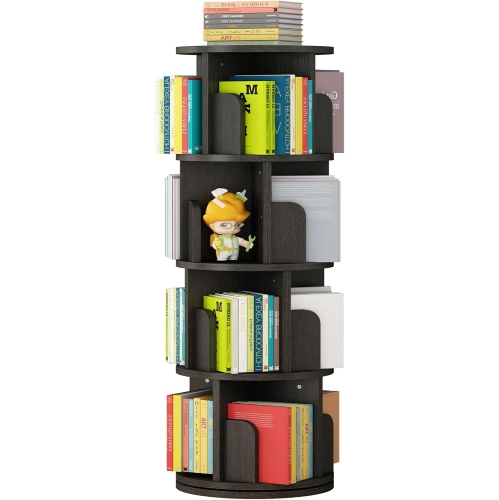
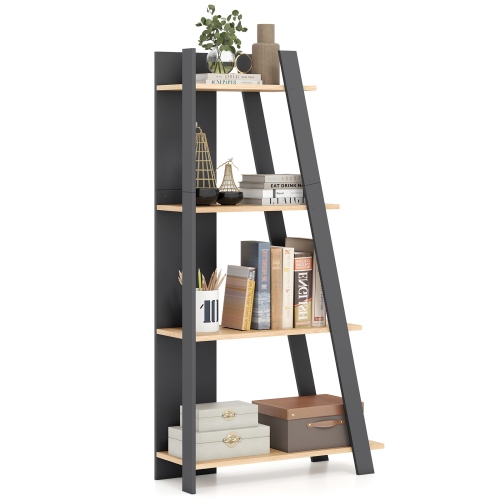
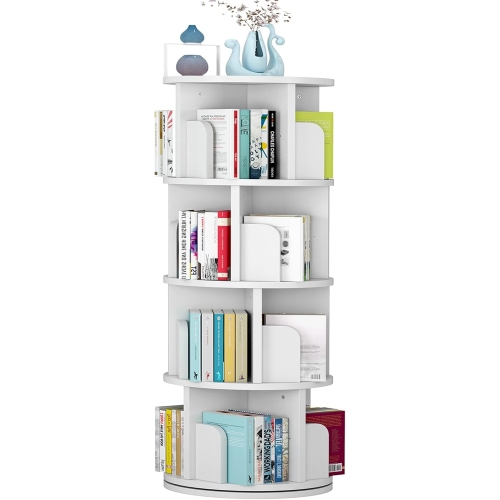
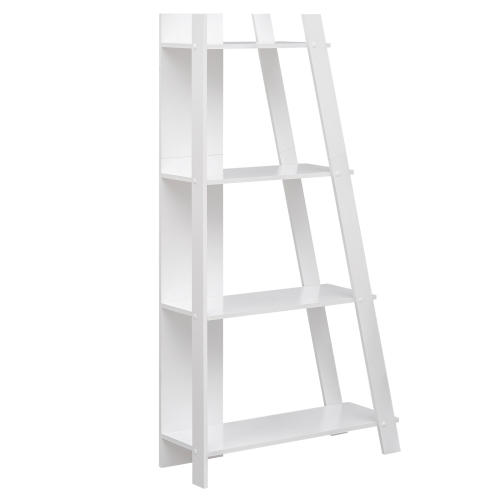
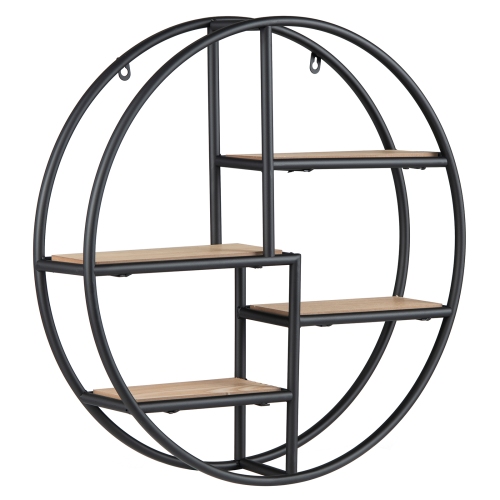
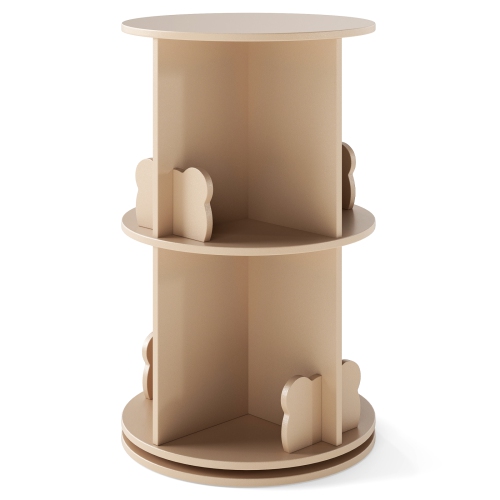
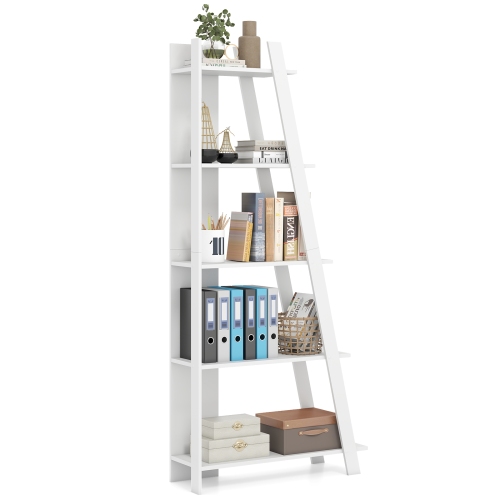
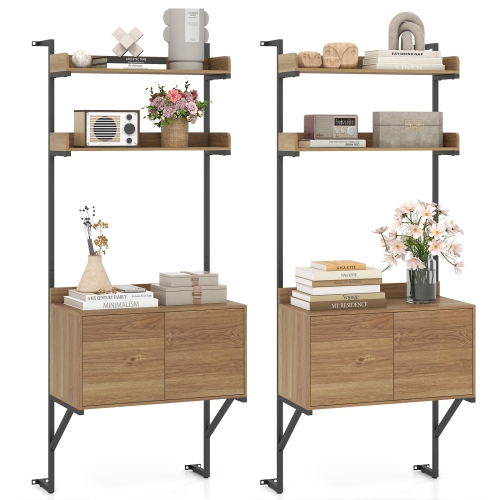
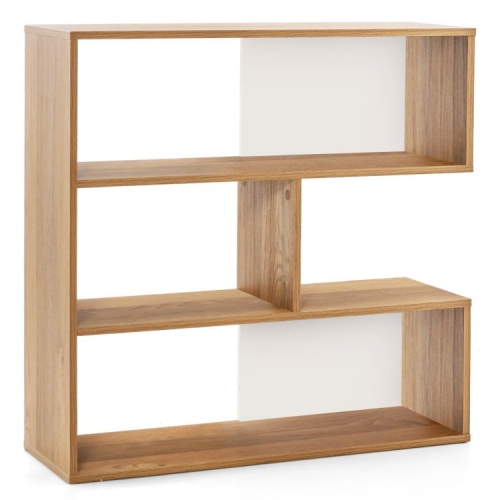
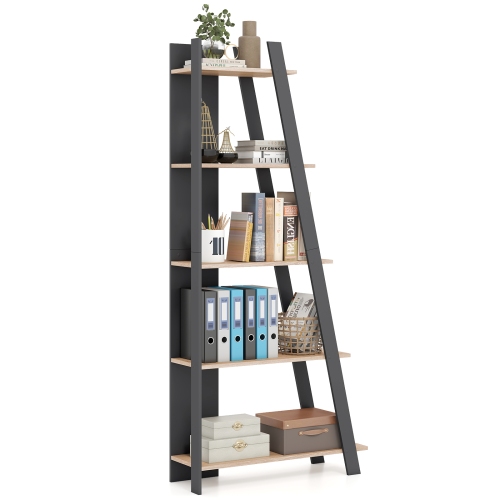
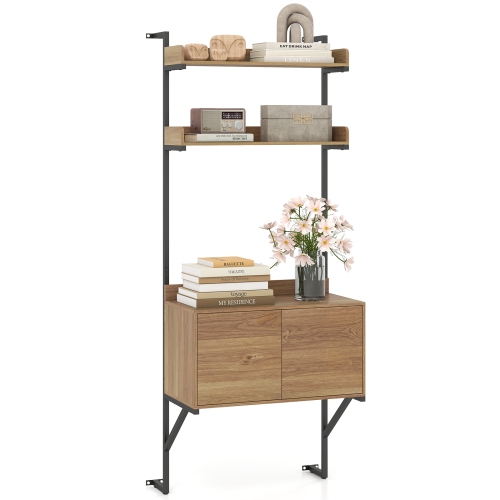
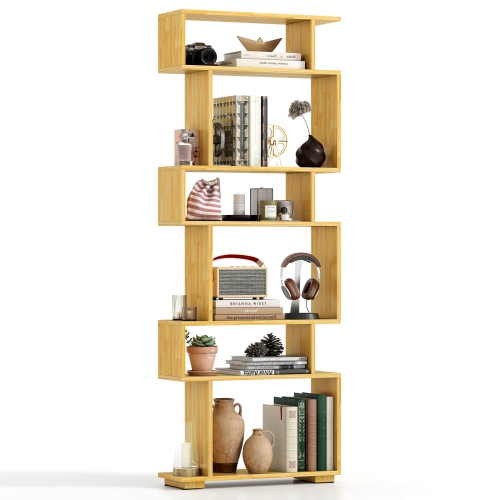
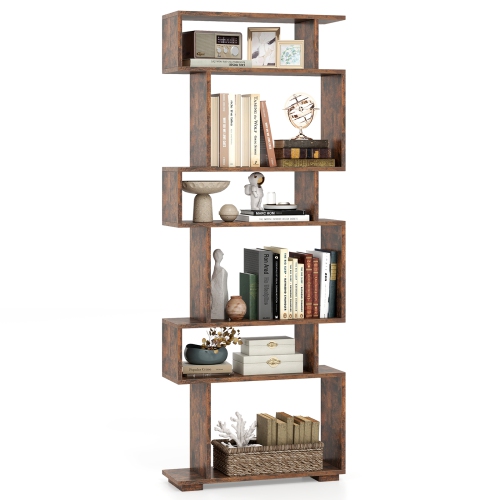
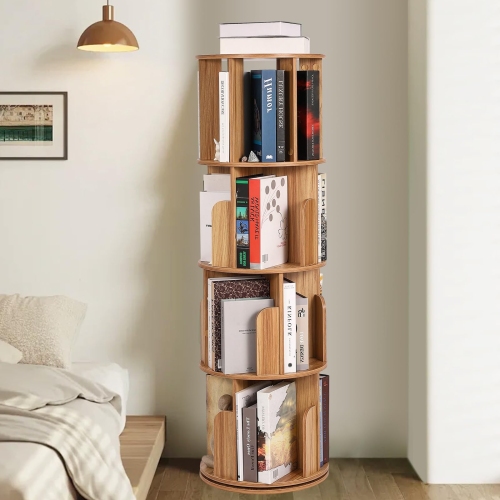
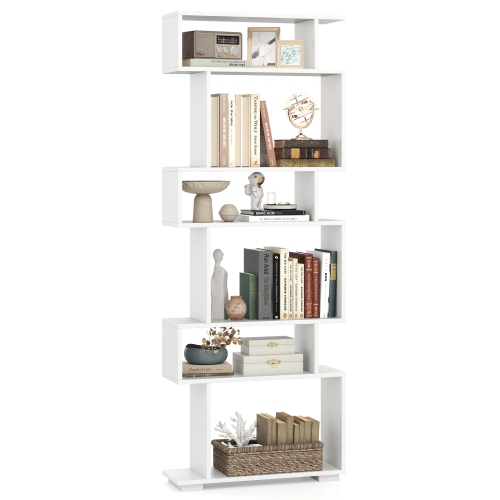
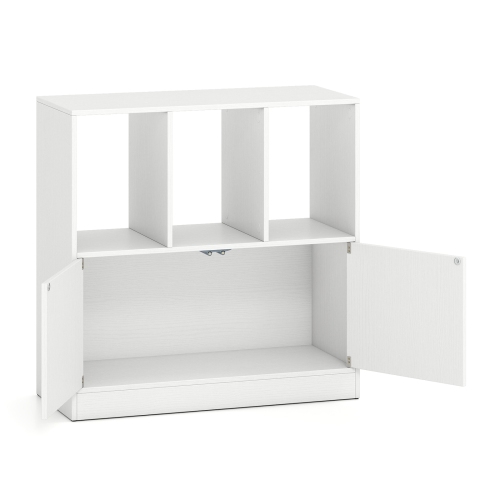
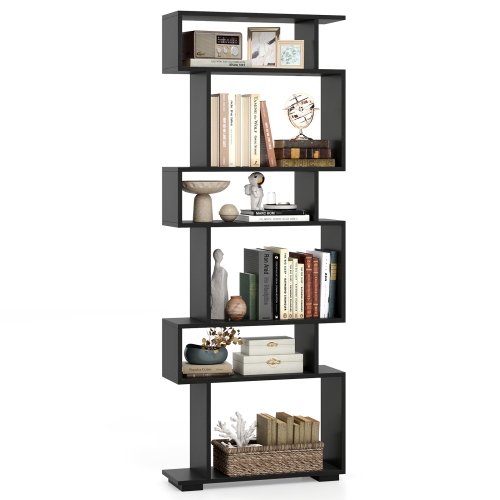
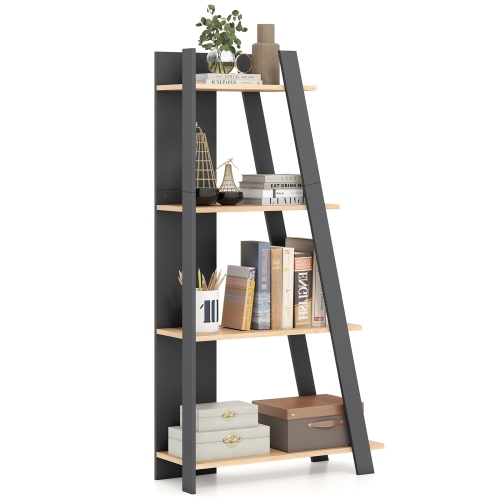
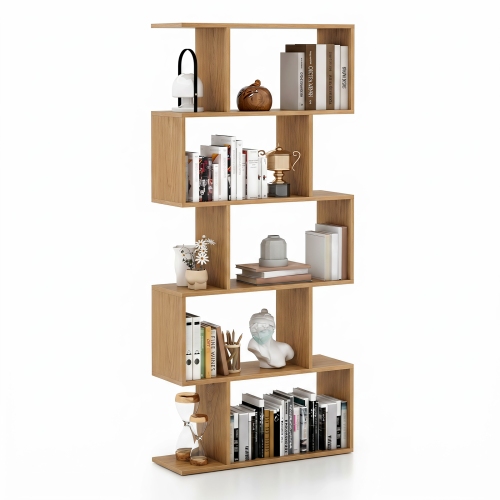

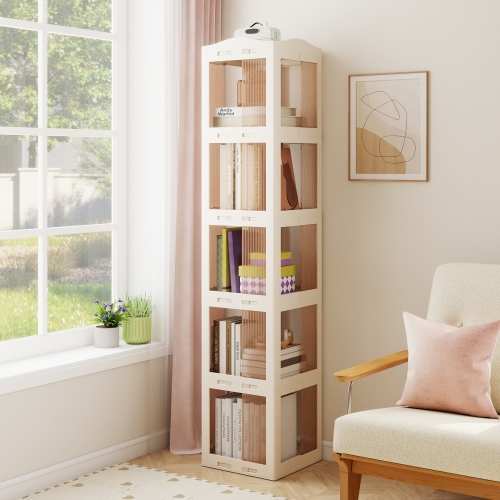
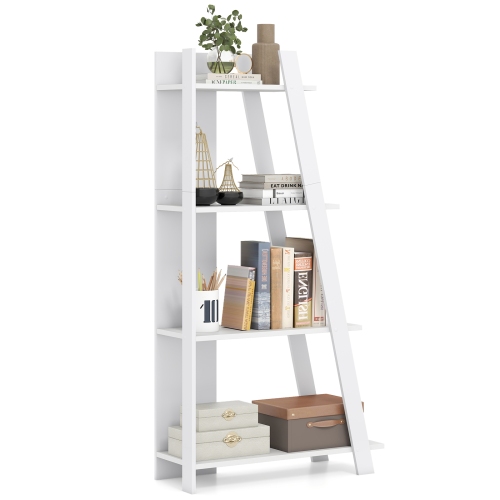
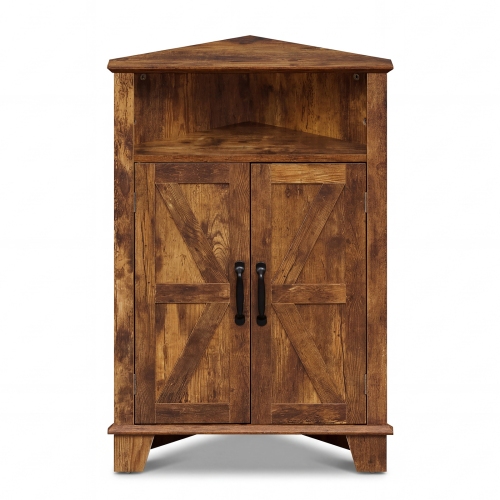
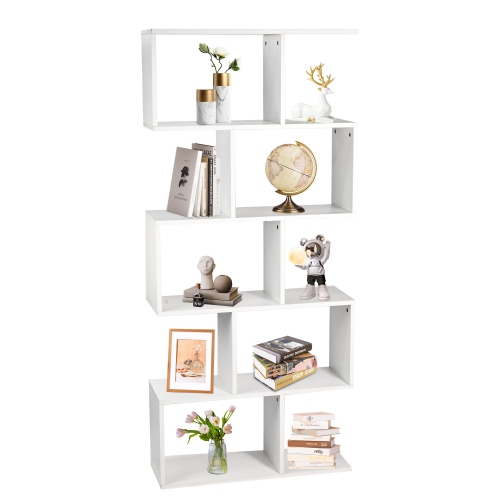
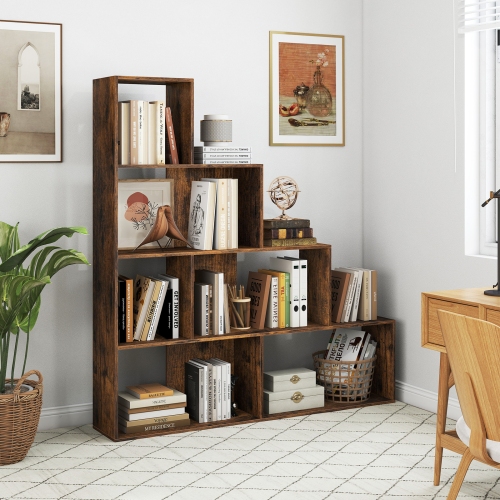
Unused corners offer more room for favourite books
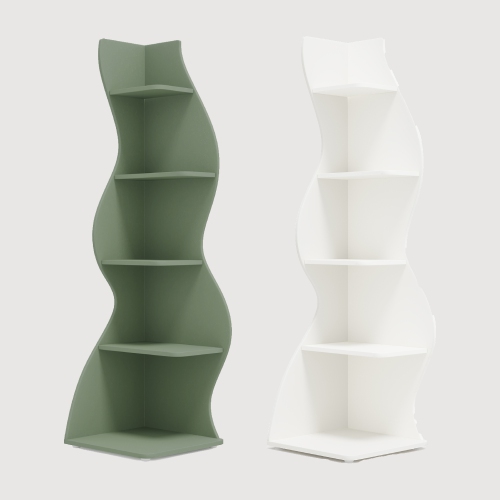
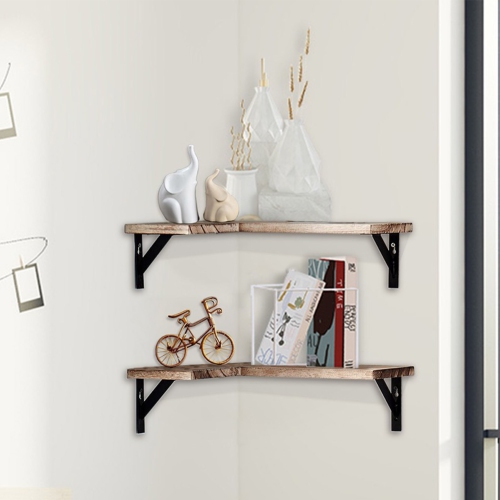
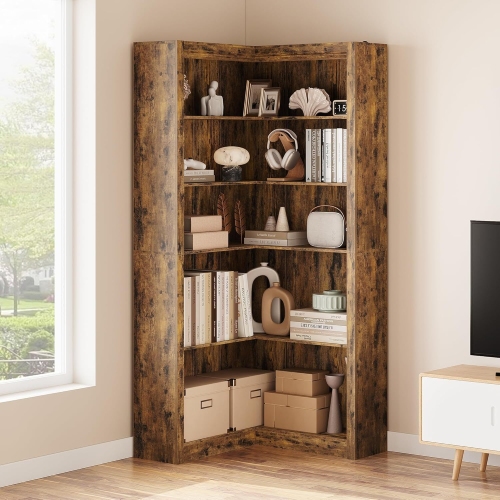
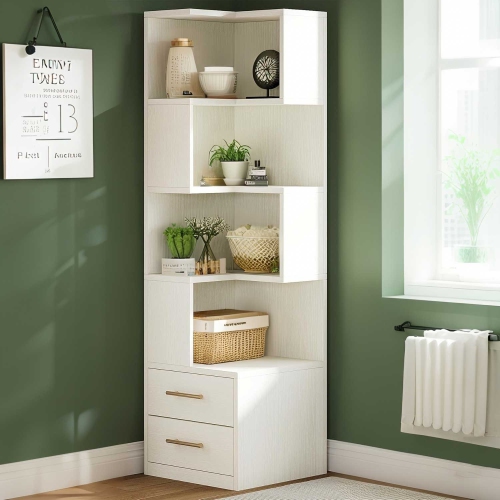
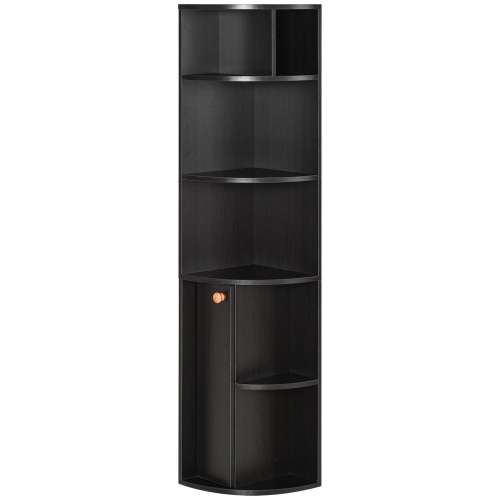
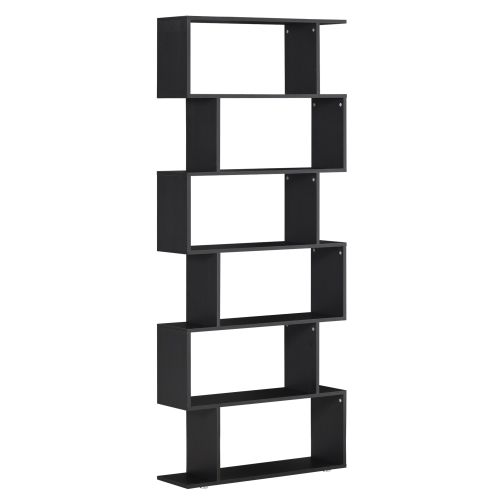
A corner wall bookshelf brings useful storage to a part of the room that can otherwise feel unfinished. By extending upwards where two walls meet, it creates space for books and personal touches without requiring the broad footprint of a traditional bookcase. In a compact living room, a few shelves beside an armchair can keep favourite novels within reach while leaving the main wall free for artwork. In a home office, a taller arrangement can hold reference books and notebooks close to the desk without taking over the work surface. The shape matters as much as the overall size: triangular shelves fit neatly into a corner, curved fronts soften the outline, and stepped or alternating shelves create a more open display. Some designs sit entirely on the wall, while others rest on the floor and need wall anchoring for stability. That distinction affects both installation and how the space beneath the shelves can be used. A wall-mounted arrangement can leave room for a small chair or keep the floor clear, while a floor-standing corner bookcase may offer deeper shelves for larger volumes. For related storage layouts, Shelf Corner Bookcases offer another way to explore the possibilities of an unused corner. The most useful proportions depend on what will live on the shelves. Paperbacks need less depth than art books, binders, or illustrated collections, and a narrow display ledge is not necessarily suited to a full row of hardcovers. Fixed shelves create a consistent rhythm, while adjustable spacing can accommodate a changing mix of book heights. Open sides keep the arrangement visually light, though upright books may need bookends to stay in place. A back panel or raised edge can provide a more contained look, but neither should be assumed to replace proper support. For readers, students, and anyone working with limited floor space, these details help make a corner feel purposeful rather than crowded.
Materials and finishes give corner wall bookshelves much of their character, but they also influence weight, upkeep, and long-term performance. Solid wood often has visible grain and natural variation, making it a comfortable match for rooms with other wood furniture. Its appearance can change with use, and the finish determines how easily everyday marks can be cleaned. Engineered wood can provide a smooth, consistent surface in painted, laminated, or wood-look finishes; well-finished edges are especially useful where books slide in and out frequently. Metal frames create a slimmer outline and can pair with wood shelves for a more structured appearance. Glass shelves, where included, offer a lighter visual effect but tend to show fingerprints and require careful attention to the stated load limit. No material alone guarantees strength. Shelf thickness, the distance between supports, joinery, brackets, and the installation method all contribute to how a unit performs. A row of hardcovers is considerably more demanding than a small grouping of framed photographs, so the rated capacity of each shelf matters more than how sturdy it looks. Fit deserves equally close attention. Measure along both walls, check the shelf depth at its widest point, and allow clearance for nearby doors, curtains, light switches, and furniture. Corners are not always perfectly square, particularly in older homes, and skirting boards can prevent floor-standing units from sitting flush against the wall. With a wall-mounted bookshelf, the wall construction and suitable fixing points determine what installation is possible. Plasterboard, masonry, and timber studs call for different fastening approaches, and supplied hardware may not suit every surface. Follow the assembly and mounting directions, including any requirement for attachment to studs or use of suitable anchors. Rental homes may also have restrictions on drilling. A shelf that fits the room visually still needs secure installation, unobstructed access, and enough space to retrieve a book without brushing against a lamp or leaning across a chair.
Everyday use is where a well-chosen corner wall bookshelf earns its place. In a reading nook, frequently read titles work best at a comfortable reach, with less-used volumes on higher shelves. Beside a desk, leaving enough vertical clearance to lift out a binder makes the storage easier to use than a tightly packed arrangement. A shared living area may benefit from a mixture of upright books and small horizontal stacks, provided the weight remains within the shelf limits and nothing projects beyond the front edge. Keeping heavier books lower down on a floor-standing unit can improve the arrangement, but it does not replace required wall anchoring. In homes with children or pets, avoid layouts that invite climbing, keep fragile objects out of easy reach, and secure furniture as directed. Shelving over a bed, cot, or seating position deserves particular care because loose objects can fall; another wall location may be more practical. Visual balance also makes a difference in a compact corner. A pale finish can blend with a light wall, a darker finish can give the shelves a stronger outline, and a wood tone can connect the arrangement with a nearby desk or side table. Matching every piece is not necessary, though repeating one colour or material can make the room feel more cohesive. Leave some open space so that individual books and objects remain easy to see and remove. For care, regular dusting with a soft cloth helps keep shelf surfaces and book edges tidy. Clean spills promptly, avoid soaking joints or unfinished edges, and use cleaning methods suited to the material rather than applying the same polish to every surface. Check accessible fixings periodically as directed, especially after moving or reassembling a unit, and address looseness before adding more weight. A corner bookshelf can also be a thoughtful housewarming or graduation gift for a reader, provided the recipient’s measurements, style preferences, and installation needs are known. Its appeal is practical and personal: a small area becomes a place for familiar stories, useful references, and the objects that make a room feel lived in.
Top selling and popular products
-
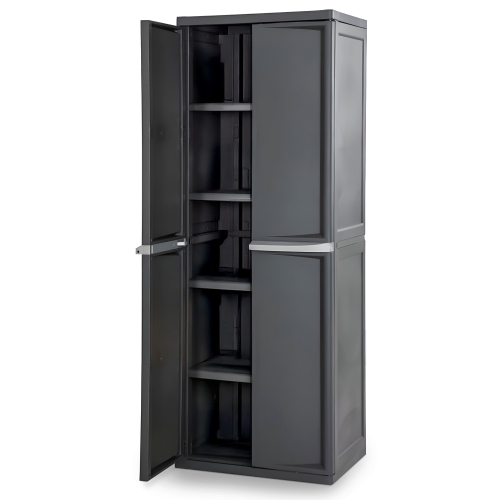 Your price for this item is $577.99
-
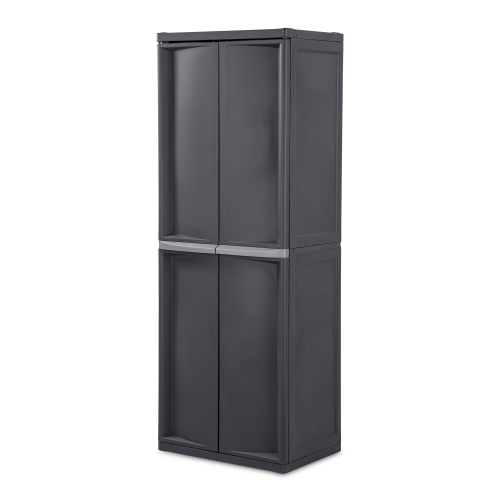 Your price for this item is $1167.99
-
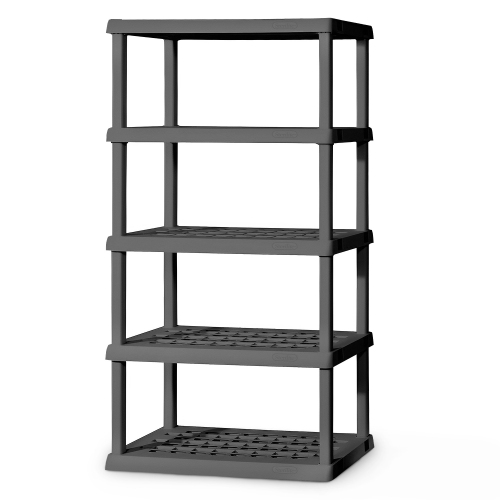 Your price for this item is $331.99
-
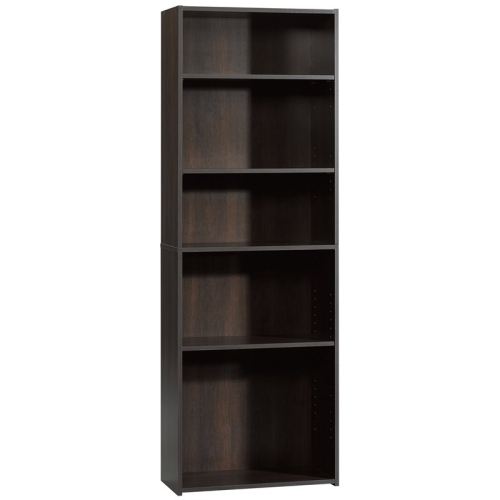 Your price for this item is $208.99
-
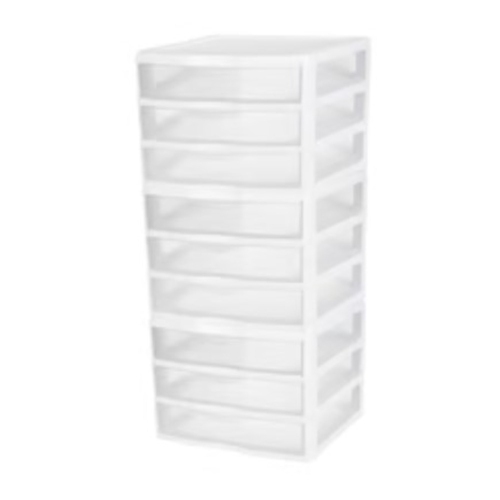 Your price for this item is $171.99
-
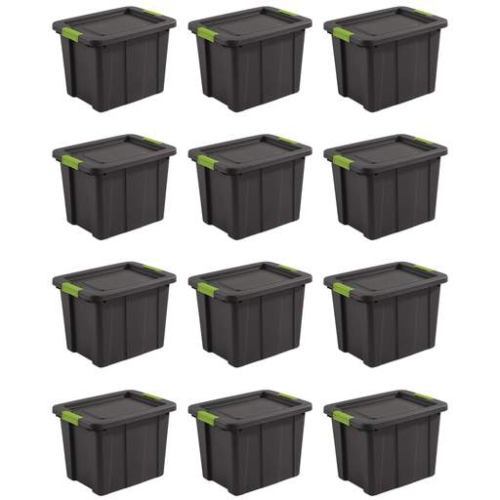 Your price for this item is $592.99
-
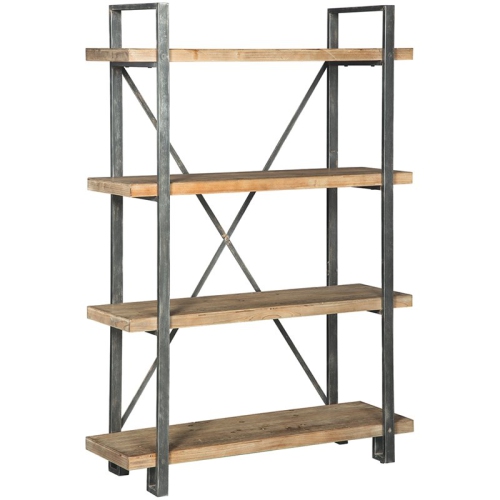 Your price for this item is $599
-
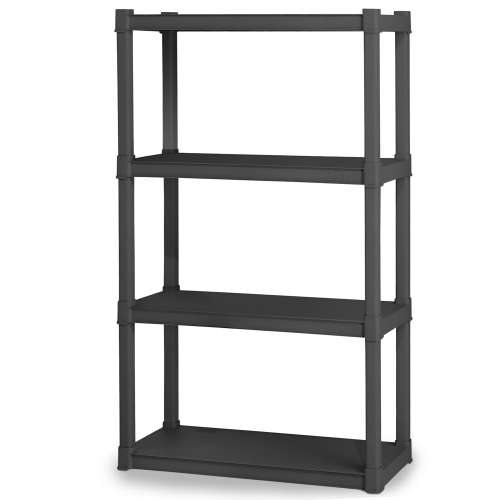 Your price for this item is $229.99
Discover more categories related to Corner Wall Bookshelf
Top Collections:
Best Black Friday Deals This Year, Best Black Friday Deals On Electronics, Kindle Devices, Dyson Airwrap, Best Cameras for Sports Photography, Best Budget Office Chairs, Canon G7X Cameras, PS5 Pro Consoles, Best Black Friday Deals On Apple Products, XBOX One S Consoles
Some products may be subject to Environmental Handling Fees
(EHF) depending on your province.
Learn more about EHFs.