Small Bookshelf for Kids
If you're looking for a bookshelf that's just right for your child, consider one that's small. These shelves are easy to move around, and they don't take up too much space in your child's room. They're also durable enough to withstand the wear and tear of a young reader. Here are some great options.
Sort
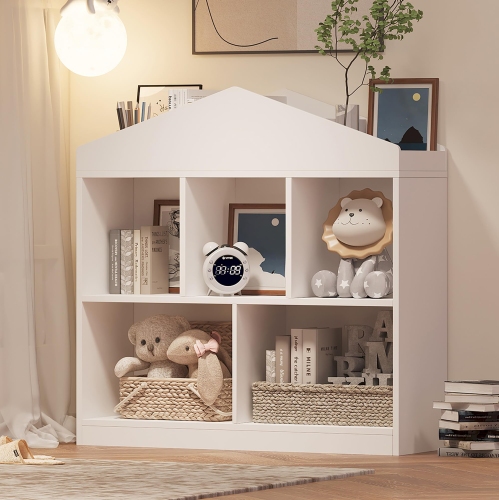
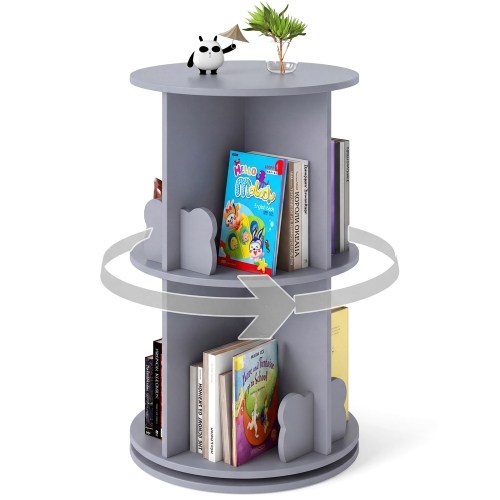

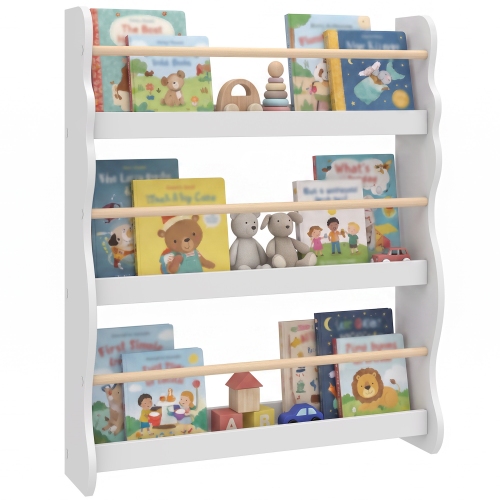
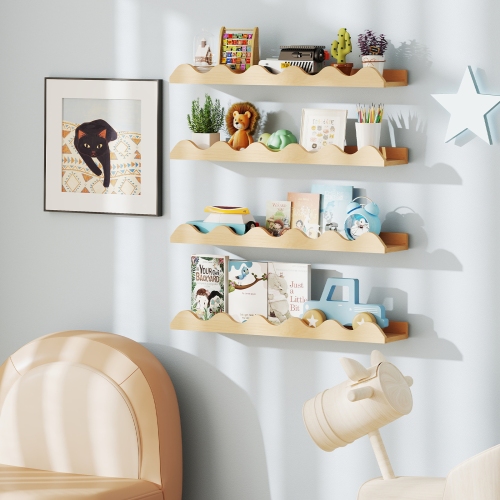
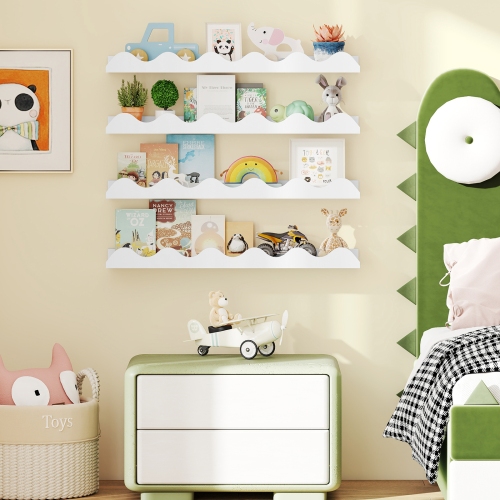
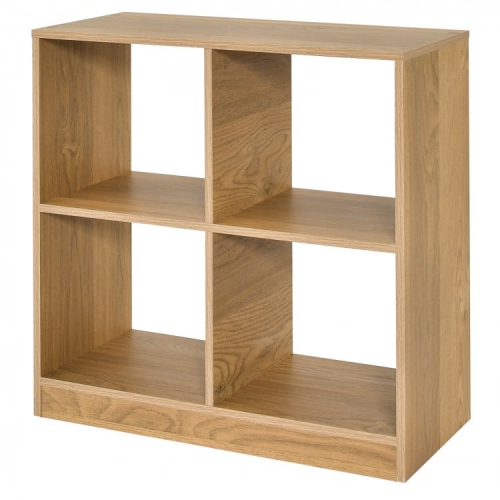
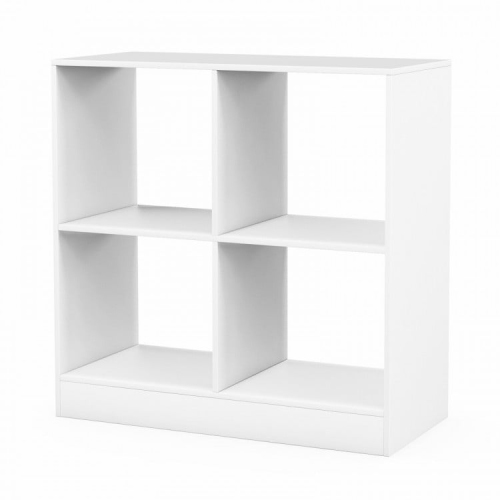
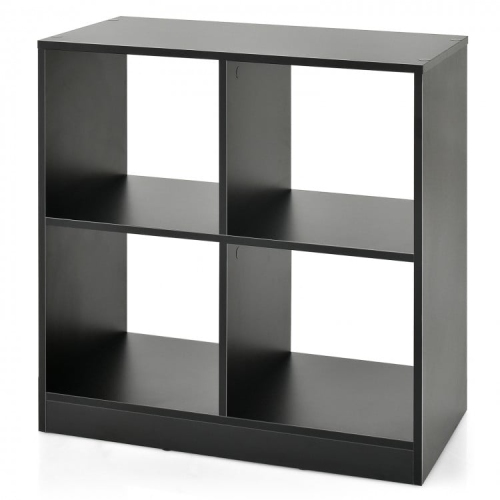
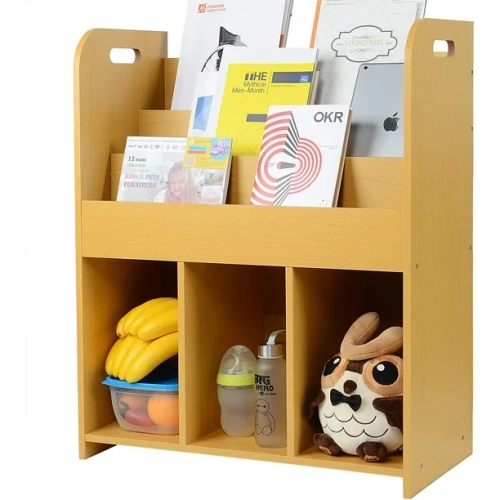

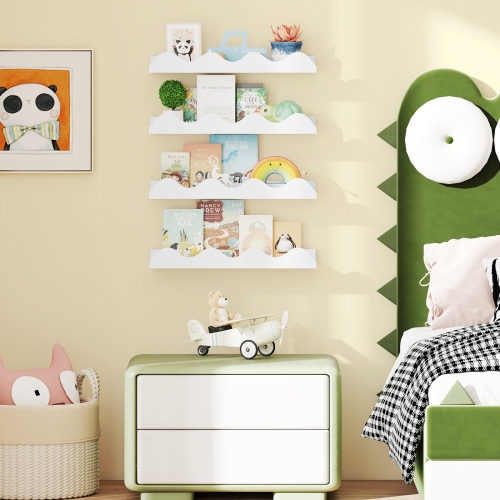
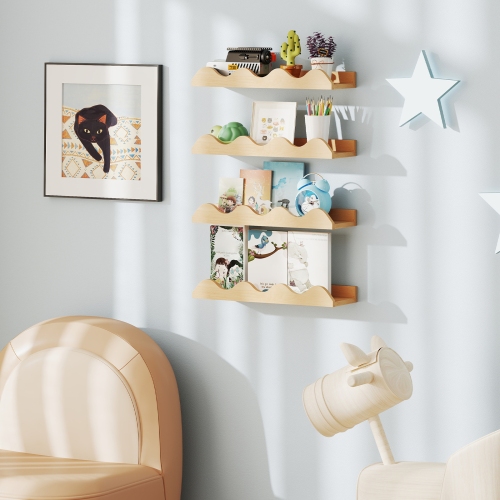
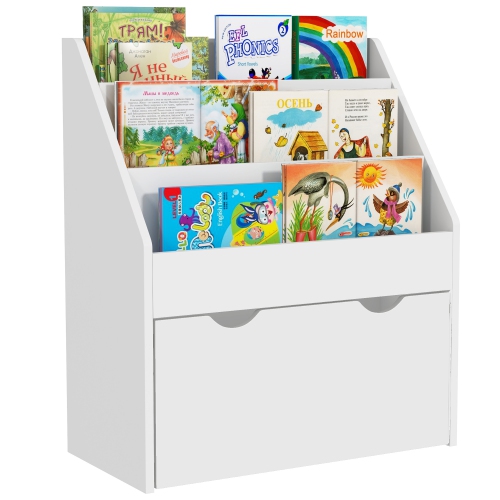


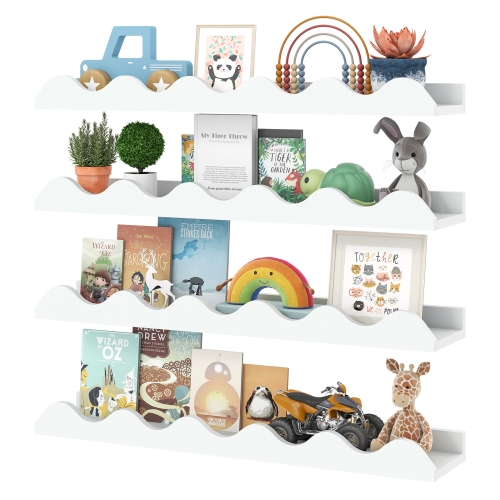


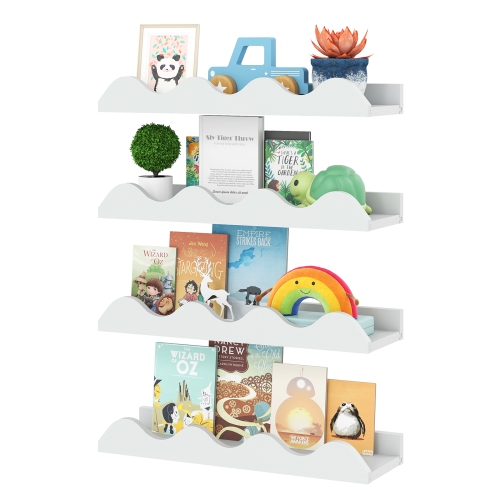
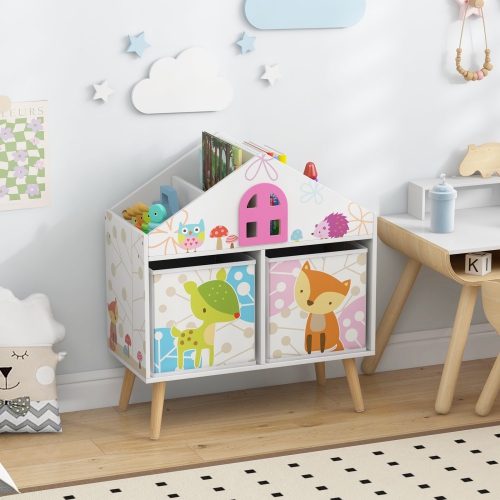
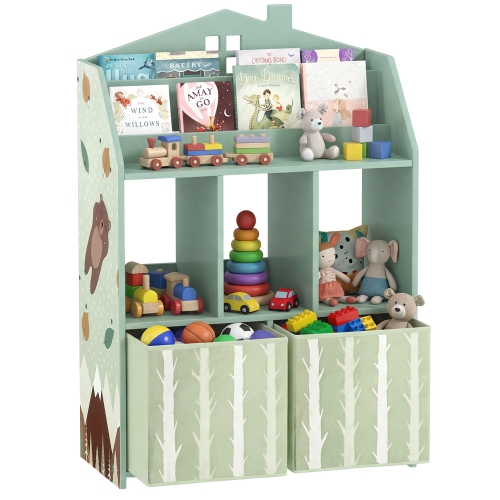
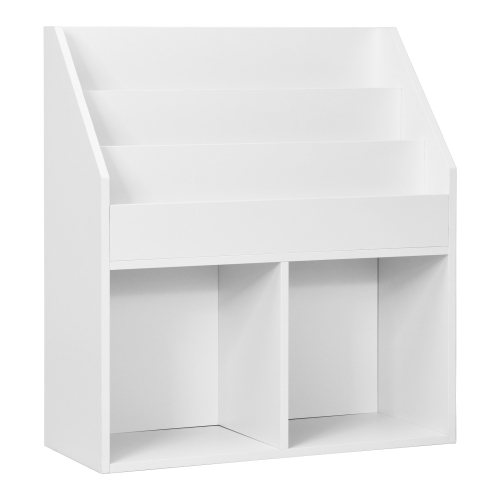

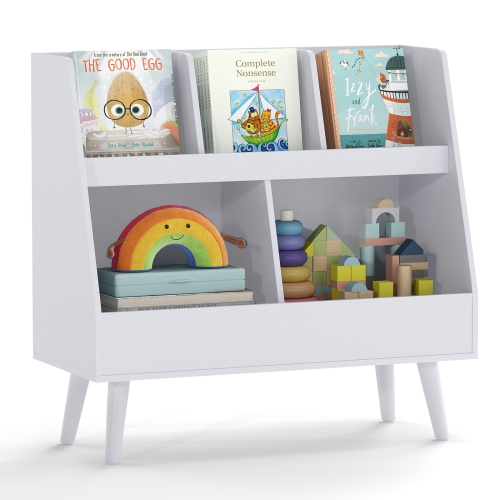
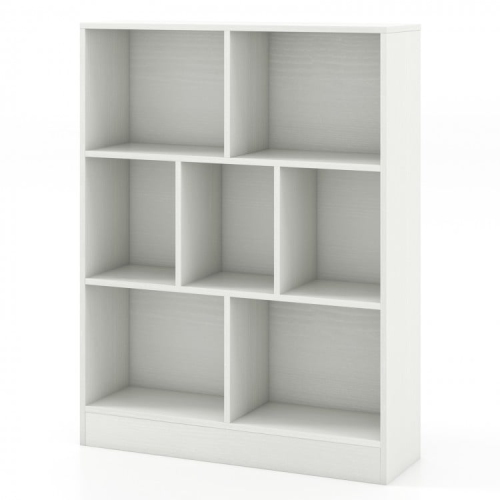
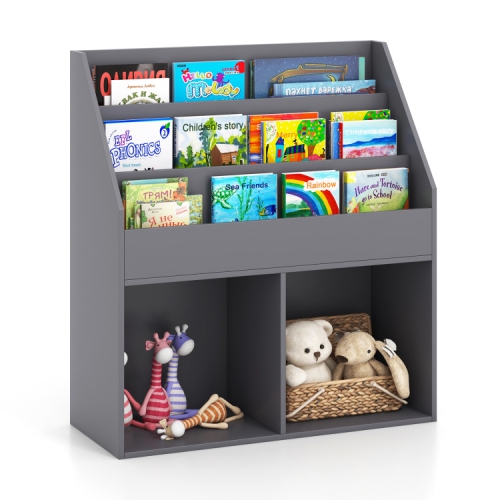

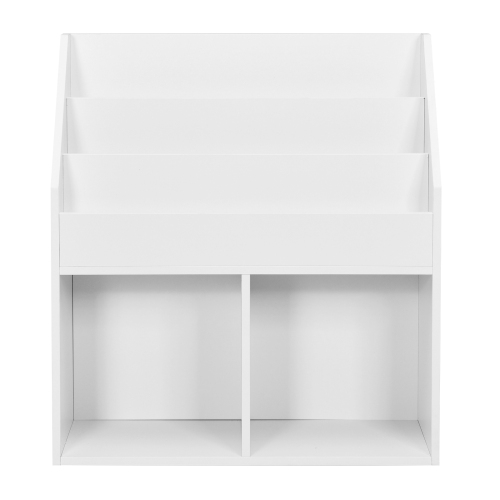

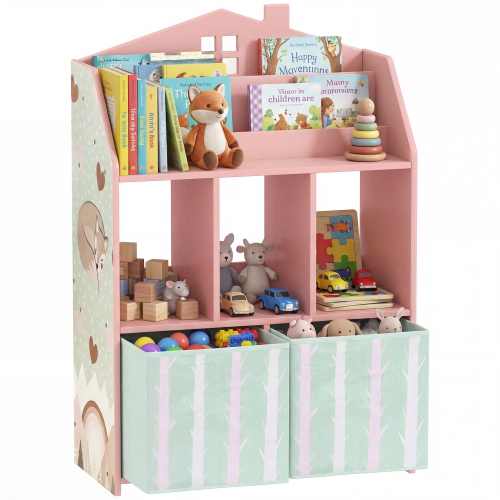


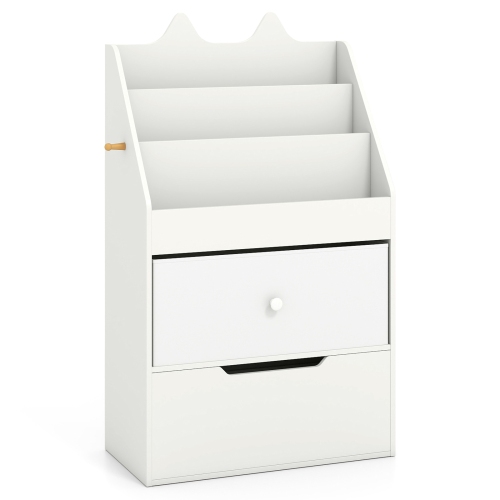
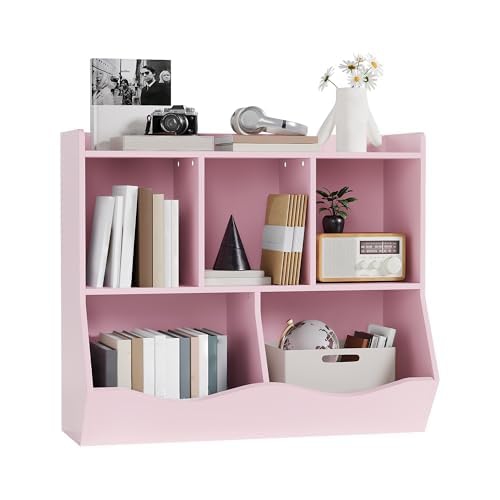

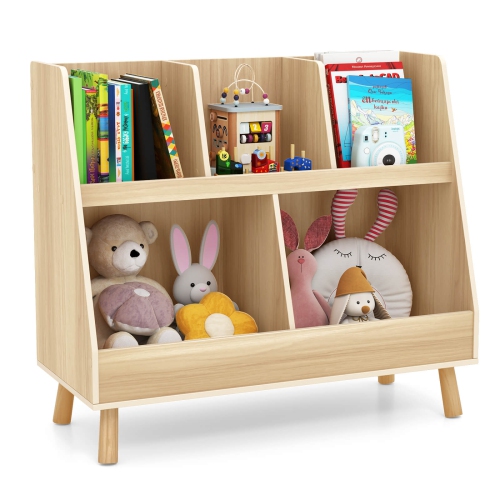
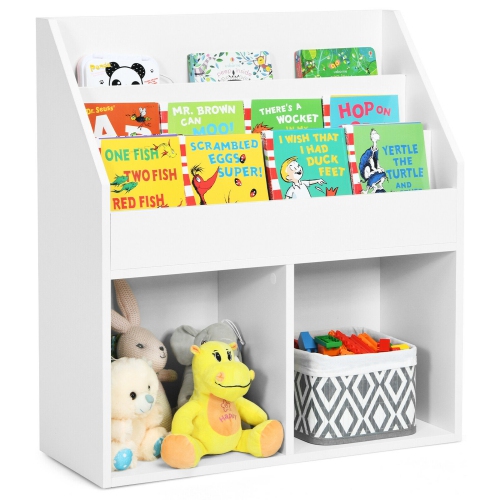

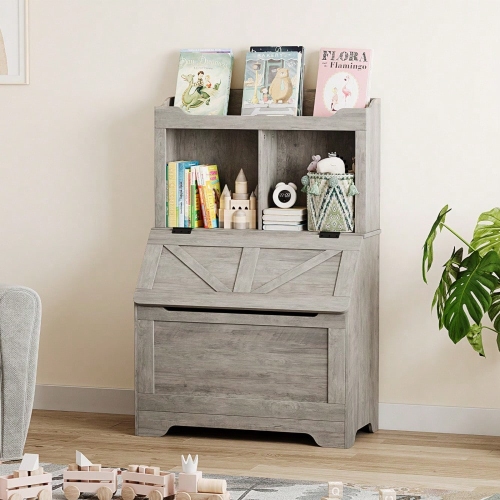
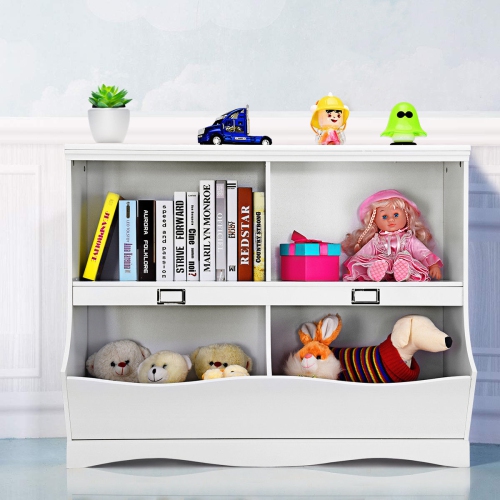
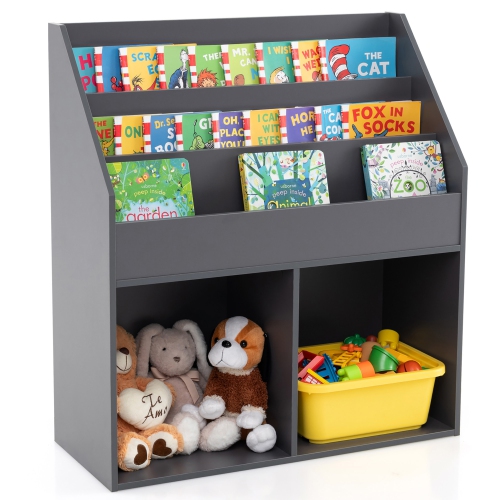
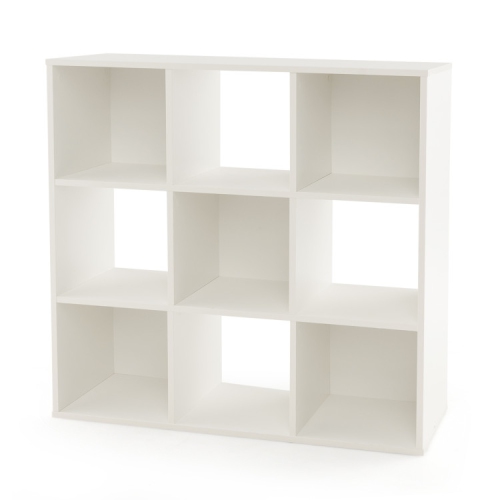
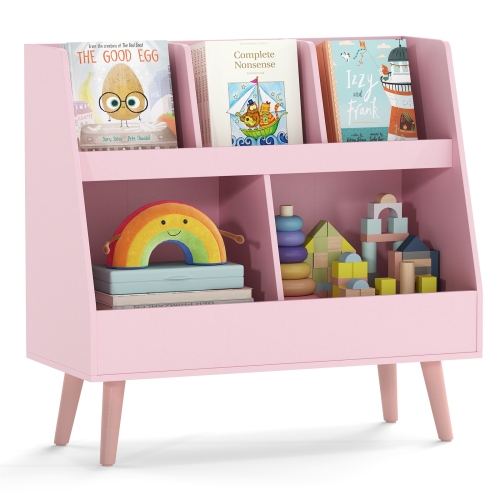
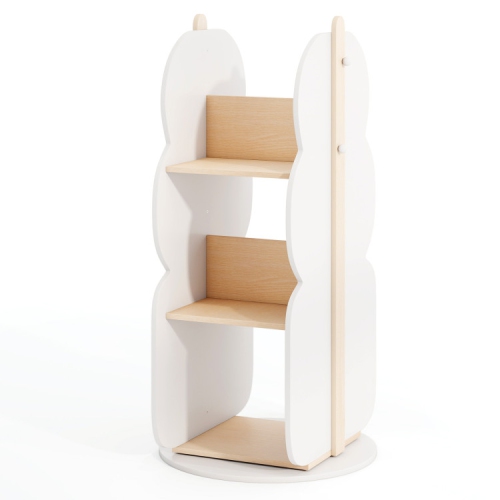
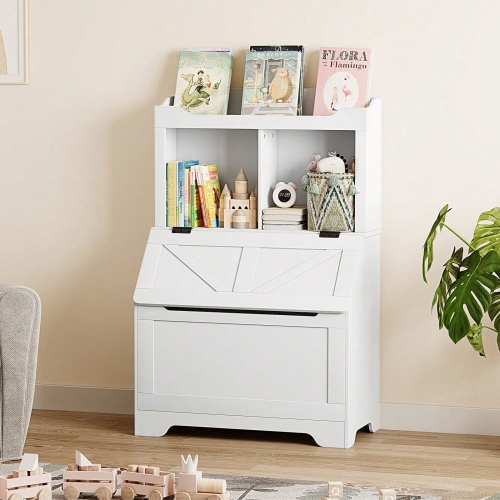
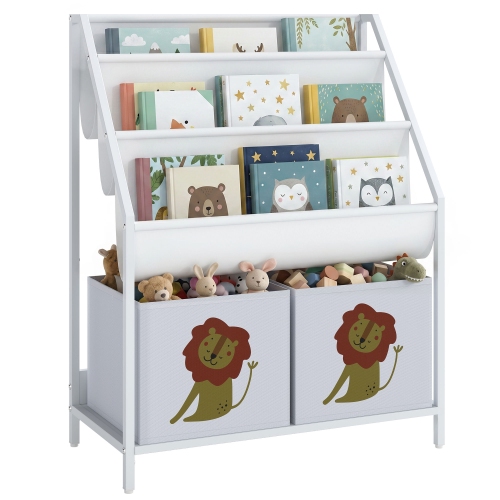
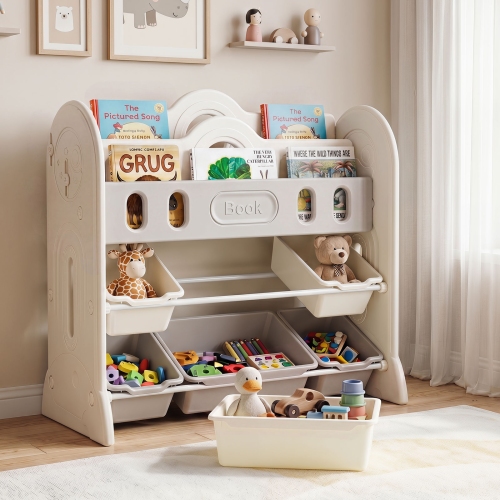
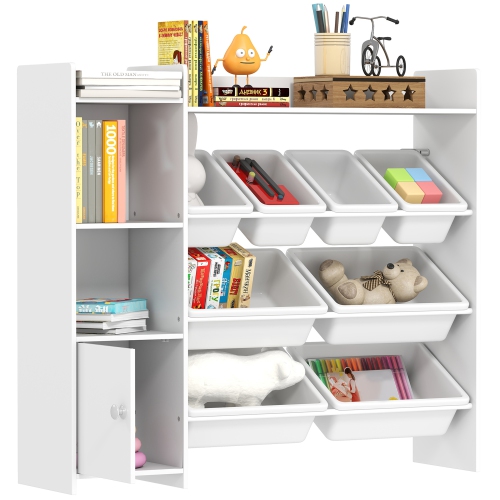
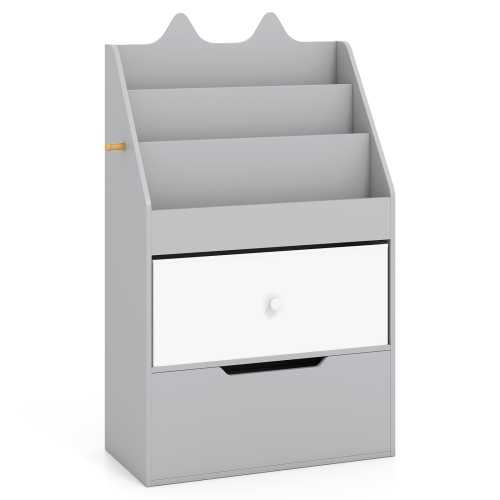
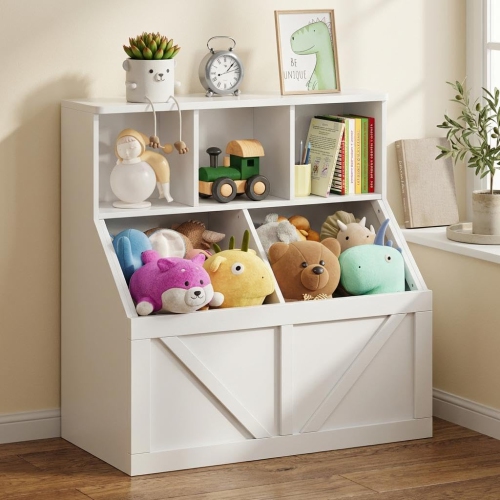
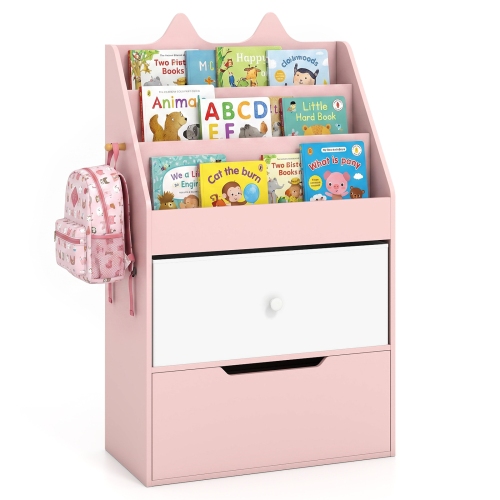
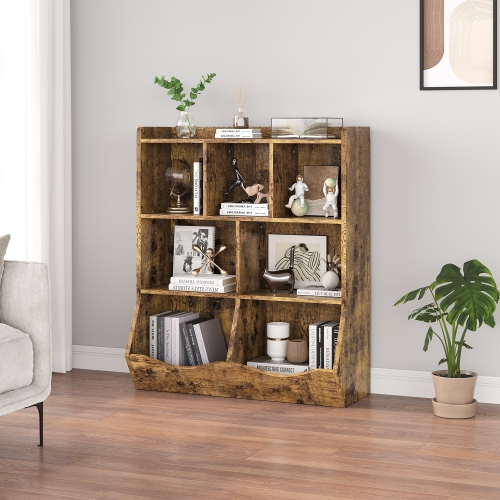
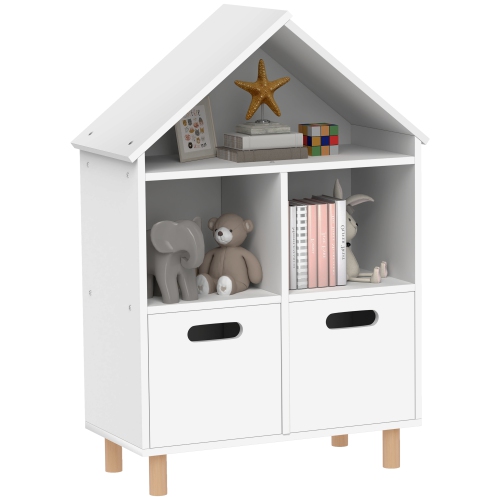
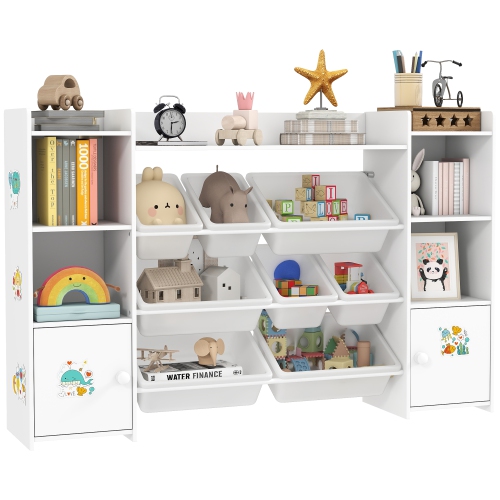
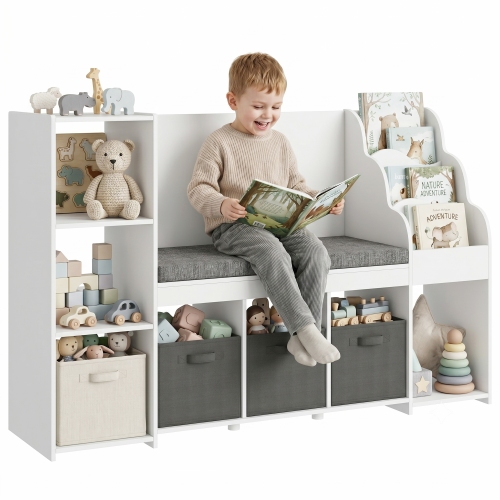
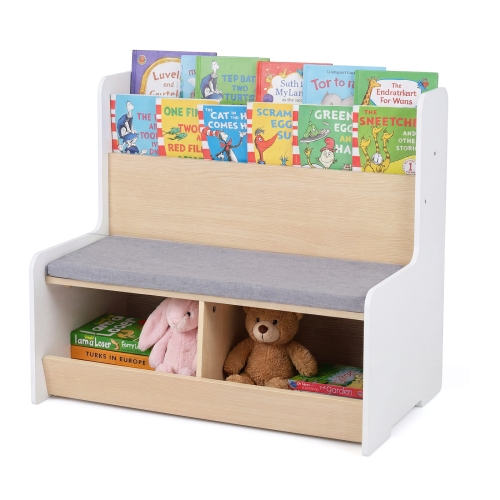
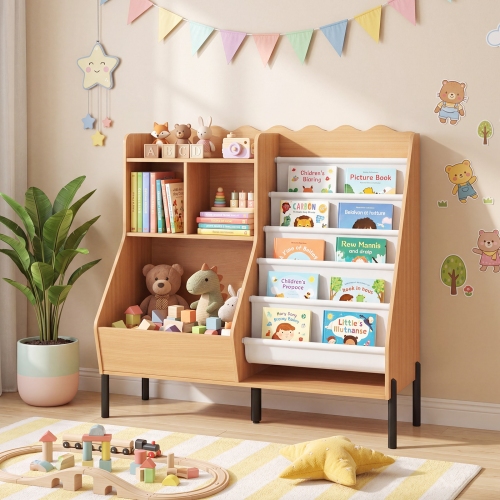
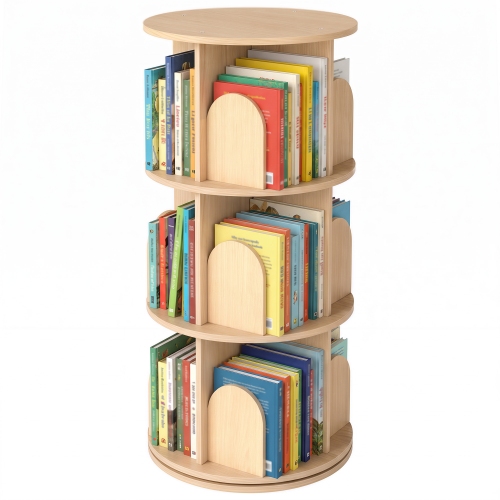
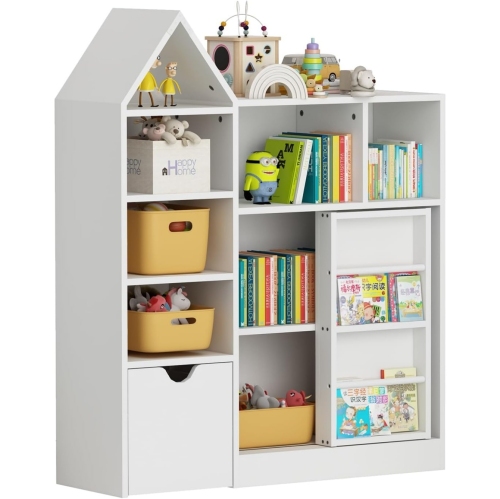
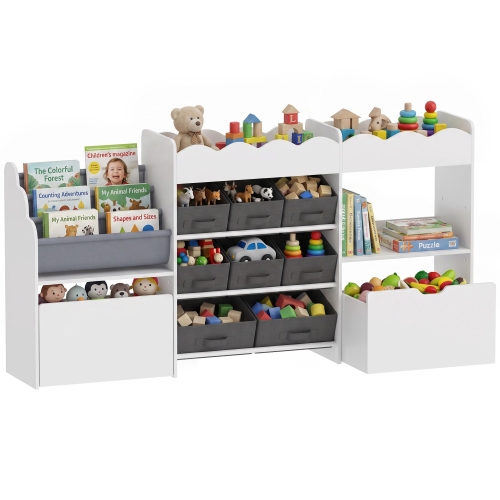
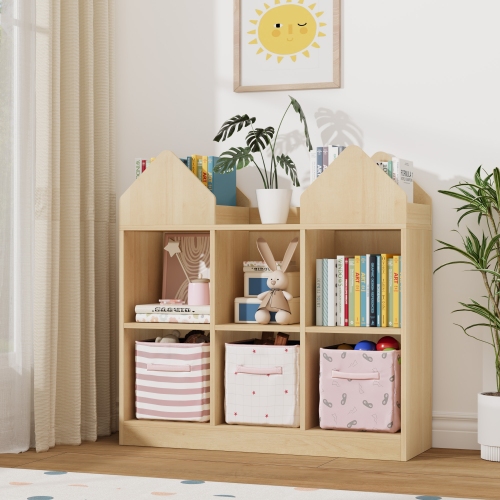
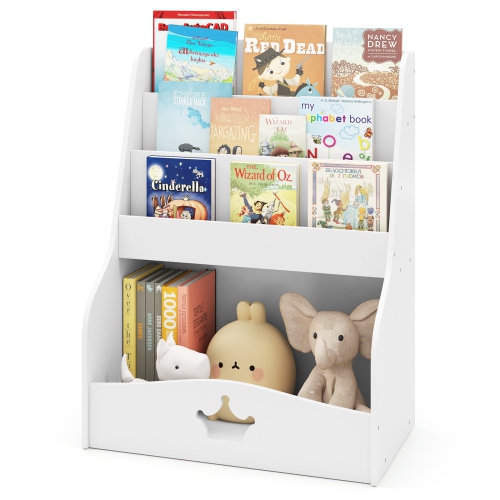
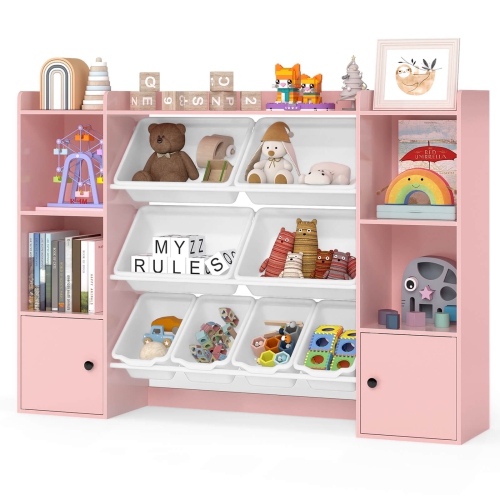
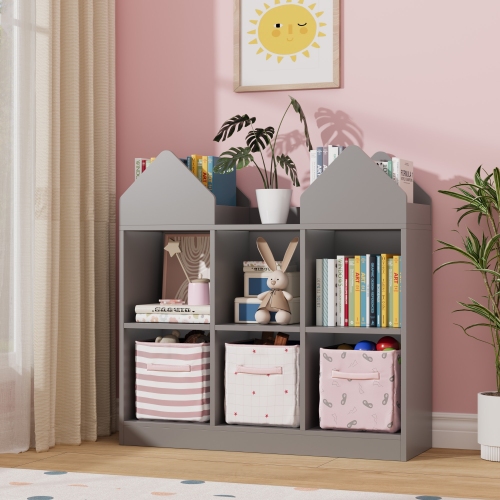
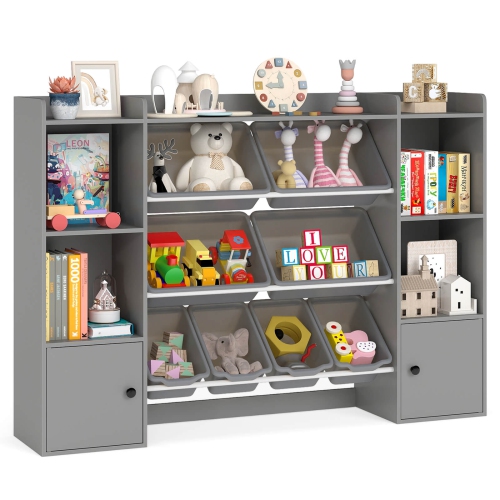
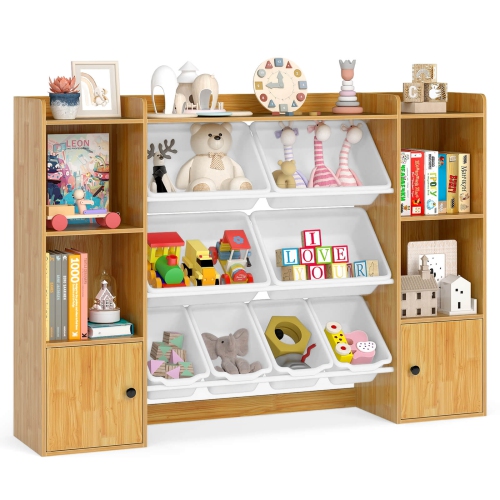
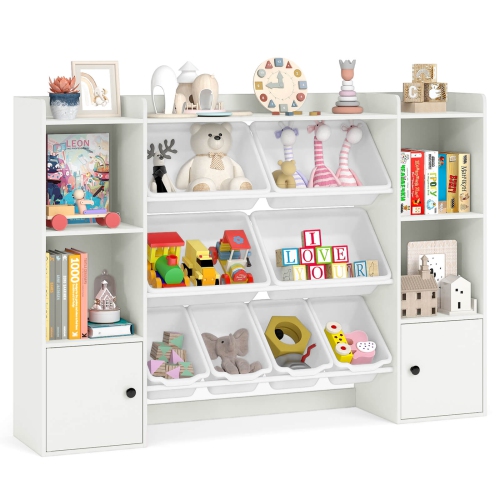
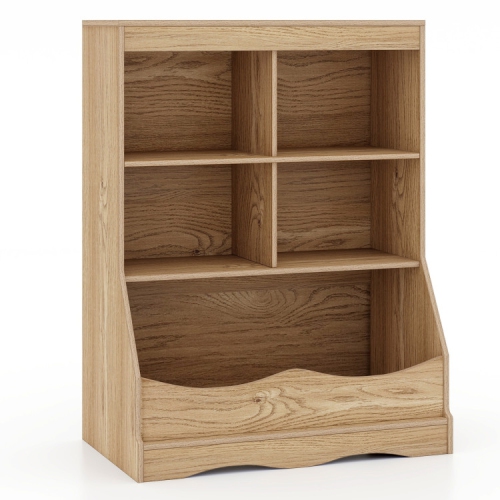
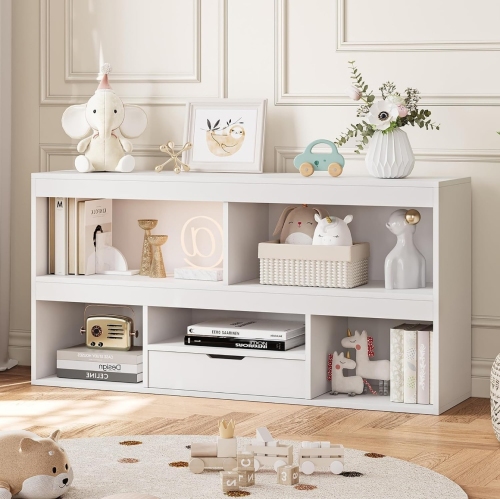
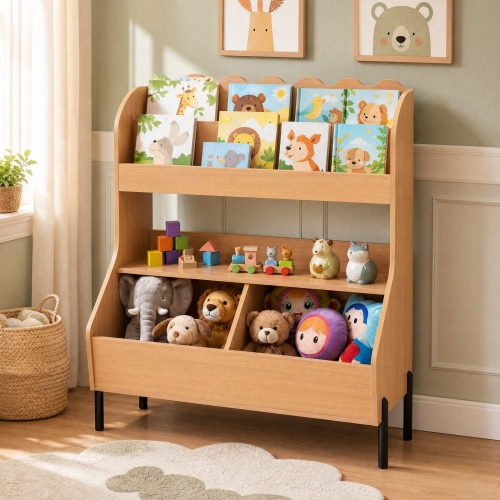
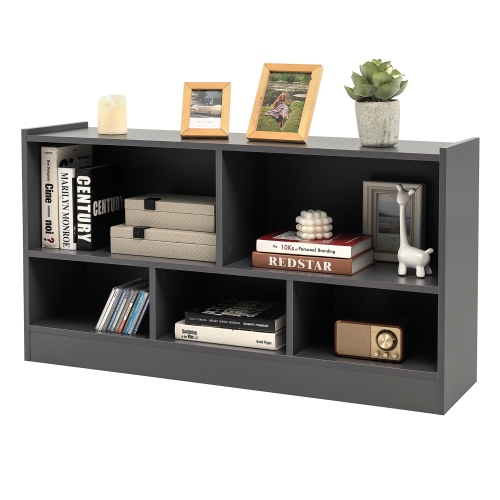
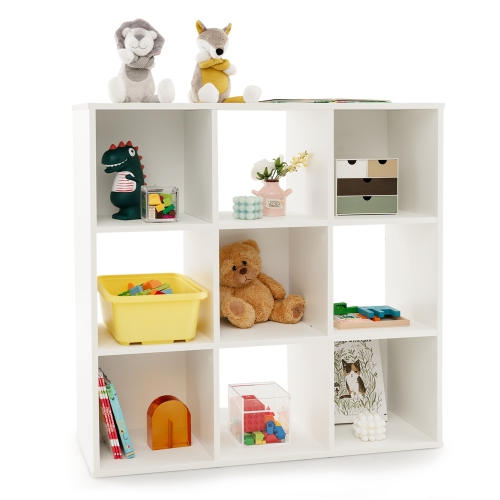
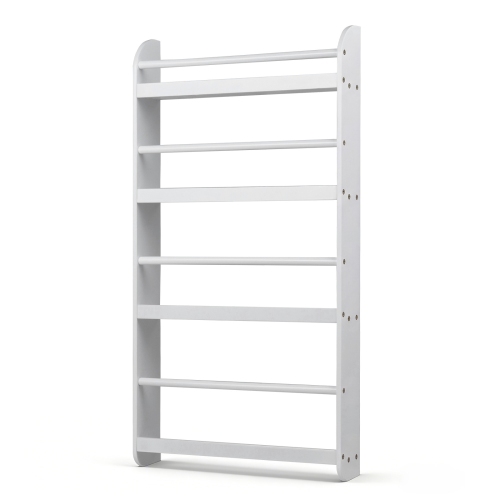
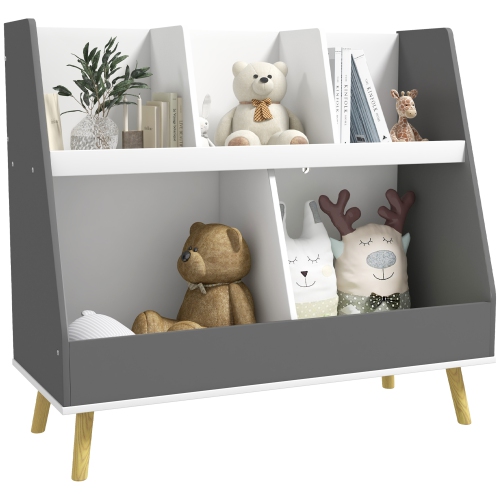
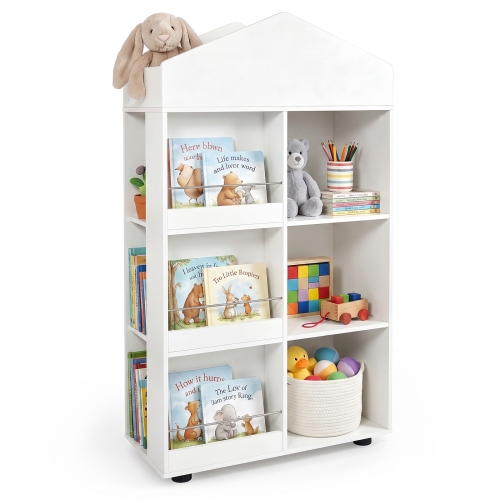
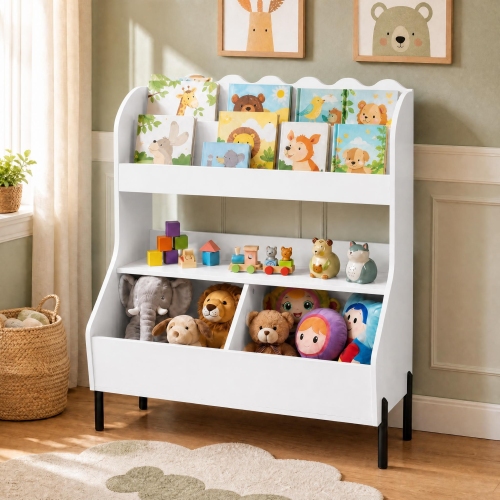
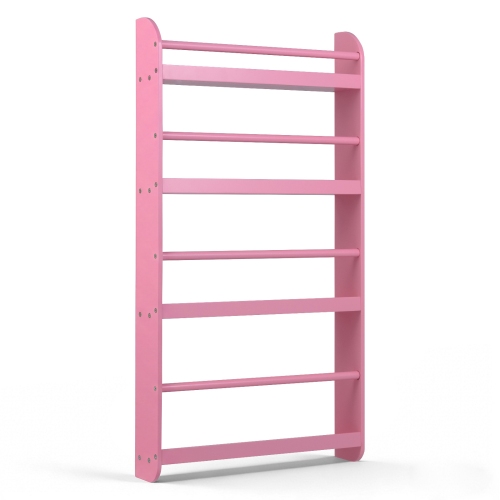
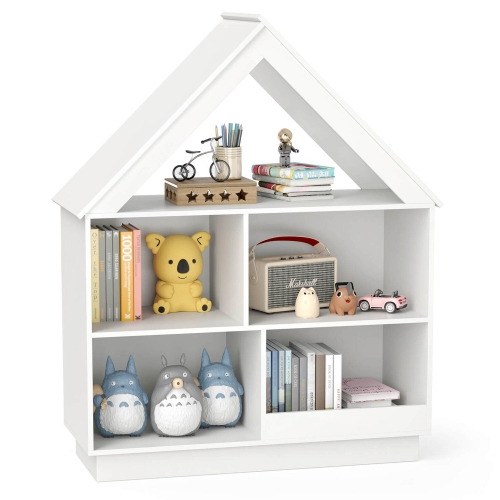
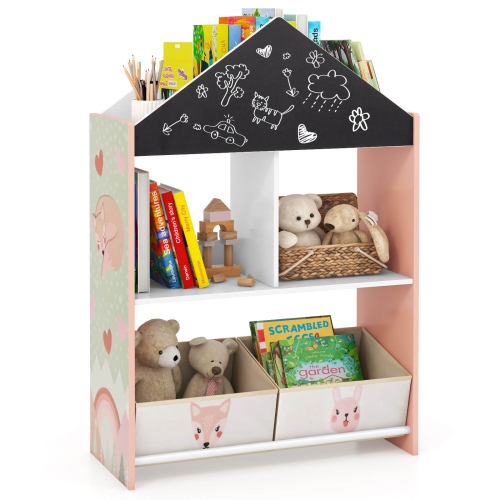
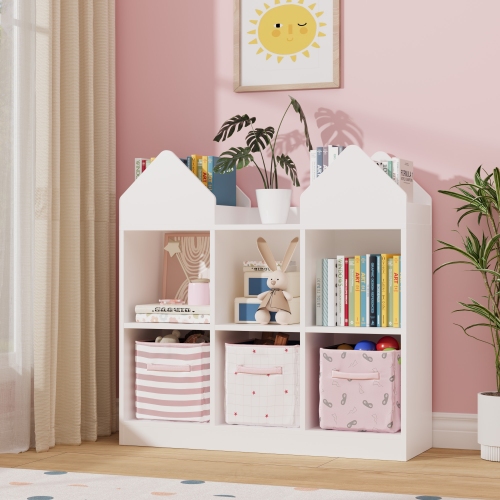
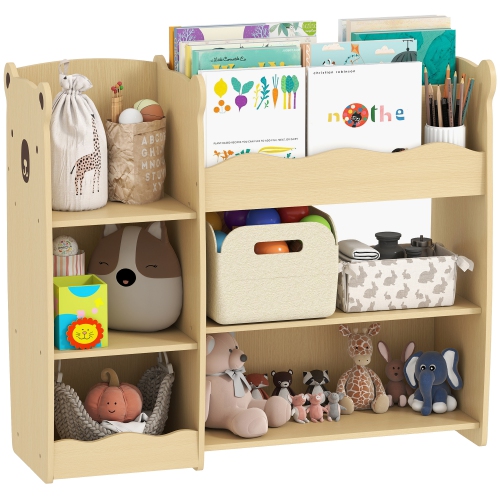
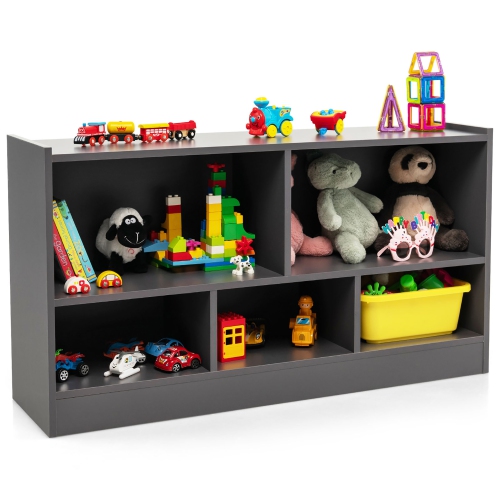

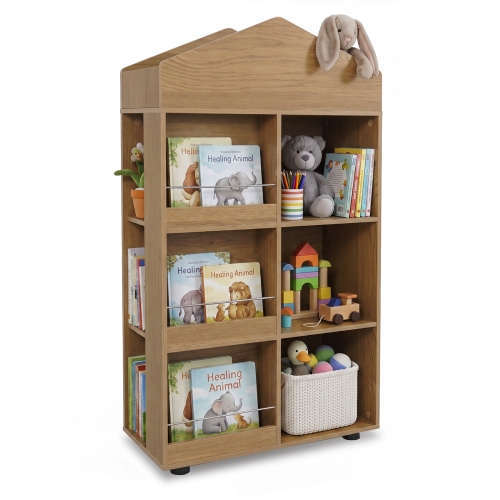
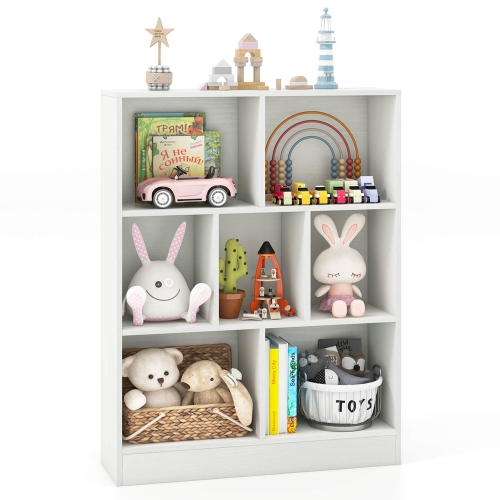
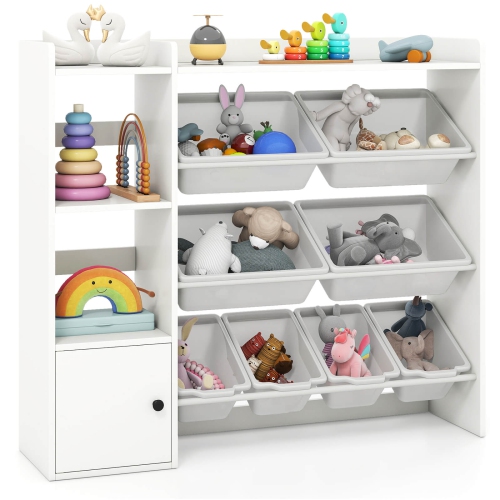
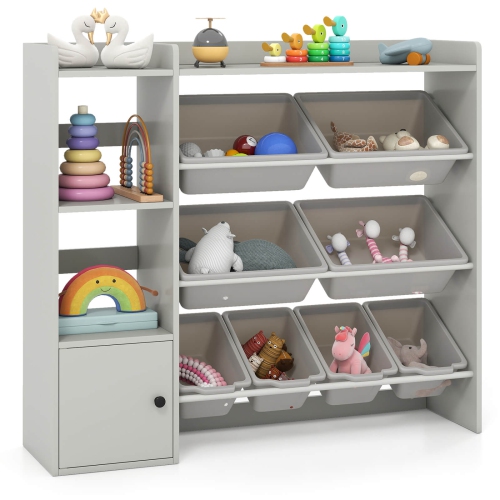
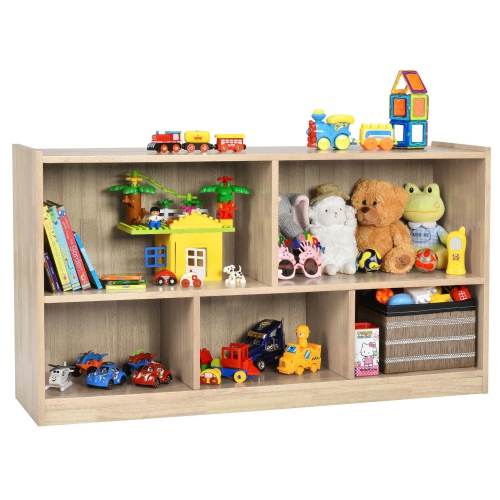
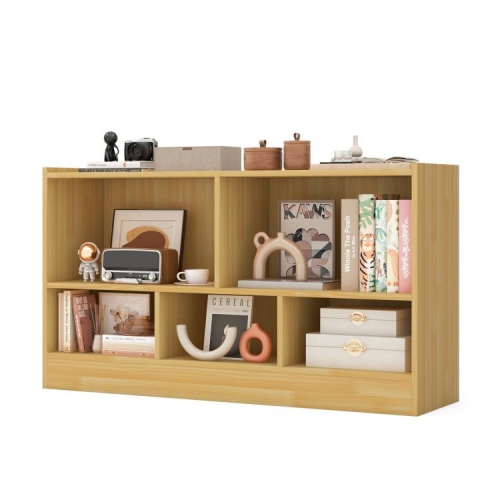
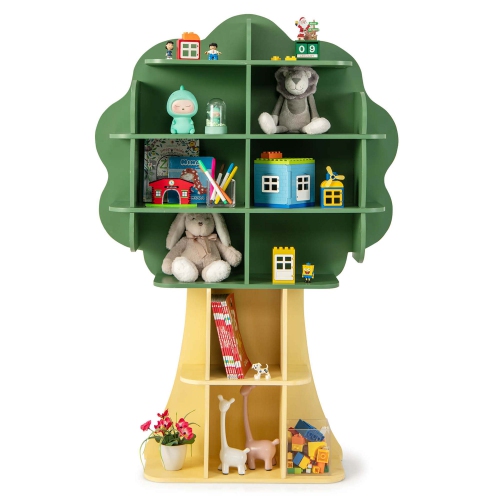
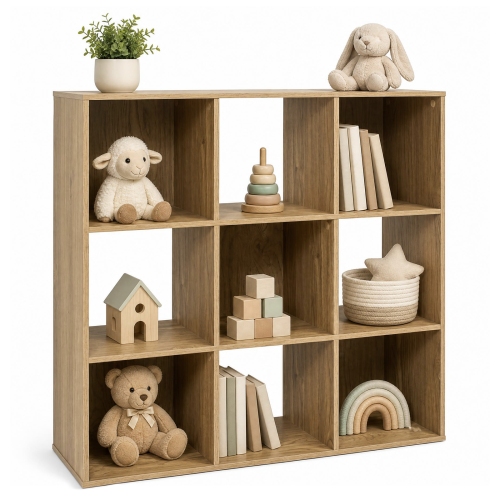
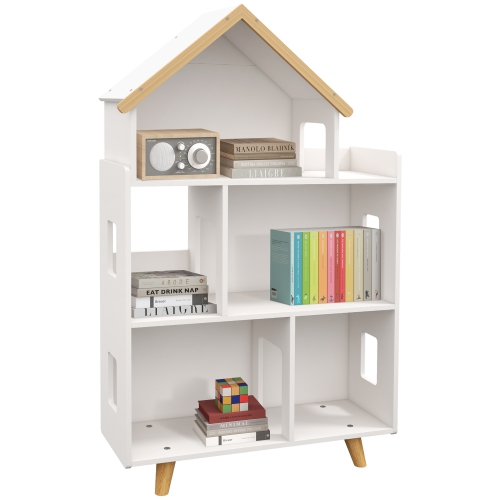
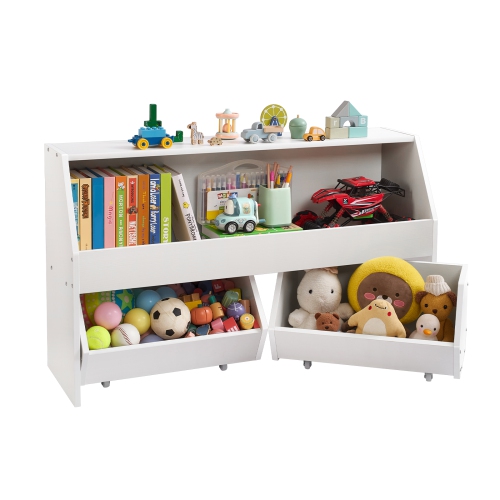
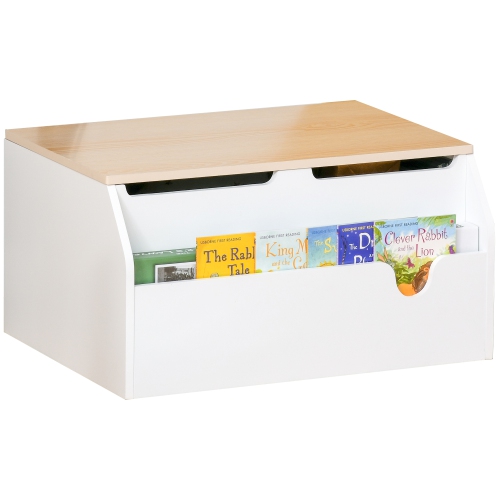
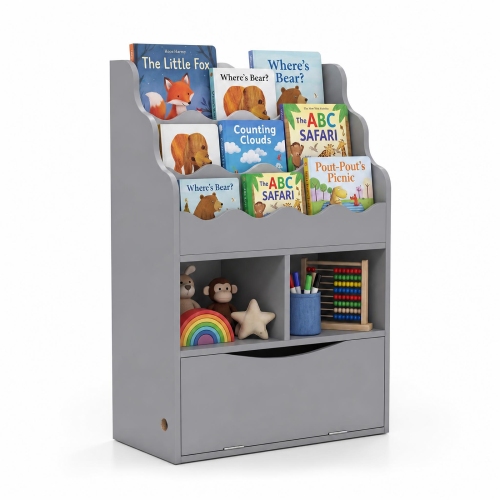
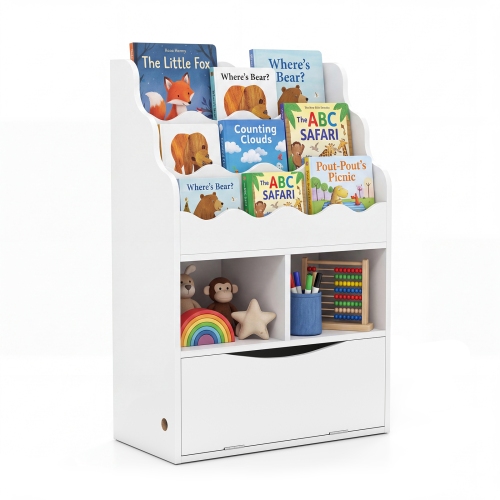
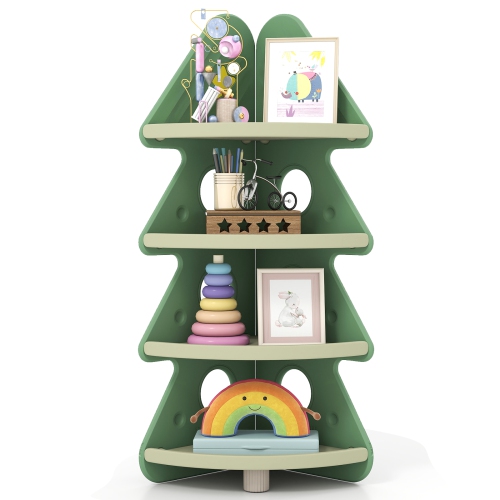


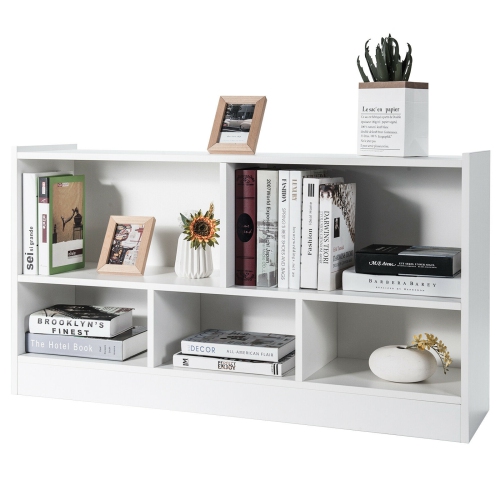
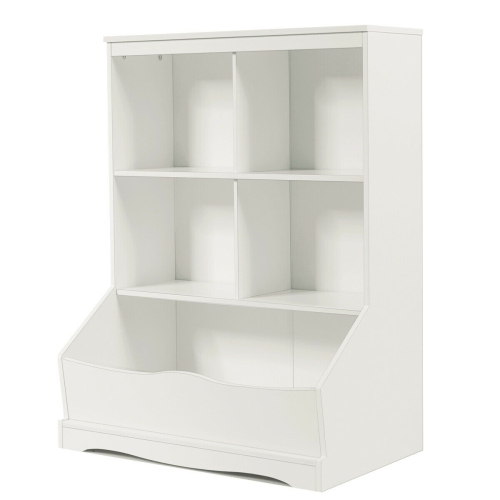


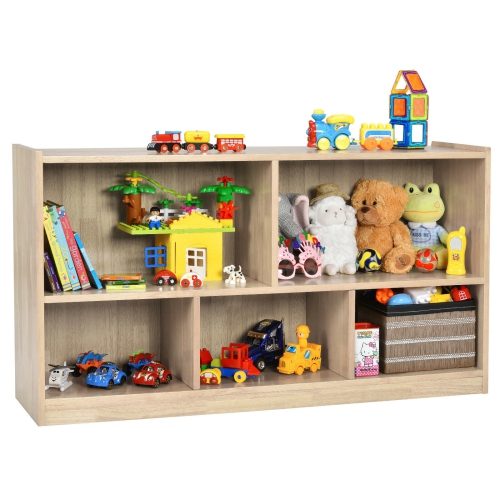
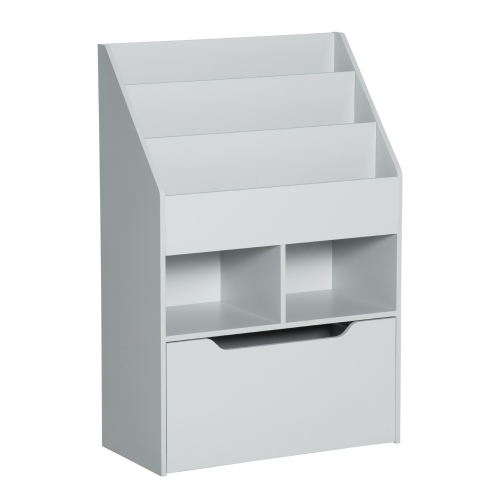
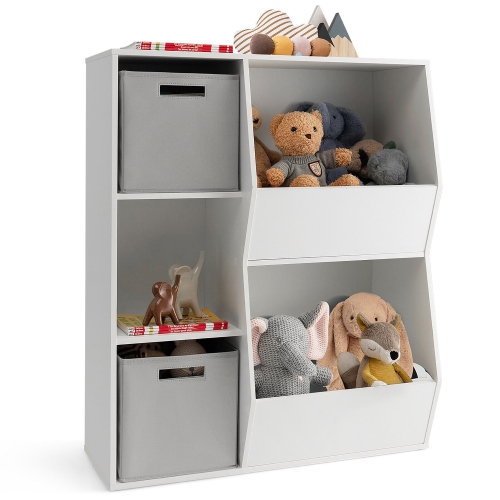
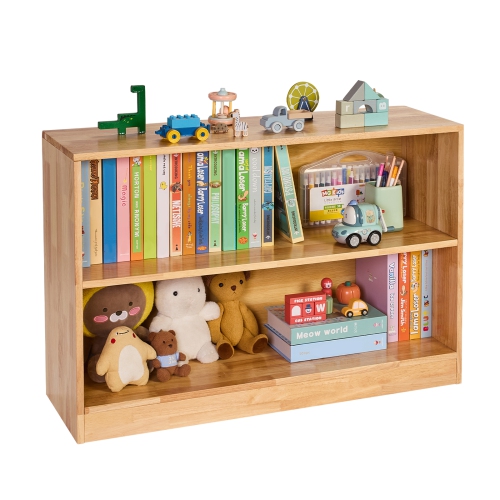
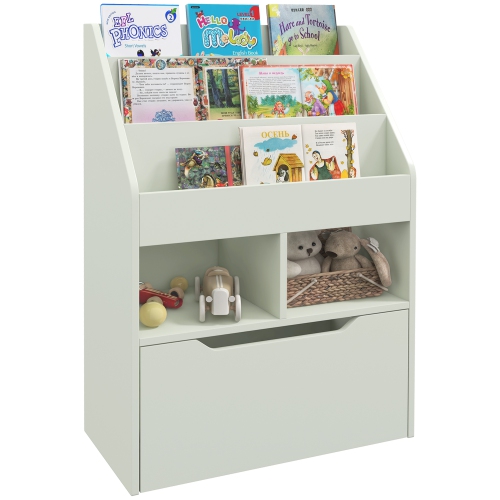
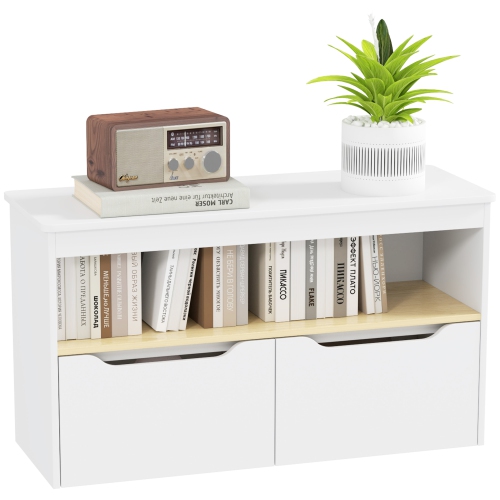
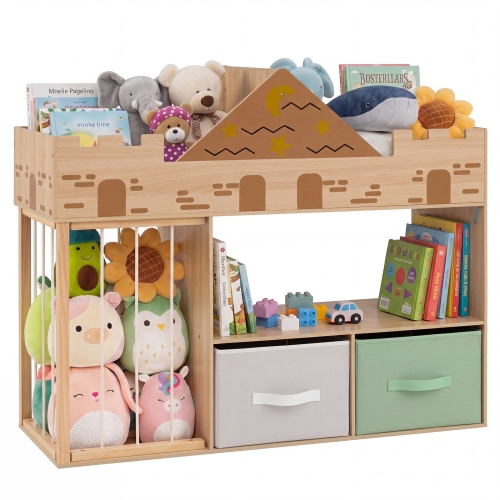
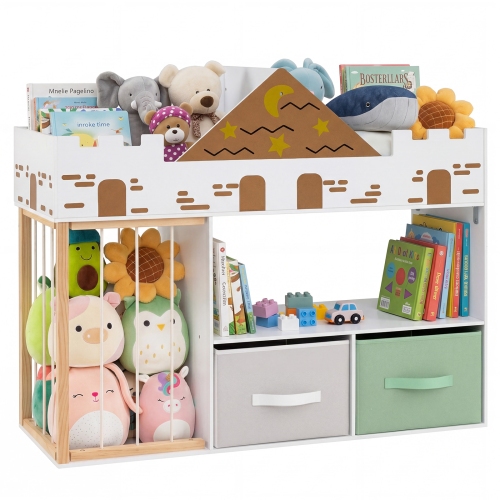
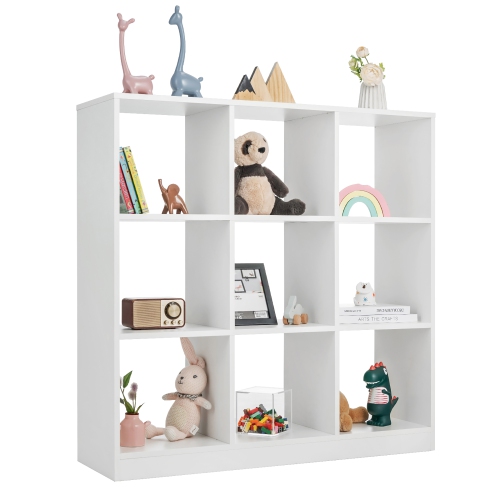
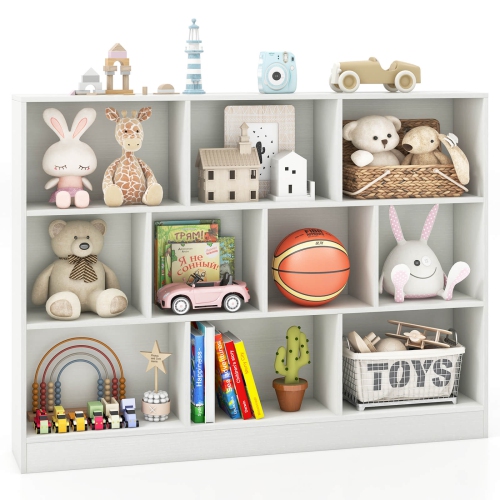

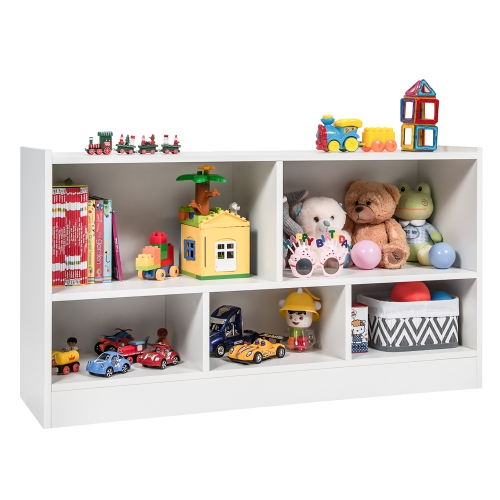
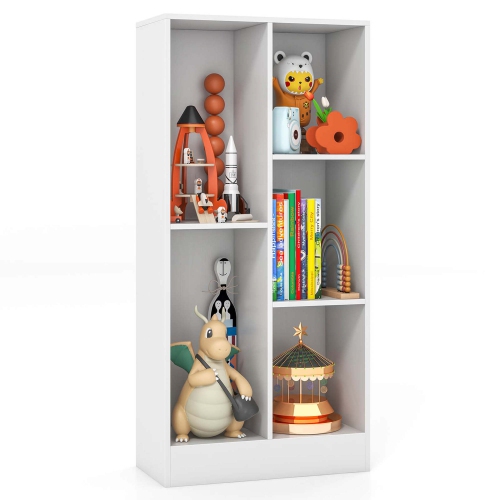
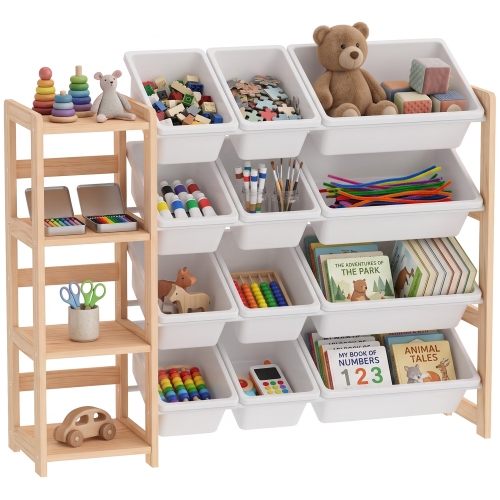
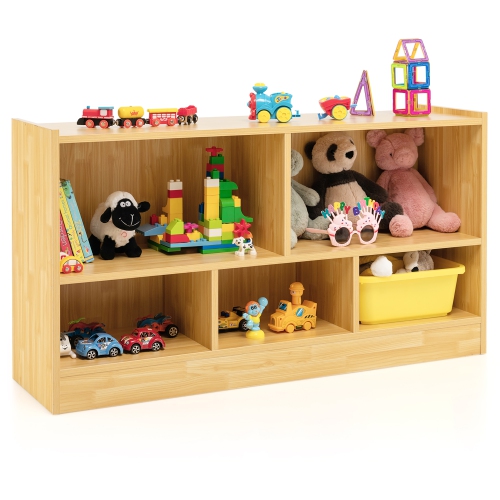
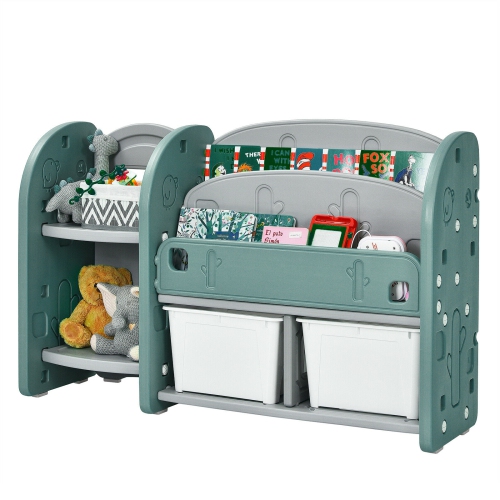
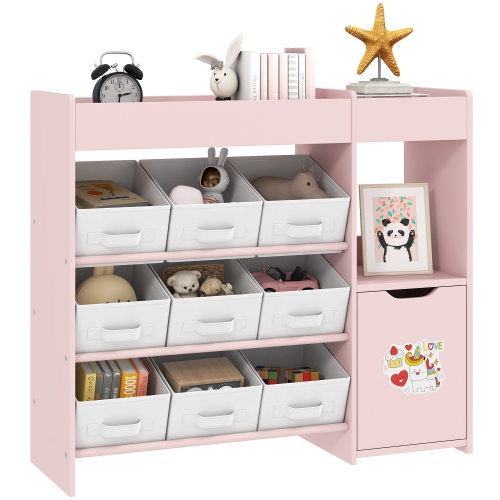
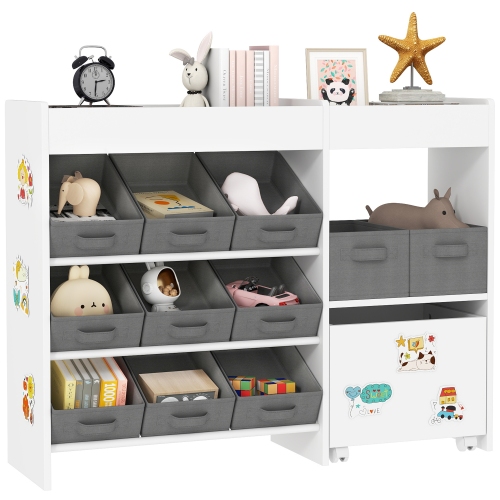
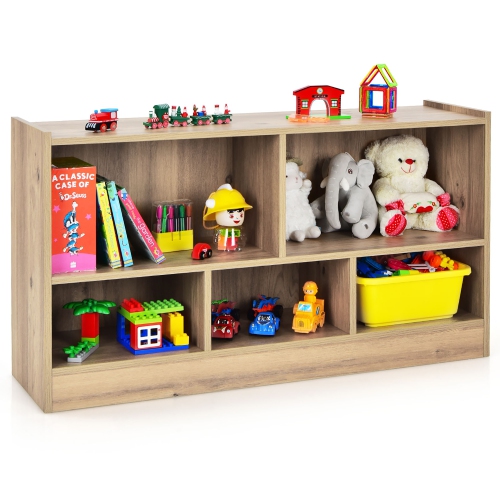
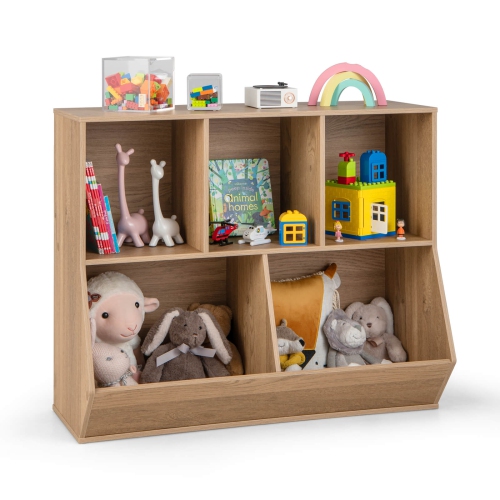
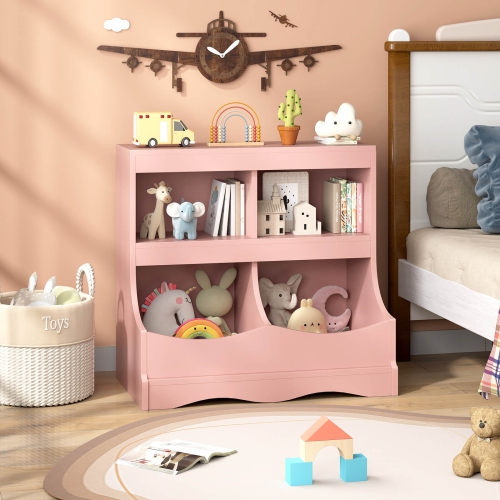
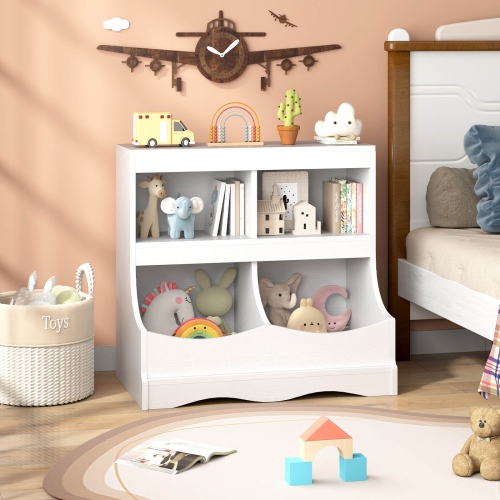
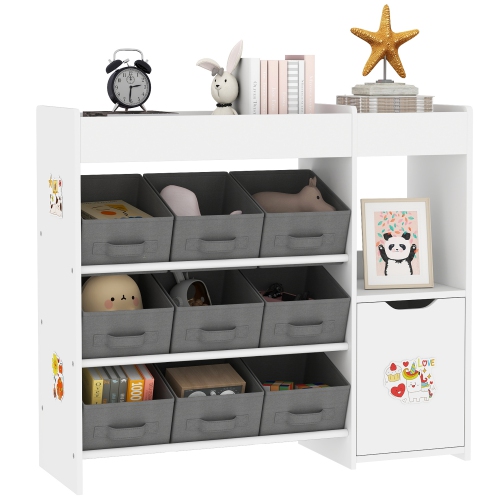
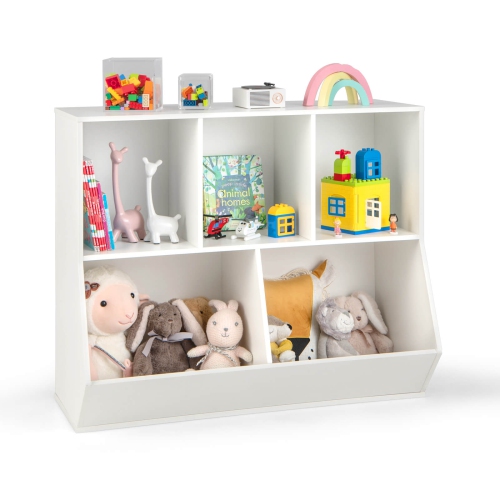
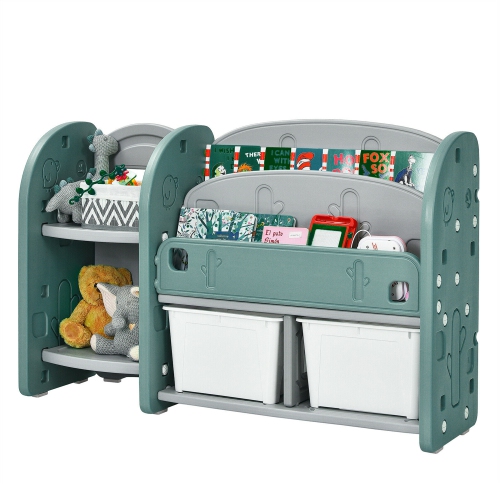
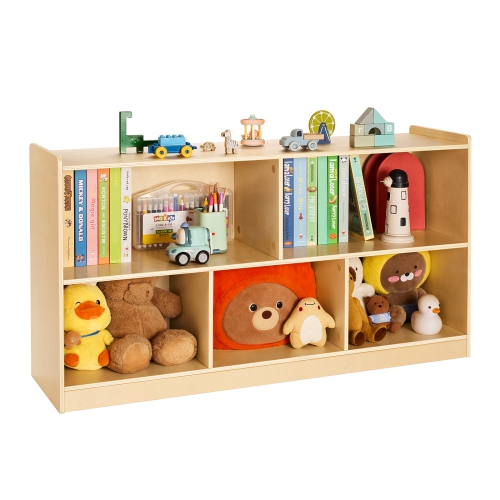
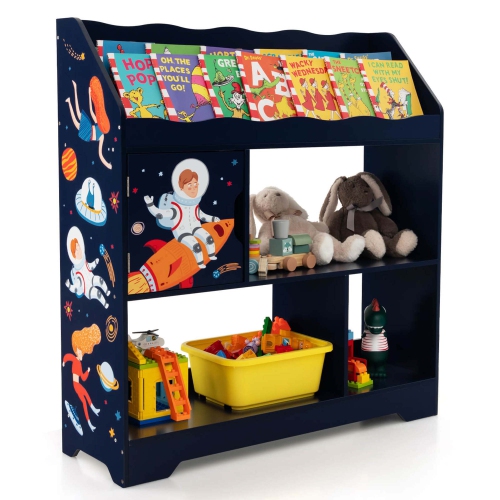
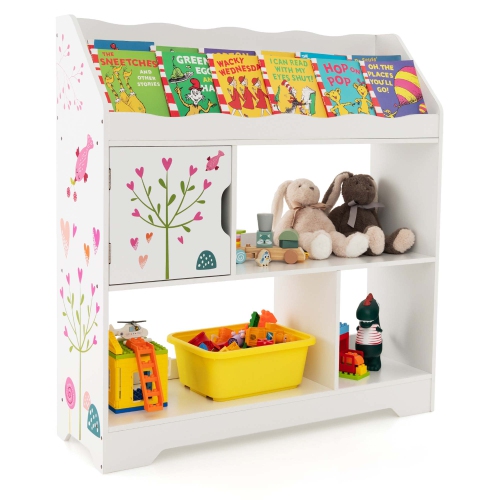
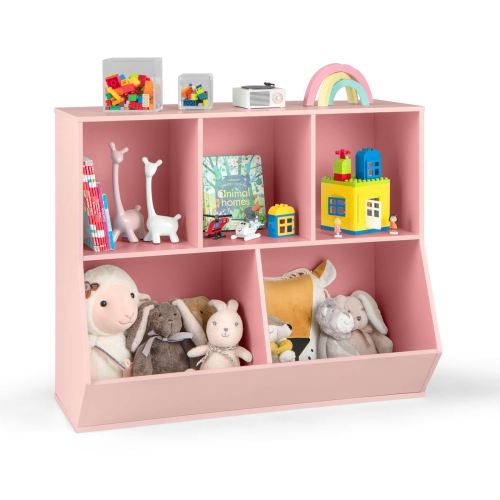
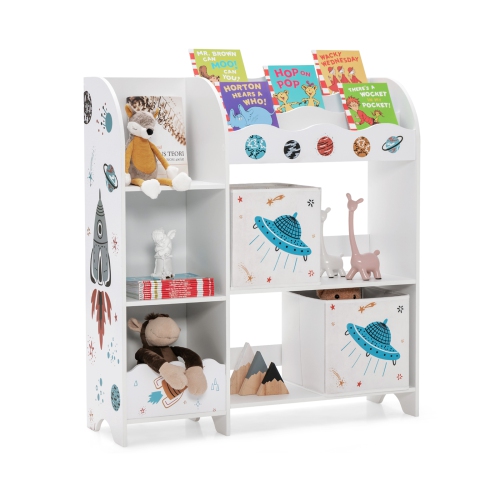
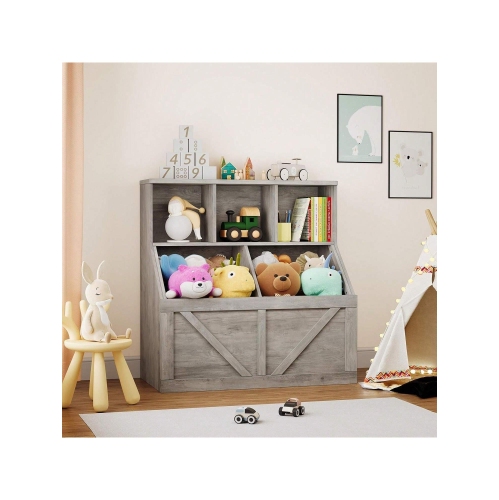
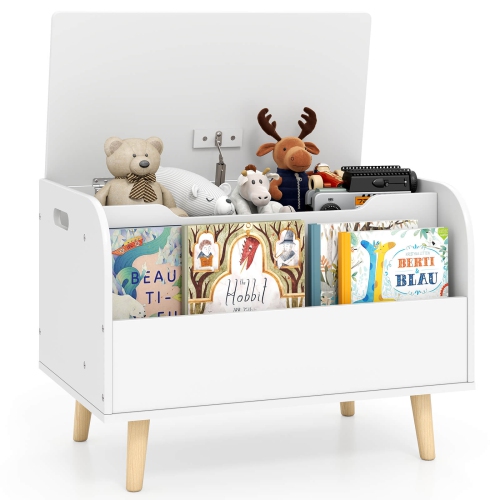
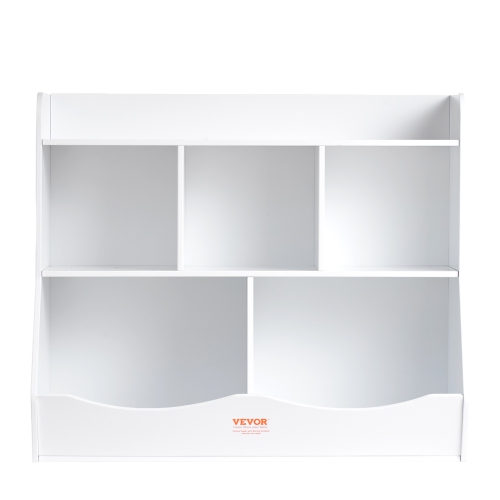
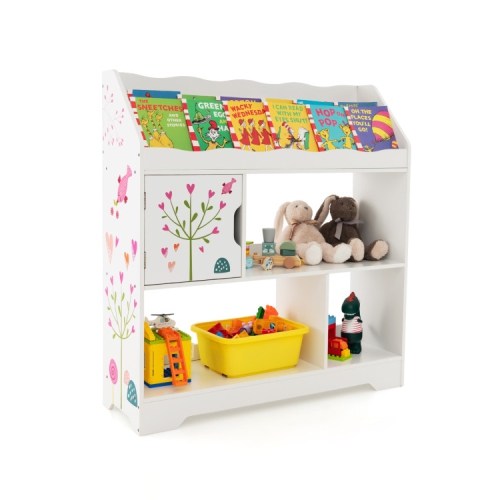
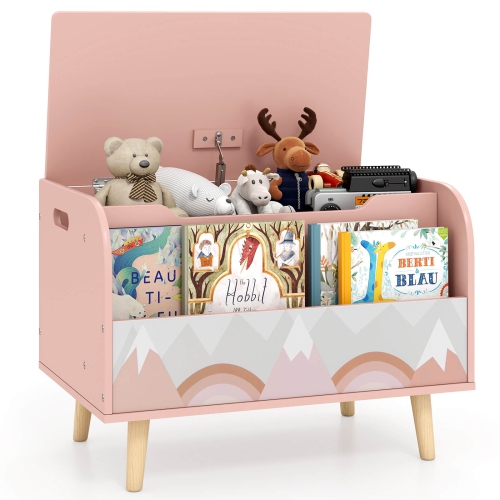


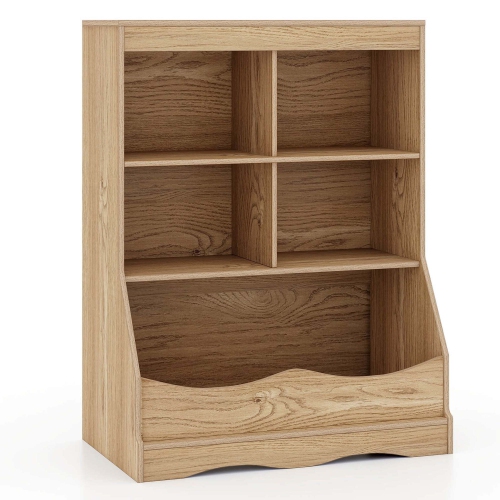
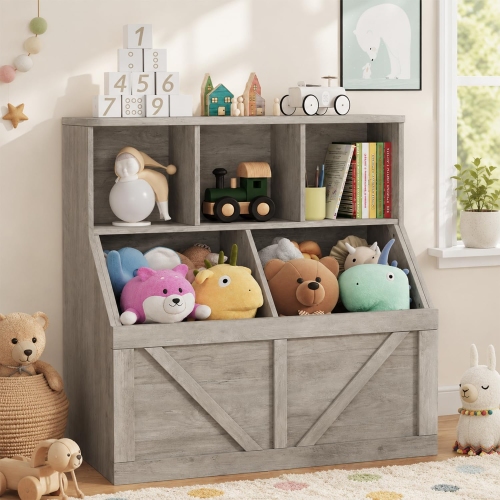

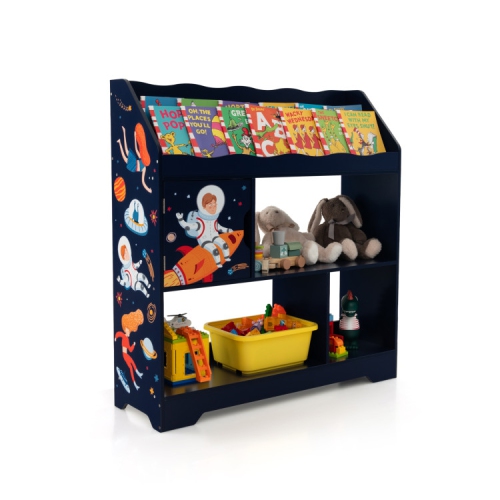
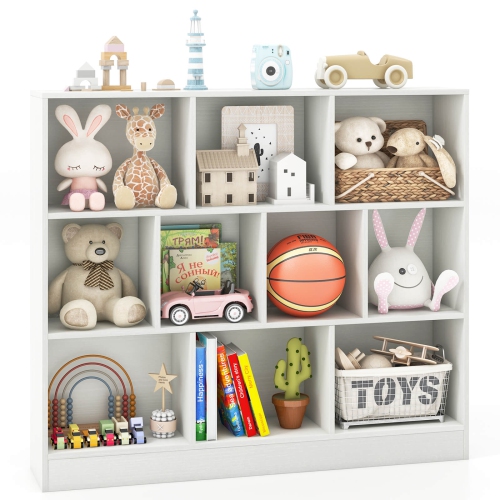
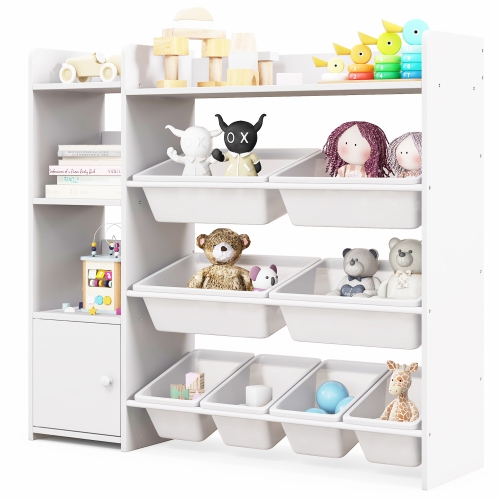
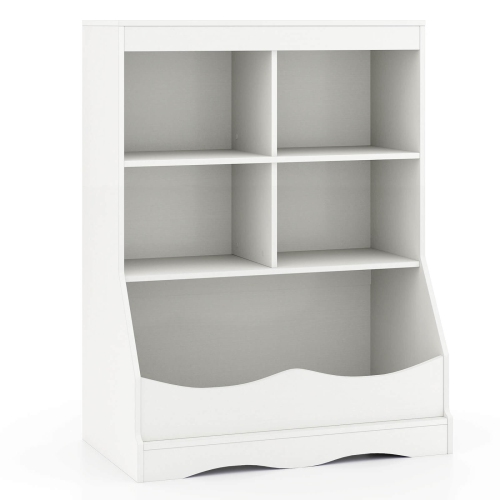
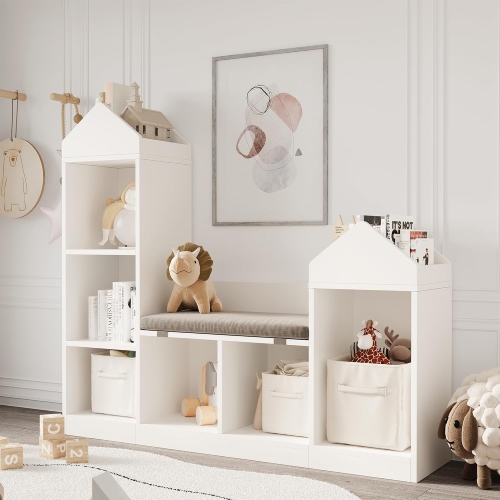

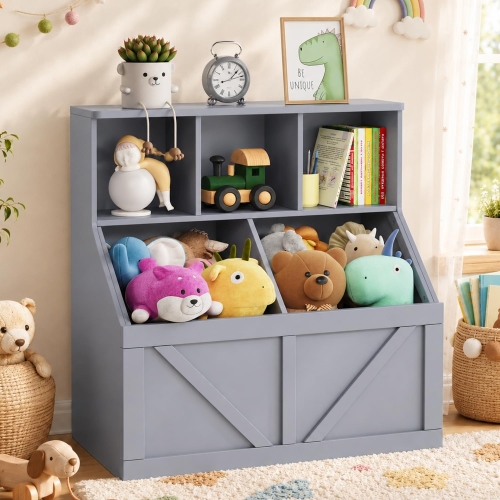


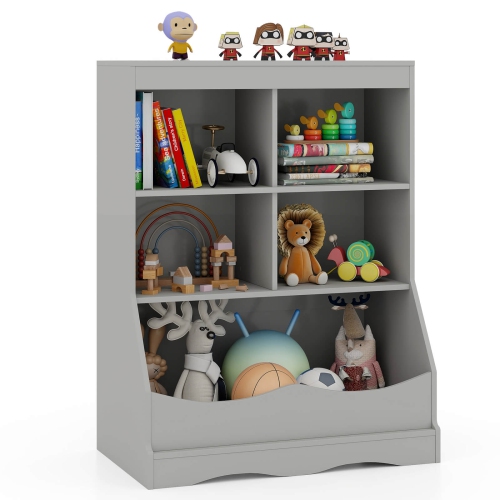
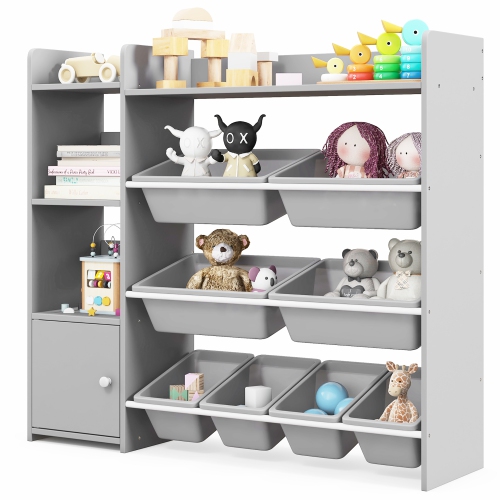
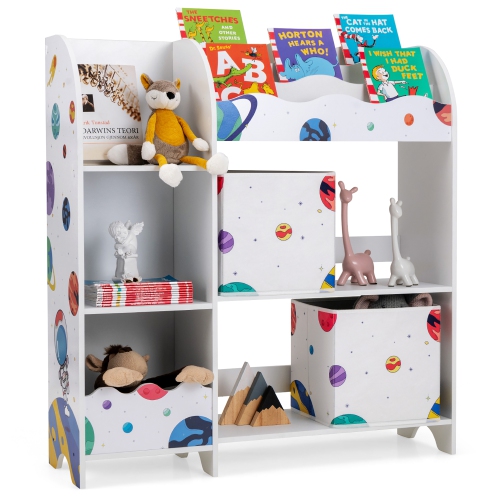
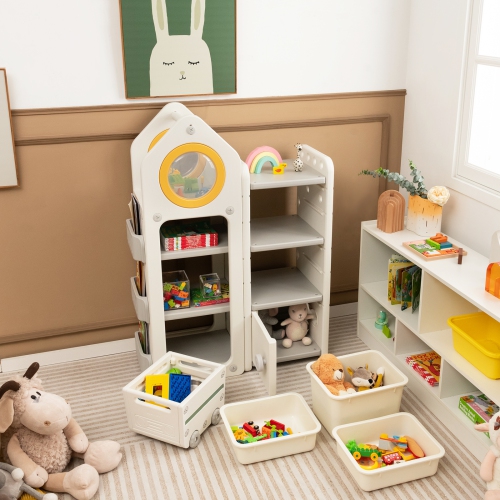
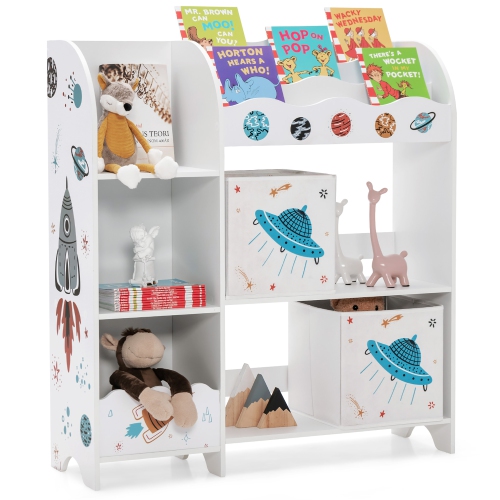
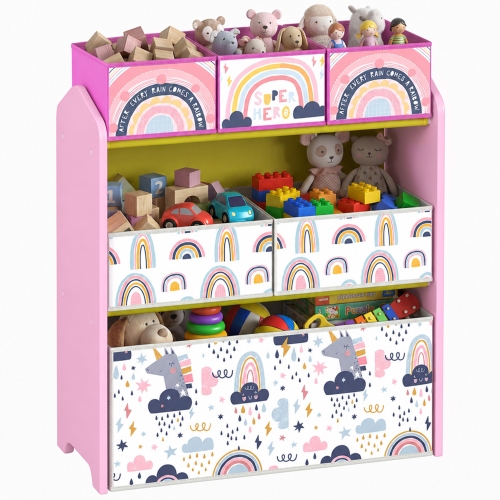
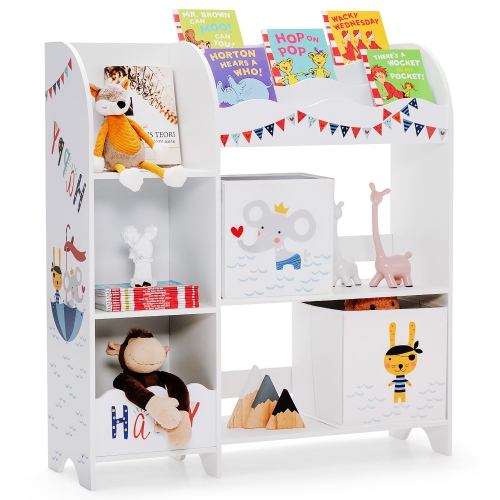
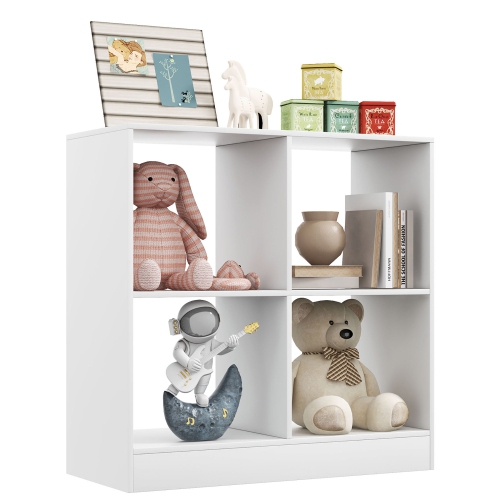
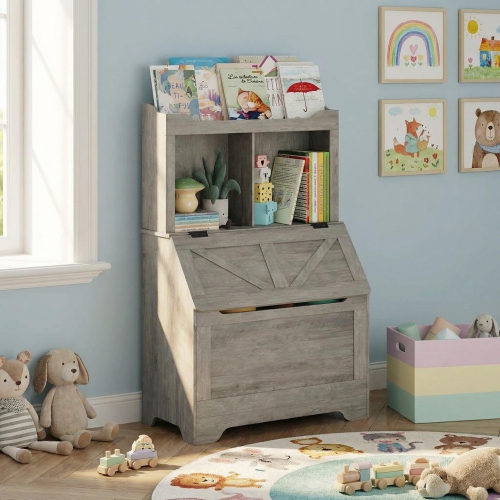
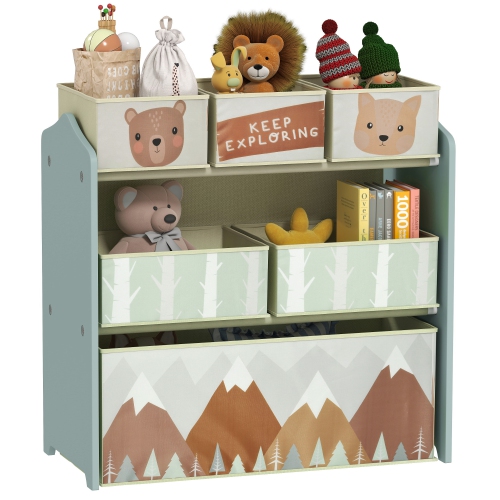
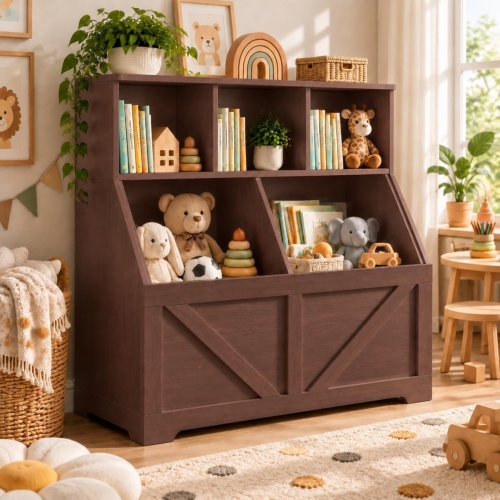
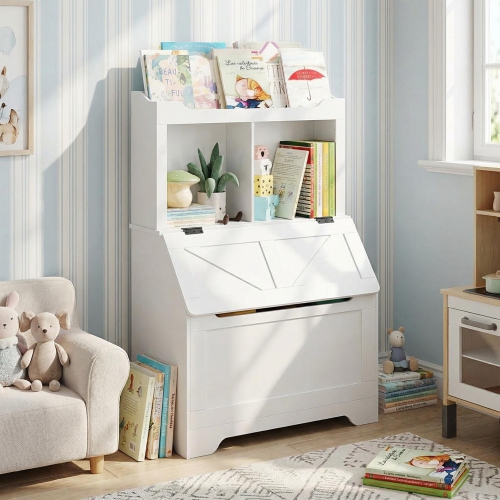
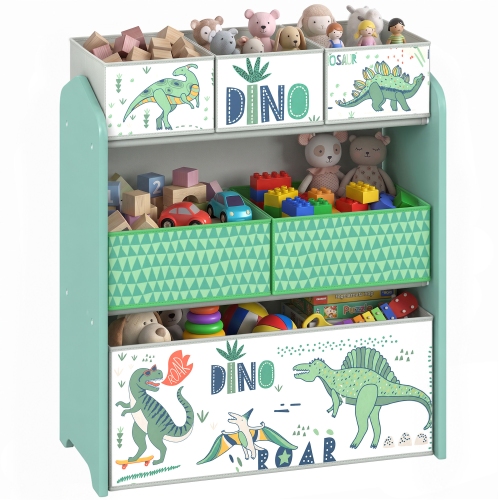
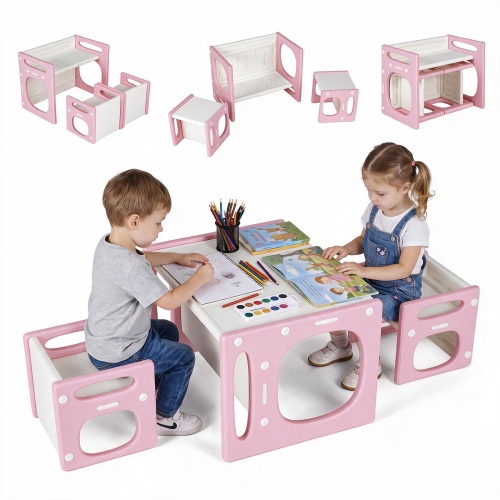
Favourite stories within reach, with room left for play
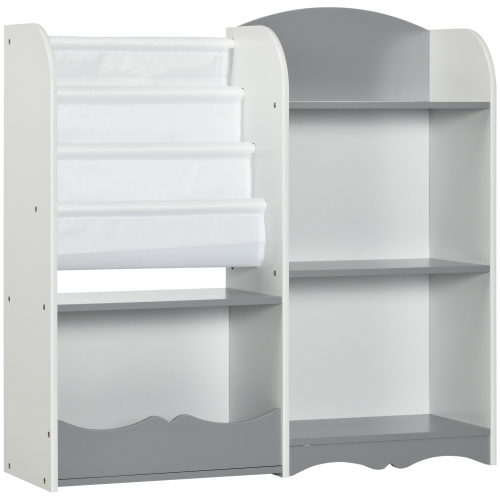
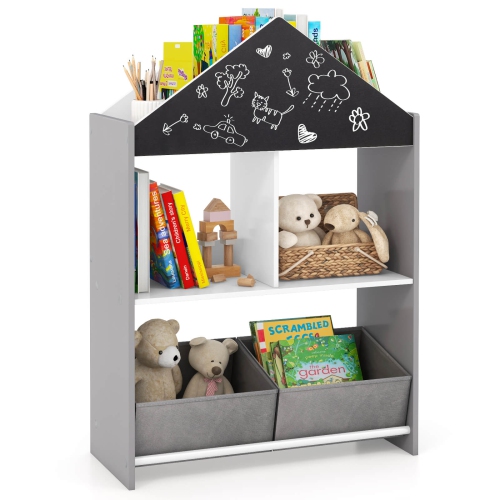
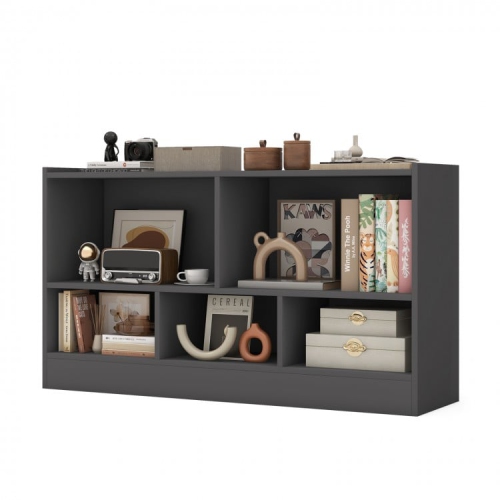
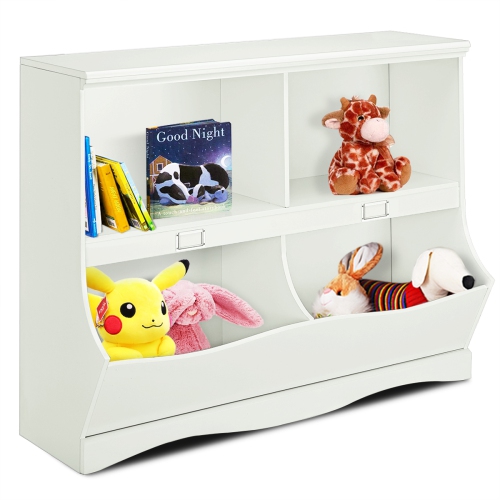
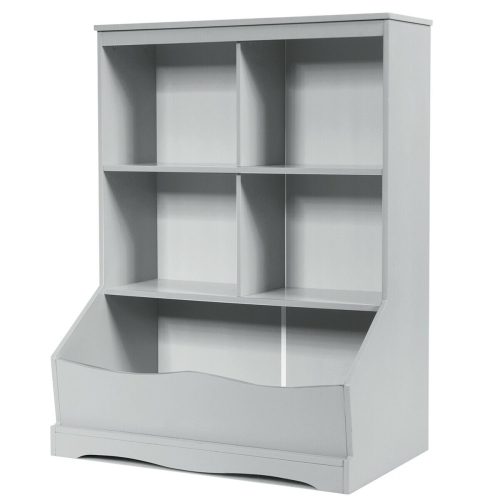
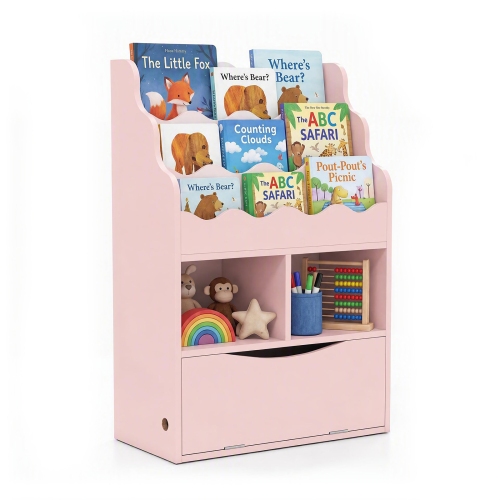
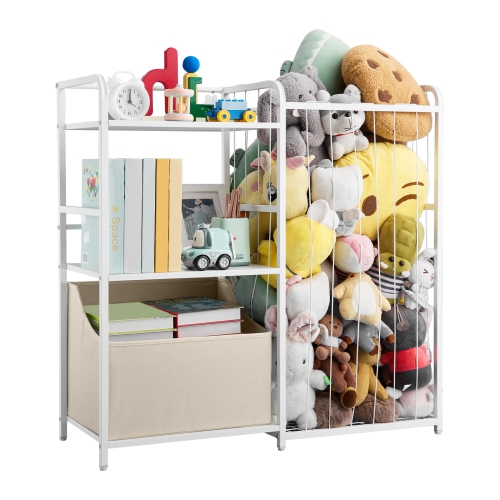
A small bookshelf for kids keeps favourite stories within easy reach without taking over a bedroom, nursery, or shared living space. Its purpose is slightly different from a full-size bookcase: the most useful designs make books easy for a child to notice, choose, and put away. Low, front-facing shelves display covers rather than spines, which can help toddlers and preschoolers recognize a familiar story before they can read its title. Traditional open shelves make efficient use of space for a growing collection, while cubbies can separate picture books, early readers, and small baskets of reading accessories. Sling-style book racks use fabric pockets to hold books upright, although pocket depth matters: a short board book can disappear inside a pocket designed for taller picture books. For a child who likes to choose a bedtime story independently, a low display with a few visible covers may be more practical than a tall unit packed tightly with books. For an older reader, open shelving with enough clearance for different book heights can accommodate changing interests. Compact shelving also suits a reading corner beside a comfortable chair, a playroom where floor space is needed for building and pretend play, or a shared bedroom where each child has a separate shelf. A small footprint does not always mean easy access, however. A narrow, tall bookcase uses less floor area but may place upper shelves beyond a young child’s reach, so overall height deserves as much attention as width and depth. The broader Small Bookshelf collection can also be useful when comparing compact storage proportions for different rooms. For children’s spaces, the strongest match is usually a bookshelf that fits both the room and the child’s everyday habits, with frequently used books stored at a comfortable height and enough open space to browse without pulling everything onto the floor.
Materials, construction, and layout all affect how a children’s bookshelf handles daily use. Solid wood can offer a sturdy structure and a natural grain that works with many bedroom styles, though its surface may still dent or scratch. Engineered wood provides a smooth, consistent surface and is often finished with paint, laminate, or veneer; the durability of edges, joints, and finishes is worth considering alongside the material itself. Fabric sling pockets create a softer storage surface, but their seams and supports need to hold the intended book load, and removable fabric is not necessarily machine washable. Metal frames can provide a slim profile, with joints and exposed edges deserving a close look. Across materials, a smooth finish, securely fitted components, and accessible surfaces make a meaningful difference in a space used by small hands. Rounded corners may reduce sharp contact points, but they do not replace careful placement and supervision. Measure the intended spot at floor level, allowing for baseboards, nearby door swings, drawers, and walking routes. A bookshelf that fits neatly against an empty wall may feel crowded once a child sits in front of it with an open picture book. Shelf depth should support books without leaving them projecting far into a walkway, and shelf spacing should suit the actual collection rather than just its book count. Oversized illustrated books need different clearance from compact board books or paperback chapter books. Check the stated weight limits, including limits for individual shelves or pockets, since a row of books can be surprisingly heavy. Follow the manufacturer’s assembly and anchoring instructions, and secure the unit to the wall as directed using hardware appropriate for the wall construction. A low bookshelf still needs attention to tip-over safety. Keep heavier books low, avoid placing tempting toys on top, and position the furniture away from windows, blind cords, heaters, and exits. Shelves are for storage, not climbing or sitting, unless the furniture is expressly designed for that use.
The right small kids’ bookshelf should be straightforward to live with after the room is arranged. Open shelves make it easy to spot a missing book and wipe away dust, while cubbies provide defined spaces that can help children learn where things belong. A front-facing display works well with a manageable selection of books, leaving enough room for a child to slide a title out without tugging at a tightly packed row. Rotating a few books from other storage can keep the display useful without filling every pocket or shelf. In a shared room, giving each child a lower section can simplify tidying and keep treasured favourites easy to find. A neutral finish can sit comfortably beside existing furniture as tastes change, while a colourful bookshelf can give a reading corner a clear place within a larger play area. Care should follow the manufacturer’s directions: many hard surfaces can be dusted with a soft cloth, and permitted damp cleaning should be followed by drying rather than leaving moisture along seams or edges. Fabric pockets may require spot cleaning or a specific washing method, and spills are easier to manage when addressed before they soak in. Periodically check fasteners, shelf supports, fabric attachments, and wall restraints, especially after moving the unit or rearranging the room. As a gift, a compact bookshelf can be a thoughtful choice for a young reader, a child moving into their own bedroom, or a family setting up a dedicated reading space, provided the recipient’s room measurements and preferred style are known. Its usefulness comes from the small routines it supports: choosing a story before bed, returning a board book after quiet time, or keeping library books together so they are easier to find. A well-proportioned bookshelf gives those routines a consistent home while leaving room for play, movement, and a book collection that changes as a child grows.
Top selling and popular products
-
 Your price for this item is $412.99
-
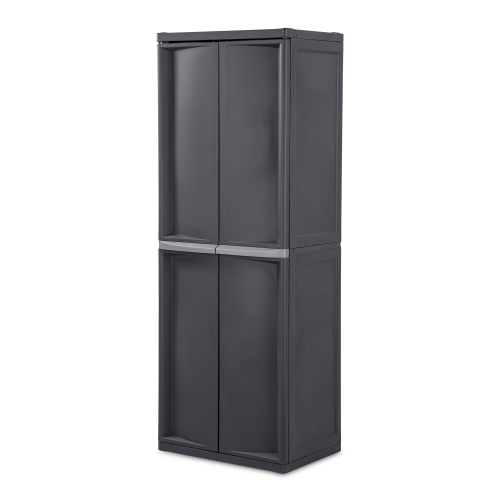 Your price for this item is $1530.99
-
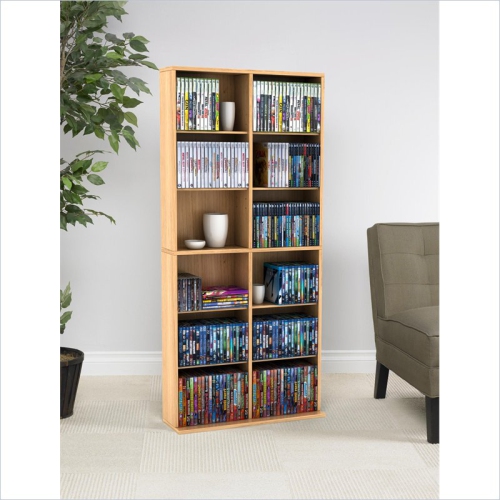 Your price for this item is $234.68
-
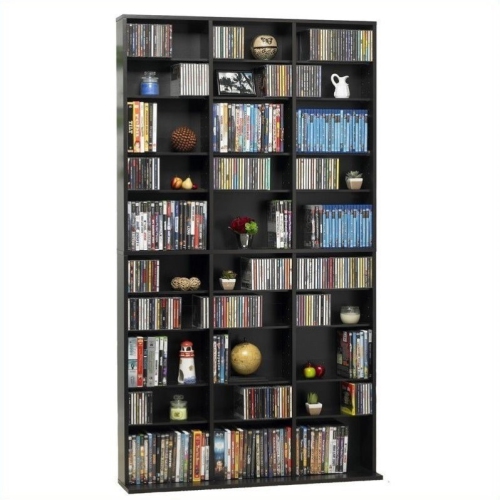 Your price for this item is $365.38
-
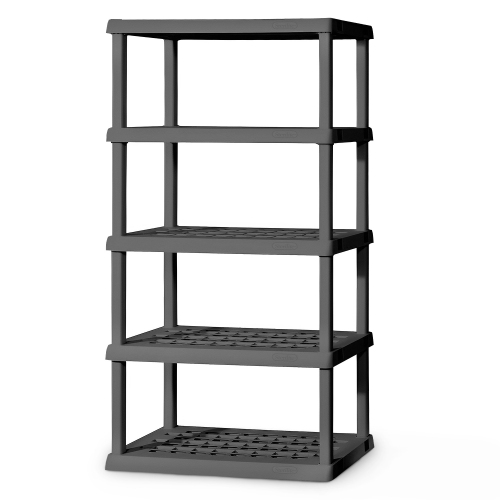 Your price for this item is $320.99
-
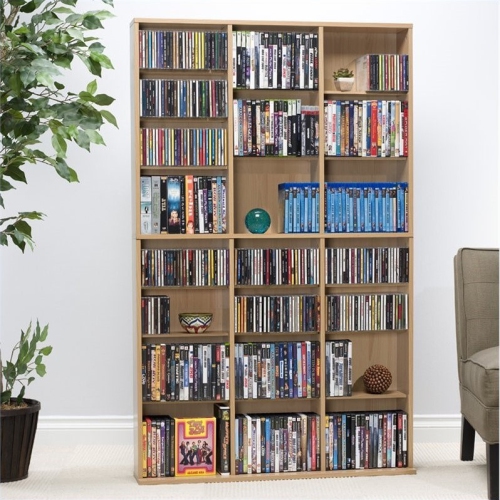 Your price for this item is $295.84
-
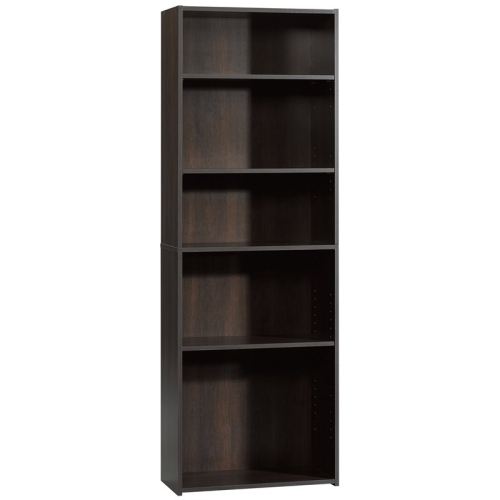 Your price for this item is $227.8
-
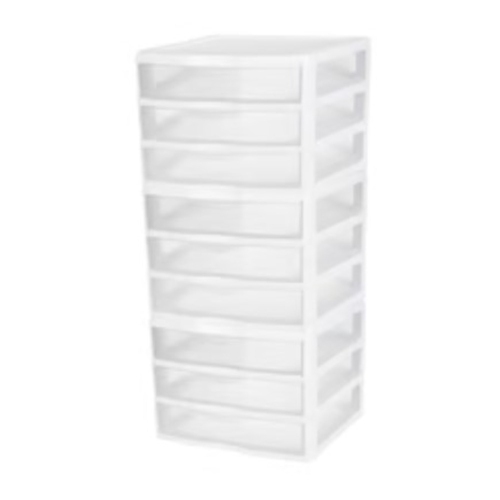 Your price for this item is $127.99
Discover more categories related to Small Bookshelf for Kids
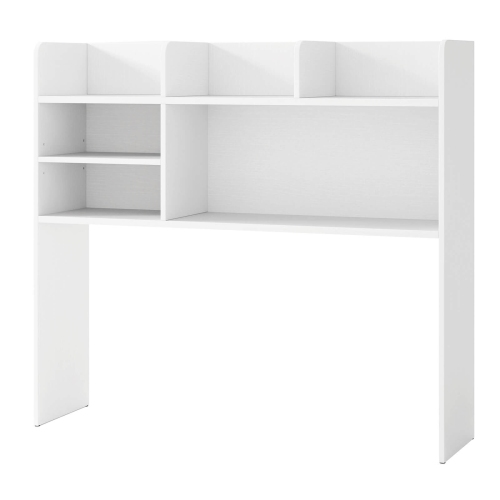
Top Collections:
Pokemon Centers, Best Cameras for Sports Photography, Kindle Devices, Samsung Galaxy Phones, Canon G7X Cameras, Pokémon 30th Celebration Cards, Refurbished Apple Laptops, iPhone 15 Apple, Laptops for Students, Budget Smartphones
Some products may be subject to Environmental Handling Fees
(EHF) depending on your province.
Learn more about EHFs.