Ladder Shelves Grey
A ladder shelf is a great way to store items in your home. It can be used in the garage, the basement, or even the kitchen. Here are some great options for grey ladder shelves.
Sort
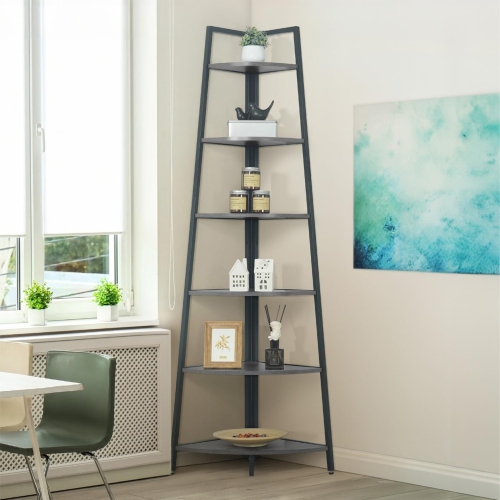
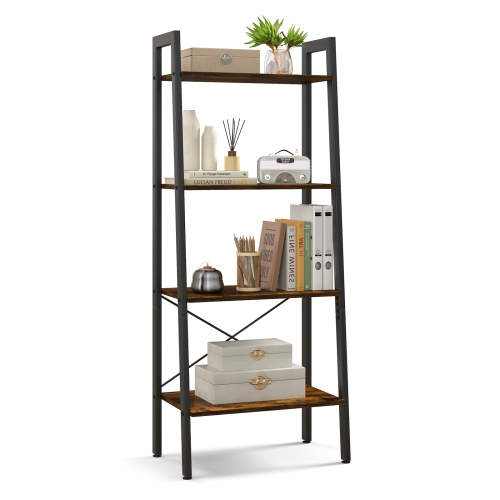
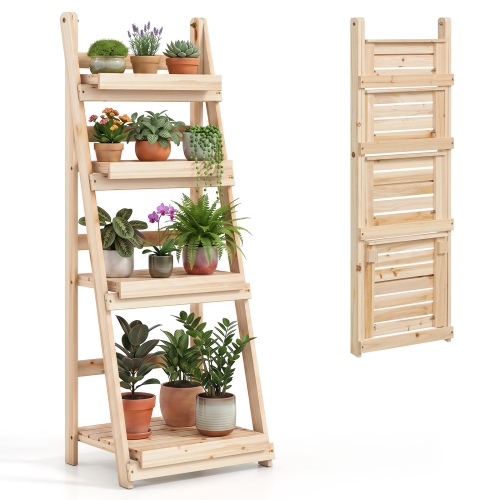
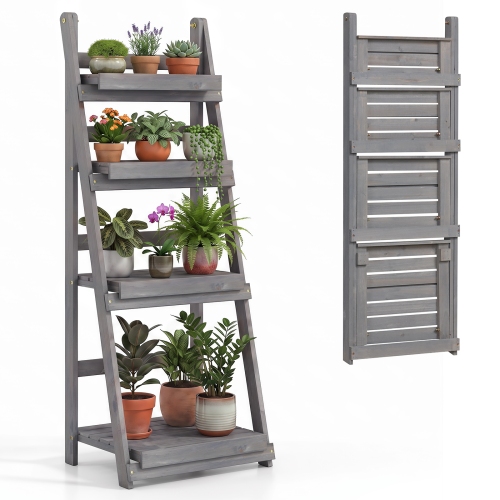
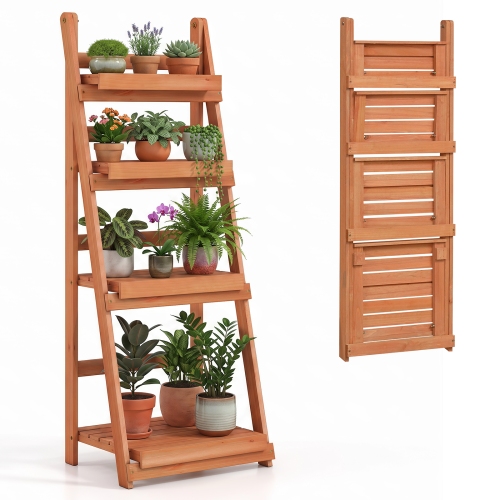
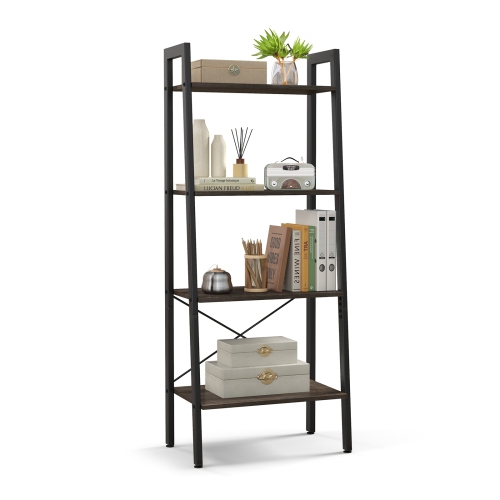

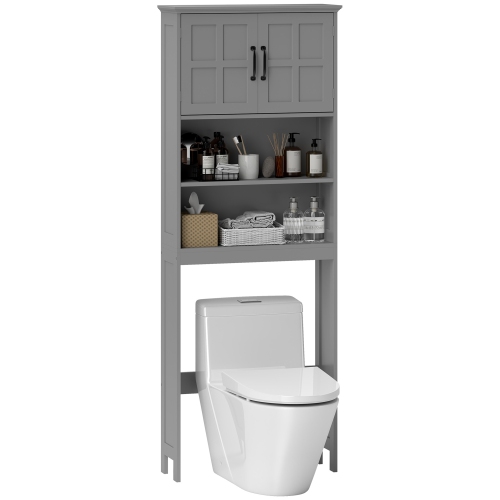

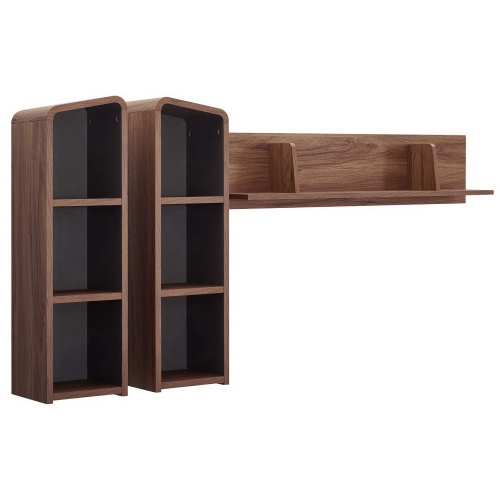
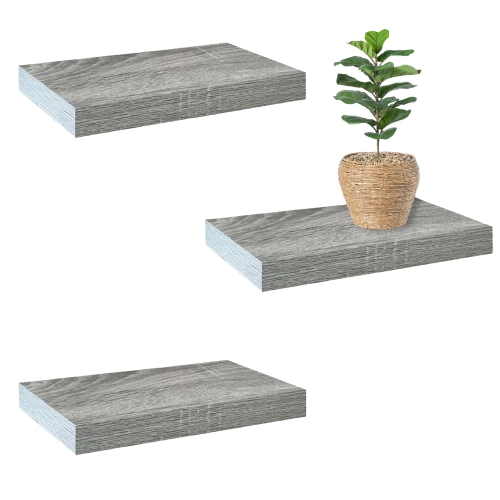
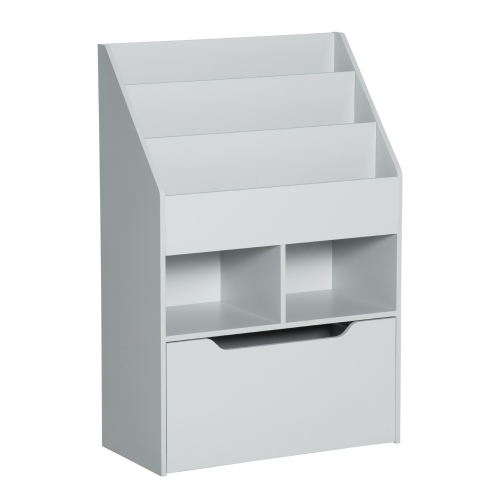


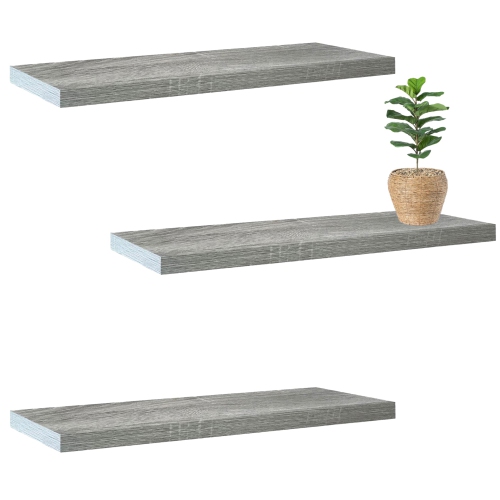
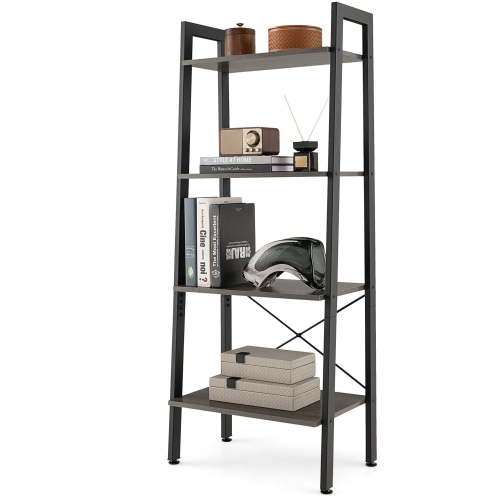
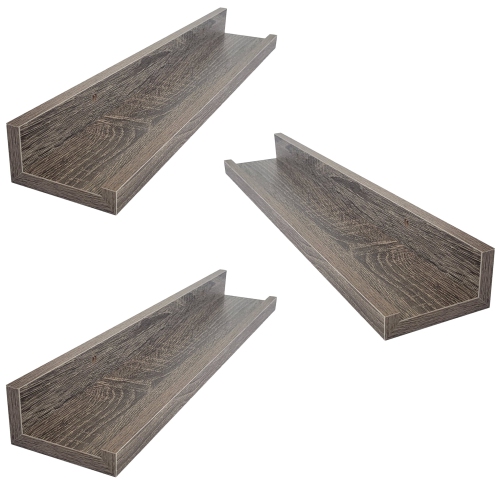
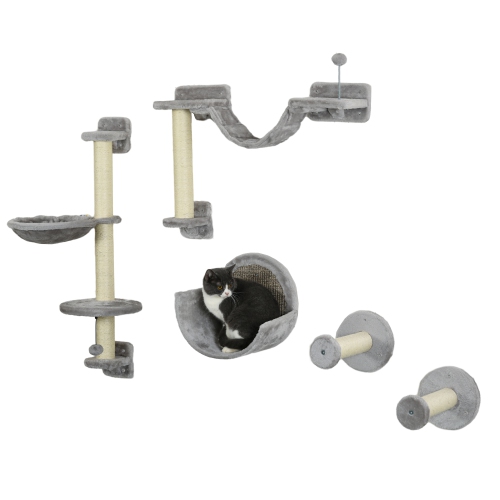

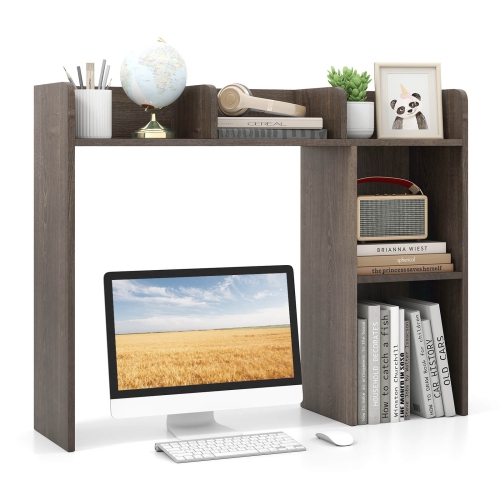
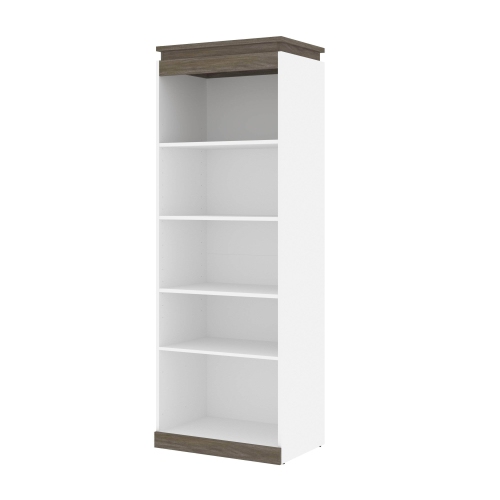
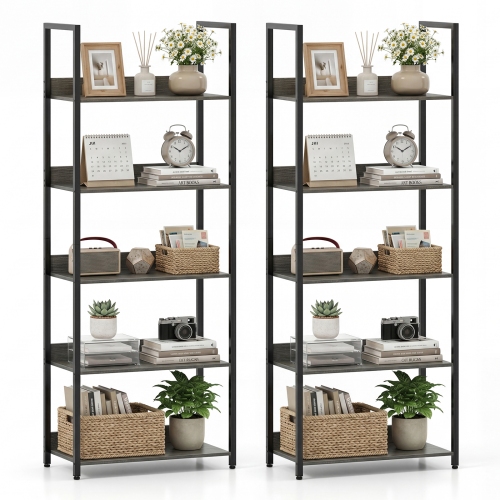
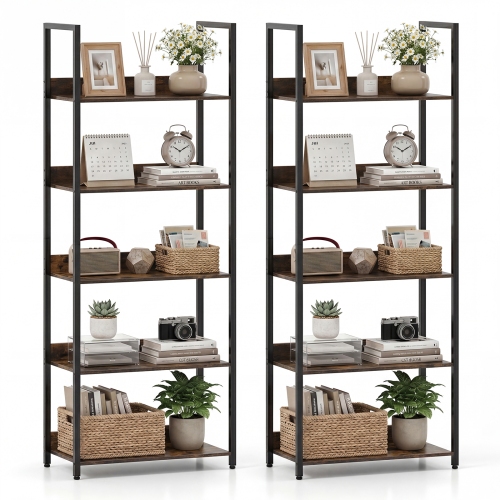
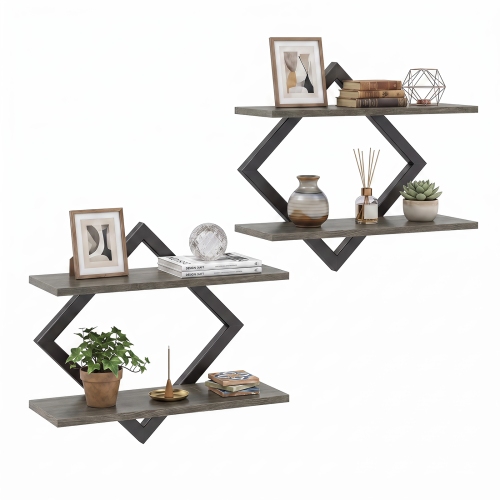
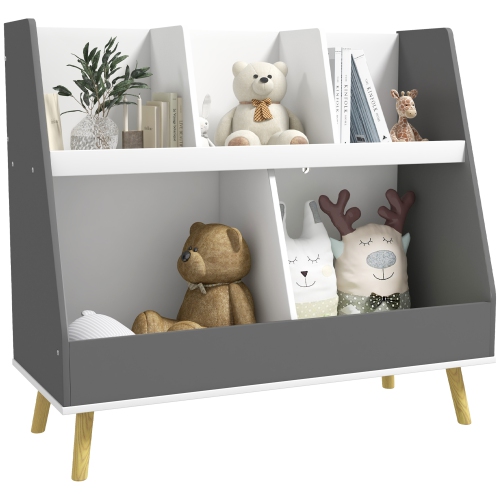
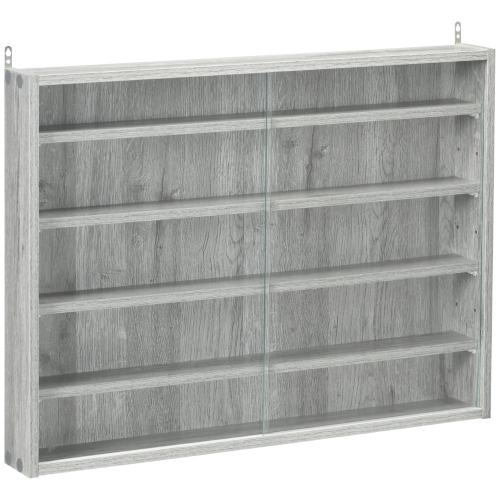
Tapered shelves add storage without overwhelming your room
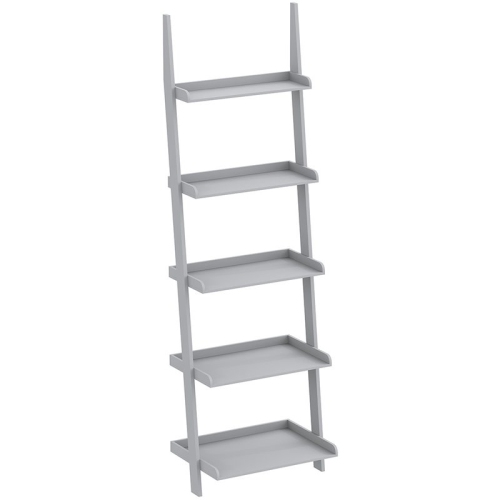
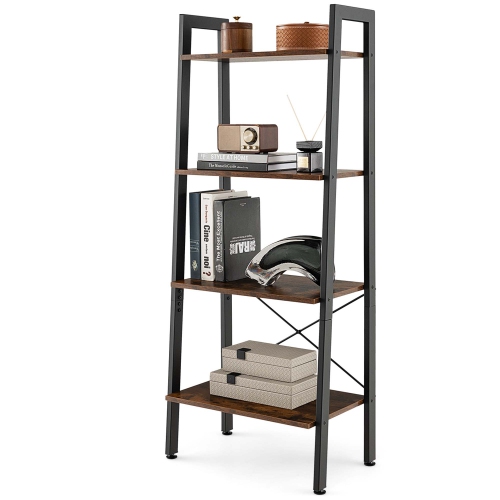
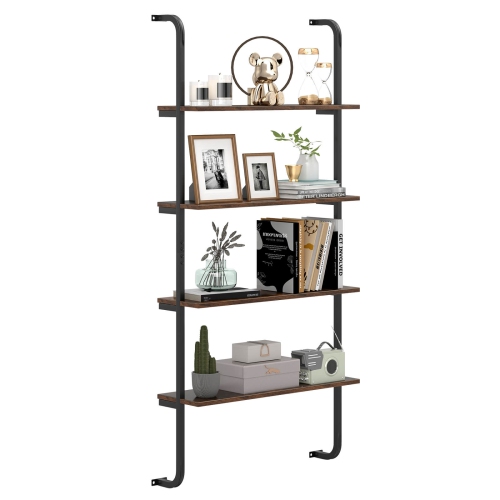
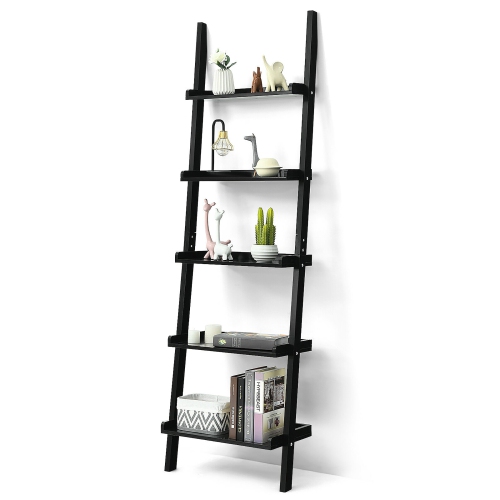
Grey ladder shelves are open shelving units with a ladder-inspired frame, often featuring deeper shelves at the base and shallower shelves toward the top. This tapered shape provides room for books, baskets, plants, and decorative objects without the solid visual presence of a closed bookcase. The open sides allow the wall behind the shelves to remain visible, helping a reading nook, living room, or home office feel less crowded. Grey finishes range from pale, weathered tones to deeper charcoal shades, with both smooth painted surfaces and finishes that reveal or reproduce wood grain. A light grey shelf can sit comfortably beside white walls and pale oak furniture, while a darker finish creates definition against cream upholstery or a softly coloured wall. Undertones matter as much as shade: a warm grey may coordinate with beige textiles and brown wood, while a cooler grey pairs naturally with black metal and crisp white accents. Ladder shelving can serve several purposes throughout a home. Beside a desk, it can keep reference books, notebooks, and small storage boxes within reach. In a living room, it can bring together a modest book collection, framed photographs, and a trailing plant. In a bedroom, baskets on the lower tiers can provide a place for accessories while the upper shelves hold lighter display pieces. The right layout depends on both the room and what needs storing. Straight units suit an open stretch of wall, while corner designs make use of the meeting point between two walls; Gray Corner Ladder Shelves offer a related shape for that placement. Although ladder shelves often look compact, their usefulness comes from matching shelf depth and spacing to everyday belongings rather than simply choosing the tallest frame. Leaving a little open space between groups of objects also makes individual pieces easier to see and keeps the shelves from feeling crowded.
Construction affects how grey ladder shelving looks, feels, and performs over time. Solid wood can show natural differences in grain and texture beneath a stained or painted finish, giving the frame a less uniform appearance. Engineered wood, including MDF and particleboard, can provide a smooth surface for painted, laminated, or veneered finishes, although the quality of the surface and edge treatment matters for everyday wear. A wood-look finish describes appearance rather than confirming that a shelf is solid wood, so material details are worth checking. Metal frames paired with wood or engineered wood shelves create a more defined outline, and the joints, braces, and fasteners contribute to stability alongside the materials themselves. Ladder shelves also differ in how they stand. Some are designed to lean against a wall, while others have a freestanding frame with a ladder-like profile. Neither appearance alone nor the word “freestanding” establishes whether wall anchoring is required; assembly and anchoring directions should always be followed. Before choosing a size, measure the full width, height, and floor depth, including the base, feet, and any required distance from the wall. Baseboards can affect how a leaning frame sits, and nearby doors, drawers, outlets, and walking routes need clearance. Shelf measurements deserve a separate look because a deep bottom tier does not mean every tier will accommodate the same objects. Tall binders need enough vertical clearance, wide baskets need usable shelf width, and large books should not project awkwardly beyond the front edge. Check both the stated capacity of each shelf and any total unit weight limit, since these vary by design. Distribute weight according to the manufacturer’s instructions, generally keeping heavier belongings low and lighter objects higher. A row of hardcovers or a filled plant pot can weigh considerably more than its size suggests. Shelving should never be used as a climbing ladder, and appropriate anti-tip installation is especially important wherever children or pets may reach it.
Daily use is easier when a ladder shelf is arranged around the way the room works. In a reading area, frequently handled books belong on a comfortable-to-reach tier, with a small basket below for reading glasses, bookmarks, or charging cables. Near a workspace, matching boxes can contain loose stationery without hiding every useful object behind a door. A few upright books, a low stack laid flat, and one framed photograph create variety without requiring a shelf full of ornaments. Baskets are particularly useful on deeper lower tiers, but their handles and lids should have enough clearance to work without scraping the shelf above. Felt pads beneath rough-bottomed accessories can help protect the finish, while trays or waterproof saucers beneath plants help contain stray drops; spills still need prompt attention. Plant placement should suit the light in the room, and watering plants away from the shelving reduces the chance of moisture collecting around edges and joints. In bathrooms or other areas exposed to frequent splashes or humidity, use only shelving described as suitable for those conditions. Grey colouring does not make a finish water-resistant. Routine care usually starts with a soft, dry cloth, followed when permitted by a lightly damp cloth and immediate drying. Follow the care directions for the particular finish rather than assuming that a polish or household cleaner is suitable for every surface. Abrasive tools and excess moisture can damage coatings, and dragging storage bins across a shelf may leave marks over time. Check fasteners and wall attachments periodically as directed, and reassess stability after moving the unit. For renters, the permitted wall-fixing method is an important consideration before bringing shelving home. Grey ladder shelves can also make a thoughtful housewarming gift when the recipient’s measurements, storage needs, and taste are known. Their strongest appeal is practical flexibility: the same open frame can hold study materials in a home office, display pottery in a dining area, or organize books beside a favourite chair, provided its dimensions and load limits suit the task.
Top selling and popular products
-
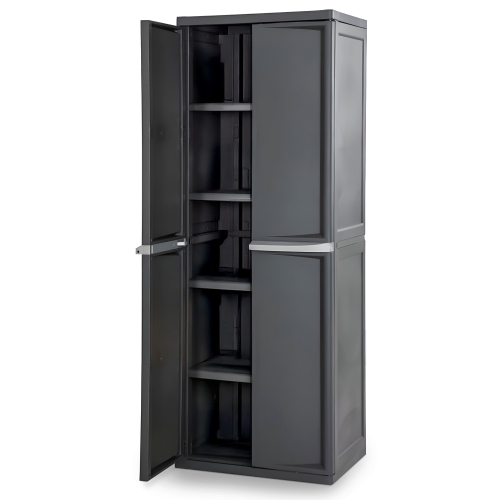 Your price for this item is $576.99
-
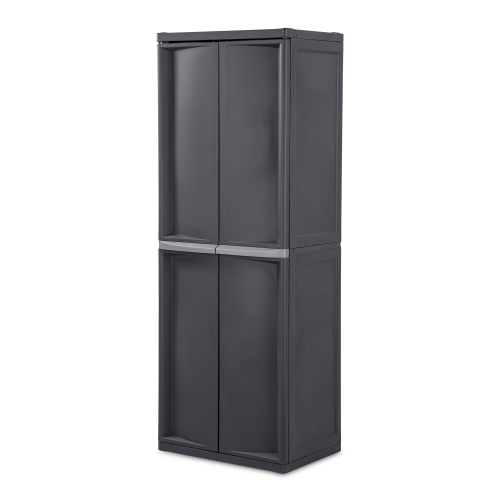 Your price for this item is $1132.99
-
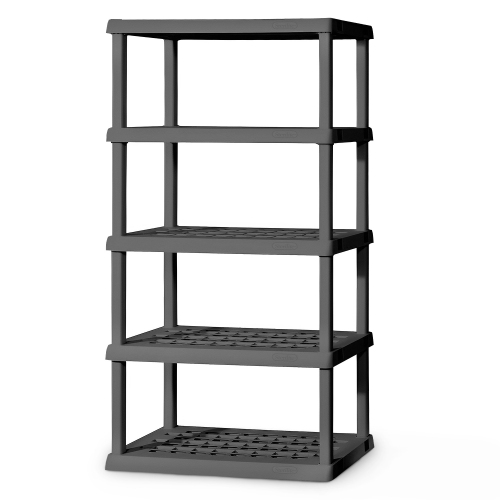 Your price for this item is $356.99
-
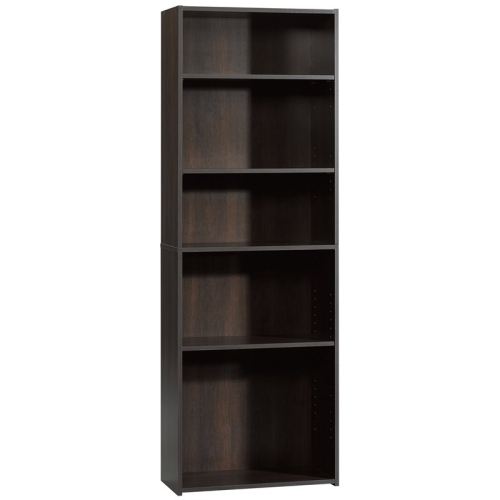 Your price for this item is $208.99
-
 Your price for this item is $169.99
-
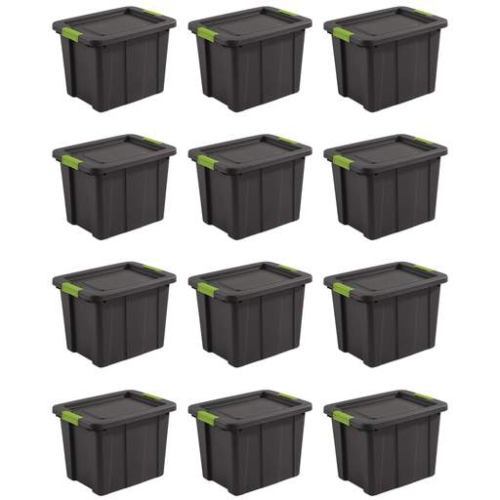 Your price for this item is $604.99
-
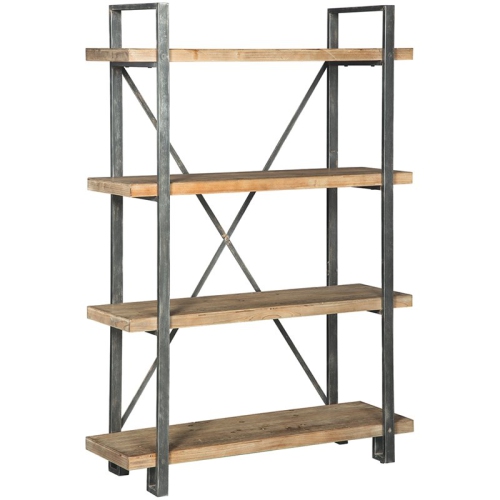 Your price for this item is $599
-
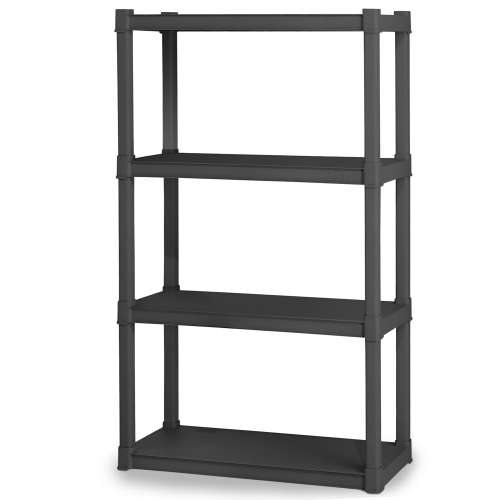 Your price for this item is $254.99
Discover more categories related to Ladder Shelves Grey
Top Collections:
Best Black Friday Deals This Year, Best Black Friday Deals On Electronics, Kindle Devices, Pokemon Centers, Best Black Friday Deals On Apple Products, Best Cameras for Sports Photography, Dyson Airwrap, Pokémon 30th Celebration Cards, Apple iPhone 17 Pro, Canon G7X Cameras
Some products may be subject to Environmental Handling Fees
(EHF) depending on your province.
Learn more about EHFs.