Bosch Dishwashers Price

Compare Bosch dishwasher prices to find an option that fits your budget and kitchen. As you browse, weigh the price against capacity, dimensions, noise level, and wash options to narrow your choices based on what matters most in your daily routine.
Sort

Why similar dishwashers can suit different daily routines

Dishwashers bring order to the daily mix of breakfast bowls, lunch containers, dinner plates, and cookware that gathers around a busy kitchen sink. The differences between them become most noticeable in ordinary use: whether tall glasses fit securely, whether a serving dish leaves room for cutlery, and whether a cycle can run comfortably while someone watches television nearby. Cleaning performance depends on more than the number of wash programs. Spray coverage, water circulation, detergent dispensing, filtration, and the way dishes sit in the racks all contribute to the result. A heavily soiled cycle is intended for more demanding loads, while lighter settings suit dishes without dried-on food; exact cycle names and recommended uses vary. Sensors on some dishwashers adjust parts of the wash according to the soil detected, although loading and appropriate detergent remain important. Interior materials also deserve attention. Stainless steel tubs resist staining and tolerate the heat used during washing and drying, while plastic tubs have different care requirements and may show discolouration over time. Neither material alone determines how well an appliance cleans or how long it will last. Rack construction, protective coatings, door hinges, seals, and accessible filters all affect the experience of ownership. A rack that rolls smoothly when filled with plates can matter as much as a feature listed on a control panel. Noise is another meaningful distinction, especially in an open-plan home where the kitchen shares space with conversation, homework, or a dining table. Sound ratings are expressed in decibels, usually shown as dBA, with lower figures generally indicating quieter operation under the stated test conditions. Installation, surrounding cabinetry, and the contents of a load can still affect the sound heard in the room. These everyday details help distinguish dishwashers that appear similar from the outside but serve different routines, from a single-person household running smaller loads to a family clearing dishes after several meals at home.

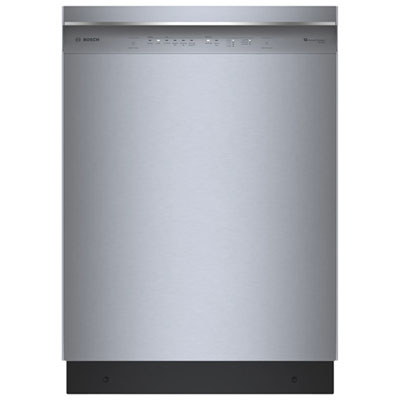
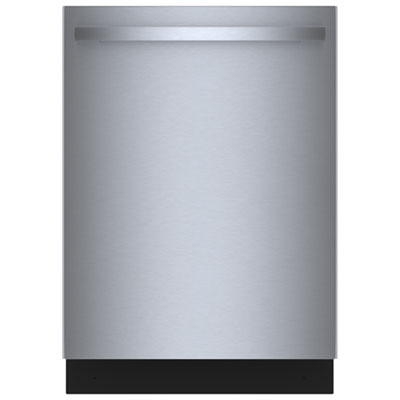
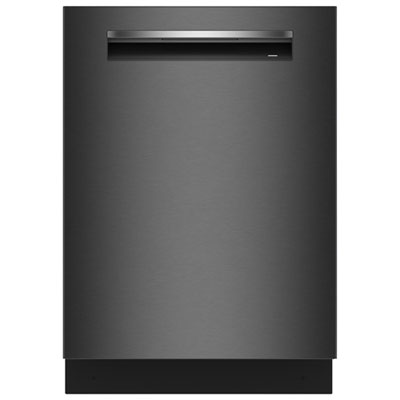
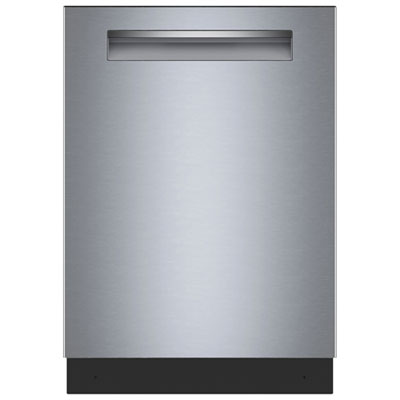
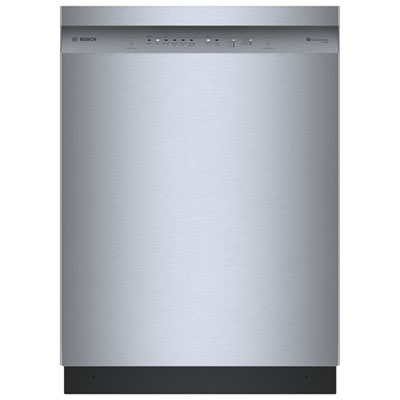
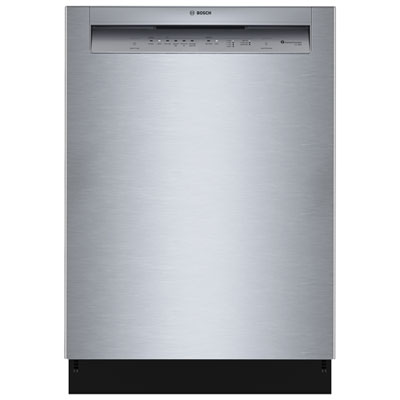
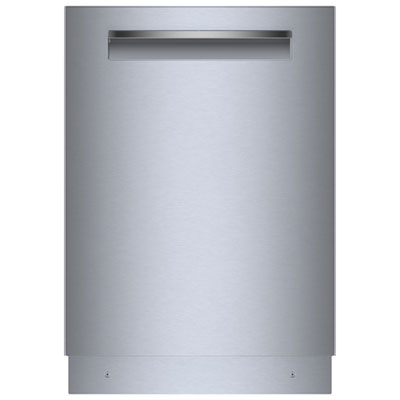
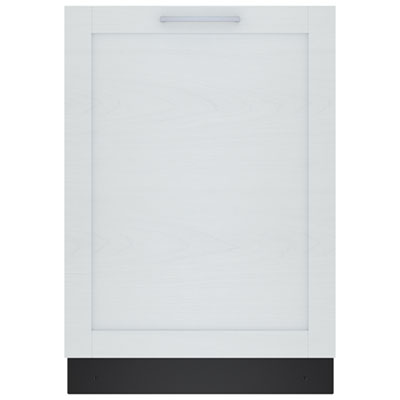
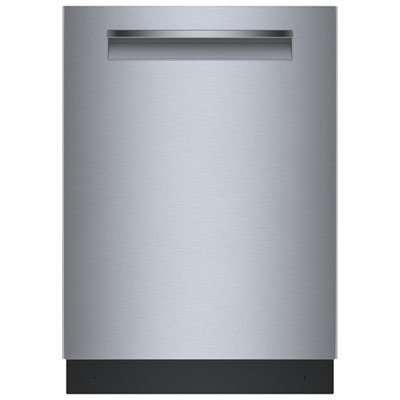
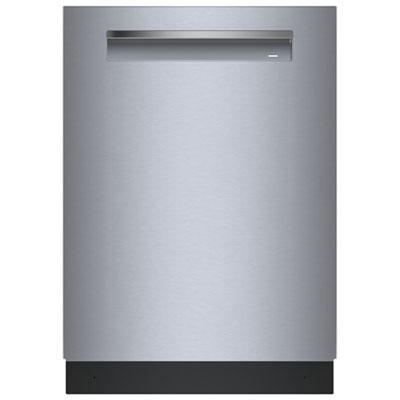
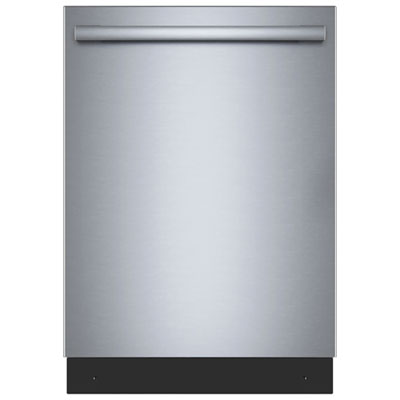
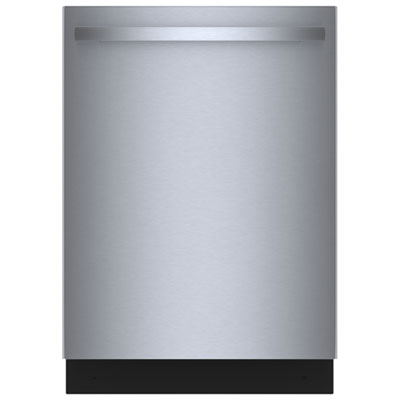
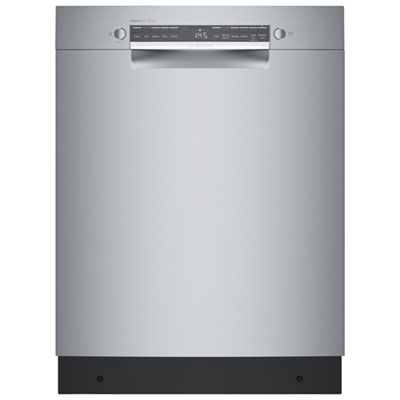
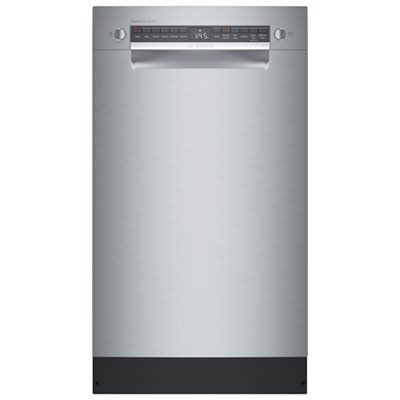
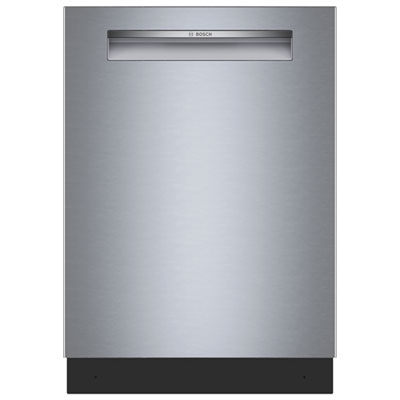
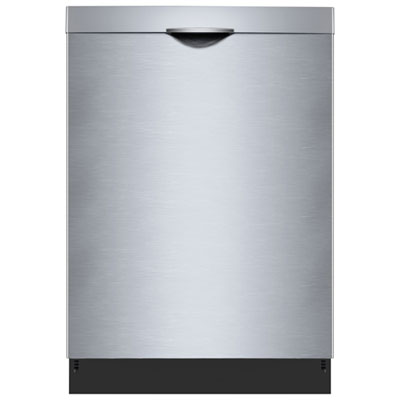
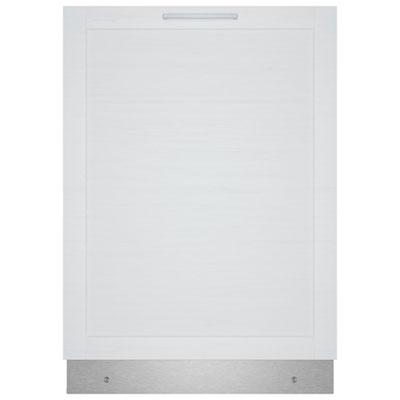
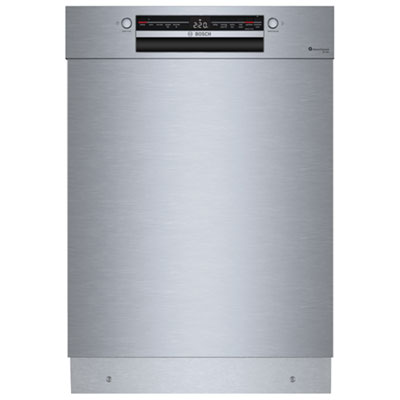
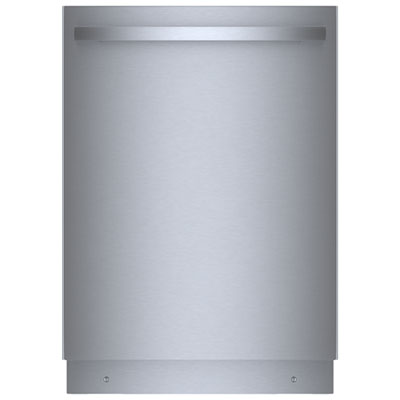
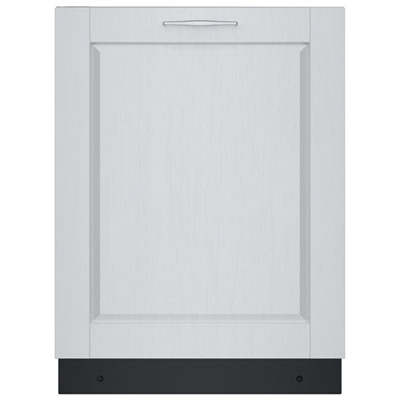
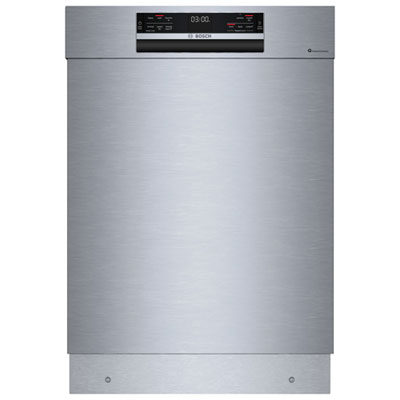
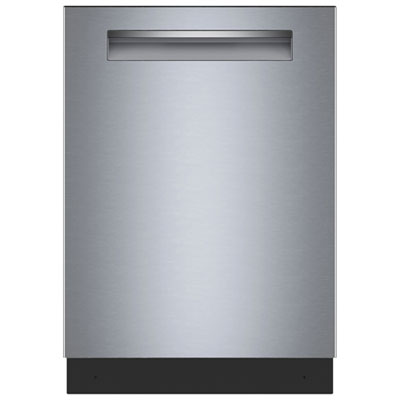
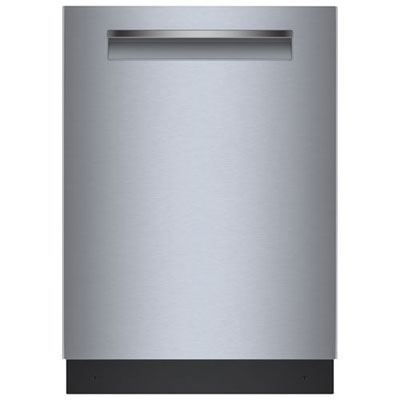
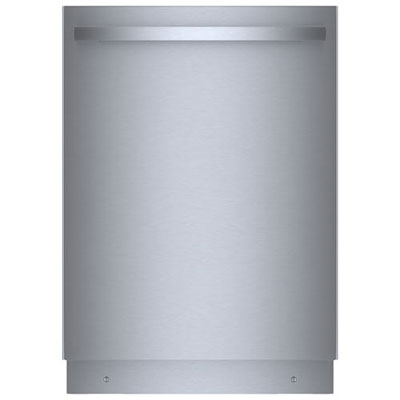
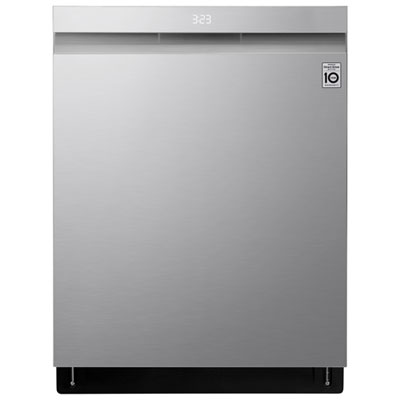
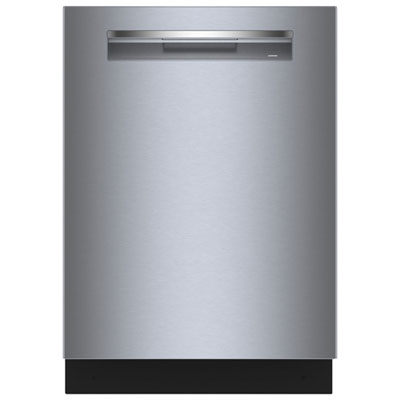
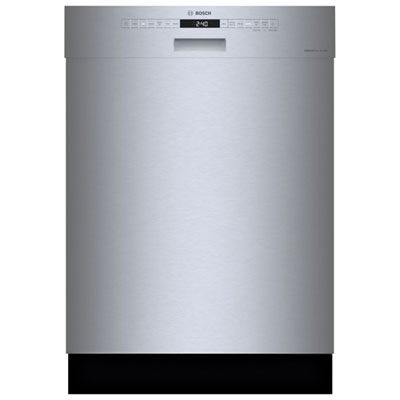
A good physical fit involves the full installation space, not just the width printed in a description. Many built-in dishwashers belong to a nominal 24-inch category, while narrower 18-inch designs suit some compact kitchens, but actual appliance dimensions and required clearances vary. The opening’s height and depth, the position of plumbing and electrical connections, and the space needed for hoses all influence compatibility. Flooring changes can also reduce the height available beneath an existing countertop, particularly when a new floor has been laid around an older appliance. Door movement deserves equal consideration: an open dishwasher should leave workable access to nearby cupboards, and its handle should not interfere with a corner drawer or an opposing cabinet. In a kitchen with an island, the distance between the open door and the island affects how comfortably dishes move from the sink into the racks. Freestanding and portable formats have different connection and storage needs, so they are not interchangeable with a built-in installation. Exterior finishes shape how a dishwasher sits within the room. Stainless steel, dark finishes, and lighter colours each have their own appearance and cleaning requirements; fingerprint-resistant treatments can reduce visible marks but do not eliminate routine wiping. Panel-ready designs are made to accept a compatible cabinet panel, subject to the manufacturer’s specifications, rather than simply being covered with any available cupboard front. Controls may sit on the front or along the top edge of the door. Front controls make cycle information easy to see, while concealed controls create a more continuous cabinet line and may use a separate indicator to show operation. Readable displays, clearly identified settings, comfortable handles, and smoothly moving racks can make daily use easier for people with different reach or grip needs. For a replacement or renovation, appropriate plumbing, electrical work, and secure mounting remain part of achieving a dependable fit, with installation requirements determined by the appliance instructions and applicable local requirements.

Inside the dishwasher, useful capacity is about the shape of a household’s dishes as much as a stated place-setting count. Deep cereal bowls, wide pasta dishes, reusable containers, and tall travel mugs can occupy space differently from a matching dinner set. Adjustable upper racks create room for taller pieces below or above, depending on their position, while folding tines make sections more flexible for larger cookware. A third rack can separate cutlery and small utensils from the main baskets, although its depth and layout determine what it can accommodate. Families packing lunches may appreciate secure places for lightweight lids, while frequent hosts may put greater emphasis on stemware supports and room for serving dishes. An avid home cook might favour a lower rack that accommodates a large mixing bowl without blocking the spray arm. Drying also varies by design. Condensation-based systems, heated options, automatic door opening, and other drying features work differently, and their results depend partly on the load. Plastic containers often retain droplets longer than ceramic plates or glassware. Rinse aid can support drying and help reduce spotting when used as directed, but dishwasher-safe markings and care instructions remain the deciding factors for individual pieces. Wood, certain metals, delicate decorations, and some insulated drinkware may require handwashing. Everyday care supports consistent performance: large food scraps belong outside the machine, spray arms need room to rotate, and dishes should sit so water can reach their surfaces and drain away. Filters require cleaning at the intervals specified by the manufacturer, and seals benefit from gentle wiping to remove trapped residue. Where hard water leaves deposits, the recommended treatment depends on the appliance and the household’s water conditions; a built-in softener, when present, has its own setup and refill requirements. Following those requirements helps avoid unnecessary buildup without relying on harsh or unsuitable cleaners. For another related selection, LG Dishwasher Prices offers a further point of comparison, with fit, rack flexibility, operating sound, and care needs remaining useful considerations across dishwasher designs.

FAQ

Some products may be subject to Environmental Handling Fees (EHF) depending on your province. Learn more about EHFs.