Boxing Day Deals Coming Soon
Our Boxing Day Sale returns in December 2026. In the meantime, shop our current top deals below.

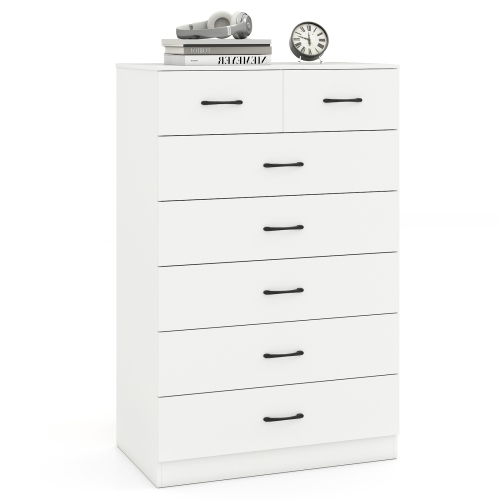
Boxing Day Sale On Armoires
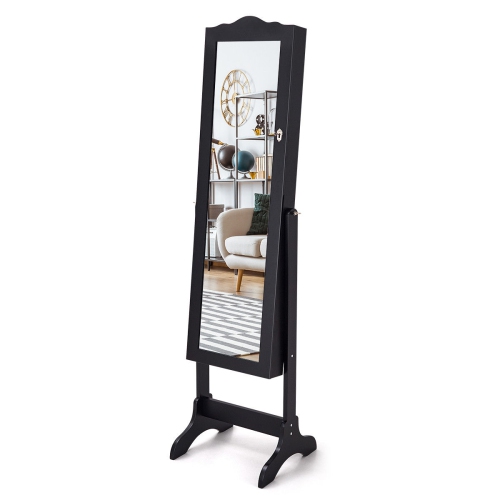
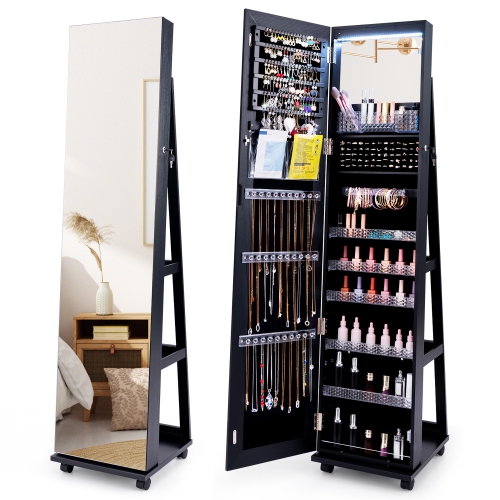
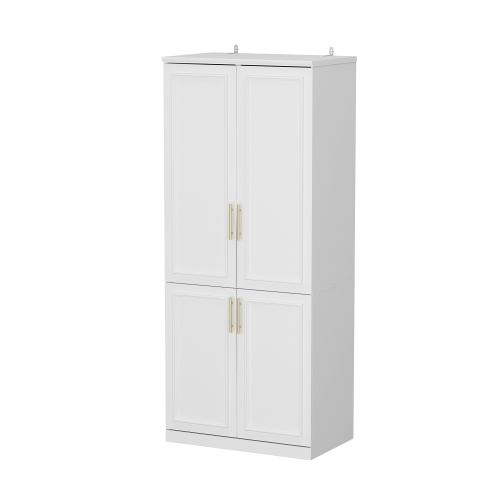
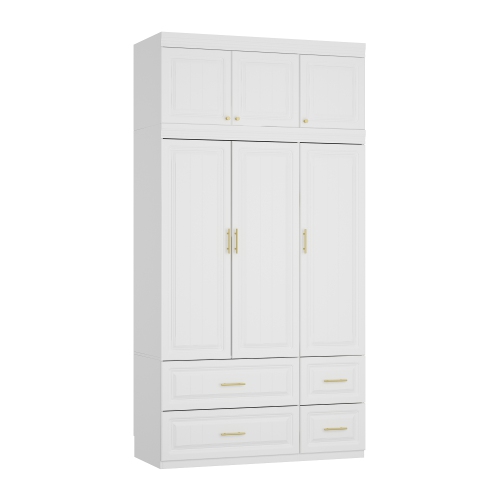
Uncover incredible savings this Boxing Day with our exclusive sale on armoires, where style meets functionality at unbeatable prices. Whether you're looking to revamp your bedroom or add a touch of elegance to your living space, our selection offers a variety of designs and finishes to suit any decor. From classic to contemporary, each piece is crafted to provide ample storage and enhance the aesthetic appeal of your home. Don't miss out on the opportunity to elevate your interior with these stunning armoires, all while enjoying the exceptional value that only comes once a year. Remember, our Low Price Guarantee means you can shop confidently knowing that you'll find the best price at Best Buy, all year round. We encourage you to check our website frequently for the most up-to-date information on our latest offers and savings opportunities.

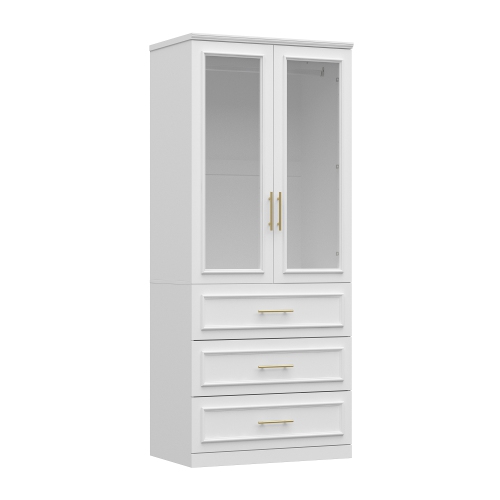
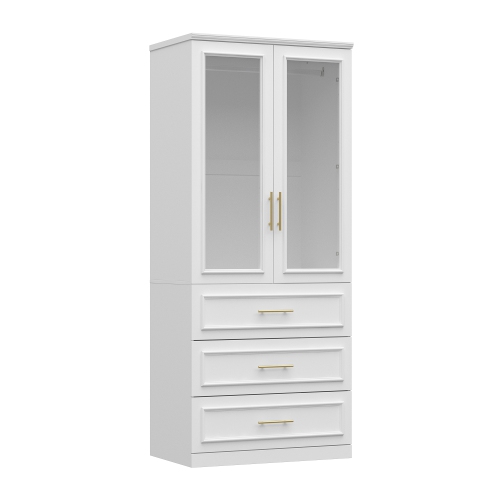
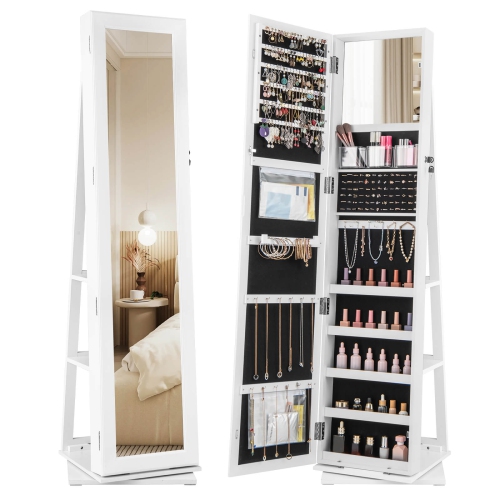
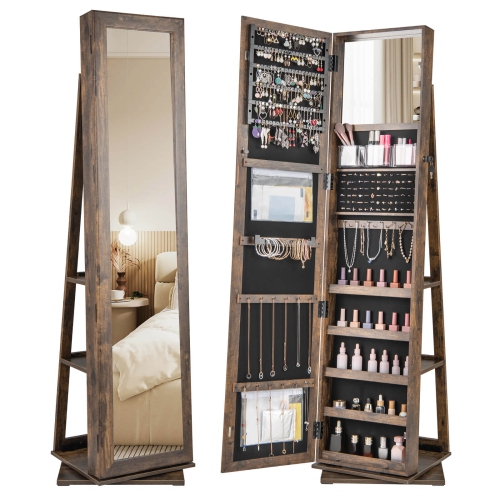
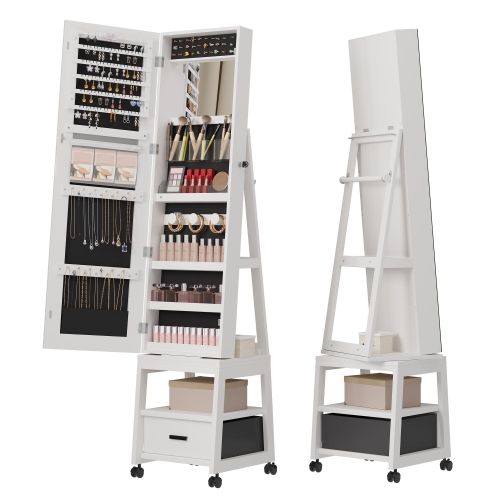
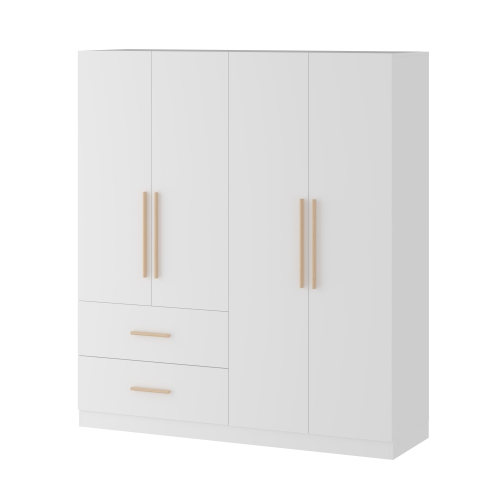
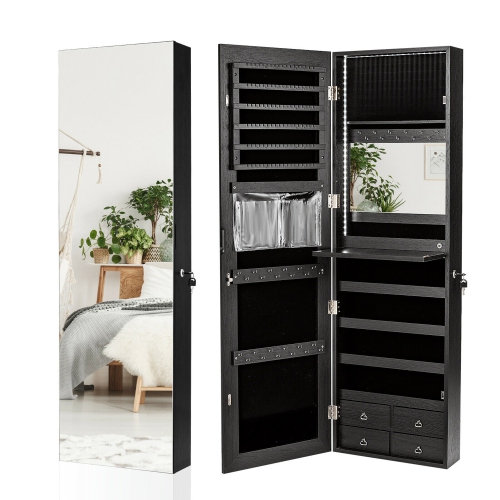
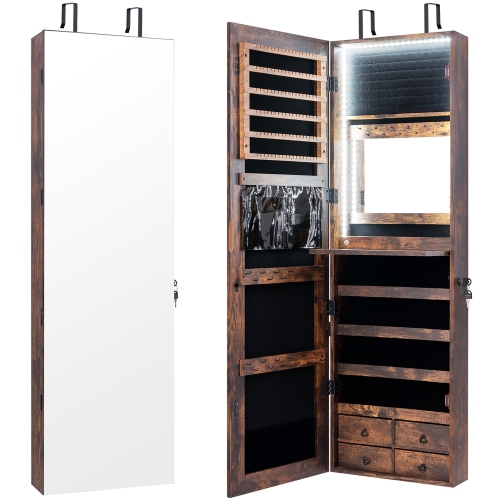
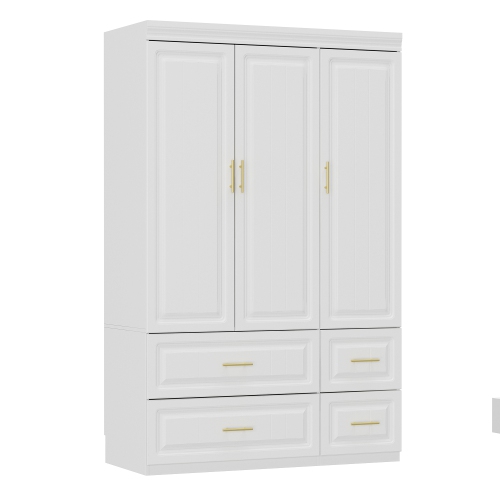
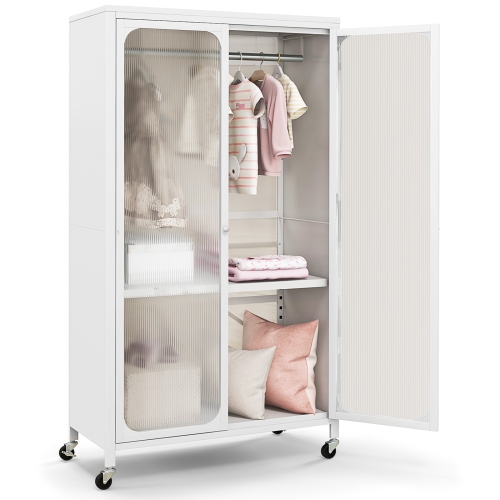
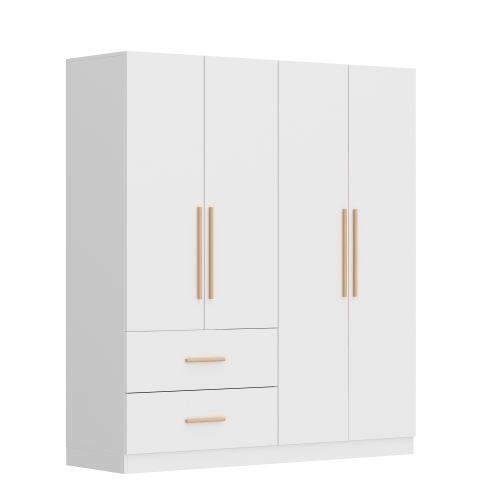
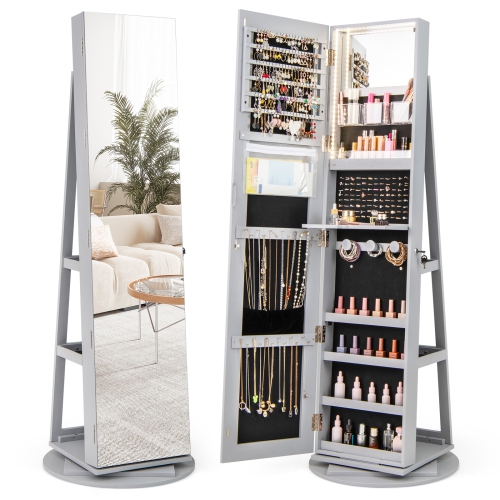
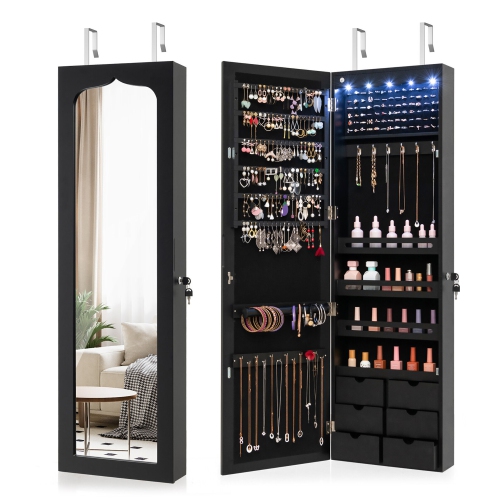

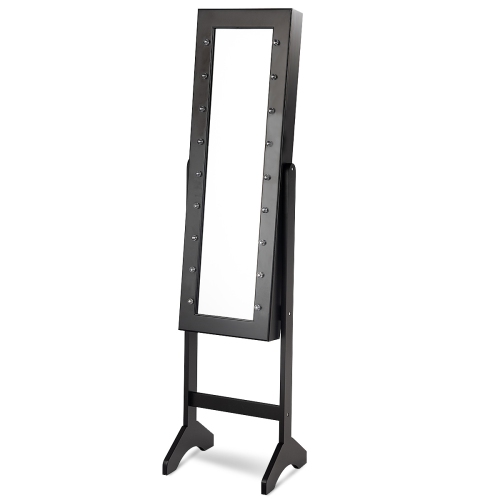
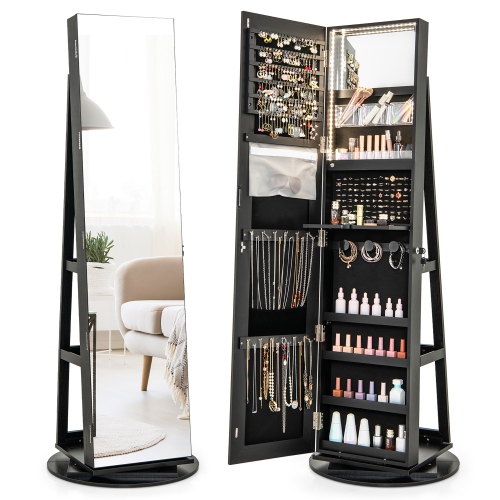
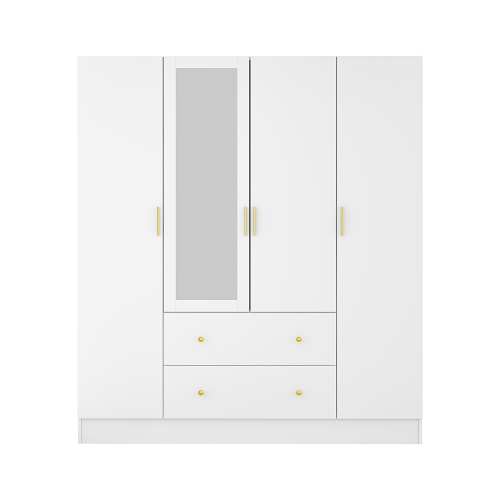
Why an armoire’s interior matters as much as size
Materials and construction influence an armoire’s appearance, weight, care requirements, and ability to stand up to regular use. Solid wood has natural grain variation and may develop small changes in appearance over time; it can also respond to changes in indoor humidity. Engineered wood, including particleboard and medium-density fibreboard, is often used for furniture panels and may be finished with laminate, veneer, or a painted coating. A wood veneer is a thin layer of real wood over a supporting core, while laminate provides a manufactured surface with its own texture and finish. Neither the material name nor the cabinet’s weight tells the whole story about durability. Panel thickness, secure joints, properly fitted backing, door hardware, and the quality of assembly all contribute to how the furniture performs. Doors that align neatly and drawers that travel smoothly make a noticeable difference when the cabinet is used several times a day. Adjustable hinges can help maintain even door gaps, and adjustable shelves allow the interior to accommodate belongings of different heights, provided each shelf stays within its stated load limit. Hanging rails also have weight limits, so a rail filled with heavier garments places different demands on the cabinet than one holding lightweight shirts. Care generally begins with a soft cloth and the cleaning method recommended for the finish. Spills should be wiped away promptly, and excess water should not be left along panel edges or seams. Abrasive pads and harsh cleaners can damage coatings, while prolonged direct sunlight may alter some finishes. Assembly and placement deserve the same attention as surface care. A level position helps doors and drawers work properly, and anti-tip restraints should be installed according to the manufacturer’s instructions using fixings appropriate for the wall construction. Anchoring is an important precaution even when a cabinet feels heavy, particularly in homes where children may pull on handles or attempt to climb open drawers.
The most useful armoire is one whose interior matches the routines of the person using it. Someone who hangs most of their clothing may benefit from an uninterrupted rail and a shelf above it, while a person with stacks of T-shirts, sweaters, and jeans may find a greater proportion of shelving more practical. In a shared bedroom, separate compartments can make it easier to keep belongings organized without dividing the room with extra furniture. A guest-room armoire can provide space for visitors’ clothing while keeping spare bedding neatly contained, as long as the shelves are deep enough for folded linens. For a child’s room, reachable storage can support independent dressing, but the cabinet still needs secure anchoring and a layout that does not encourage climbing. Handles that are comfortable to grasp and doors that open without an awkward reach can also make daily use easier for people with limited hand strength or mobility. Mirrored doors add a dressing function, although their usefulness depends on placement, lighting, and a clear standing area in front of the cabinet. Visually, an armoire has a substantial presence, so its proportions can matter as much as its colour. A lighter finish may sit quietly against pale walls, wood grain can introduce warmth and texture, and a darker finish can create a stronger focal point. Matching every finish is not essential; repeating a handle shape, wood tone, or simple door profile can give different furniture pieces a sense of connection. The Boxing Day sale on bedroom furniture collection offers a related place to consider the room as a whole. An armoire is often a personal household purchase, though it can also be a thoughtful practical gift for someone setting up a first home when measurements, storage preferences, and assembly arrangements have been agreed upon. Ultimately, its value in daily life comes from making clothing easy to reach, keeping surfaces clearer, and giving belongings a consistent place to return to.
Top selling and popular products
-
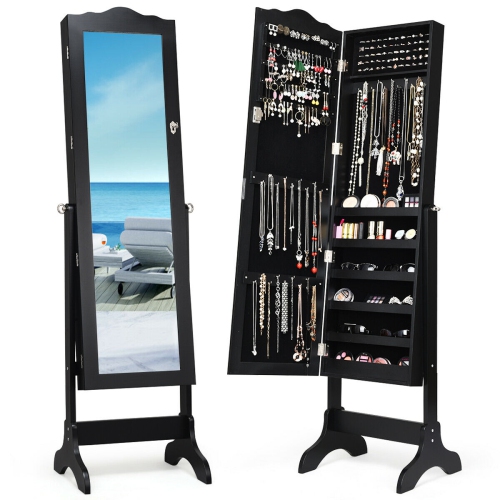 Your price for this item is $169.99
-
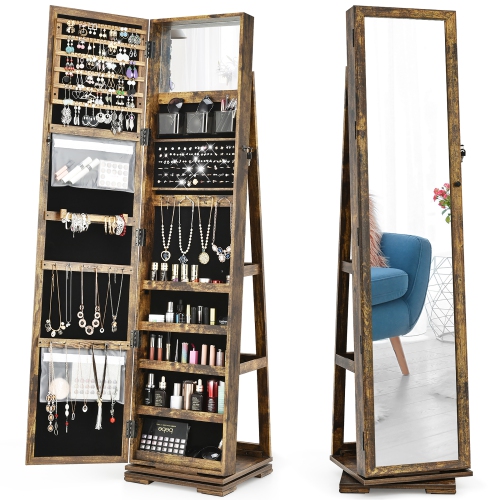 Your price for this item is $215.99
-
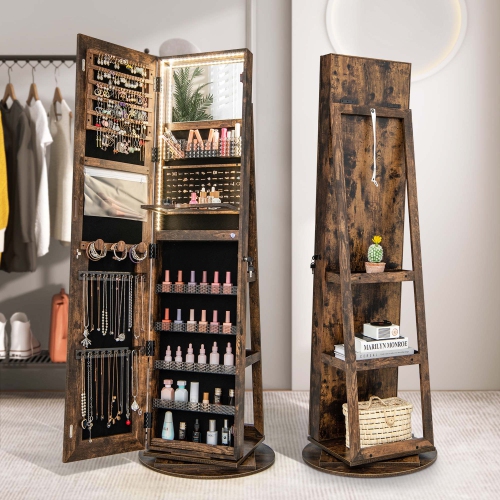 Your price for this item is $289.99
-
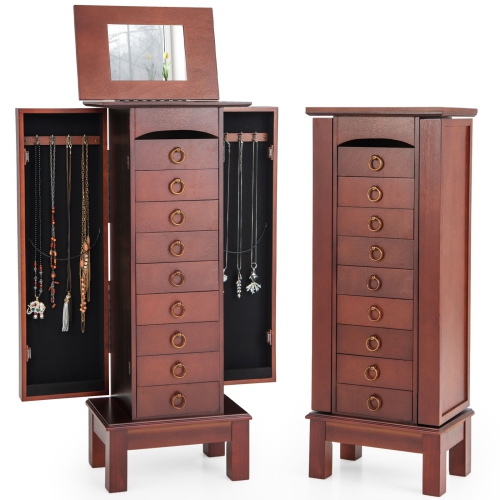 Your price for this item is $199.99
-
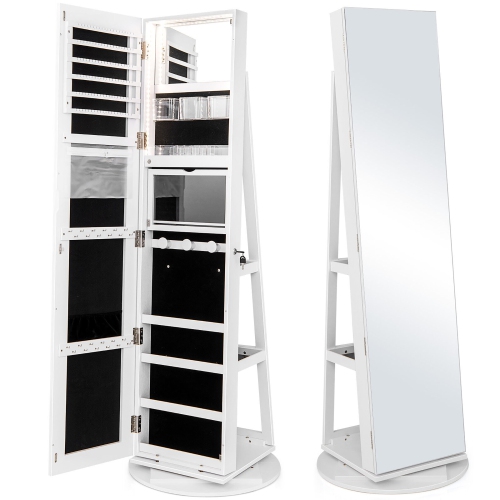 Your price for this item is $199.99
-
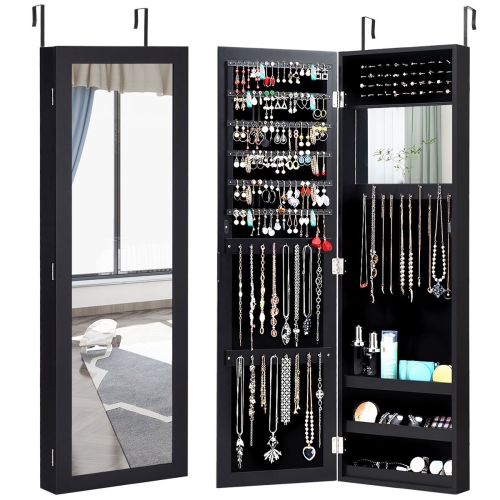 Your price for this item is $129.99
-
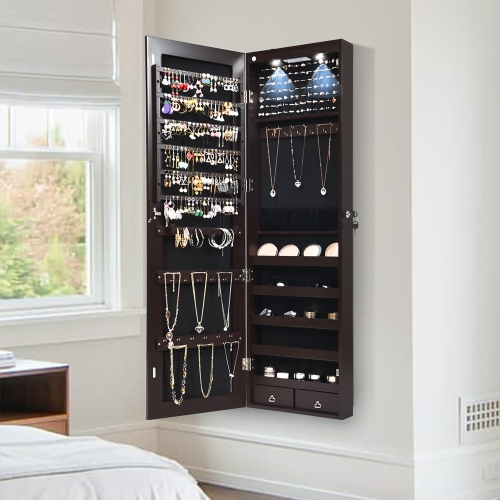 Your price for this item is $169.99
-
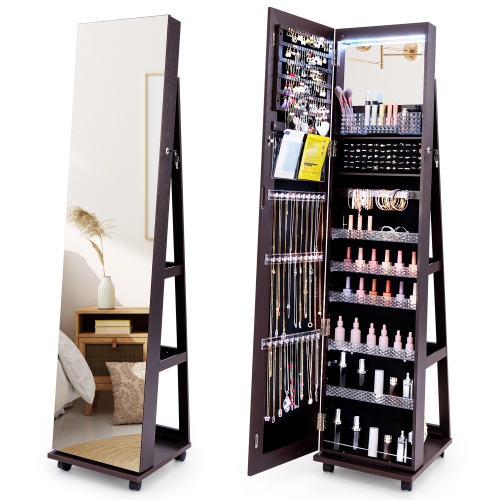 Your price for this item is $209.99