Boxing Day Deals Coming Soon
Our Boxing Day Sale returns in December 2026. In the meantime, shop our current top deals below.

Boxing Day Sale On Sideboards
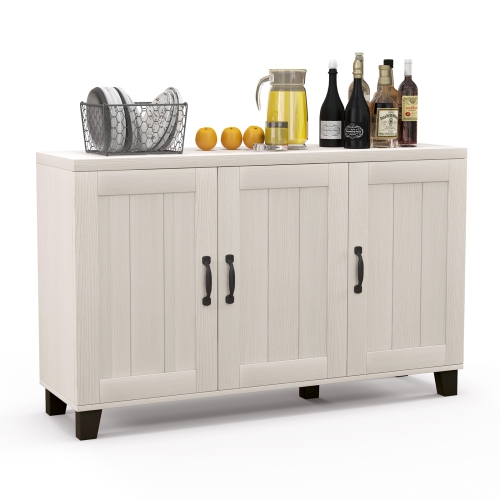
Discover incredible savings during the Boxing Day sale on sideboards and elevate your home storage solutions for less. Whether you're looking to organize your dining area, living room, or hallway, this limited-time event is the perfect opportunity to find stylish and functional sideboards at unbeatable prices. Refresh your space and enjoy exclusive deals on a wide selection of designs to suit every taste and décor. Don’t miss out—shop the Boxing Day sale on sideboards and bring home the perfect addition to your home today. Remember, our Low Price Guarantee means you can shop confidently knowing that you'll find the best price at Best Buy, all year round. We encourage you to check our website frequently for the most up-to-date information on our latest offers and savings opportunities.
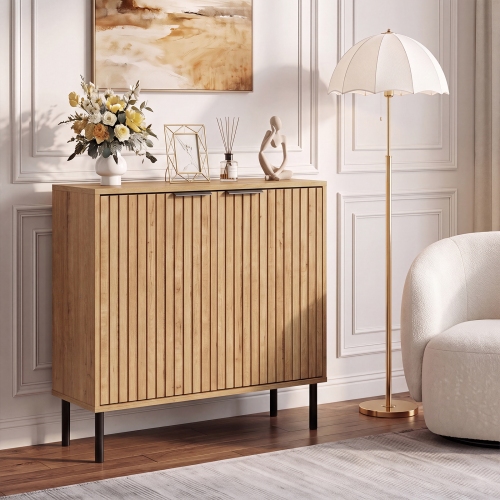
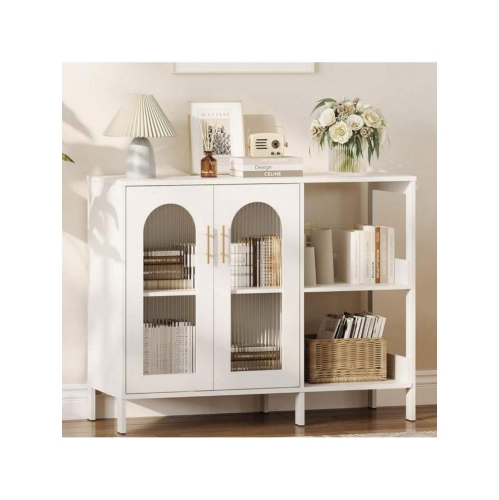
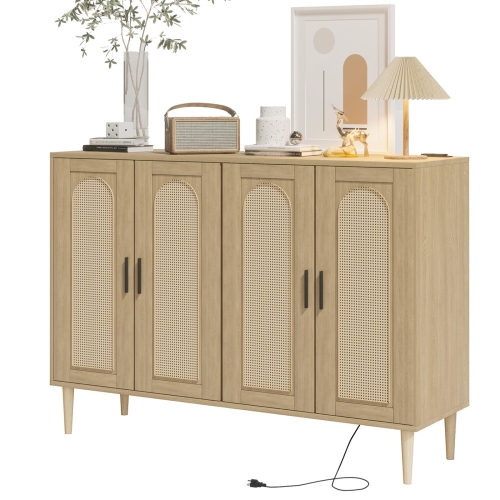
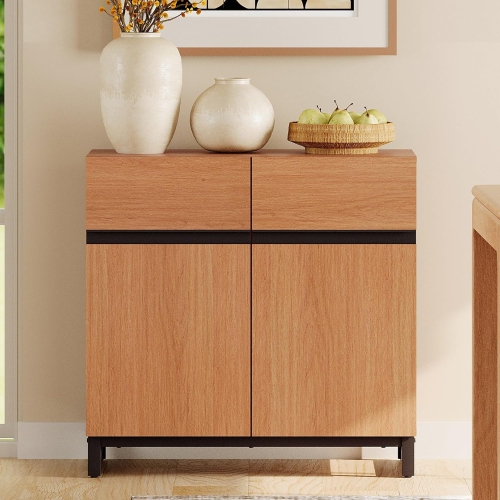

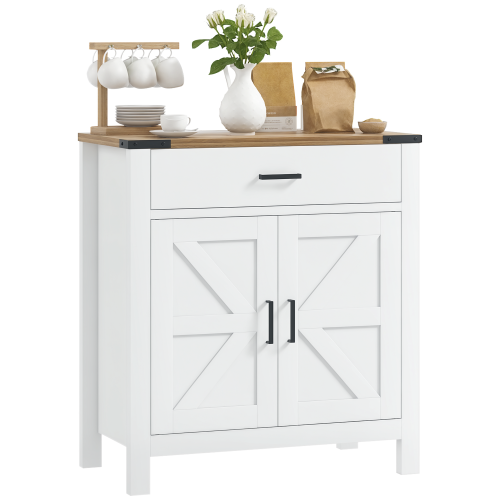
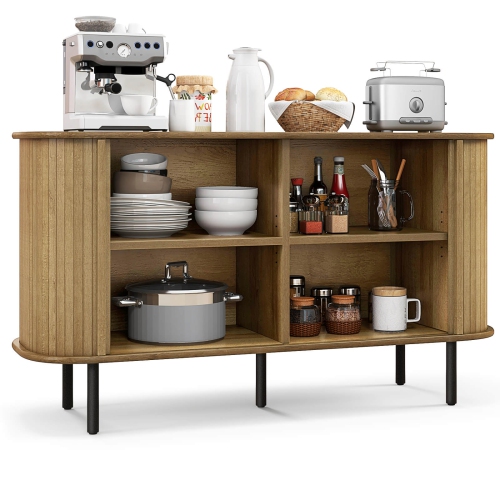
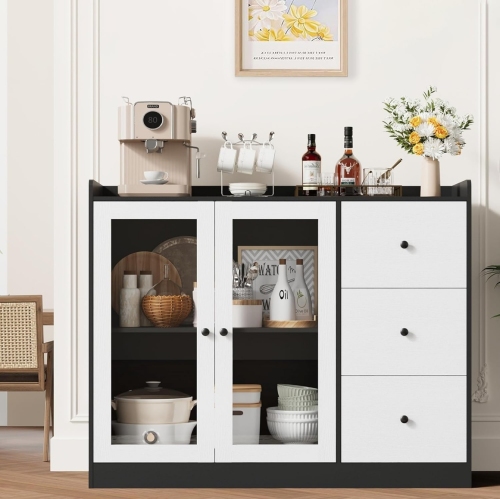
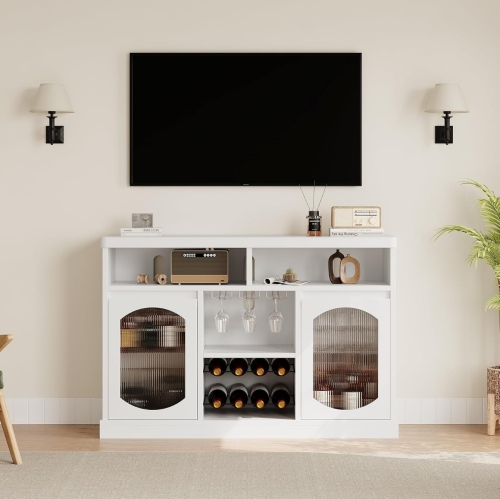
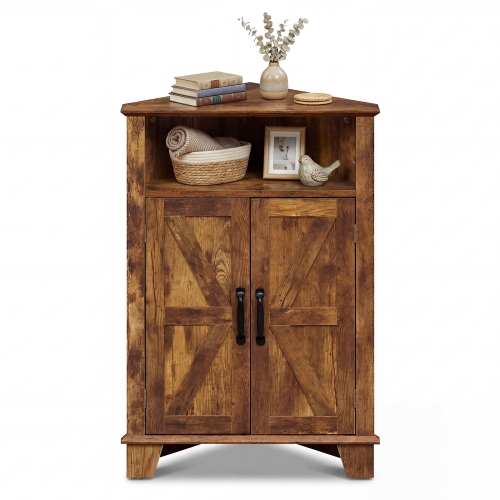
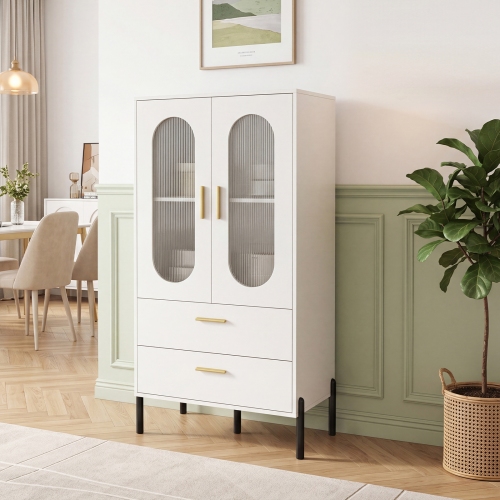
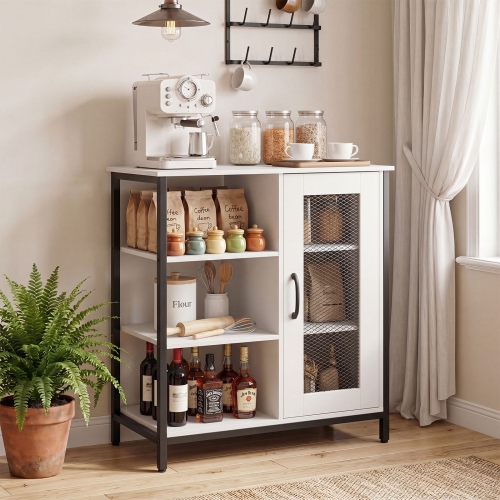
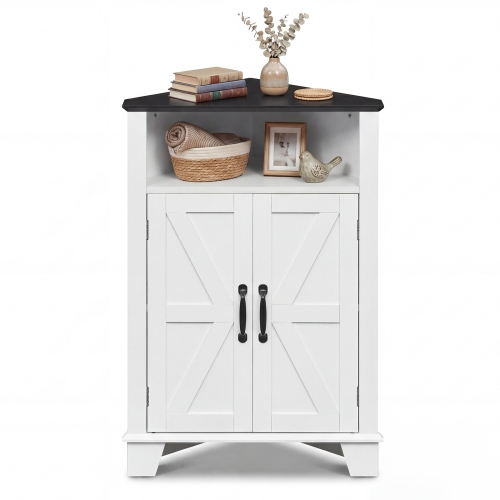
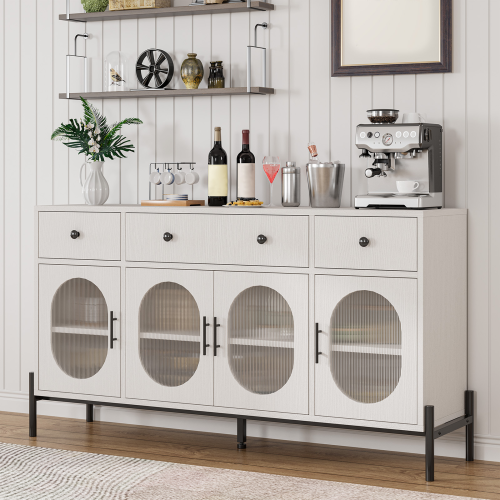
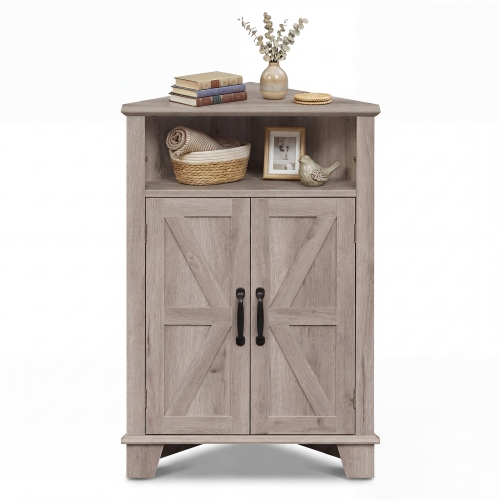
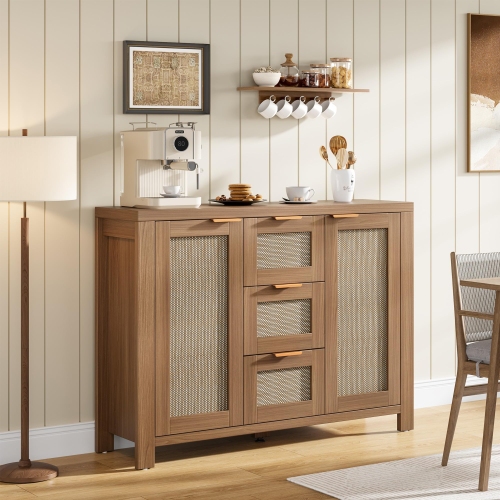
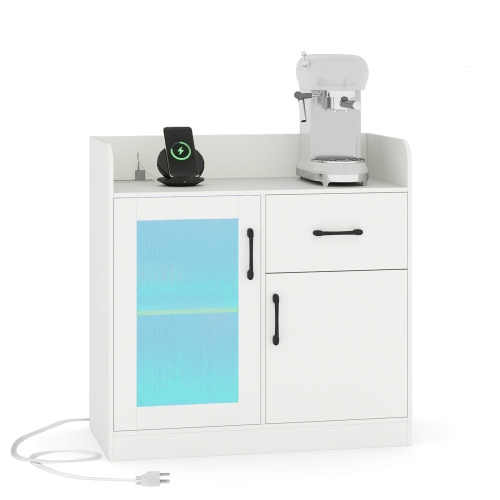
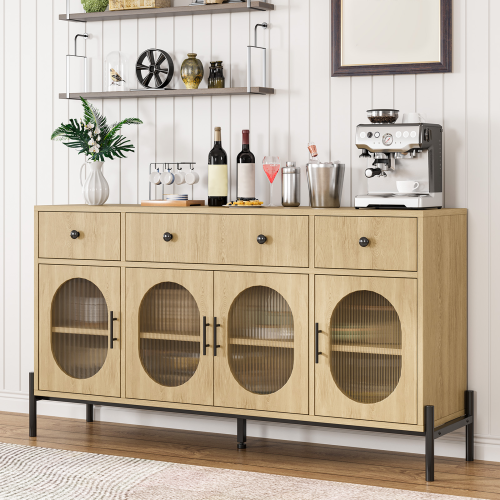
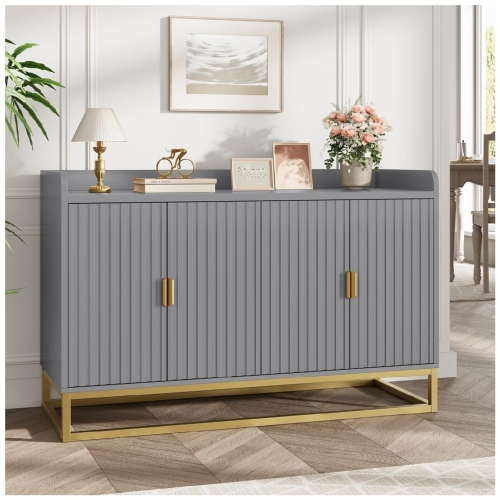
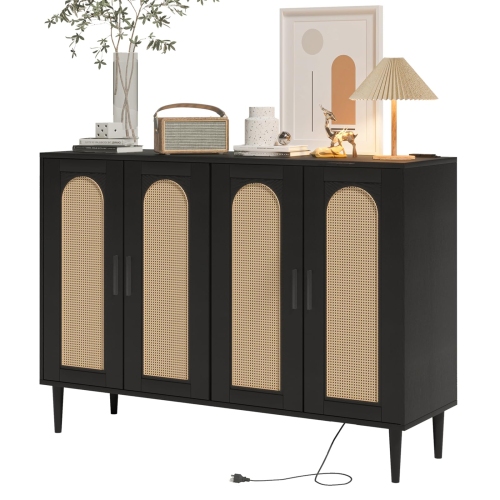
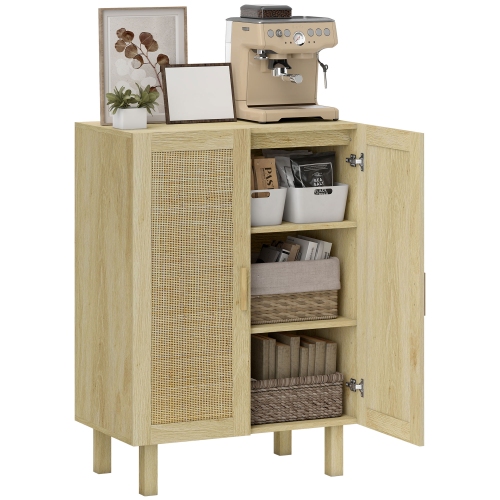
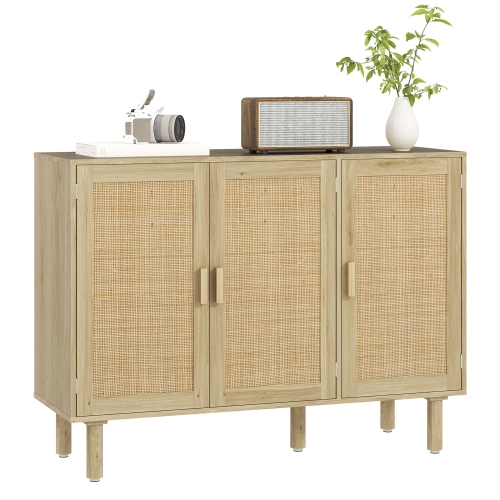
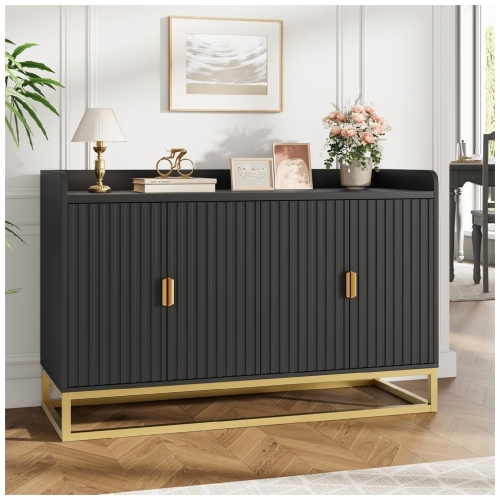
Sideboards that put everyday storage within easy reach
Materials influence a sideboard’s appearance, weight, upkeep, and suitability for daily use. Solid wood offers natural grain variation and can develop character over time, although its response to changes in indoor humidity makes placement and care important. Wood veneer provides a real-wood surface over a supporting core, creating a similar visual effect with a different construction; because the veneer layer is thin, it should not be treated as though it can withstand repeated sanding. Engineered wood with a laminate or other finished surface can provide a consistent colour and a straightforward wipe-clean finish, but exposed edges and joints need protection from moisture. Metal frames, legs, and handles can add a crisp contrast, while glass doors allow favourite dishes to remain visible without leaving them on open shelves. Glass also shows fingerprints readily, so it may need more frequent cleaning in a busy household. Beyond the outer finish, pay attention to the parts used every day. Drawers should move smoothly, doors should align properly, and shelves should suit the weight of what they will hold. Heavy stacks of dinner plates place different demands on a cabinet than folded table linens. Follow the stated load limits for both the top and interior shelving, distributing weight rather than concentrating it in one spot. Assembly quality matters too: a square, level cabinet helps doors close evenly and reduces unnecessary strain on fittings. Use the supplied wall restraint where directed, especially in homes with children or pets, and avoid placing tempting objects where a child might try to climb to reach them. For routine care, a soft cloth and a cleaner appropriate to the finish are usually preferable to abrasive pads or harsh chemicals. Wipe spills promptly, use coasters beneath drinks, and place a heat-resistant mat beneath warm serving dishes. Keeping the cabinet away from direct heat sources and prolonged strong sunlight can also help protect its finish and appearance.
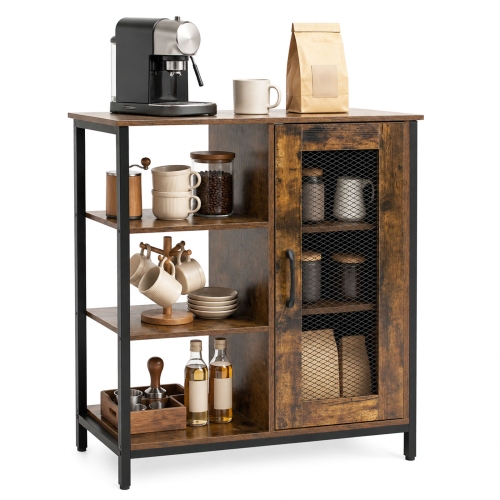
The right sideboard should feel connected to the room without needing to match every other piece of furniture. A wood finish can repeat the tone of dining chairs, while a contrasting cabinet can define the storage area in an open-plan space. Light colours may keep a small room feeling visually open; deeper tones can give a long wall a stronger focal point. Flat-front doors and discreet handles suit a pared-back interior, whereas framed doors, textured fronts, or visible wood grain bring more detail. Legs that lift the cabinet off the floor can create a lighter appearance and leave space for cleaning underneath, although the actual clearance should be checked if a robot vacuum needs to pass beneath it. A cabinet with a full base has a more grounded look, but its footprint may feel substantial in a narrow room. Consider the top surface as part of the daily routine rather than simply a place to display ornaments. In a dining room, it can hold a lamp and a small arrangement between meals, then become a serving surface when guests arrive. Keeping some of that surface clear leaves room for a tray, bread basket, or extra glasses. A coffee station can work well where there is a nearby outlet and enough room to use appliances safely, provided the surface is protected from water and heat and cords are kept clear of doors and walkways. When planning the whole dining area, browsing Boxing Day sale on dining tables can help connect the table’s shape and scale with the sideboard’s placement. A long rectangular table and cabinet need balanced spacing, while a round table may leave different routes through the room. Sideboards can also be thoughtful household gifts for a move or shared home, but their size and personal style make checking measurements and preferences especially worthwhile. Whether furnishing a first apartment or making an established dining room more functional, the strongest choice is a cabinet that fits the space, protects its contents, and makes everyday routines easier.
Top selling and popular products
-
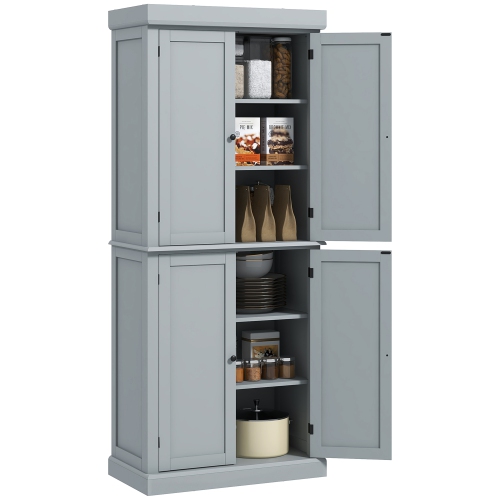 Your price for this item is $285
-
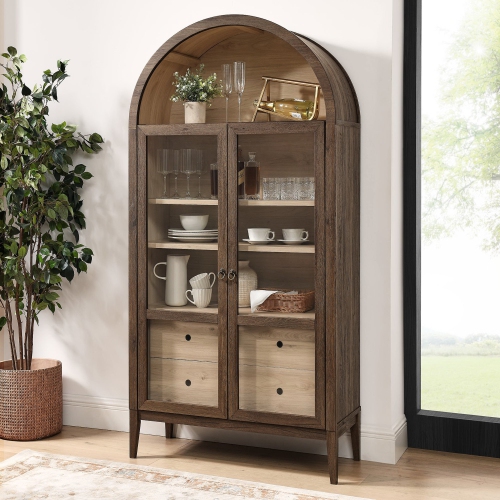 Your price for this item is $1155.71
-
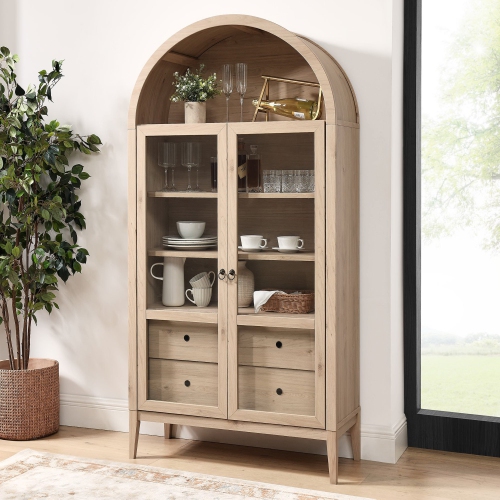 Your price for this item is $1155.71
-
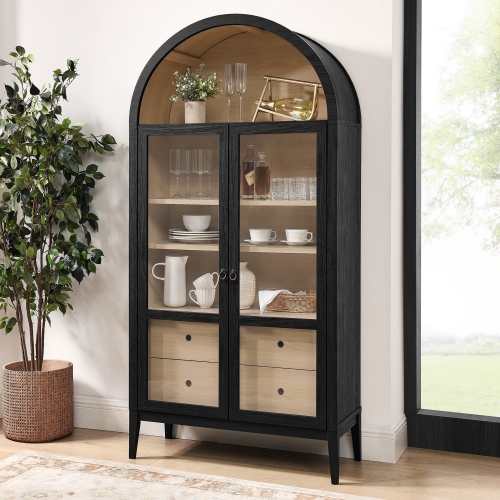 Your price for this item is $1155.71
-
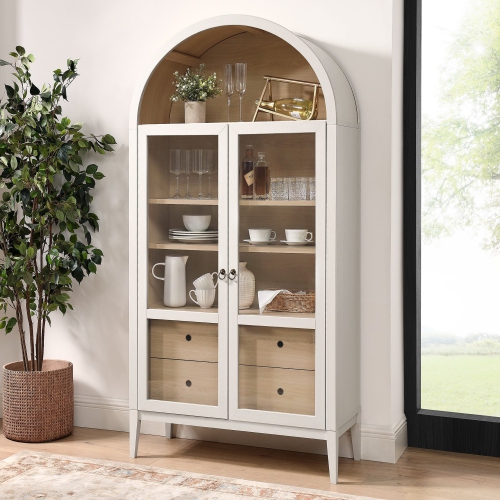 Your price for this item is $1155.71
-
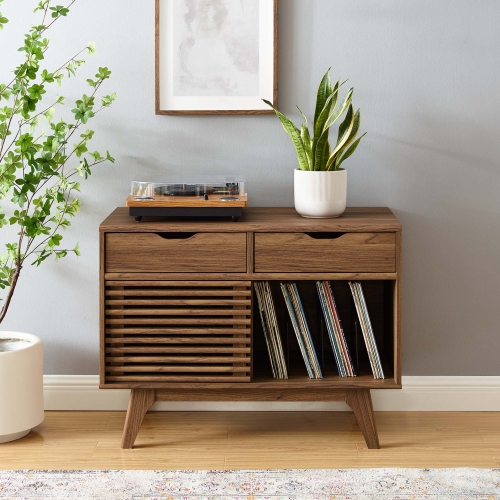 Your price for this item is $452.93
-
 Your price for this item is $155.99
-
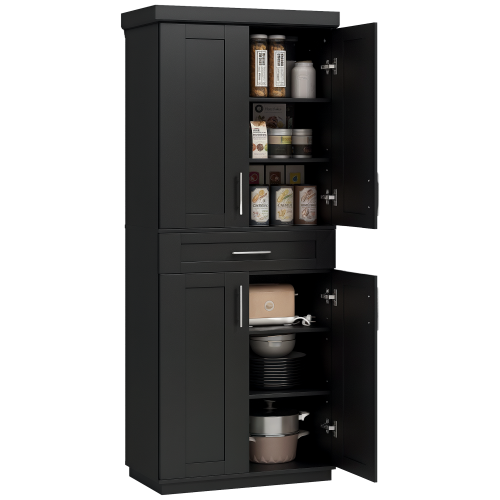 Your price for this item is $269.99