Boxing Day Deals Coming Soon
Our Boxing Day Sale returns in December 2026. In the meantime, shop our current top deals below.

Boxing Day Sale On Bowls
Boxing Day is the perfect time to refresh your kitchen collection, and our spectacular Boxing Day Sale on bowls offers just what you need to elevate your dining experience. Whether you're hosting a cozy family gathering or simply looking to update your everyday essentials, you'll find an array of stylish and functional bowls at unbeatable prices. Dive into a selection that caters to every taste and occasion, from sleek modern designs to timeless classics. With such incredible deals, there's never been a better opportunity to enhance your culinary presentation and enjoy mealtime moments in style. Remember, our Low Price Guarantee means you can shop confidently knowing that you'll find the best price at Best Buy, all year round. We encourage you to check our website frequently for the most up-to-date information on our latest offers and savings opportunities.

Why bowl shape matters from prep to serving
Material has a strong influence on a bowl’s weight, feel, care requirements, and intended use. Ceramic bowls, including stoneware and porcelain, are common choices for meals because they offer a solid feel and a wide range of glazed finishes. Stoneware often has a substantial presence, while porcelain can provide a finer profile, although actual weight and strength vary with construction. Neither material is automatically suitable for every appliance, and a glazed surface alone does not establish microwave, oven, or dishwasher compatibility. Those details depend on the manufacturer’s specifications, particularly when a bowl has metallic trim, an unusual finish, or an unglazed base. Glass allows the contents to remain visible, which is useful when checking whether dry ingredients are fully mixed or showing the layers of a salad. Heat tolerance varies between types of glass, so a bowl intended for serving should not be assumed suitable for baking or sudden changes in temperature. Stainless steel is especially practical for food preparation because it is generally lightweight for its size and will not chip like ceramic or glass, though it can scratch or dent. It is not suitable for a conventional microwave. Plastic and silicone bowls can offer lighter handling, with performance depending on the material and the uses approved by the manufacturer. Wood brings natural grain and a distinct texture to the table, but it typically needs prompt handwashing and drying rather than soaking. Across materials, durability comes down to both construction and treatment. Rims can be vulnerable to knocks against taps or neighbouring dishes, and abrasive cleaning tools may mark a finish. Dishwasher-safe bowls still need enough space to avoid repeated contact during a cycle. For frequent use, a smooth interior, an easy-to-clean underside, and a shape without tight crevices can matter as much as appearance. Care requirements are particularly worth considering in a busy household, where a beautiful serving piece and an everyday breakfast bowl may need to meet very different expectations.
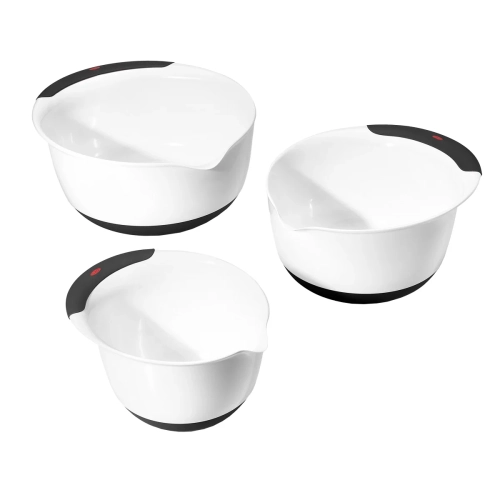
Kitchen bowls also earn their place through the details that become noticeable during preparation and storage. A mixing bowl needs sufficient depth to contain flour when stirring and enough room above the ingredients for folding batter or tossing vegetables. A broad base provides stability on a worktop, while a non-slip base can help limit movement during whisking; neither replaces holding the bowl securely when needed. Pouring lips and handles may make transferring mixtures easier, especially when filling a narrow tin or dividing batter, but they also change how much cupboard space a bowl occupies. Nesting shapes are useful in compact kitchens, although bowls should separate easily rather than wedge tightly together. For tableware, stack height and shelf clearance affect how conveniently a set fits into daily routines. Wide rims may look generous at dinner yet take up more room in a dishwasher rack, and a tall foot can make a stack less compact. Bowls used for leftovers benefit from well-fitting lids when supplied, with leak resistance and storage suitability confirmed for the intended task rather than assumed. These practical differences help distinguish bowls for someone furnishing a first apartment, a keen home baker, a household feeding several people, or a host who enjoys serving dishes at the table. As gifts, bowls are most useful when their size, weight, and care needs suit the recipient’s habits: easy-stacking tableware for limited storage, comfortable mixing shapes for regular baking, or a serving bowl that works with existing dishes. For a coordinated table setting, the Boxing Day sale on plates page complements the bowl category, with plates serving a different role alongside deeper dishes. A common glaze colour or rim shape can connect the two without requiring an exact match. Boxing Day browsing can be a chance to consider those everyday connections, from the bowl that sits comfortably in one hand to the larger piece passed around a full table. The most useful choices fit the meals, storage space, and cleaning routines they will encounter long after the occasion.
Top selling and popular products
-
 Your price for this item is $99.99
 -
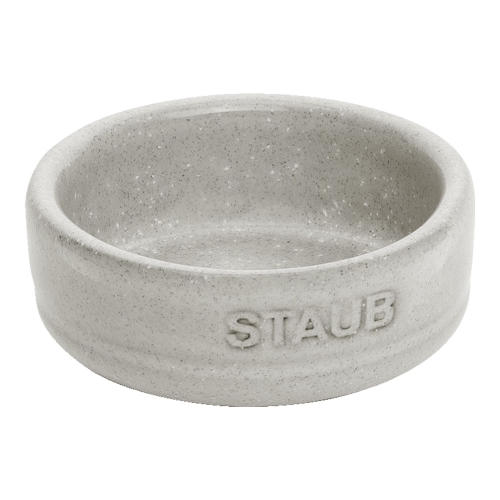 Your price for this item is $34.99
 -
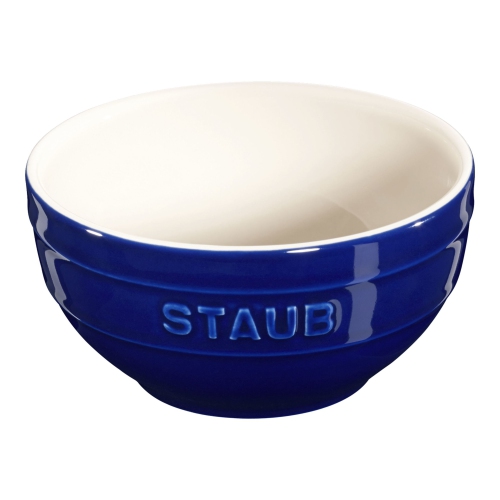 Your price for this item is $19.99
 -
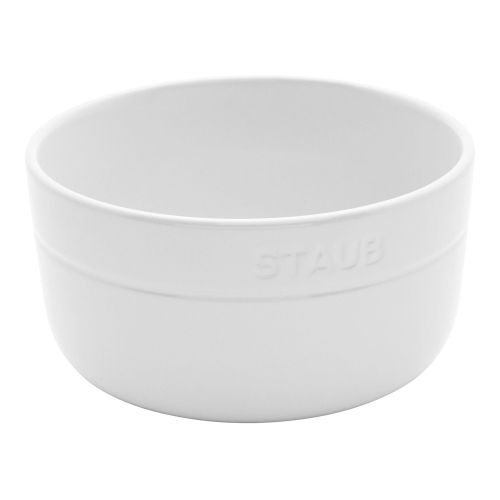 Your price for this item is $79.99
 -
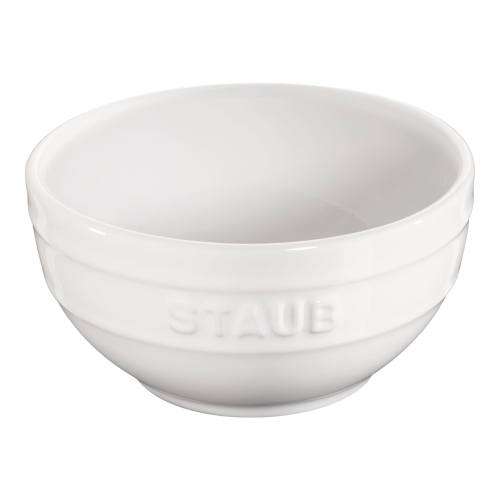 Your price for this item is $19.99
 -
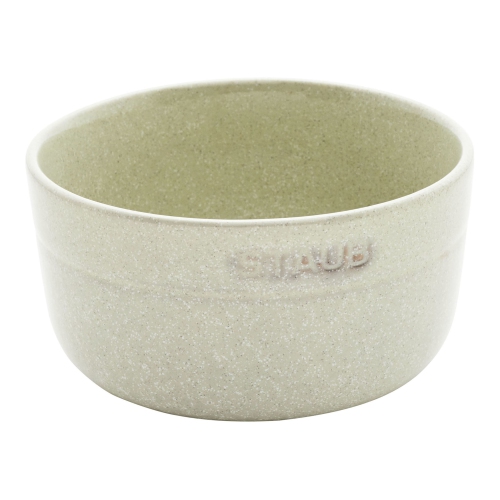 Your price for this item is $79.99
 -
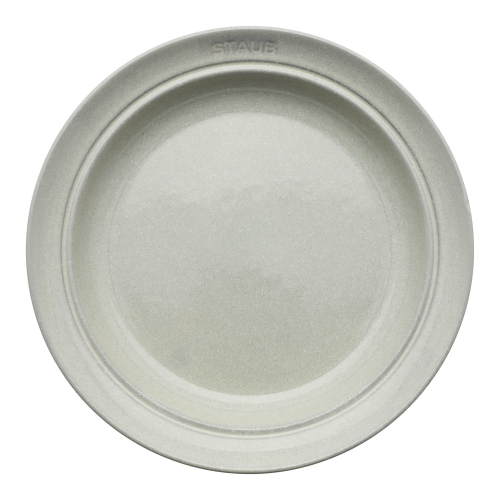 Your price for this item is $119.99
 -
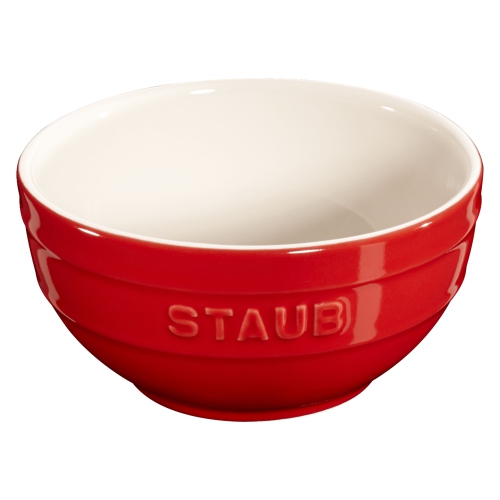 Your price for this item is $19.99