Boxing Day Deals Coming Soon
Our Boxing Day Sale returns in December 2026. In the meantime, shop our current top deals below.

Boxing Day Sale On Serving Bowls
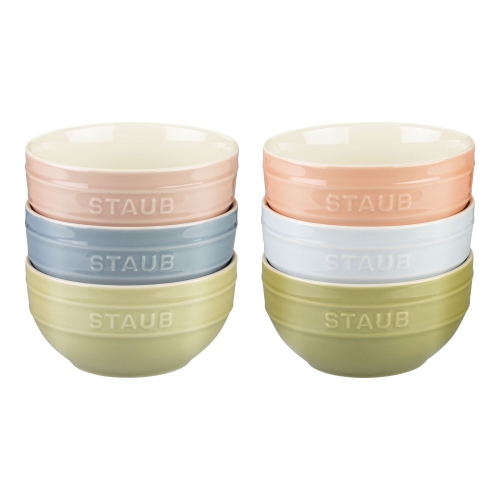
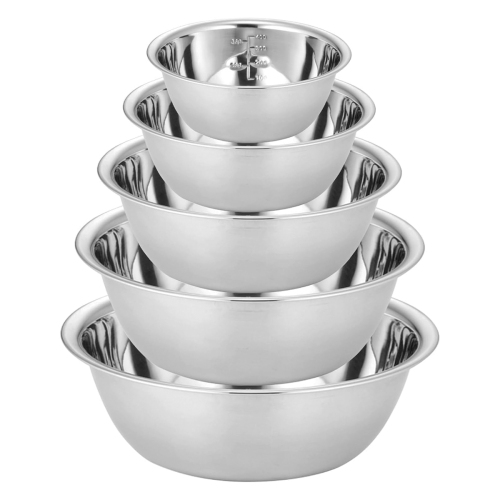
Get ready to serve up style and savings with our Boxing Day Sale on serving bowls! Whether you're hosting a festive feast or simply looking to upgrade your dining experience, this is the perfect opportunity to find stunning serving bowls at unbeatable prices. From sleek modern designs to timeless classics, our collection offers a variety of options to complement any table setting. Don't miss out on these incredible deals to enhance your culinary presentation and impress your guests. Dive into the sale and discover the perfect serving bowls that combine functionality with flair. Remember, our Low Price Guarantee means you can shop confidently knowing that you'll find the best price at Best Buy, all year round. We encourage you to check our website frequently for the most up-to-date information on our latest offers and savings opportunities.

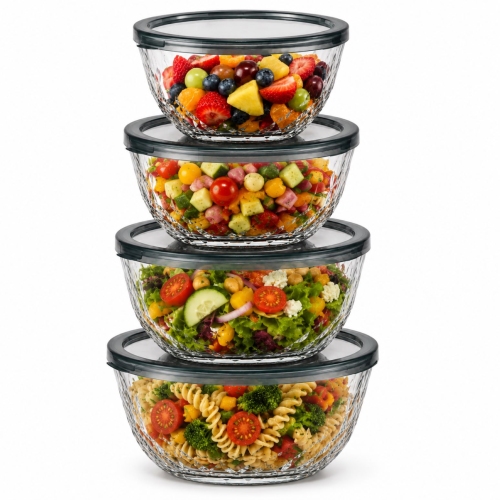
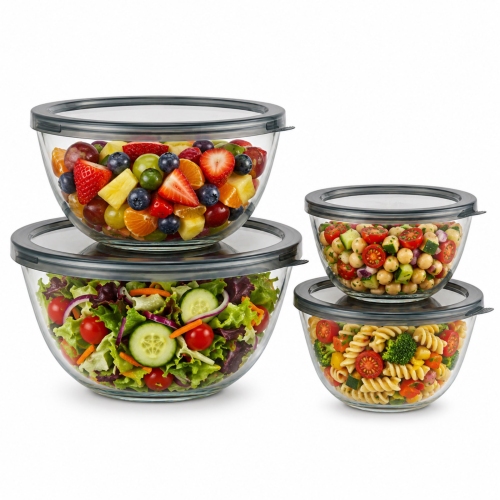
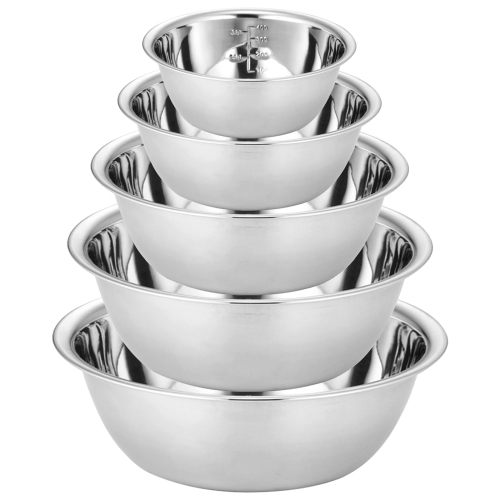
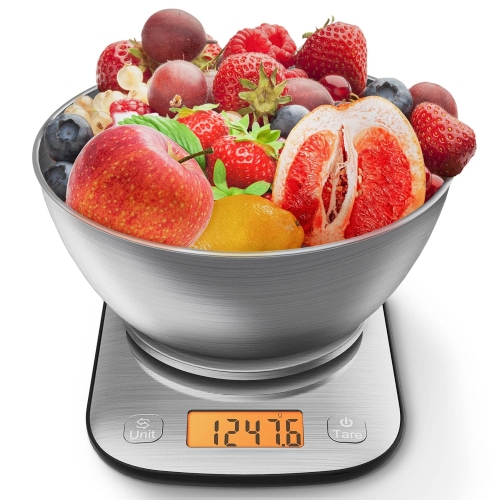
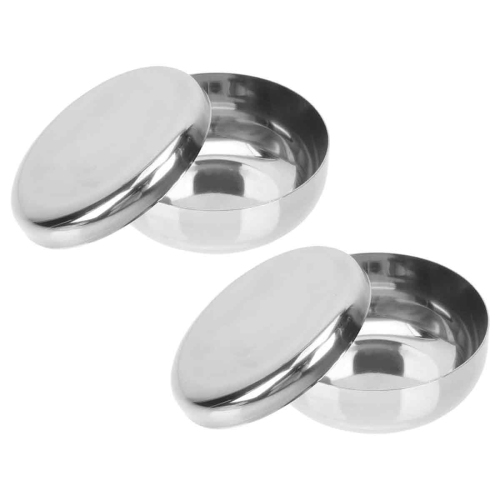
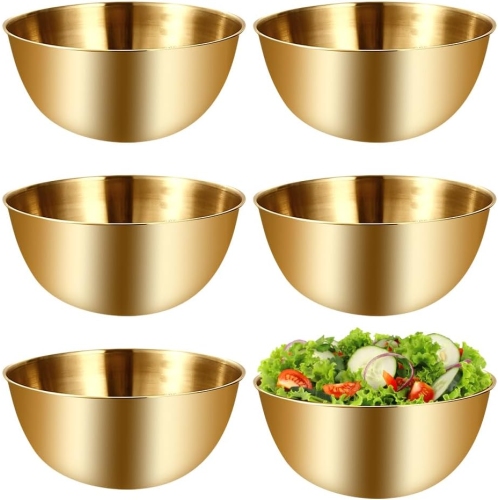
Why serving bowl shape matters for shared meals
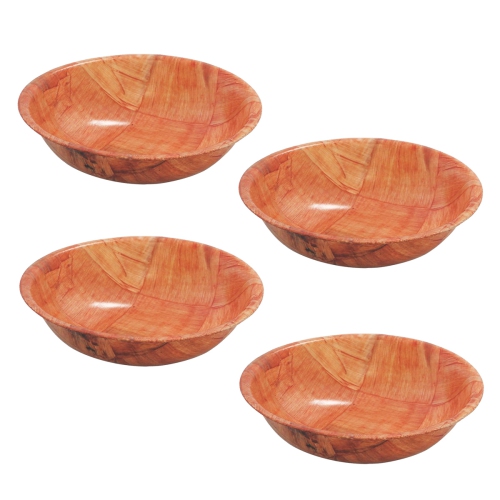
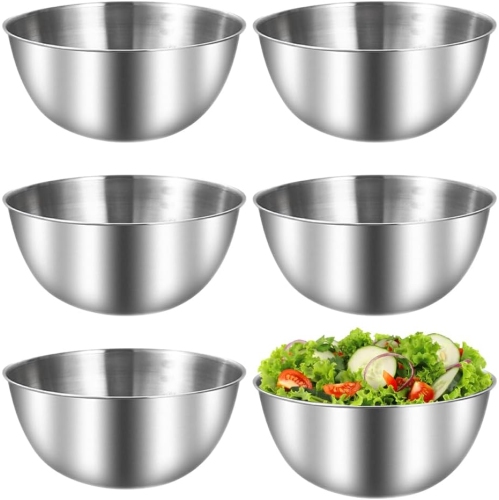
Material influences how a serving bowl looks, feels, and fits into everyday routines. Ceramic is a broad category that includes stoneware and porcelain, with considerable variation in thickness, weight, finish, and care requirements. Stoneware often has a substantial feel that suits casual family meals, while porcelain can offer a finer profile without necessarily being fragile. Neither name alone establishes whether a bowl is safe for the microwave, dishwasher, or oven; those uses depend on the manufacturer's specifications and any applied finishes. Glazed surfaces are generally straightforward to wipe clean, though exposed bases and textured details may need more attention. Glass keeps the contents visible, making layered salads, cut fruit, and colourful vegetables part of the table setting. Clear glass also sits easily alongside patterned plates, but heat tolerance varies, and a serving bowl should not be treated as bakeware unless it is specifically rated for that purpose. Wooden bowls offer natural grain and a warmer tactile quality, particularly for bread, salads, or dry snacks when those uses are permitted by the care instructions. They usually require handwashing, prompt drying, and protection from soaking; some finishes also call for occasional treatment with a suitable food-safe oil. Stainless steel is useful where low weight and resistance to breakage matter, though the bowl can become hot when filled with hot food and is not suitable for microwave use. Melamine can suit casual shared meals because it is lightweight and resistant to shattering, but it should not go in the microwave, and temperature limits still matter. Across materials, an intact food-contact surface is important. Chips, cracks, or a damaged coating can affect both cleaning and continued use. Abrasive pads may dull a finish, while sudden temperature changes can damage certain ceramic and glass bowls. Care labels provide the clearest basis for deciding whether a bowl suits frequent washing, reheating, or serving food straight from the kitchen.
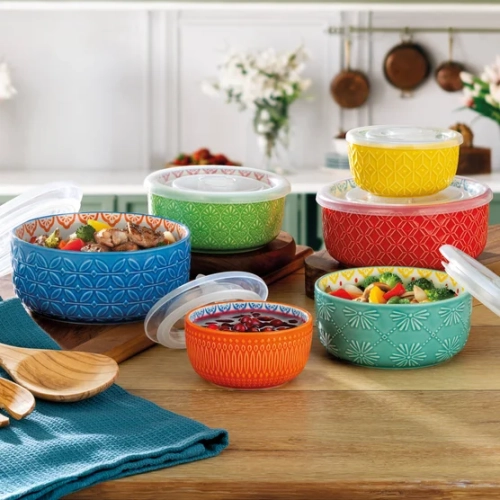
The most useful serving bowls fit the way a household actually eats and stores its tableware. A couple who often share one main dish may use a medium bowl far more often than an extra-large one, while a household that serves several sides benefits from a mix of capacities. For frequent hosts, matching bowls can create a consistent setting, but identical pieces are not essential. A shared colour, similar rim shape, or common material can connect different sizes without making the table feel overly formal. White and neutral finishes give richly coloured foods a clear backdrop, while deeper tones and patterns bring character to simpler settings. The interior finish matters as much as the exterior because much of it remains visible around a smaller portion. Practical details are especially helpful when bowls move between the kitchen, dining area, and a gathering elsewhere. Handles can improve grip but take up cupboard space, and lids can help cover food between serving and storage, although a fitted lid is not necessarily leakproof. A bowl intended for transport needs a closure suited to that purpose, particularly for dressings or sauces. Nesting shapes save shelf space, provided the bowls separate easily and their rims do not rub against rough bases. Protective layers between pieces can help prevent scratches where the material or finish calls for extra care. Cupboard depth, shelf height, and dishwasher rack spacing are worth considering alongside table space, especially for broad bowls that are awkward to store upright. Serving bowls can also make thoughtful gifts for a housewarming, a wedding, or someone who enjoys bringing a dish to family meals. A versatile shape with clear care instructions is often easier to work into an established kitchen than a piece reserved for a single recipe. For everyday use or Boxing Day entertaining, the lasting appeal is practical: enough room for the food, a comfortable way to serve it, and a finish that suits the dishes already on the table.
Top selling and popular products
-
 Your price for this item is $5.99
 -
 Your price for this item is $2.99
 -
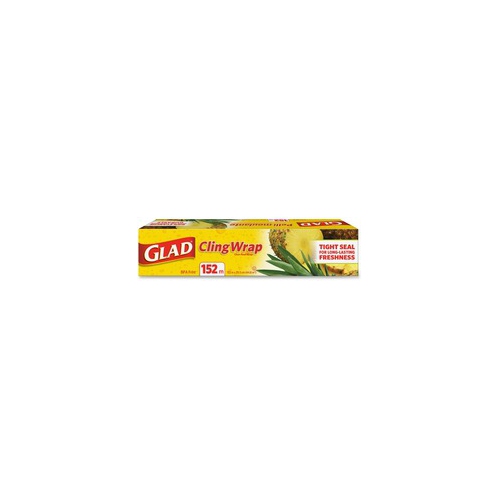 Your price for this item is $9.99
 -
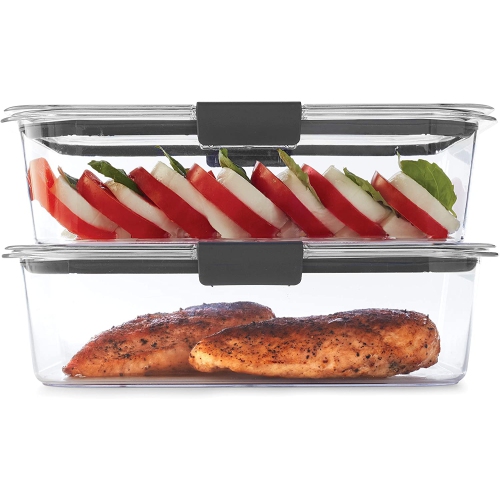 Your price for this item is $108.25
 -
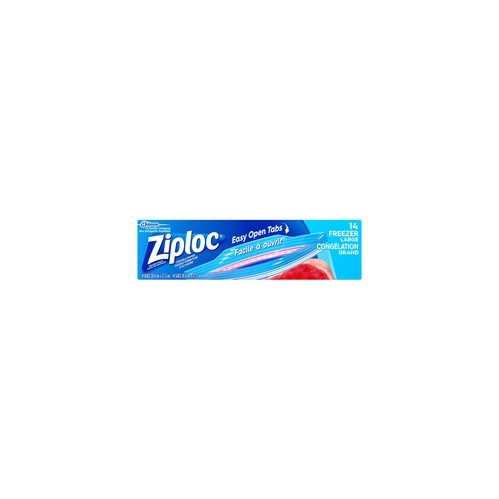 Your price for this item is $7.99
 -
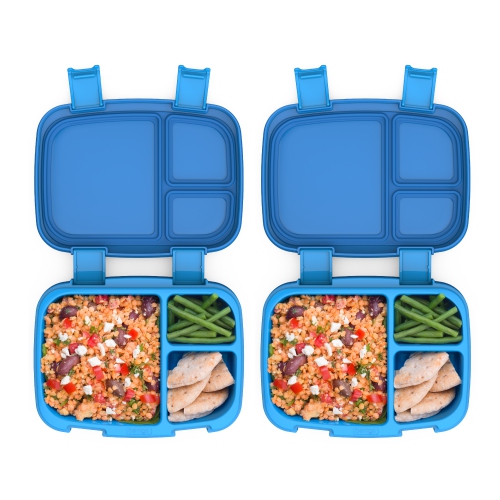 Your price for this item is $44.99
 -
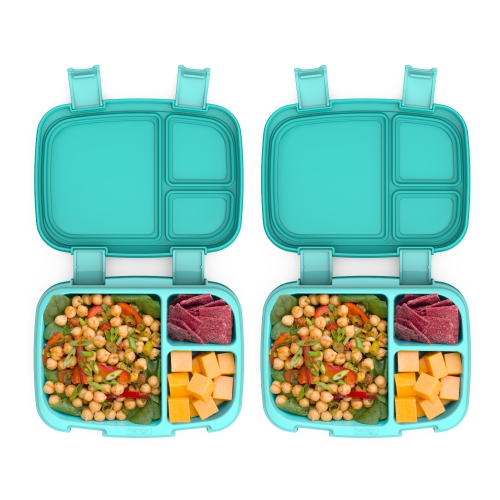 Your price for this item is $44.99
 -
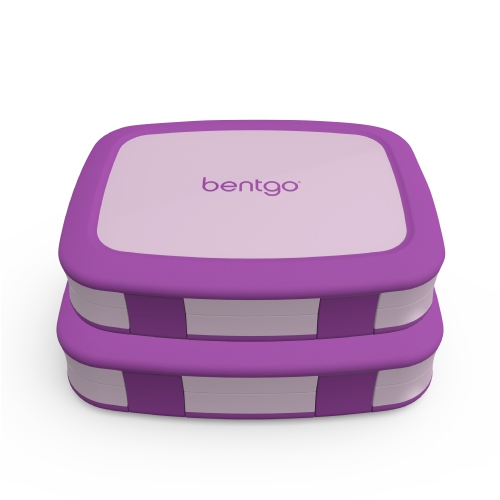 Your price for this item is $59.99