Boxing Day Deals Coming Soon
Our Boxing Day Sale returns in December 2026. In the meantime, shop our current top deals below.

Boxing Day Sale On Cutting Boards
Boxing Day is the perfect time to elevate your kitchen game with amazing deals on cutting boards. Whether you're a seasoned chef or just starting your culinary journey, our selection offers something for everyone. Discover a variety of styles and materials that cater to every cooking need, from sleek designs that complement modern kitchens to durable options for everyday use. Enjoy the thrill of finding the perfect cutting board to enhance your meal prep while taking advantage of incredible savings. Remember, our Low Price Guarantee means you can shop confidently knowing that you'll find the best price at Best Buy, all year round. We encourage you to check our website frequently for the most up-to-date information on our latest offers and savings opportunities.










How cutting board materials shape everyday food preparation
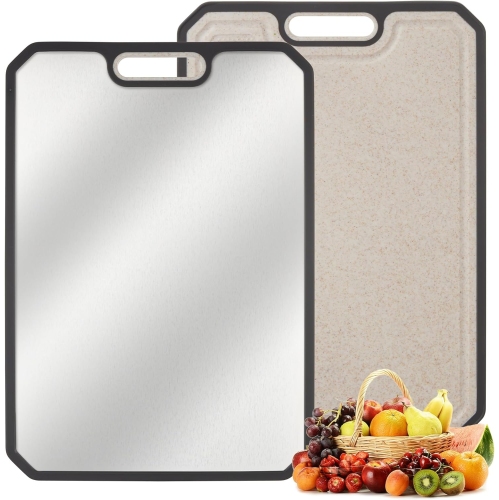
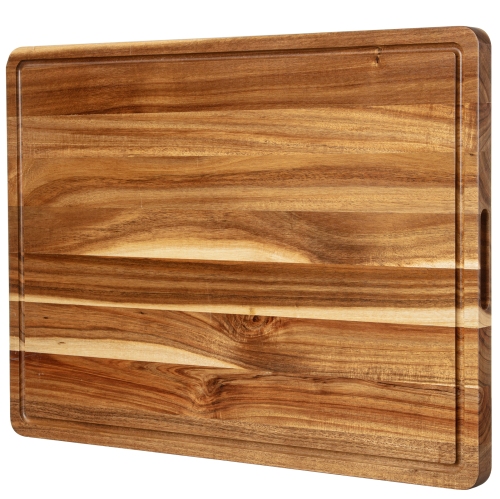
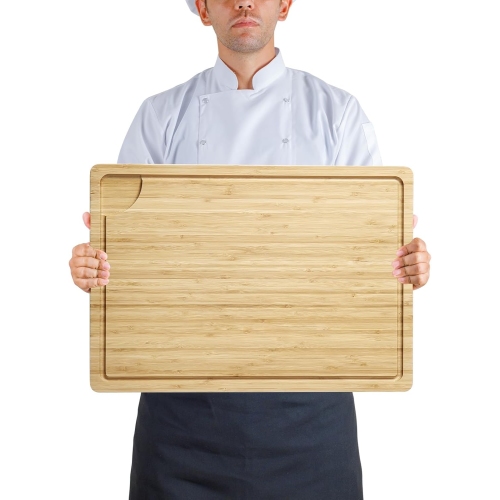
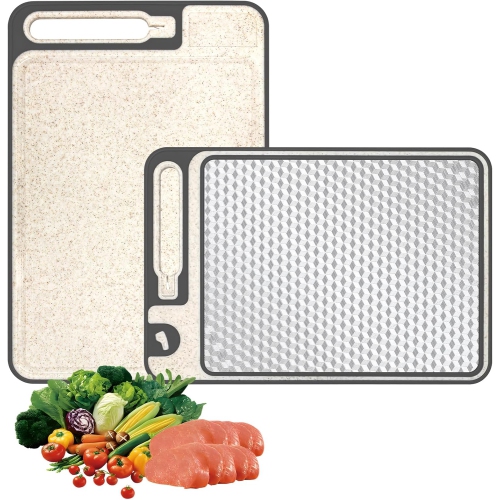
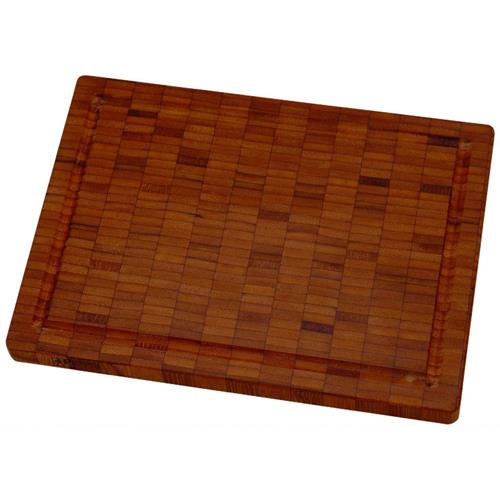
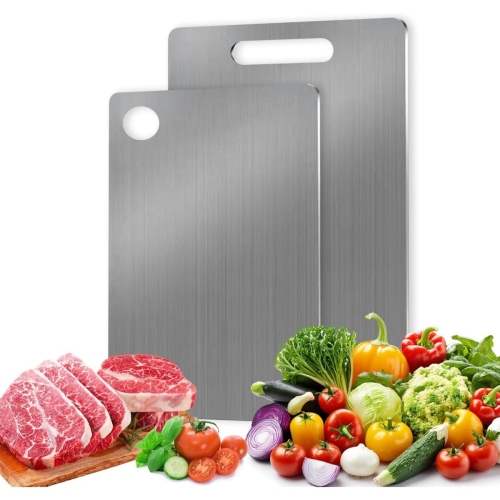
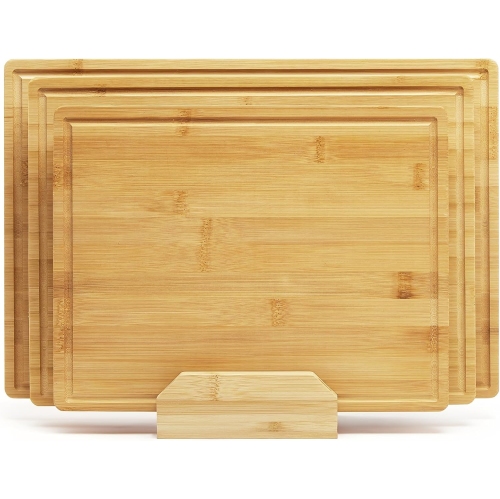
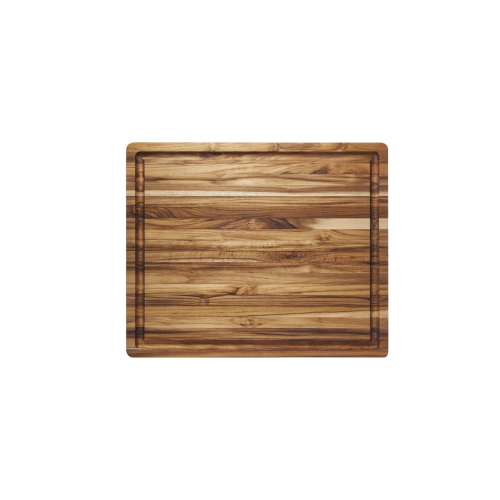
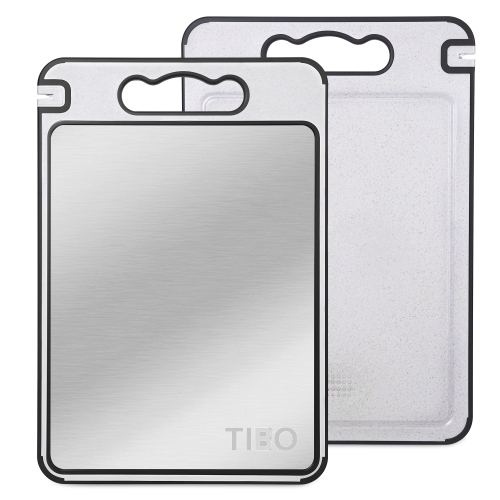
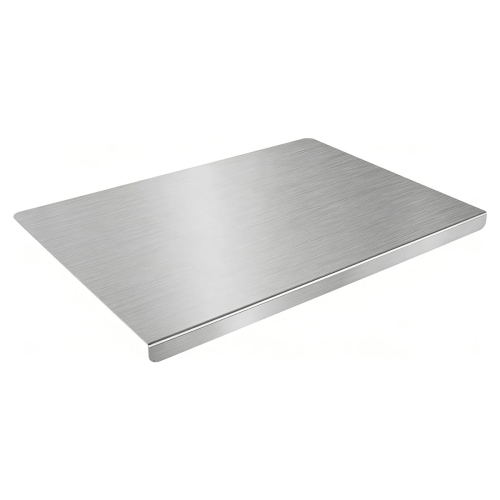
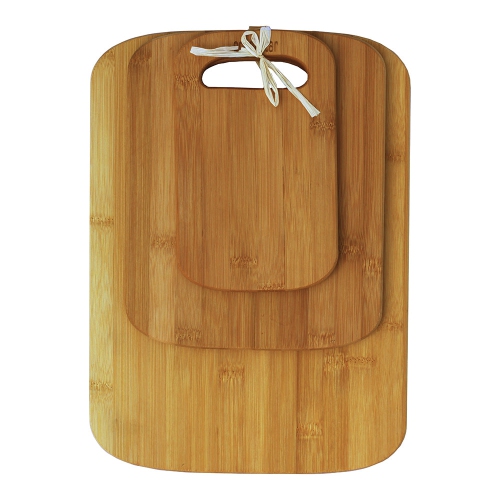
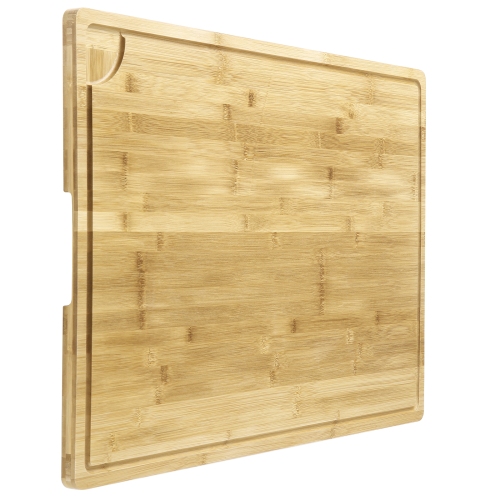
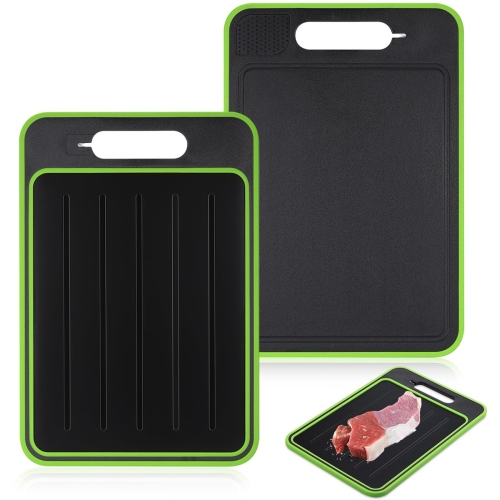
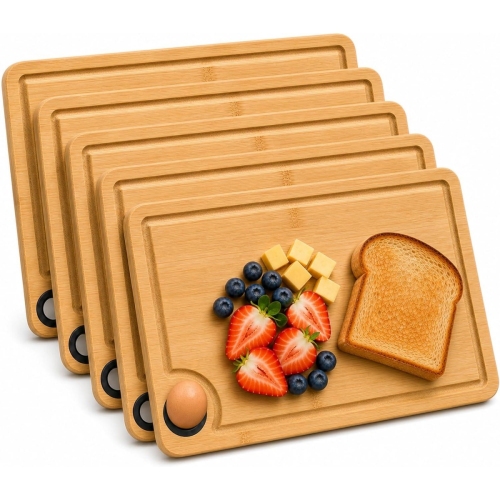
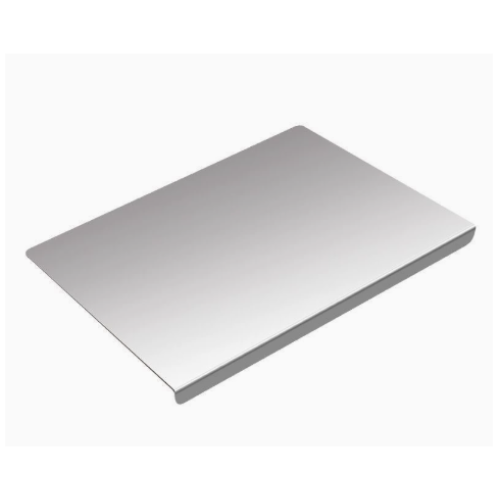
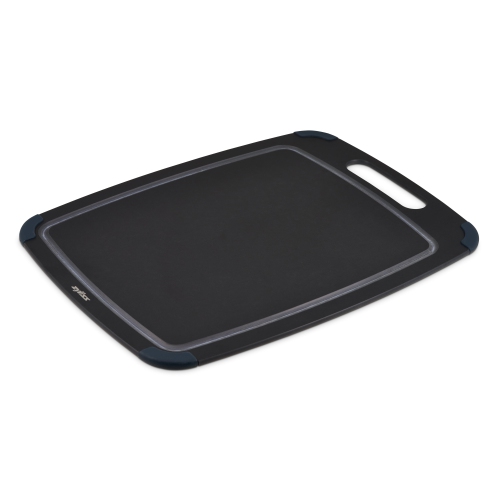
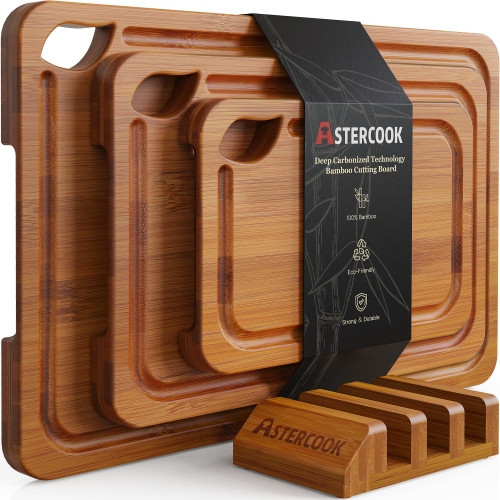
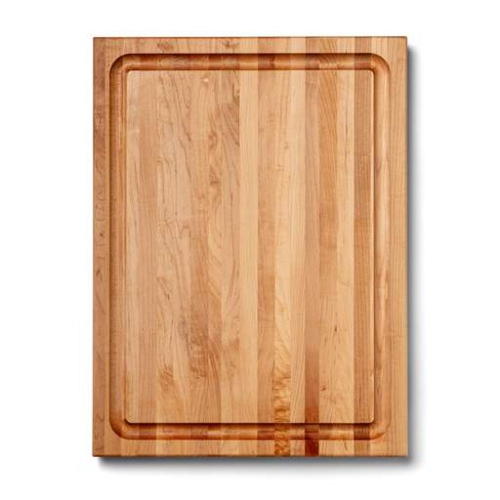
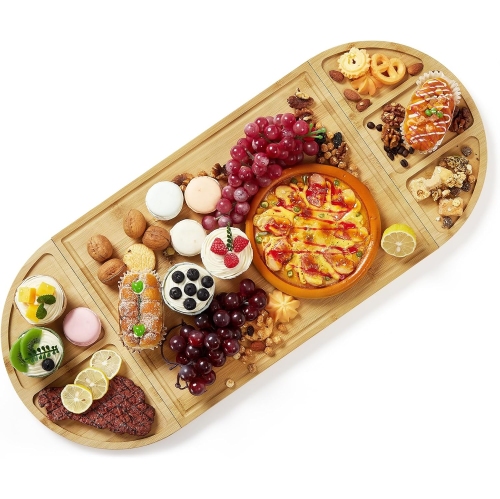
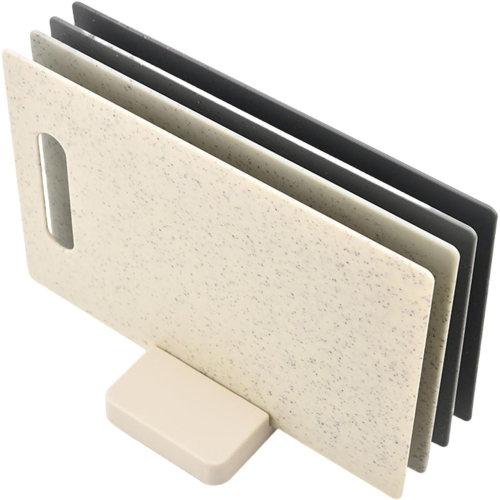
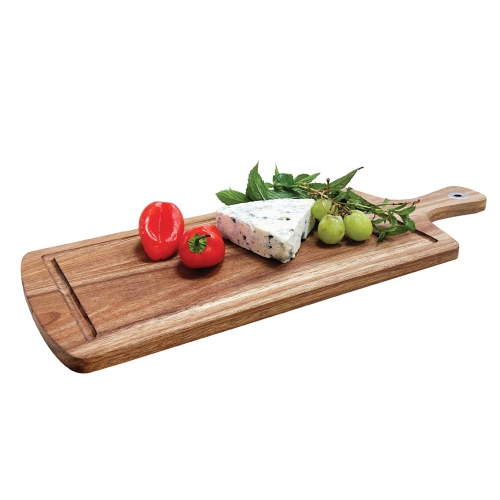
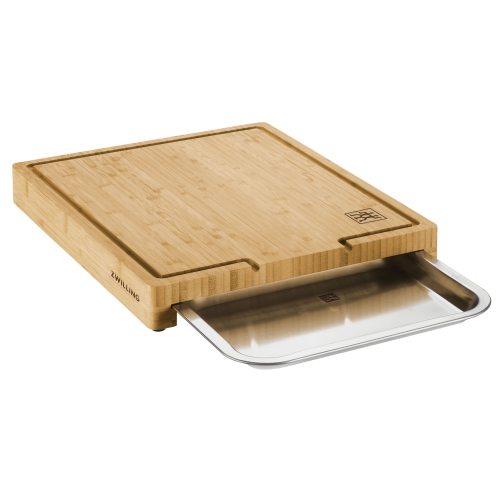
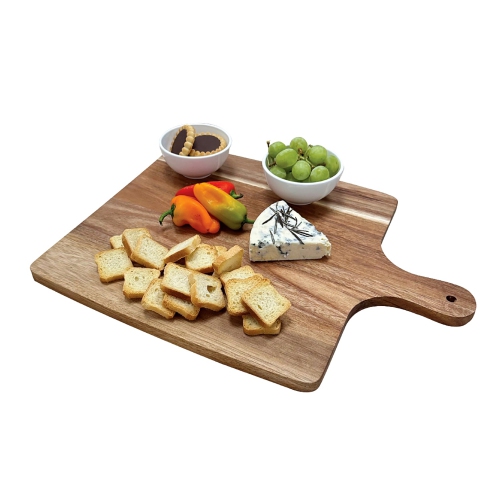
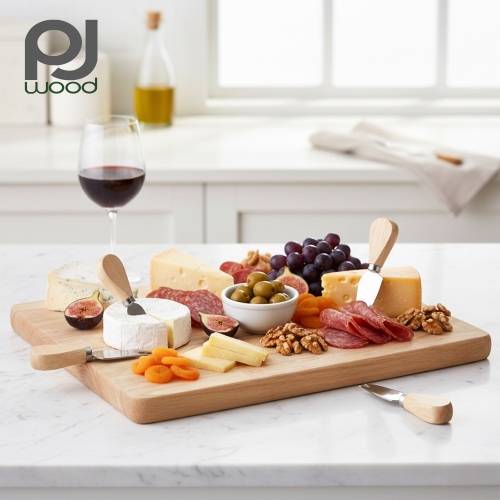
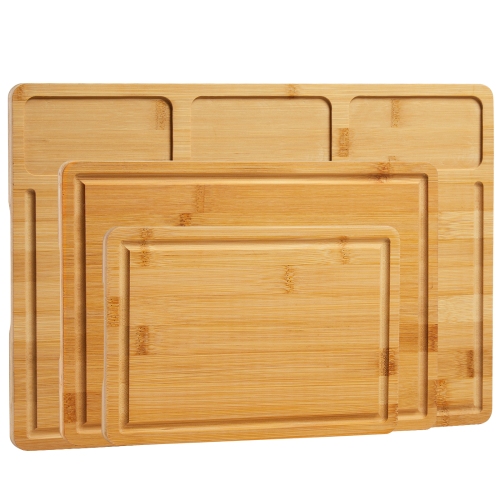
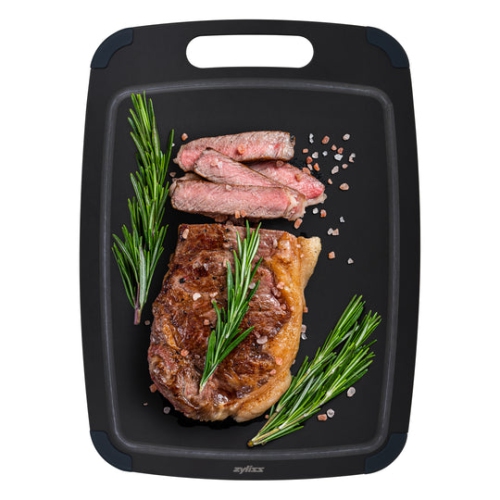
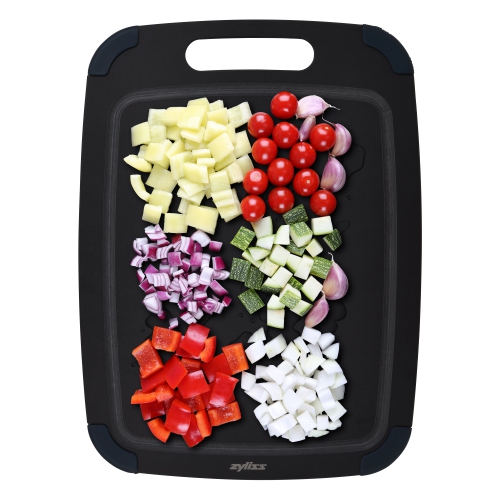
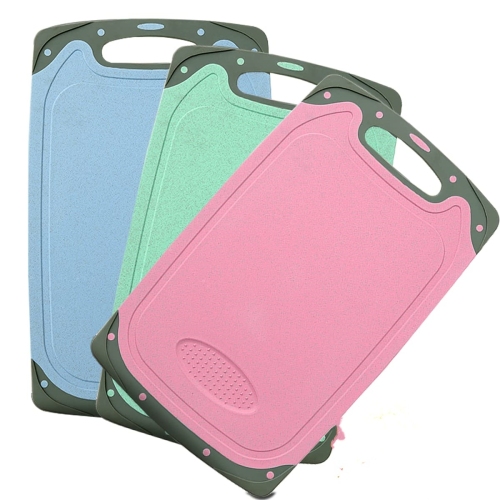
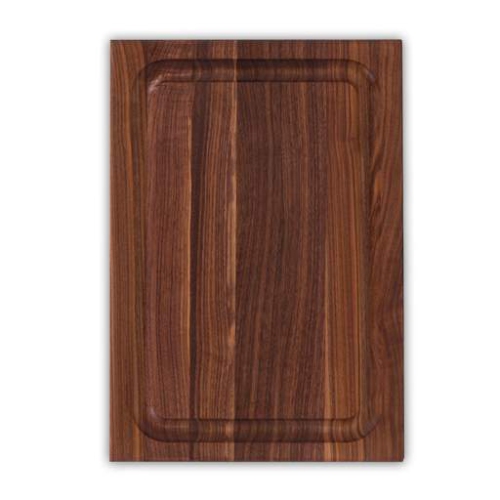
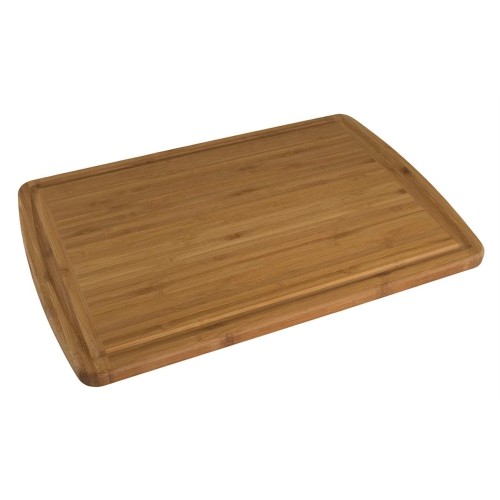
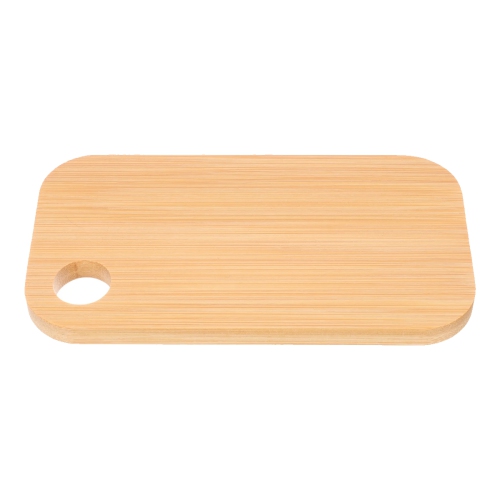
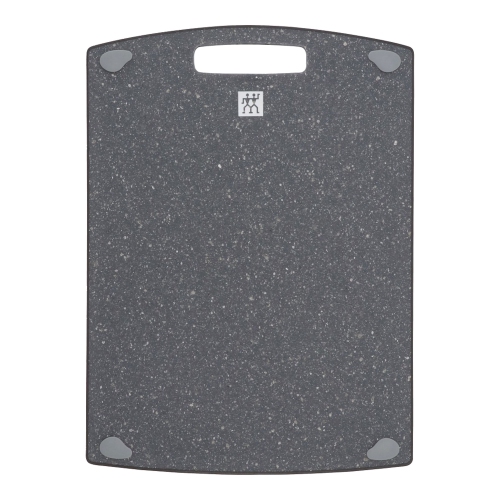
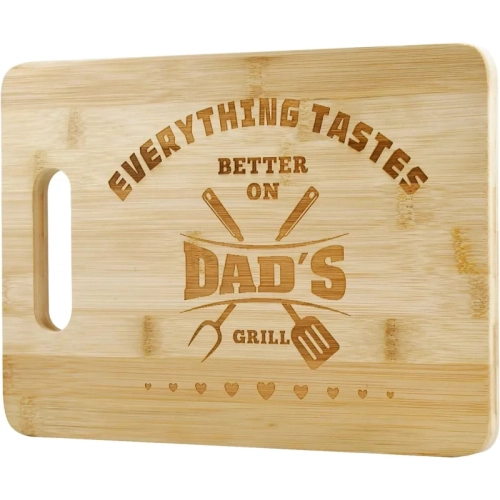
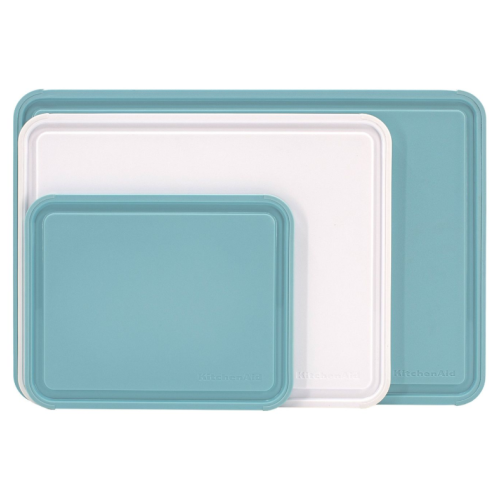
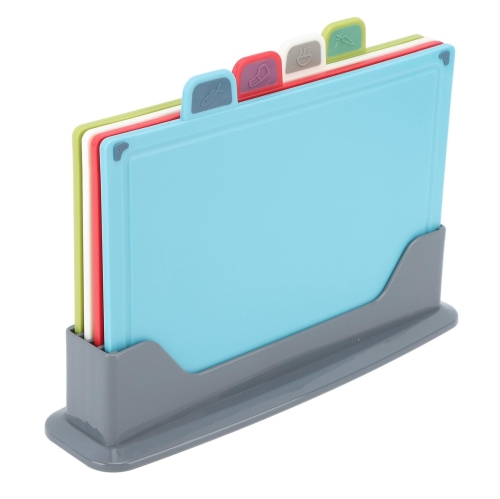
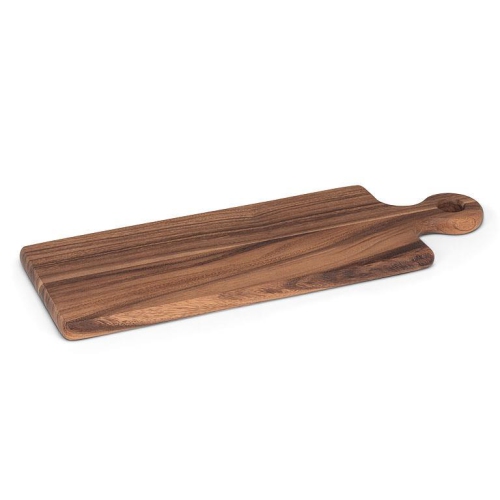
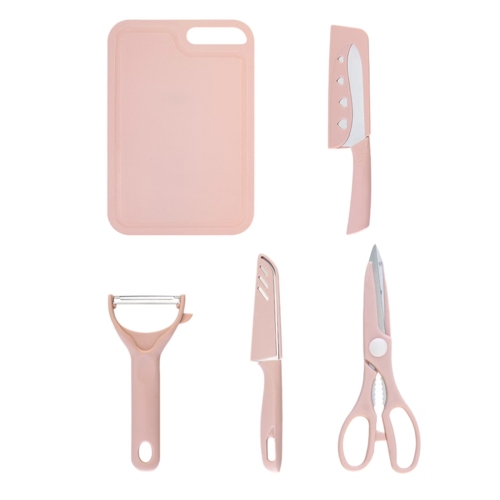
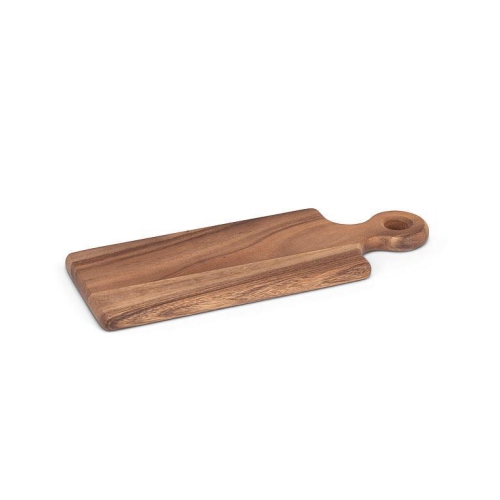
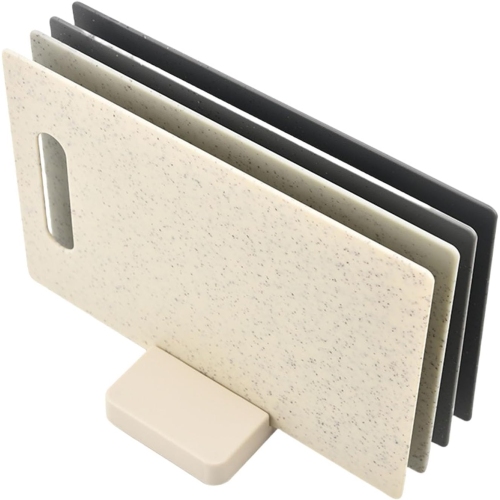
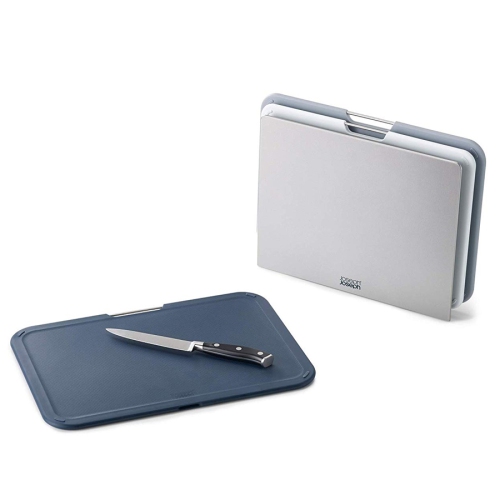
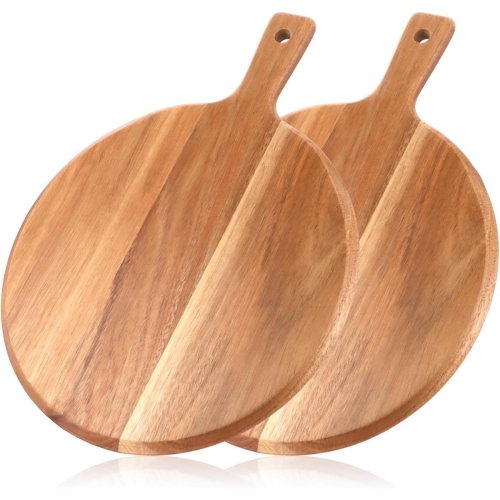
Size and shape matter just as much as material when a cutting board becomes part of a daily routine. A compact board can be convenient for halving a lemon, trimming strawberries, or preparing a small sandwich without occupying most of the counter. Larger boards give ingredients room to spread out, keeping a pile of chopped carrots separate from the onion still being diced. For batch cooking or meals with several components, that extra working area can reduce the need to repeatedly transfer ingredients into bowls. A board still needs to sit fully supported on the counter, with enough surrounding room for safe movement and a comfortable cutting position. Sink dimensions, cupboard space, and dishwasher rack clearance also affect how easily it can be cleaned and put away. Thickness adds another practical consideration: a substantial board may feel steady during repeated chopping, while a thinner, lighter board is easier to lift when tipping sliced vegetables into a pot. Weight alone does not prevent slipping, so a flat surface and a suitable non-slip base or damp cloth beneath the board remain important. Features such as juice grooves, handles, and reversible faces serve different purposes. A perimeter groove can help contain liquid from tomatoes or rested cooked meat, although it slightly reduces the flat area available for chopping. A smooth face offers uninterrupted space for gathering finely chopped herbs or arranging bread for the table. Handles and finger recesses can make a larger board easier to carry, but they also need to fit comfortably in the hand. Reversible designs may provide two useful working faces, while boards with feet are generally intended to stay one way up. In a shared kitchen, separate boards for raw meat, poultry, or seafood and foods eaten without further cooking help reduce cross-contamination. Distinct colours or clearly recognizable shapes can make those separate uses easier to maintain, especially when several people are preparing a meal together.
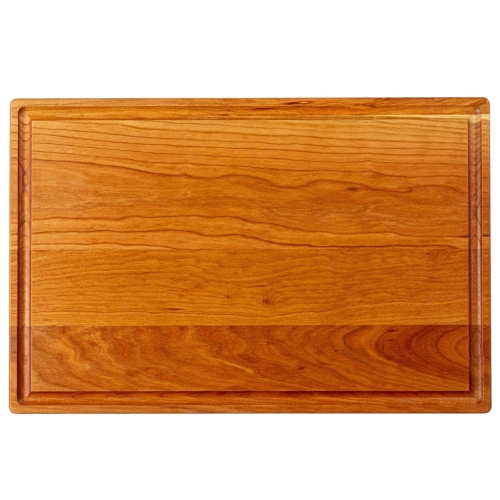
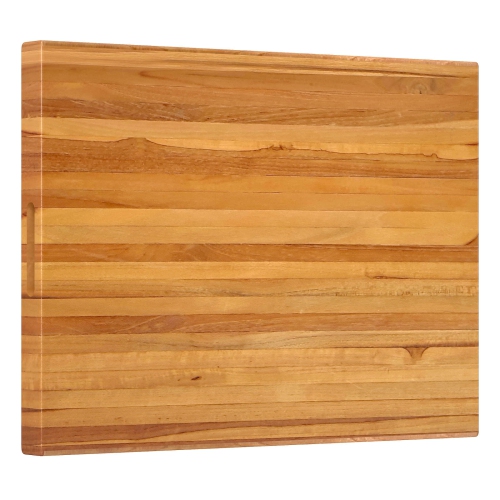
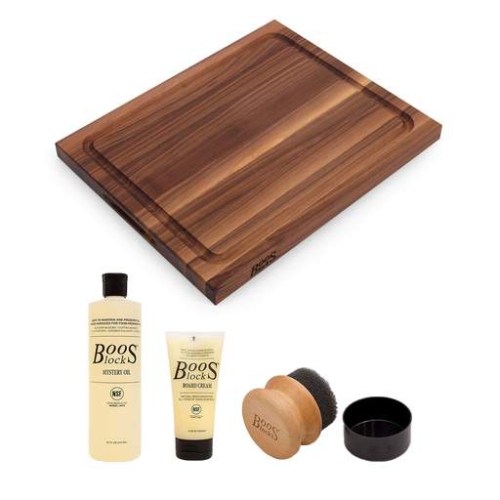
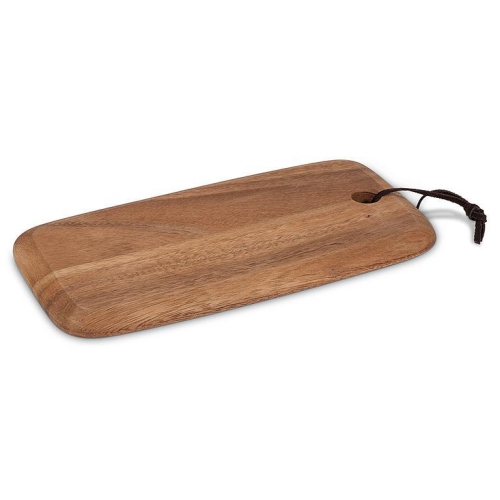
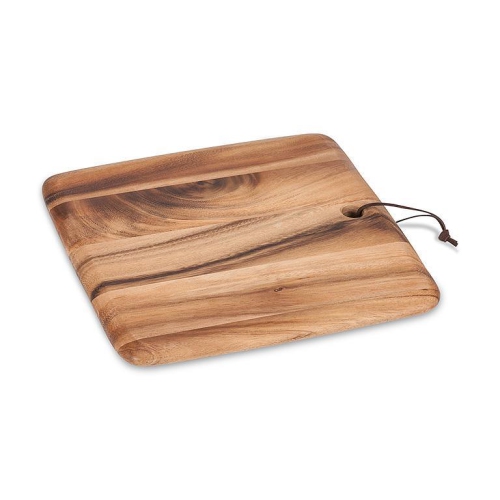
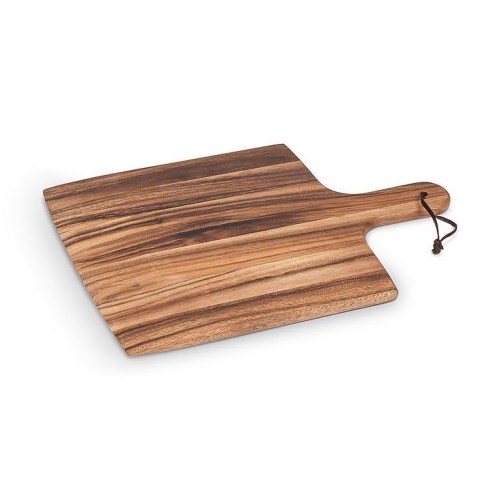
Care requirements influence how well a cutting board holds up over time and how often it gets used. Wood and bamboo generally need handwashing rather than soaking, followed by thorough drying with air able to reach both faces. Leaving a wet board flat against a counter or standing in pooled water can contribute to uneven moisture absorption, warping, or splitting. Where recommended by the manufacturer, a food-safe board oil or conditioner helps maintain a wooden surface; ordinary cooking oils are not a reliable substitute because some can become rancid. Plastic and composite boards also need care suited to their construction, particularly around dishwasher temperatures and drying cycles. Cleaning after each use, sanitizing when appropriate with a method suitable for the material, and allowing the board to dry fully are separate parts of maintaining a food-preparation surface. Deep grooves, cracks, loose joints, and persistent damage deserve attention because they can make thorough cleaning difficult. Some solid wood boards can be resurfaced when their construction and condition permit, whereas heavily scored plastic boards may need replacing. Everyday handling makes a difference, too: a bench scraper can gather diced ingredients without repeatedly dragging a knife’s sharpened edge across the board. These practical details matter for experienced home cooks, students setting up a first kitchen, and anyone preparing meals in a smaller space. A manageable board can be a thoughtful housewarming or wedding gift, particularly when its dimensions suit the recipient’s counter and storage. Someone who regularly bakes bread may appreciate room for slicing a broad loaf, while a cook who prepares vegetables in batches may value a generous, stable working surface. For a recipient who prefers simple cleanup, confirmed dishwasher suitability may be more useful than an elaborate finish. Knife organization belongs alongside these considerations, with blades stored securely rather than loose against other utensils. For a related kitchen category, explore Boxing Day Sale On Knife Blocks & Storage. A cutting board earns its place through a comfortable balance of usable space, dependable handling, and care that suits the way its owner cooks.
Top selling and popular products
-
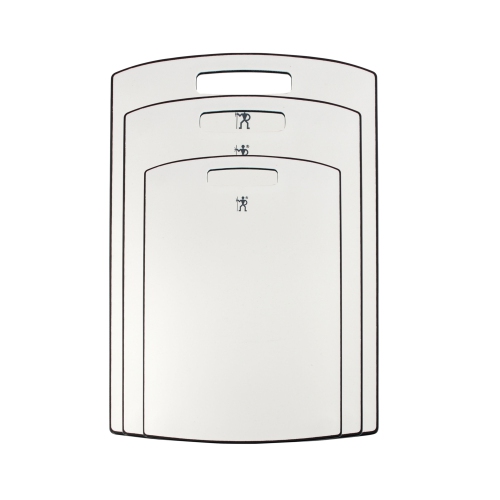 Your price for this item is $39.99
-
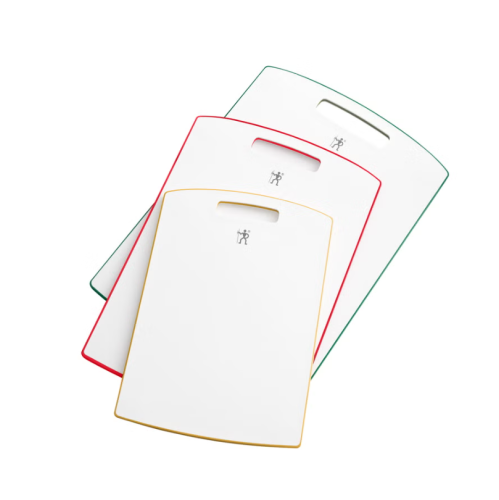 Your price for this item is $54.99
-
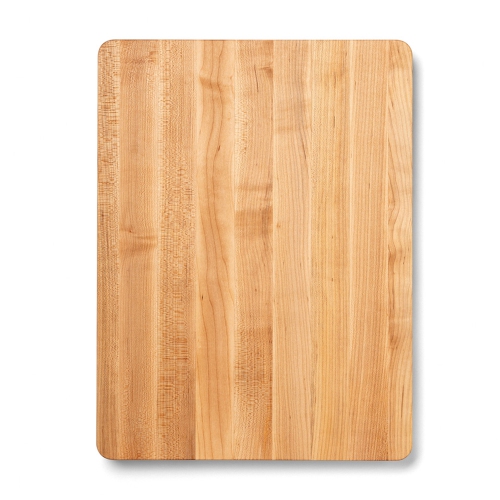 Your price for this item is $179.99
-
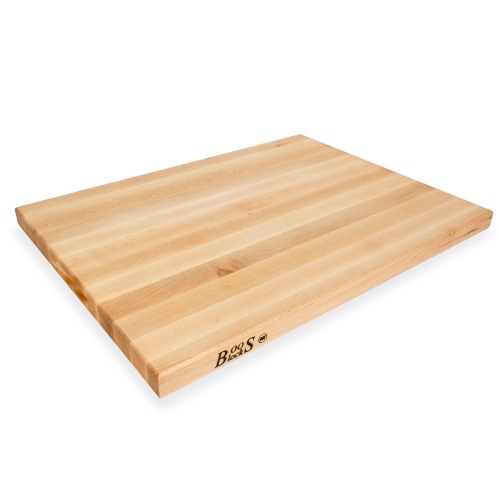 Your price for this item is $353.99
-
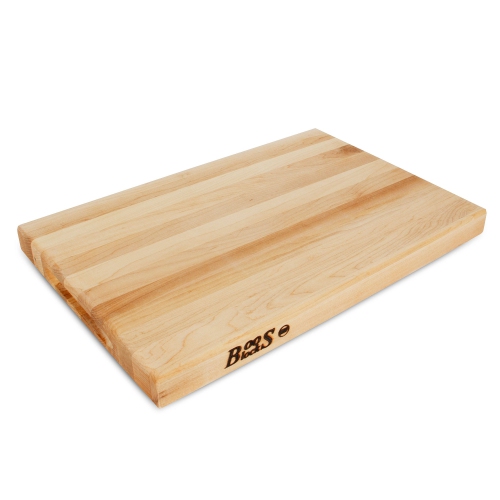 Your price for this item is $176.99
-
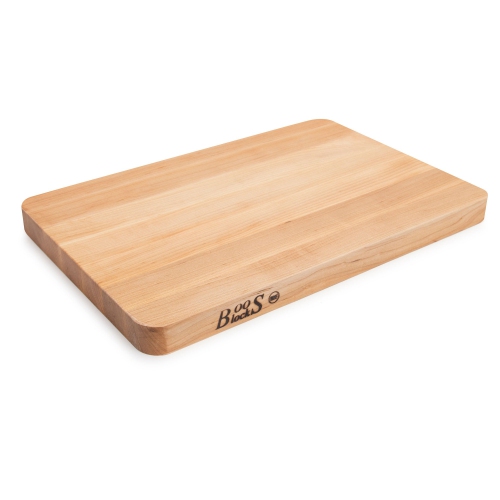 Your price for this item is $123.99
-
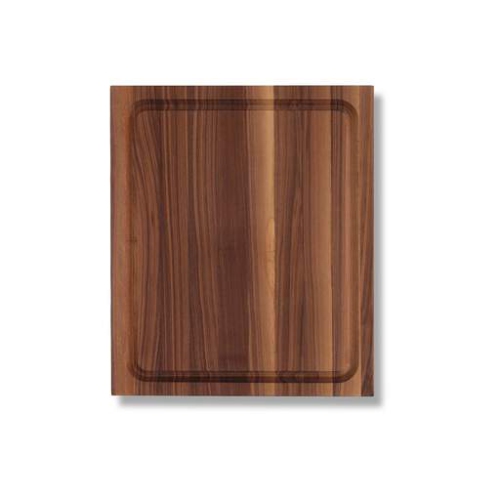 Your price for this item is $306.99
-
 Your price for this item is $286.99