Boxing Day Deals Coming Soon
Our Boxing Day Sale returns in December 2026. In the meantime, shop our current top deals below.

Boxing Day Sale On Kitchen Knives
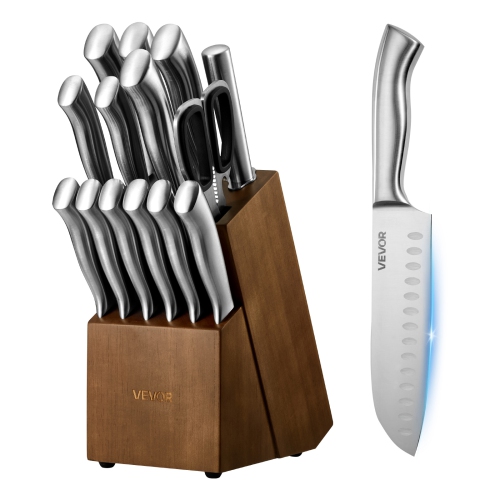
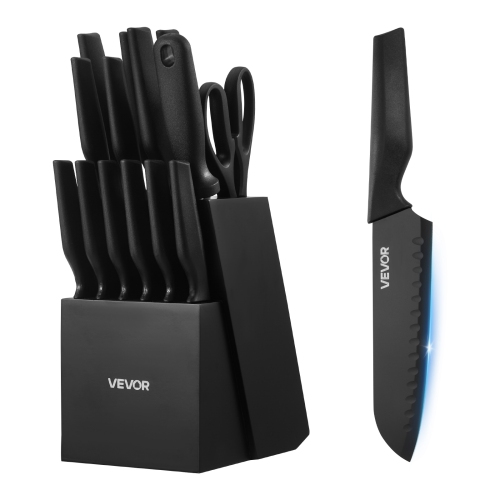
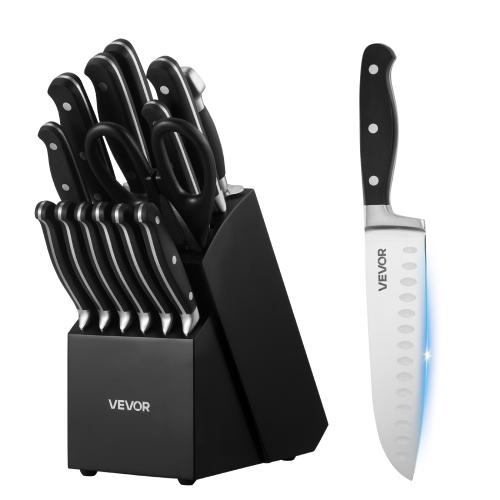
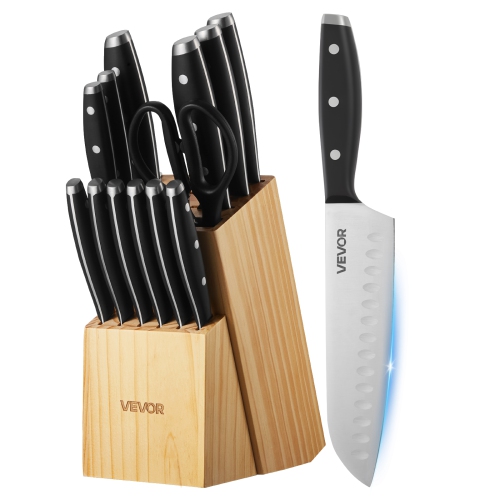
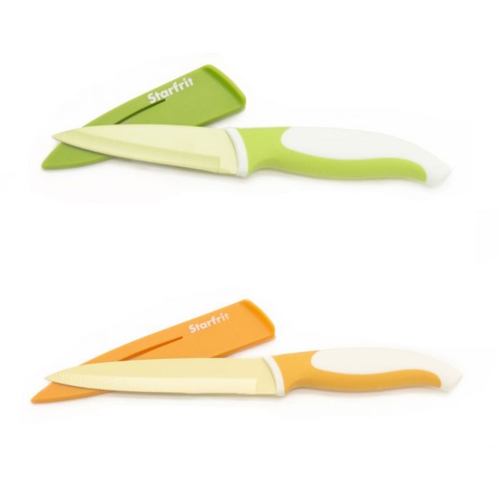
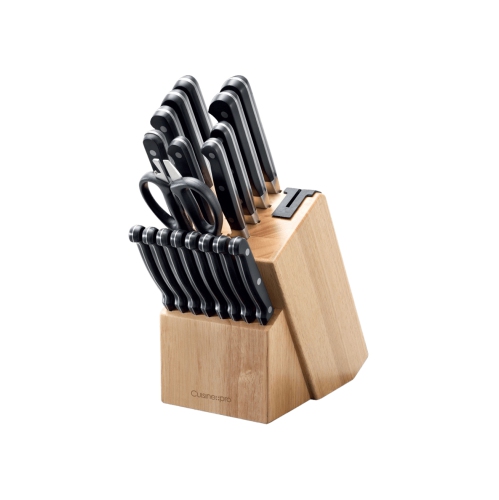
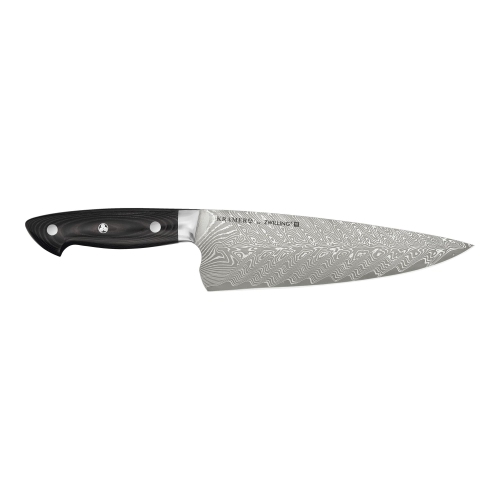
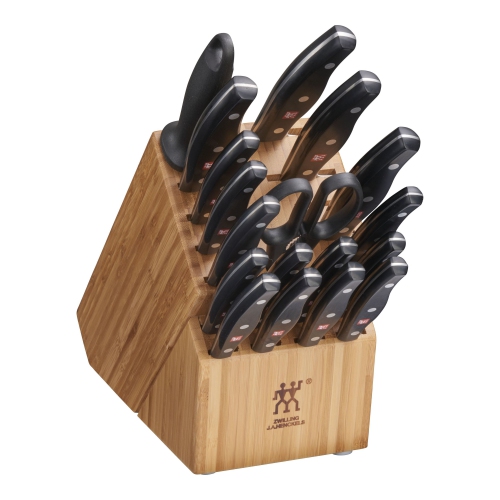
Get ready to slice through savings with our Boxing Day Sale on kitchen knives! Whether you're a home cook or a culinary enthusiast, now is the perfect time to upgrade your kitchen arsenal. Discover incredible deals on a wide selection of high-quality knives that are designed to enhance your cooking experience. From precision paring knives to versatile chef's knives, find the perfect tools to elevate your culinary creations. Remember, our Low Price Guarantee means you can shop confidently knowing that you'll find the best price at Best Buy, all year round. We encourage you to check our website frequently for the most up-to-date information on our latest offers and savings opportunities.




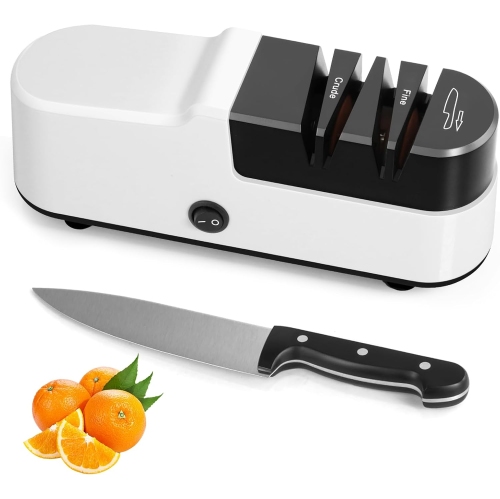
Why a few well-matched knives can do more
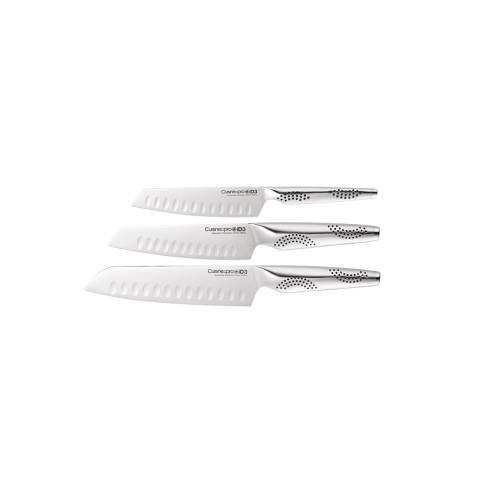
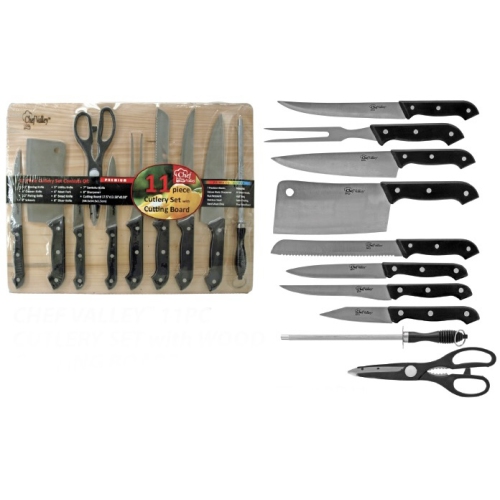
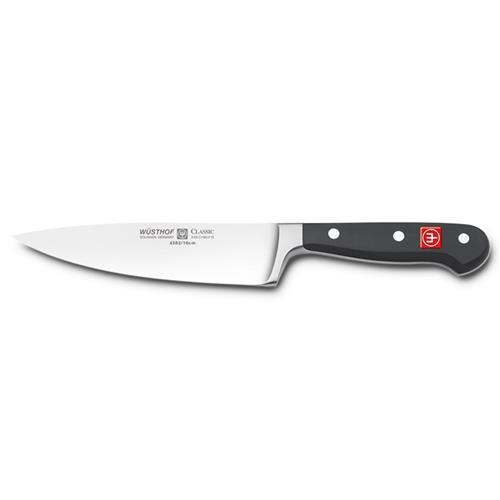
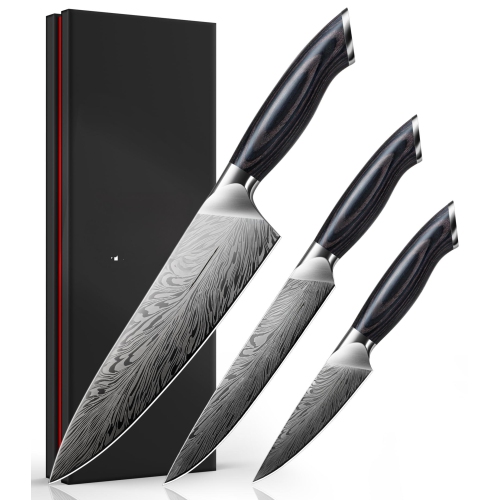
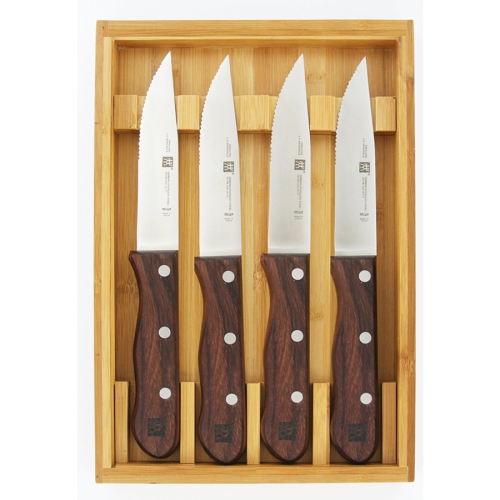
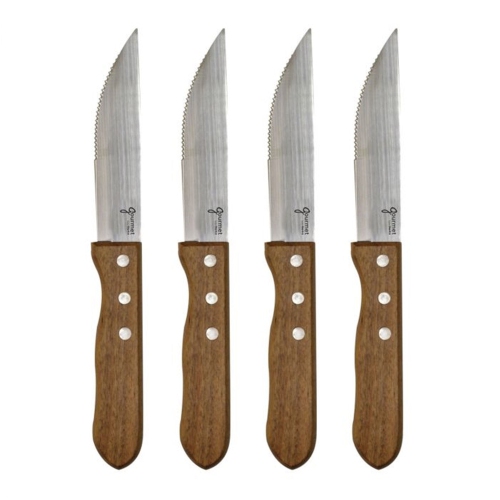
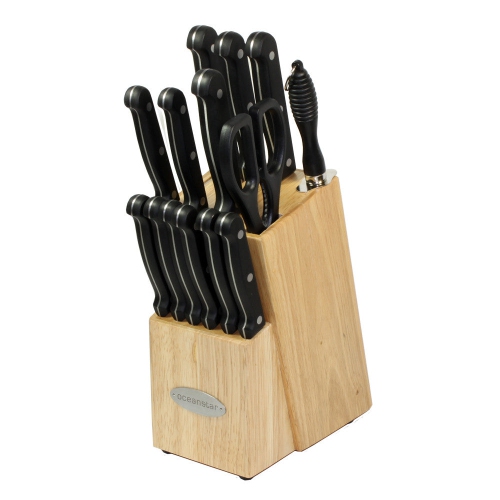
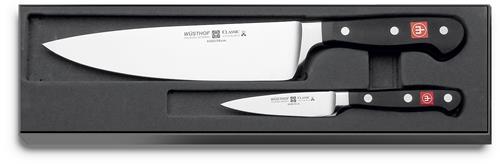
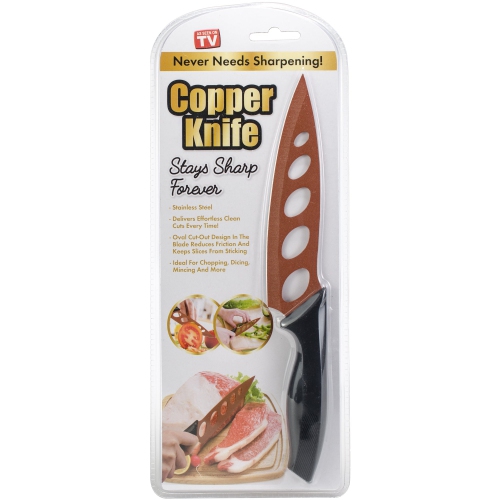
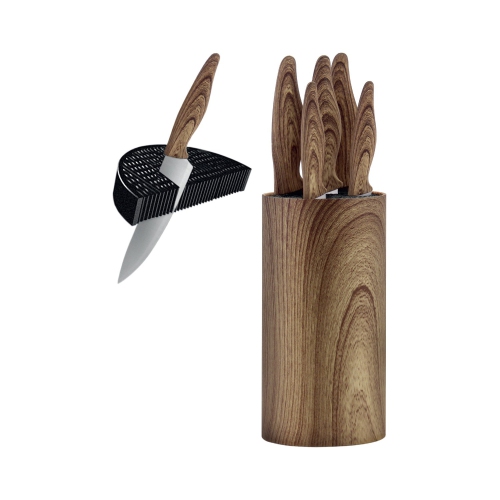
Blade material, construction, and handle shape help explain why kitchen knives with similar outlines can feel quite different in use. Stainless steel is common because it offers resistance to corrosion and suits the demands of regular food preparation, although it still benefits from prompt washing and drying. High-carbon stainless steel describes a broad group of alloys rather than one uniform level of quality; the steel composition and heat treatment both affect edge retention, toughness, and sharpening needs. Carbon steel can develop a patina with use and requires particular attention to moisture and acidic foods. Ceramic blades resist rust and can retain a keen edge for suitable slicing tasks, but their brittleness makes them unsuitable for twisting, prying, or cutting through bones and frozen food. Forged and stamped construction also influence a knife’s design, though neither term alone establishes how well it will cut. Blade thickness, edge geometry, balance, and the quality of the finished handle all matter. A heavier knife may feel reassuring when working through a pile of firm vegetables, while a lighter design can be more comfortable during lengthy preparation. An 8-inch chef’s knife is a familiar all-purpose size, but a shorter blade may feel easier to manage on a small cutting board or in a compact kitchen. Handle fit is equally personal. A comfortable grip should leave room for the fingers without forcing the wrist into an awkward angle, and the transition between handle and blade should not create a pressure point. Wood handles offer a distinctive texture and appearance but may need occasional conditioning according to the manufacturer’s directions. Synthetic handles often simplify routine cleaning, while metal handles can have a noticeably different feel, especially when damp. A full tang means the blade steel extends through the length of the handle, but overall construction and secure assembly remain important. For left-handed cooks, an ambidextrous handle and a double-bevel edge can be useful features to check, since some specialized blade shapes and handle profiles favour one hand.
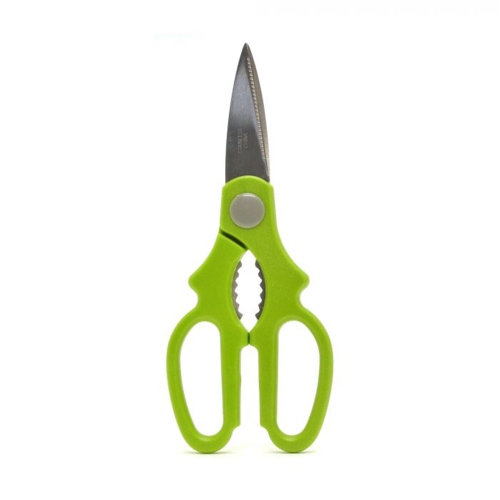
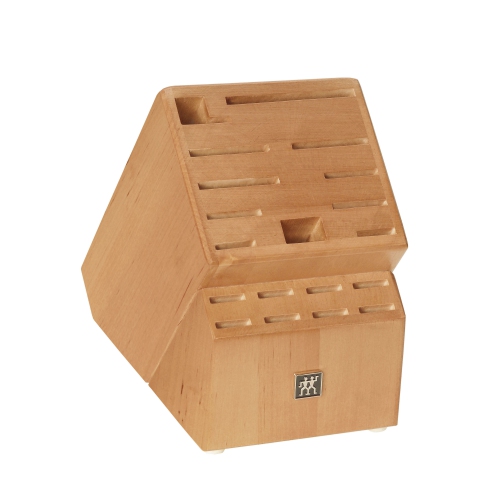
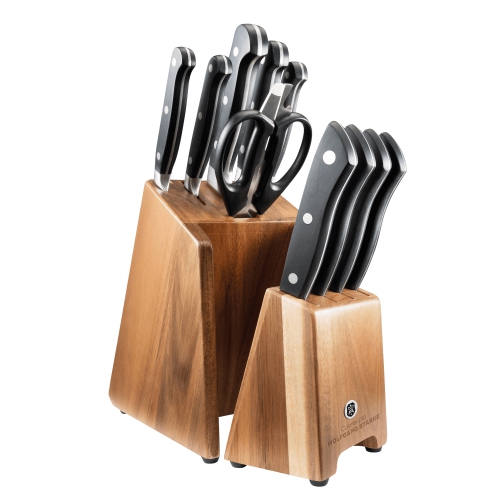
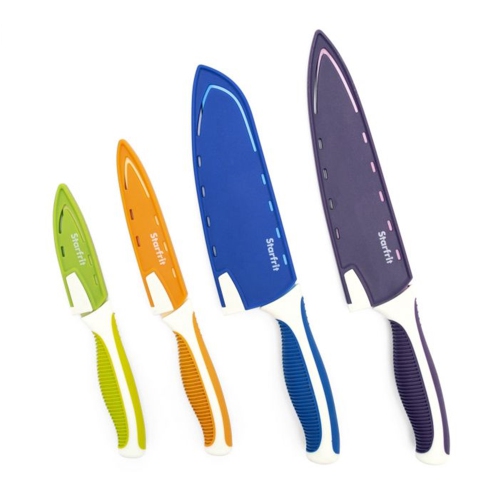
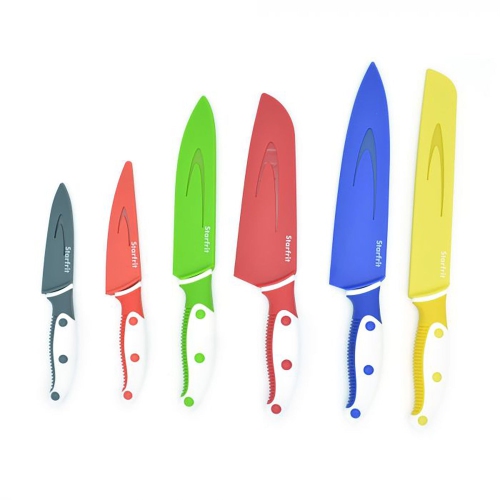
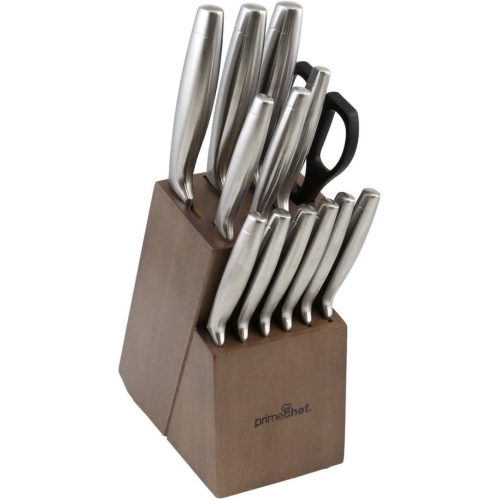
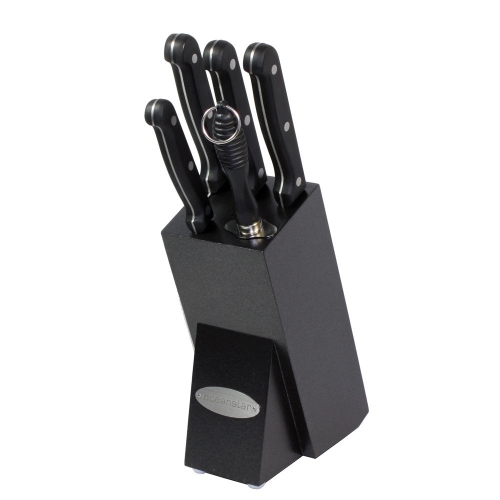
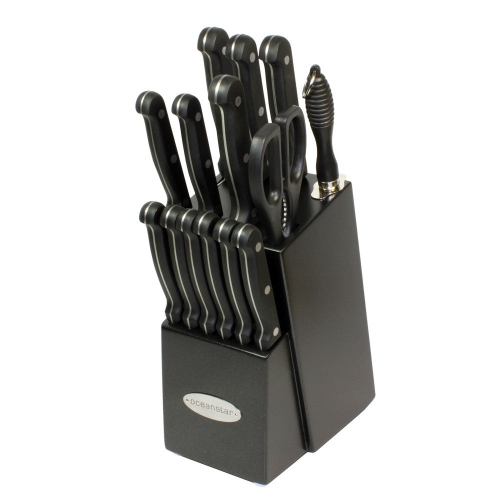
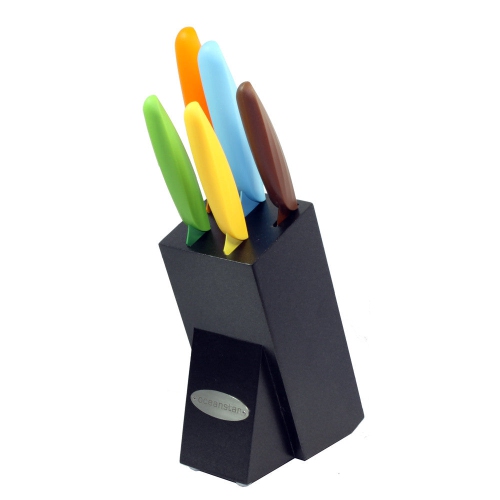
Good care preserves both cutting performance and the comfortable feel that makes a knife pleasant to reach for each day. Handwashing with mild dish soap, followed by immediate drying, is generally gentler on kitchen knives than a dishwasher, where heat, detergent, and contact with other utensils can affect handles and edges. Manufacturer care directions should always take priority, particularly for wood, carbon steel, and specialized finishes. Leaving a knife in a sink of water can damage it and creates a hidden sharp edge for anyone washing dishes. Cutting surfaces matter as well: wood and suitable plastic boards are kinder to fine edges than glass, stone, or a bare countertop. A stable board with enough room for the blade makes routine preparation less cramped, whether the task is dicing carrots or cutting sandwiches. Using the spine rather than the cutting edge to move chopped ingredients can help limit unnecessary edge wear. Honing and sharpening have distinct roles. For compatible steel blades, a suitable honing rod can help maintain alignment between sharpenings; sharpening removes material to restore the cutting edge. The right method depends on blade material, edge angle, and the maker’s recommendations, and serrated or ceramic blades may call for specialized service. Storage should protect the edge from knocking against other utensils while keeping sharp tools out of children’s reach. Knife blocks, fitted blade guards, and in-drawer organizers each offer different ways to protect cutlery, provided knives are clean and dry before being put away. Blocks occupy counter space, while drawer storage needs enough depth and a layout that keeps fingers away from exposed edges. Related preparation tools have their own place alongside knives. Kitchen shears can handle tasks such as snipping herbs or trimming food where their design permits; the Boxing Day Sale on Kitchen Shears page focuses on this complementary cutlery category. For kitchen knives, lasting usefulness comes from the combination of a suitable blade, a comfortable grip, protected storage, and care habits that fit naturally into everyday cooking. Those details matter long after the first neatly sliced tomato or freshly chopped handful of parsley.
Top selling and popular products
-
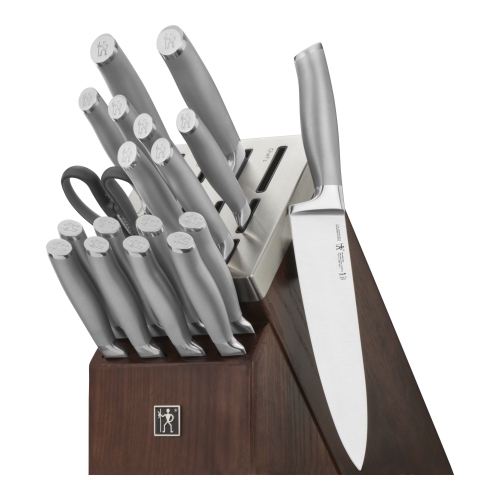 Your price for this item is $489.99
 -
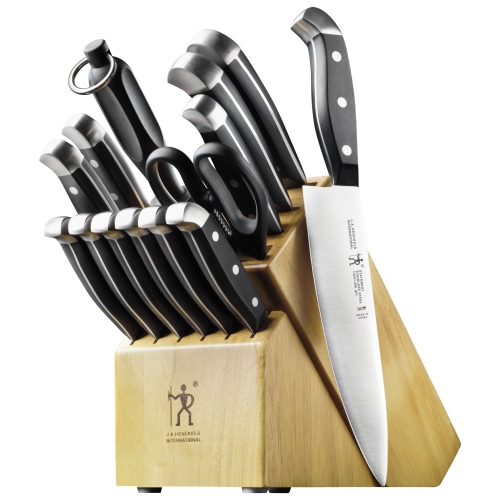 Your price for this item is $239.99
 -
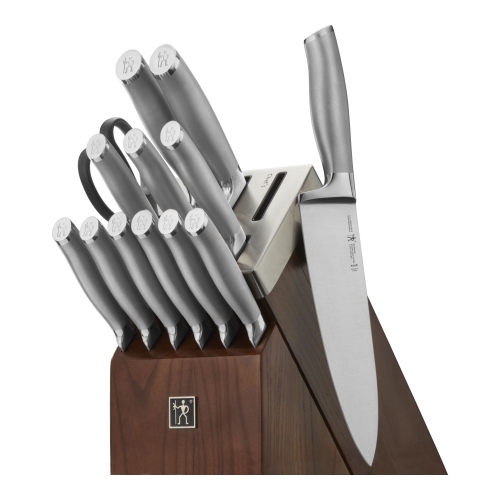 Your price for this item is $299.99
 -
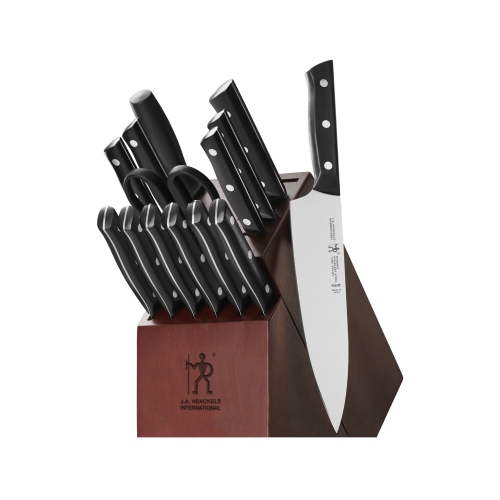 Your price for this item is $214.99
 -
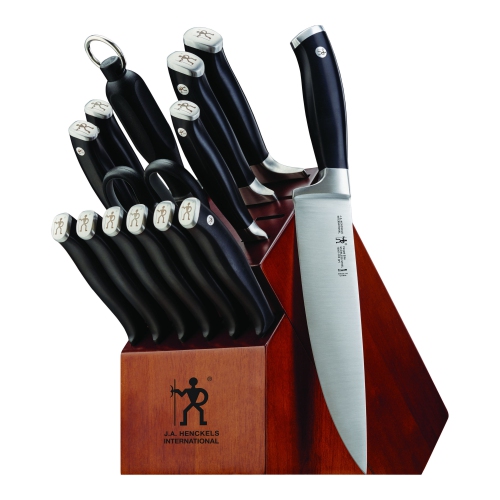 Your price for this item is $219.99
 -
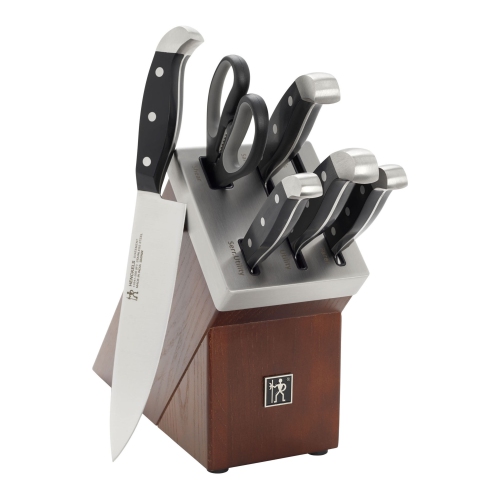 Your price for this item is $179.99
 -
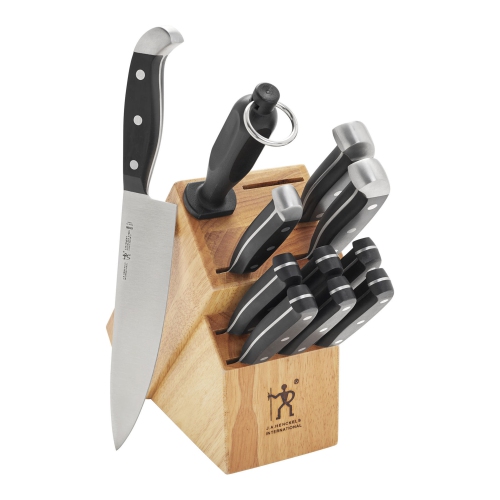 Your price for this item is $179.99
 -
 Your price for this item is $899.99