Boxing Day Deals Coming Soon
Our Boxing Day Sale returns in December 2026. In the meantime, shop our current top deals below.

Boxing Day Sale On Digital Pianos
Experience the joy of music this holiday season with incredible savings during our Boxing Day Sale on digital pianos. Whether you're a budding pianist or an experienced musician, our diverse selection caters to all skill levels and musical styles. Discover the perfect instrument to express your creativity, all while enjoying unbeatable discounts. From sleek, space-saving designs to models packed with advanced features, now is the ideal time to bring home the digital piano you've been dreaming of. Remember, our Low Price Guarantee means you can shop confidently knowing that you'll find the best price at Best Buy, all year round. We encourage you to check our website frequently for the most up-to-date information on our latest offers and savings opportunities.
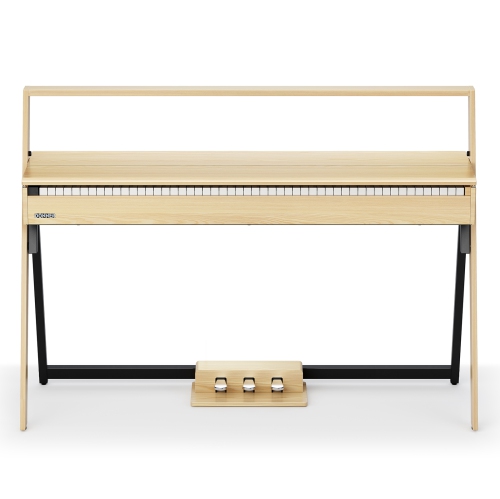
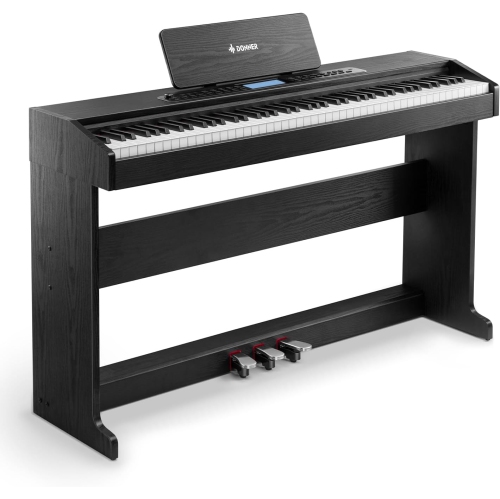
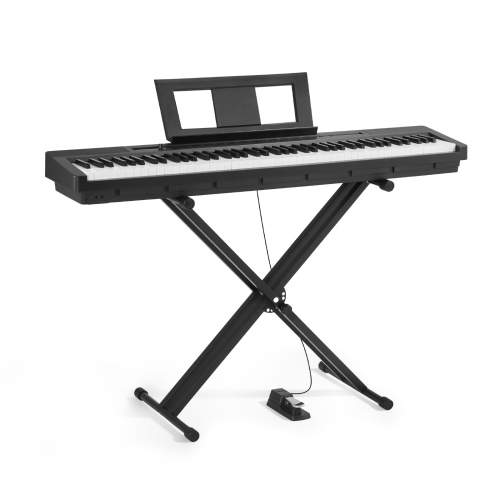
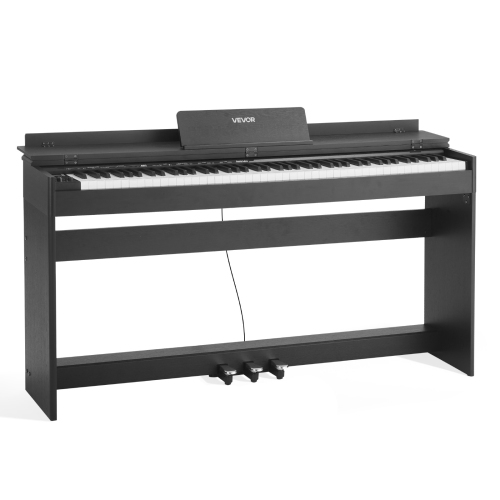
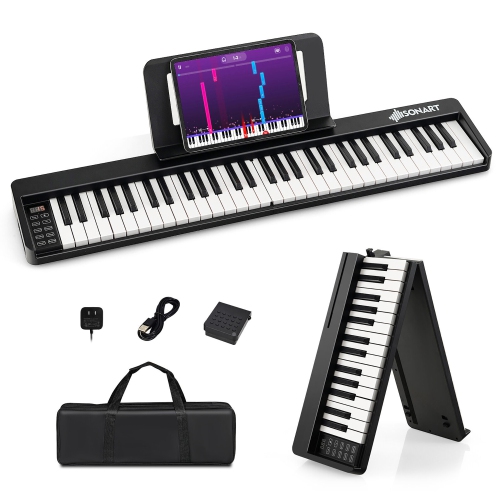
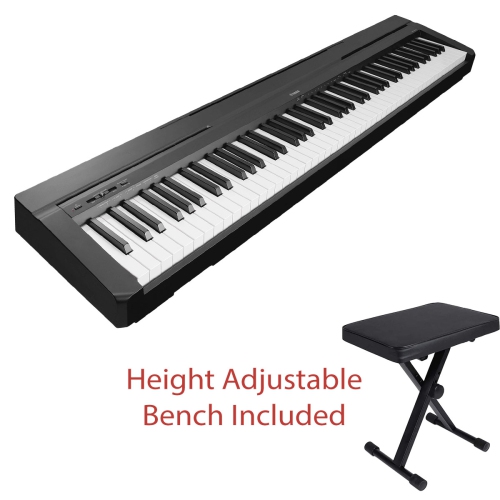
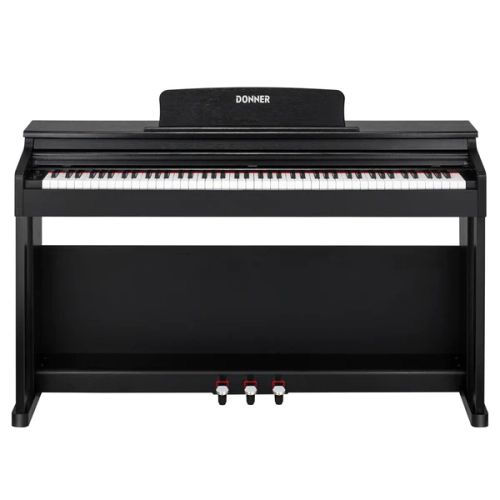
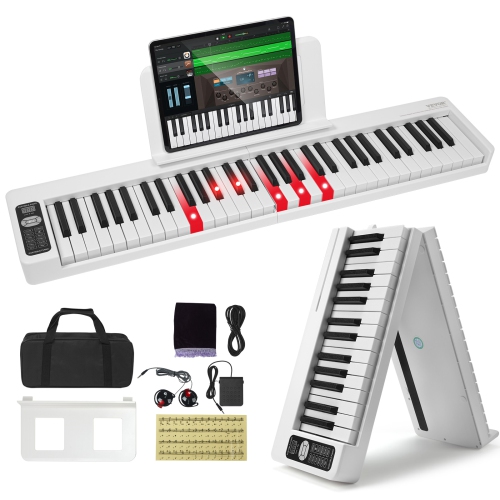

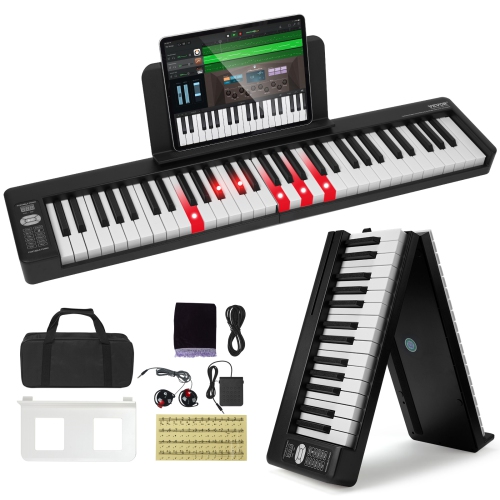
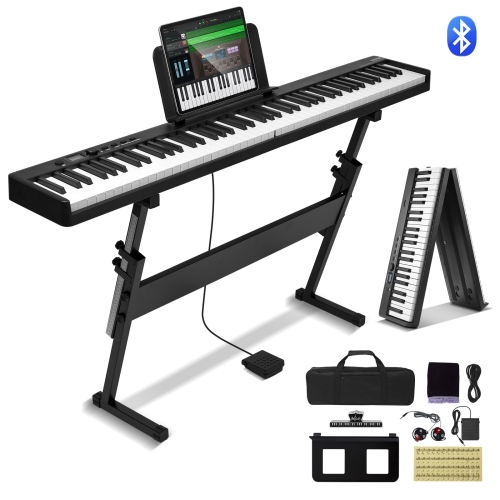
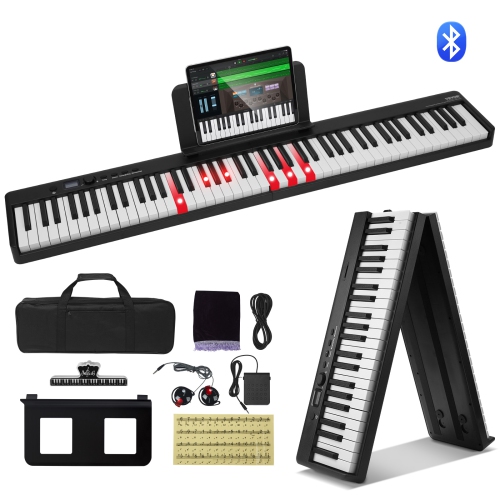
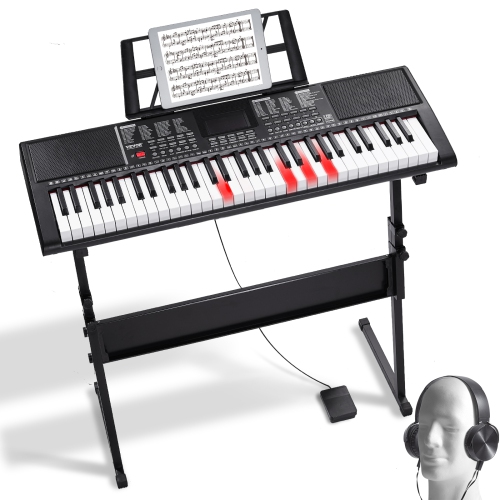
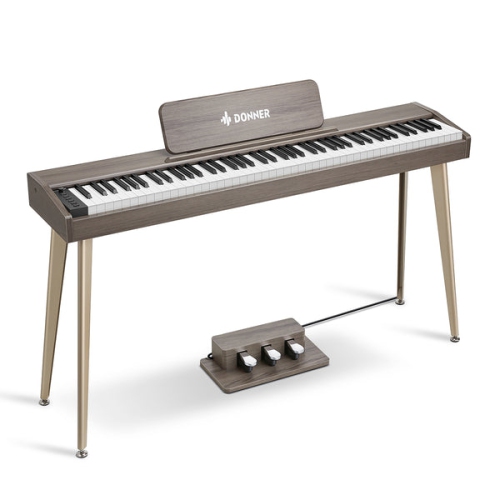
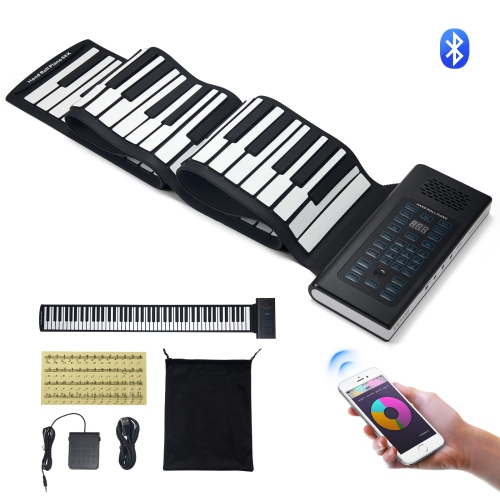

Expressive piano practice that fits a shared home
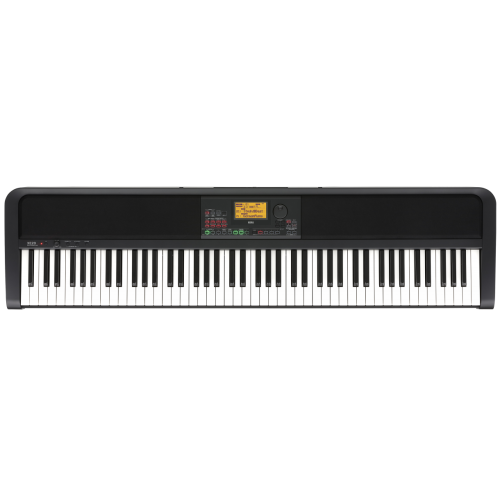
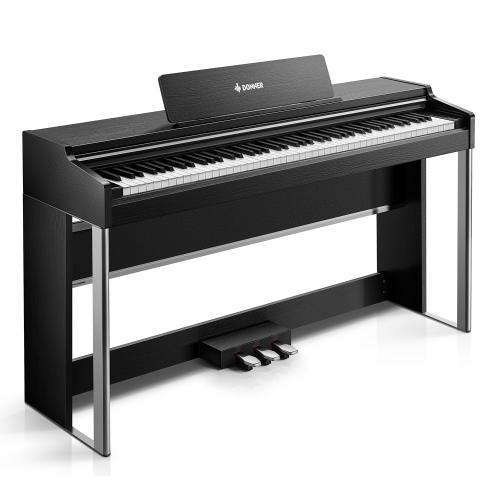
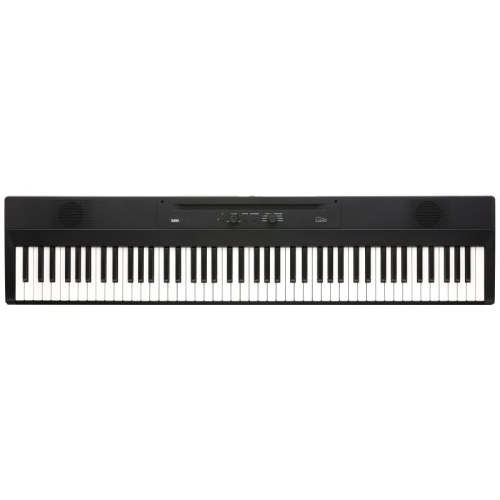
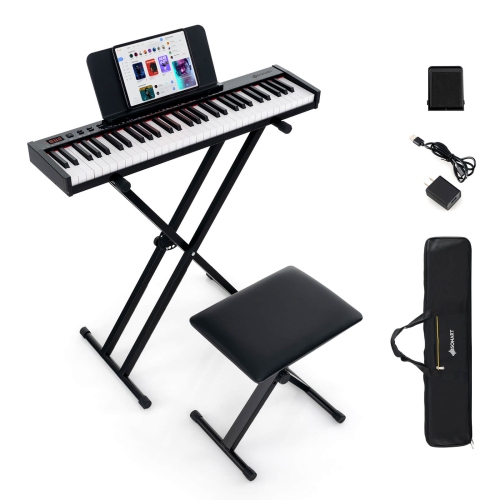
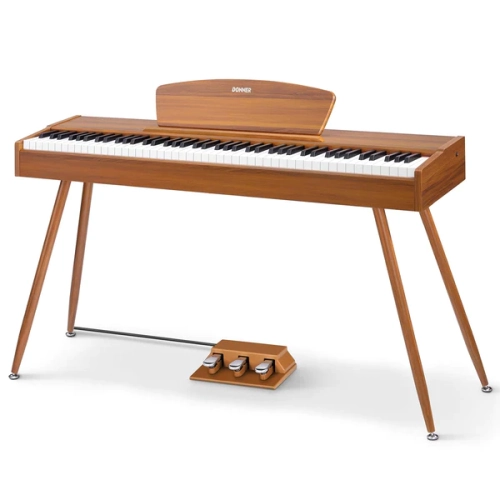
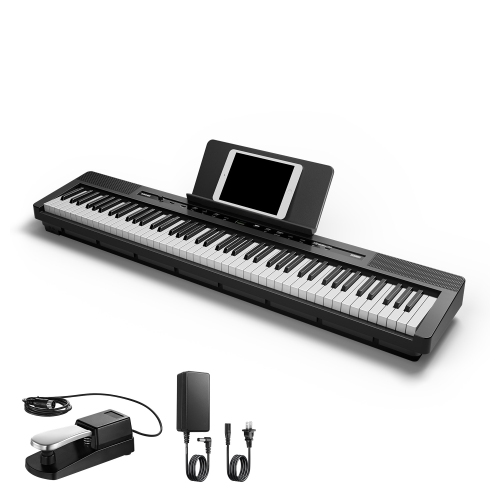
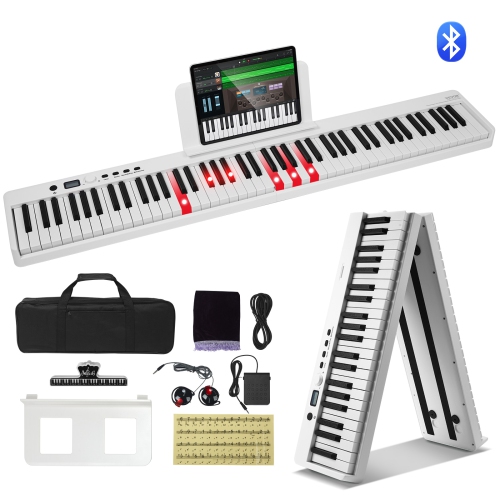
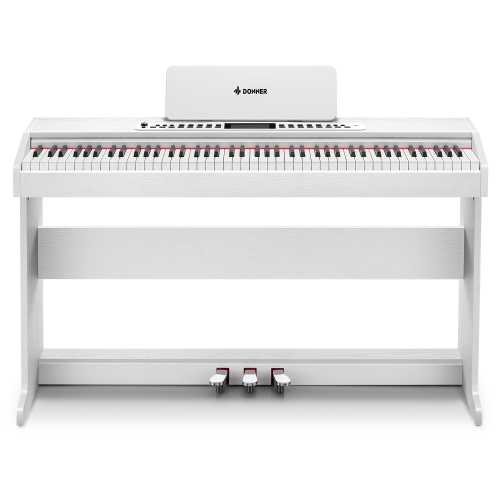
The sound and response of a digital piano shape how inviting that practice feels. Many instruments use samples of acoustic pianos, sound modelling, or a combination of technologies to reproduce changes in tone, sustain, and resonance. A softly played note should have room to sound delicate, while a stronger chord should feel fuller rather than simply louder. Through headphones, details such as the fading tail of a note can become especially noticeable; through built-in speakers, speaker placement and the room itself influence what reaches the player. Polyphony describes how many notes or sound elements an instrument can produce at once. Greater polyphony can help preserve sustained passages when the pedal is held or multiple sounds are layered, though that specification alone does not determine sound quality. Pedals add another layer of expression. A sustain pedal lets notes continue after the keys are released, and support for half-pedalling can allow finer control when paired with a compatible pedal. Three-pedal assemblies may provide sustain, soft, and sostenuto functions, with behaviour depending on the instrument. Beyond the main piano voice, electric piano, organ, and string sounds can support different styles of playing. Layering a piano with strings can give a simple arrangement more breadth, while a split function can place a bass sound under the left hand and piano under the right. A duet mode, where supported, divides the keyboard into matching pitch ranges so a teacher and student can work side by side. Built-in metronomes support steady timing, and recording functions can help a player hear uneven rhythms or an accompaniment that overpowers the melody. Connections deserve attention too: USB MIDI generally carries performance information to compatible software, not necessarily audio. USB audio, dedicated audio outputs, and wireless functions vary by instrument. Bluetooth audio and Bluetooth MIDI serve different purposes, so a connection intended for playing backing tracks may not provide the same functions as one intended for a learning app. These features are most useful when they match the player’s existing devices and musical habits.
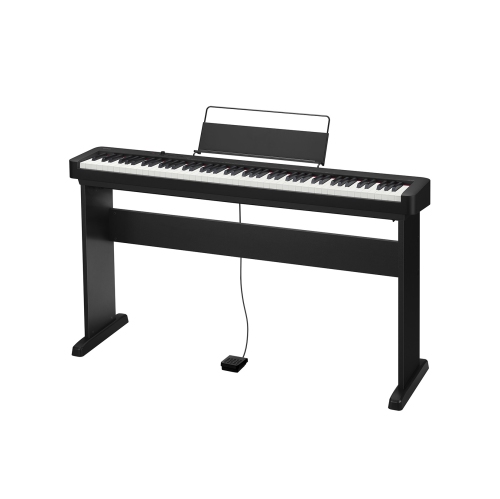
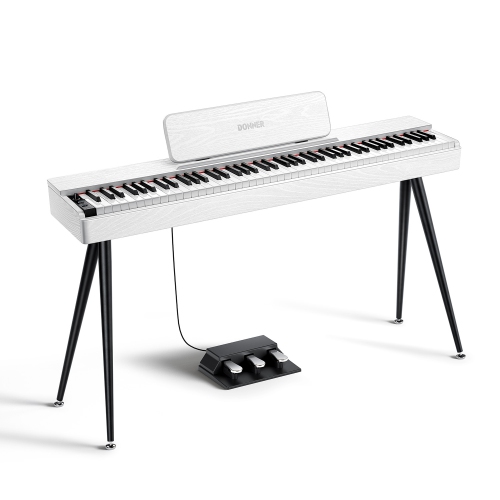
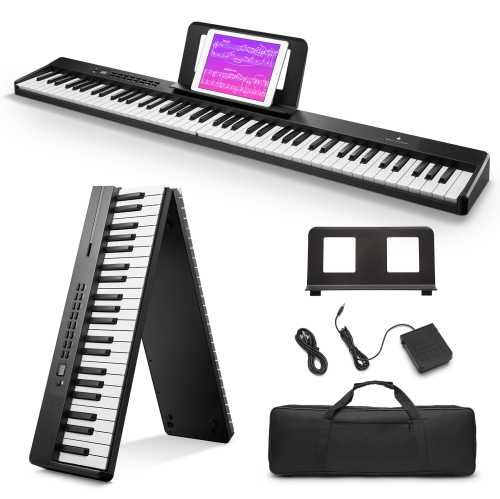
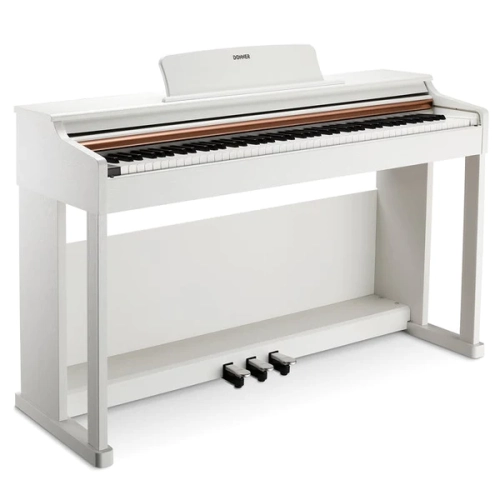
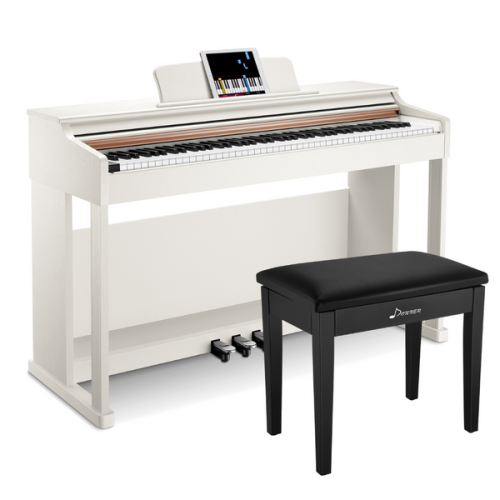
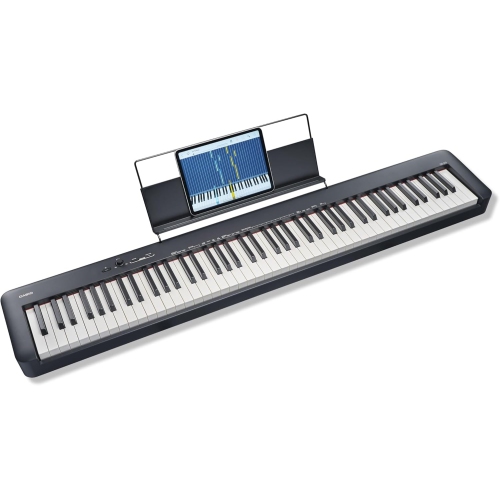
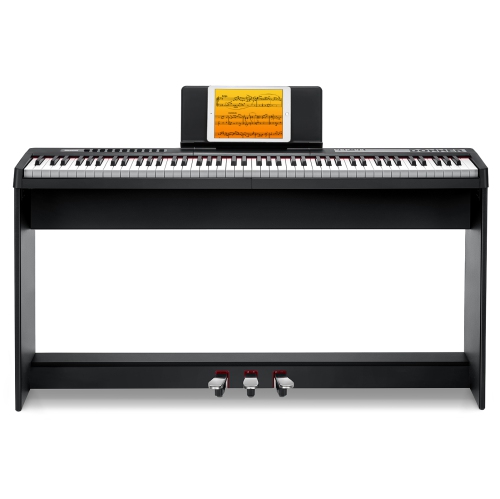
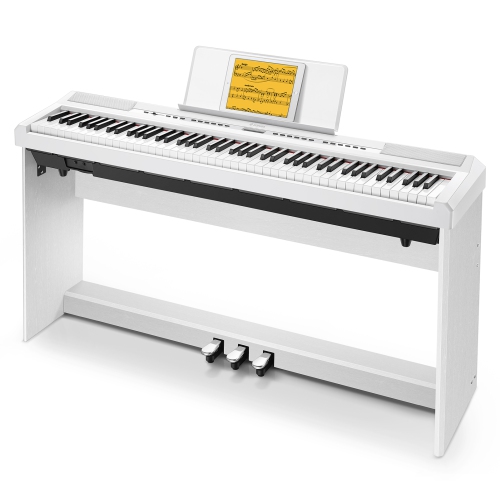
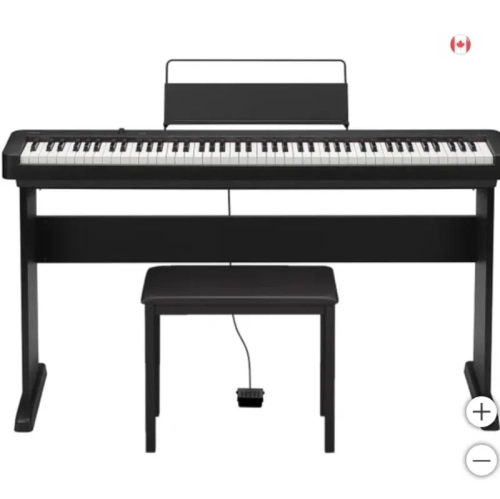
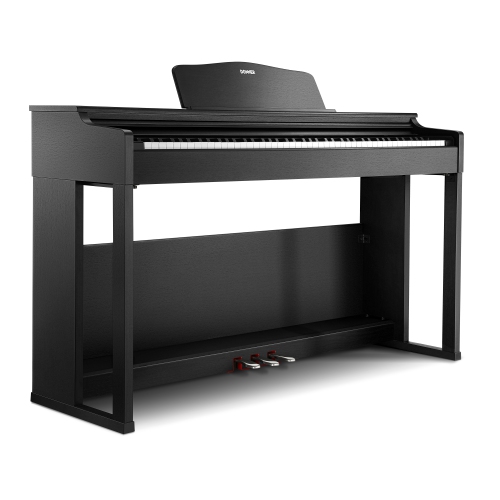
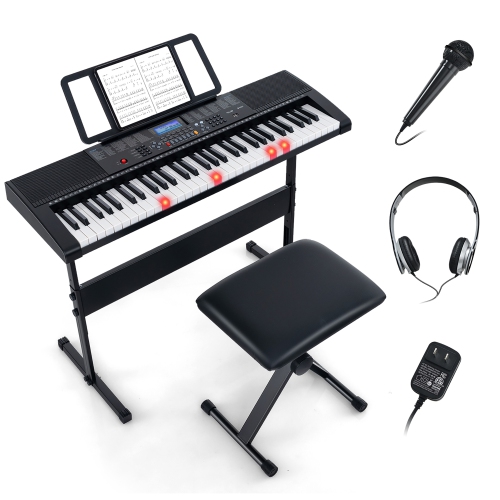
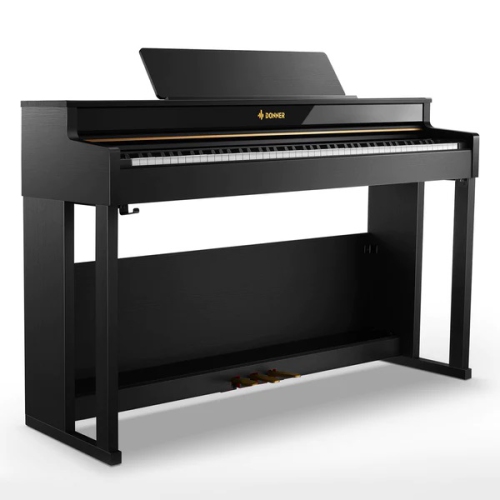
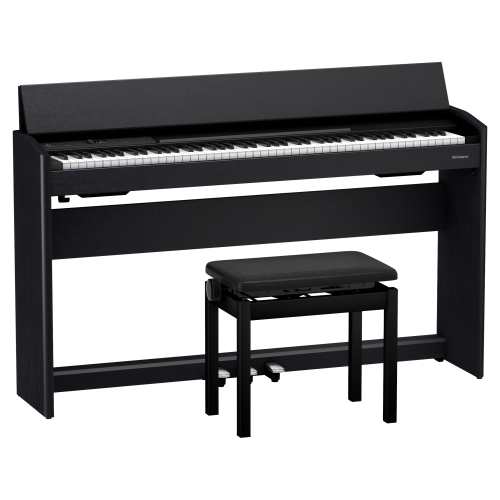
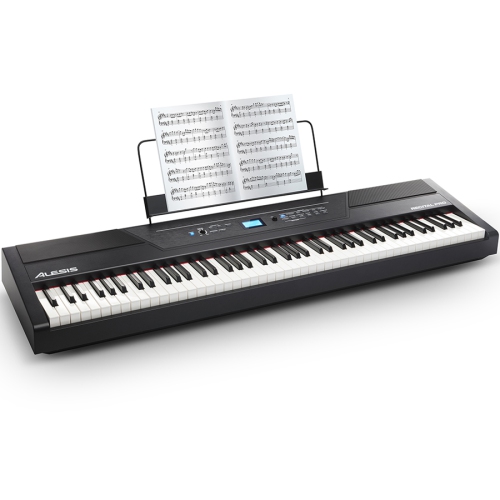
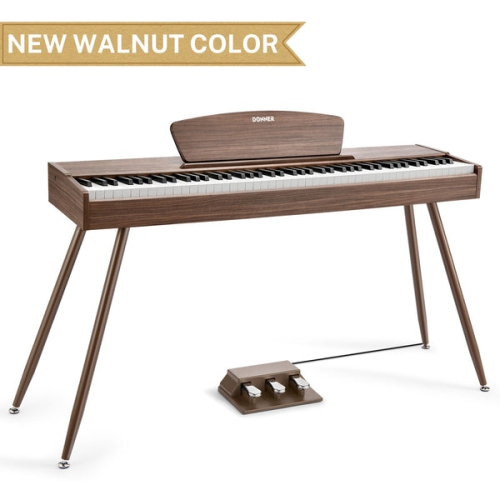
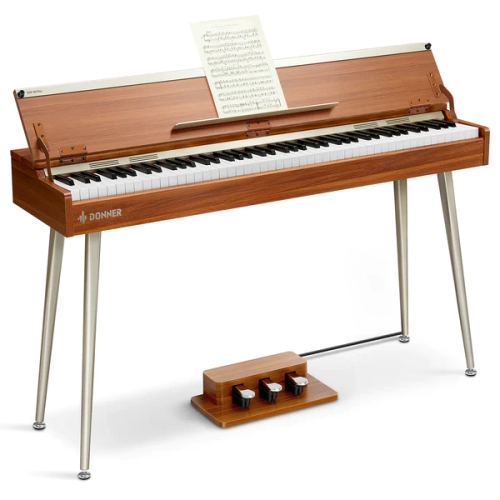
A digital piano’s physical design matters just as much once it becomes part of a room. Console cabinets may use engineered wood with a decorative finish, while portable instruments often use moulded housings to keep weight manageable. Key surfaces can be smooth or lightly textured, and some instruments incorporate wood or composite materials into their key construction. Materials alone do not establish how convincing an action feels or how long it will last; assembly quality, stability, and everyday treatment also matter. A stable stand should resist rocking during firm playing, and a bench should let the player sit with relaxed shoulders and forearms comfortably aligned with the keyboard. Younger learners may need foot support so they are not balancing on the edge of the seat or stretching toward a pedal. Room planning includes more than the keyboard’s width: the bench needs space to move back, the player needs legroom, and doors or drawers nearby still need to open freely. A music rest that holds lesson books securely makes practice less interrupted, while accessible controls are helpful when switching sounds or adjusting a metronome between pieces. For portable use, carrying weight includes the stand, pedal, power supply, and protective case, not just the piano itself. At home, simple care helps protect both the finish and the mechanism. A soft, dry cloth is suitable for routine dusting unless the manufacturer specifies another method; cleaning liquid should never be sprayed directly onto the keys or control panel. Drinks belong on a separate surface, cables should stay clear of feet and bench legs, and a fitted cover or built-in key cover can help keep dust away when the instrument is not being played. A digital piano can be a thoughtful gift for a committed beginner, a music student needing regular practice access, or an adult returning to favourite pieces after years away. Related holiday browsing includes the Labour Day Sale on Digital Pianos collection. Whether the instrument becomes a quiet practice companion or the centre of family singalongs, comfortable touch, useful sound controls, and a well-planned setup help make playing a lasting part of daily life.
Top selling and popular products
-
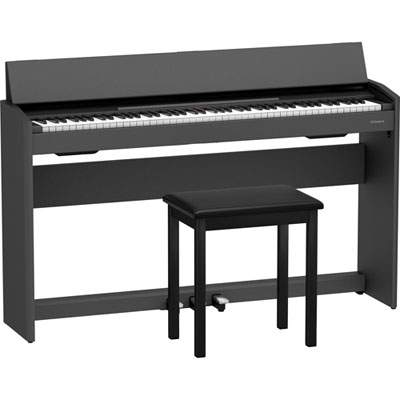 Your price for this item is $1699.99
 -
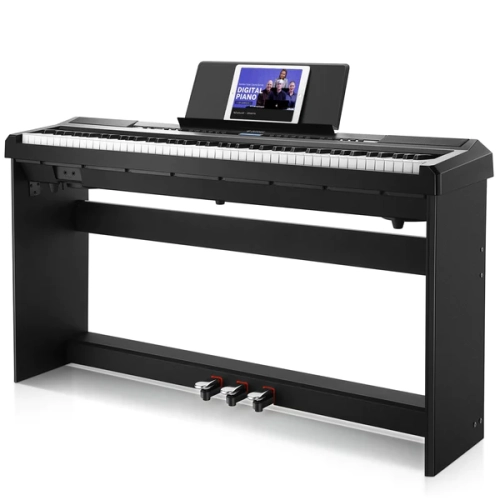 Your price for this item is $479.99
 -
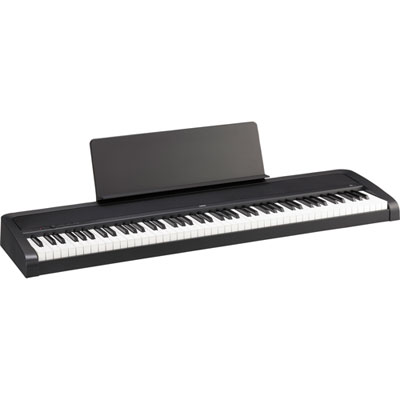 Your price for this item is $699.98
 -
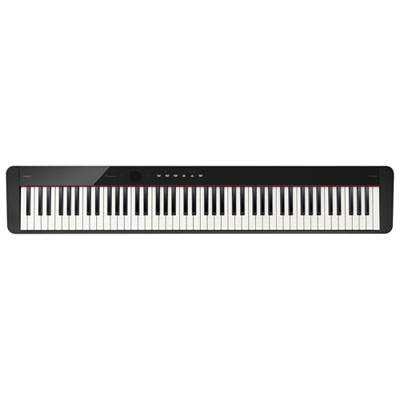 Your price for this item is $849.99
 -
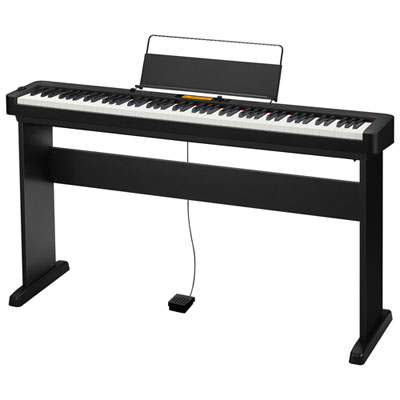 Your price for this item is $869.99
 -
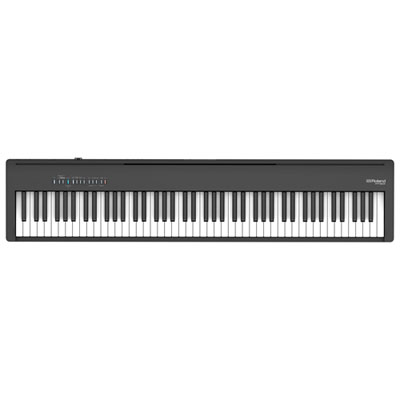 Your price for this item is $1199.99
 -
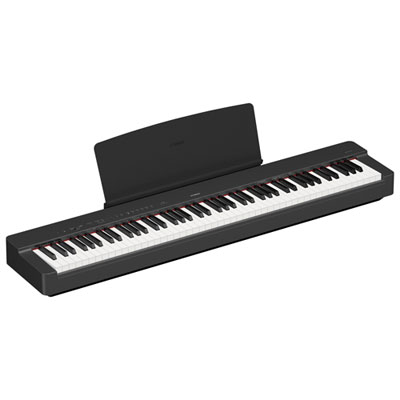 Your price for this item is $999.99
 -
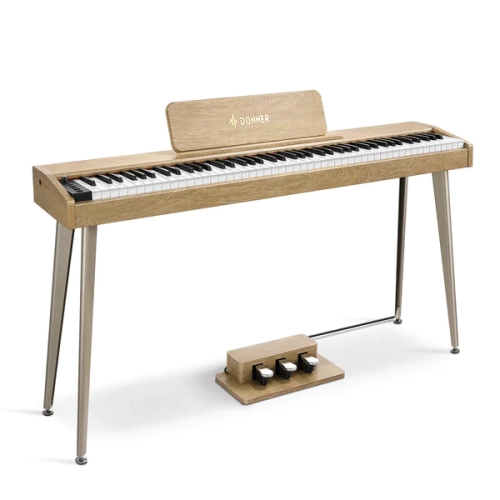 Your price for this item is $415.99