Boxing Day Deals Coming Soon
Our Boxing Day Sale returns in December 2026. In the meantime, shop our current top deals below.

Boxing Day Sale On Dinnerware Sets
Unwrap incredible savings this Boxing Day with our exclusive sale on dinnerware sets, perfect for upgrading your dining experience. Whether you're hosting a festive feast or simply looking to refresh your kitchen collection, discover a wide array of stylish and durable options that cater to every taste and occasion. From elegant classics to modern designs, find the ideal set that complements your home décor while enjoying unbeatable discounts. Remember, our Low Price Guarantee means you can shop confidently knowing that you'll find the best price at Best Buy, all year round. We encourage you to check our website frequently for the most up-to-date information on our latest offers and savings opportunities.







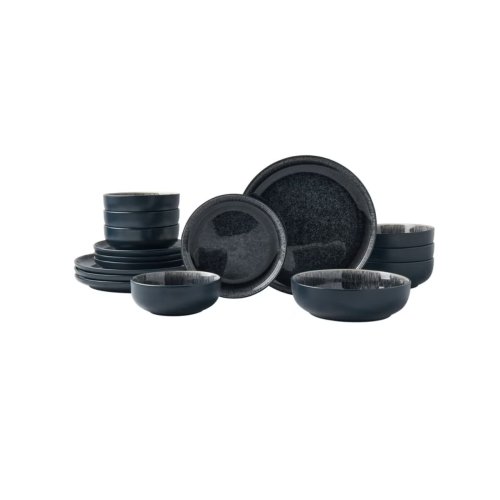


Dinnerware details that matter more than piece count
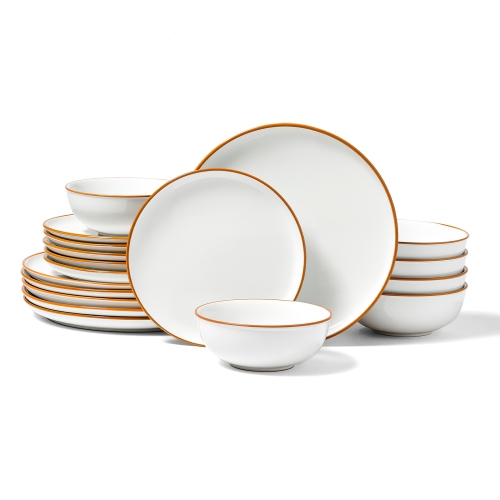
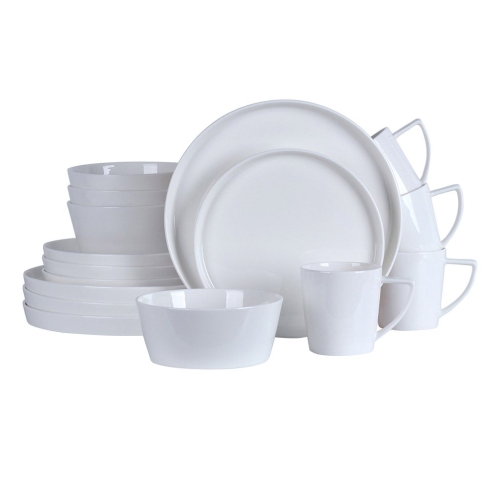
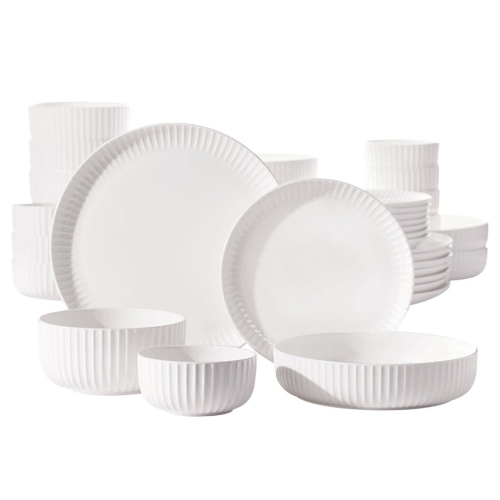
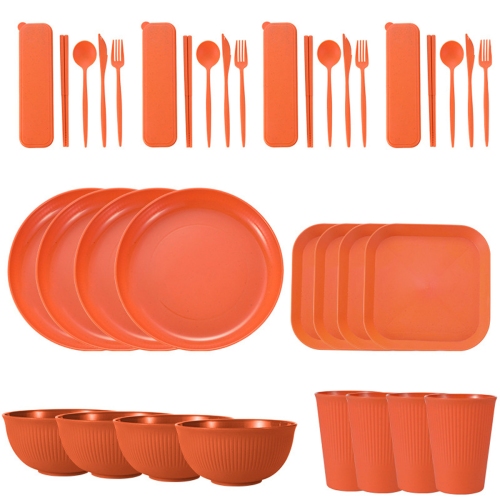
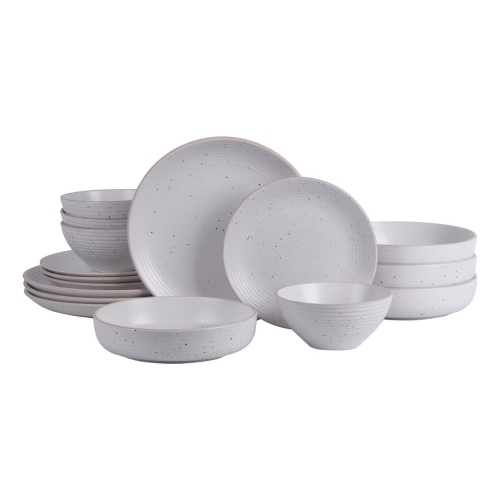
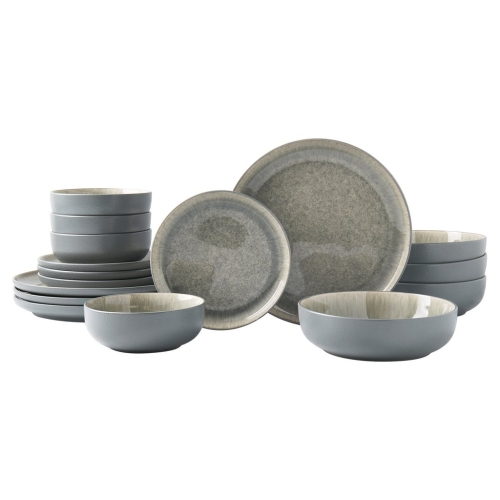
Materials influence the weight, finish and feel of dinnerware, as well as how it should be handled. Porcelain generally offers a smooth surface and a relatively refined profile, making it versatile enough for a quick lunch or a carefully arranged table. Stoneware often feels more substantial in the hand, with thicker forms and finishes that range from even, glossy colour to glazes with natural-looking variation. That weight can feel reassuring, although lifting a tall stack may be less comfortable for someone with limited hand strength. Bone china can have a delicate appearance and a lighter feel, but appearance alone is not a reliable measure of toughness; the shape, construction and manufacturer’s care directions all matter. Glass dinnerware offers another distinct look, and tempered glass is treated for added strength, though it is not unbreakable. Melamine is lightweight and useful where easier handling is a priority, but it is not suitable for microwave heating. Across materials, everyday practicality depends on the stated use and care information rather than assumptions about the category. Microwave-safe does not mean oven-safe, and dishwasher suitability should be confirmed for the particular dinnerware. Metallic rims and decorative finishes can require special handling, including avoiding the microwave or washing by hand. Sudden temperature changes can also damage some dishes, so moving a cold bowl directly into a hot oven is not a safe default. For frequent use, smooth glazed surfaces and simple shapes are often easier to clean than deeply textured finishes or elaborate edges. A raised rim helps contain sauces, while the curve where the rim meets the centre can affect how easily food is gathered with a fork. Bowl depth, base width and balance matter too: a narrow base may take less shelf space, but a broader base can feel steadier during a busy meal. No material makes every dish resistant to chips or scratches, and careful handling remains important even when dinnerware is intended for daily use.
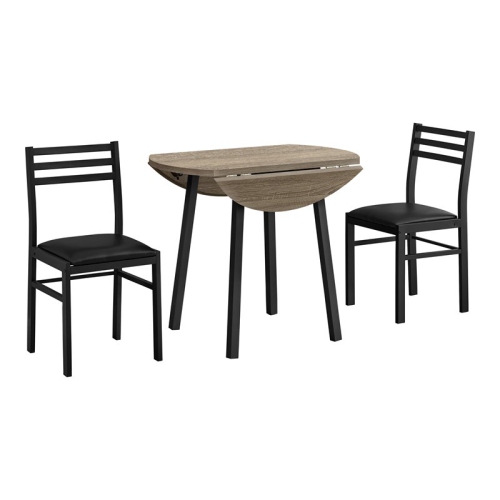
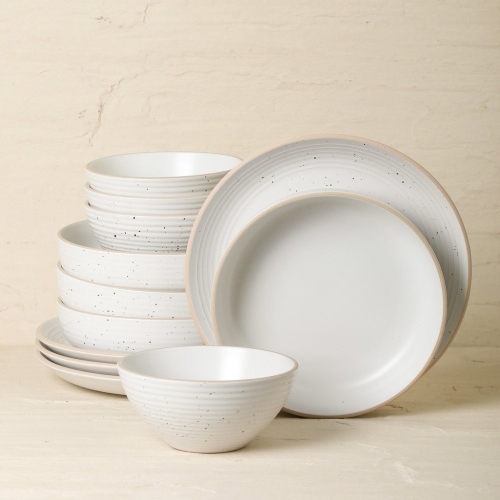
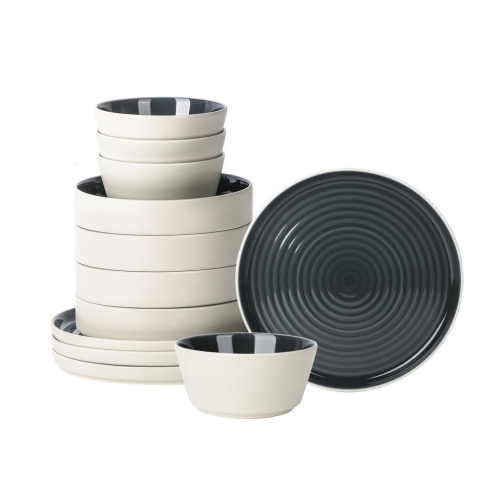
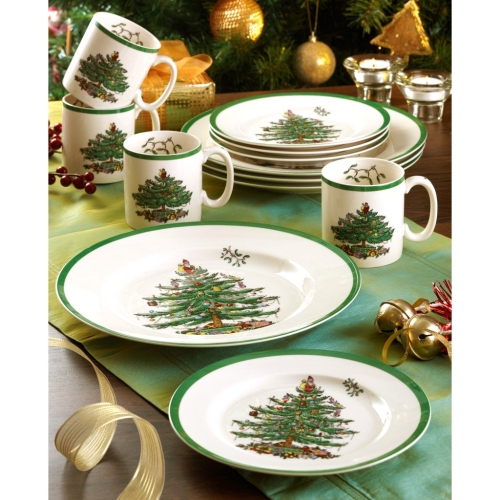
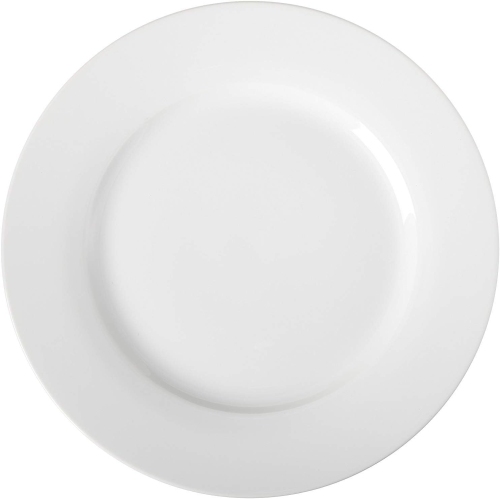
Colour and shape set the tone without needing an elaborate table arrangement. White and warm neutral dinnerware provide a simple backdrop for everything from roasted vegetables to a colourful fruit salad, while darker shades and patterned surfaces can give familiar meals a more distinctive presentation. A matching set creates consistency, but it does not need to match every serving bowl or piece of glassware. Repeating one colour, edge detail or general shape can bring different pieces together without making the table feel overly formal. Round plates work comfortably in many settings, while square or irregular shapes deserve a closer look at how they stack and fit beside neighbouring place settings. Coordinating dishes with dining sets can help establish a cohesive look, particularly when the table’s size and shape influence how much room each person has. On a smaller table, a compact place setting leaves welcome space for water glasses and shared dishes; on a larger surface, generous plates can feel balanced rather than crowded. Daily care helps preserve that appearance. Placing dishes securely in the dishwasher, with space between rims, reduces contact during a wash cycle, while avoiding overloaded stacks makes cupboards easier to use. Gentle cleaning is usually a better starting point than abrasive pads, which may mark some finishes. Grey lines left by cutlery can sometimes be surface marks rather than cracks, but any cleaning treatment should follow the manufacturer’s recommendations. Chipped edges deserve attention because they can be sharp, and damaged dishes may no longer perform as intended. For gifting, dinnerware is particularly well suited to someone establishing a home, moving into a larger space or replacing a mismatched assortment. The most thoughtful choice reflects how that person actually eats: roomy bowls for frequent pasta suppers, manageable plate weights for easy handling, or a restrained pattern that works with existing table linens. A useful set balances presentation with these ordinary moments, remaining comfortable to carry, straightforward to store and pleasant to use long after a special gathering ends.
Top selling and popular products
-
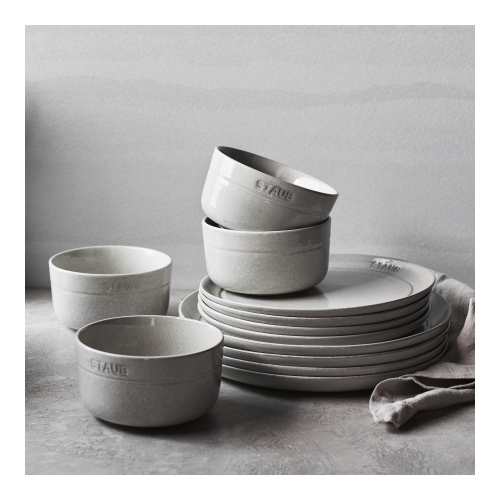 Your price for this item is $279.99
-
 Your price for this item is $279.99
-
 Your price for this item is $136.99
-
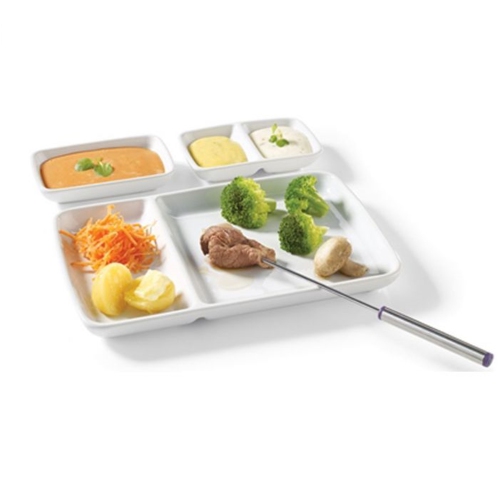 Your price for this item is $21.97
-
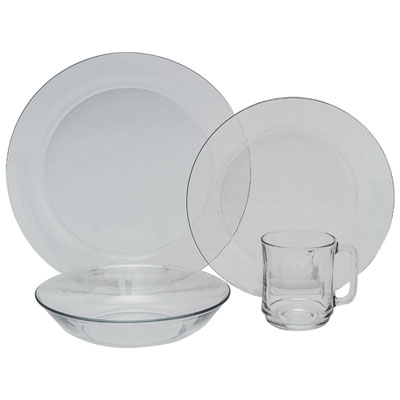 Your price for this item is $164.99
-
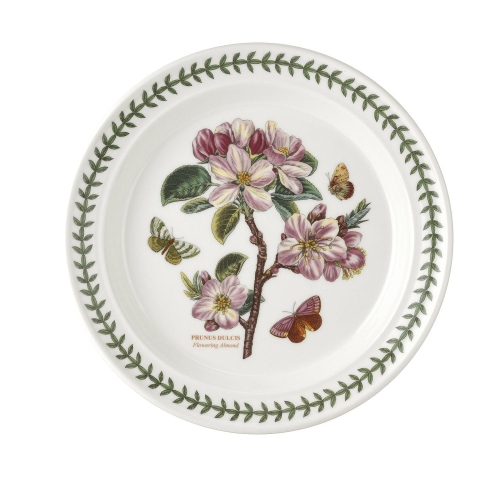 Your price for this item is $59.62
-
 Your price for this item is $113.99
-
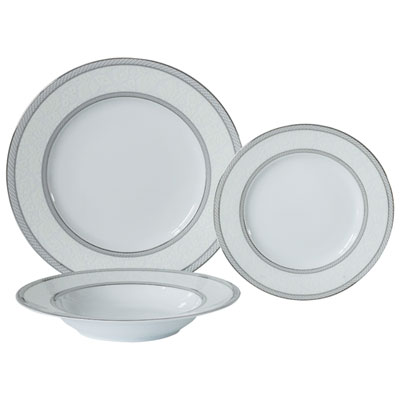 Your price for this item is $279.99