Boxing Day Deals Coming Soon
Our Boxing Day Sale returns in December 2026. In the meantime, shop our current top deals below.

Boxing Day Sale On Drills
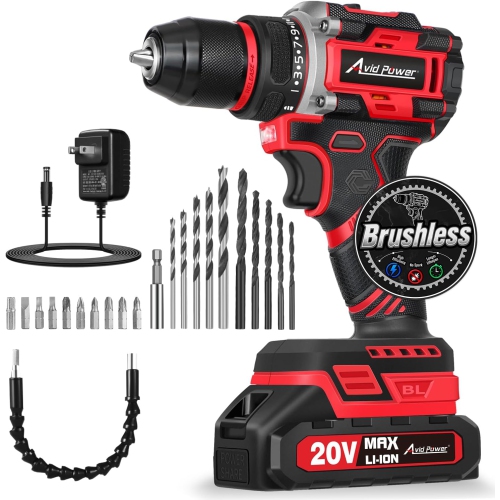
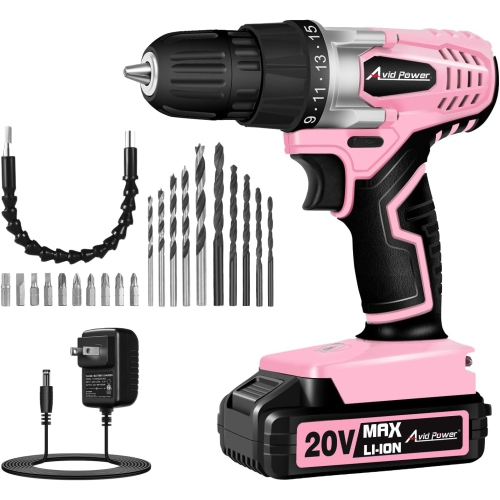
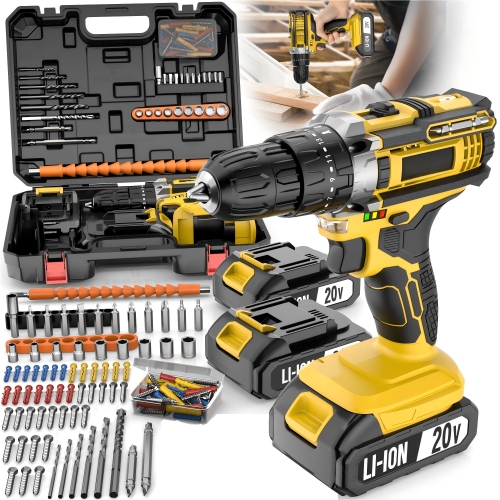
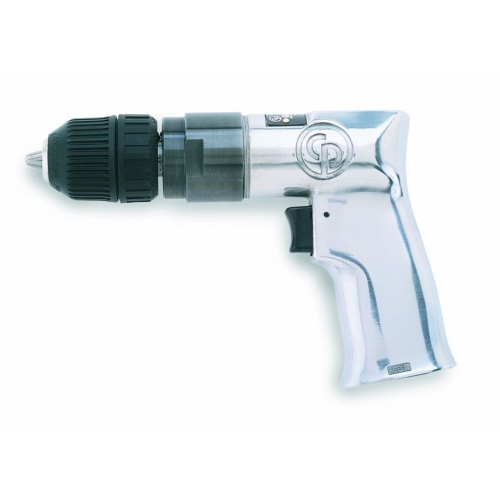
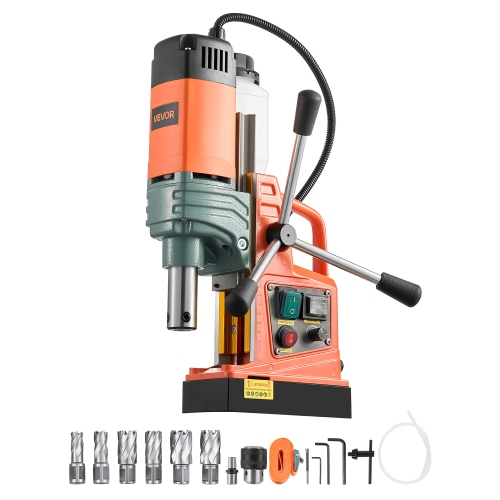
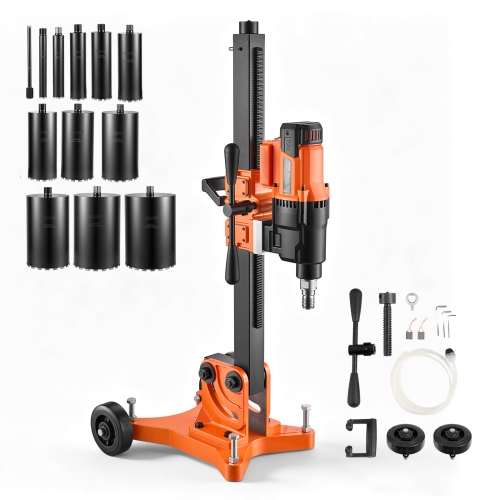
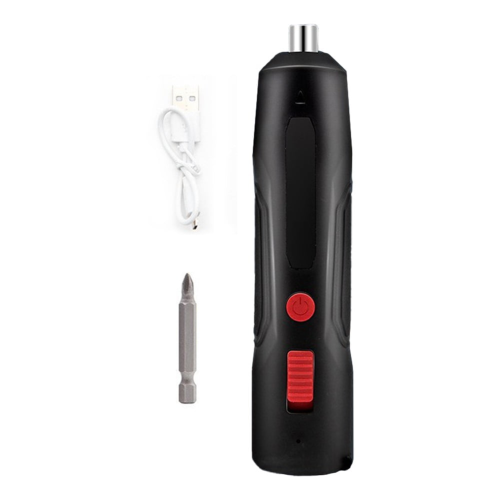
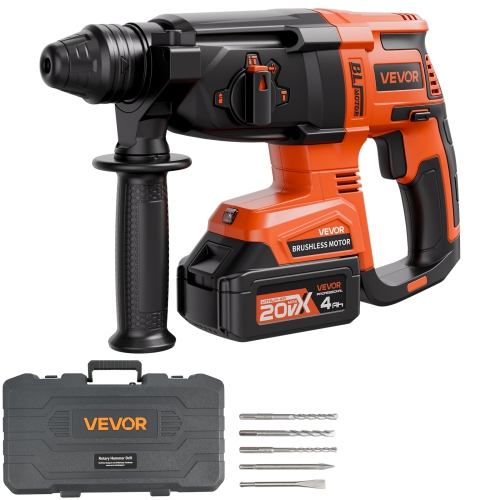
Get ready to power up your tool collection with our incredible Boxing Day sale on drills! Whether you're a seasoned DIY enthusiast or just starting your home improvement journey, now is the perfect time to find unbeatable deals on high-quality drills. Our selection offers something for everyone, from versatile cordless options to robust corded models, ensuring you have the right tool for every project. Don't miss out on these limited-time savings and take advantage of the opportunity to enhance your toolkit with reliable and efficient drills that will help you tackle any task with ease. Remember, our Low Price Guarantee means you can shop confidently knowing that you'll find the best price at Best Buy, all year round. We encourage you to check our website frequently for the most up-to-date information on our latest offers and savings opportunities.







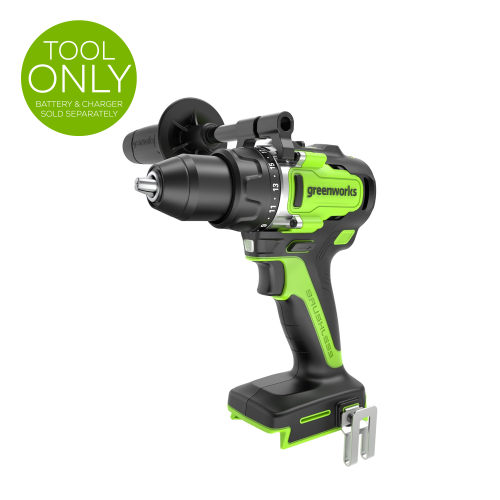


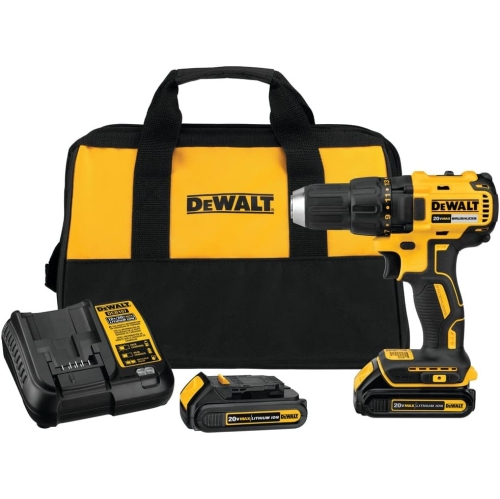
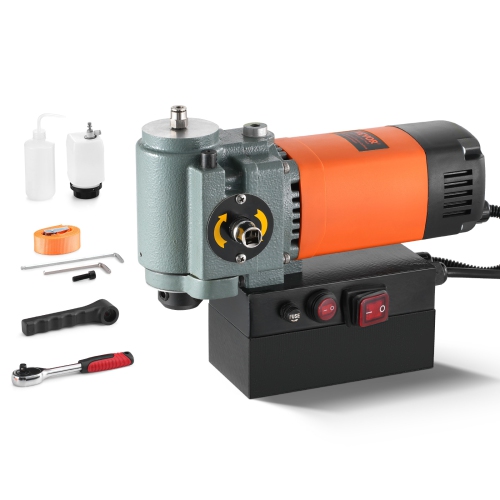

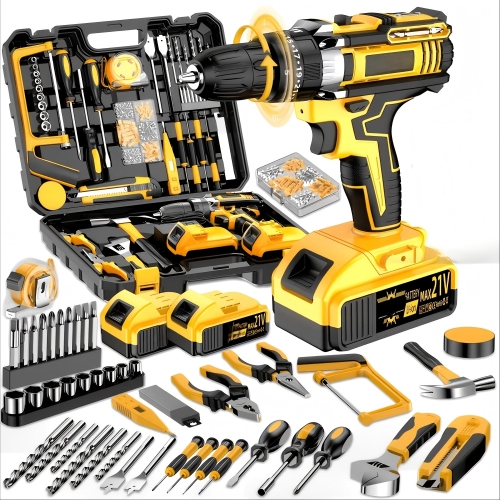
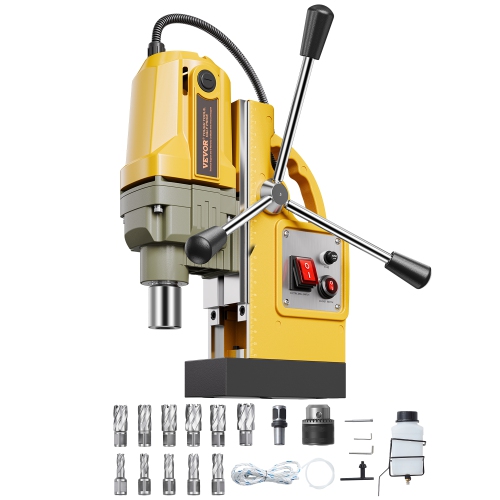


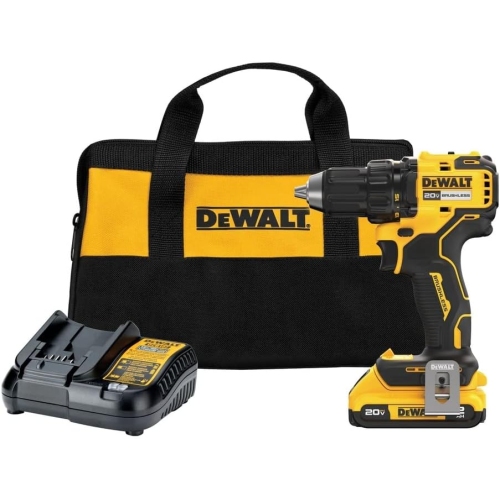
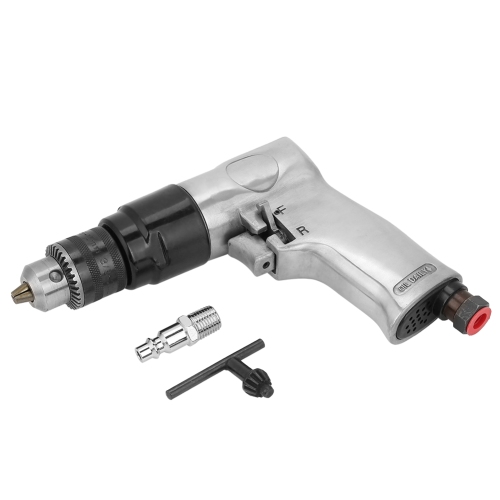


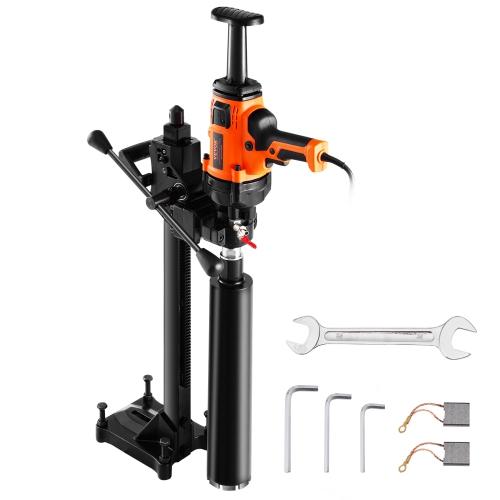
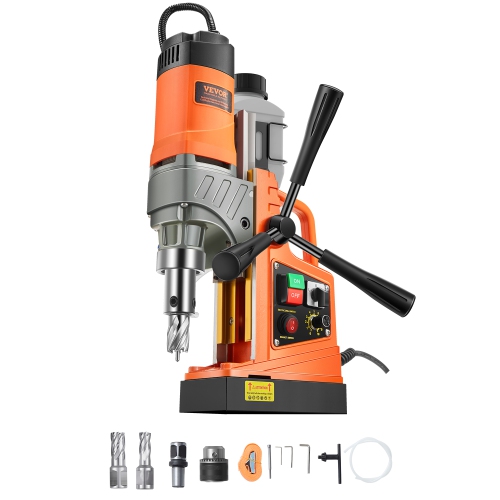
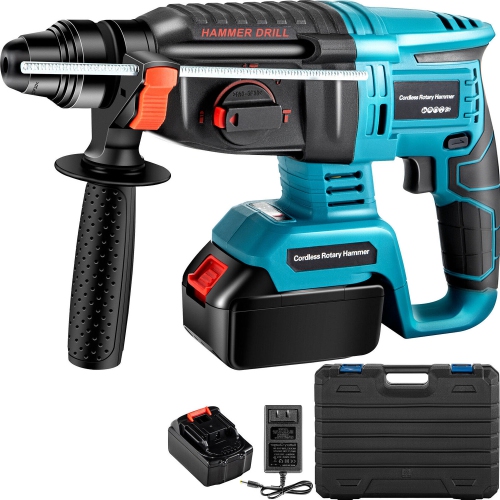
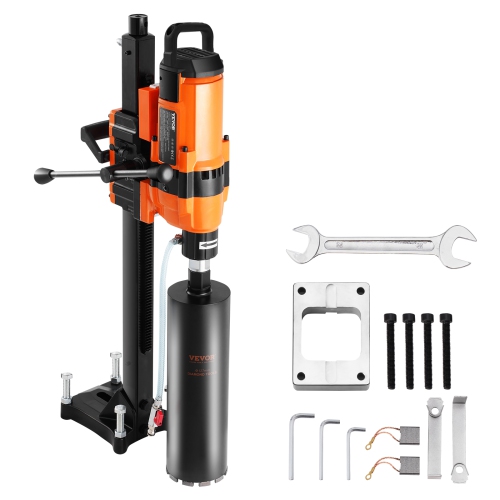

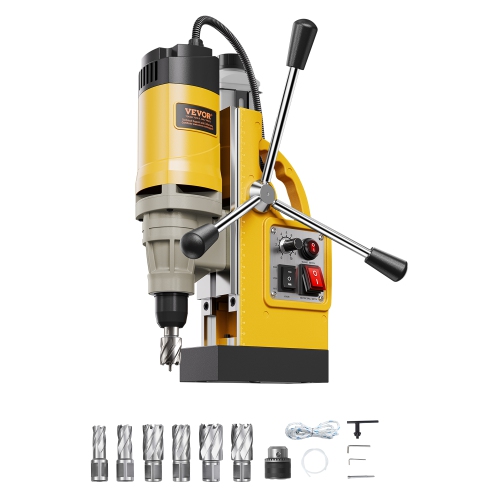






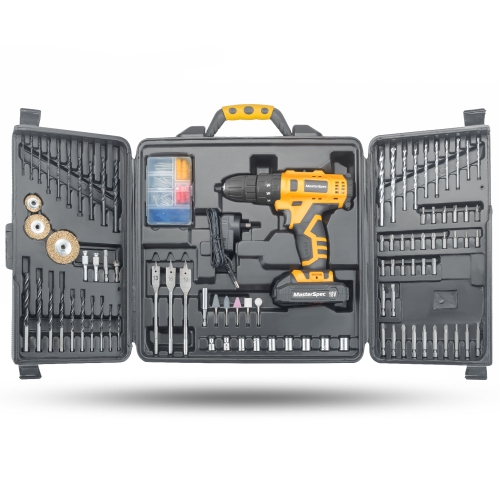


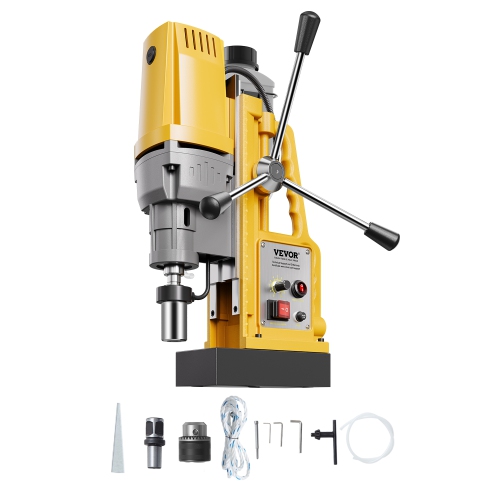
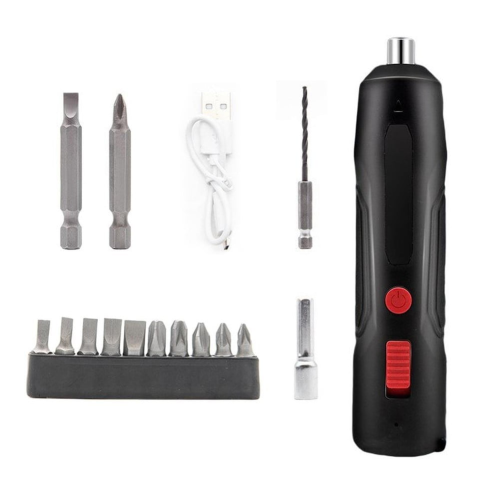
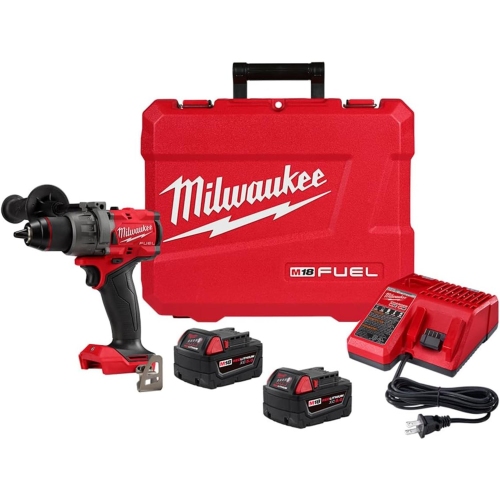
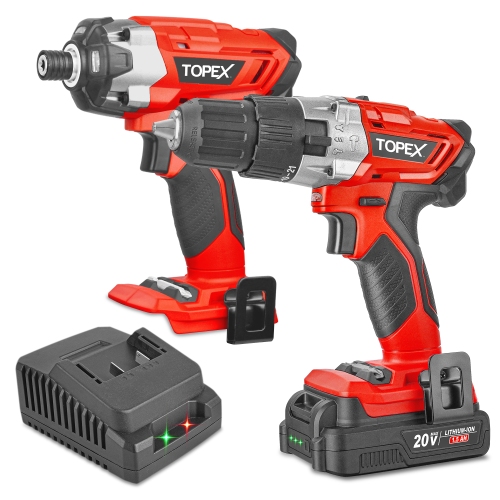
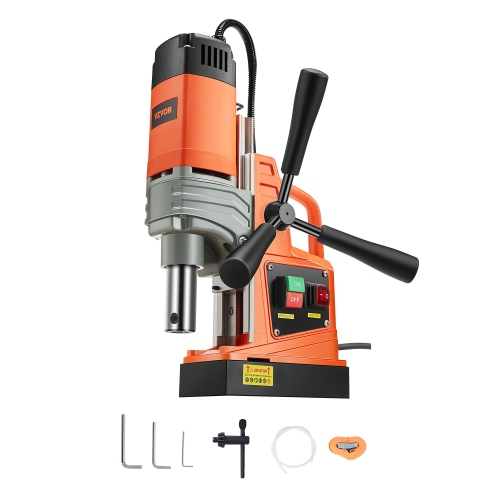
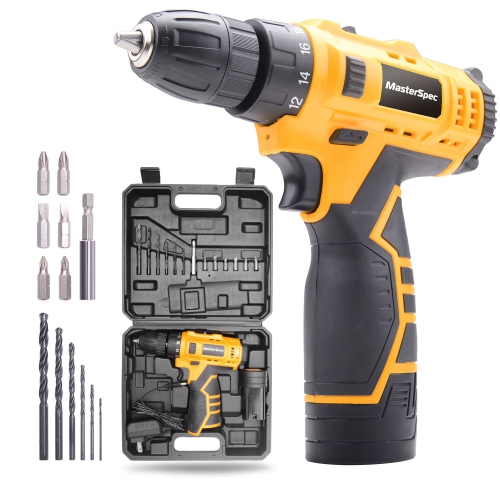

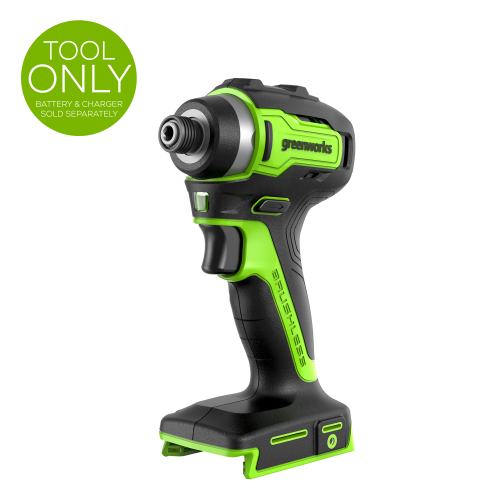


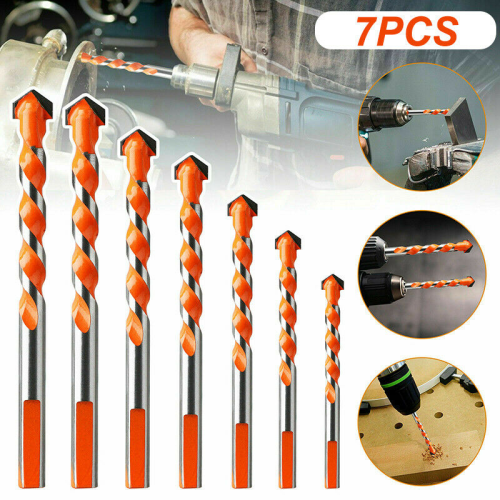


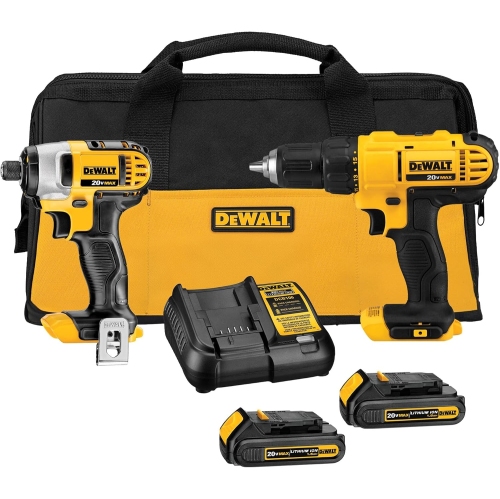


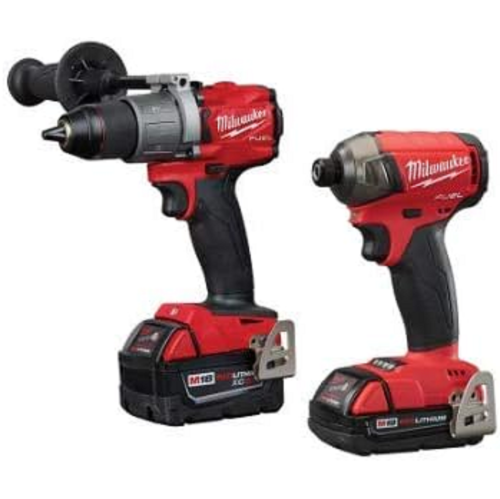

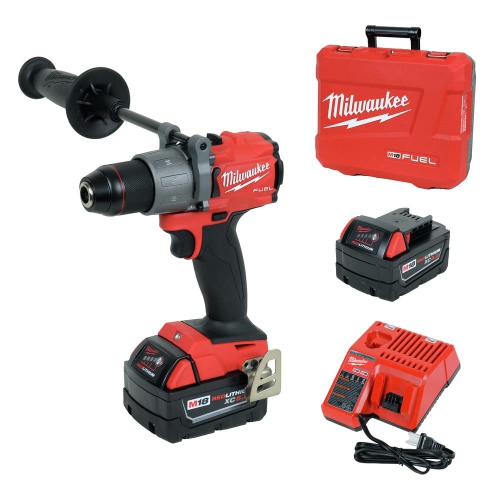


![DODVIN 21V Cordless Impact Wrench Drill Set] Deluxe Power Tool Kit w 2 Batteries, Charger, 6 Sockets & Plastic Carry Case | Electric Impact Gun For](https://multimedia.bbycastatic.ca/multimedia/products/500x500/195/19580/19580191.webp)













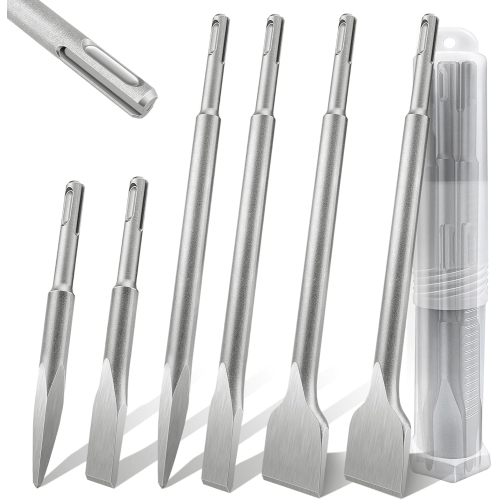

Why drill control matters as much as power
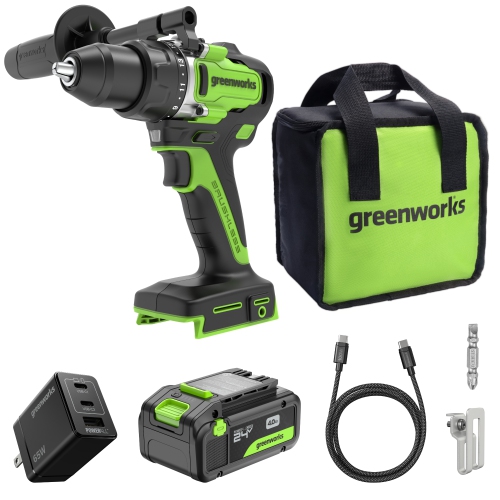
Cordless drills allow movement between rooms and around a workbench without a power lead, while corded drills provide continuous operation wherever a suitable electrical outlet is accessible. Each format has practical strengths, and the right fit depends on how and where the tool will be used. With cordless models, battery compatibility deserves particular attention. Packs are generally designed for a specific manufacturer’s battery platform, so matching voltage labels do not mean batteries can be shared between unrelated tools. A drill supplied on its own may require a separately compatible battery and charger, whereas a kit may include those components along with a carrying bag or case. Battery capacity, expressed in amp-hours, is one factor in potential runtime, but the material, bit size, drilling load, and tool design also affect how long a charge lasts. Larger packs may support longer sessions while adding weight and changing the balance in the hand. Voltage alone is not a reliable measure of drilling performance; torque, speed, motor design, and rated capacities provide a fuller picture. Brushless motors can offer efficient operation and avoid the brush wear associated with brushed motors, although overall durability also depends on construction, workload, and care. The material being drilled is another key distinction. Wood, metal, and masonry require appropriate bits and settings rather than a single accessory for every surface. High-speed steel bits are commonly used for general drilling, while other bit materials and coatings are intended for more demanding applications. A hammer drill adds a hammering action for suitable masonry work, but its capabilities should not be confused with those of a rotary hammer designed for more demanding concrete drilling. An impact driver serves a different purpose again, delivering rotational impacts for fastening rather than replacing a drill for every hole-making task. Drill and impact-driver combinations can be useful when a project involves drilling pilot holes followed by driving many screws, since each tool can keep the relevant accessory fitted. These distinctions matter when building shelving, assembling a workbench, or tackling renovations involving several materials.
A drill’s usefulness over time depends on the accessories, storage, and handling around it as well as the tool itself. A sharp, correctly sized bit helps produce a cleaner hole and places less unnecessary strain on the motor. In timber, a suitable pilot hole can reduce splitting near an edge and help a screw follow the intended path; a countersink can create a recess for a screw head when the joint calls for one. Metal drilling requires bits intended for the material and cutting conditions appropriate to the task. Holding a workpiece securely keeps it from moving as the bit engages, and eye protection is important because drilling can throw chips and debris. Wall-mounted projects require awareness of concealed wiring and plumbing, along with anchors and fasteners suited to the wall material and intended load. For tool care, clean ventilation openings, a chuck kept free of debris, and dry storage help maintain reliable operation. Battery charging and storage should follow the manufacturer’s directions, and a tool that becomes unusually hot, damaged, or inconsistent needs attention before further use. A case or organized storage area protects the drill and keeps bits, chargers, and accessories together, making the next repair easier to start. Drills can also make thoughtful gifts for someone furnishing a first home, setting up a hobby workshop, or taking on more hands-on repairs. A comfortable, straightforward drill/driver may suit occasional furniture assembly, while a more specialized tool should reflect the recipient’s actual projects and any compatible equipment already owned. Someone who enjoys building planter boxes or storage benches may appreciate a drill that feels balanced through repeated holes and fastenings. When a project calls for both cutting and fastening, Boxing Day sale on saws is a related place to explore tools for preparing boards and panels. Together, suitable tools and well-matched accessories support accurate joins, secure fittings, and satisfying finished projects.
Top selling and popular products
-
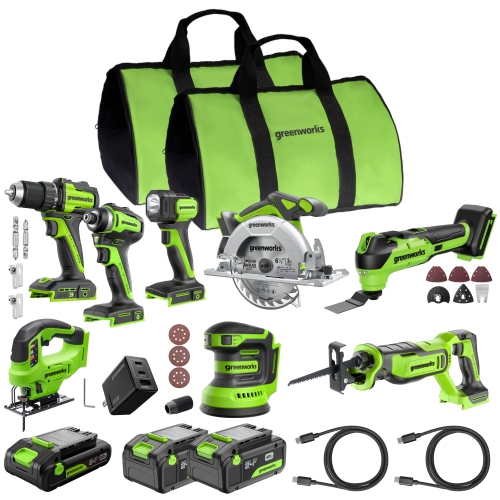 Your price for this item is $799.99
-
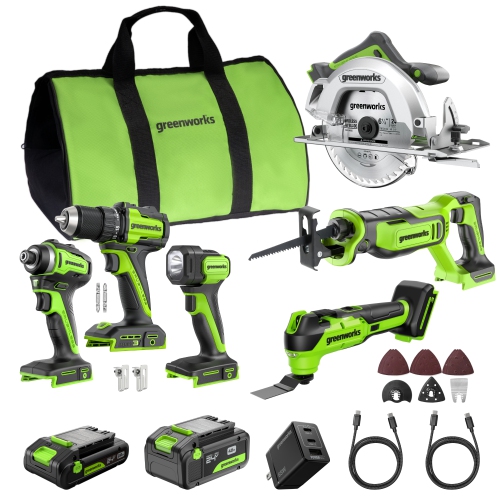 Your price for this item is $589.99
-
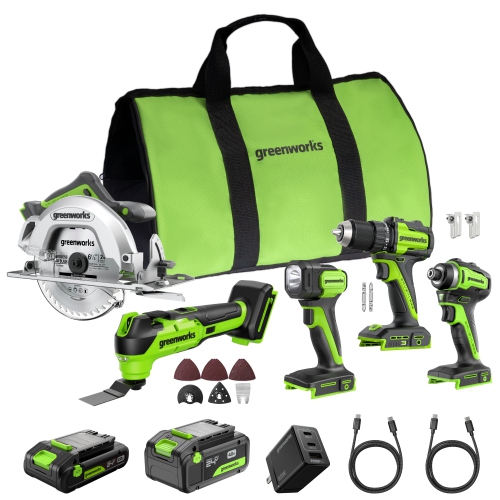 Your price for this item is $529.99
-
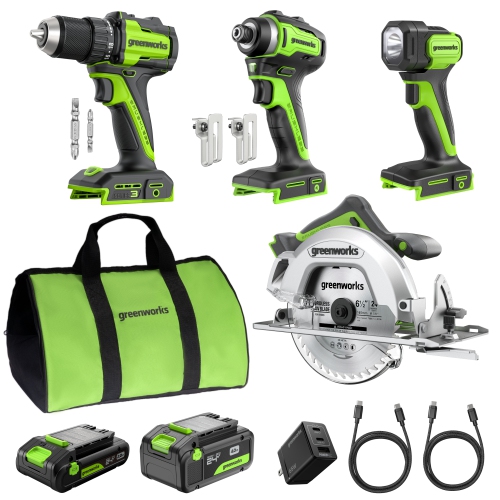 Your price for this item is $399.99
-
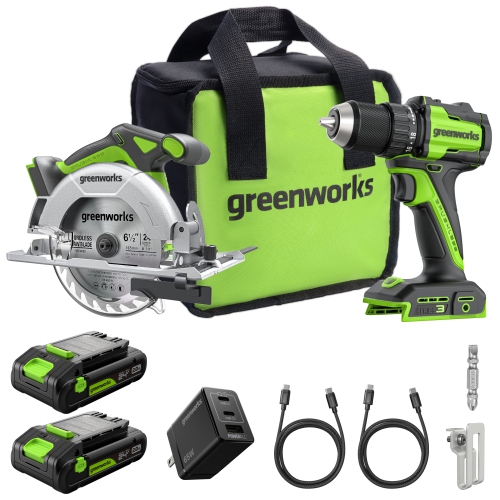 Your price for this item is $329.99
-
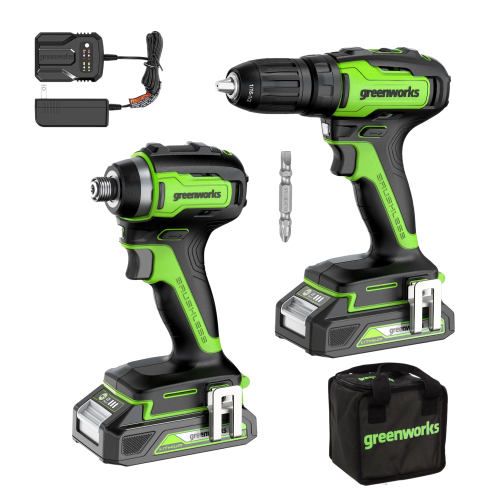 Your price for this item is $199.99
-
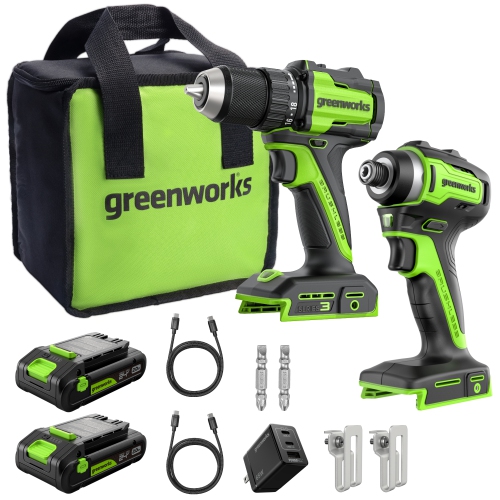 Your price for this item is $255.99
-
 Your price for this item is $189.99