Boxing Day Deals Coming Soon
Our Boxing Day Sale returns in December 2026. In the meantime, shop our current top deals below.

Boxing Day Sale On Saws
Unleash your inner craftsman with unbeatable deals during our Boxing Day Sale on saws. Whether you're a DIY enthusiast or a professional tradesperson, this is the perfect opportunity to upgrade your toolkit with high-quality saws at incredible prices. From precision cutting to tackling larger projects, find the ideal saw to meet your needs and elevate your craftsmanship. Explore a variety of options designed for efficiency and durability, ensuring every cut is smooth and precise. Don't miss out on these limited-time offers to enhance your workshop with top-notch tools that deliver exceptional performance. Remember, our Low Price Guarantee means you can shop confidently knowing that you'll find the best price at Best Buy, all year round. We encourage you to check our website frequently for the most up-to-date information on our latest offers and savings opportunities.
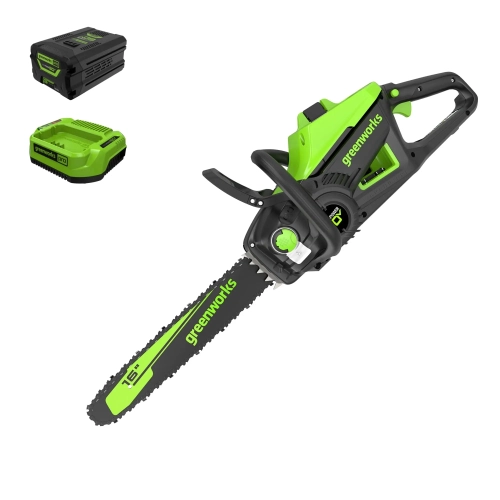
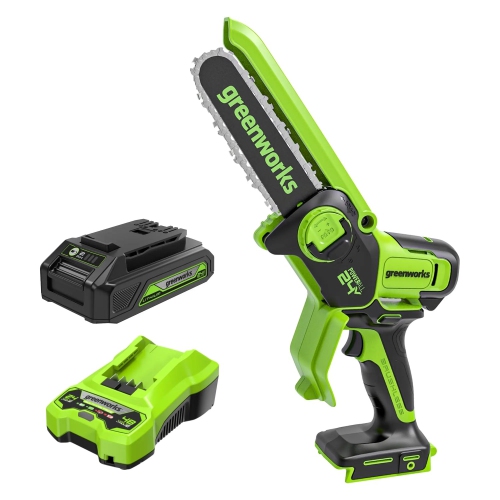
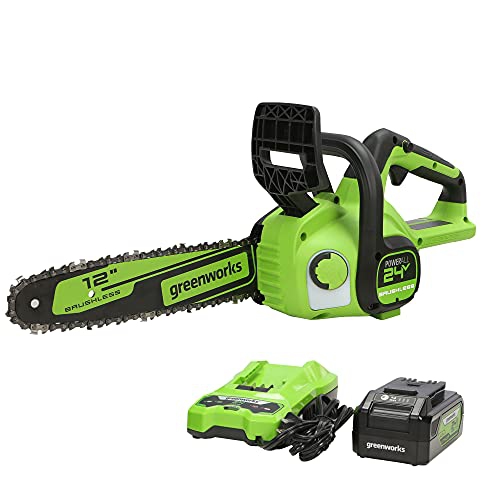
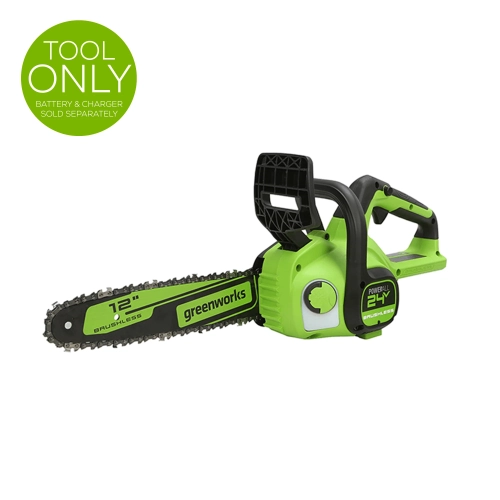

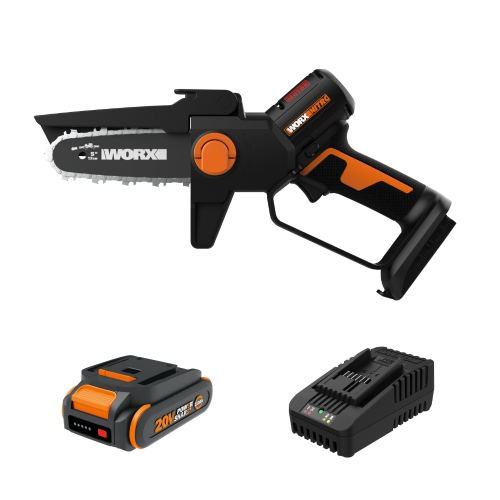

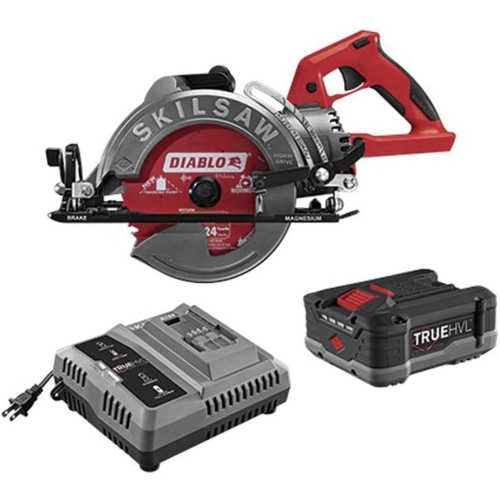
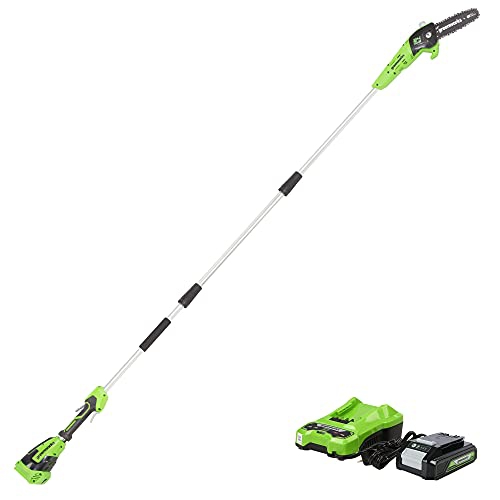
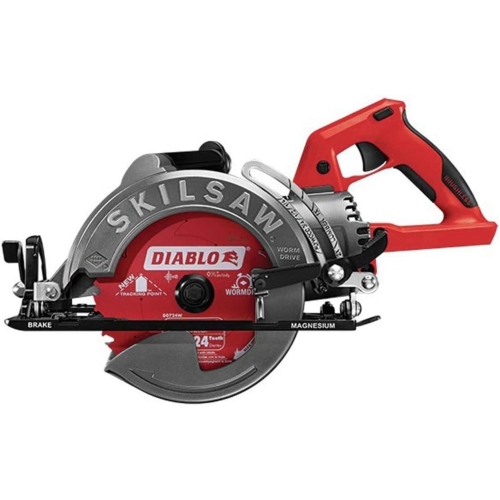
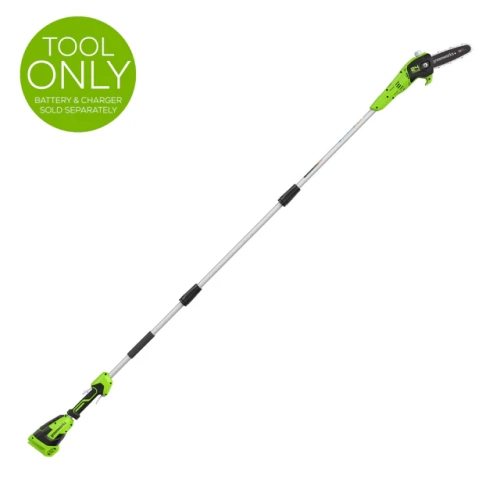
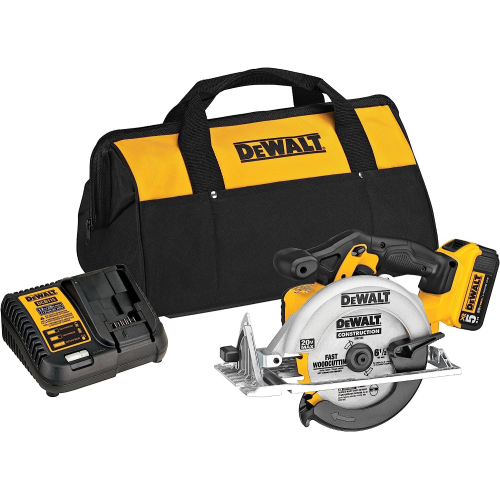
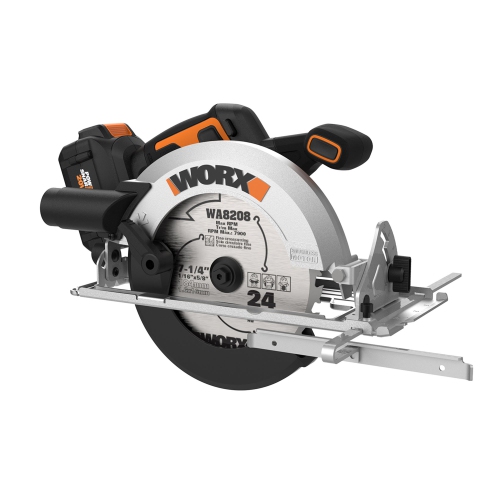

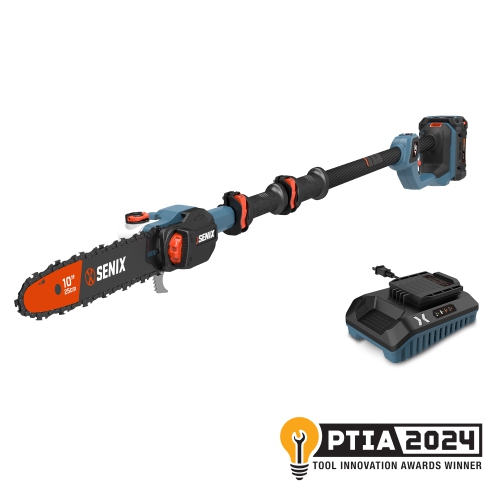
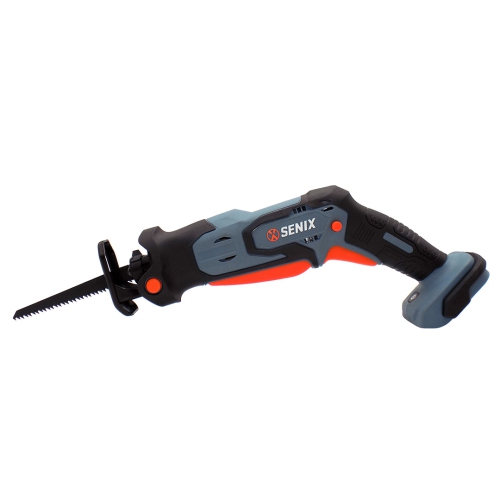

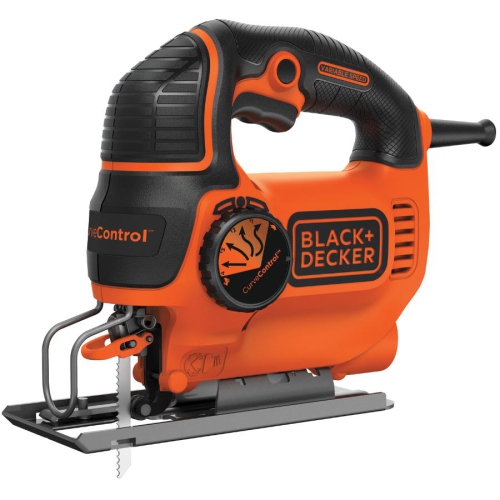

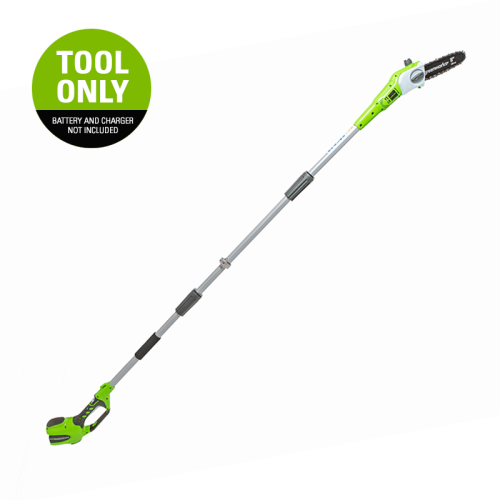
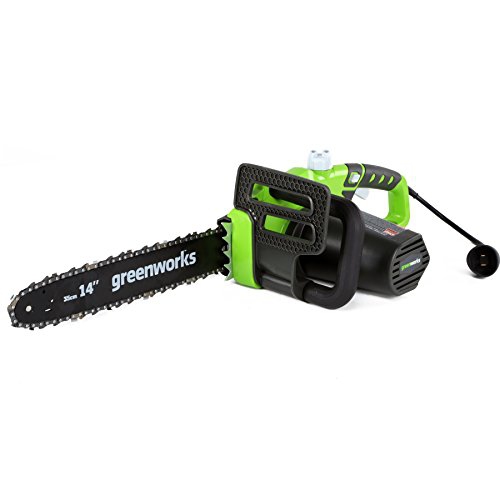
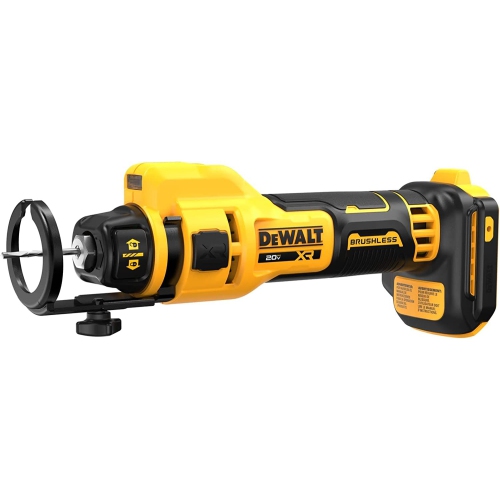
Different cuts call for different types of saws
Power source, handling, and cutting capacity all influence how a saw feels during use. Corded saws draw power through an outlet and can suit work centred around a bench or established workspace, provided the cord can be routed safely away from the cutting path. Cordless saws offer more freedom to move between work areas, although runtime depends on the battery, material, blade, and demands of the cut. Compatibility is important when adding to an existing cordless tool collection: batteries and chargers must be approved for the particular tool, and similar-looking connections do not establish compatibility. The weight of a fitted battery also contributes to balance, especially when a saw is lifted repeatedly or used away from a bench. Handle shape, grip texture, trigger position, and visibility around the blade can make a noticeable difference to comfort and control. A compact body may be easier to manoeuvre in a small workspace, while a larger saw may provide the capacity needed for thicker stock. Blade diameter alone does not tell the whole story, since maximum cutting depth and bevel capacity vary by design. On mitre saws, the supported cutting width and available angle settings affect the size and shape of work that can be accommodated. On table saws, fence stability, table support, and space around the tool are relevant to handling wider material. Adjustable shoes, clearly marked scales, accessible controls, and well-positioned work lights can contribute to a more practical setup, without replacing careful measurement or secure support. Storage matters, too: a portable saw that fits neatly on a shelf has different requirements from a stationary tool that needs a dedicated footprint. Projects that combine cutting, assembly, and fastening may also involve related tools featured on the Boxing Day sale on drills page.
Blade selection has a direct effect on cut quality, effort, and the materials a saw can handle. Timber, plywood, laminate, plastic, and metal do not all respond well to the same tooth pattern or blade construction. Blades with fewer teeth are often suited to faster cutting in wood, while finer-tooth options can produce a smoother edge when matched to the task and tool. Carbide-tipped teeth are common on circular blades used for woodworking, while high-speed steel and bi-metal constructions appear in blades intended for particular cutting applications. Material suitability must always be confirmed for both the blade and the saw; fitting a metal-cutting blade does not make every saw suitable for cutting metal. Blade dimensions, mounting style, and speed rating also need to match the manufacturer’s requirements. A clean, sharp blade helps reduce unnecessary effort, while a dull or damaged blade can leave rough edges and make the tool harder to control. Durability involves more than the motor housing: solid adjustment mechanisms, a stable base or shoe, and reliable blade retention all matter over repeated use. Regular care includes checking for damage, keeping ventilation openings clear, and removing accumulated dust or resin according to the manufacturer’s directions. Power should be disconnected, or the battery removed as applicable, before blade changes, cleaning, or adjustments. Proper storage protects cutting edges from knocks and keeps loose blades from becoming a hazard in a drawer or toolbox. Safe use also depends on a work area with adequate support, suitable lighting, and room to maintain a stable stance. Eye and hearing protection, along with dust control and respiratory protection appropriate to the material, belong alongside the tool itself. Guards and other safety features need to remain functional and be used as instructed. Whether the goal is a crisp joint, a straight shelf edge, or efficient rough cutting, a well-matched saw and blade support more consistent results while making the tool a practical part of the workspace.
Top selling and popular products
-
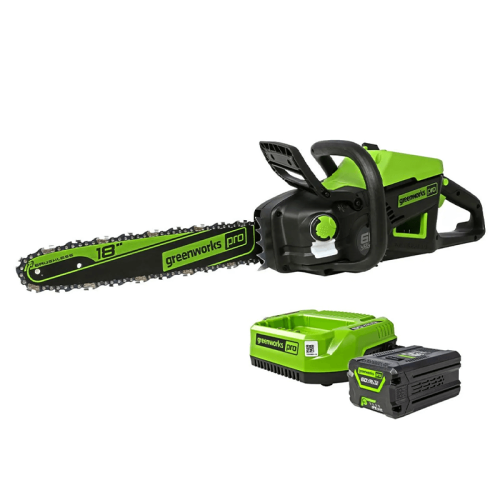 Your price for this item is $399.99
-
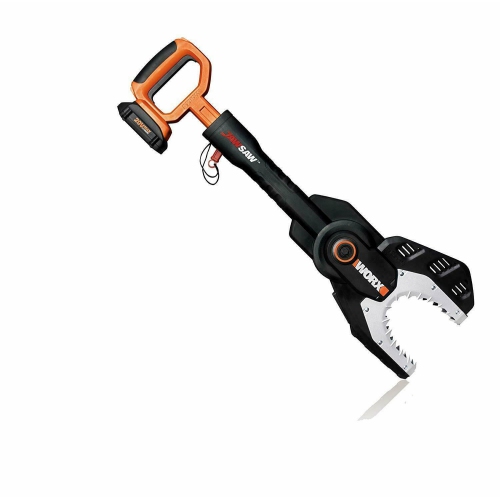 Your price for this item is $229.99
-
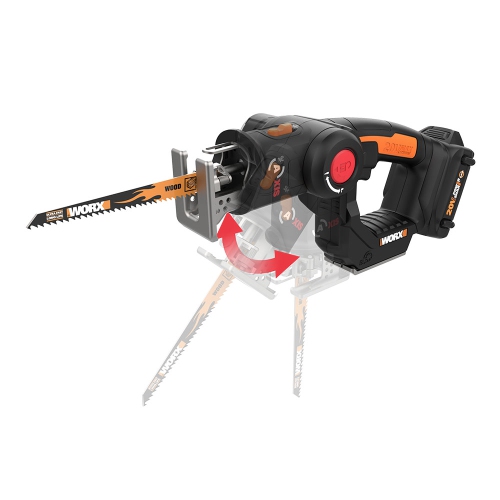 Your price for this item is $179.99
-
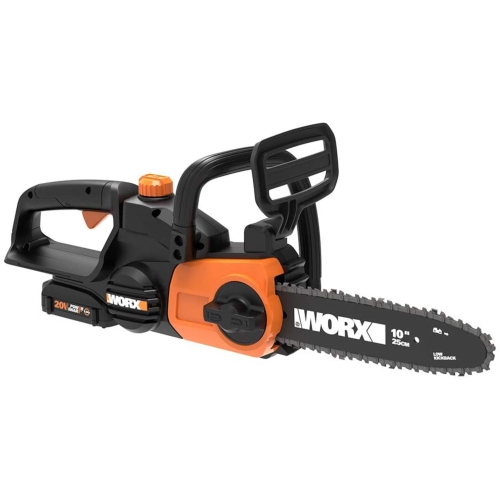 Your price for this item is $199
-
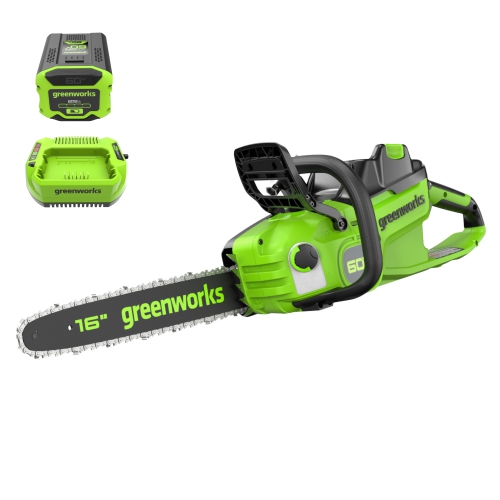 Your price for this item is $349.99
-
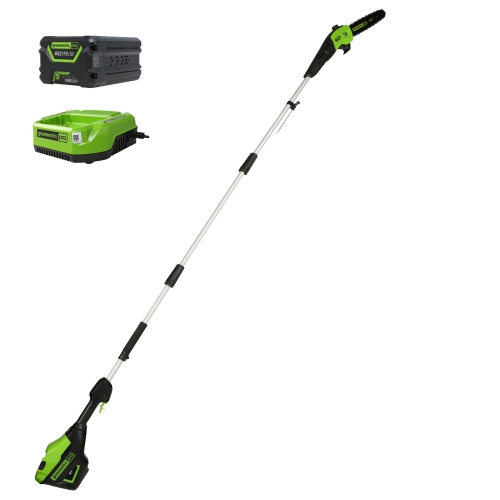 Your price for this item is $329.99
-
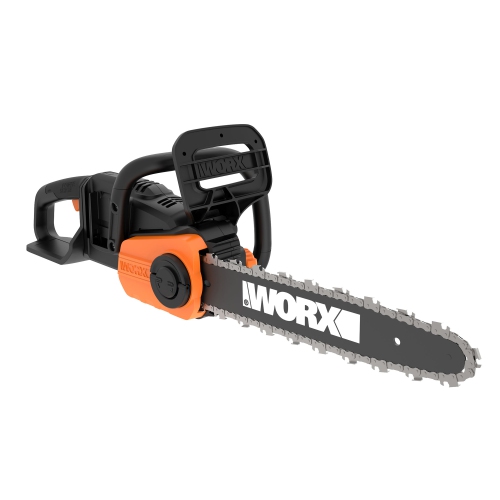 Your price for this item is $449.99
-
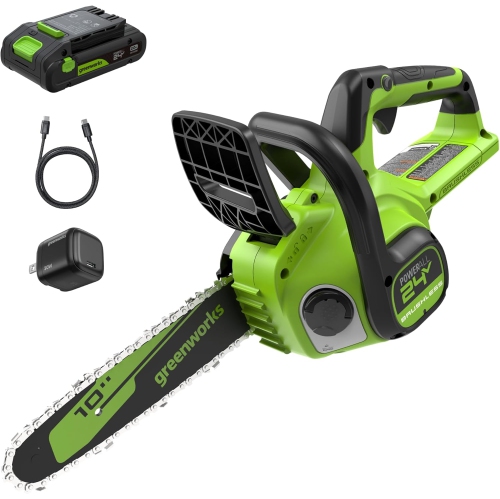 Your price for this item is $199.99