Boxing Day Deals Coming Soon
Our Boxing Day Sale returns in December 2026. In the meantime, shop our current top deals below.

Boxing Day Sale On Dutch Ovens & Braisers
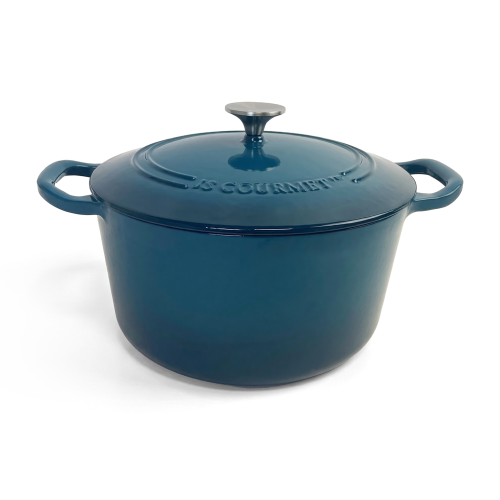
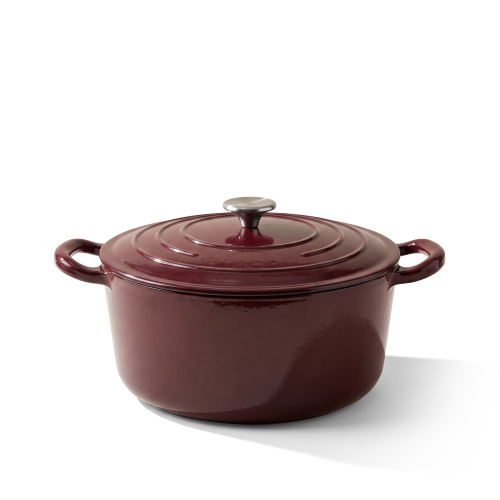
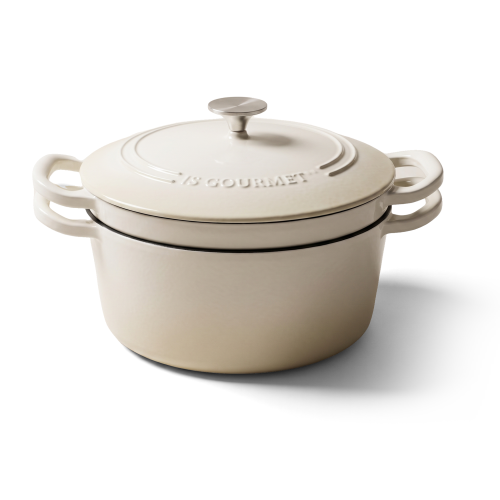
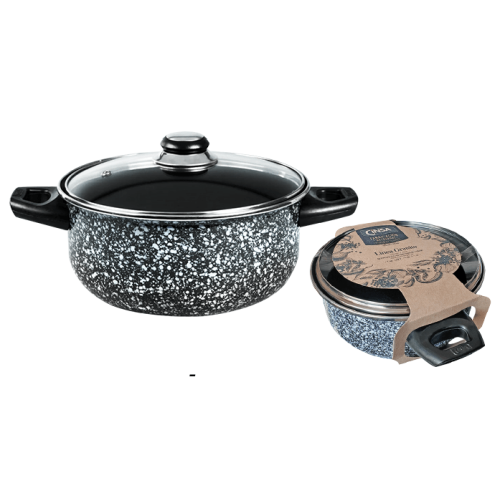
Get ready to sizzle up some savings with our Boxing Day Sale on Dutch ovens and braisers! Whether you're a culinary enthusiast or just love the comfort of home-cooked meals, this is the perfect opportunity to enhance your kitchen collection with versatile cookware essentials. Discover an array of high-quality options designed to elevate your cooking experience, from slow-cooked stews to perfectly braised meats. With unbeatable discounts, now is the time to invest in durable and stylish pieces that will serve you for years to come. Dive into the joy of cooking and make every meal a masterpiece with these must-have kitchen companions. Remember, our Low Price Guarantee means you can shop confidently knowing that you'll find the best price at Best Buy, all year round. We encourage you to check our website frequently for the most up-to-date information on our latest offers and savings opportunities.

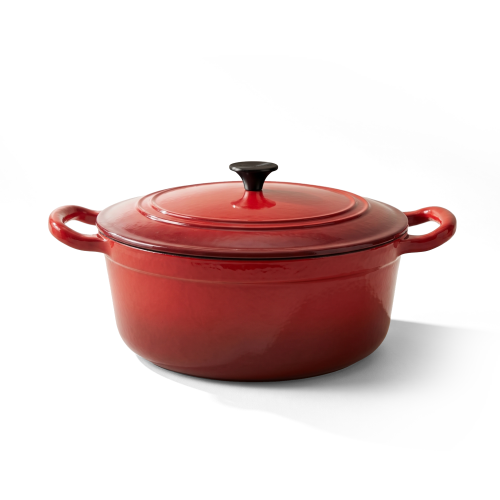
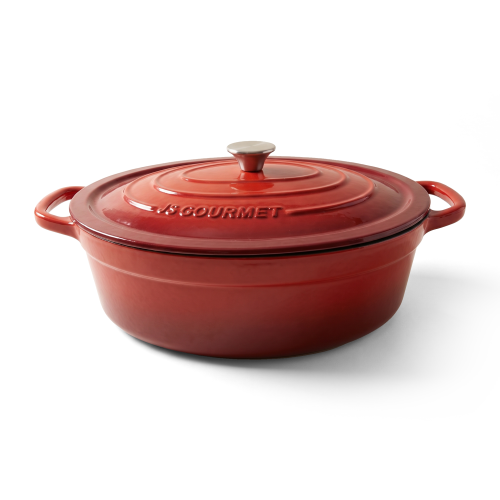
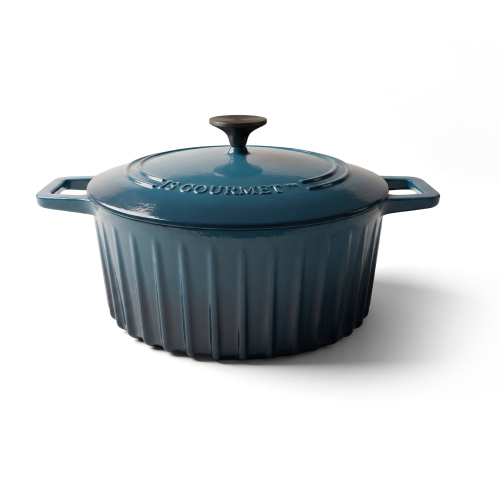
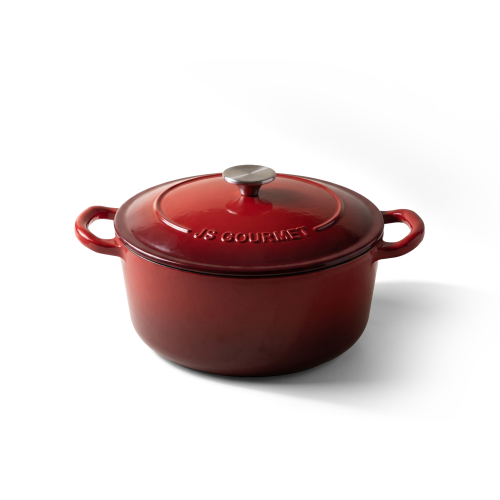
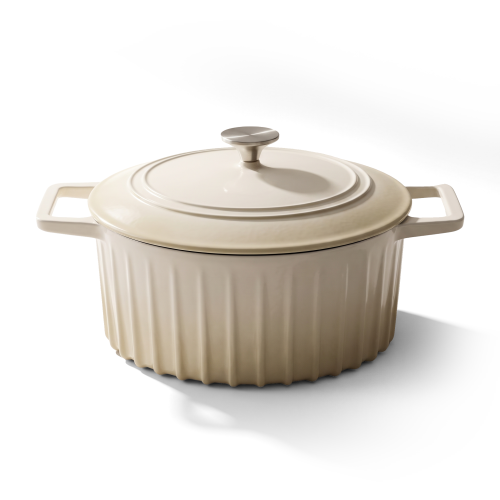
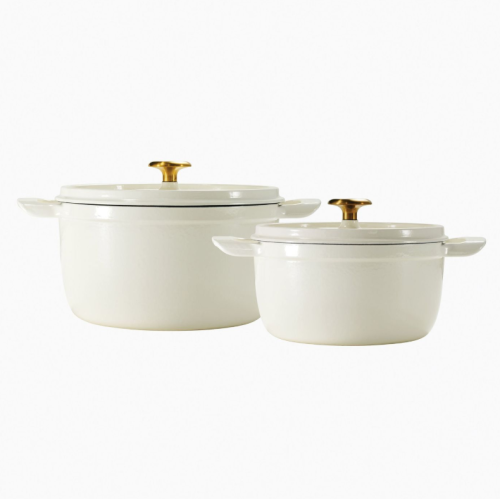
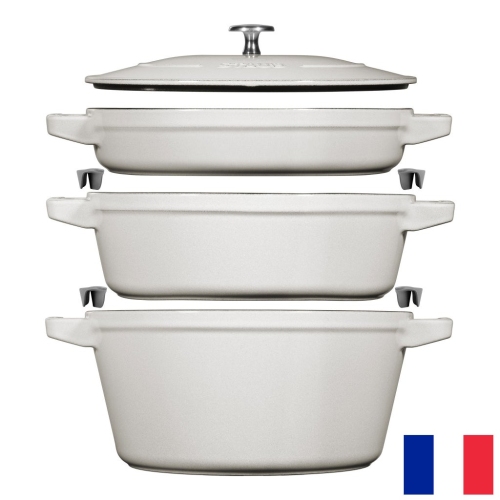
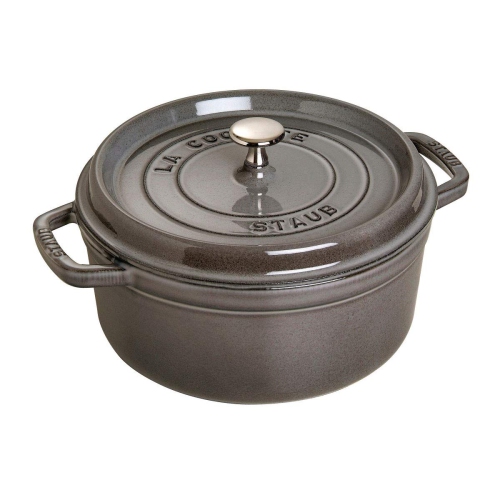
How depth and width shape your everyday cooking
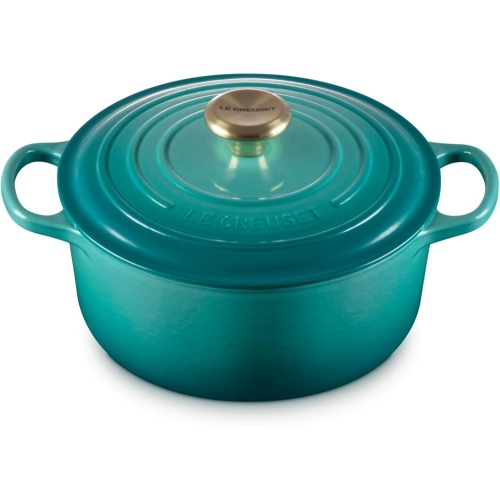
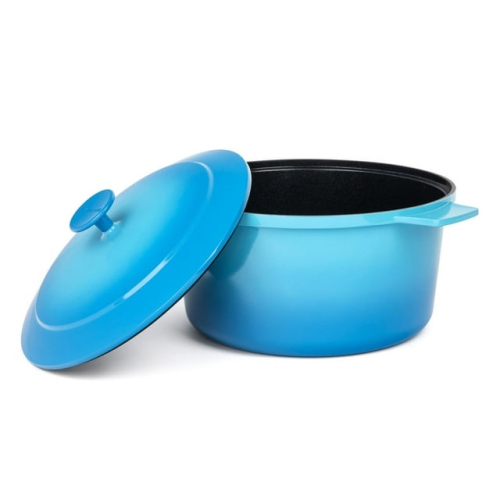
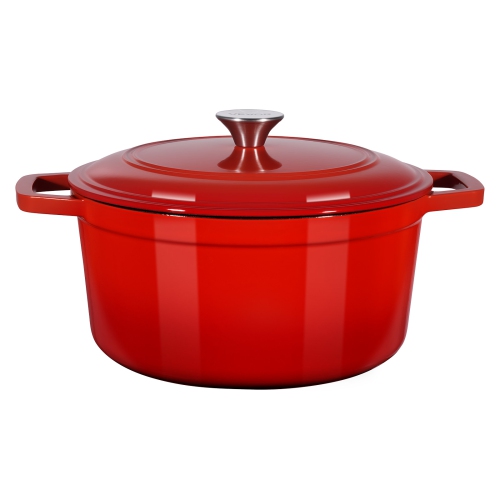
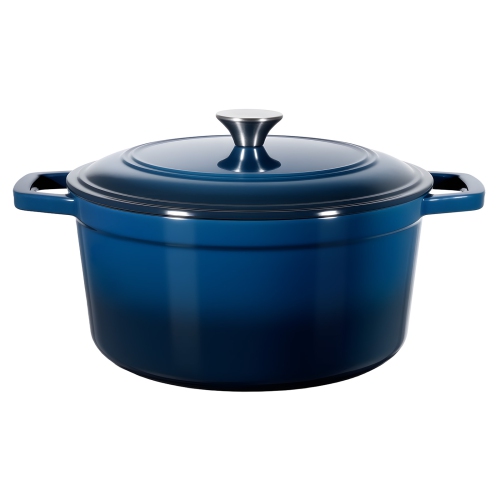
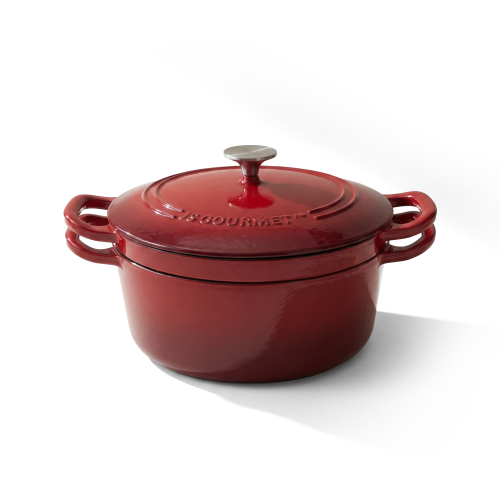
Material affects how a Dutch oven or braiser handles heat, how much it weighs, and the care it needs between meals. Cast iron stores heat well once warmed, helping maintain a steady simmer and keeping food warm during serving. Its weight is noticeable, especially when the vessel is full, so generous handles and a comfortable grip are important. Enameled cast iron combines that substantial body with a coated surface that does not require seasoning. It also provides a choice of colours that can complement other cookware or look at home on a properly protected dining table. Enamel still needs considerate handling: metal utensils, sharp impacts, and sudden temperature changes can damage the finish. Bare cast iron has different care requirements, including maintaining its seasoning and drying it thoroughly after washing. Long simmering with acidic ingredients may affect that seasoning, making the cooking surface worth considering for tomato-heavy recipes. Stainless steel offers another approach, often pairing a steel cooking surface with a layered base or body designed to distribute heat. Its response depends on construction, so thickness and the materials within those layers matter alongside the outer finish. Compatibility is equally important. Induction cooktops require a suitable magnetic base, and cookware that works on one type of stove is not automatically suited to every other type. A flat base helps a vessel sit securely, while its diameter should work with the cooking zone. Oven suitability depends on every component, including the lid knob and handles, rather than the pot body alone. A glass lid can make it easier to watch a simmer without lifting the cover, but its heat limit may differ from that of the base. Interior colour also changes the cooking experience: a light surface makes browned bits easier to see, while a dark interior offers a different appearance without revealing browning as clearly. These details influence how comfortably the cookware fits familiar recipes, stove space, and the person doing the cooking.
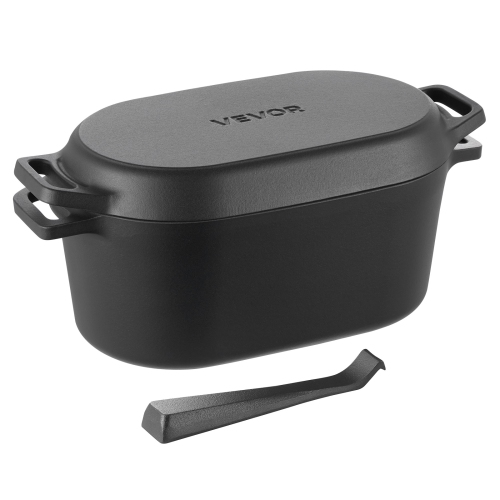
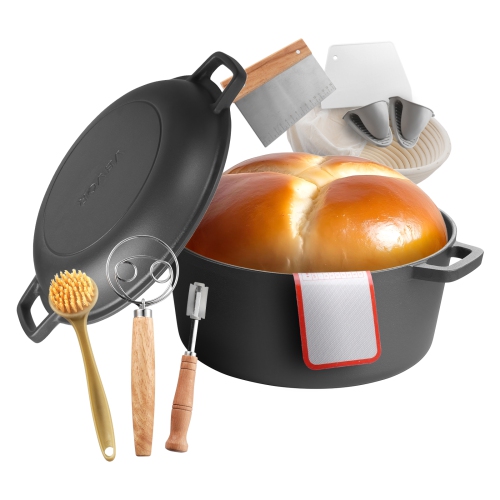
Everyday fit becomes especially clear when a Dutch oven or braiser moves through a complete meal, from preparation to washing up. A wide braiser needs enough clear space on the cooktop without crowding neighbouring pans, and an oval Dutch oven needs room in the oven with its lid in place. Handle clearance matters when lifting cookware past an oven rack or setting it down beside other dishes. Sturdy handles that are easy to grasp with oven mitts make that movement more manageable, although cookware handles and lid knobs can become hot during use. For serving, a heat-safe trivet protects the table or countertop beneath the vessel. Storage deserves attention as well: a heavy pot is easier to retrieve from an accessible shelf than from a cramped cupboard, and a protective layer between stacked pieces helps prevent scratches. Care requirements vary by material and finish, but allowing cookware to cool before washing helps avoid abrupt temperature changes. Gentle cleaning tools are useful for protecting coated surfaces, and soaking stubborn food, where permitted by the care instructions, can reduce the need for aggressive scrubbing. Dishwasher suitability should be confirmed for the whole vessel, including the lid; handwashing may be recommended even when occasional dishwasher cleaning is permitted. Thorough drying is particularly important for exposed cast iron. For home cooks who bake bread, a Dutch oven can also provide a covered space that holds steam around the dough, provided the vessel and its components are suitable for the recipe’s heating method. Braisers lend themselves to dishes finished uncovered, such as chicken with crisp skin above a shallow sauce. For lasagne, baked pasta, and fruit crumbles that call for a different shape, explore the Boxing Day Sale on Casserole & Baking Dishes page. A well-matched cooking vessel earns its place through these ordinary details: enough room for the recipe, a manageable weight, a suitable cooking surface, and care that fits the household’s routine.
Top selling and popular products
-
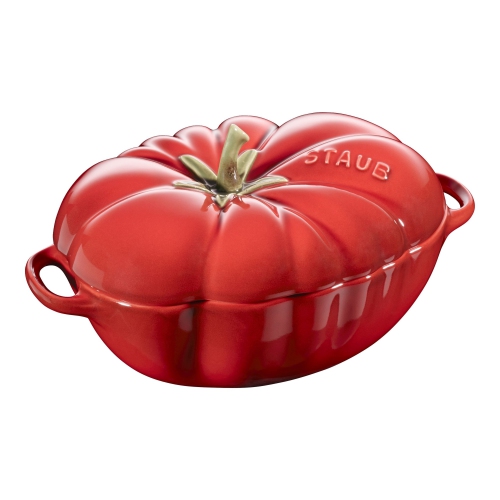 Your price for this item is $59.99
-
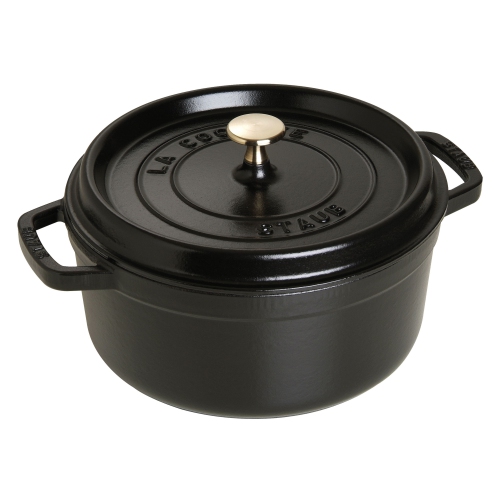 Your price for this item is $199.99
-
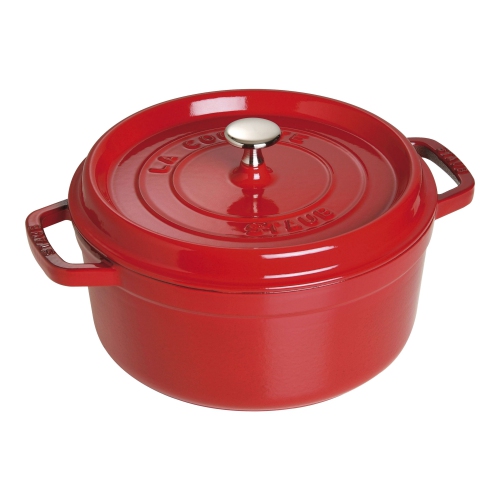 Your price for this item is $199.99
-
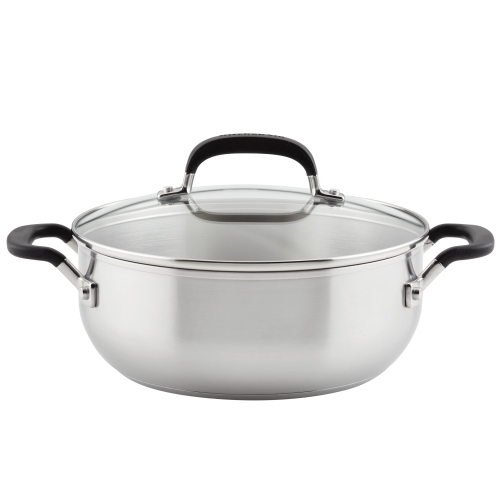 Your price for this item is $69.99
-
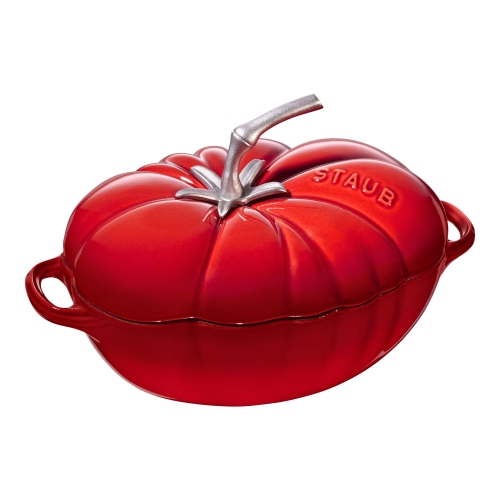 Your price for this item is $399.99
-
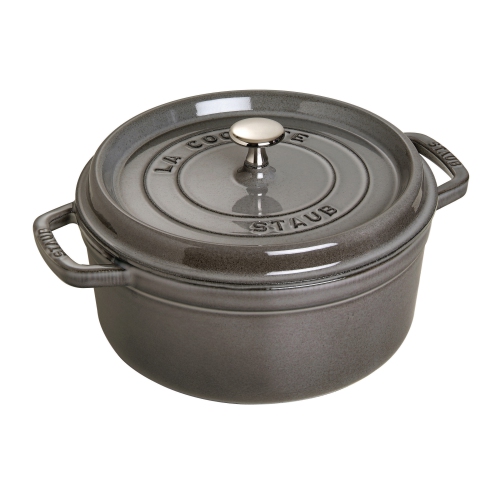 Your price for this item is $199.99
-
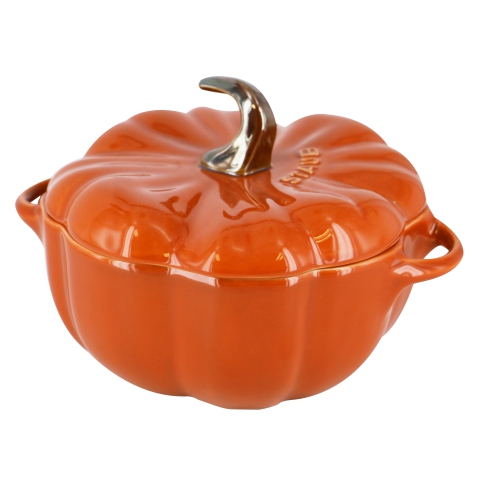 Your price for this item is $49.99
-
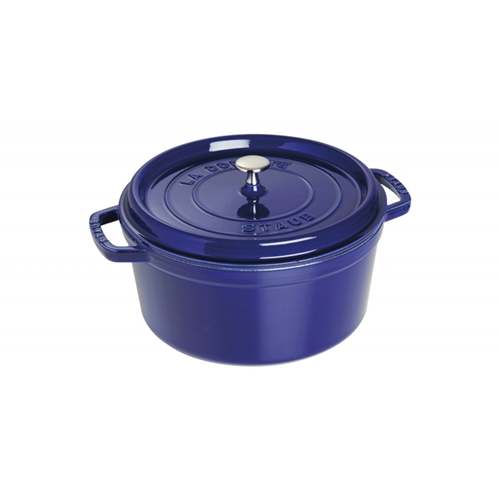 Your price for this item is $549.99