Boxing Day Deals Coming Soon
Our Boxing Day Sale returns in December 2026. In the meantime, shop our current top deals below.

Boxing Day Sale On Electric Toothbrushes
Unleash the power of a dazzling smile with our Boxing Day Sale on electric toothbrushes! Dive into incredible savings on a wide range of top-quality options that promise to elevate your oral hygiene routine. Whether you're looking to upgrade your current toothbrush or gift someone special the joy of advanced dental care, this sale offers unbeatable prices and choices to suit every need. Explore our selection and discover the perfect tool to keep your teeth sparkling clean while enjoying significant discounts. Remember, our Low Price Guarantee means you can shop confidently knowing that you'll find the best price at Best Buy, all year round. We encourage you to check our website frequently for the most up-to-date information on our latest offers and savings opportunities.

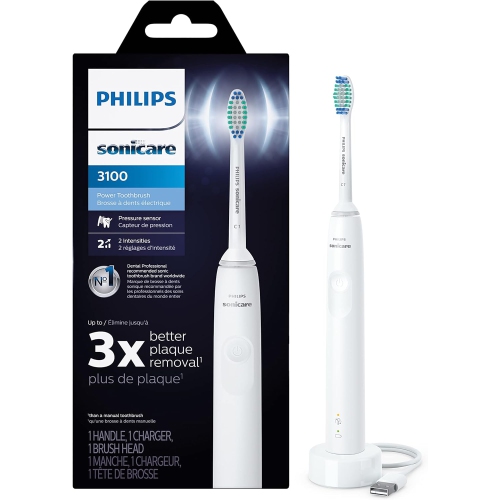
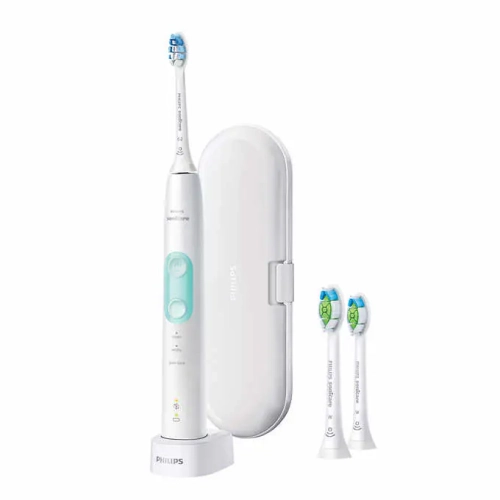
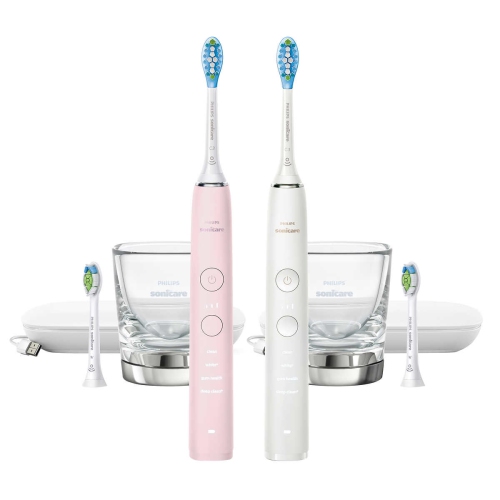
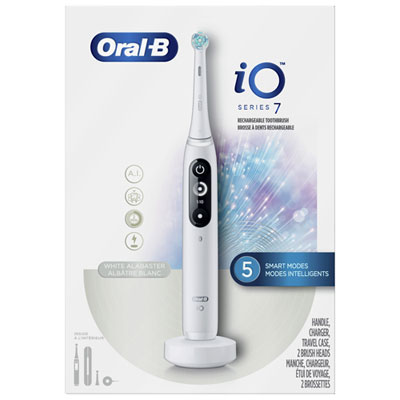


What makes an electric toothbrush comfortable for daily use
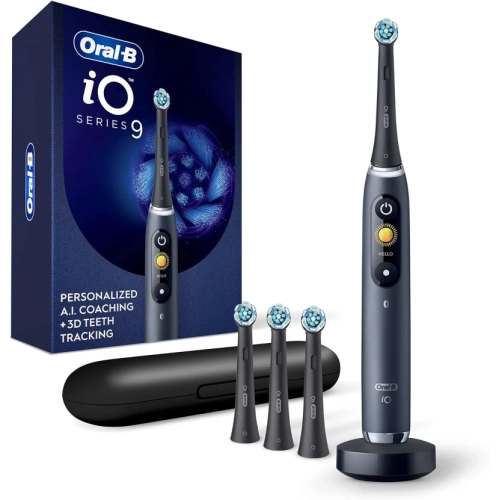
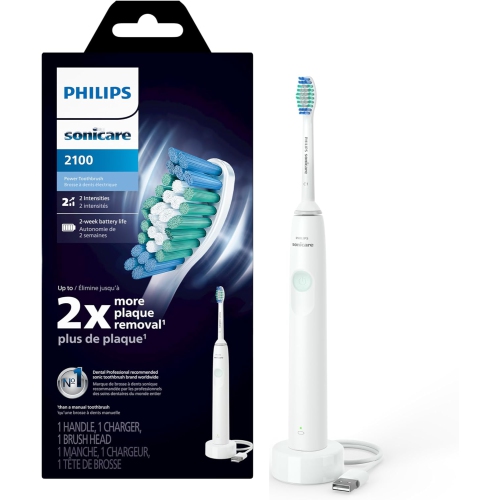
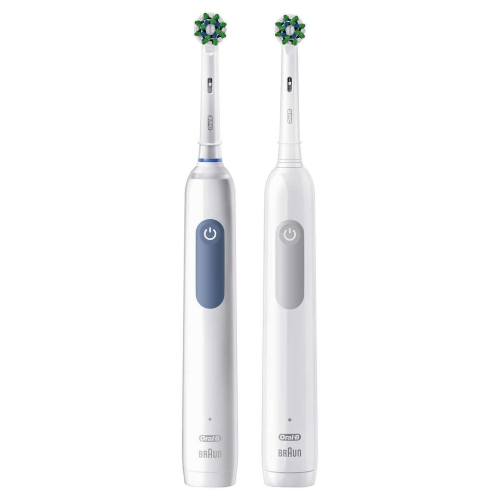
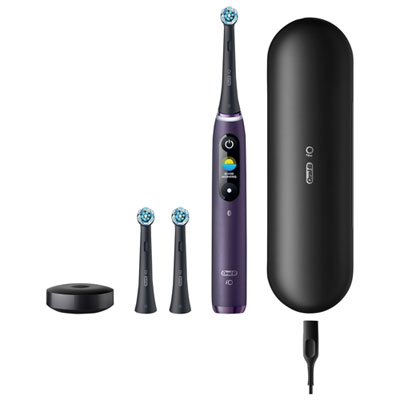
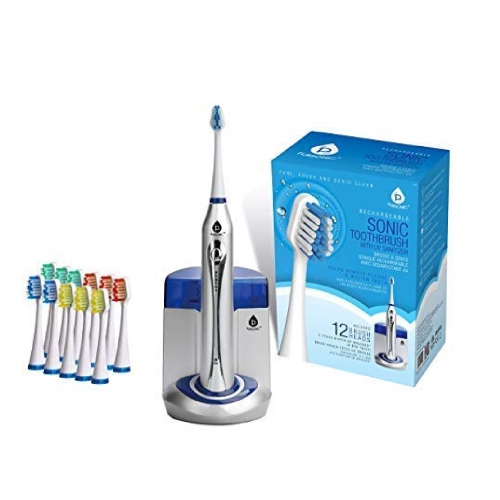
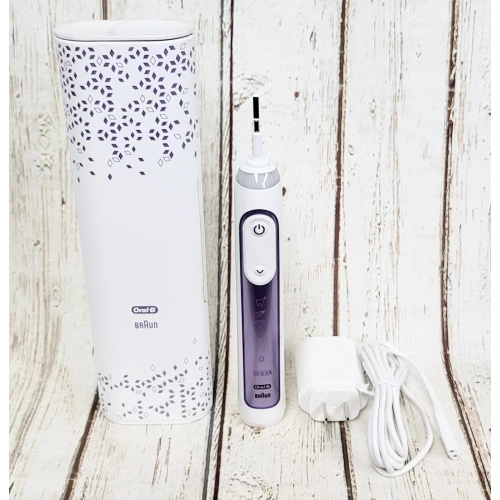
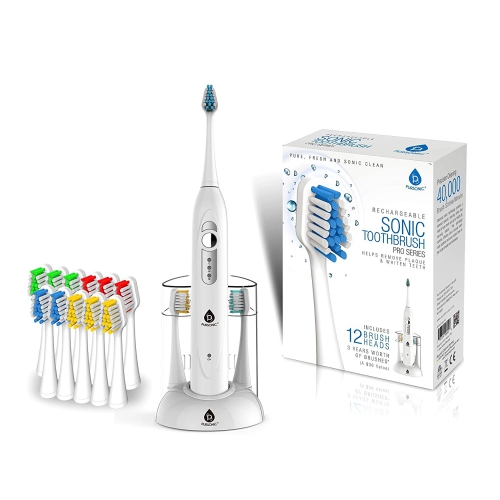
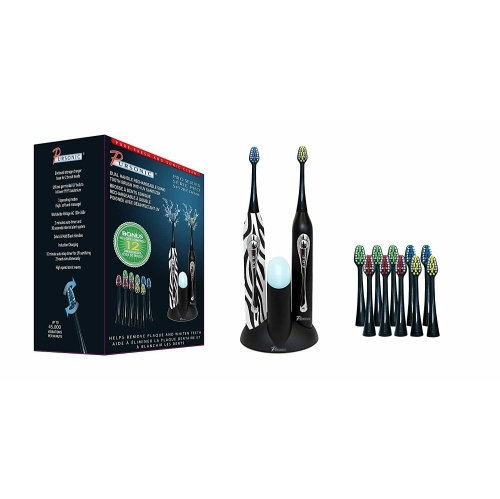
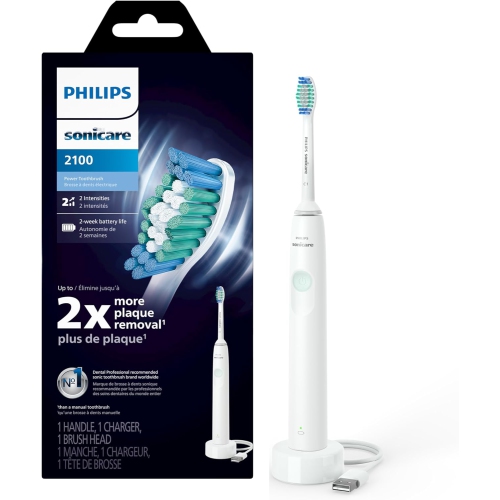
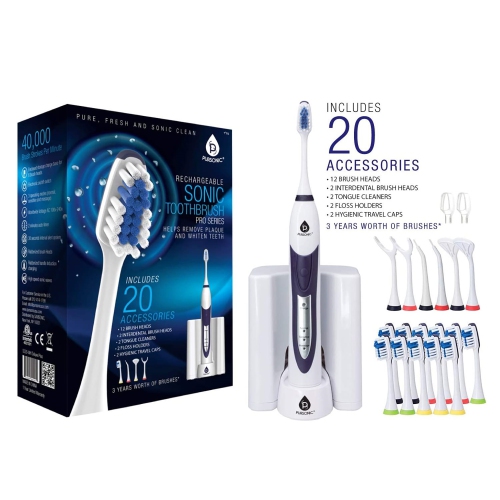
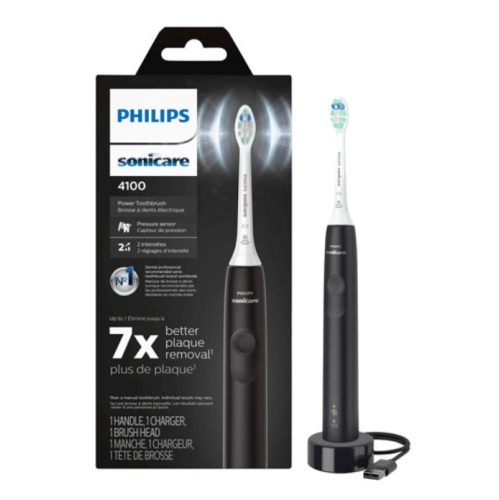
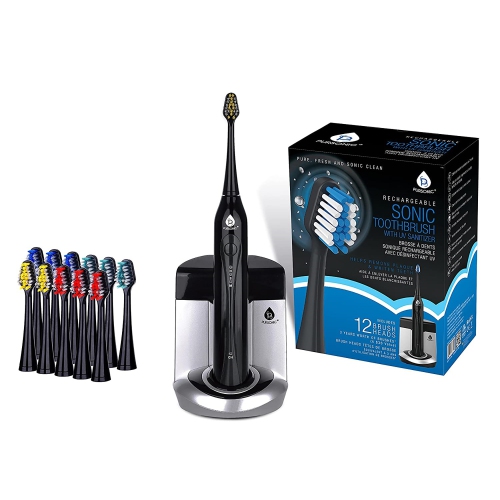
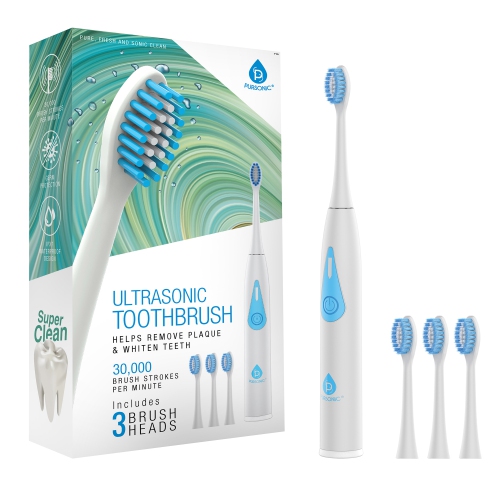
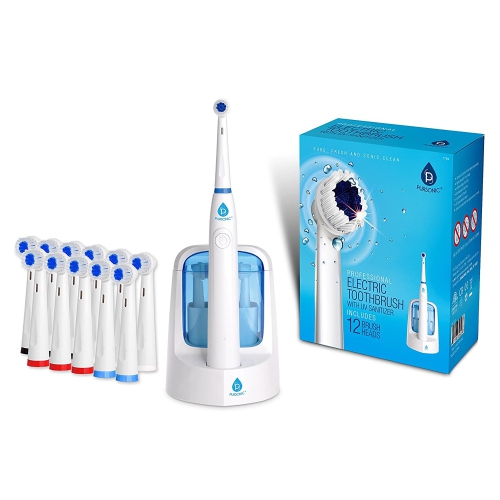
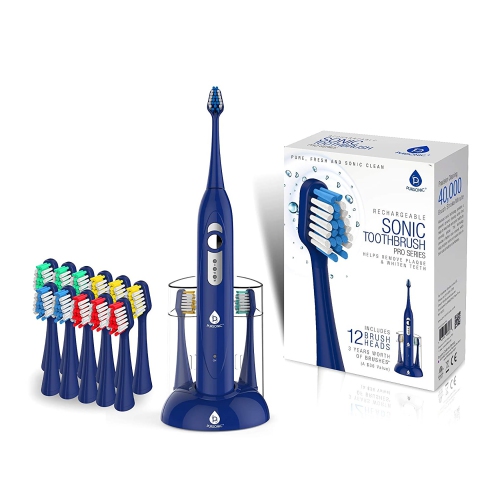
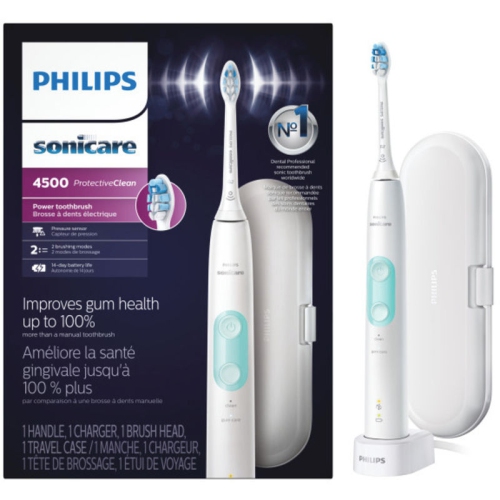
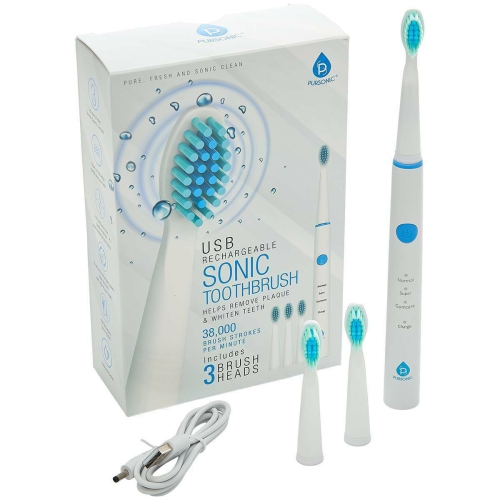
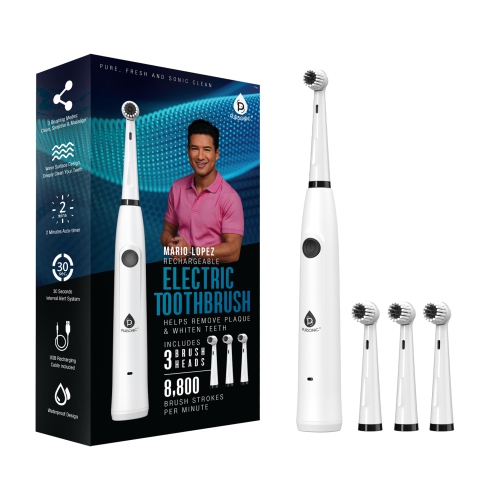
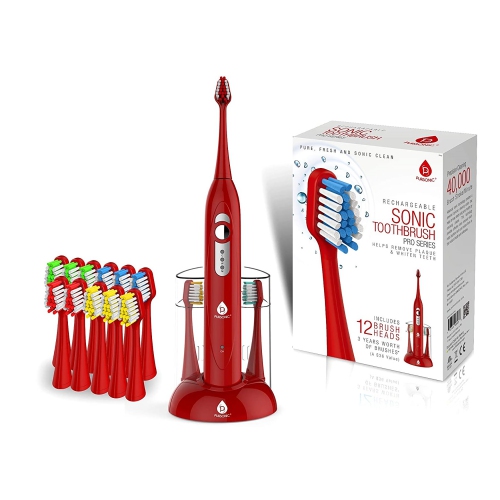
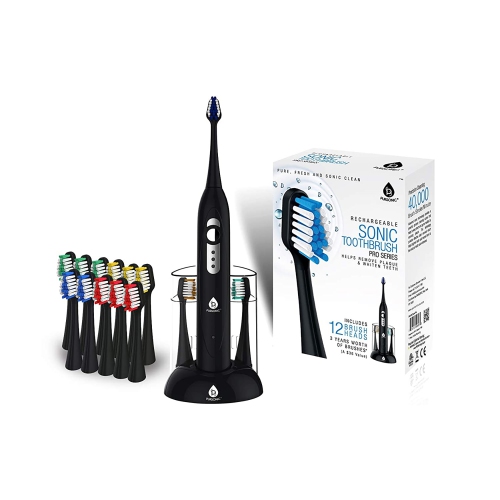
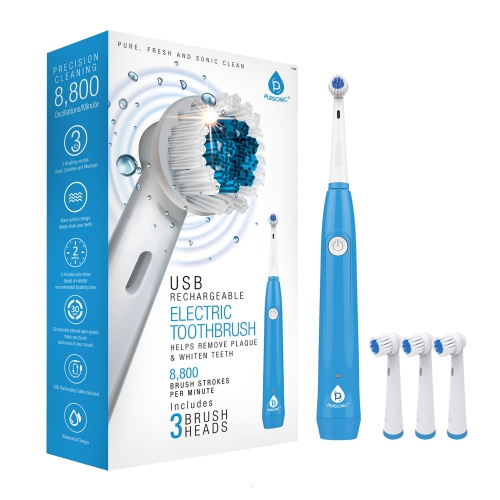
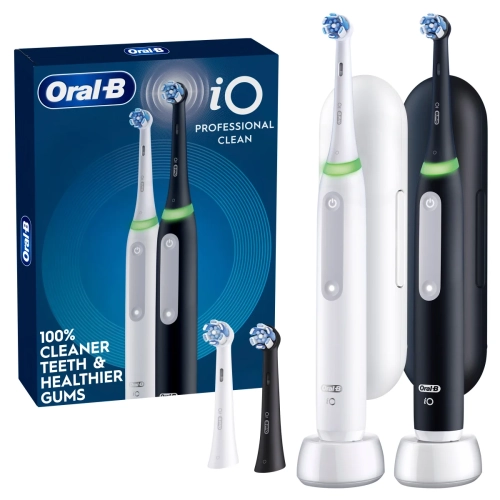
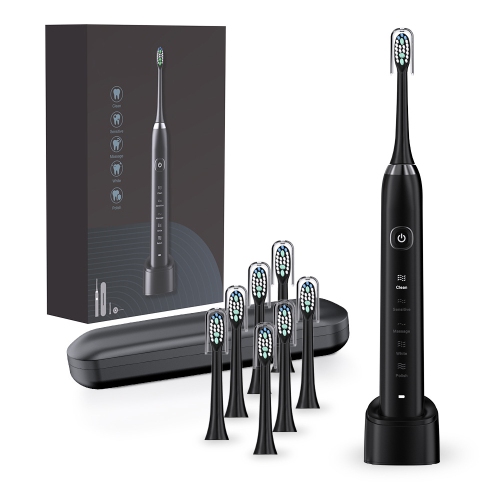
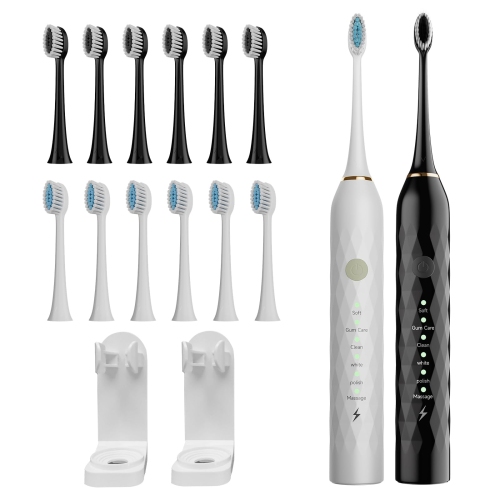
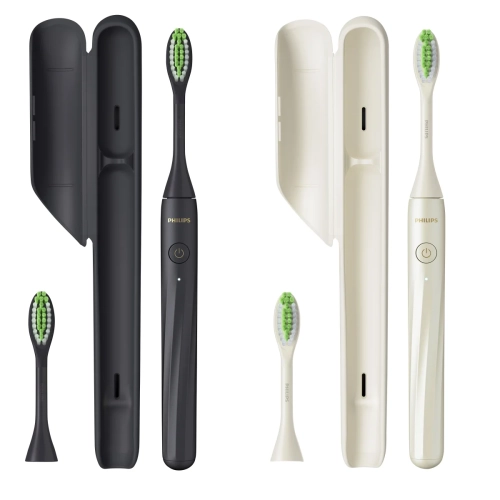
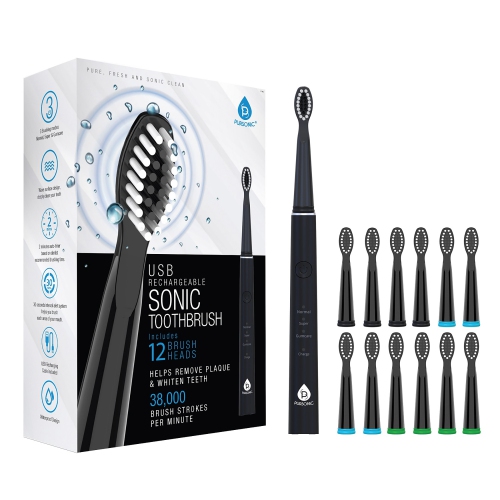
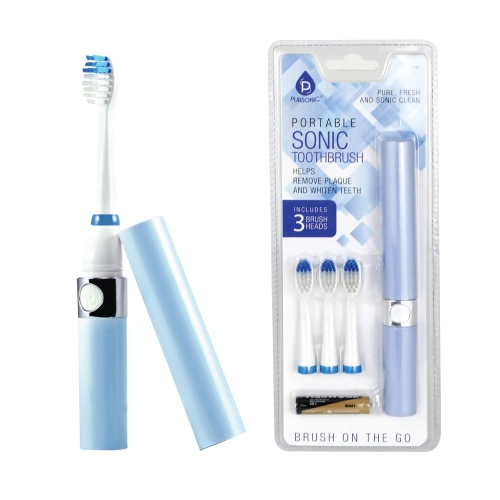
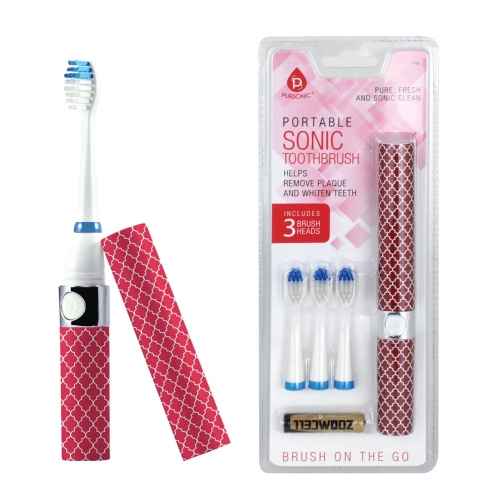
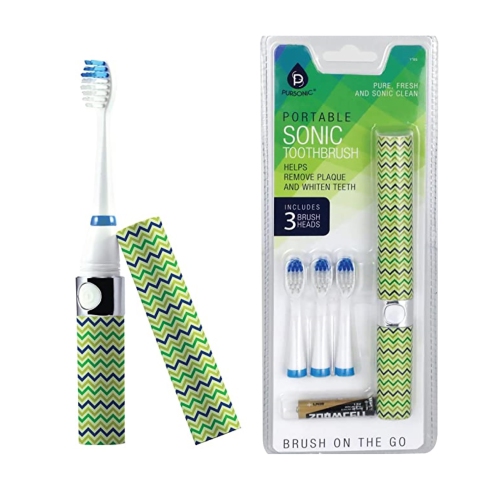
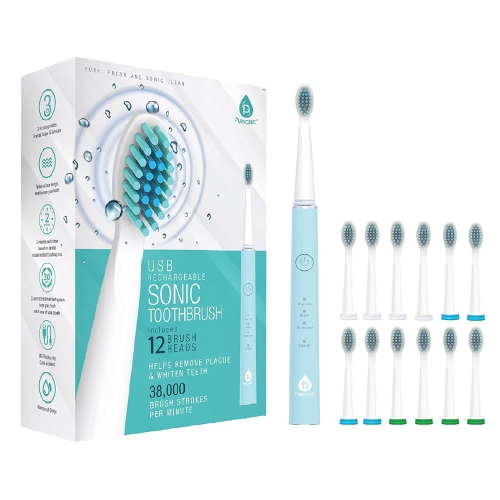
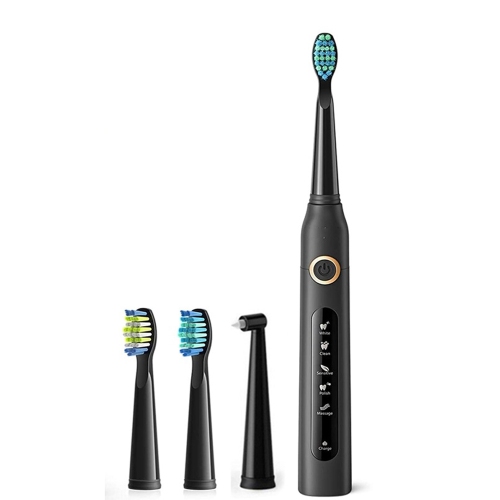
The physical details of an electric toothbrush matter because it is handled with wet fingers and used at least twice a day. Moulded plastic handles are common, sometimes with textured sections or rubberized grips that provide a steadier hold. A broad handle may be easier for someone with limited hand dexterity to grasp, although its weight and the position of the controls also affect comfort. Clearly marked buttons, a visible charge indicator, and settings that are easy to change can make daily use more straightforward. Brush heads usually combine a plastic body with synthetic bristles, and the shape of the bristle field influences how the head feels against teeth and gums. Compatibility deserves particular attention: replacement heads must fit the handle’s specified connection, and heads from the same brand are not necessarily interchangeable across every range. Rechargeable toothbrushes use a built-in battery and a charging base, cable, or compatible charging case, depending on the design. Models powered by replaceable batteries offer a different arrangement, with no charging stand required, but they still need the correct battery type and careful closure of the battery compartment. Neither power format alone establishes cleaning performance or the presence of a timer; those details vary by design. For travel, battery runtime, a secure power button, and a protective case can matter more than a long list of modes. A travel lock helps prevent accidental activation inside a toiletry bag, while a case keeps the brush head from rubbing against other belongings. Charging connections also vary, so a USB cable does not necessarily mean a wall adaptor is included. For travel outside Canada, the charger’s stated voltage compatibility should be checked before use. At home, a compact charging base may fit comfortably beside a small sink, whereas a shared bathroom may benefit from separate head storage. Connected features, where supported, can provide brushing feedback through a phone app, but a toothbrush with clear on-handle cues may suit someone who prefers to leave the phone outside the bathroom.
Care and storage have a direct effect on how pleasant an electric toothbrush is to use over time. After brushing, rinsing the head thoroughly removes toothpaste and debris, and leaving it upright to air-dry helps keep moisture from lingering around the bristles. Periodically removing the head and cleaning around the connection can prevent dried toothpaste from building up where the head meets the handle. The handle and charger need cleaning according to their care instructions, with the charger disconnected before wiping; a handle designed to tolerate splashes should not automatically be treated as suitable for immersion. A travel case is useful in transit, but a damp brush should be allowed to dry before it is enclosed for an extended period. Brush heads generally need replacement about every three to four months, or sooner if the bristles become frayed or splayed. Worn bristles can make cleaning less effective, and pressing harder is not a remedy. Durability also involves the parts used every day: a secure head connection, buttons that respond reliably, and a charging base that sits steadily on the counter. Battery runtime can change with brushing mode, frequency of use, and battery age, so stated runtime is best understood alongside the conditions under which it was measured. For families, individual brush heads should remain clearly identified and should not be shared. Children need an age-appropriate brush head and handle, along with adult supervision suited to their brushing ability; playful timing cues may encourage participation, but they do not confirm that every tooth has been cleaned. As a Boxing Day gift, an electric toothbrush can be a thoughtful, practical choice for someone who has expressed interest in updating their routine, whether that means a comfortable grip, simpler timing, or an easier travel setup. Personal preferences matter more than the number of settings, especially for a recipient who prefers a quiet, uncomplicated bathroom routine. Shoppers exploring related occasion-based collections can also visit Labour Day Sale On Electric Toothbrushes. Across everyday use, family routines, and trips away from home, the most useful features are those that make thorough, comfortable brushing easier to maintain.
Top selling and popular products
-
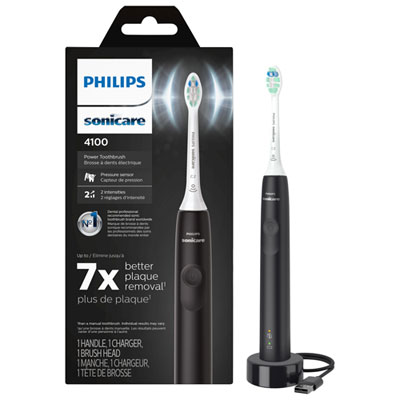 Your price for this item is $84.99
 -
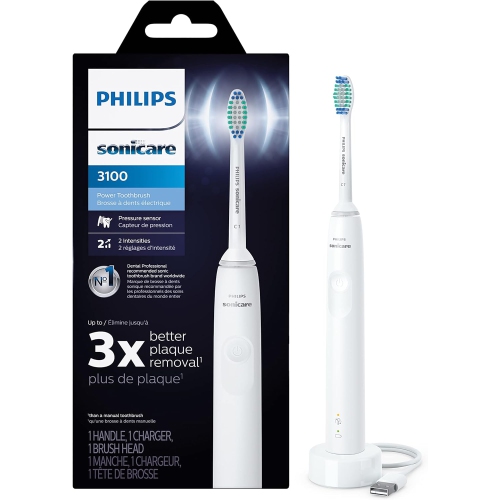 Your price for this item is $49.99
 -
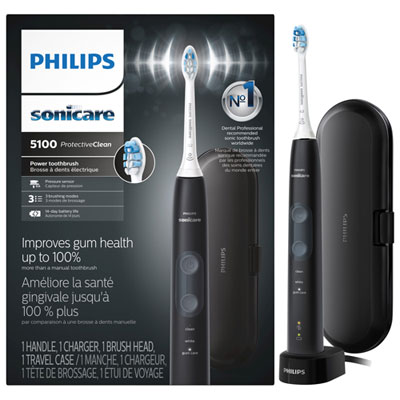 Your price for this item is $89.99
 -
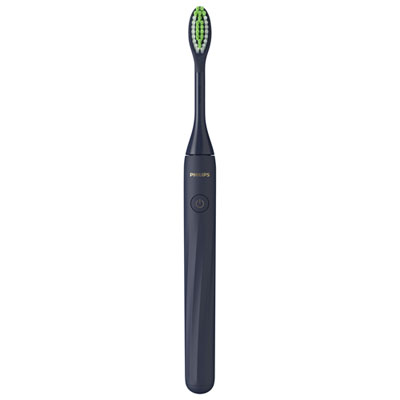 Your price for this item is $34.95
 -
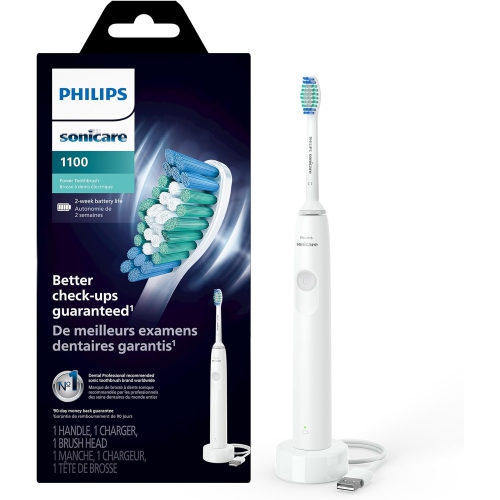 Your price for this item is $34.99
 -
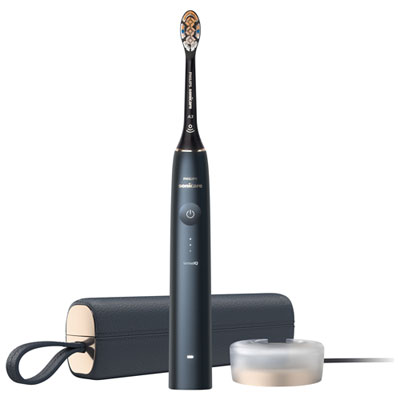 Your price for this item is $399.99
 -
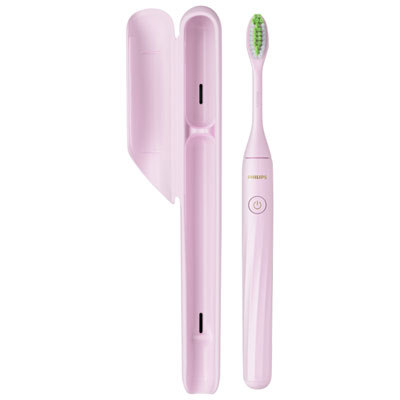 Your price for this item is $34.99
 -
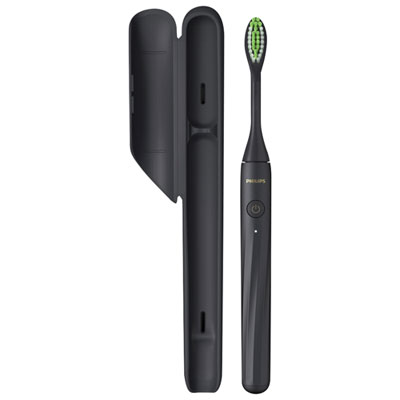 Your price for this item is $54.99