Boxing Day Deals Coming Soon
Our Boxing Day Sale returns in December 2026. In the meantime, shop our current top deals below.

Boxing Day Sale On Exercise Bikes
Take your home workouts to the next level with incredible deals during the Boxing Day sale on exercise bikes. Whether you're looking to kickstart your fitness journey or upgrade your current setup, you'll find a wide selection of top-rated exercise bikes at unbeatable prices. Shop now and take advantage of limited-time offers to bring the gym experience into your home for less. Don’t miss out—these Boxing Day savings on exercise bikes are the perfect way to start the new year strong!
Remember, our Low Price Guarantee means you can shop confidently knowing that you'll find the best price at Best Buy, all year round. We encourage you to check our website frequently for the most up-to-date information on our latest offers and savings opportunities.







Why exercise bike fit matters more than screen features
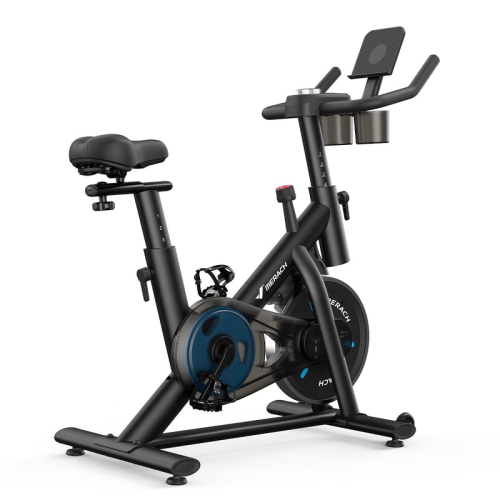
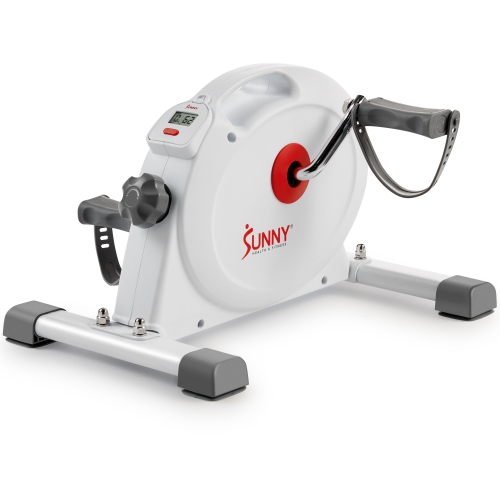
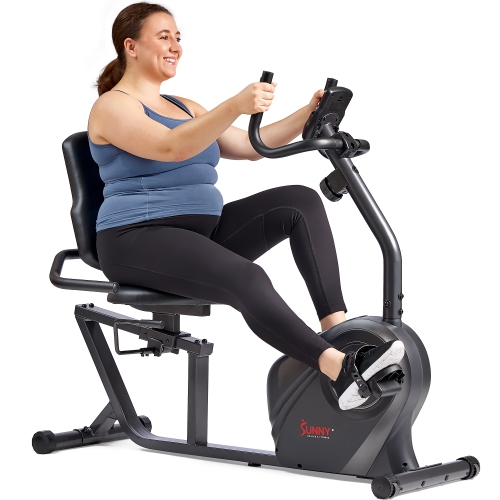
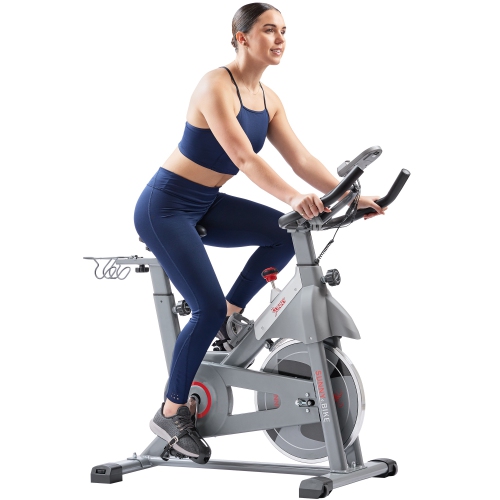
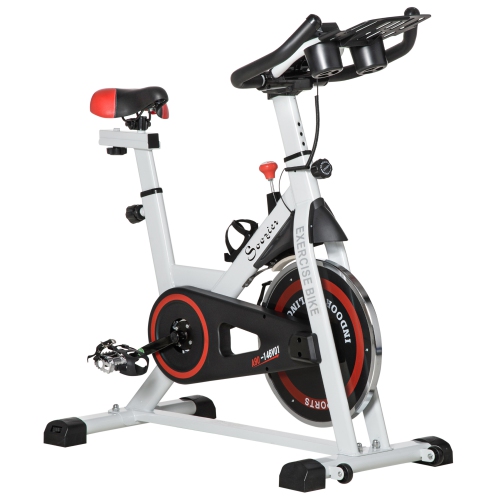
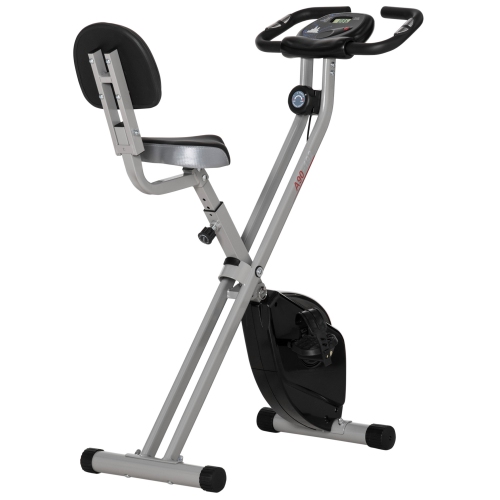
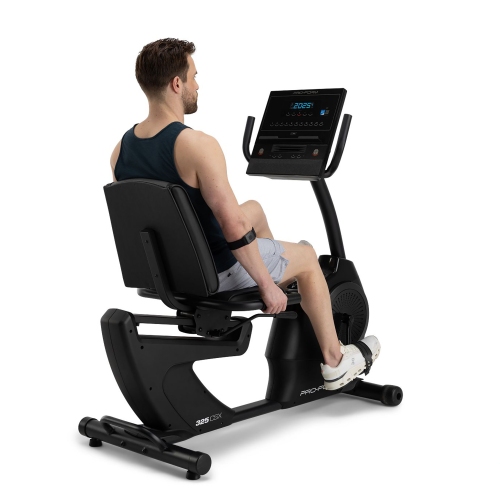
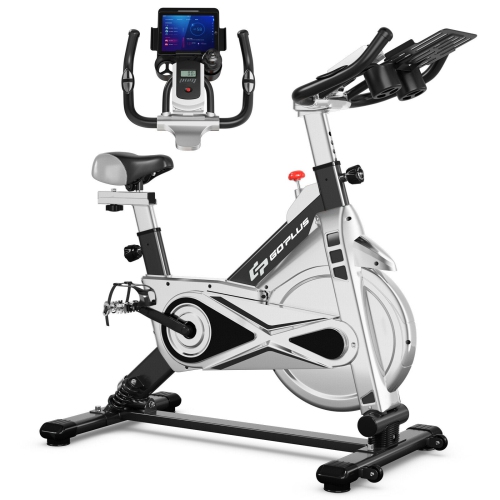
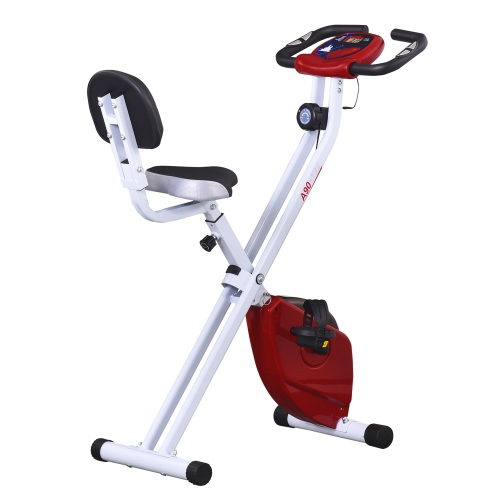
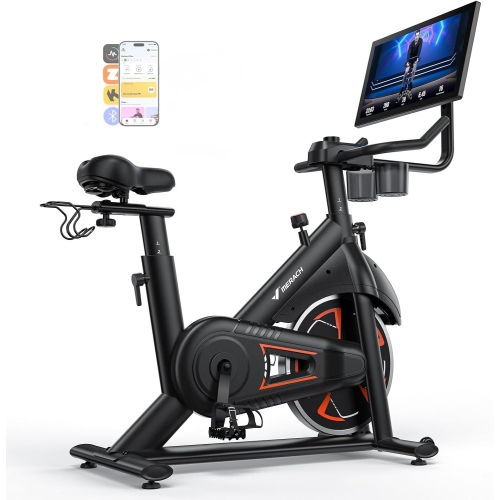
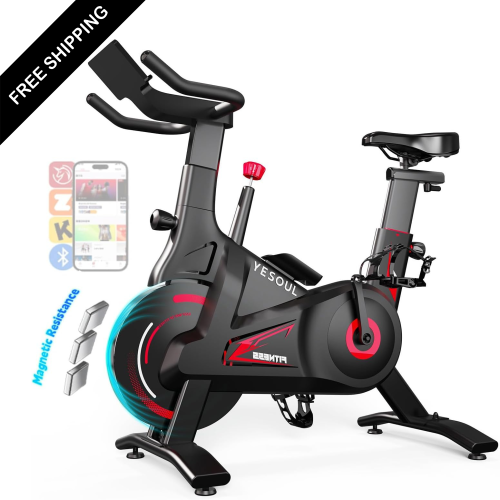
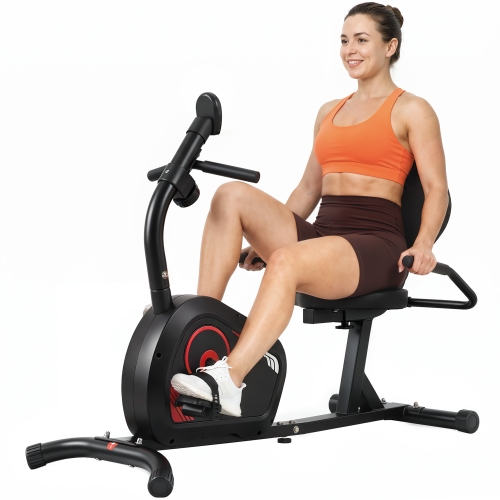
Fit and construction shape how an exercise bike feels after the first few minutes and after repeated use. Saddle height, fore-and-aft adjustment, and handlebar reach affect whether the rider can pedal without rocking at the hips or stretching to hold the grips. At the bottom of the pedal stroke, a slight bend in the knee is a useful starting point for many upright and indoor cycling setups, with the final position depending on the bike’s design and the rider’s proportions. Recumbent bikes rely on seat-to-pedal distance to achieve a similarly comfortable leg position. Published rider-height ranges, inseam guidance, and maximum user weight provide more meaningful fit information than the bike’s overall dimensions alone. A padded saddle is not automatically the most comfortable option for every rider; shape, width, posture, and session length all play a part. Pedals also vary, from platforms with adjustable straps to designs that require compatible cycling shoes, so footwear requirements deserve attention. A sturdy frame, secure adjustment points, and levelling feet help the bike feel settled, particularly on floors that are not perfectly even. Steel frames are common, while covers around moving parts help limit accidental contact and simplify surface cleaning. Magnetic resistance typically provides smooth adjustment with relatively little contact noise, whereas friction systems use a pad against the flywheel and may require periodic adjustment or replacement. Fan-based systems create an audible rush of air that becomes more noticeable as effort rises. Flywheel weight alone does not establish ride quality; resistance control, drivetrain design, and overall stability also contribute. At home, the bike needs space for safe mounting and dismounting, not just enough room for its frame. Transport wheels can help with repositioning, but the equipment’s weight and the route between rooms still matter. A suitable exercise mat can help protect flooring, while wiping away perspiration with a soft cloth and following the manufacturer’s maintenance schedule supports lasting condition. Fasteners, pedals, and seat clamps also need periodic checks according to the product instructions.
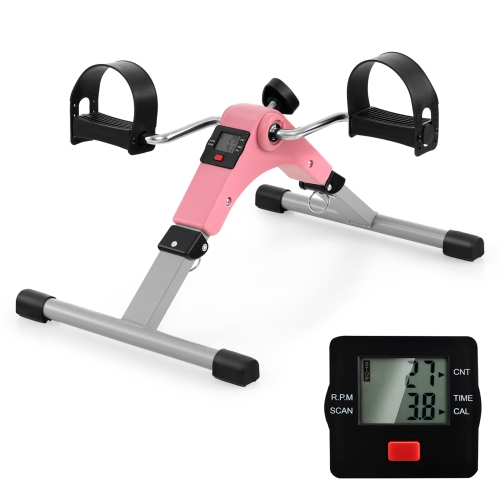
Displays and connected features can make exercise bikes more engaging, but their usefulness depends on how someone likes to ride. A simple console showing elapsed time, cadence, and resistance may be enough for a rider who follows a familiar routine or prefers entertainment on a separate screen. A secure tablet holder can keep a device within view without balancing it on the handlebars, although its position should not obstruct essential controls. Connected exercise bikes may pair with compatible apps, offer streamed classes, or display virtual routes, with features varying by model and service. Some functions require Wi-Fi, an account, or a separate membership, while others remain accessible without a connection. It is worth distinguishing between a bike that displays a workout and one that can automatically adjust resistance during supported sessions, since those are different capabilities. Power requirements matter as well: a basic battery-operated display and a large powered touchscreen have different placement needs. Workout measurements also need context. Cadence describes pedalling speed, resistance indicates the selected workload, and wattage can offer another way to track effort when the bike measures or estimates it. Calorie figures and handlebar pulse readings are estimates rather than precise medical measurements. In practice, convenient controls and a comfortable setup often have more influence on regular use than extra screen functions. Someone fitting a short ride between work calls may appreciate quick manual adjustments, while a rider who enjoys structured sessions may prefer clear workout targets and easy access to compatible classes. As a gift, an exercise bike is most thoughtful when the recipient has expressed interest and there is agreement on fit, space, and preferred riding style. People who would rather exercise standing up with a striding motion can also explore Boxing Day sale on ellipticals. For seated cycling, the most useful combination remains a comfortable riding position, suitable resistance, dependable construction, and features that fit naturally into the way the bike will be used.
Top selling and popular products
-
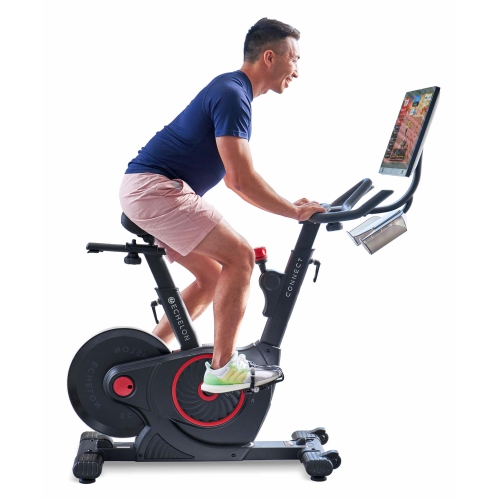 Your price for this item is $1899.99
-
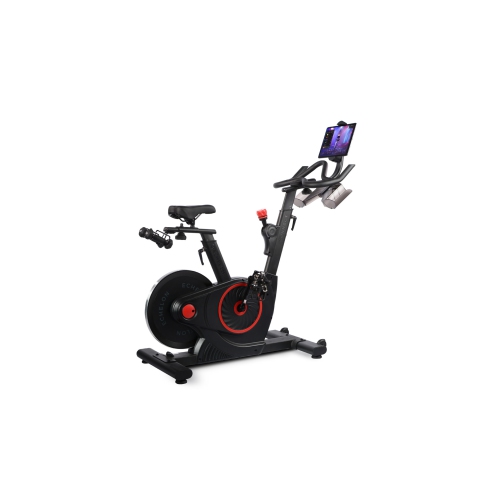 Your price for this item is $1299.99
-
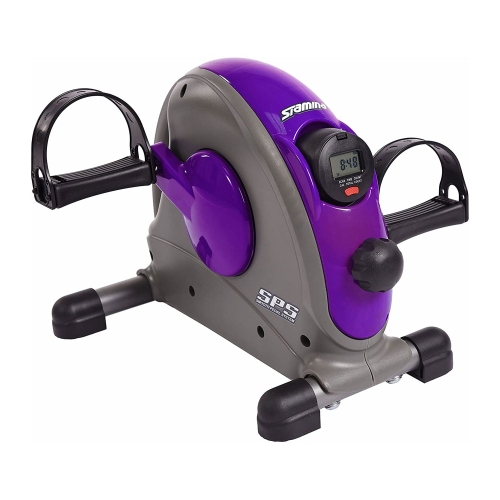 Your price for this item is $218.99
-
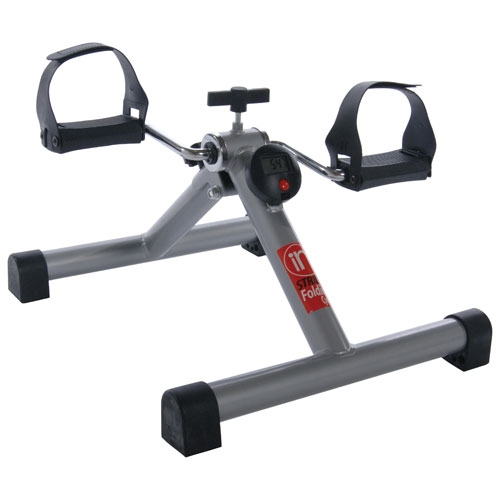 Your price for this item is $108.99
-
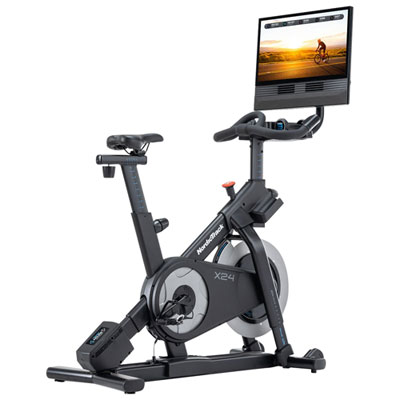 Your price for this item is $2701.98
-
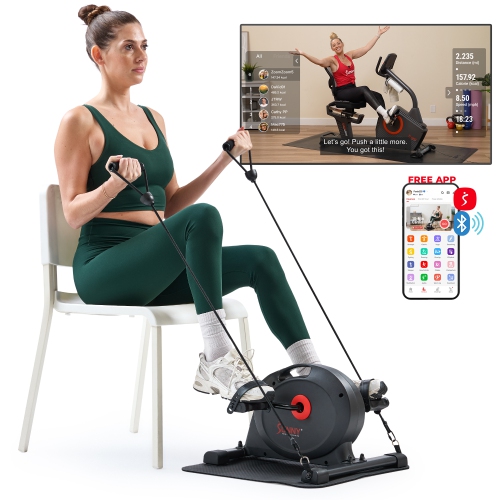 Your price for this item is $119.95
-
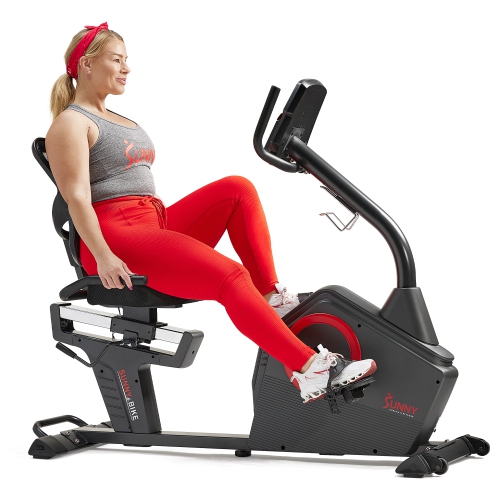 Your price for this item is $899.99
-
 Your price for this item is $119.99