Boxing Day Deals Coming Soon
Our Boxing Day Sale returns in December 2026. In the meantime, shop our current top deals below.

Boxing Day Sale On Rowing Machines
Unbeatable deals are here with the Boxing Day sale on rowing machines, making it the perfect time to upgrade your home gym. Whether you’re looking to kickstart your fitness journey or enhance your current routine, discover an impressive selection of rowing machines designed to help you reach your goals. Take advantage of limited-time savings and find the ideal fit for your workout space during the Boxing Day sale on rowing machines. Don’t miss out—these offers won’t last long! Remember, our Low Price Guarantee means you can shop confidently knowing that you'll find the best price at Best Buy, all year round. We encourage you to check our website frequently for the most up-to-date information on our latest offers and savings opportunities.





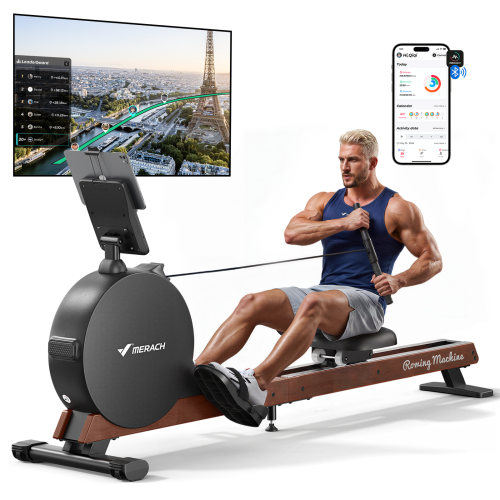
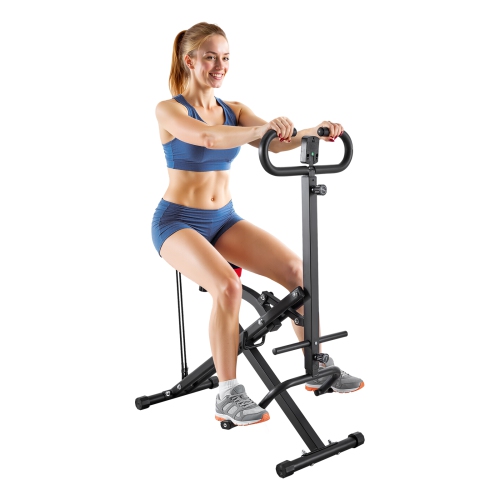

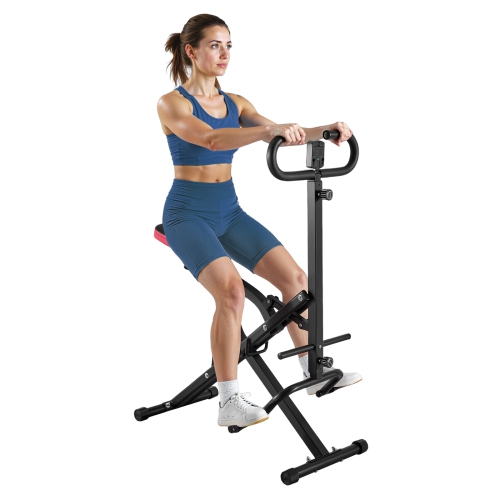

How different rowers feel and fit at home
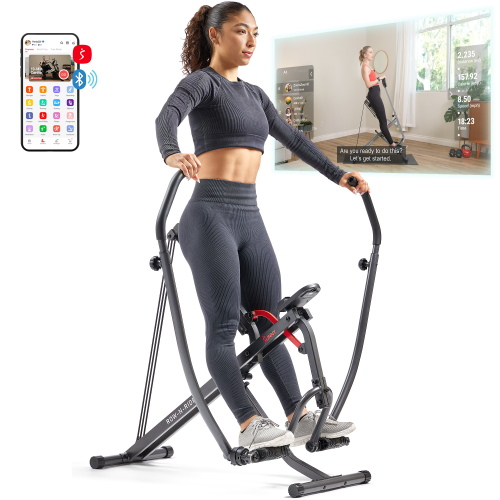
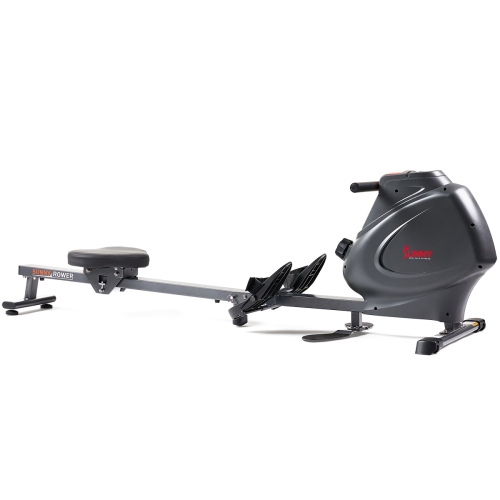
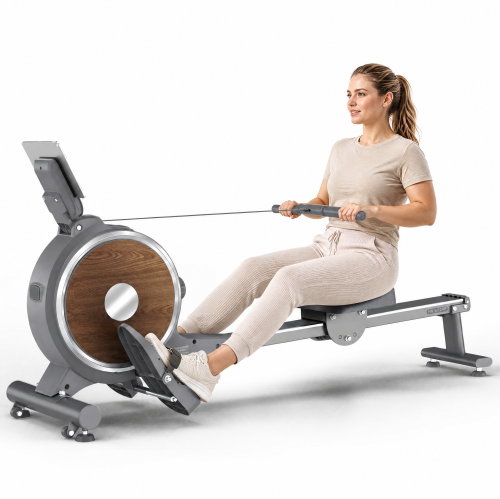
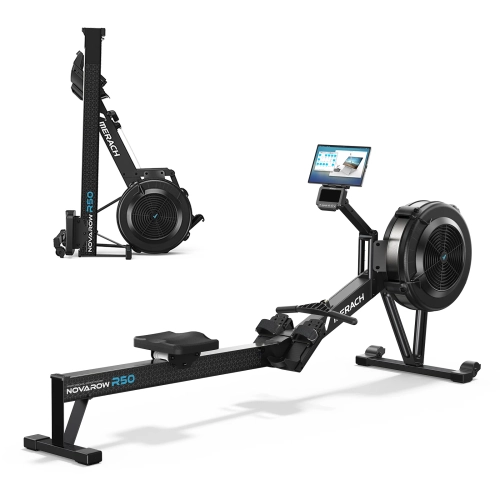
A rowing machine can fit neatly between a wall and a sofa on paper but still be awkward to use if there’s no room to get on from the side or to sit back at the end of the stroke. The dimensions that matter are the footprint in use and, for a model designed to fold or stand upright, the footprint in storage. An upright rower may free up floor space yet still need more clearance than the room allows to lift it into position. Transport wheels can make a machine easier to move across a level floor, but the route to its storage spot matters too, particularly if there’s a raised threshold or a turn into a narrow closet. Fit also depends on the person using it. A tall rower needs enough usable rail travel to extend the legs without the seat reaching its stop. Someone who finds a low seat difficult to get up from may prefer a higher seat, provided there’s enough room beside the machine to get on and off comfortably. Adjustable footplates and secure straps help accommodate different shoe sizes and keep the feet in place as the seat moves. For a household sharing one machine, the rail length, seat height and stated user weight limit need to work for everyone who plans to row. Frame and rail materials play a part in how the machine feels and handles. Steel is often used for a sturdy base, while aluminum is common in rails and can help keep overall weight down. Some water rowers use wood frames, which may suit a room where the machine stays in view. Whatever the material, a level base and smooth seat travel are especially noticeable on longer rows, when a small wobble or bump repeats with every stroke.
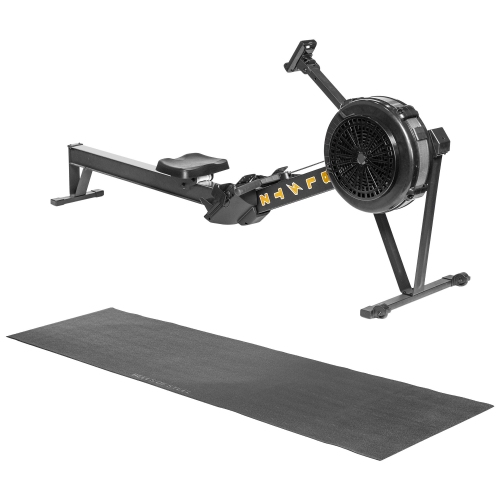
Routine care is mostly about the parts that get handled or moved every session. Wiping perspiration off the handle, seat and frame after a workout helps keep those surfaces clean, and clearing dust and grit from the rail keeps debris out of the seat’s path. A mat can protect the floor beneath the machine and help keep the area under the rail tidy. The foot straps, seat rollers and the chain, belt or cord that connects the handle to the resistance mechanism are worth checking periodically, especially when more than one person uses the rower. A chain may need lubrication, while a belt or cord may call for different care; the manufacturer’s instructions are the best reference for the mechanism and finish. With a water rower, the tank adds a maintenance step, such as treating the water as directed and keeping the fill within the marked limits. The display is another practical part of everyday use. A clear view of elapsed time and stroke rate may be all a beginner wants, while someone who follows structured intervals may prefer pace and distance on the same screen. Depending on the model, the display may run on batteries or need an outlet, which can affect where the rower sits. As a Boxing Day gift, a rowing machine makes the most sense for someone who already enjoys rowing or has talked about adding it to a home routine. Knowing where it will go and whether the recipient prefers a quiet pull or the sound of a fan or water makes the choice more personal. For a household weighing seated rowing against upright walking or running, the Boxing Day Sale On Treadmills page provides a useful comparison. The better fit comes down to the movement people enjoy, the room they have and how easily the equipment fits into an ordinary day.
Top selling and popular products
-
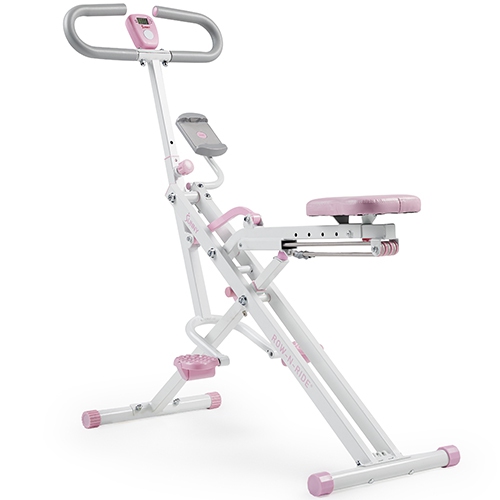 Your price for this item is $214.99
-
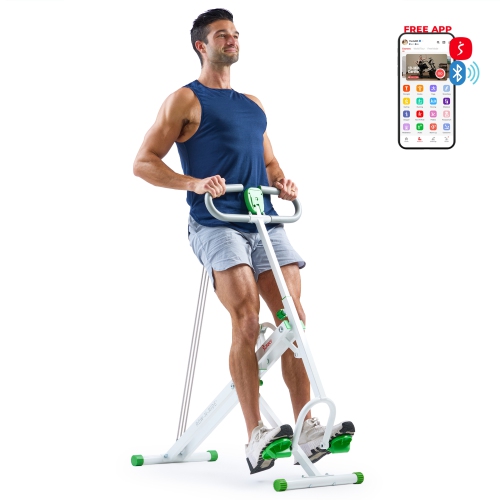 Your price for this item is $199.95
-
 Your price for this item is $1799.99
-
 Your price for this item is $433.99
-
 Your price for this item is $367.98
-
 Your price for this item is $2701.98
-
 Your price for this item is $314.99
-
 Your price for this item is $249.99