Boxing Day Deals Coming Soon
Our Boxing Day Sale returns in December 2026. In the meantime, shop our current top deals below.

Boxing Day Sale On Home Decorations & Accents
Boxing Day is the perfect opportunity to transform your living space with stunning home decorations and accents at unbeatable prices. Dive into a world of style and elegance as you explore an array of items that can add personality and charm to every room. Whether you're looking to refresh your home's aesthetic or find the perfect finishing touches, our Boxing Day Sale offers incredible deals on everything from chic wall art to cozy throws and elegant vases. Elevate your home's ambiance without breaking the bank and create a space that truly reflects your unique taste. Remember, our Low Price Guarantee means you can shop confidently knowing that you'll find the best price at Best Buy, all year round. We encourage you to check our website frequently for the most up-to-date information on our latest offers and savings opportunities.












How colour and texture tie a room together
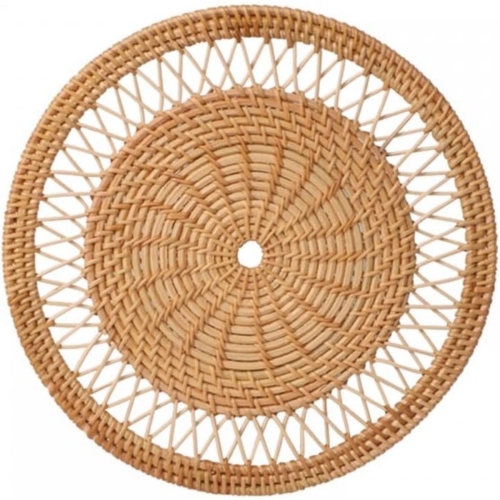
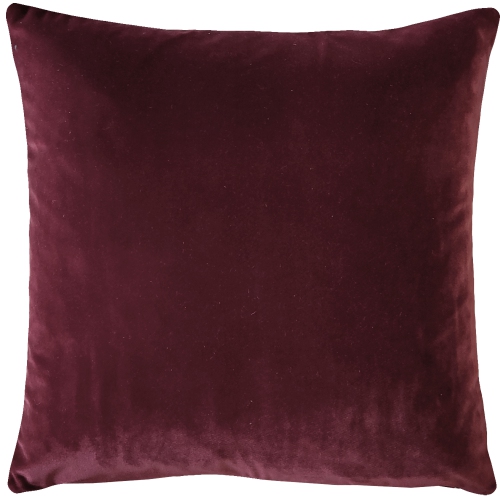
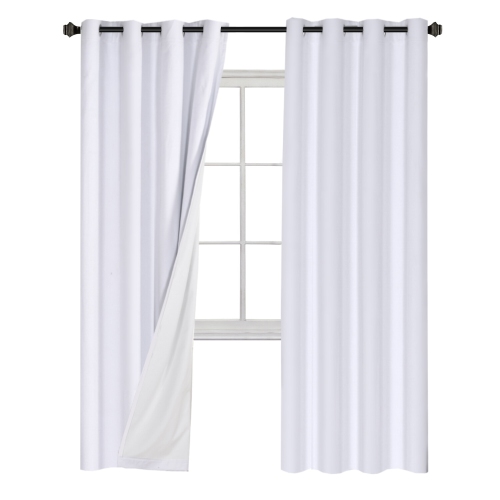
Materials and construction influence both the appearance of home accents and how comfortably they fit into daily life. Cotton and linen offer distinct textures for decorative textiles, with linen often showing a more relaxed surface and natural variation. Polyester blends can offer a smooth finish and practical care characteristics, although washing and drying requirements depend on the fabric and construction. Removable cushion covers are useful in busy living rooms, especially where snacks, pets, or frequent visitors are part of the routine. A zippered closure also makes it easier to change a cover without replacing the insert. Rugs need similar attention to intended use: a lower pile can suit an area with regular foot traffic or moving chairs, while a deeper pile introduces a softer feel in a quieter corner. A suitable rug pad can help reduce movement and add cushioning, provided it is compatible with the flooring underneath. For hard decorative accents, wood grain, glass clarity, ceramic glaze, and metal finish each contribute a different visual character. Wood may have natural differences in tone and pattern, and its finish affects how it responds to moisture or cleaning. Glass can feel visually light but may show fingerprints, while textured ceramics add depth and can require more attention when dust gathers in recessed details. Decorative vessels are not necessarily watertight, so intended use matters when displaying fresh stems rather than dried arrangements. Painted, plated, and polished finishes can have different care needs; a soft cloth and the manufacturer’s cleaning directions are a better match than an abrasive cleaner used indiscriminately. Construction details such as secure seams, even edging, stable bases, and firmly attached hanging hardware contribute to everyday durability. Where direct sunlight reaches a display or a textile, colourfastness is another useful consideration because some materials may fade over time. These practical differences help distinguish an accent suited to a frequently used family room from one better placed on a sheltered display shelf.
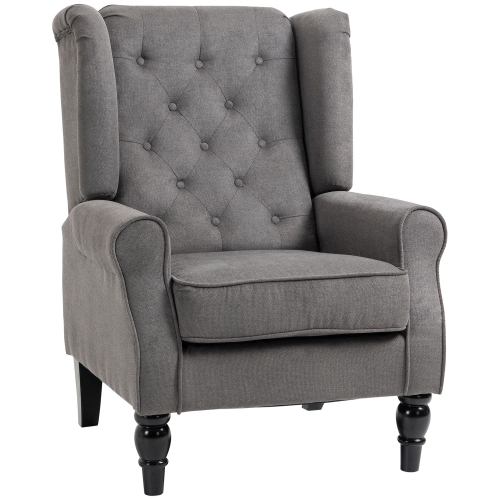
Scale, placement, and the way a household uses a room are just as important as a decorative finish. Artwork above a sofa should relate to the width of the furniture beneath it, while a mirror needs enough surrounding wall space to look intentional rather than squeezed into a gap. Before a large wall accent becomes part of a room, its dimensions, weight, and mounting requirements need to suit both the available space and the wall itself. Appropriate fasteners depend on the wall construction and the weight being supported. Floor space deserves the same attention. A rug that relates to the seating arrangement can make a room feel connected, whereas one that sits isolated between furniture may appear smaller than expected. In a reading corner, accent chairs can work with nearby textiles and wall decor to create a distinct place to unwind without separating it visually from the rest of the room. The chair’s upholstery might repeat a subtle colour in the artwork, with a contrasting cushion adding definition. Households with children or pets may favour washable fabrics, stable decorative pieces, and placements that keep fragile objects away from busy routes. Shared rooms also benefit from restraint: a dining table still needs room for serving dishes, and a bedside surface needs space for the things used before sleep. Decorative accents can make thoughtful gifts for a housewarming, a host, or someone personalizing a first apartment, particularly when the recipient’s taste and available space are familiar. A compact accent in a preferred colour is often easier to place than a large statement piece that determines the look of an entire room. Across different homes and decorating preferences, the strongest choices balance visual appeal with everyday usefulness, leaving enough breathing room for treasured belongings, comfortable movement, and the routines that make a house feel lived in.
Top selling and popular products
-
 Your price for this item is $49.99
-
 Your price for this item is $51.99
-
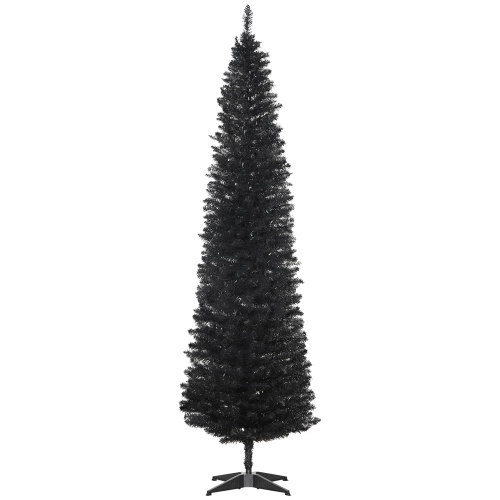 Your price for this item is $69.99
-
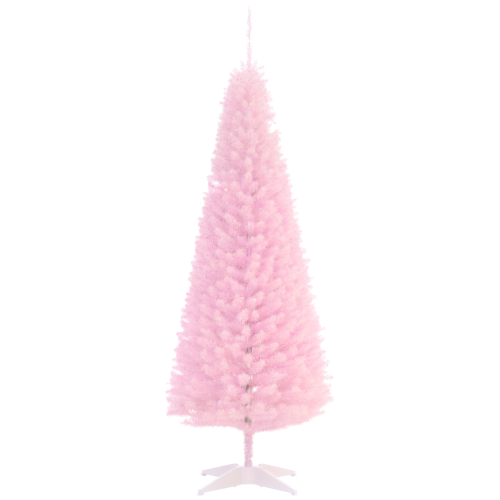 Your price for this item is $48
-
 Your price for this item is $49.99
-
 Your price for this item is $125.99
-
 Your price for this item is $162.99
-
 Your price for this item is $107.99