Boxing Day Deals Coming Soon
Our Boxing Day Sale returns in December 2026. In the meantime, shop our current top deals below.

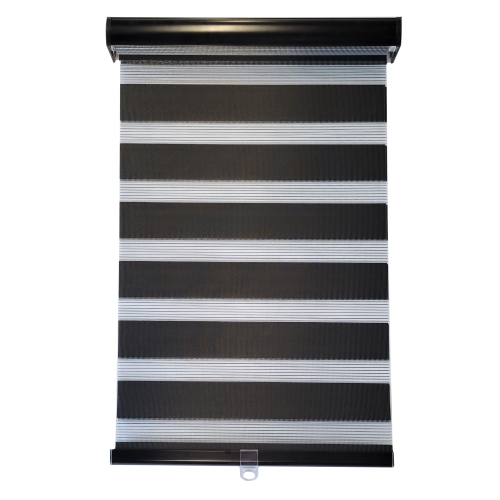
Boxing Day Sale On Curtains & Drapes
Get ready to transform your living space with incredible savings during our Boxing Day Sale on curtains and drapes. Whether you're looking to add a touch of elegance or a splash of color, this is the perfect opportunity to refresh your home decor without breaking the bank. Discover a wide variety of styles, from classic to contemporary, all crafted to enhance your interiors while providing privacy and light control. With unbeatable discounts and an array of options to suit every taste and budget, elevating your home's aesthetic has never been easier. Don't miss out on these exclusive deals—your ideal curtains and drapes await! Remember, our Low Price Guarantee means you can shop confidently knowing that you'll find the best price at Best Buy, all year round. We encourage you to check our website frequently for the most up-to-date information on our latest offers and savings opportunities.
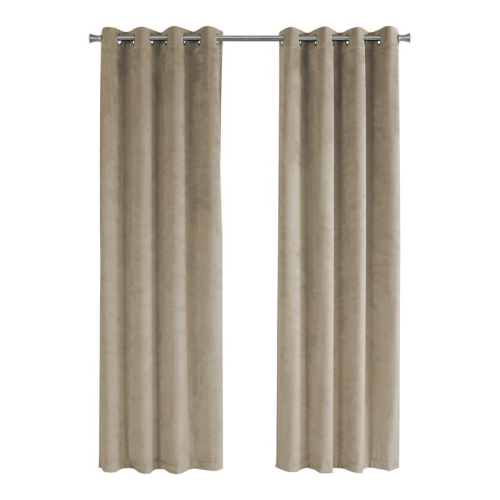
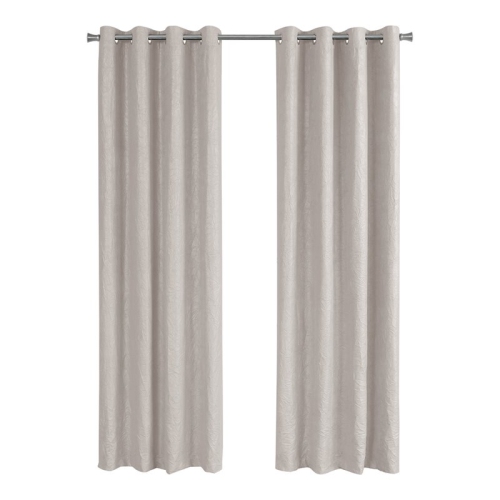
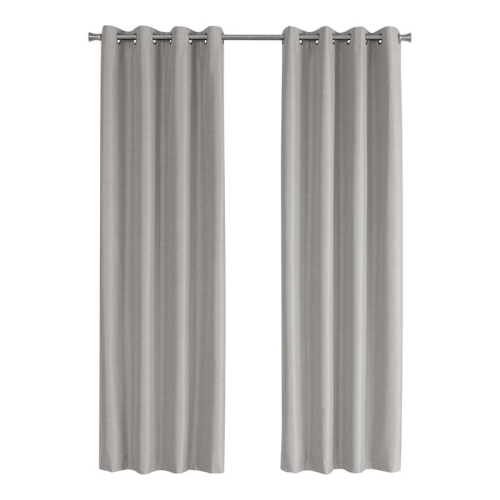
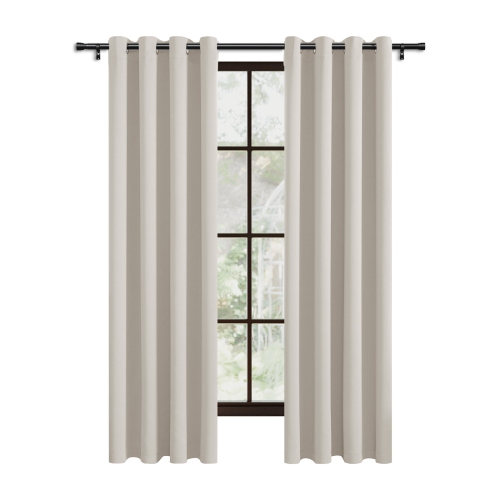
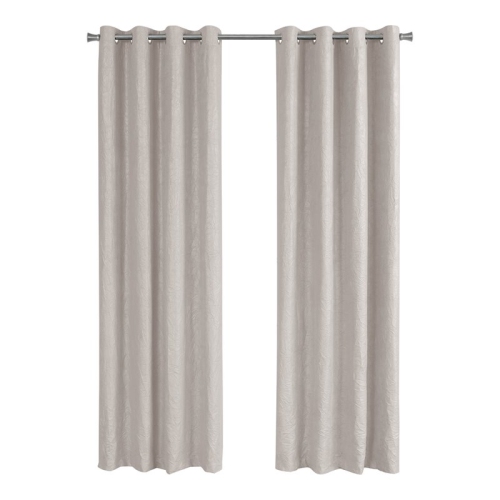
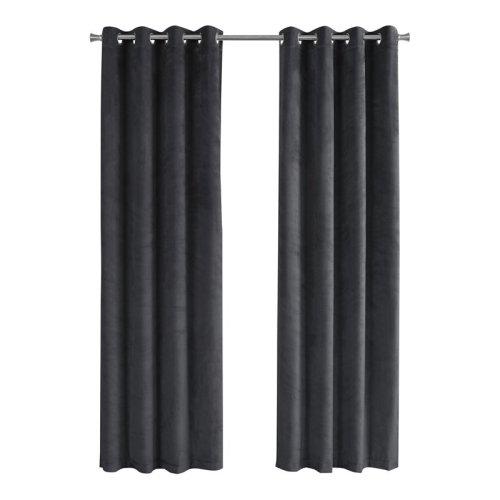
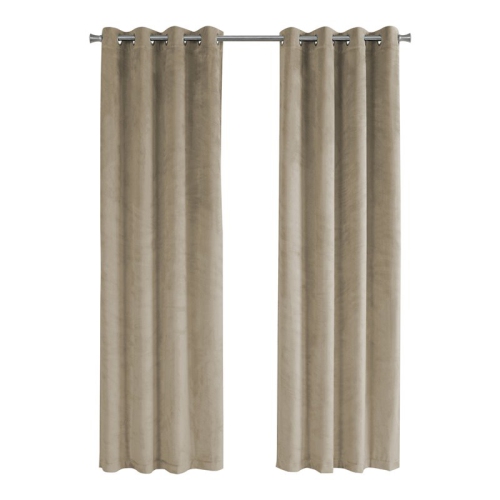
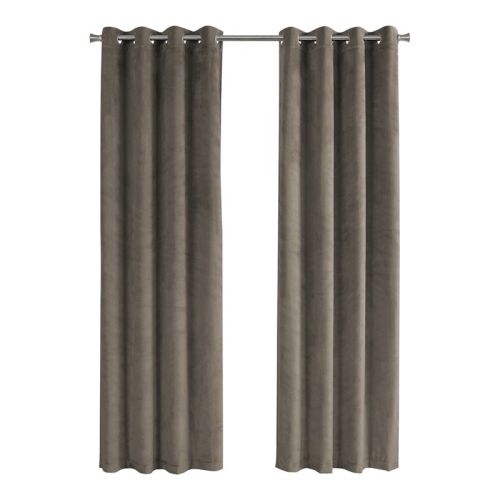
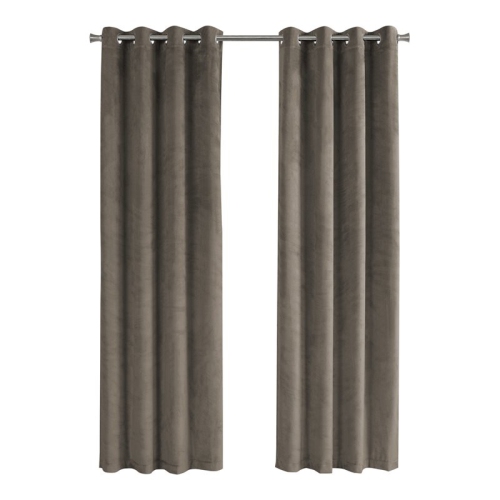
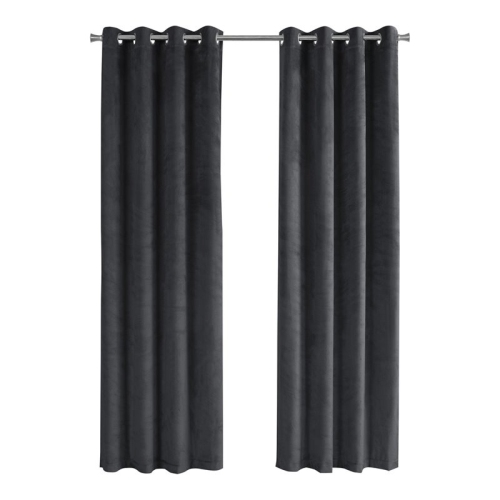
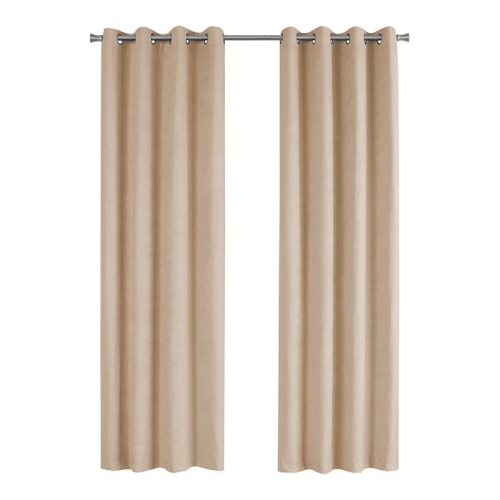

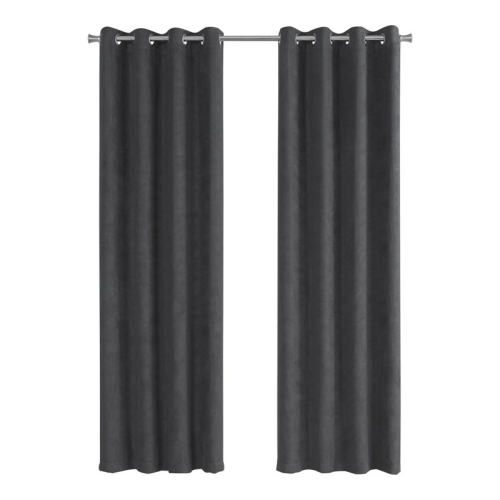
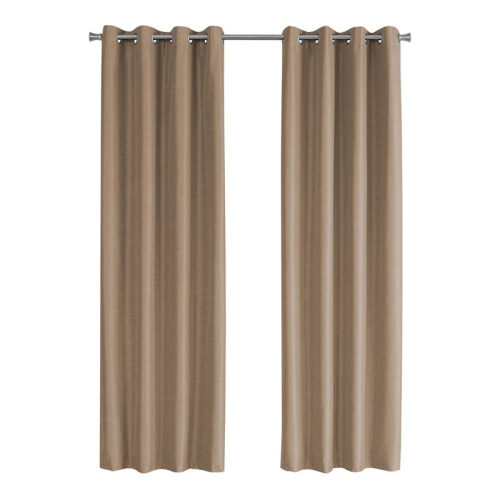
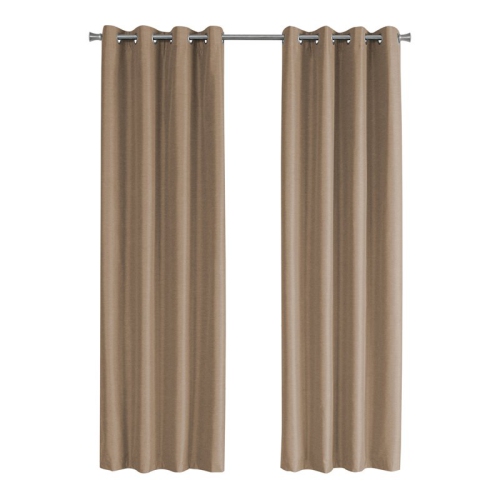
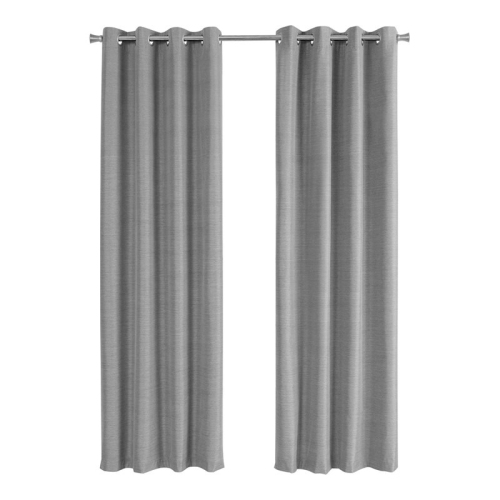
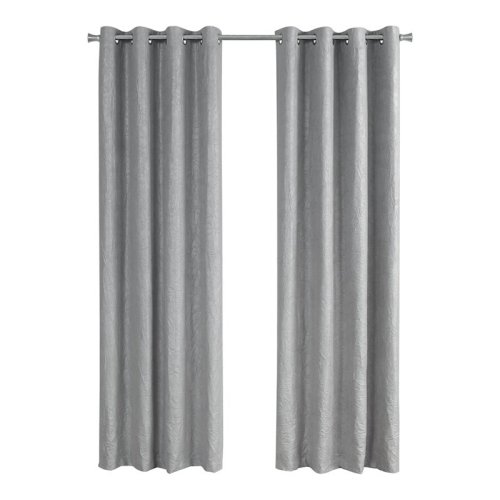

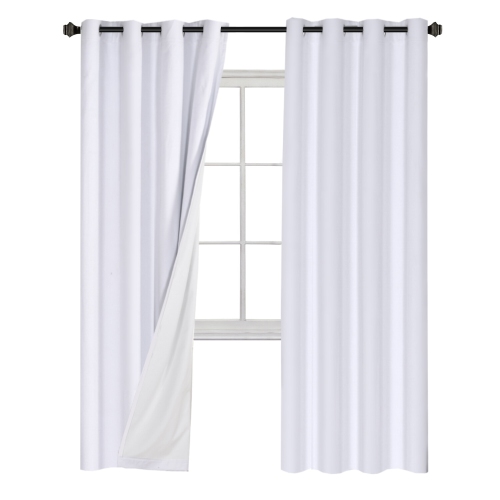
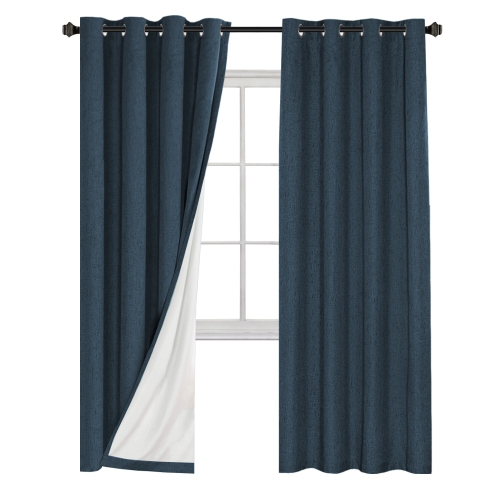
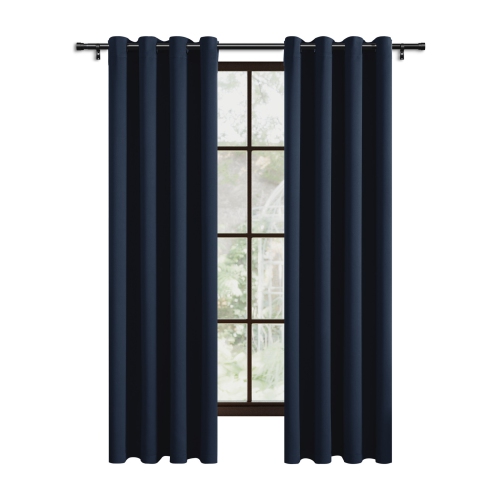
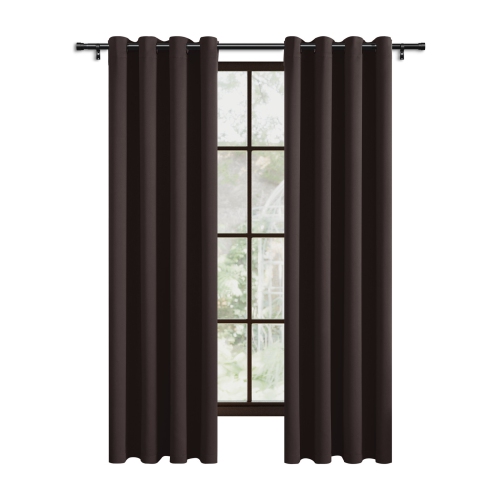

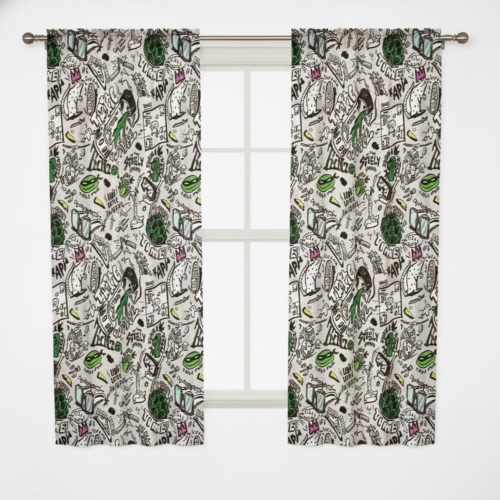
How curtain fabric and fit shape light and privacy
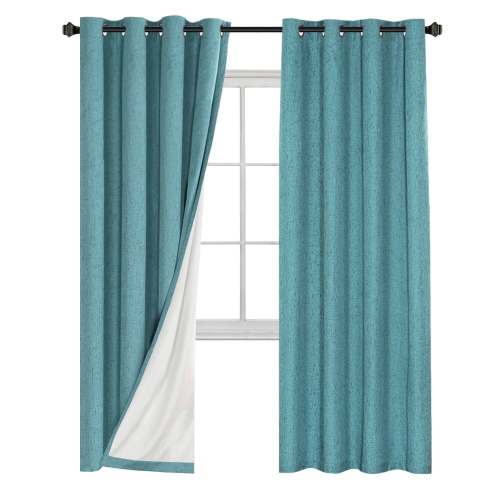
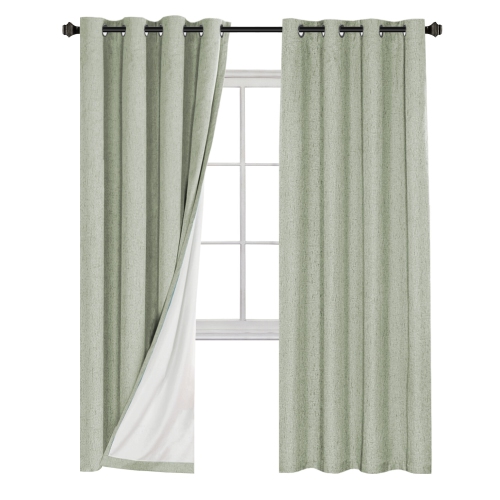
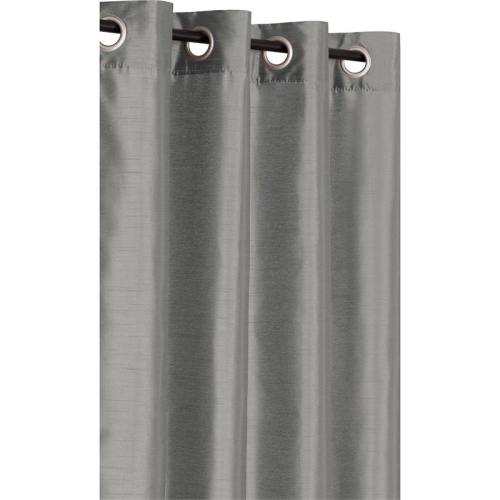
Materials influence how curtains hang, how much light they admit, and how much attention they need over time. Cotton often has a relaxed appearance and works well in casual living spaces, with different weaves ranging from airy to substantial. Linen has a distinctive texture and natural creasing that can feel at home beside wood furniture, woven rugs, or simple upholstered seating. Linen blends can offer a similar appearance with different care requirements, depending on their fibre content. Polyester curtains are often chosen for their resistance to wrinkling and straightforward upkeep, although washing and drying instructions vary. Velvet brings a plush surface and a substantial drape, making it well suited to rooms where a richer texture is welcome. Its pile can catch the light differently across each fold, so the same colour may appear lighter or deeper from different angles. Faux silk has a smoother sheen that creates a more formal effect, while textured weaves add interest without a bold print. A lining can give the face fabric more body, improve its fall, and provide an additional barrier between the room and the window. Thermal linings may help limit heat transfer through a window, but performance depends on construction, coverage, and installation; curtains do not replace properly sealed windows. Durability also comes down to details such as secure seams, even hems, reinforced headers, and hardware suited to the panel’s weight. Fabric exposed to strong sunlight may fade over time, and care needs deserve attention in rooms used by children or pets. Machine-washable panels can be convenient where fabric is handled often, but some linings and finishes require spot cleaning or professional cleaning. Following the care label helps protect the fabric and any backing. Regular gentle dust removal, where permitted, can keep folds looking fresh, while steaming or ironing should stay within the stated temperature limits. Blackout coatings and bonded layers can be particularly sensitive to unsuitable heat or cleaning methods.
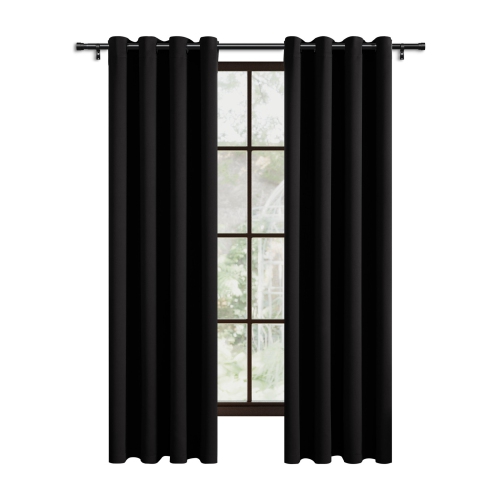
Fit determines whether curtains look balanced and function comfortably, from the width of the fabric to the way it moves along the rod. Curtain dimensions commonly refer to an individual panel rather than the combined width of a pair, so package contents and measurements matter together. Two panels that just meet across a window may look almost flat when closed; added fabric width creates fuller folds. For many styles, a combined panel width of roughly one and a half to two times the rod width gives a gathered appearance, although sheer fabrics and particular header designs may call for different proportions. Length is measured from the relevant hanging point, which changes with grommets, rings, hooks, or rod pockets. Grommet curtains form broad, regular folds and need a rod that fits comfortably through their openings. Rod-pocket panels gather directly onto the rod and can suit windows where the fabric stays mostly in place. Back tabs conceal much of the rod for a tailored finish, while pleated drapes typically use hooks with compatible rings or tracks. Floor-length curtains create a continuous vertical line, but panels that skim above the floor are easier to keep clear of dust, pet hair, and frequent foot traffic than fabric that pools. Shorter lengths can make sense near furniture or other obstructions, provided the placement meets any required clearance from heaters and vents. Extending a suitable rod beyond the window frame gives open panels somewhere to rest without covering as much glass. Heavy drapes need brackets, anchors, and rods rated for their weight, and layered arrangements need enough space for both fabrics to move freely. In children’s rooms, accessible cords, tiebacks, and long fabric require particular care, with beds and cribs kept away from window coverings. For a shared household or a housewarming gift, known window measurements, preferred light levels, and manageable care requirements are more useful starting points than colour alone. The most satisfying match brings those practical details together with fabric that feels right in the room.
Top selling and popular products
-
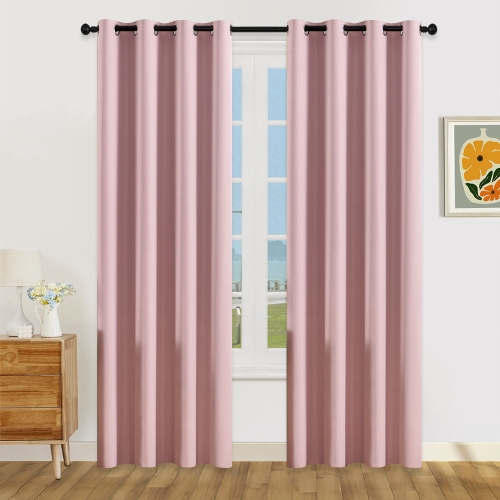 Your price for this item is $65.99
 -
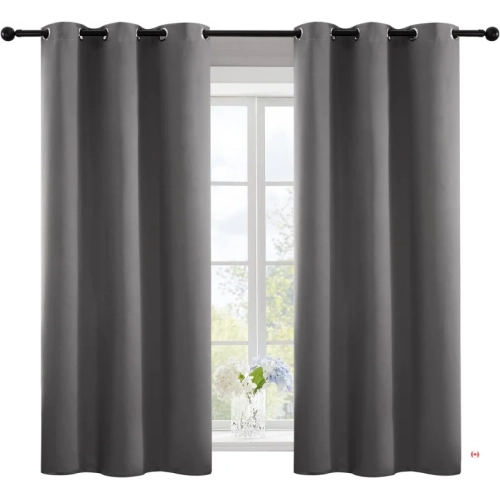 Your price for this item is $39.99
 -
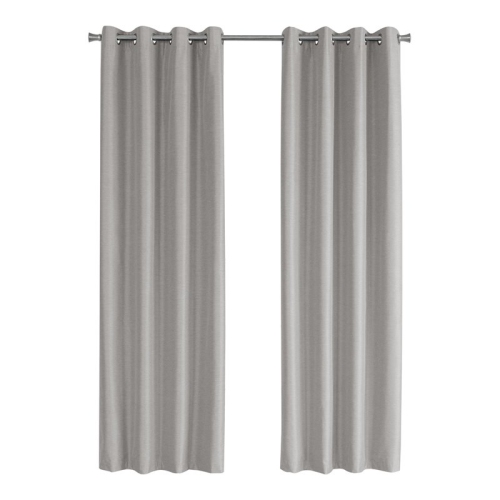 Your price for this item is $42.97
 -
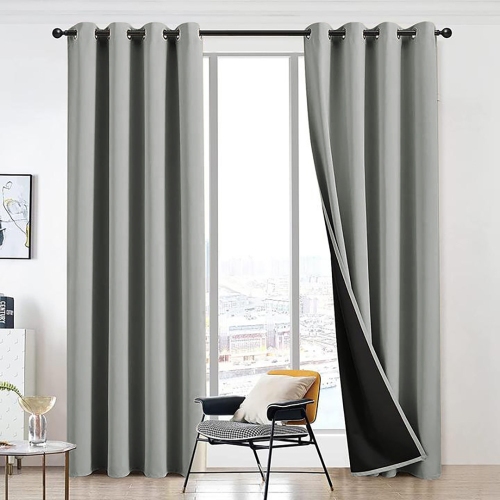 Your price for this item is $108.99
 -
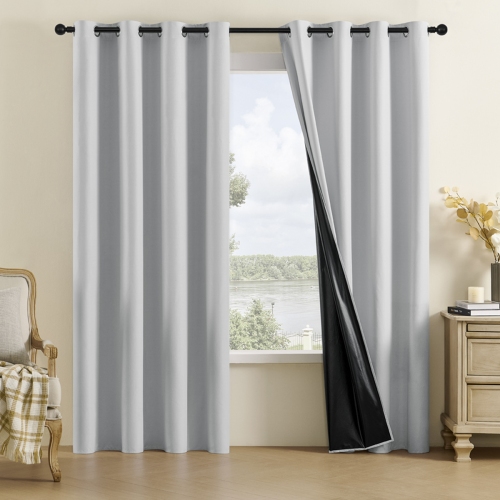 Your price for this item is $65.99
 -
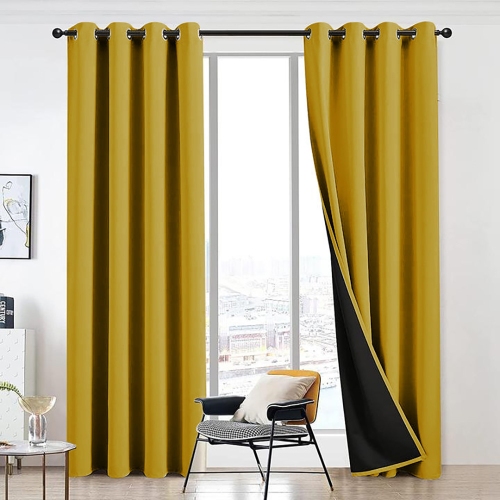 Your price for this item is $108.99
 -
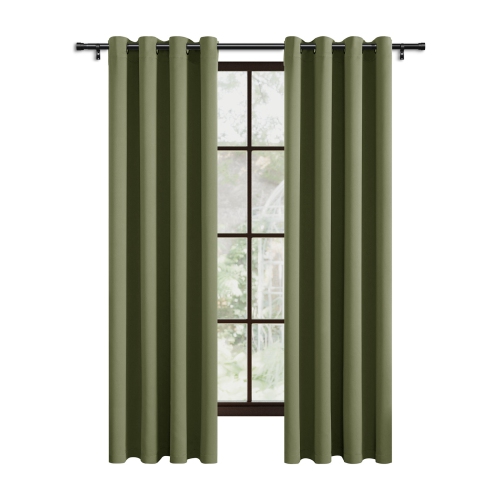 Your price for this item is $49.99
 -
 Your price for this item is $44.8