Boxing Day Deals Coming Soon
Our Boxing Day Sale returns in December 2026. In the meantime, shop our current top deals below.

Boxing Day Sale On Steak Knives
Unleash your culinary prowess this Boxing Day with incredible deals on steak knives that promise to elevate your dining experience. Whether you're a seasoned chef or simply love hosting dinner parties, the right set of steak knives can make all the difference. Discover a range of high-quality options designed to effortlessly slice through your favorite cuts of meat, adding both style and precision to your kitchen arsenal. With unbeatable discounts, now is the perfect time to invest in these essential tools, ensuring every meal is a cut above the rest. Remember, our Low Price Guarantee means you can shop confidently knowing that you'll find the best price at Best Buy, all year round. We encourage you to check our website frequently for the most up-to-date information on our latest offers and savings opportunities.

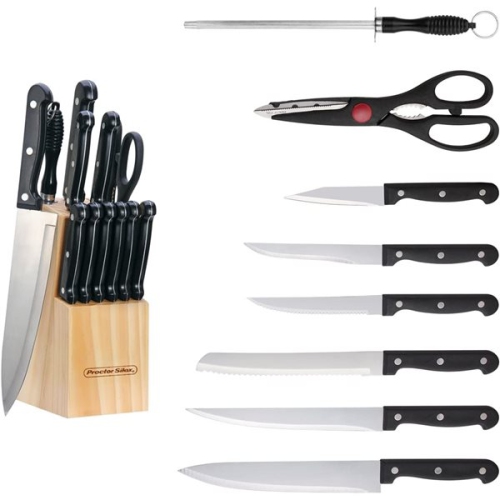
What makes steak knives cut cleanly and feel comfortable
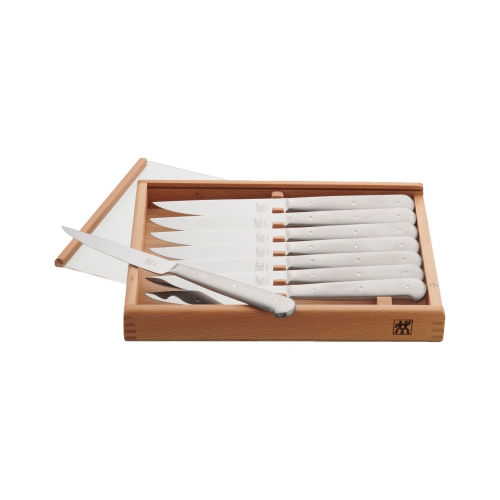
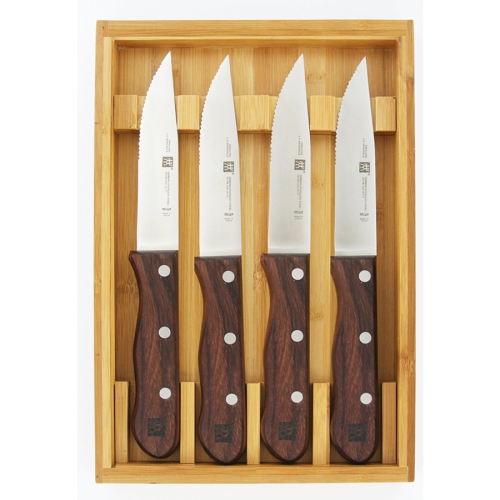
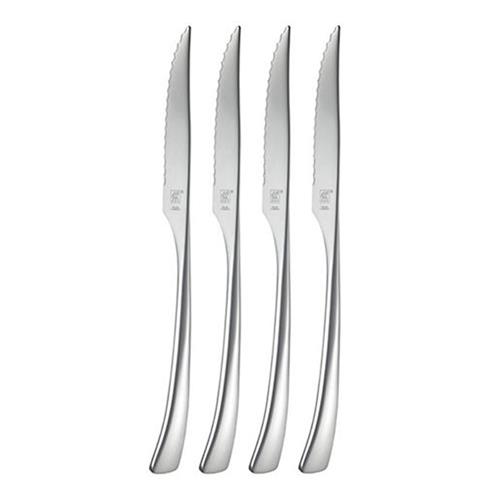
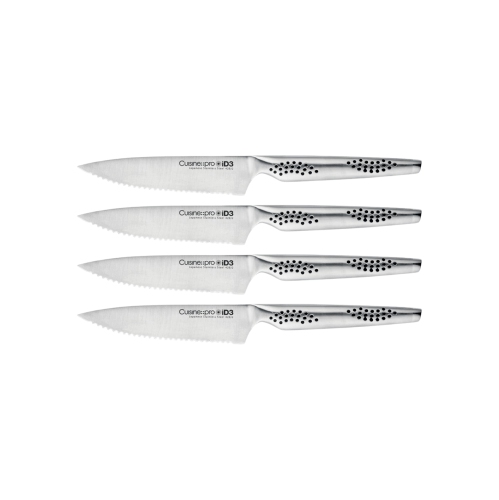
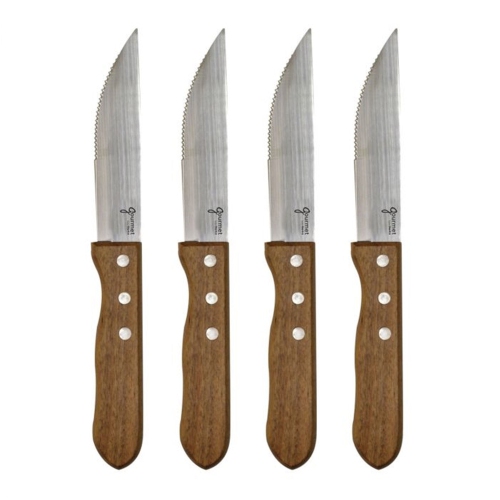
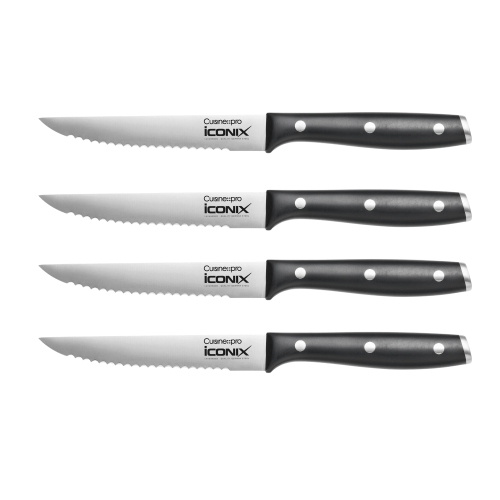
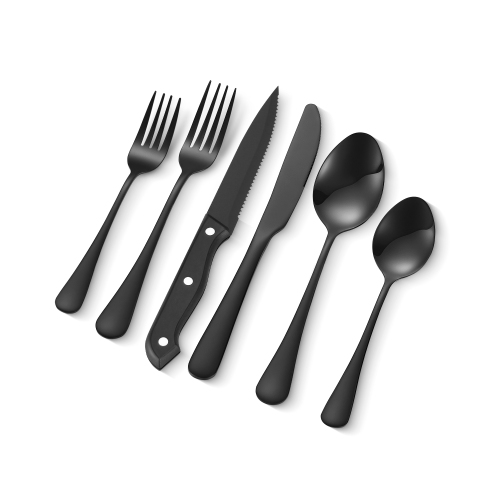
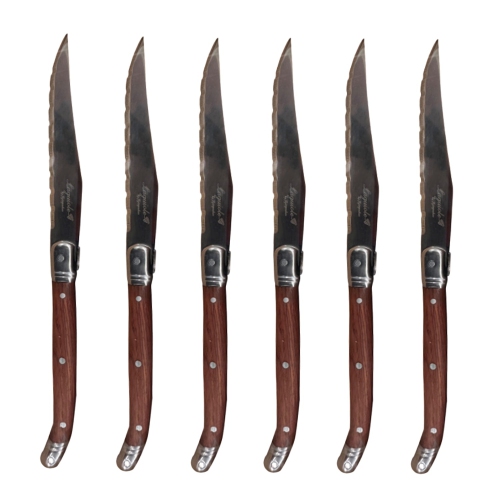
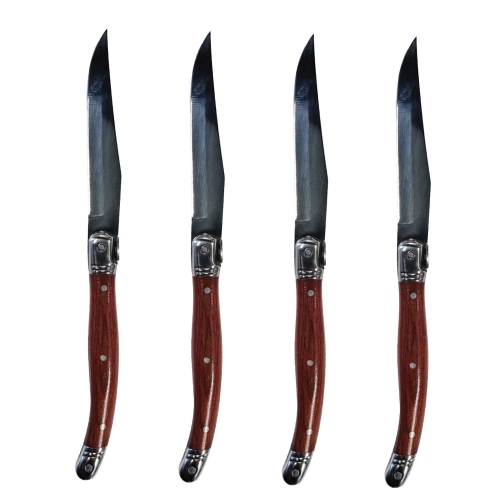
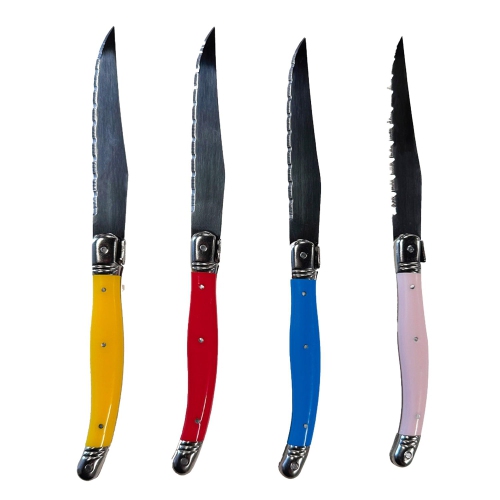
Handle design makes a noticeable difference during a long dinner, especially when a knife is used repeatedly rather than just for an occasional cut. A gently contoured handle can sit naturally against the fingers, while a straighter shape may appeal to someone who prefers a simple profile alongside their everyday flatware. Smoothly finished joints and flush rivets help prevent irritating pressure points. Balance matters as much as weight: a knife that feels excessively heavy at either end can be less comfortable than one that rests steadily in the hand. Full-tang construction means the blade steel extends through the length of the handle and can contribute to a sturdy feel, but careful assembly and sound materials remain important in any design. Wooden handles bring visible grain and a warmer touch to the place setting, with natural variation that gives each piece its own character. Resin and other synthetic handles can provide consistent colour and a smooth, practical surface, while all-metal handles create a streamlined appearance and avoid separate handle scales. Grip depends on shape and finish as well as material, particularly when hands are damp. For everyday use, a manageable handle size and secure hold often matter more than an elaborate silhouette. Set size is another practical distinction. A smaller household may want enough knives for daily meals plus a few guests, while frequent hosts may prefer a matching set that covers the full dining table. Steak knives do not need to match every detail of existing forks and spoons, but similar proportions and complementary finishes can make the setting feel cohesive. The related Boxing Day sale on cutlery sets page brings broader tableware into the same setting. As gifts, steak knife sets suit home cooks, people furnishing a first kitchen, and hosts who enjoy serving meals family-style. A recipient’s preferred look, usual number of guests, and willingness to handwash wooden handles are more useful considerations than presentation alone.
Day-to-day care has a direct effect on how steak knives look and feel over time. Stainless steel resists staining, but it is not immune to marks or corrosion when food residue and moisture remain on the surface. A gentle wash with mild dish soap, followed by thorough rinsing and immediate drying, helps keep blades and handles clean without prolonged exposure to water. Care directions vary, so dishwasher suitability should be confirmed for the complete knife rather than assumed from the blade material. Even when machine washing is permitted, handwashing can reduce contact with other utensils and exposure to harsh detergents. Wooden handles generally need particular attention to soaking and drying; any conditioning treatment should follow the maker’s recommendations. Storage also affects durability. A fitted tray, protective sleeves, or a purpose-made case can keep edges from knocking against loose utensils and make it easier to retrieve a knife without reaching across an exposed blade. Knives should be completely dry before going into enclosed storage. Straight edges usually need periodic sharpening, while serrated edges require tools and techniques that match the serrations and may be better maintained by a professional. Honing and sharpening are not interchangeable: honing can help realign some edges, whereas sharpening removes metal to restore the cutting surface. Contact with hard dinner plates can gradually dull either blade style, making sensible pressure and regular attention to cutting performance worthwhile. A steak knife should not need to be twisted against a bone or forced through frozen food, and it is not a substitute for a kitchen knife used to portion larger cuts on a cutting board. Its role is more precise: separating a tender bite from a seared edge, cutting through the skin of a roast chicken portion, or handling a thick grilled mushroom at the table. With suitable materials, comfortable proportions, and care that fits the household routine, steak knives become dependable tableware for both everyday dinners and gatherings where each place setting deserves the same attention as the meal.
Top selling and popular products
-
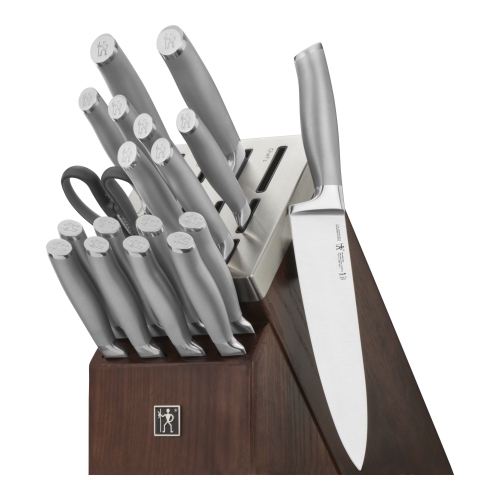 Your price for this item is $489.99
 -
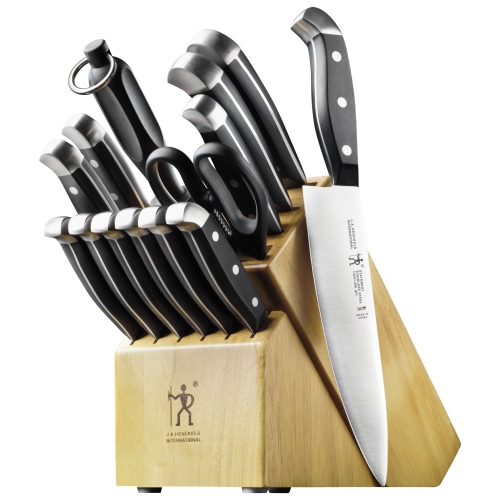 Your price for this item is $239.99
 -
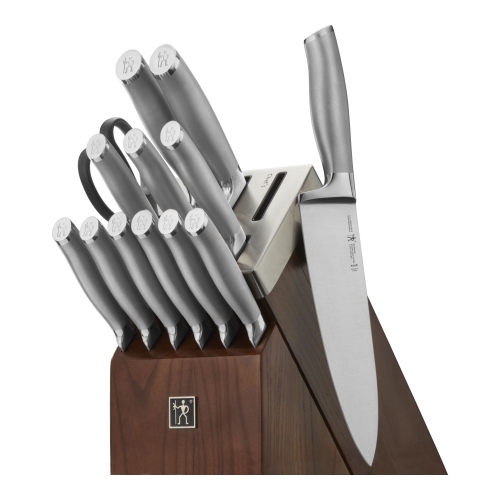 Your price for this item is $299.99
 -
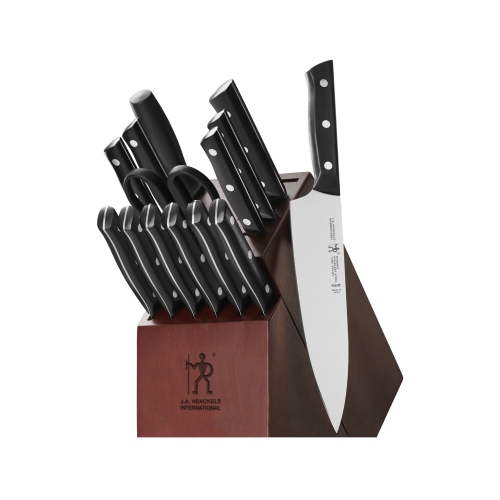 Your price for this item is $214.99
 -
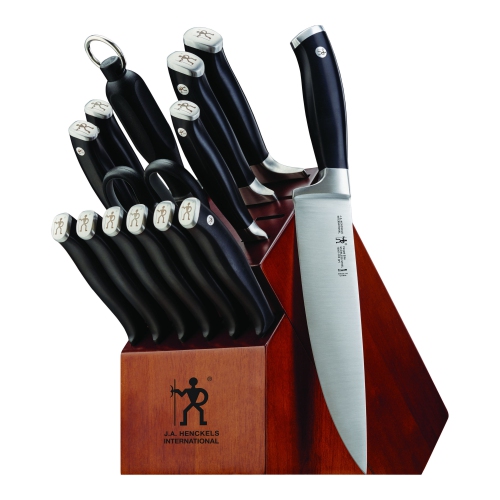 Your price for this item is $219.99
 -
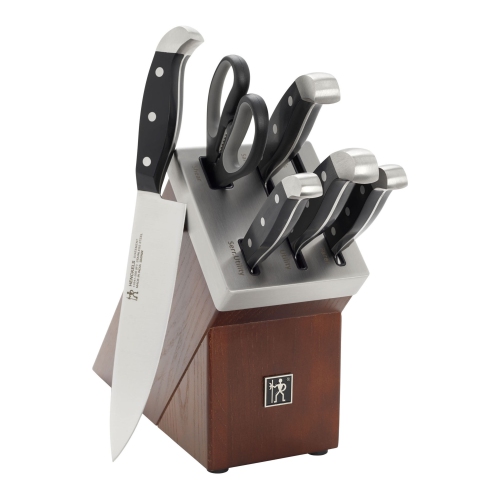 Your price for this item is $179.99
 -
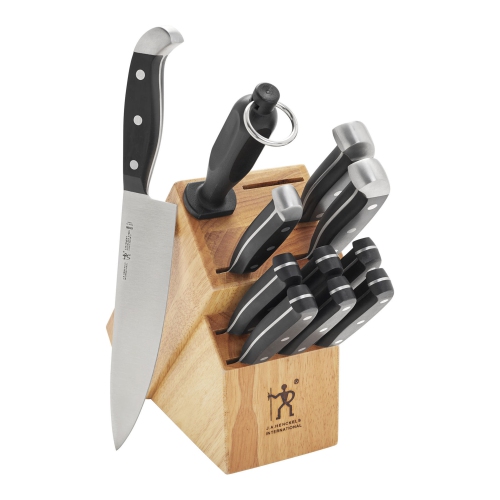 Your price for this item is $179.99
 -
 Your price for this item is $899.99