Boxing Day Deals Coming Soon
Our Boxing Day Sale returns in December 2026. In the meantime, shop our current top deals below.

Boxing Day Sale On Patio Storage Boxes
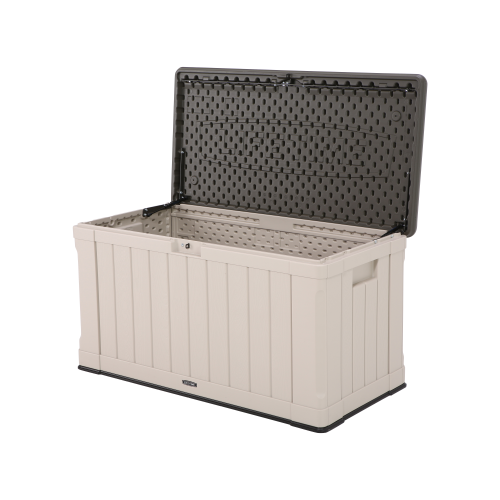
Get ready to elevate your outdoor organization game with our Boxing Day Sale on patio storage boxes! Whether you're looking to tidy up your garden tools, store outdoor cushions, or keep your patio essentials neatly tucked away, our selection offers the perfect solution to declutter and enhance your outdoor living space. Discover a variety of styles and sizes designed to seamlessly blend with any décor while providing the durability needed to withstand Canada's diverse weather conditions. Remember, our Low Price Guarantee means you can shop confidently knowing that you'll find the best price at Best Buy, all year round. We encourage you to check our website frequently for the most up-to-date information on our latest offers and savings opportunities.
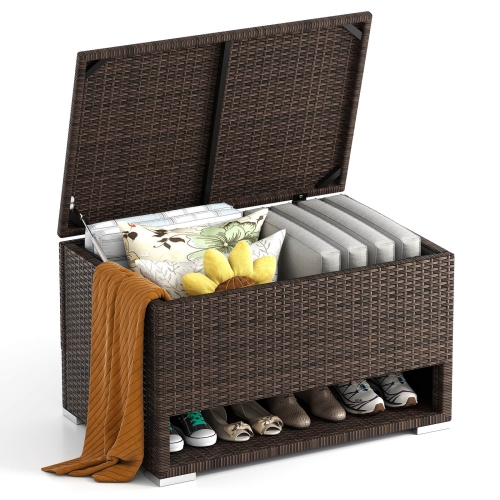
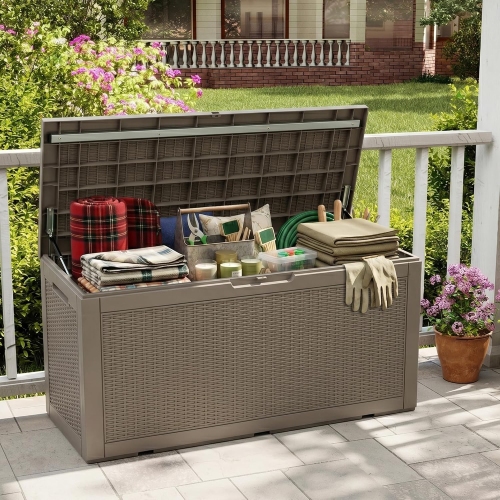
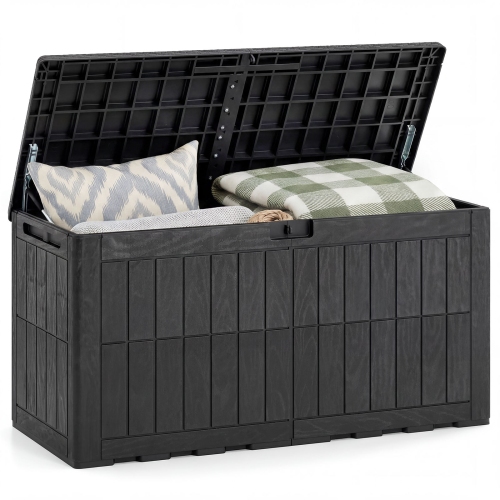
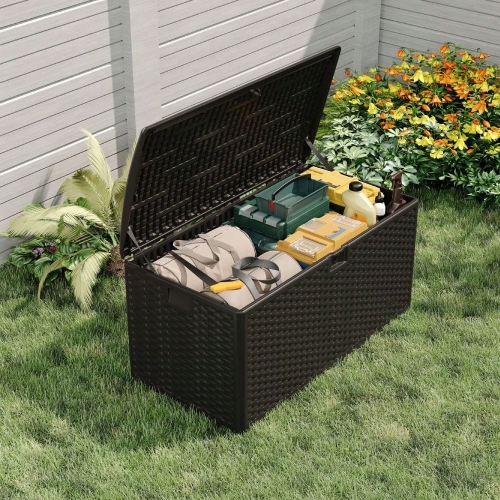
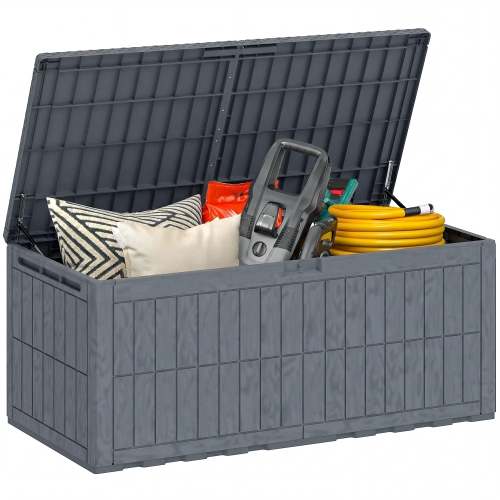
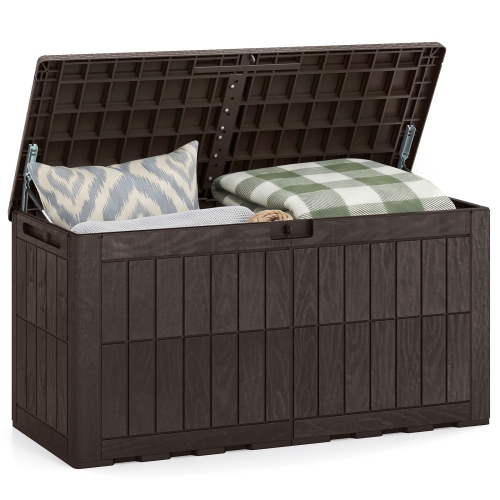
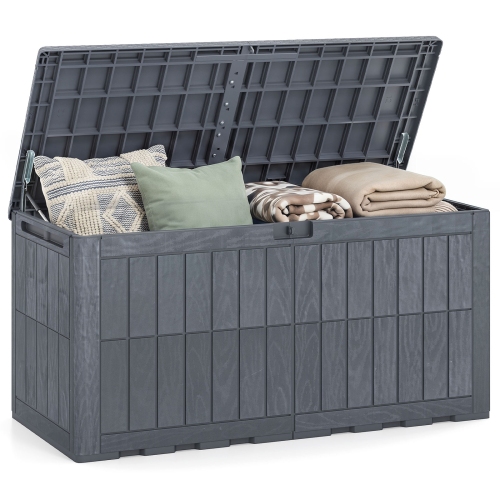
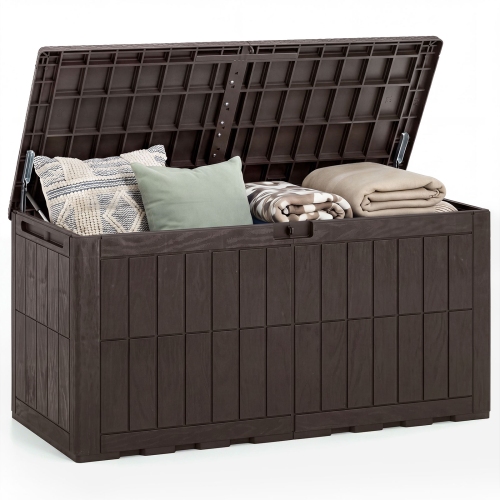
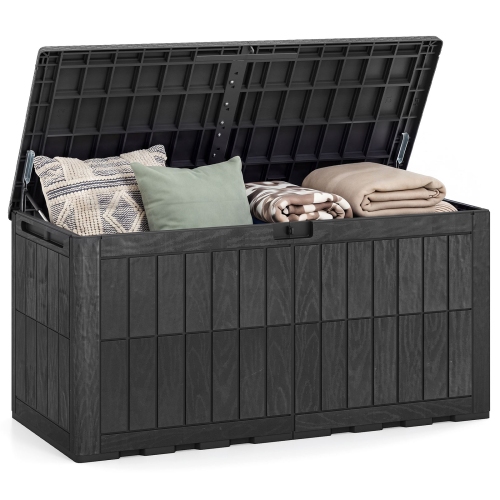
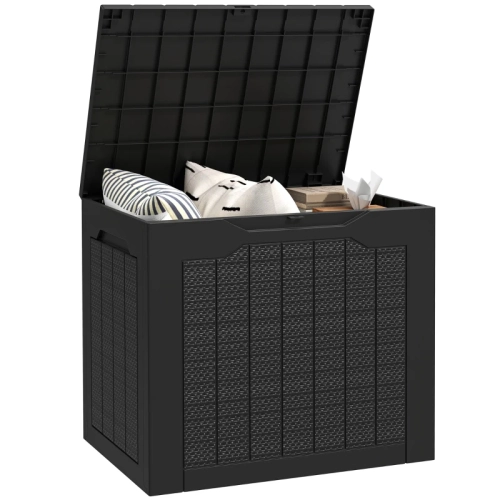
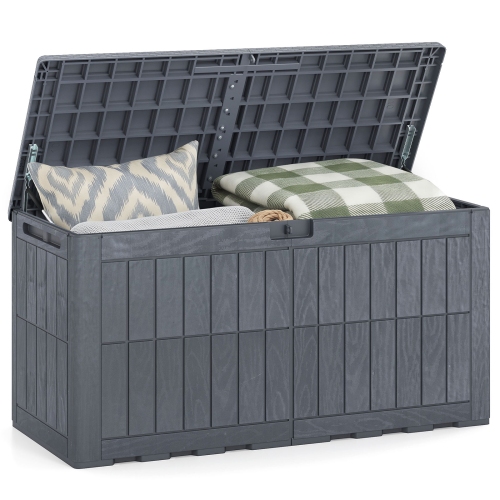
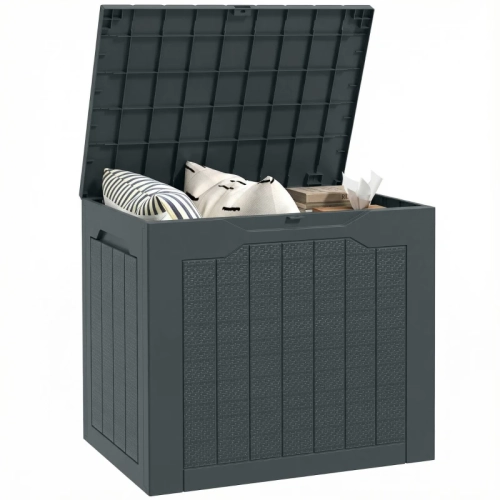
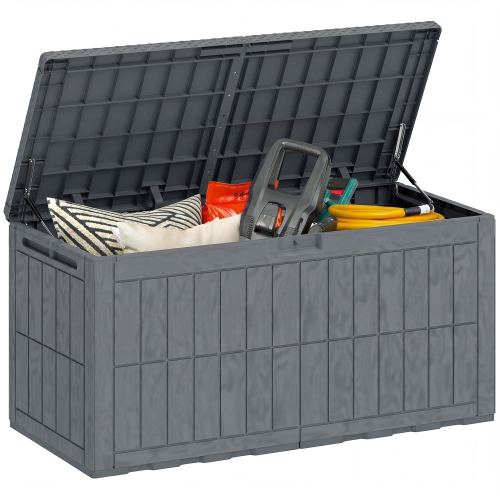
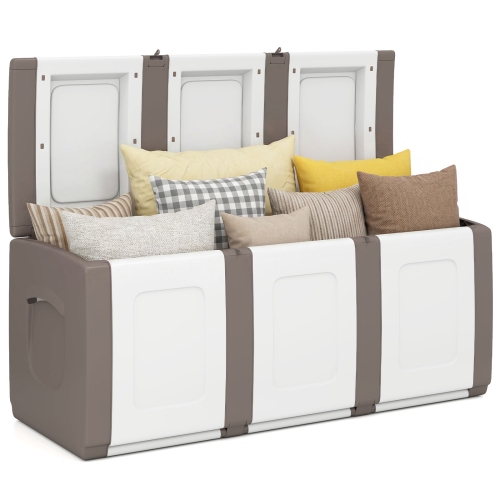
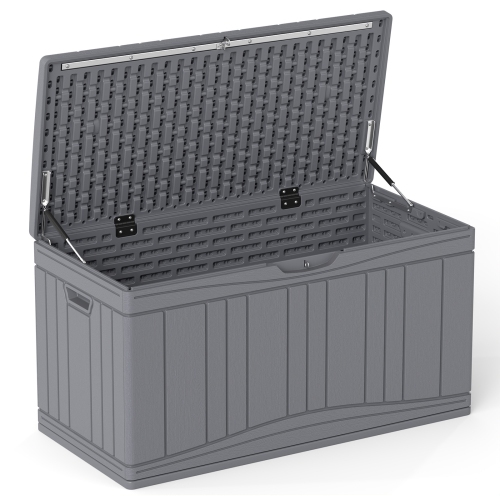
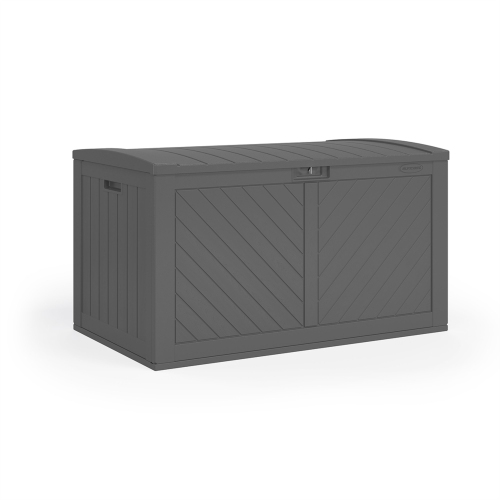
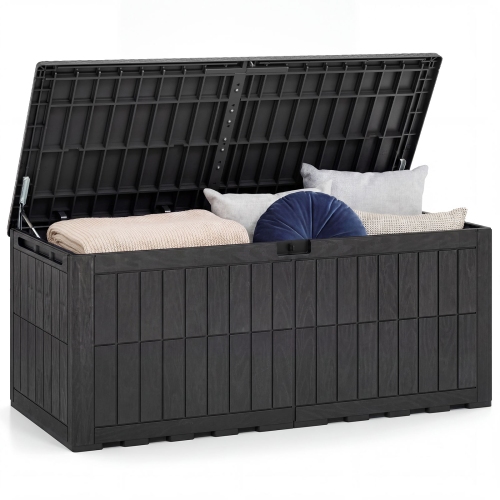
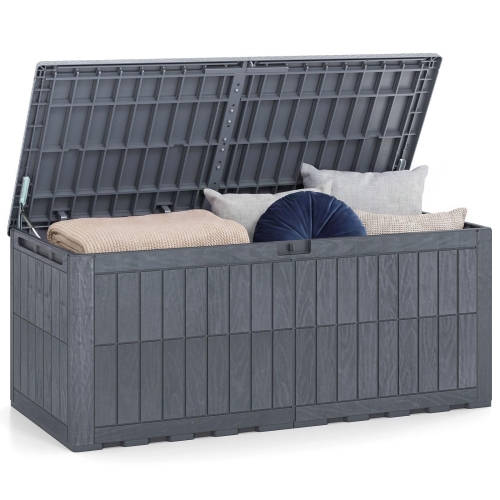
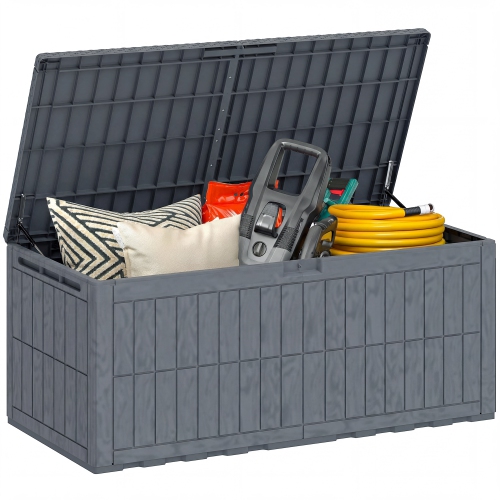
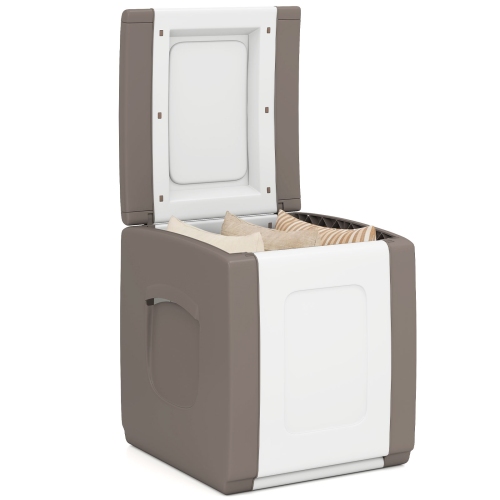
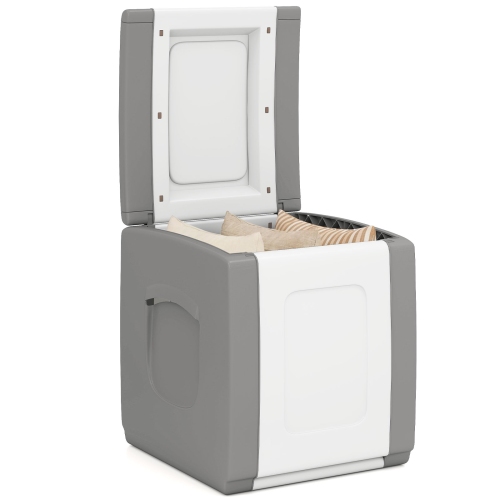
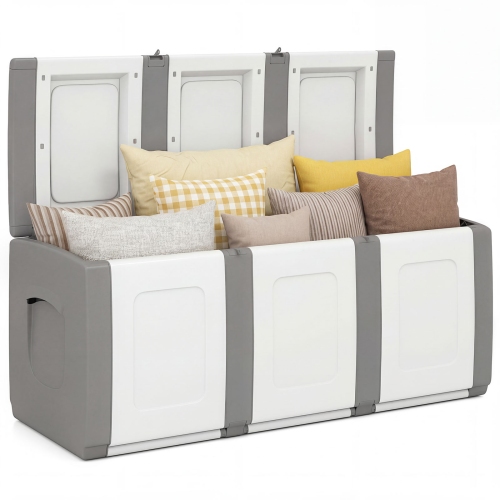
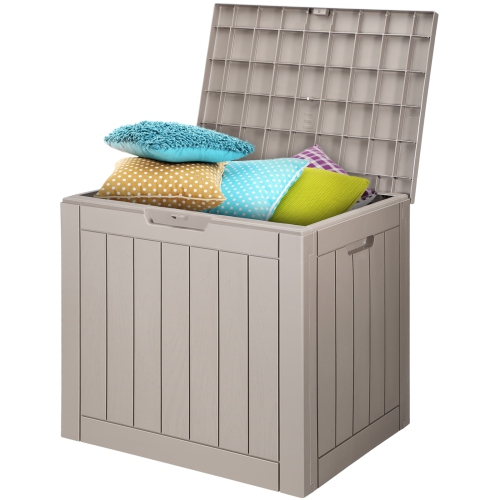

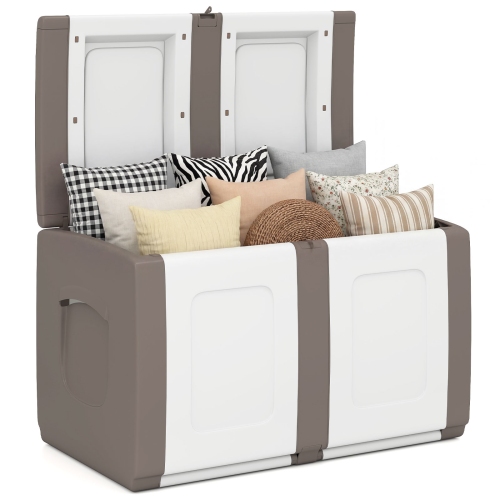
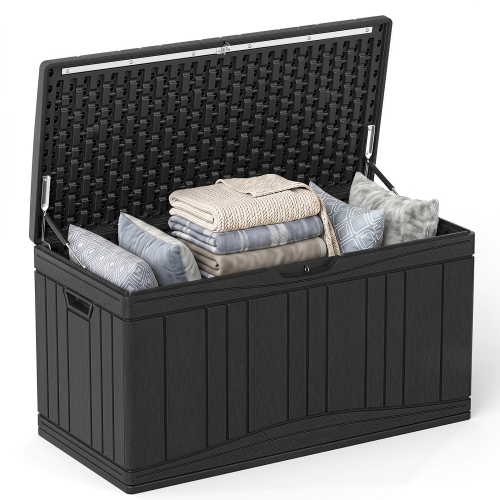
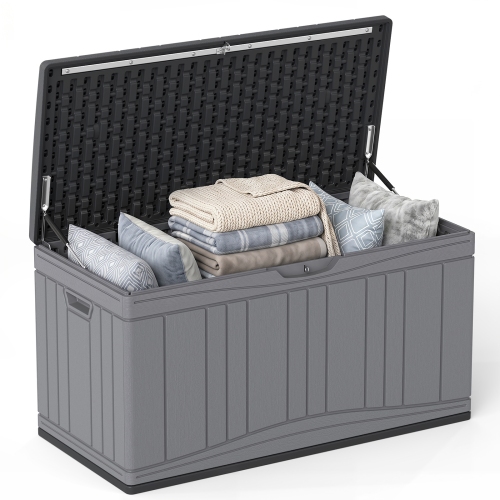
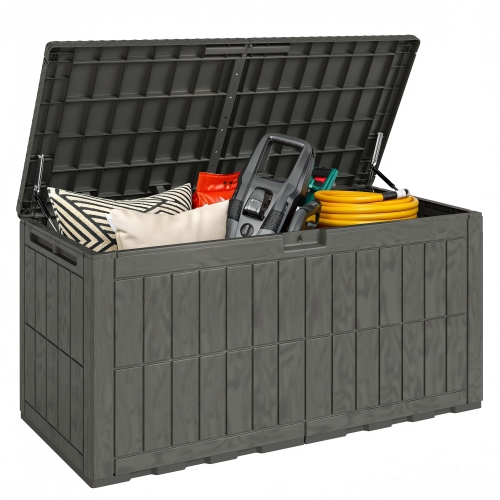
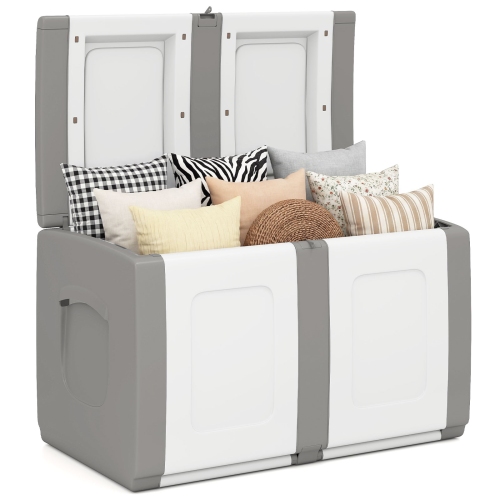
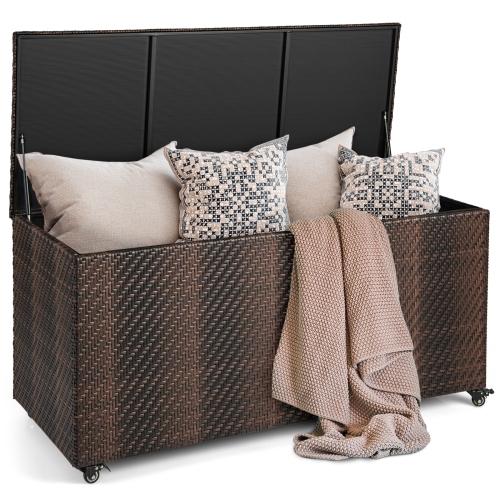
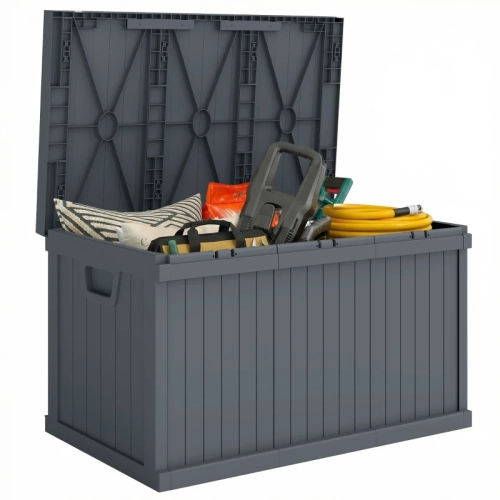
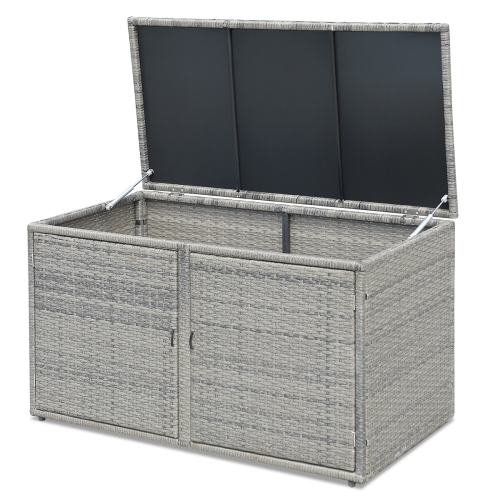

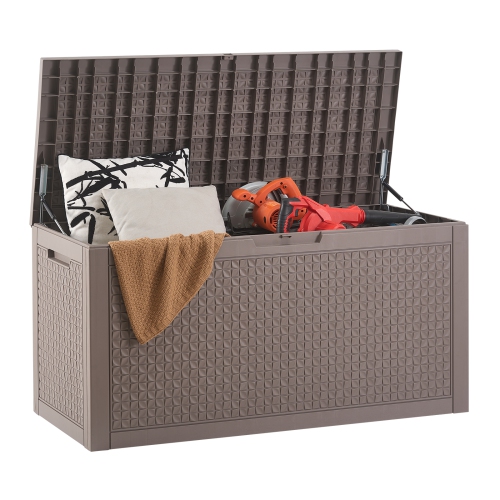

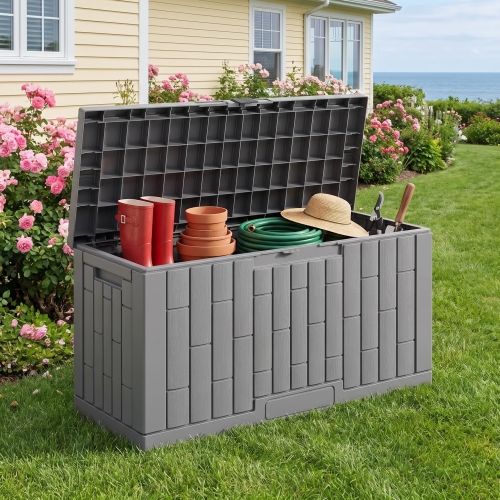
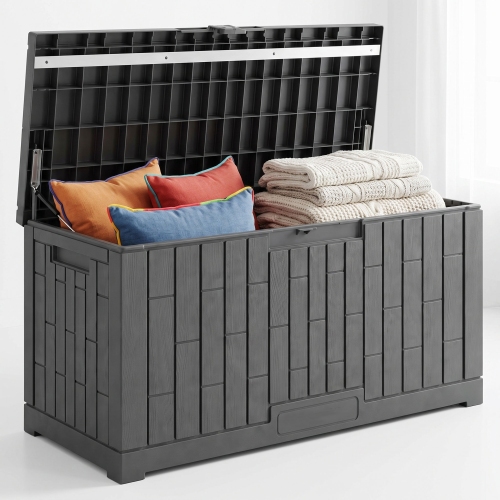


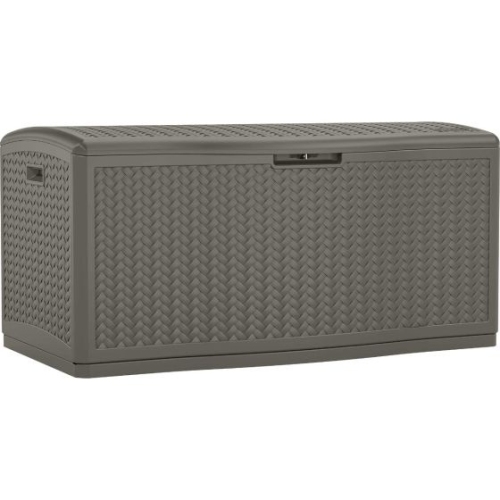
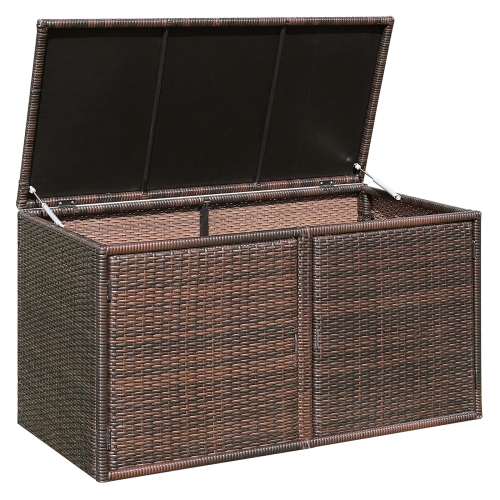
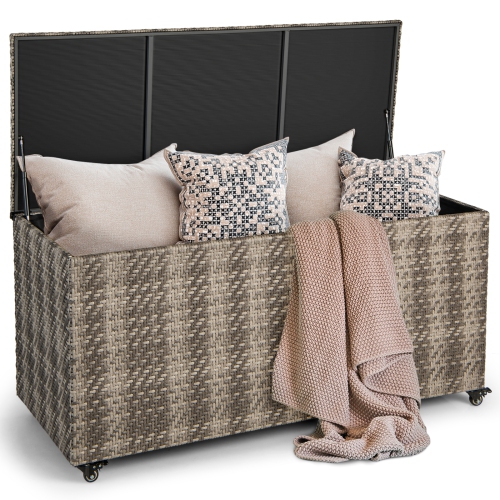

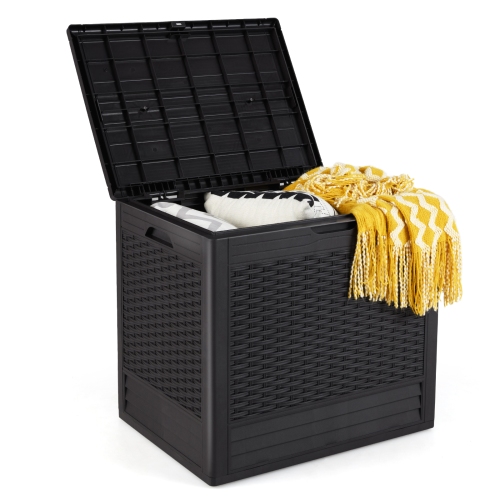
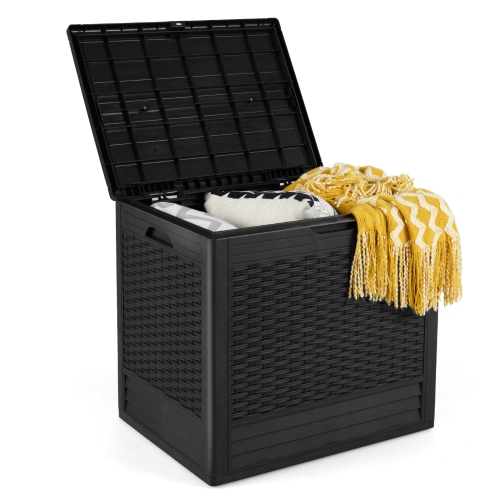
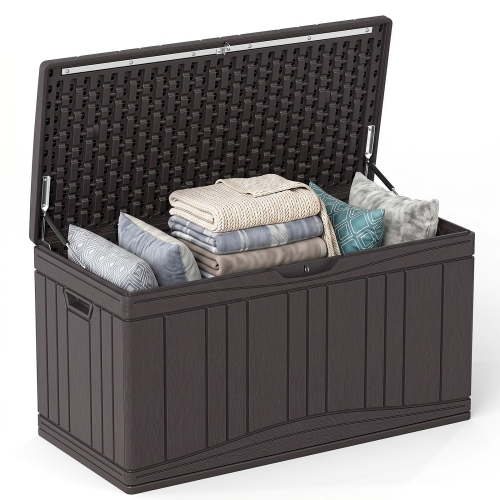

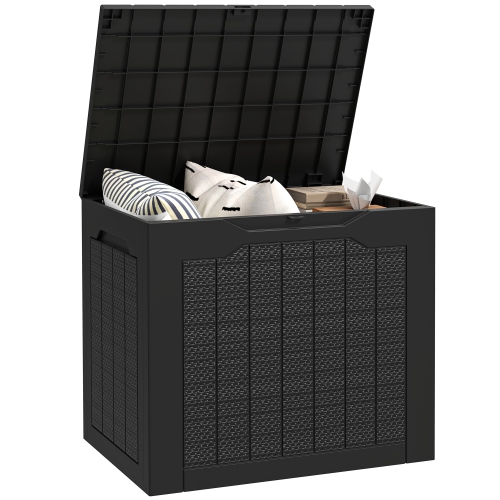
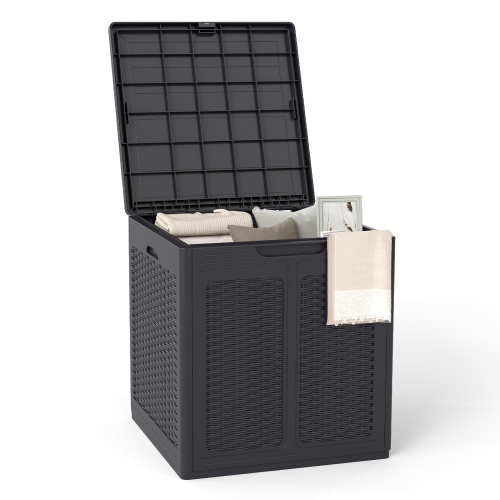
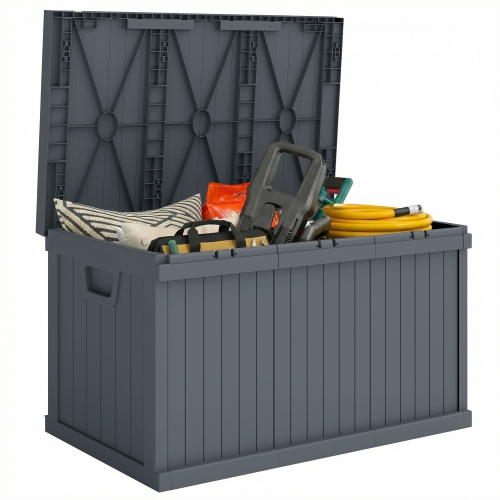
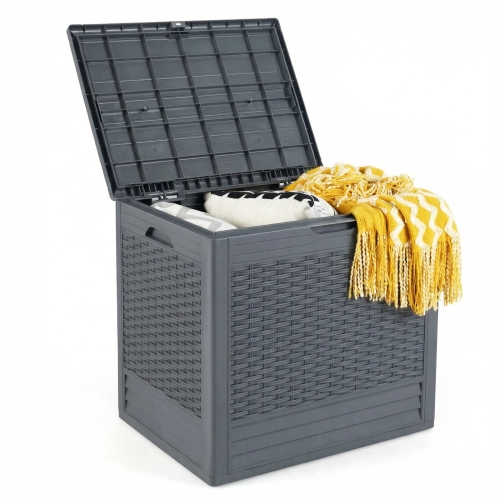
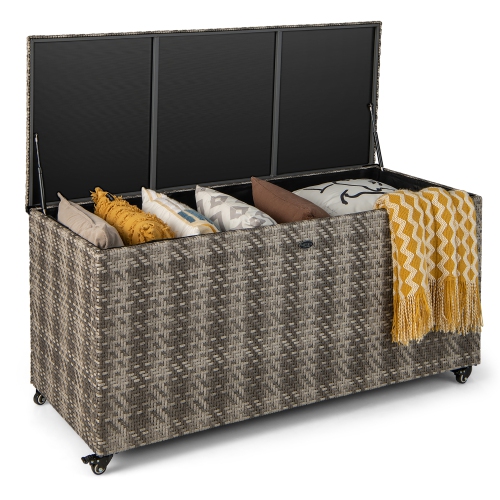
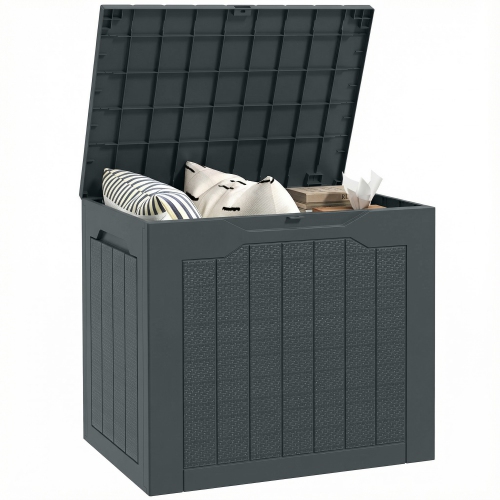
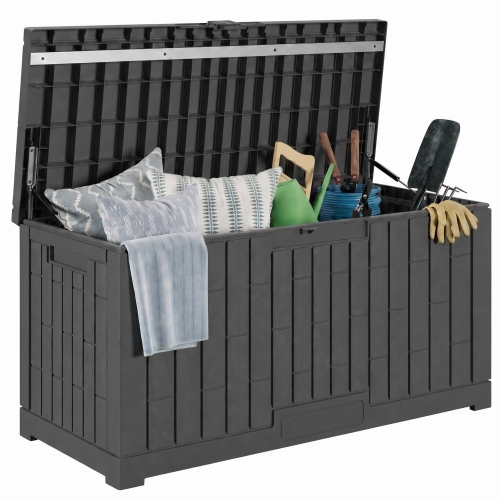

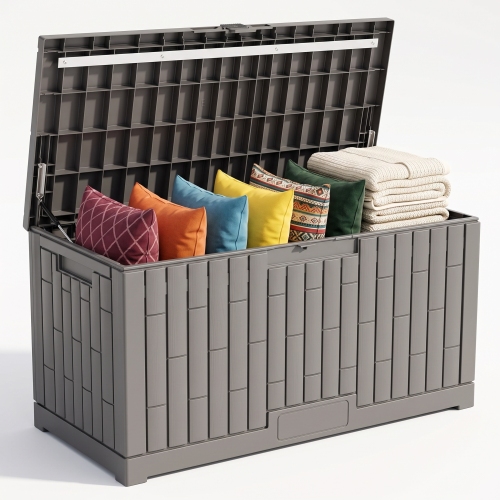
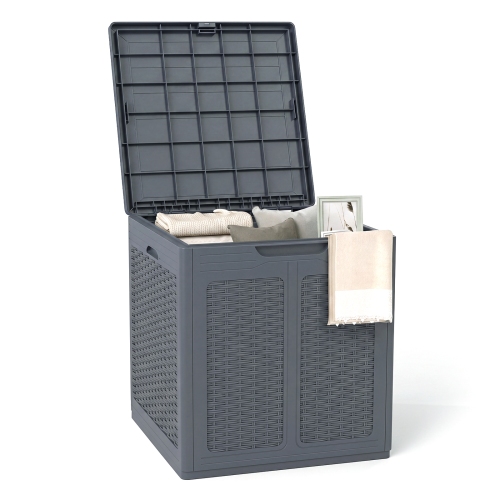
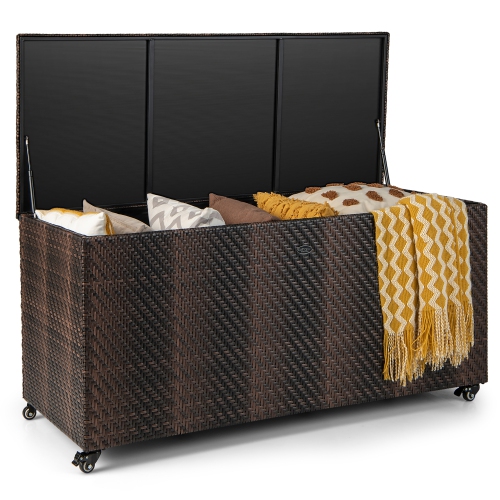
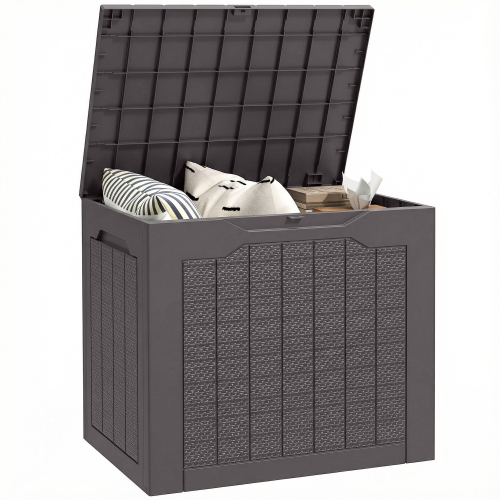
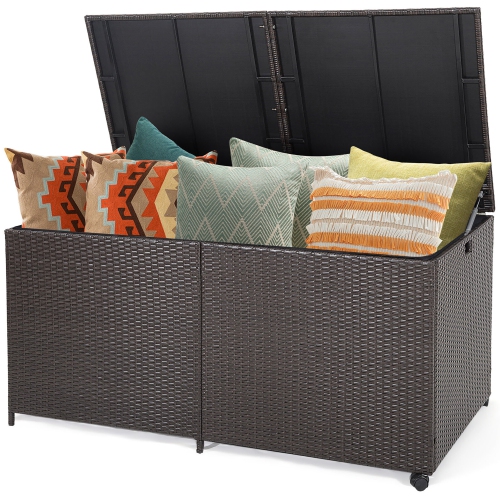

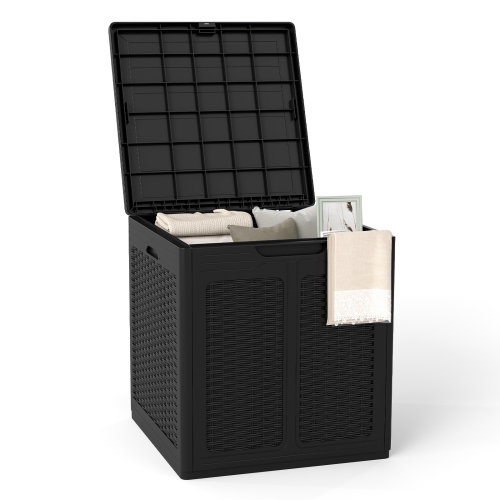
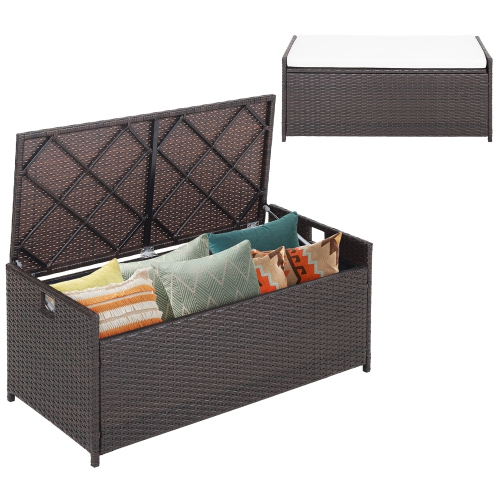
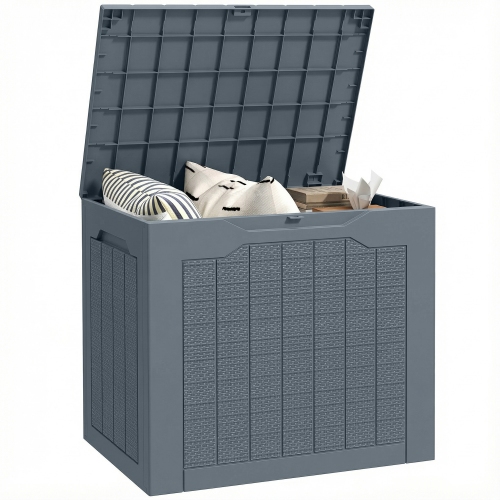
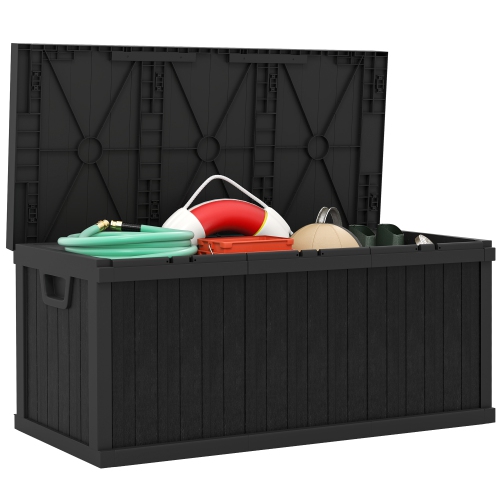
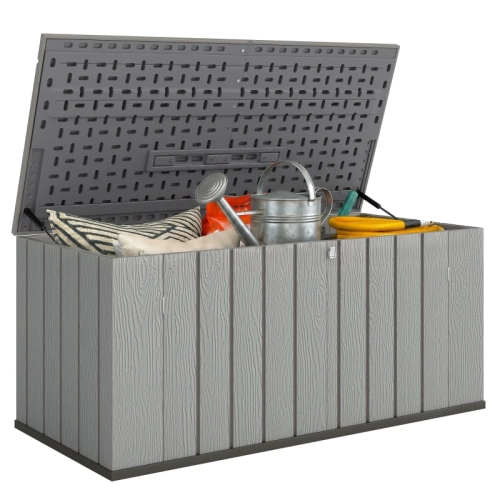
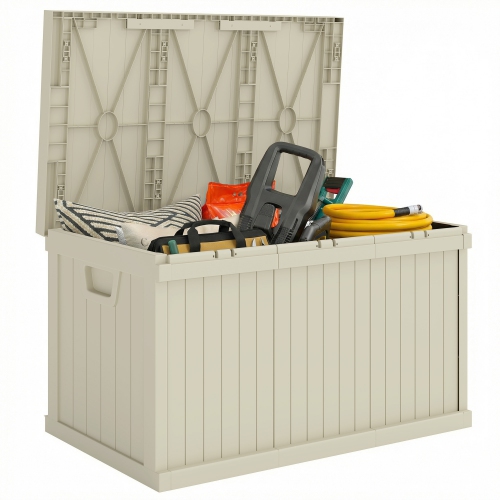
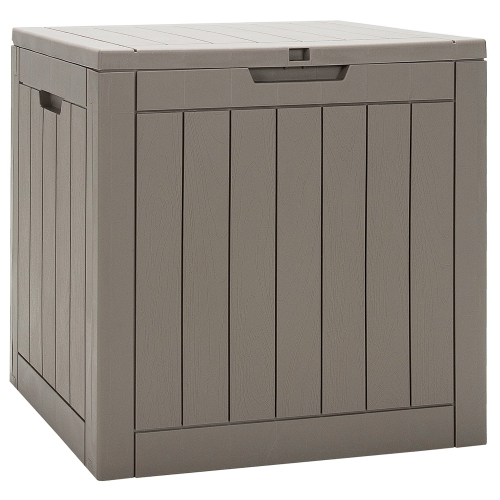
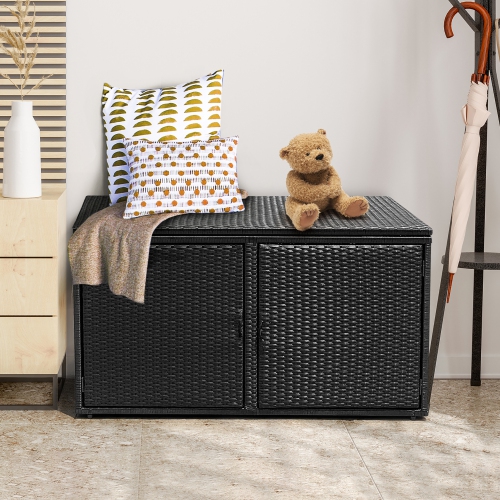
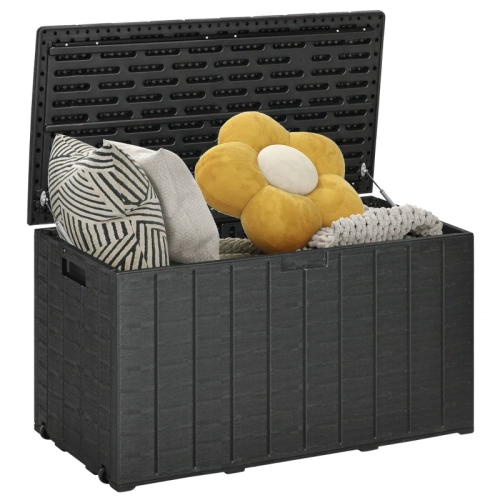
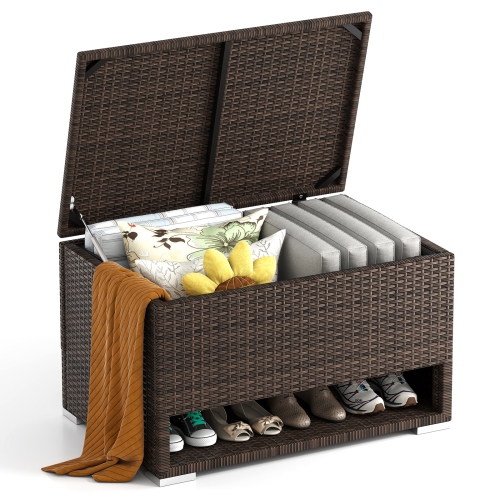
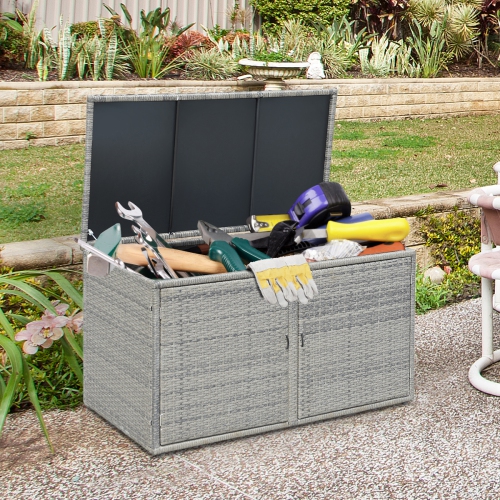
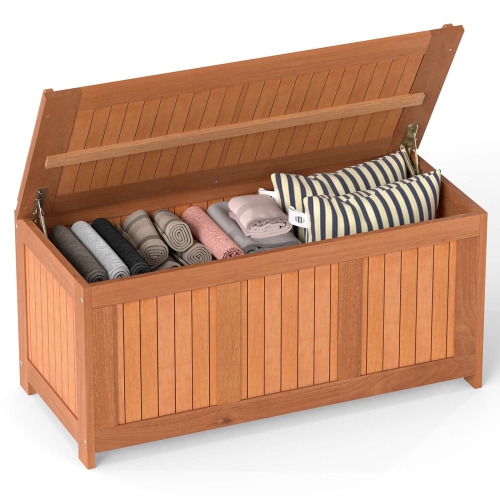
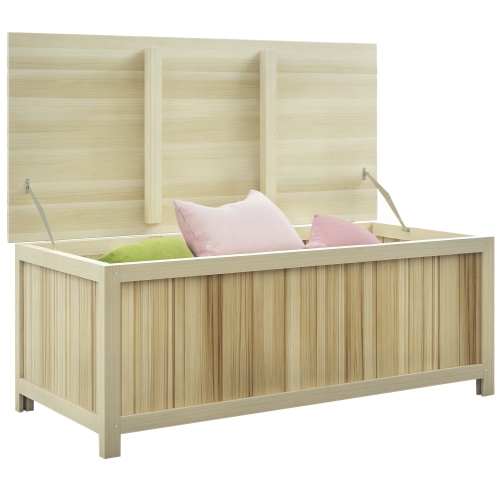
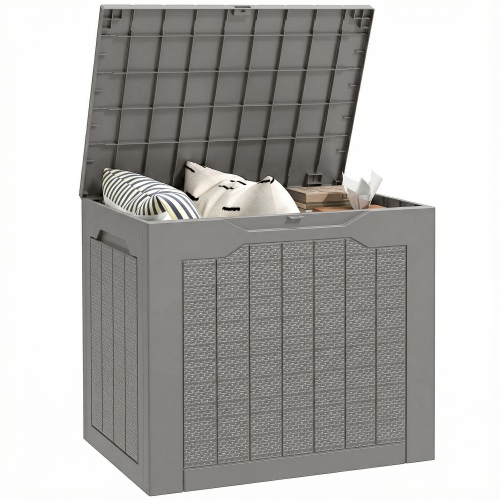

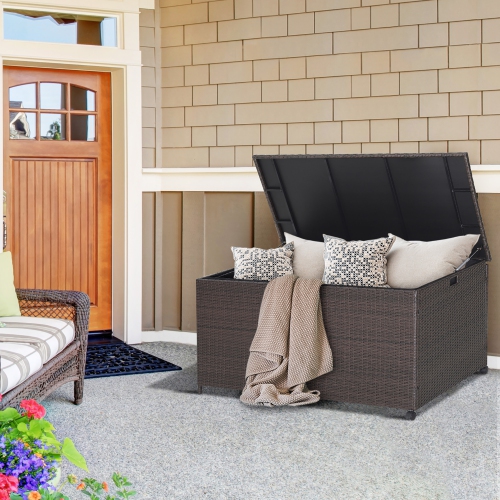
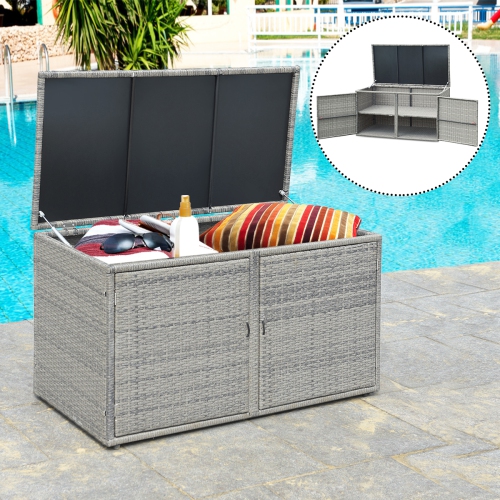
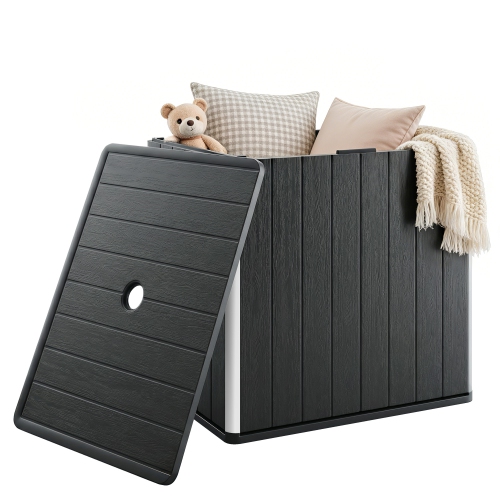
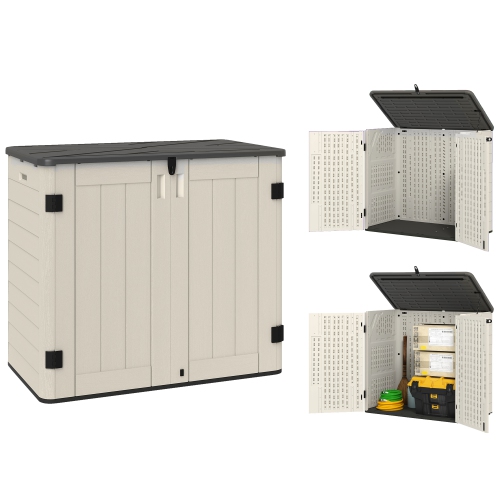

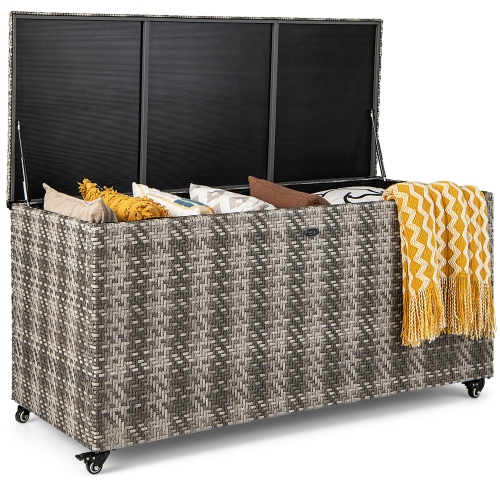
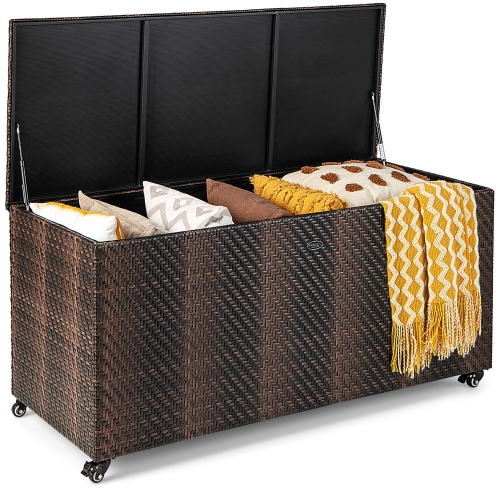
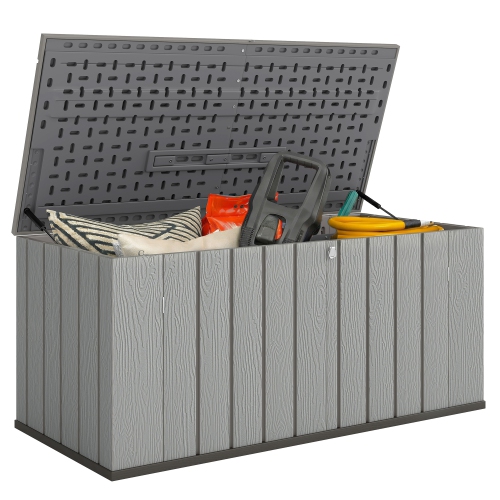
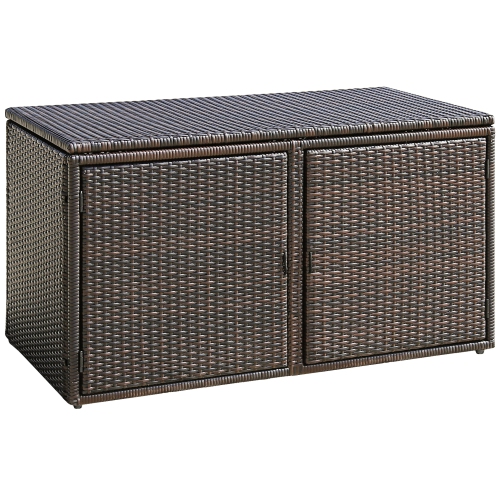
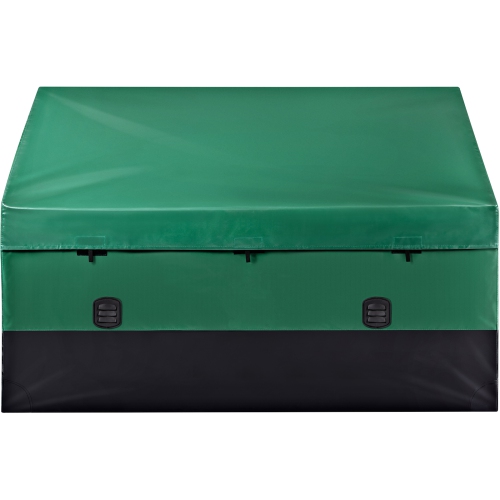
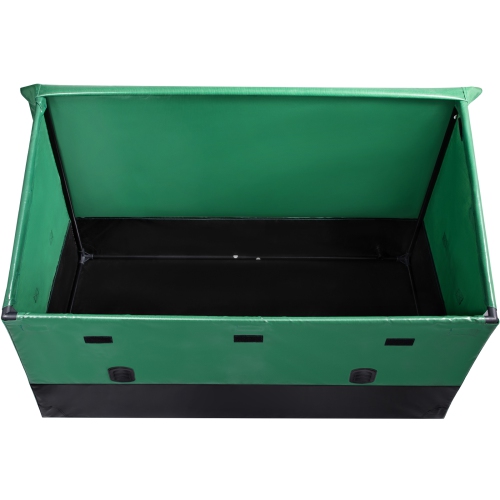
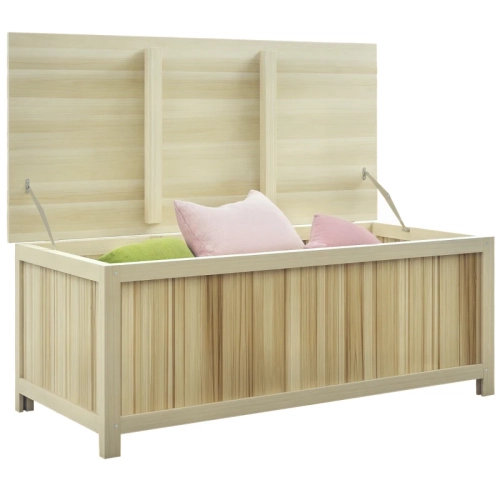
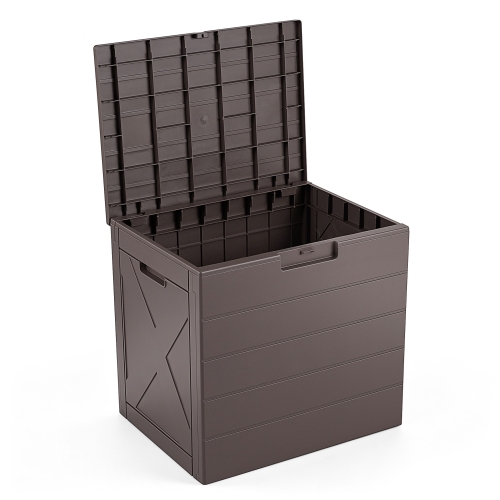
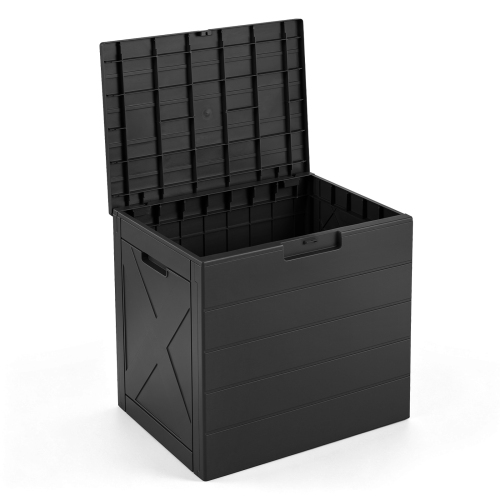
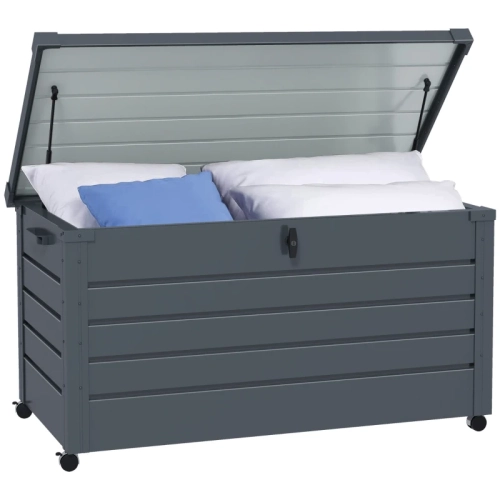
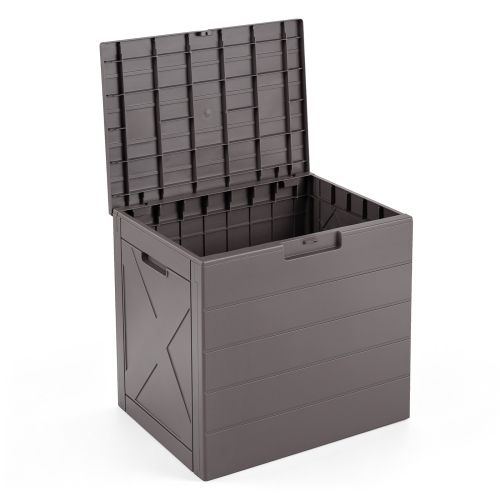
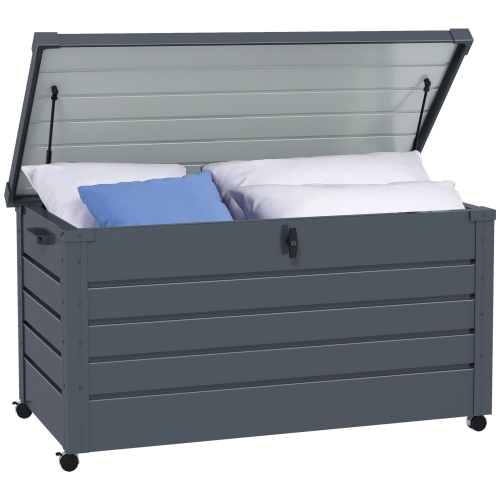

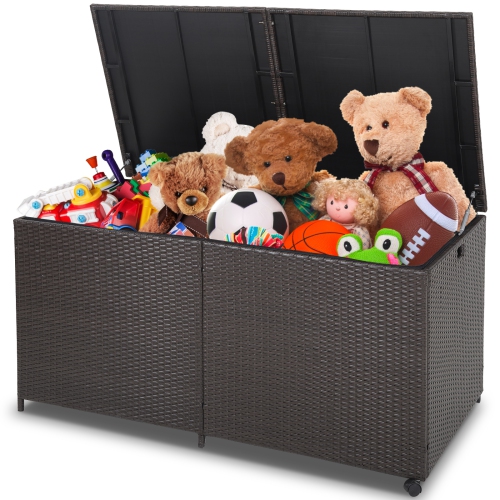


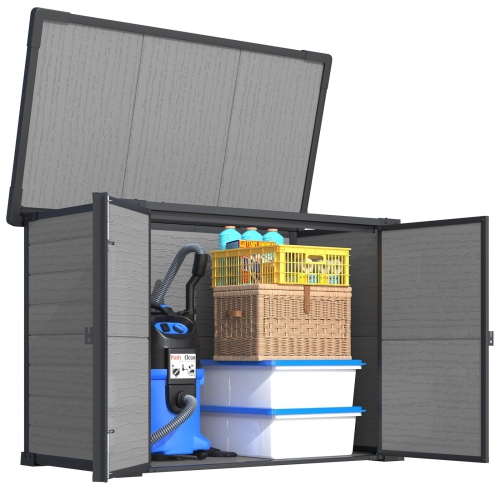
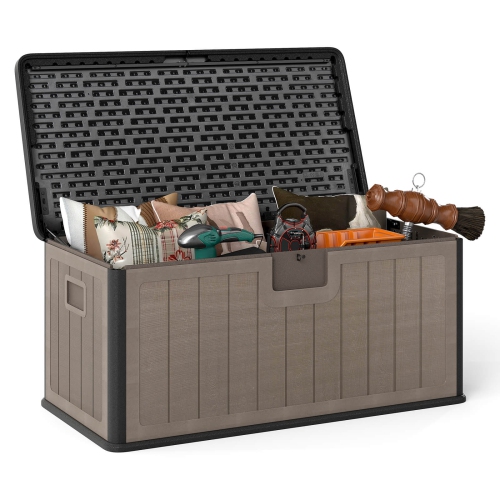
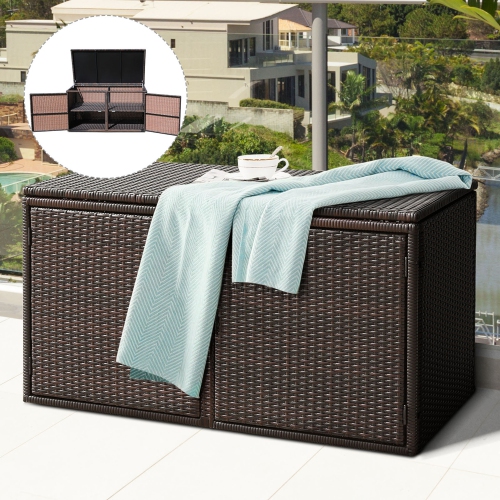
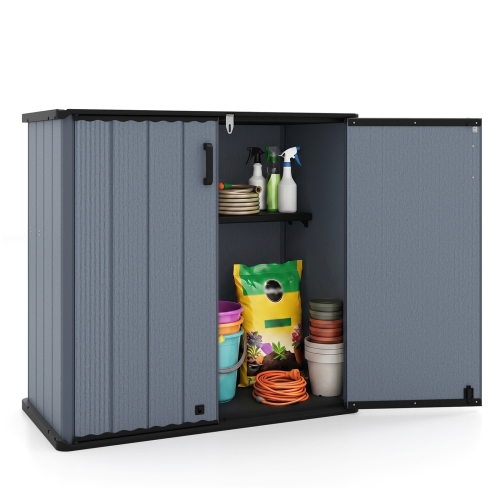
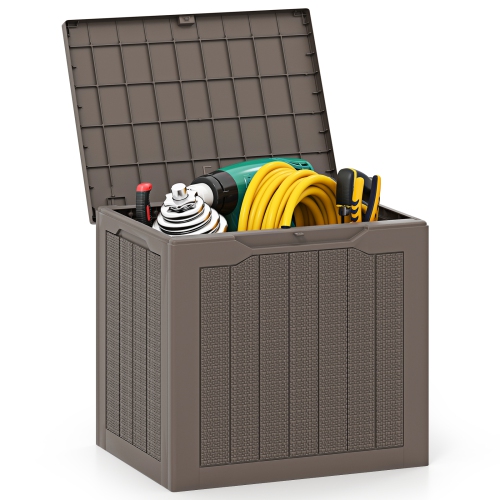
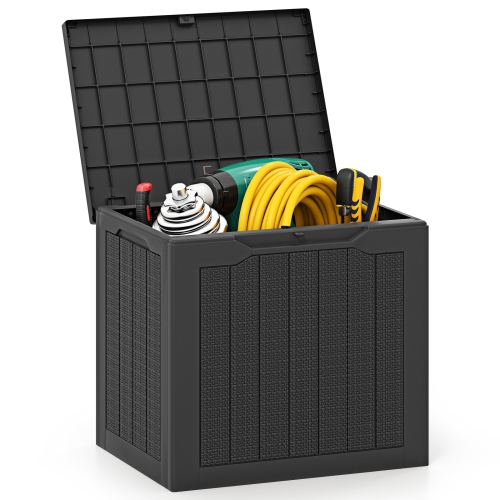
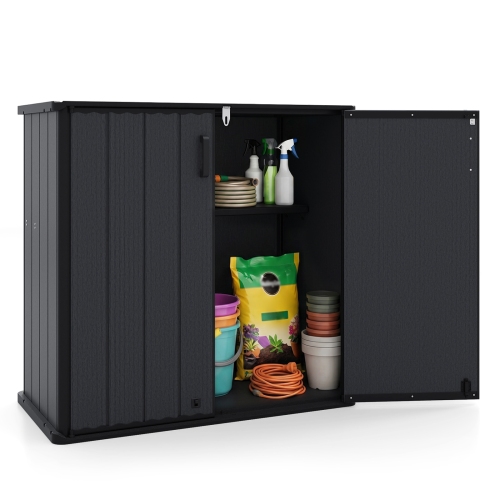
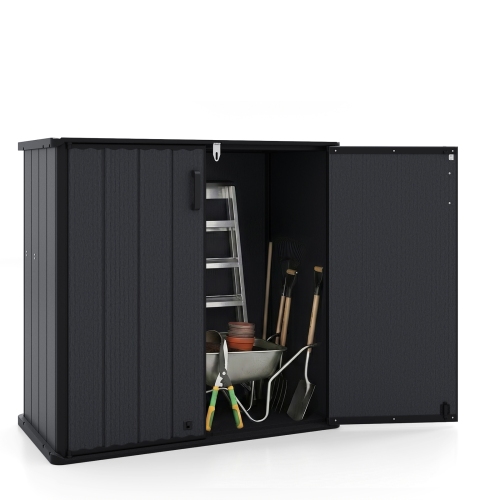
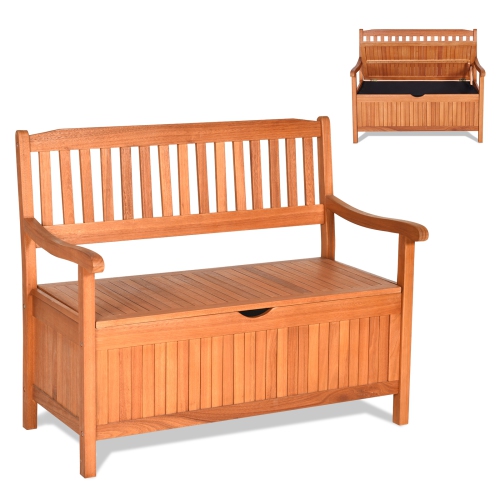
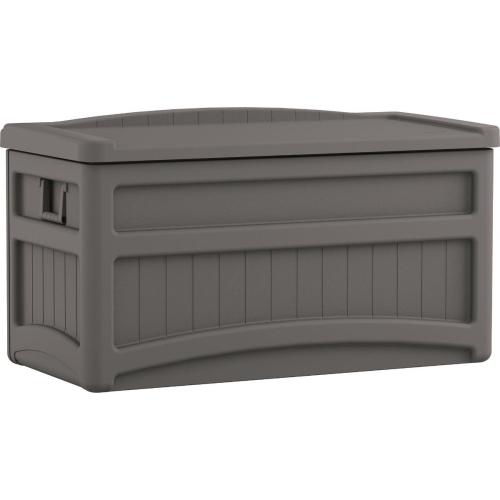
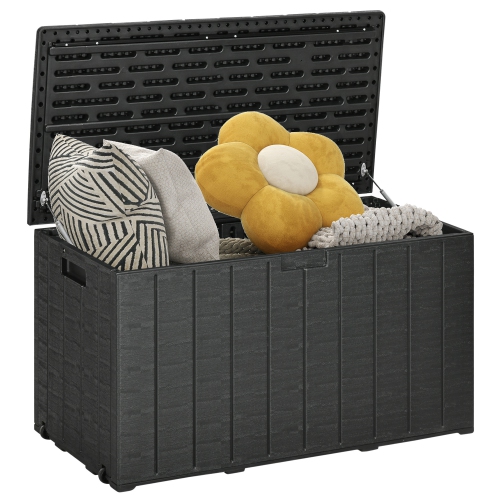
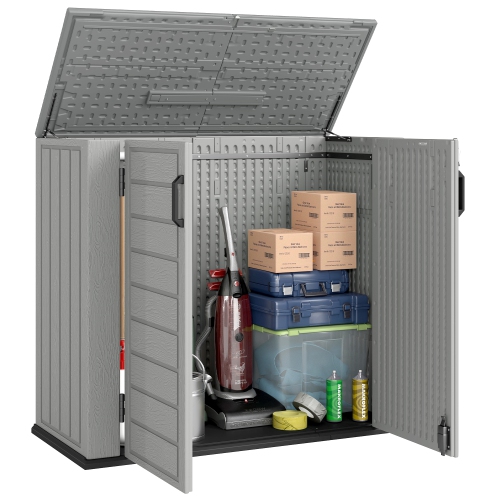
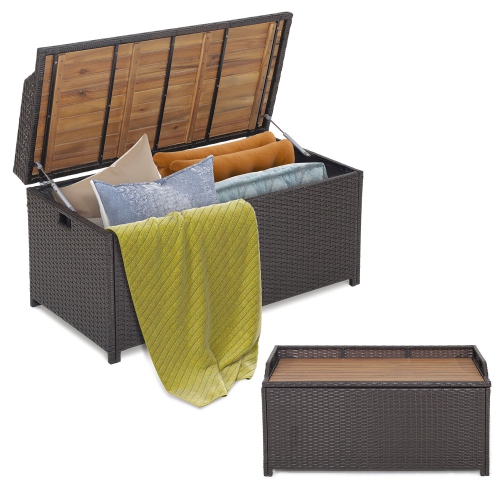
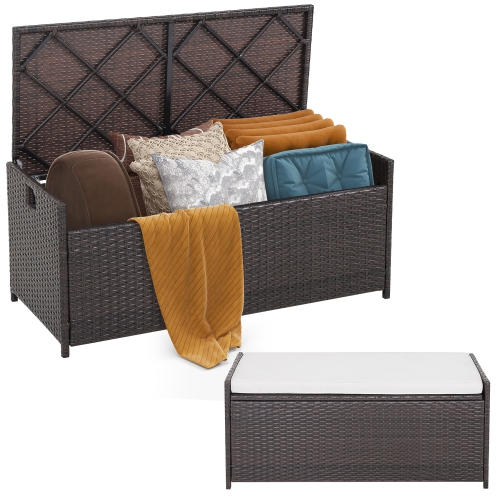
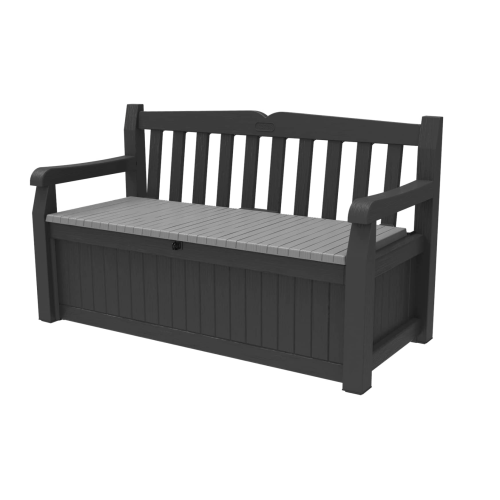
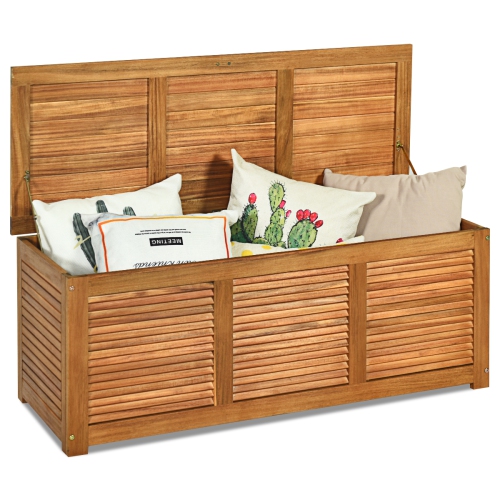

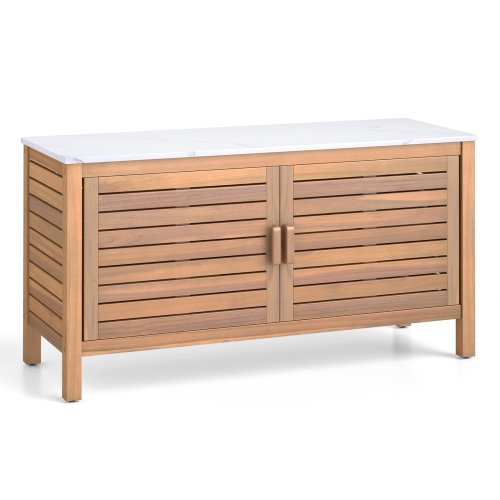
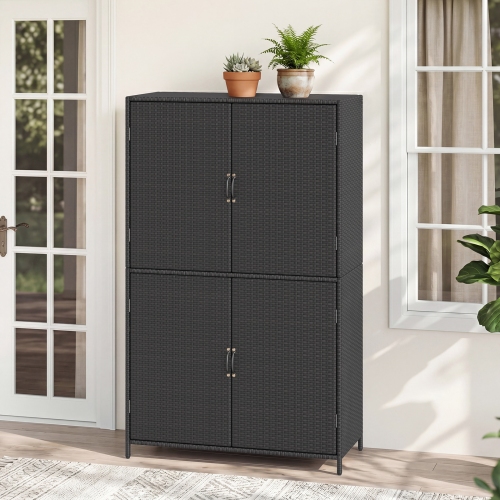
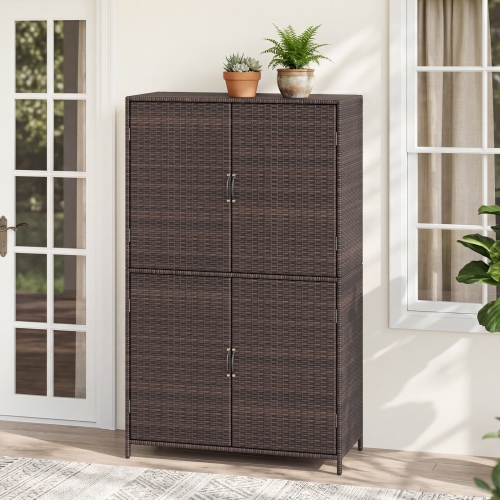
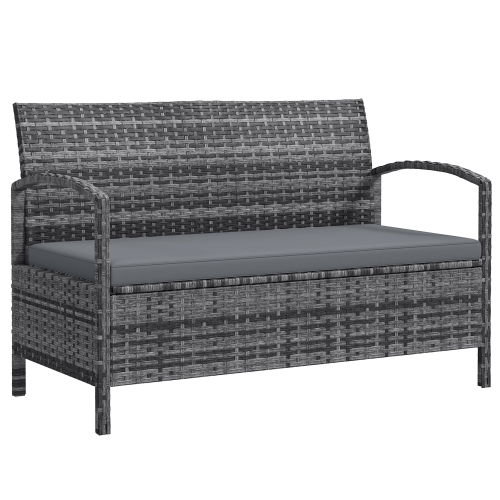
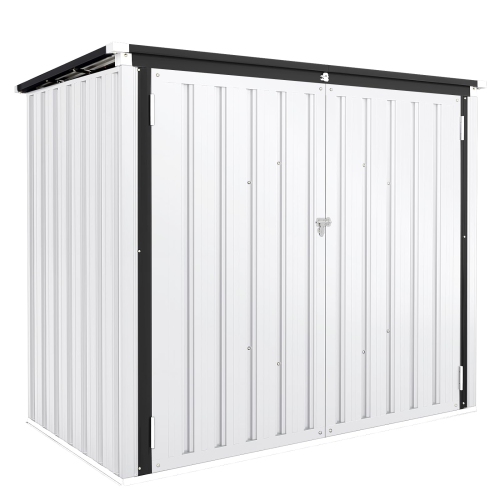
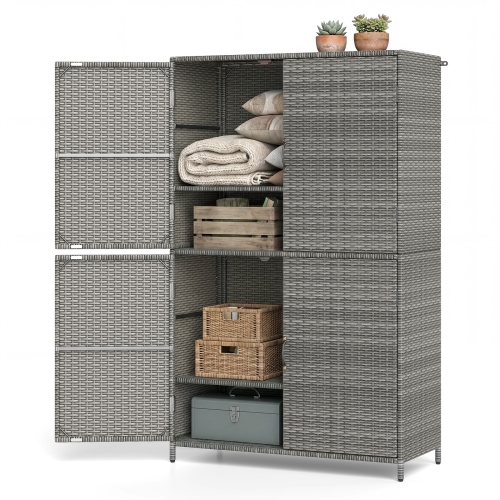
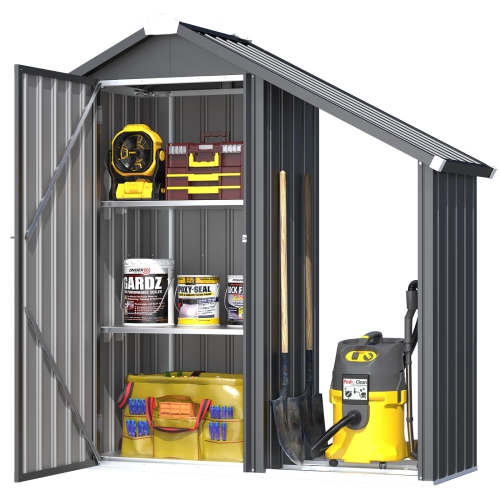
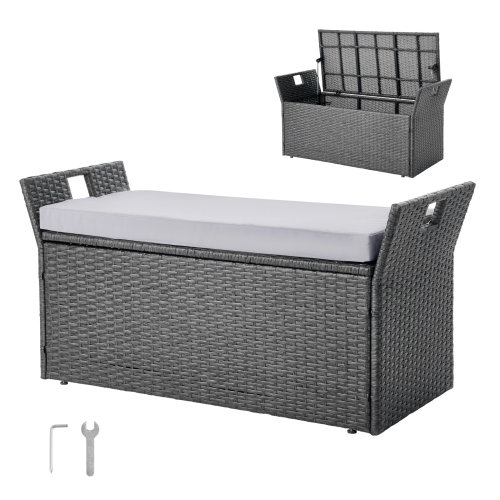
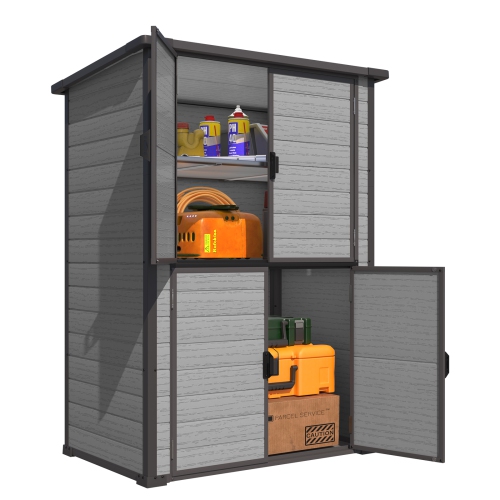
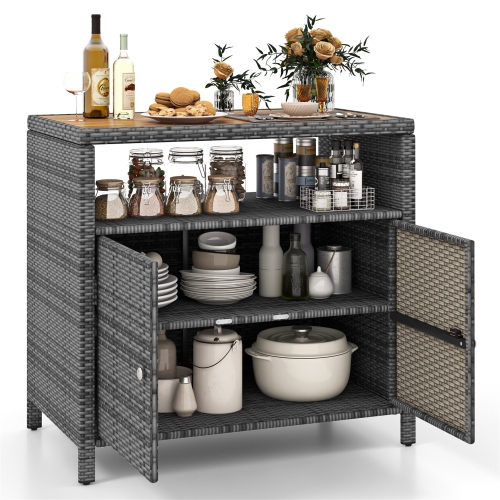
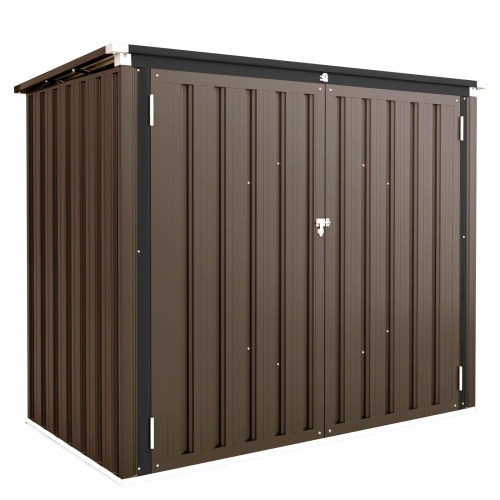
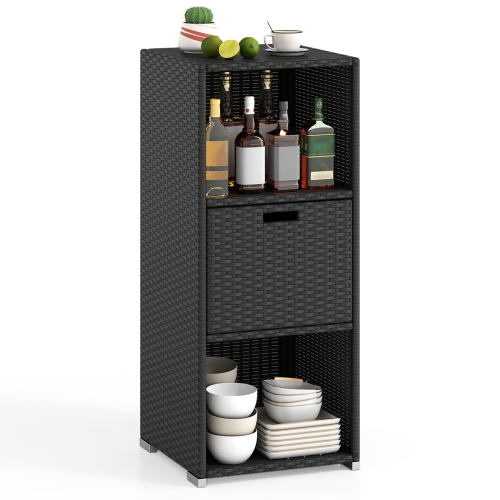
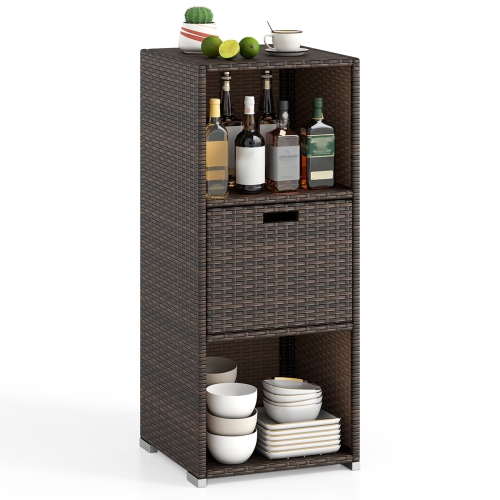
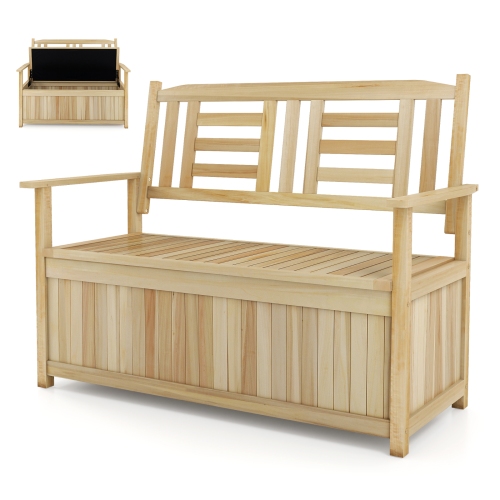
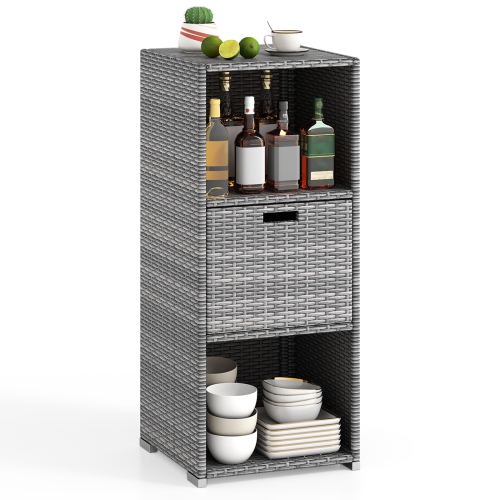
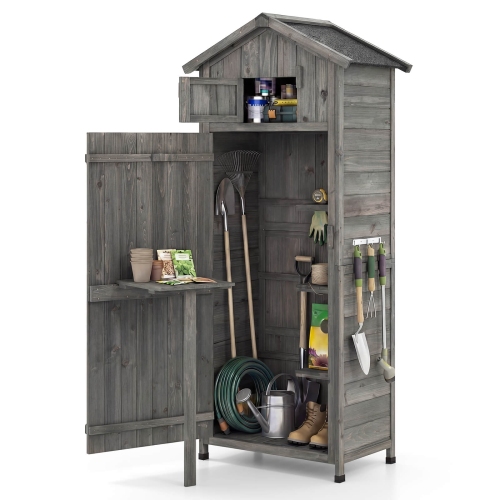
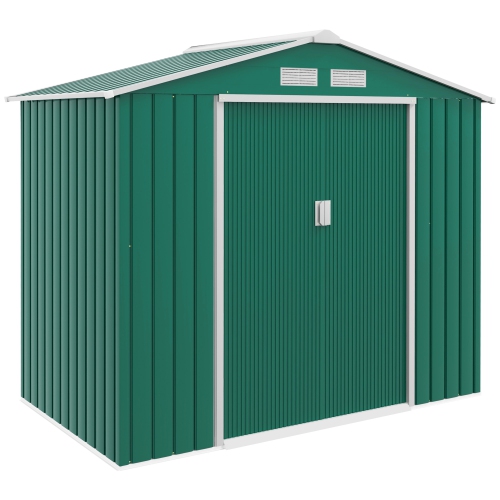
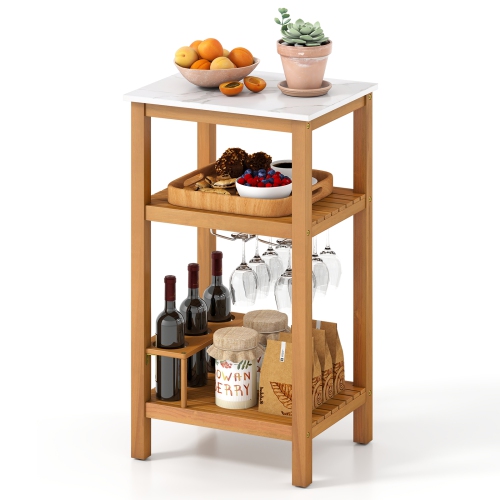
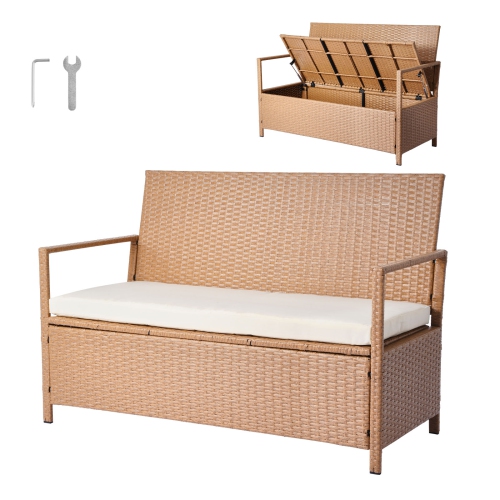
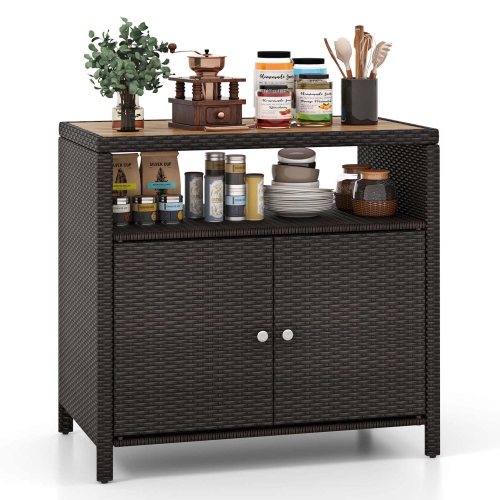
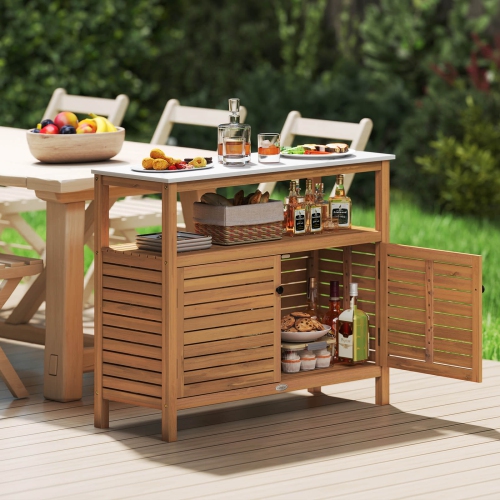
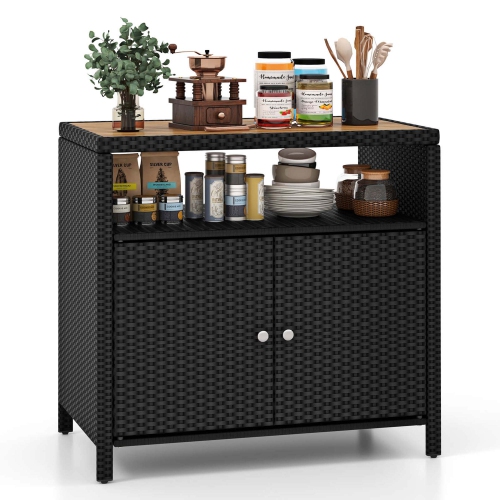
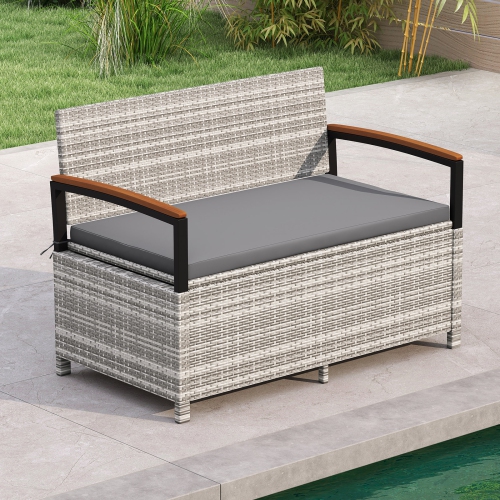
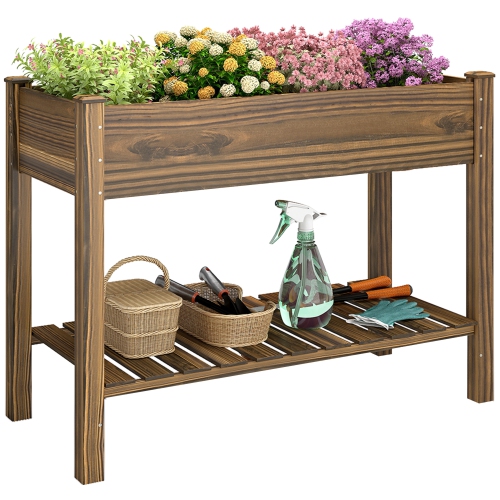
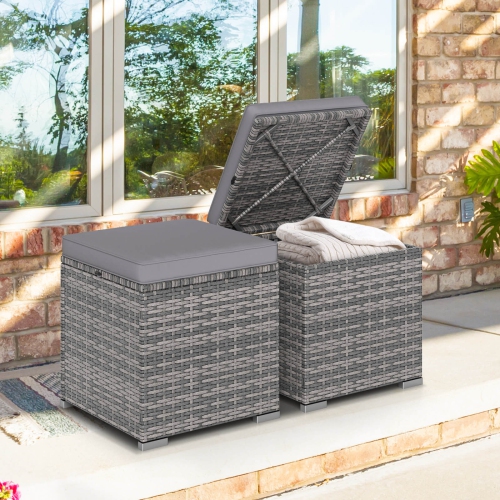

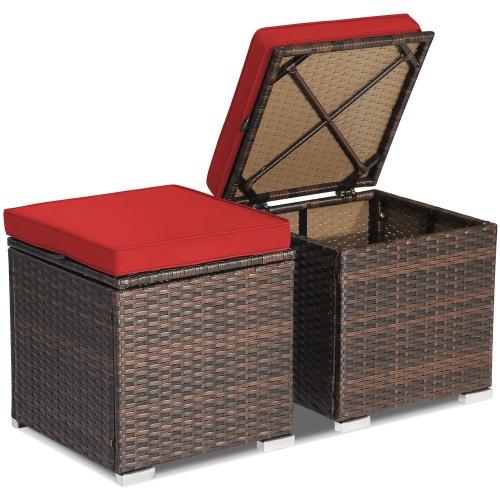

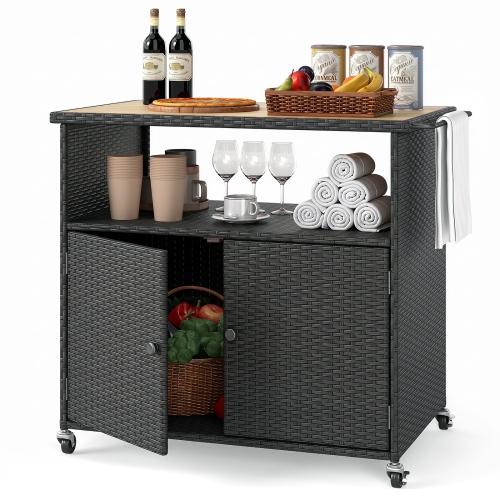
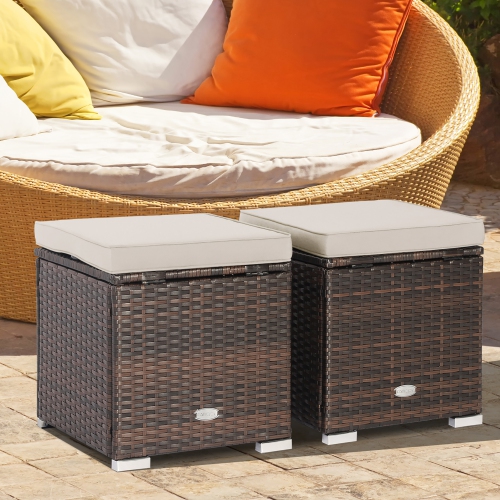

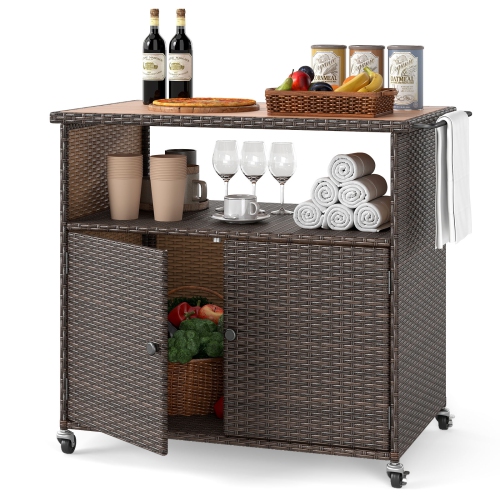
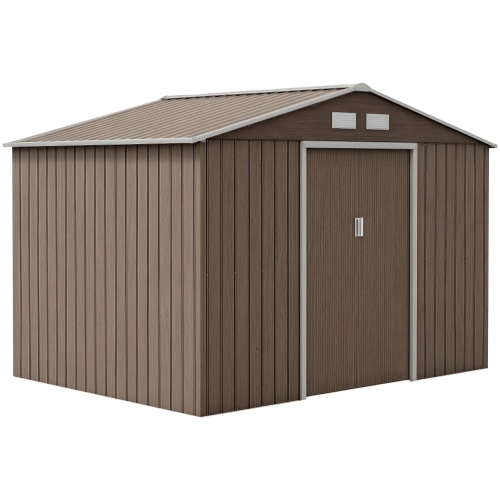
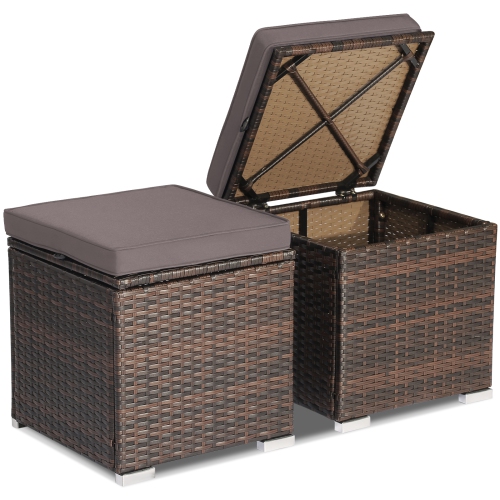
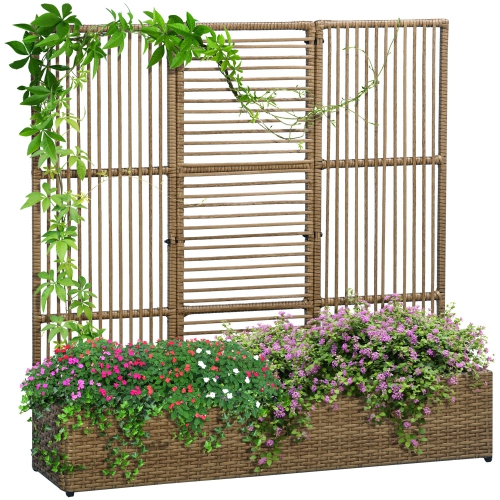
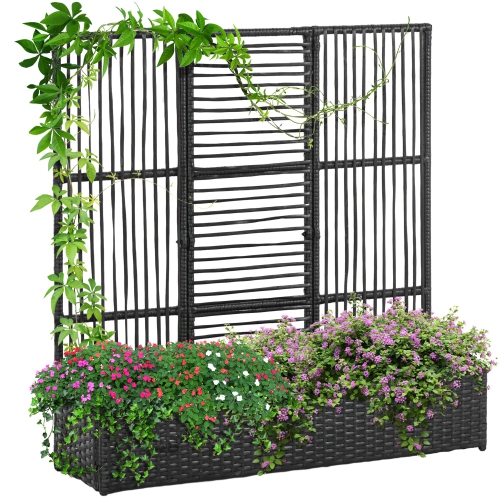
Room for cushions without crowding your patio
Materials influence how a patio storage box looks, how much upkeep it needs, and how it stands up to outdoor use. Resin and plastic designs are often chosen for their relatively light construction and straightforward cleaning, though panel thickness, reinforcement, and overall build quality vary. A textured finish can resemble woven wicker or wood grain without requiring the same care as those natural materials. When comparing these styles, distinguish between a moulded wicker-look surface and a genuinely woven outer layer, since their construction and cleaning needs differ. Wood brings natural grain and a furniture-like appearance to a deck or garden seating area, but its care depends on the wood species, finish, and exposure. Some wooden boxes need periodic sealing or refinishing according to the manufacturer’s directions. Metal components can provide structure, while protective coatings and corrosion-resistant hardware matter where dampness is common. Regardless of material, weather resistance should not be treated as a promise that everything inside will remain dry under all conditions. Wind-driven rain, melting snow, gaps around the lid, and moisture carried in on cushions can all affect stored belongings. Overlapping lid edges, drainage features, raised feet, and well-fitted panels may help manage exposure, but each design has its own limits. Ventilation can help moisture escape; it does not make a box waterproof or eliminate the need to dry fabrics before storage. Cushions should be clean and thoroughly dry before the lid closes, and delicate textiles may be better kept indoors during extended periods of wet or freezing weather. Choose a level surface that supports the base evenly, and avoid placing the box where water collects. For cleaning, follow the material-specific instructions; a soft cloth and mild soap are often sufficient, while abrasive cleaners or pressure washing may damage some finishes and seals. Periodically check hinges, fasteners, and lid alignment so small changes do not become harder-to-fix problems. In Canadian outdoor spaces, confirming the stated temperature range and winter storage guidance is especially useful before leaving a box exposed through freezing conditions.
The details that make a patio storage box pleasant to use are often the ones noticed only after it has been filled. A wide opening makes bulky cushions easier to lift out, while a supported lid can reduce the awkwardness of holding the top with one hand and reaching inside with the other. Lid mechanisms differ, so look for clear information about how they operate rather than assuming every hinged design closes slowly or stays open securely. Households with children should pay particular attention to pinch points, access to the interior, and the manufacturer’s safety guidance; a storage chest is never a place for children or pets to play. Lockable lids can help limit casual access, but a basic lock should not be treated as high-security protection for valuables. Garden chemicals, fuels, and other hazardous substances require storage appropriate to their labels, rather than being mixed with cushions or outdoor toys. If extra seating is part of the plan, choose only a box explicitly rated for sitting and follow its stated weight limit. A flat lid alone does not establish that it can safely support a person, and a seating rating does not necessarily make the surface suitable for standing. Handles and wheels can be helpful when rearranging a patio, although a large box may become difficult to move once filled; emptying it first can make repositioning more manageable. Assembly requirements also vary, from panels that connect together to frames needing tools and careful alignment. Checking the required tools, finished dimensions, and suggested number of people for assembly helps avoid surprises in a confined space. Appearance can then follow function: a neutral colour may sit quietly beside existing furniture, while a wood-look finish can coordinate with a deck or dining set. For another holiday-focused selection, explore the Canada Day Patio Storage Box Sale page. Whether the goal is clearing a balcony floor or keeping a family patio easier to use, the most suitable storage box is one that fits the space, accommodates its intended contents, and has care requirements the household can comfortably maintain.
Top selling and popular products
-
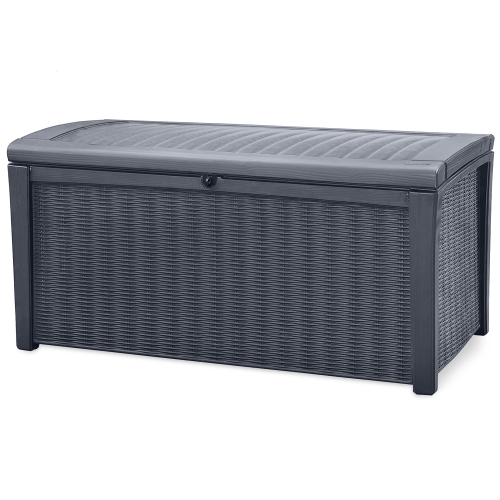 Your price for this item is $312.99
-
 Your price for this item is $299.99
-
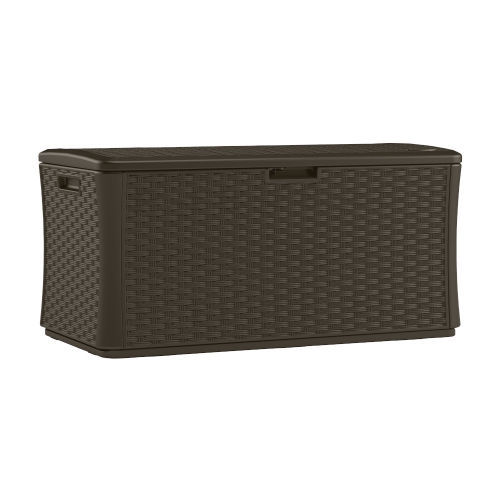 Your price for this item is $349.99
-
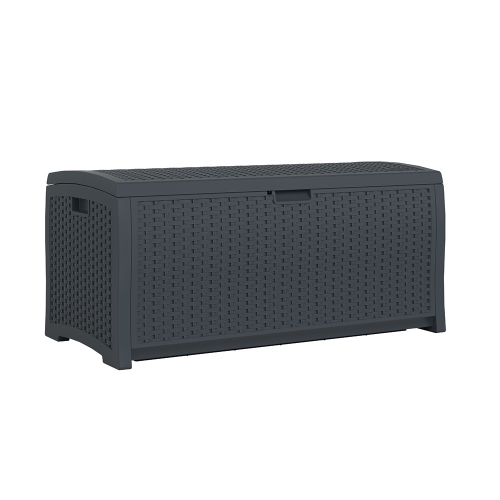 Your price for this item is $219.99
-
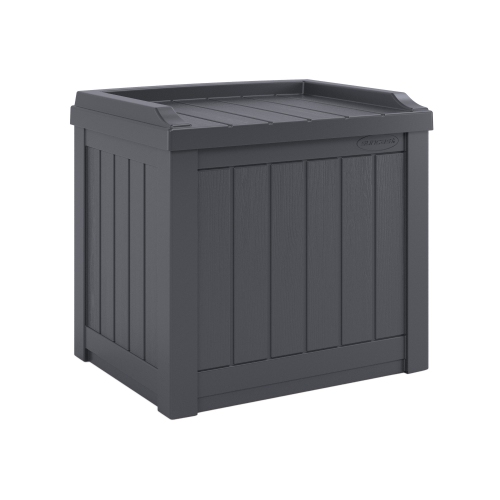 Your price for this item is $108.99
-
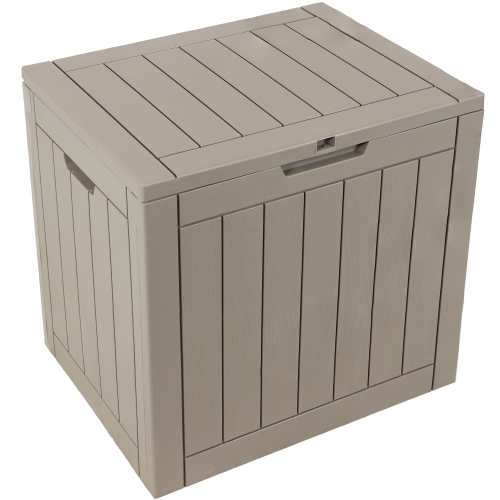 Your price for this item is $134.95
-
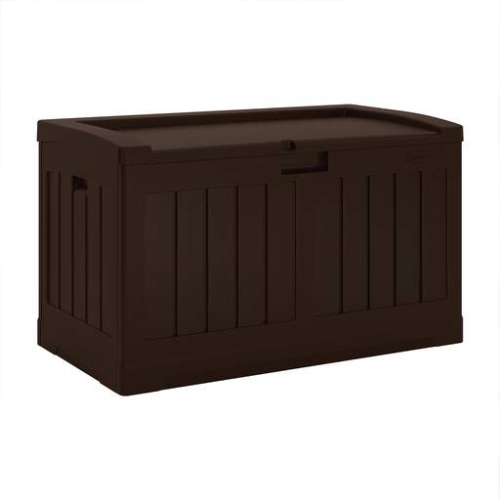 Your price for this item is $417.99
-
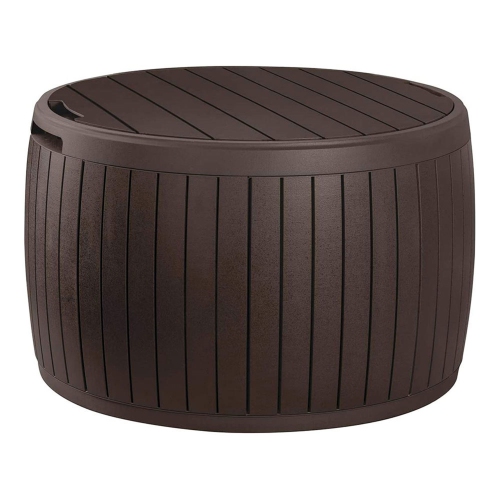 Your price for this item is $186.99