Boxing Day Deals Coming Soon
Our Boxing Day Sale returns in December 2026. In the meantime, shop our current top deals below.

Boxing Day Sale On Pilates & Yoga Mats
Unroll savings this Boxing Day with incredible deals on pilates and yoga mats at Best Buy. Whether you're a seasoned yogi or just beginning your fitness journey, our selection has something for everyone. Discover mats that offer comfort, durability, and style, all while enhancing your workout experience. With unbeatable prices and a variety of options to suit your needs, there's never been a better time to invest in your health and wellness. Explore our Boxing Day sale and find the perfect mat to support your goals. Remember, our Low Price Guarantee means you can shop confidently knowing that you'll find the best price at Best Buy, all year round. We encourage you to check our website frequently for the most up-to-date information on our latest offers and savings opportunities.


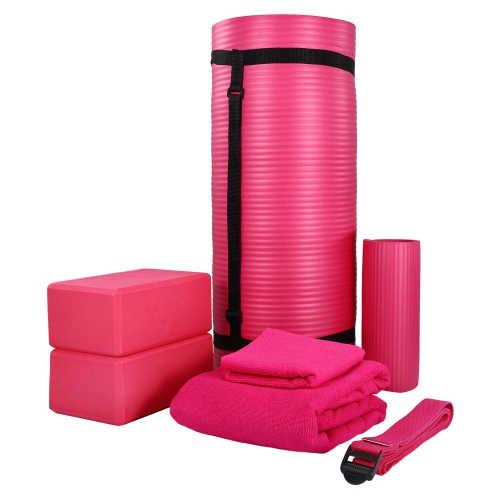

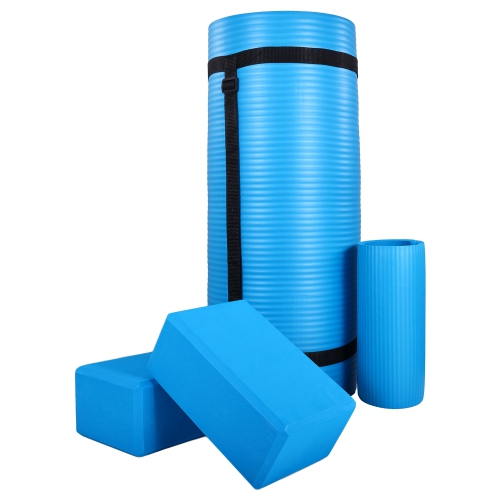

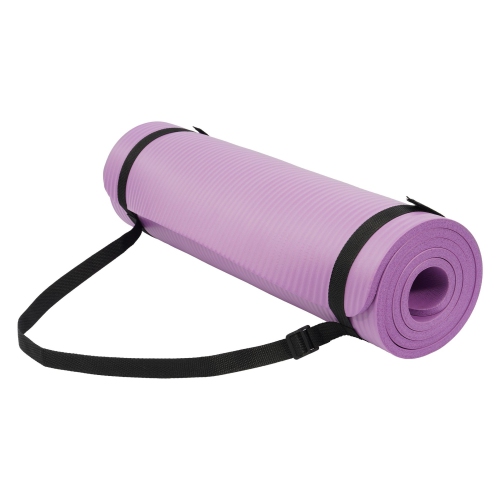
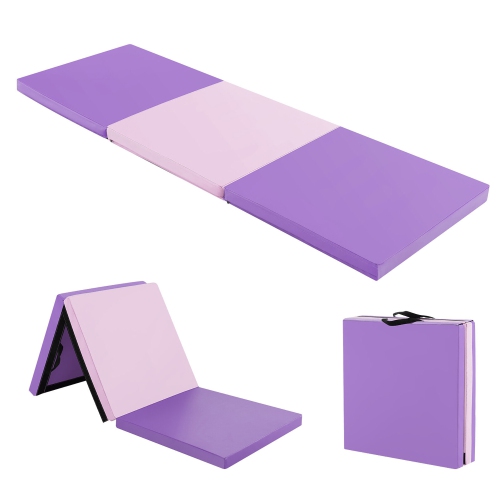


Why mat thickness matters for yoga and Pilates
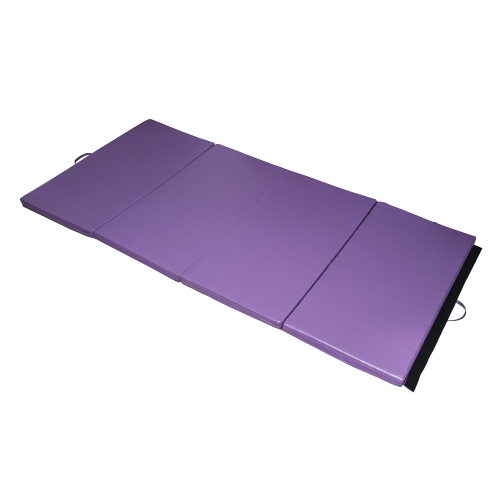
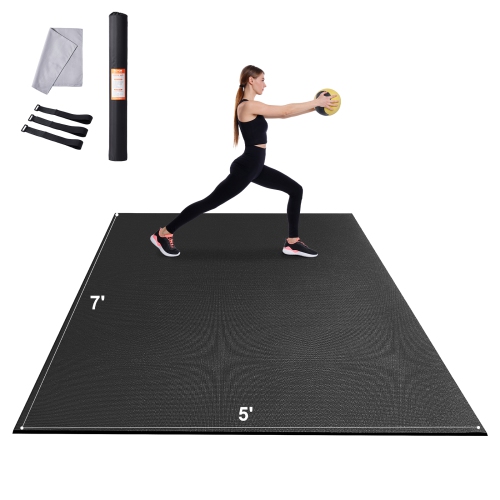
Materials and surface finishes influence how a Pilates or yoga mat feels from the first stretch to the final resting pose. PVC, thermoplastic elastomer, rubber, and various foams are common options, with differences in weight, firmness, flexibility, and care requirements. Rubber mats can feel substantial and stay put well, but anyone with a latex allergy should check the material details rather than assume a rubber-based mat is suitable. Lightweight foam mats can be easier to carry between home and a studio, although very soft foam may compress noticeably beneath the hands, knees, or feet. Cork and polyurethane are also used as surface layers, and their feel under dry or damp hands depends on the particular construction. A textured finish can help provide purchase, but a pronounced pattern may feel uncomfortable against bare skin during longer kneeling or seated positions. Grip involves both sides of the mat: the upper surface needs to suit the practice, and the underside needs to remain stable on the intended floor. A mat that feels secure on clean hardwood may behave differently on thick carpet, where the flooring adds movement beneath it. For more active yoga, hand and foot traction becomes especially noticeable when moving between a plank and a lunge. For Pilates, comfort during repeated contact with the floor may carry more weight, particularly when lying on the back or side. Moisture can change how surfaces perform, so anyone practising heated yoga or working up a sweat should check whether the material is intended for that use. A suitable yoga towel may help manage moisture, but it should lie smoothly and remain secure rather than bunch beneath the hands. Alignment markings can offer visual reference points for foot placement, while a plain surface may appeal to someone who prefers fewer distractions. Colour and pattern are personal choices; a mat that looks at home beside a favourite chair or in a workout corner can feel like a natural part of the room rather than something that always needs to be hidden away.
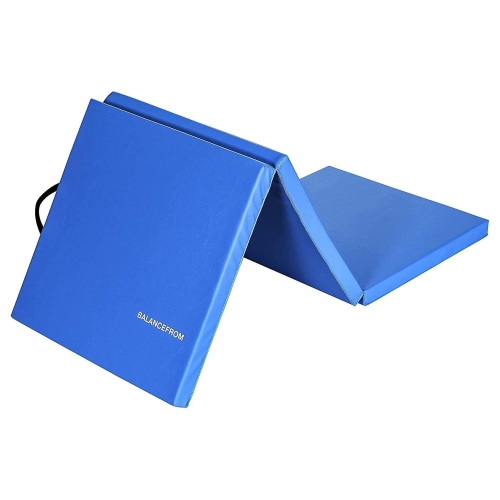
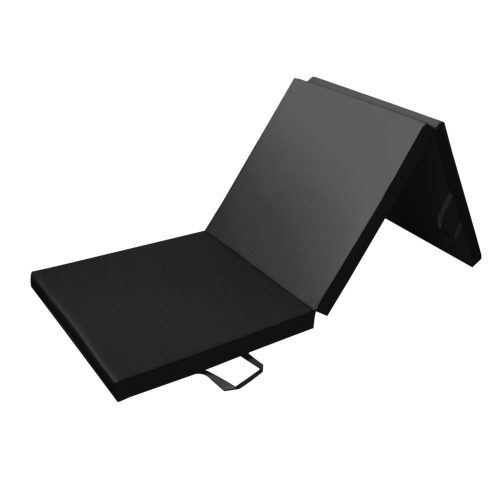
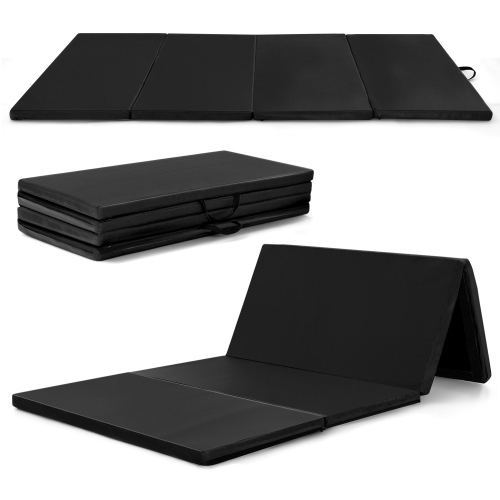
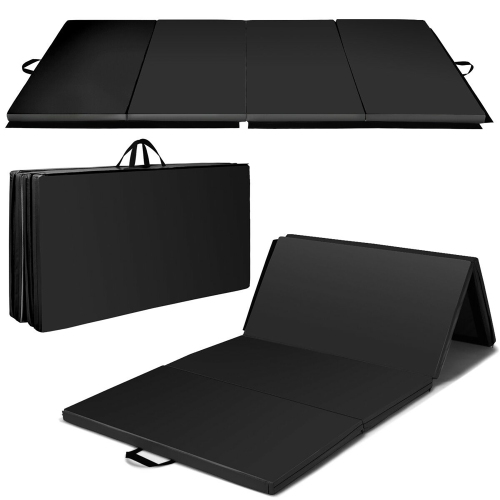
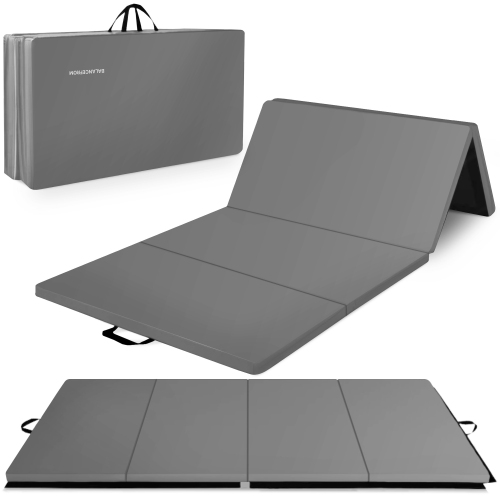
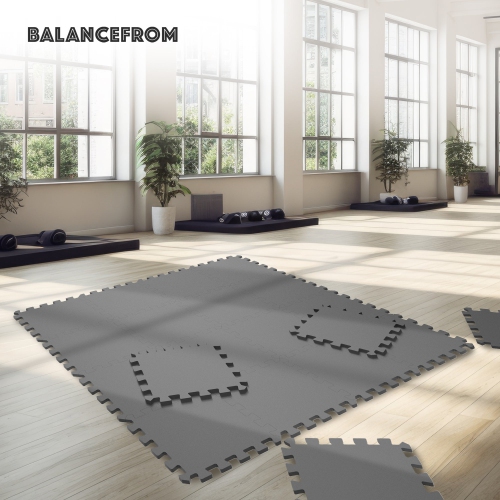
Everyday practicality often determines how much a mat gets used. A lightweight design with a carrying strap suits someone walking to a class, while a heavier mat may make more sense when it stays in a dedicated exercise space. Roll-up mats need enough storage room for their rolled diameter, and thicker cushioning usually creates a bulkier bundle. Folding designs can fit neatly into some cupboards or bags, though their seams may be noticeable under the body. At home, a mat should unroll or unfold into a reasonably flat surface before exercise; curled edges can get in the way of a foot during transitions. Care should follow the manufacturer’s directions, since a cleaning method that suits one material can damage another. For many mats, a gentle wipe with an approved cleaner and thorough air-drying is more appropriate than soaking or machine washing. Strong cleaning solutions, abrasive scrubbing, and prolonged direct sunlight can affect certain surfaces or shorten their useful life. Allowing a mat to dry before rolling it up also helps prevent trapped moisture and odours. Durability shows in the details: edges that resist tearing, a surface that does not readily flake, and cushioning that continues to support the body after repeated use. Jewellery, pet claws, and shoes with rough soles can leave marks, so the intended footwear and household setting are worth considering. A Pilates or yoga mat can be a thoughtful Boxing Day gift for a regular studio attendee, a home fitness enthusiast, or someone who enjoys gentle stretching, provided its dimensions and feel match the recipient’s preferences. A floor mat is distinct from a reformer mat, which must fit the relevant equipment and should not be treated as interchangeable. Families planning separate areas for exercise and children’s activities can also explore Boxing Day Sale on Playmats; children’s play surfaces and adult exercise mats serve different purposes. Whether it is carried to class or laid out beside the sofa, a well-matched mat gives a routine a consistent place to begin, with the cushioning, traction, and space suited to the movements ahead.
Top selling and popular products
-
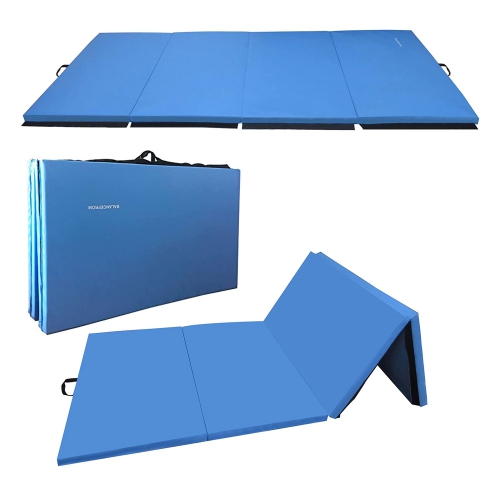 Your price for this item is $212.99
-
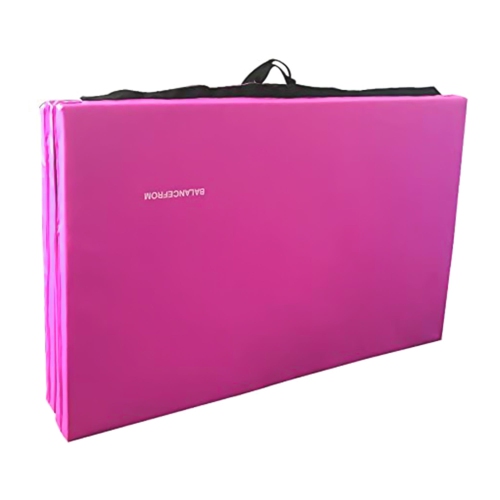 Your price for this item is $225.99
-
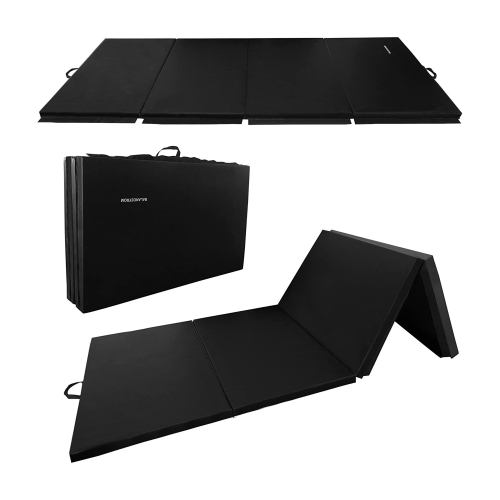 Your price for this item is $251.99
-
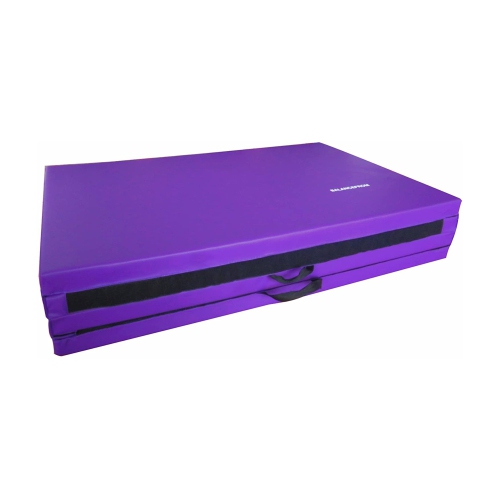 Your price for this item is $220.99
-
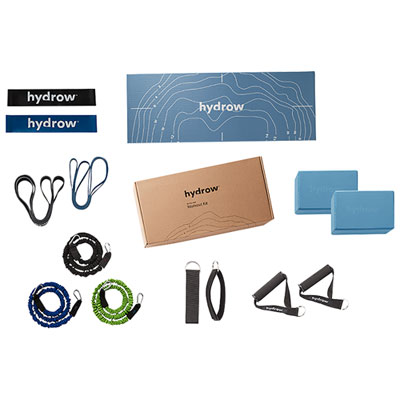 Your price for this item is $229.99
-
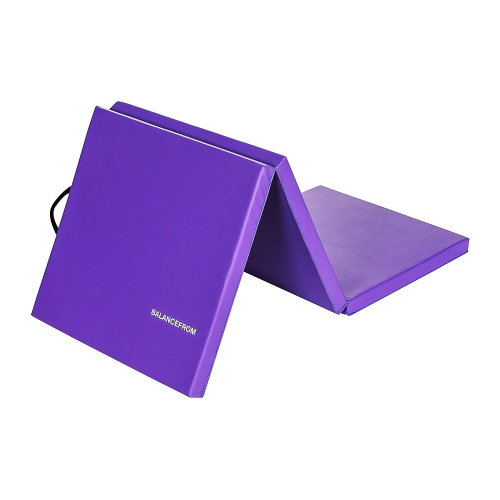 Your price for this item is $79.99
-
 Your price for this item is $227.99
-
 Your price for this item is $84.99