Boxing Day Deals Coming Soon
Our Boxing Day Sale returns in December 2026. In the meantime, shop our current top deals below.

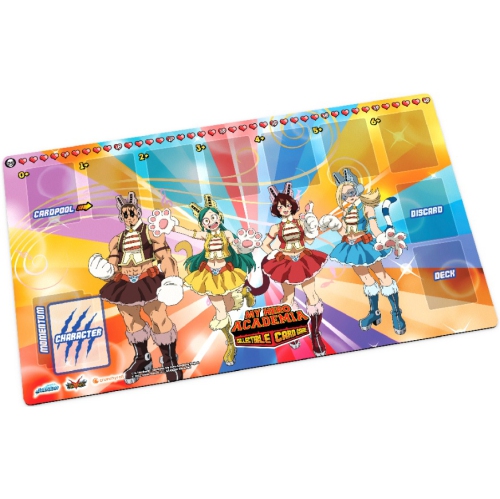
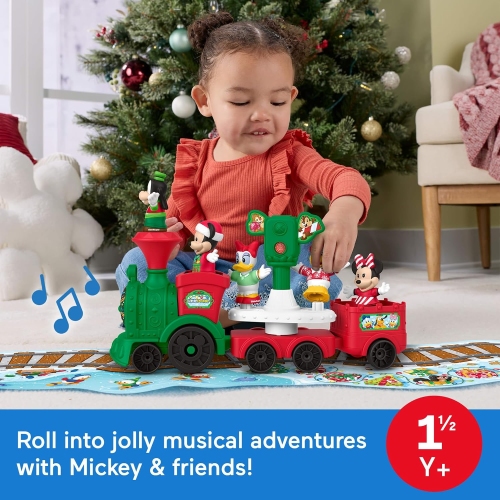
Boxing Day Sale On Playmats
Boxing Day is the perfect time to score incredible deals on playmats that will transform any space into a haven of fun and imagination for little ones. Whether you're looking to create a cozy corner in the nursery or add a splash of color to the playroom, our Boxing Day Sale offers an array of options to suit every style and budget. From soft, cushioned designs that ensure safety during playtime to vibrant patterns that stimulate creativity, there's never been a better moment to find the ideal playmat. Dive into our exciting selection and discover exceptional savings on high-quality playmats that promise endless hours of enjoyment for your child. Remember, our Low Price Guarantee means you can shop confidently knowing that you'll find the best price at Best Buy, all year round. We encourage you to check our website frequently for the most up-to-date information on our latest offers and savings opportunities.










Why playmat comfort depends on more than thickness
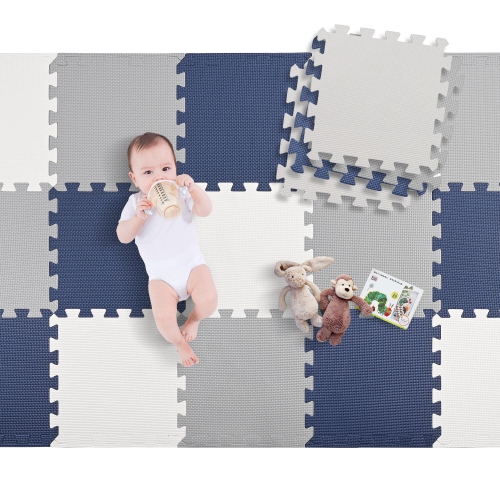
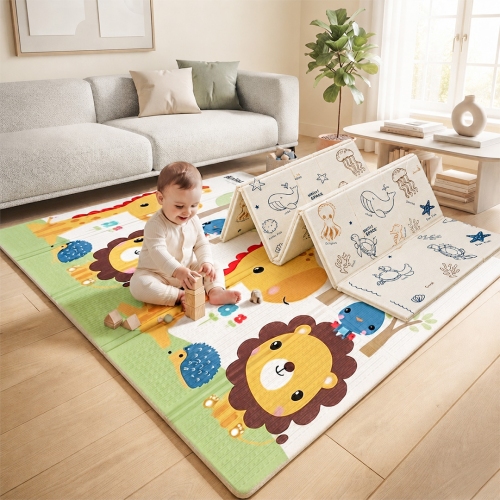
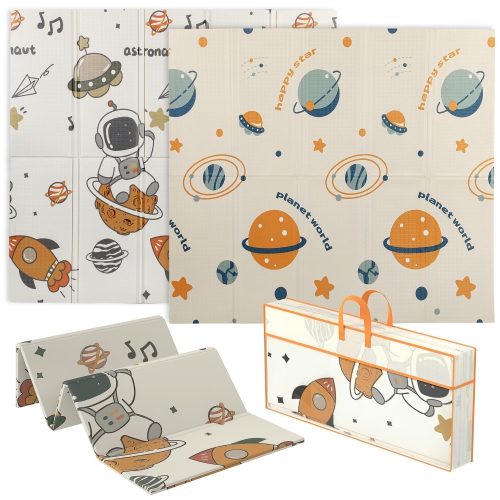
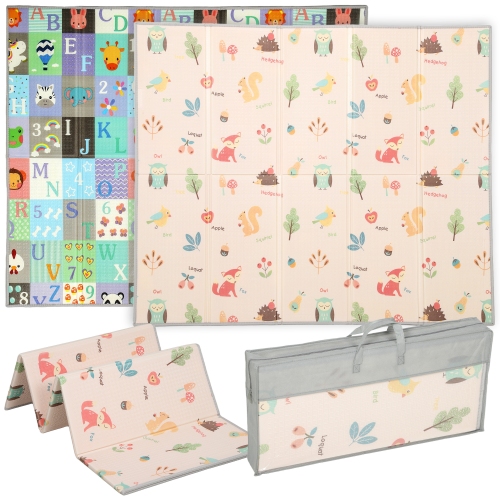
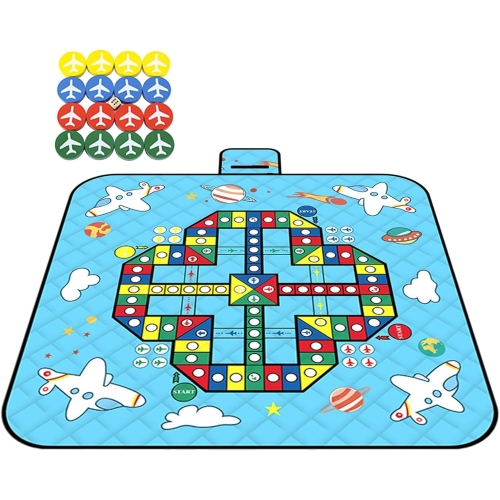
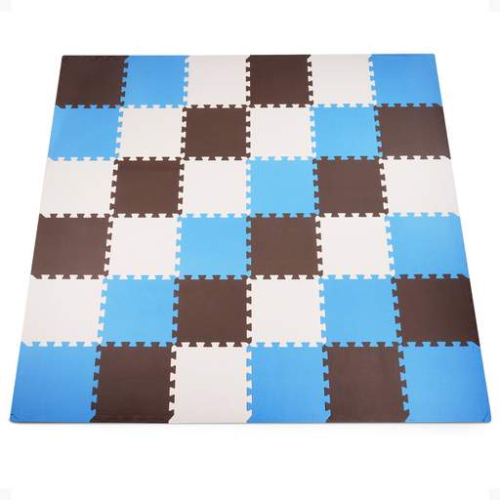
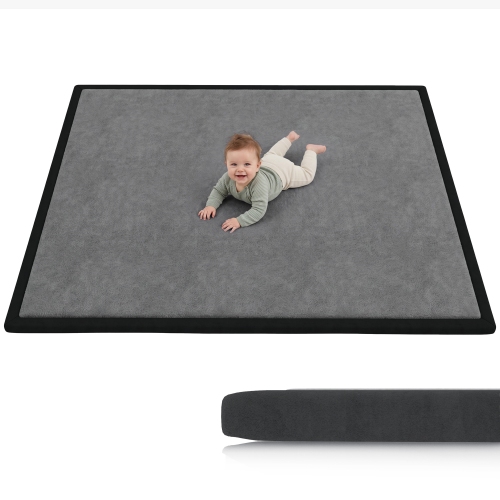
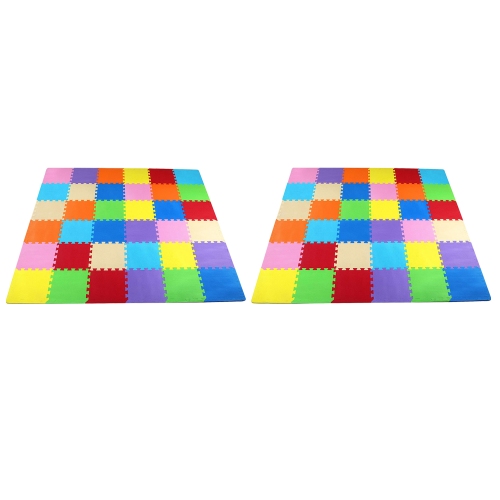
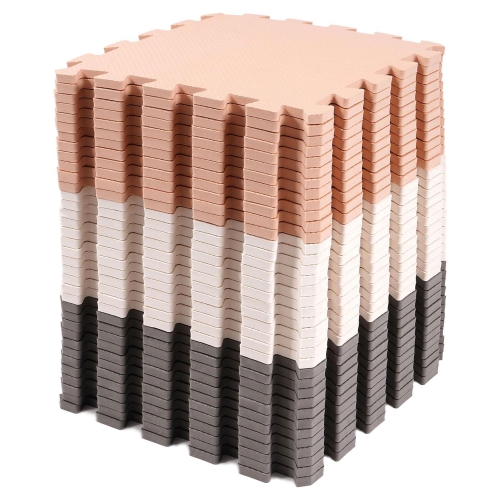
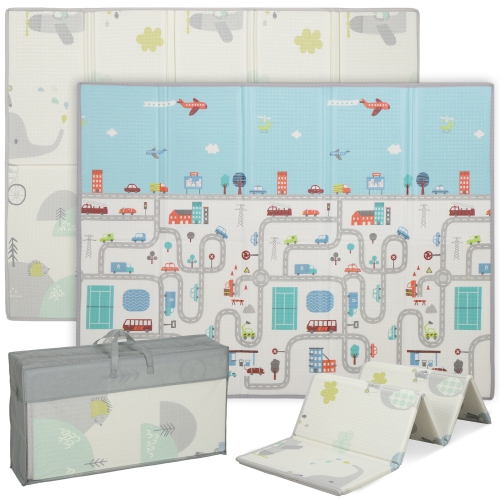
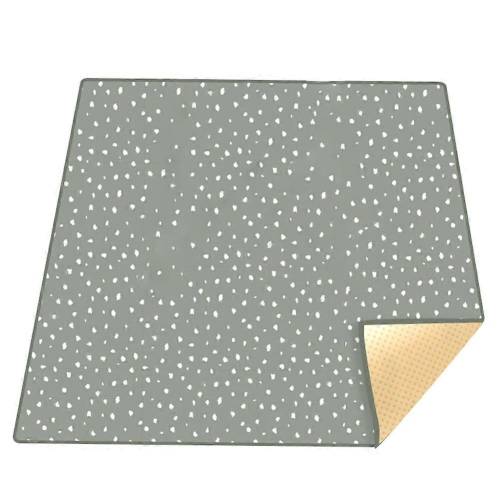
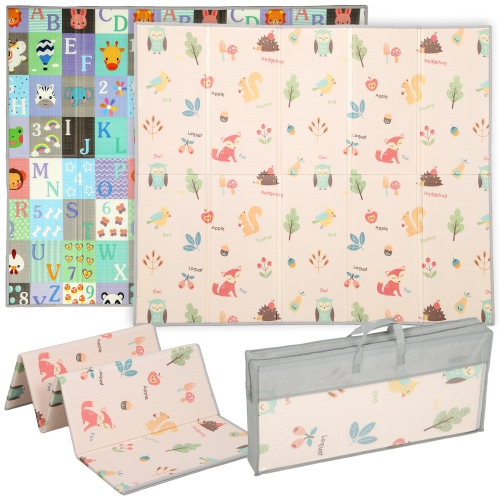
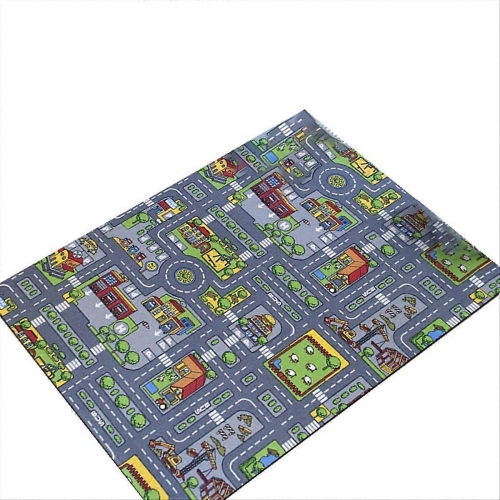
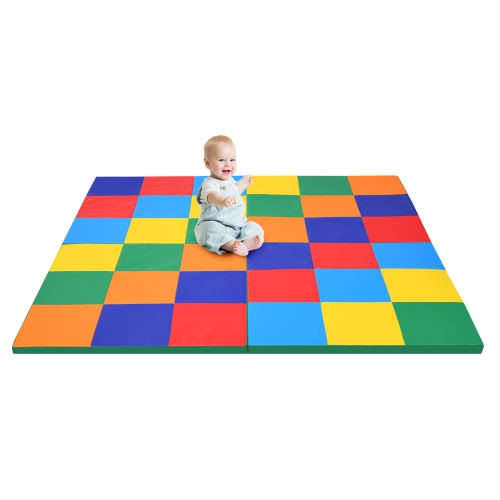
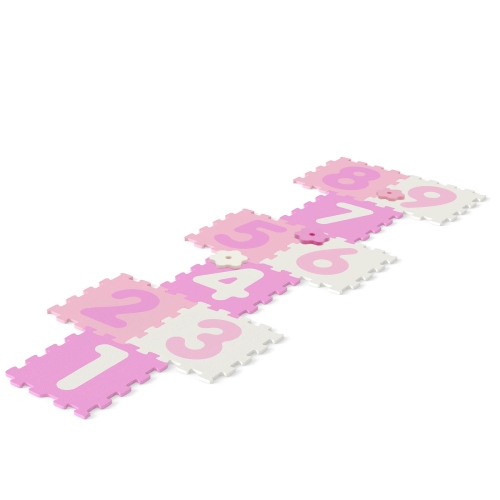
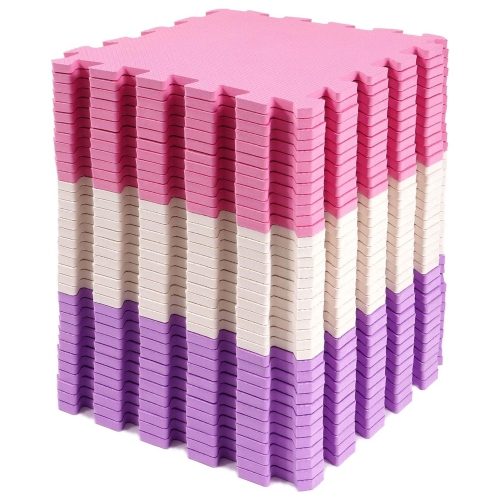
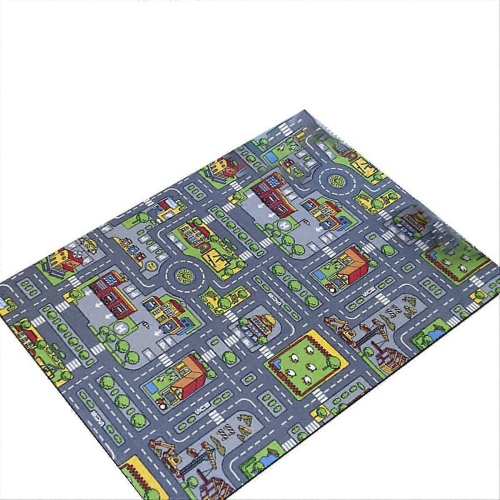
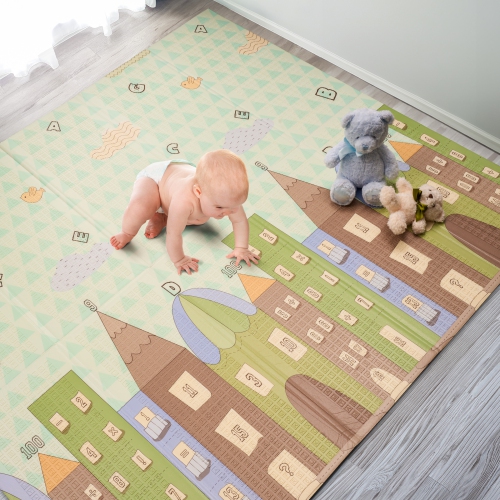
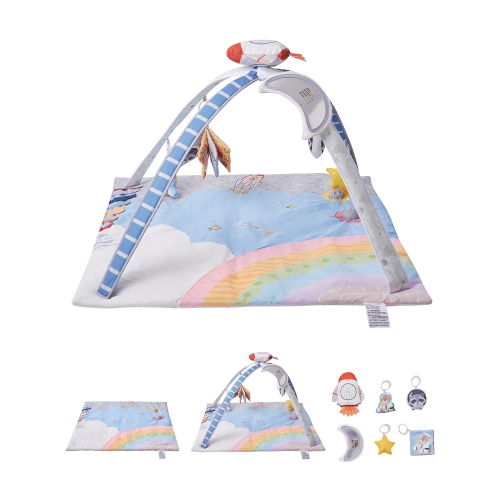
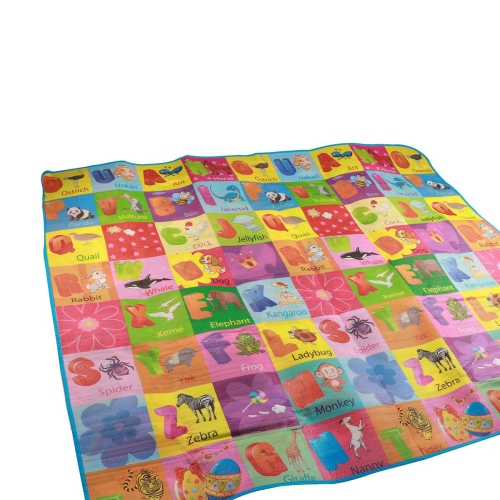
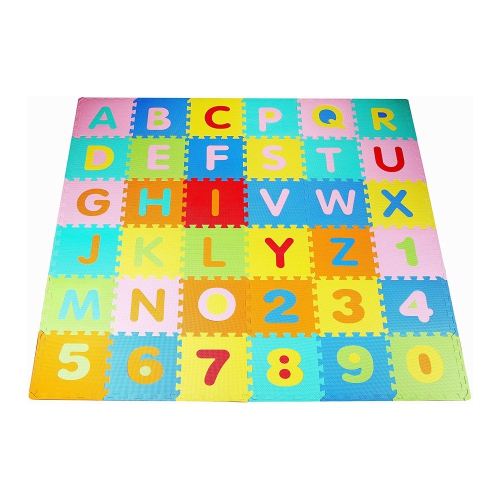
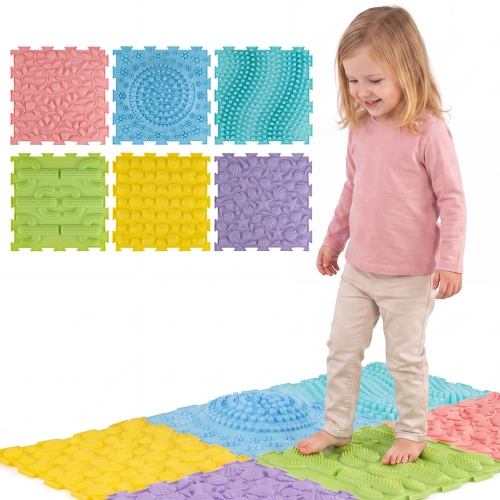
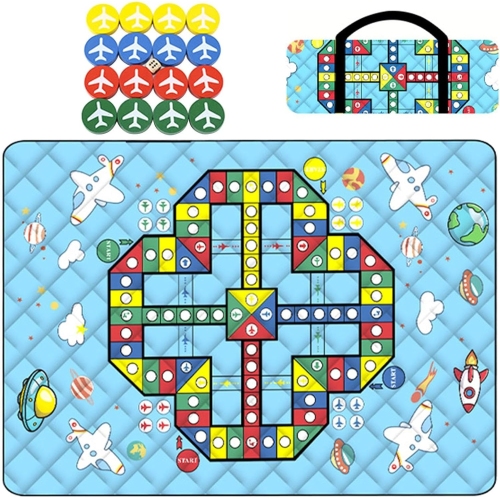
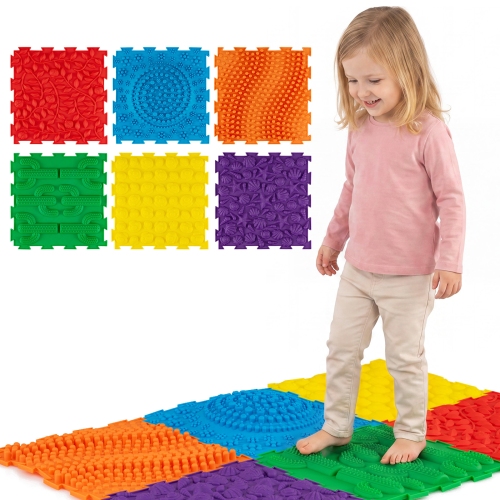
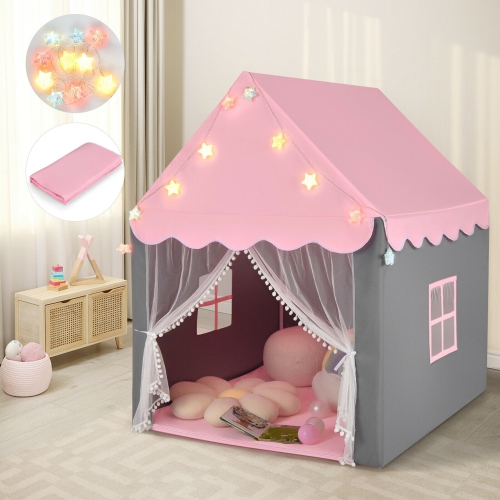
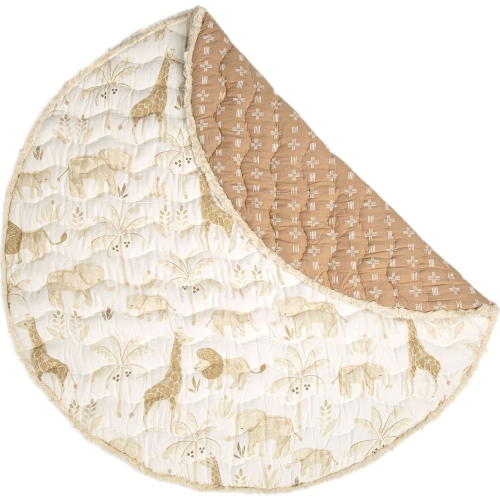
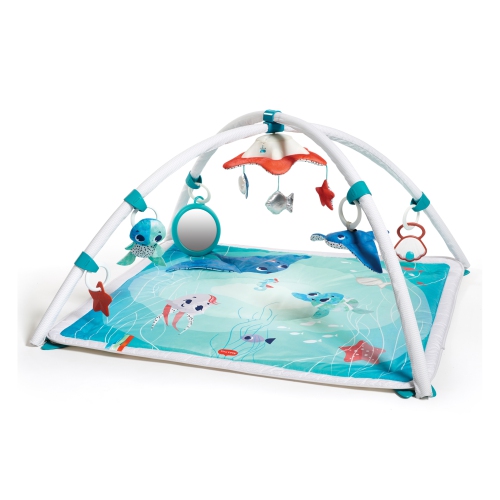
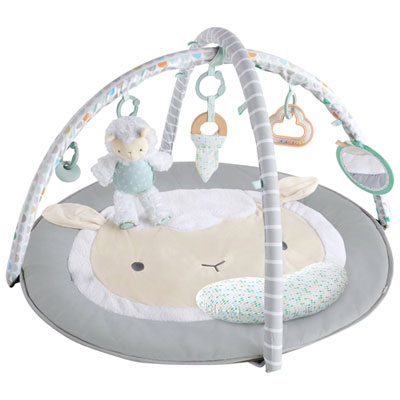
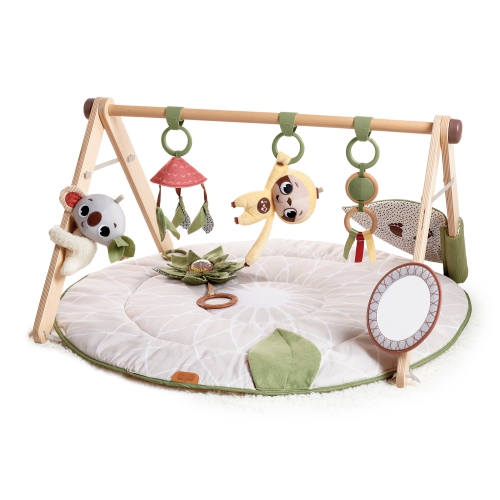
The right fit depends as much on the room as it does on the child. Measuring the usable floor area helps account for door swings, furniture legs, and the routes people take through a shared living space. A mat that fits neatly between a sofa and a media unit still needs enough separation from cords, sharp corners, heaters, and furniture that could tip. In a dedicated playroom, a broader surface can accommodate siblings playing side by side, but more coverage also means more area to clean and store. Interlocking puzzle tiles can work well where the layout needs to change, provided they are assembled according to the instructions and the connections stay secure. Edge pieces create a more finished border, while loose inserts or detachable shapes need particular attention in spaces used by children who still put objects in their mouths. One-piece mats avoid tile joins, though folds, curled edges, or movement across the floor can affect how flat they sit. The floor beneath matters: a mat may behave differently on smooth tile, hardwood, or carpet, so compatibility and any backing requirements are worth checking. Surface texture should provide comfortable contact for bare hands and knees without feeling abrasive. For infants, simple contrasting patterns or a few reachable features can provide visual interest during supervised play. Toddlers may enjoy roads, letters, animals, or open colour blocks that become part of pretend games, although a printed design does not replace conversation and shared play. Reversible patterns can make a mat easier to incorporate into a living room, with a playful side for activities and a quieter design for everyday use. Neutral colours can blend with existing furniture, while brighter colours may help define a child’s own corner. For families furnishing a broader activity space, Boxing Day playsets offer another way to extend pretend play. Any equipment placed near or on a mat still needs the clearance, floor conditions, and supervision specified by its manufacturer; padding should not be treated as a replacement for those requirements.
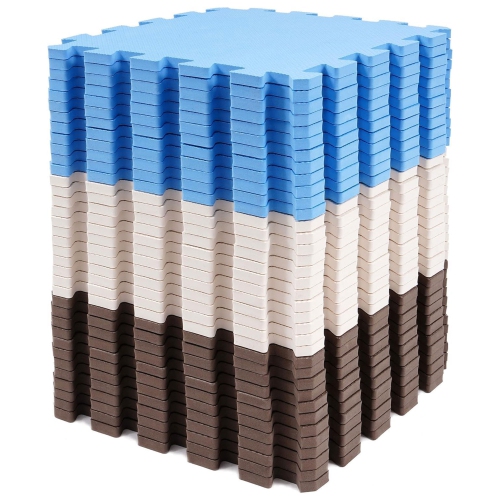
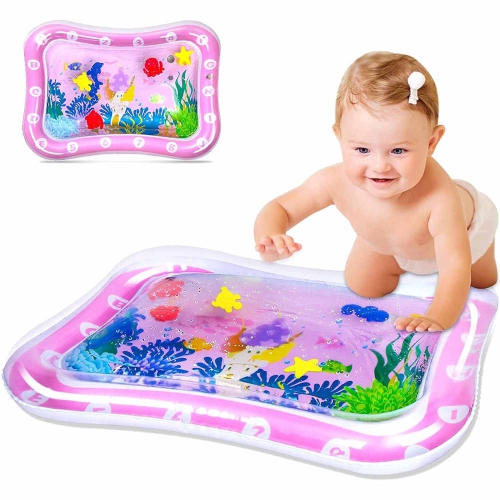
Daily care is often what makes a playmat a good long-term match for a household. A surface used for tummy time may need frequent cleaning after dribbles and spit-up, while a toddler’s play area might collect snack crumbs, modelling dough, and dust carried in on socks. Wipe-clean finishes can simplify small messes, but water-resistant and waterproof claims should be checked against the manufacturer’s instructions rather than assumed from appearance. Seams, tile joins, and textured grooves can hold moisture or debris even when the top surface looks clean. Lifting the mat periodically allows the floor underneath to be checked and cleaned, and both surfaces should be dry before the mat is put back. Fabric mats may be machine washable, spot-clean only, or fitted with removable covers; attached toys, arches, mirrors, or sound components can require separate care. Cleaning products also need to suit the material, since harsh chemicals, abrasive pads, and excessive heat may damage a finish or leave residue. Durability depends on more than surviving everyday foot traffic. Repeated folding can stress creases, furniture can leave dents, and pets’ claws or sharp toy edges may mark softer foam. Regular checks for peeling layers, torn fabric, exposed filling, loose components, or tiles that no longer connect securely help identify when a mat needs repair or replacement according to its instructions. Storage deserves similar attention. A folding mat may slide behind a cabinet, a rolled mat needs a suitable upright or horizontal space, and a stack of tiles requires somewhere to keep all the pieces together. For grandparents or caregivers who set up a play area only for visits, manageable weight and straightforward assembly can be especially useful. A playmat can also be a thoughtful Boxing Day gift for a family with a baby or young child when its size, age suitability, and care requirements match their home. Confirming those practical details helps ensure it becomes a familiar place for floor play rather than something too bulky or demanding for the household’s routine.
Top selling and popular products
-
 Your price for this item is $152
-
 Your price for this item is $118
-
 Your price for this item is $109.99
-
 Your price for this item is $69.99
-
 Your price for this item is $139.99
-
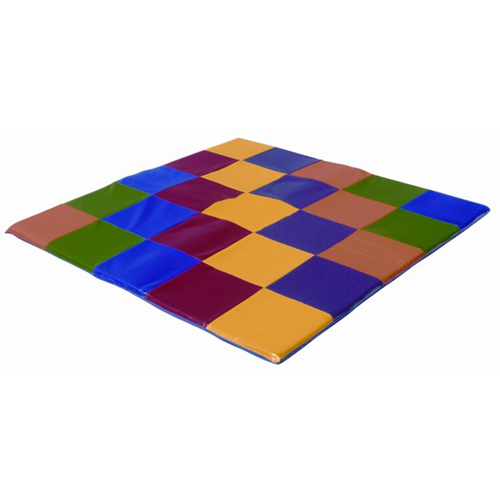 Your price for this item is $199.99
-
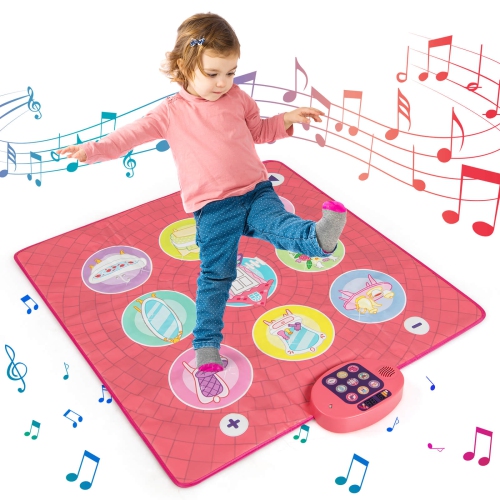 Your price for this item is $64.99
-
 Your price for this item is $189.99