Boxing Day Deals Coming Soon
Our Boxing Day Sale returns in December 2026. In the meantime, shop our current top deals below.

Boxing Day Sale On Planters & Flower Pots
Boxing Day is the perfect time to refresh your home and garden with incredible deals on planters and flower pots. Whether you're looking to add a touch of greenery to your living space or revamp your outdoor oasis, our selection offers something for every style and budget. From sleek modern designs to charming rustic options, discover the perfect pieces to showcase your favorite plants and flowers. With these unbeatable Boxing Day discounts, it's never been easier to transform any area into a lush, inviting retreat. Dive into our collection and find the ideal planters and pots to elevate your décor while enjoying fantastic savings. Remember, our Low Price Guarantee means you can shop confidently knowing that you'll find the best price at Best Buy, all year round. We encourage you to check our website frequently for the most up-to-date information on our latest offers and savings opportunities.
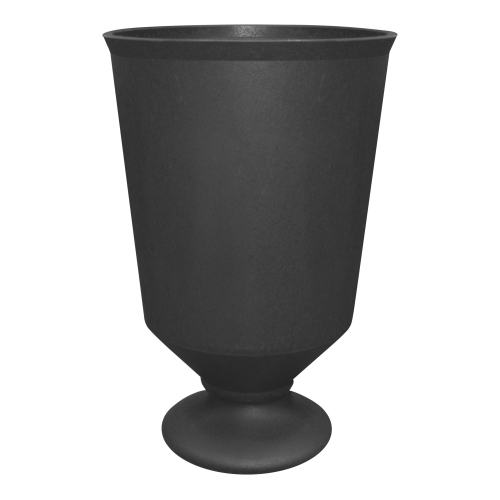
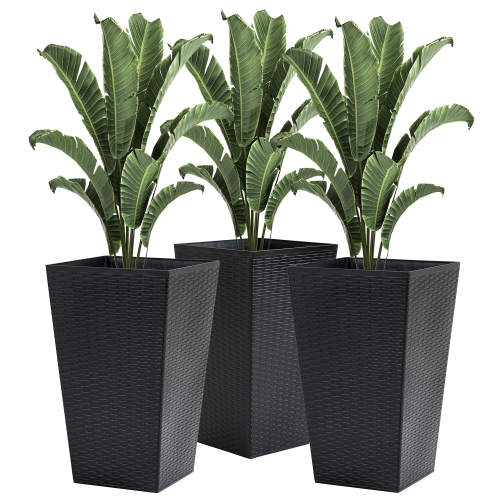
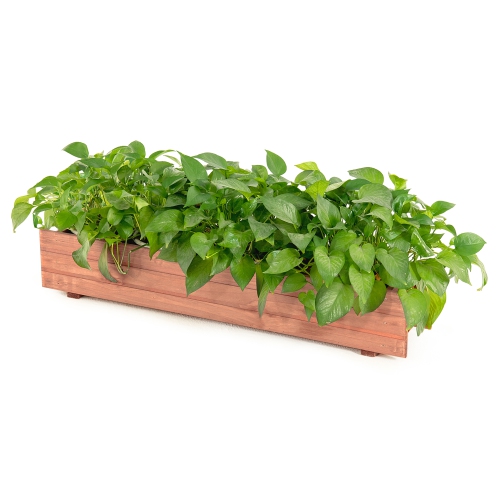
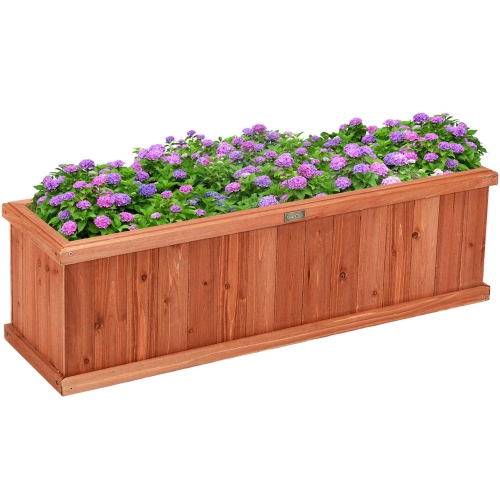
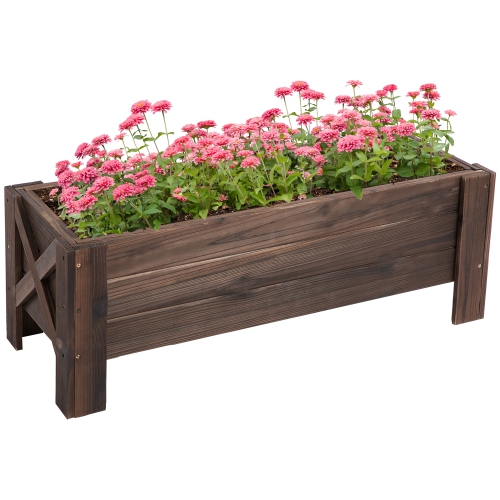
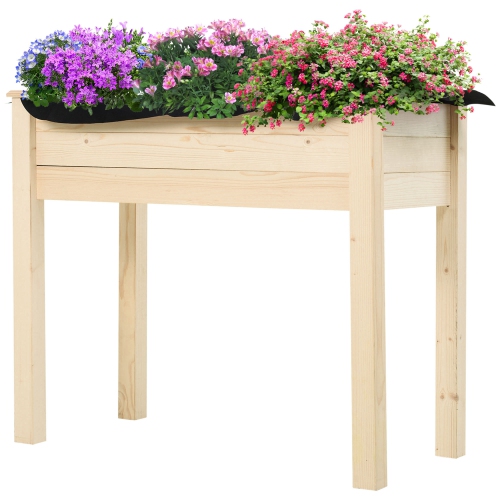
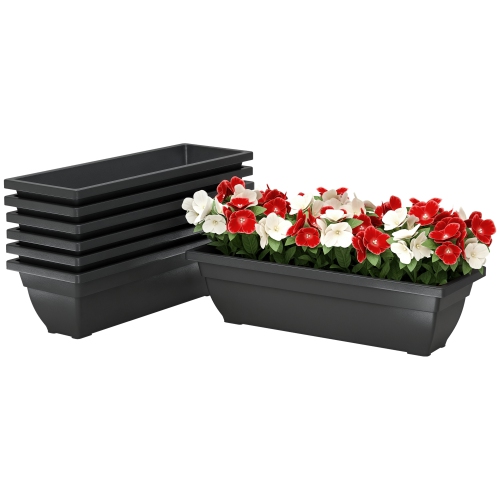
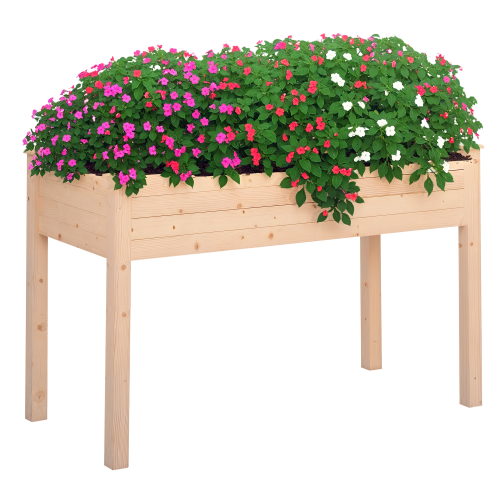
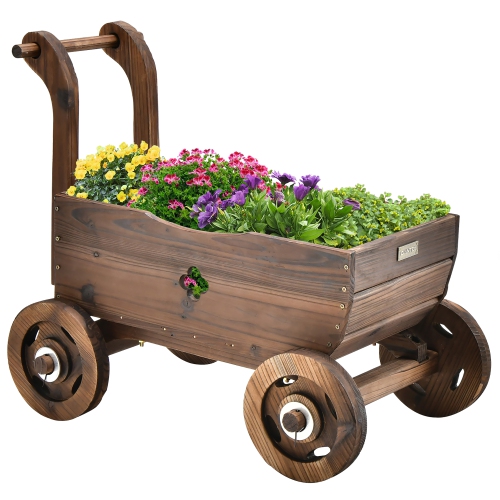
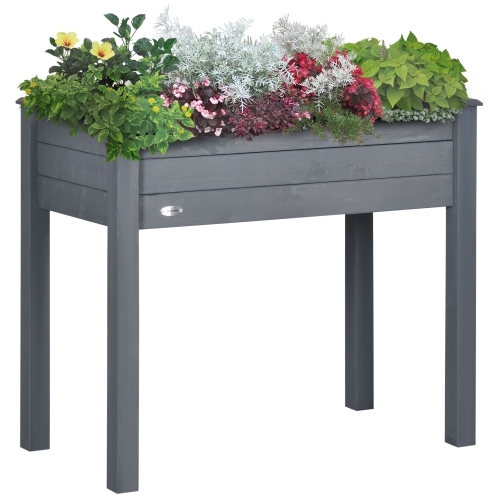
Why planter fit matters as much as finish
Materials influence weight, moisture retention, durability, and the way a planter feels alongside other furnishings. Unglazed terracotta has a warm, earthy appearance and allows moisture to pass through its porous walls, so growing medium may dry more quickly than it would in a less porous container. That quality can suit plants that prefer drying between waterings, but watering needs still depend on light, airflow, root development, and the growing medium. Glazed ceramic offers a broad range of colours and surface finishes, from smooth and reflective to softly textured. Its weight can provide useful stability, although larger ceramic containers may be difficult to lift once filled. Ceramic should not be assumed to be watertight simply because it has a glazed finish; checking its intended use helps protect nearby surfaces. Plastic and resin containers are generally lighter, which makes them practical for rearranging a room or carrying plants to a sink. Their resistance to cracking, fading, and wear varies by construction and intended placement. Metal brings a crisp outline to a display, but its suitability for direct planting depends on the finish, drainage, and resistance to corrosion. Wood provides visible grain and a softer visual contrast to tile or metal furniture, though repeated moisture exposure makes suitable construction and liners important. Concrete and stone containers offer substantial weight and a grounded appearance, making the strength of shelves, stands, and supporting surfaces worth considering. For patios, balconies, and entrances, look for containers explicitly intended for outdoor use rather than assuming an indoor pot can handle exposure. Where freezing conditions are possible, water retained in porous materials can contribute to cracking; follow the manufacturer’s care and storage directions. Surface texture also affects routine care. A smooth rim is easier to wipe after watering, while grooves and raised patterns may require a soft brush to remove dust or dried soil. Lifting a container from its base rather than its rim or decorative handles helps avoid unnecessary strain on fragile sections.
Drainage and surface protection deserve as much attention as shape and colour. A drainage hole lets excess water escape, and a properly sized saucer helps catch runoff, but standing water should be emptied rather than left around the roots. A layer of gravel at the bottom does not replace a drainage hole. With a closed decorative planter, a removable nursery pot makes it easier to water the plant separately, allow it to drain, and return it to its display. Leave enough clearance to lift the inner pot without pulling on stems. On wood furniture, a suitable protective barrier helps guard against condensation, seepage, and scratches; check beneath containers regularly rather than relying on an outer surface that feels dry. Self-watering designs use a reservoir and a wicking system or similar mechanism to supply moisture, but they still require monitoring and are not equally suited to every plant. Reservoir access, water-level visibility, and ease of cleaning can make a noticeable difference in everyday use. Placement matters, too. A broad base can improve stability around busy walkways, while hanging planters need hardware and supports rated for the combined weight of the container, wet growing medium, and plant. Keep trailing stems and accessible containers away from places where children or pets could pull them down, and check plant suitability separately. For someone who enjoys greenery without watering or repotting, a decorative vessel can also hold an artificial arrangement; artificial flowers and plants offer another way to pair foliage and blooms with a favourite container. Planters can make considerate gifts for a new homeowner, a keen gardener, or someone personalizing a workspace, particularly when the size suits a space they already use. A manageable weight, a removable inner pot, and straightforward cleaning may be more useful than elaborate detailing. Whether the setting is a small apartment, a family living room, or a sheltered outdoor seating area, thoughtful proportions and practical construction help a planter become a lasting part of the space rather than simply another container to work around.
Top selling and popular products
-
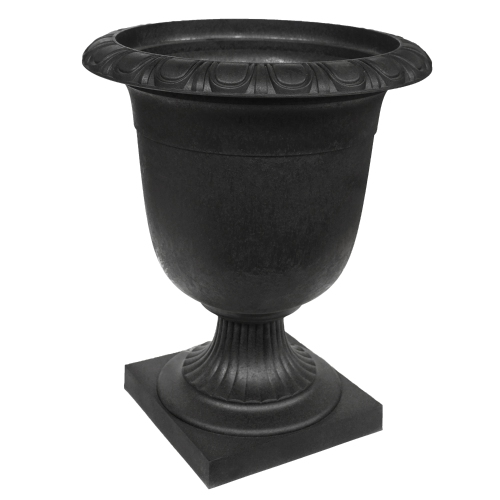 Your price for this item is $69.99
 -
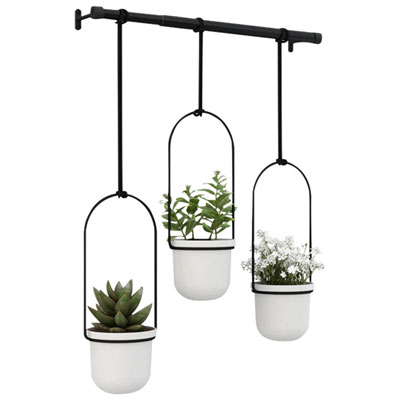 Your price for this item is $54.98
 -
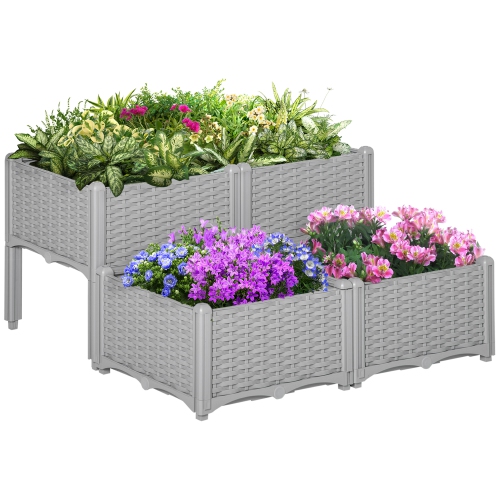 Your price for this item is $89.99
 -
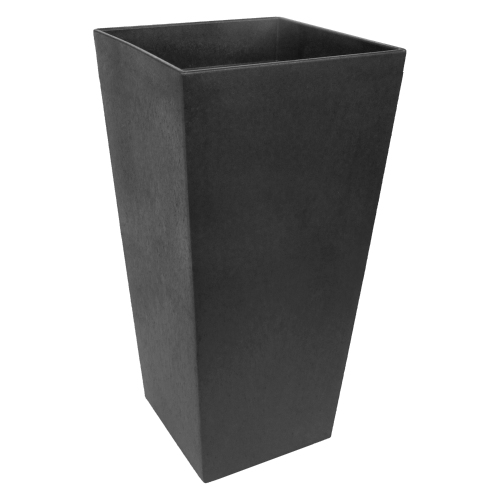 Your price for this item is $79.99
 -
 Your price for this item is $104.99
 -
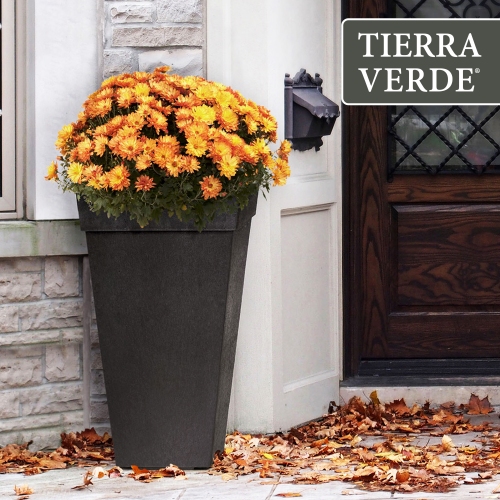 Your price for this item is $141.99
 -
 Your price for this item is $117.75
 -
 Your price for this item is $117.75