Boxing Day Deals Coming Soon
Our Boxing Day Sale returns in December 2026. In the meantime, shop our current top deals below.

Boxing Day Sale On Sculptures & Statues
Boxing Day is the perfect time to discover incredible deals on sculptures and statues that can transform any space into a gallery of elegance and creativity. Whether you're looking to enhance your home decor or find a unique gift, our selection offers a variety of styles and designs to suit every taste. From contemporary pieces to timeless classics, these artful creations can add depth and personality to any room. Dive into our Boxing Day Sale and explore the artistic possibilities that await, all while enjoying unbeatable discounts that make it easier than ever to bring art into your life. Remember, our Low Price Guarantee means you can shop confidently knowing that you'll find the best price at Best Buy, all year round. We encourage you to check our website frequently for the most up-to-date information on our latest offers and savings opportunities.
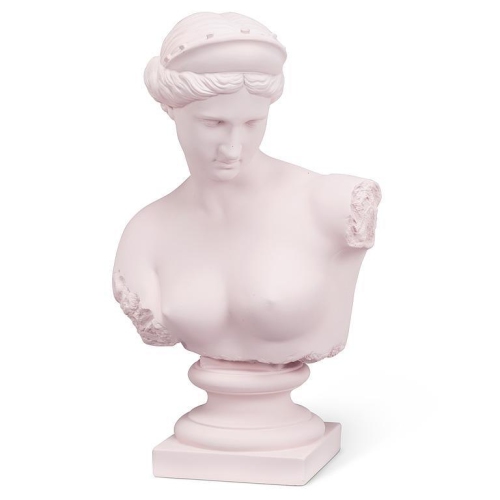
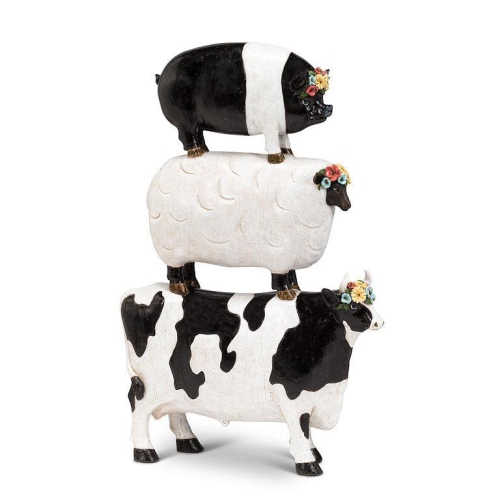
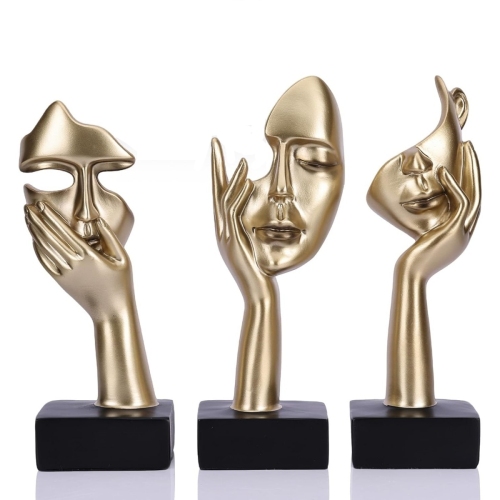
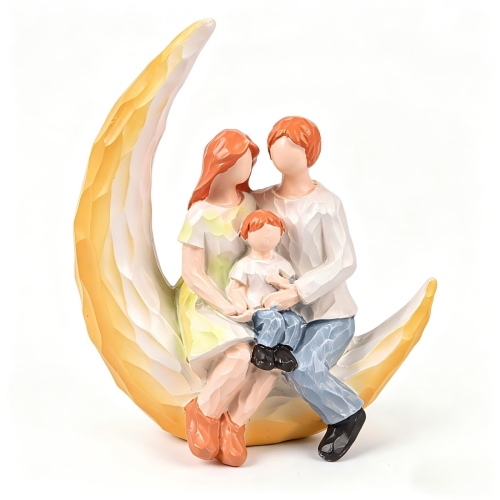
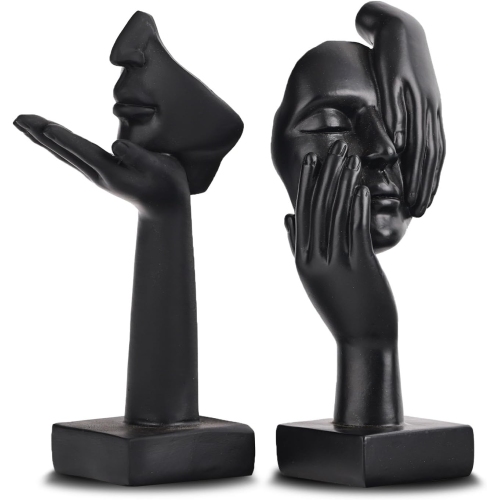
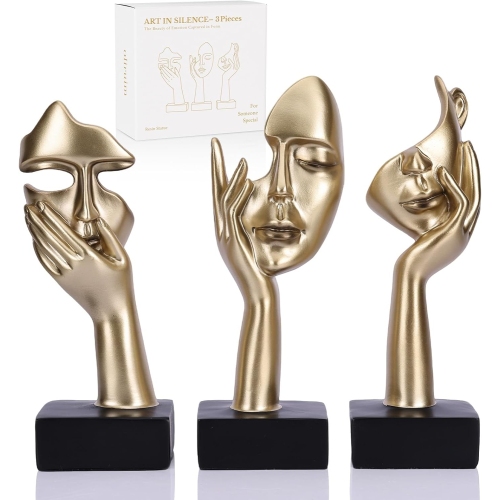
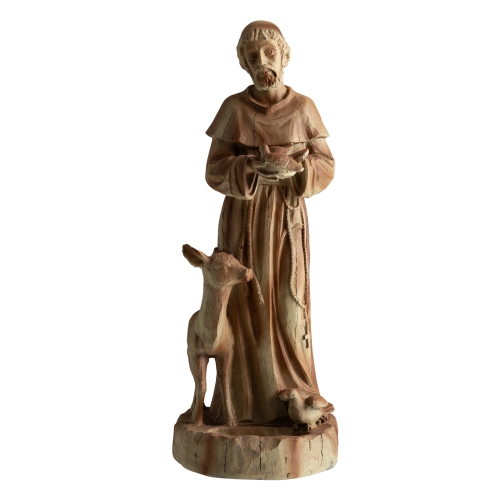
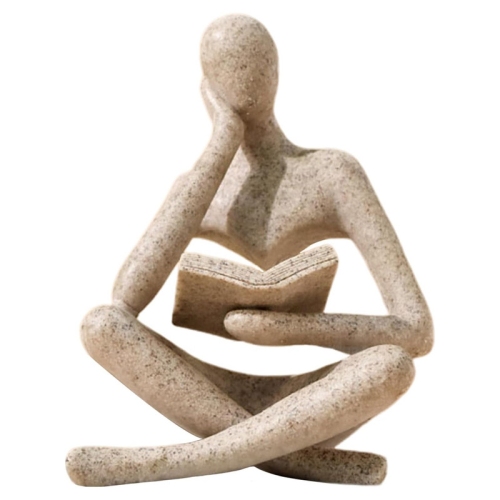
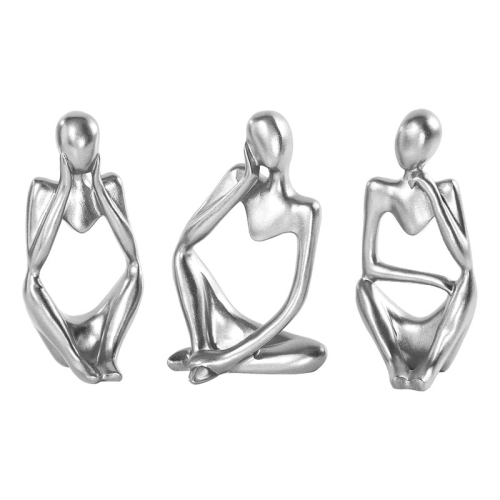



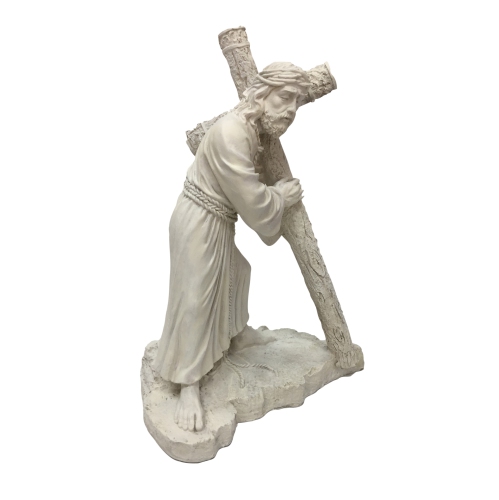
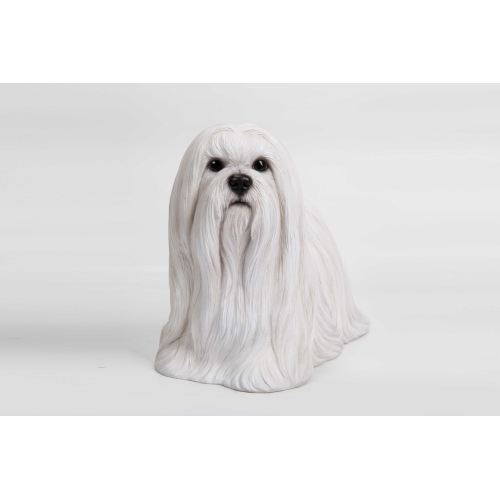
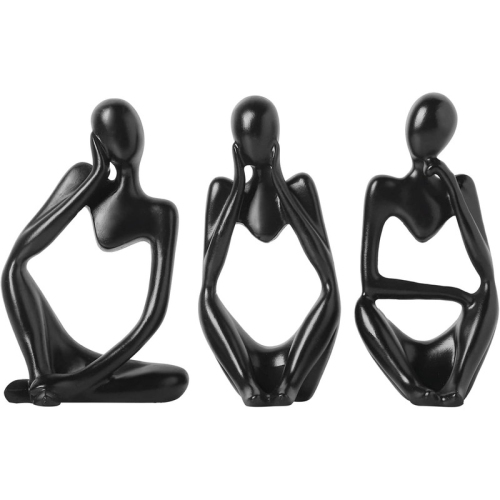
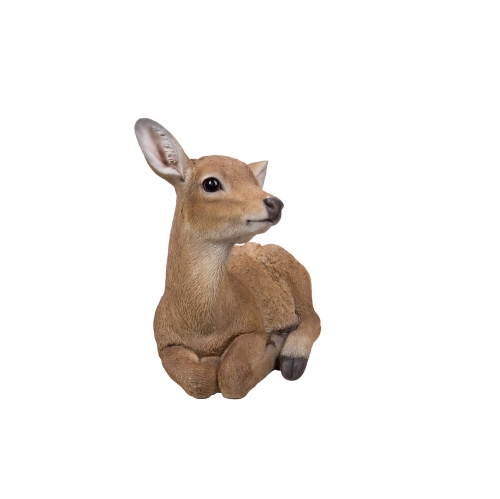
How sculptures add character without overwhelming your space
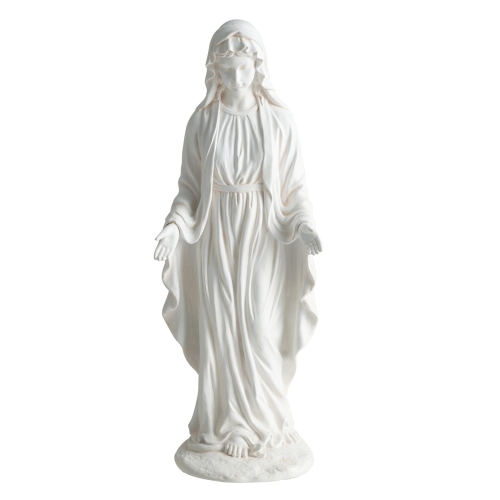
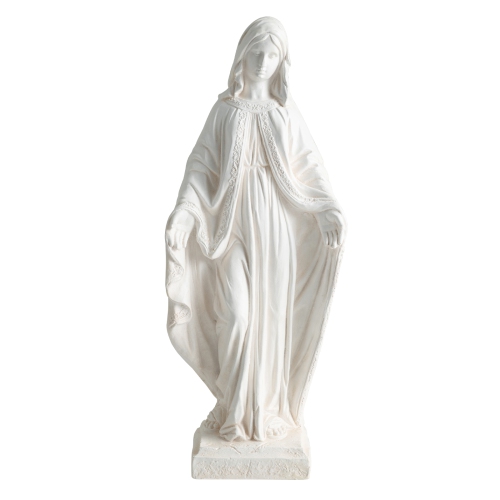
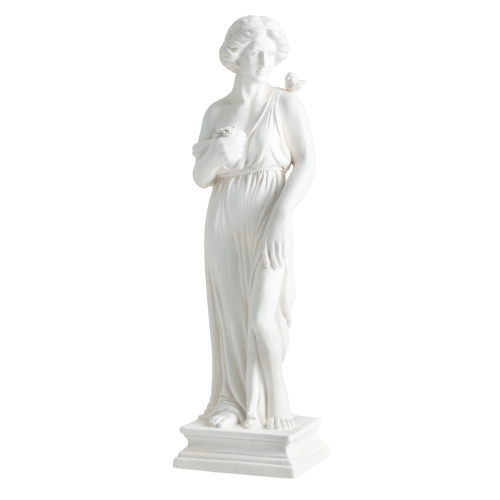
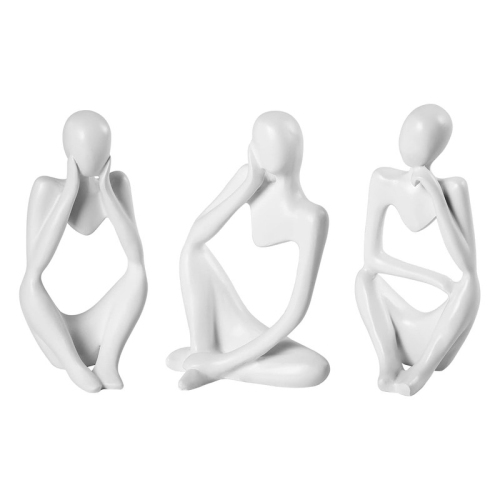
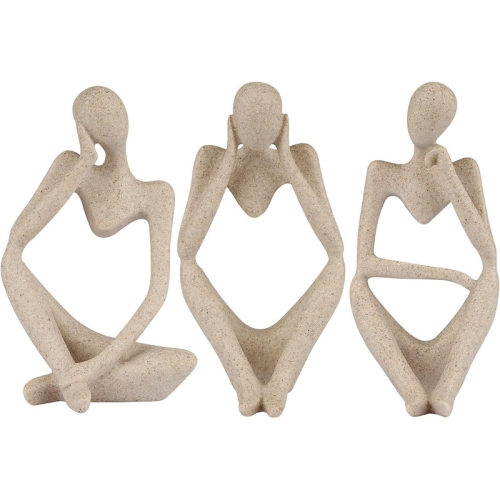
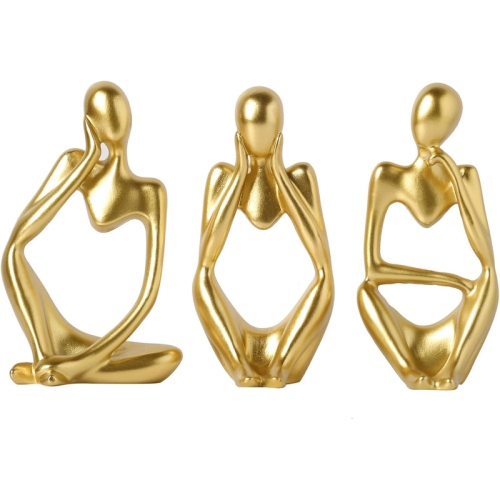
Materials influence both the appearance of sculptures and statues and the care they need over time. Ceramic can offer a smooth glazed surface or a more tactile, unglazed finish, with either treatment bringing a different character to a display. It can also chip or break if knocked over, making a stable location important. Resin allows for detailed shapes and varied finishes, but a surface that resembles stone or metal does not necessarily have the same weight, strength, or care requirements as that material. Metal sculptures range from slim, open forms to more substantial cast designs; their finish determines whether fingerprints, scratches, or changes in colour are likely to be noticeable. Natural stone introduces variations in veining and texture, and its weight calls for a sturdy shelf, table, or pedestal. Glass can catch and redirect light beautifully, though glare and reflections may change its appearance throughout the day. Wood brings visible grain and warmth, but direct sunlight, nearby heating vents, and repeated exposure to moisture can affect its surface. Concrete and stone-like finishes can create a grounded, architectural effect, although suitability for outdoor use depends on the construction and protective finish rather than appearance alone. A patio or garden statue needs an explicit outdoor-use designation; an indoor piece should not be assumed to tolerate rain, standing water, or freezing conditions. For indoor displays, a level base and a surface capable of supporting the sculpture’s weight are essential, especially around children, pets, or busy walkways. Tall, narrow forms can be easier to tip than lower pieces with broad bases. Felt pads may help protect furniture where appropriate, provided they do not make the base unstable. Routine care is usually about removing dust gently and avoiding treatments that could damage the finish. A soft cloth or soft-bristled brush can reach textured details, while manufacturer care instructions should determine whether a damp cloth or cleaning solution is suitable. Harsh cleaners, abrasive pads, and vigorous polishing can alter painted, plated, or deliberately aged surfaces. Moving a sculpture by its supported body or base, rather than a thin arm, wing, or projecting detail, also helps preserve delicate sections.
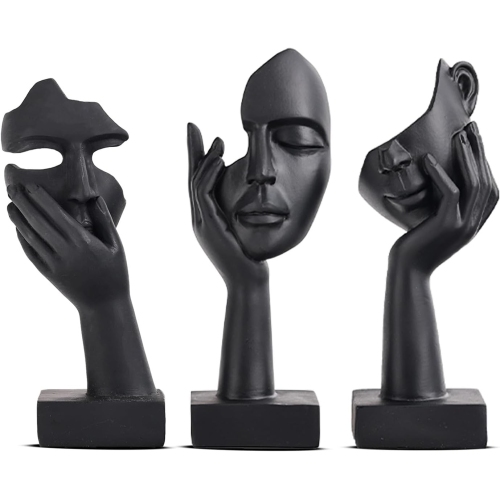
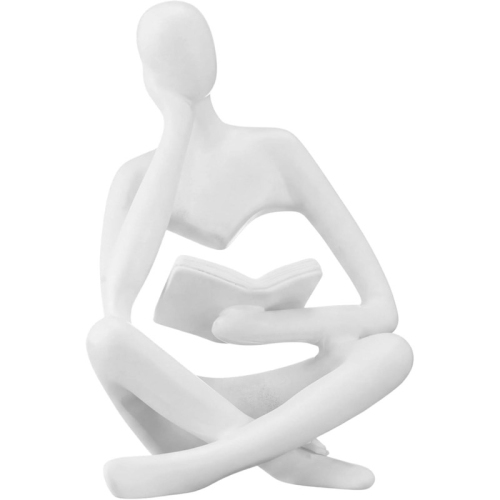
The most satisfying decorative pieces tend to have a clear role in the space without needing to dominate it. In a home office, an abstract sculpture beside a few books can give a work area a more personal feel while leaving the desk clear for daily tasks. On an entryway console, a rounded or upright form can provide a focal point without interfering with keys, bags, or the route through the door. A dining room sideboard offers room for a larger silhouette, but practical access still matters when the surface is used for serving. Lighting changes how a sculpture reads: gentle light from the side can reveal ridges and recessed details, while strong light from directly above may create shadows that obscure a face or fine texture. Pale pieces often stand out against darker walls or shelving, and darker forms can look especially distinct against a light backdrop. Grouping several decorative objects works best when there is enough variation in height and shape for each outline to remain clear; a single sculpture can be equally effective when given room to breathe. Sculptures and statues can also make thoughtful gifts for people furnishing a first apartment, celebrating a new home, or developing an interest in art and interior design. For a recipient with limited display space, a compact piece with a secure base is often easier to accommodate than a large statement design. Personal taste is particularly important with figurative art, cultural imagery, and symbolic subjects, so a familiar interest or an established decorating style offers a useful starting point. For gift lists that also include wearable accessories, the Boxing Day sale on jewellery page offers a related category to explore. Whether selected as a gift or for a personal collection, a sculpture’s lasting appeal comes from the relationship between its form, material, and setting: something interesting to look at, comfortable to live with, and suited to the place it will occupy.
Top selling and popular products
-
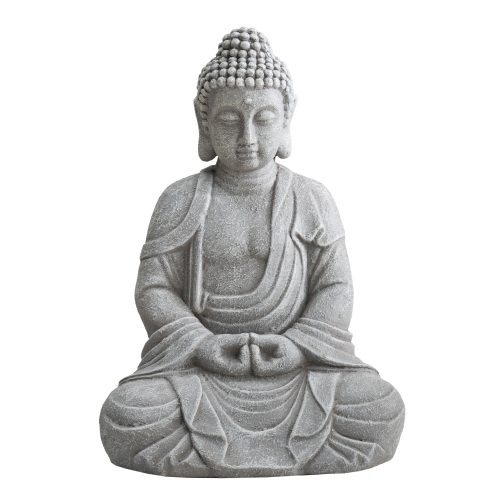 Your price for this item is $77.99
-
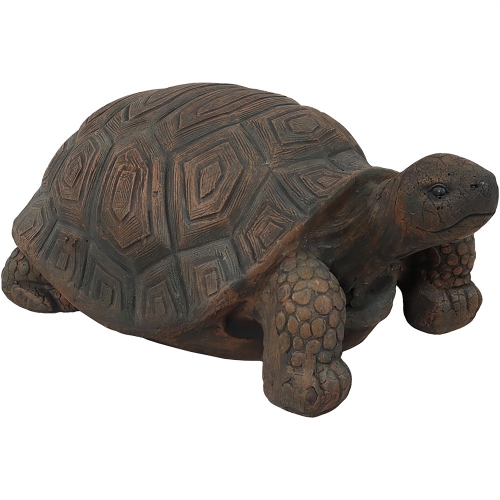 Your price for this item is $217.05
-
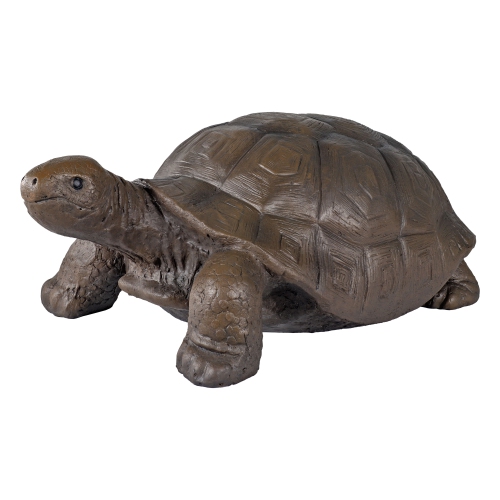 Your price for this item is $340.25
-
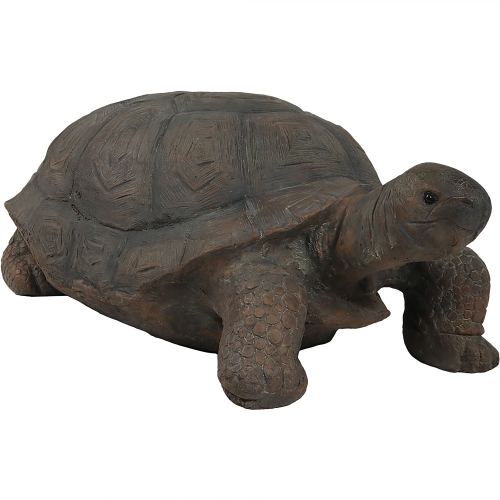 Your price for this item is $340.25
-
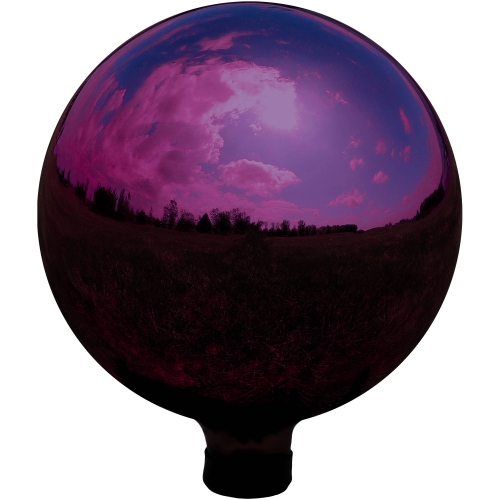 Your price for this item is $90.65
-
 Your price for this item is $124.25
-
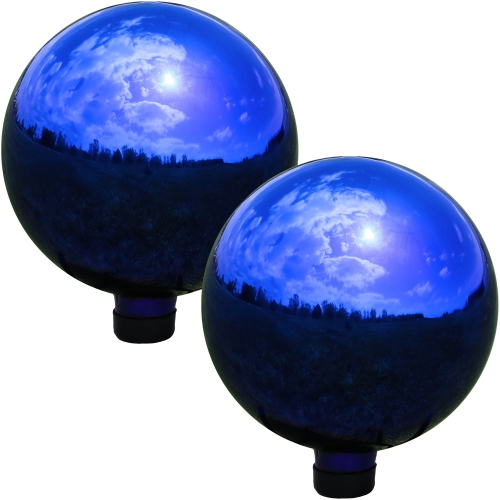 Your price for this item is $124.25
-
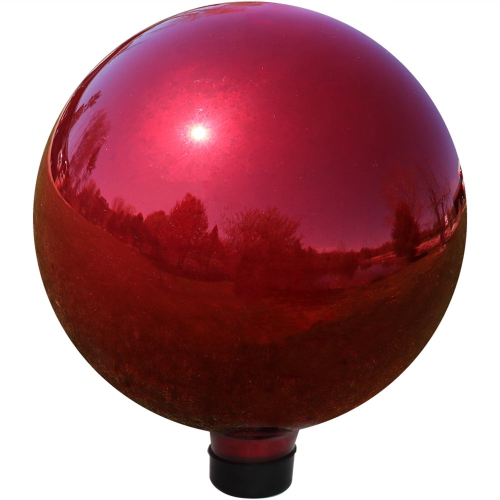 Your price for this item is $90.65